Combined Science: Synergy > QUESTIONS & ANSWERS > hw5-solutions - University of Texas, Dallas CS 6320 (All)
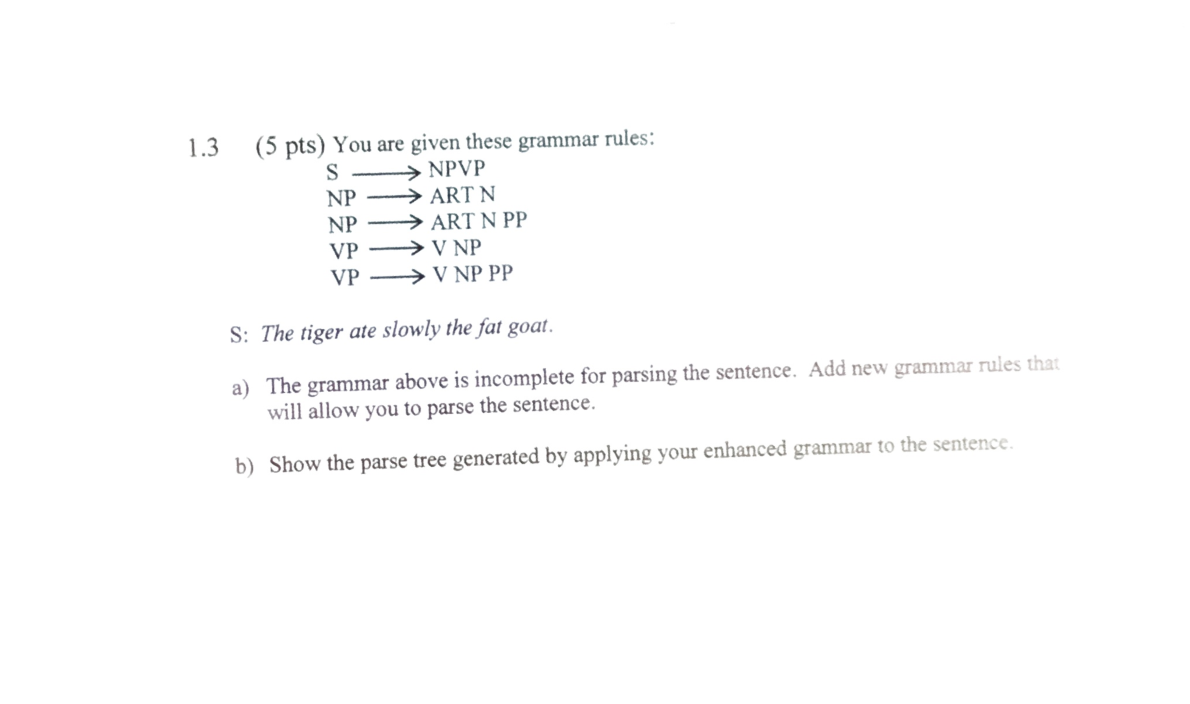
hw5-solutions - University of Texas, Dallas CS 6320
Document Content and Description Below
Last updated: 3 years ago
Preview 1 out of 6 pages
Instant download

Buy this Document to get the Full Access Instantly
Provided by Students Who Aced it
We Verify Document Content to Gurantee Accuracy
Reviews( 0 )
Document information
Connected school, study & course
About the document
Uploaded On
Dec 05, 2022
Number of pages
6
Written in
All

Additional information
This document has been written for:
Uploaded
Dec 05, 2022
Downloads
0
Views
134
Topic Tags
Recommended For You
Get more on QUESTIONS & ANSWERS »

University of Texas, Dallas - CS 6320Midterm_3. WITH ALL ANSWE...

University of Texas, Dallas - CS 6320>Final Exam – Sample Ques...


Test Bank For Foundations of Physical Education Exercise Scien...

OCR GCSE (9–1) Combined Science B (Twenty First Century Scienc...
Cambridge IGCSE™ COMBINED SCIENCE 0653/22 | Complete Questions...

MBA 6207 Textbook Quiz 05: Database Systems and Data Managemen...

ACCS Oakes practice Exam Questions and answers with 100% corre...

ACCS Lindsay Jones Questions and answers with 100% correct sol...

lab-11 solution cpsc 110 - University of British Columbia CPSC...


OCR Oxford Cambridge and RSA Wednesday 15 June 2022 — Morning...

C182 ITEC 2001 Introduction to IT Comprehensive FA Review (Qns...



.png)


.png)


