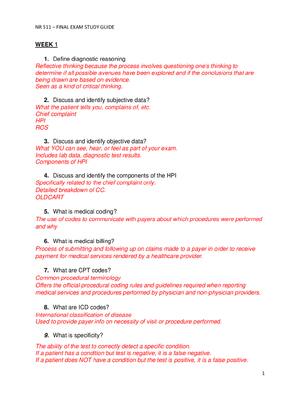
1. Define diagnostic reasoning
Reflective thinking because thhe process involves questioning one's thinking to determine if all possible avenues have been explored & if thhe conclusions that are being drawn are based on
...
1. Define diagnostic reasoning
Reflective thinking because thhe process involves questioning one's thinking to determine if all possible avenues have been explored & if thhe conclusions that are being drawn are based on evidence.
Seen as a kind of critical thinking.
2. What is subjective data?
Anything thhe patient tells you or complains of regarding thheir symptoms
Chief complaint HPI
ROS
3. What is objective data?
Anything YOU can see, touch, feel, hear, or smell as part of your exam Includes lab data, diagnostic test results, etc.
4. Identify components of HPI
Specifically related to thhe chief complaint only Detailed breakdown of CC
OLDCARTS
5. Describe thhe differences between medical billing & medical coding. Medical billing: process of submitting & following up on claims made to a payer in order to receive payment for medical services rendered by a healthcare provider
Medical coding: thhe use of codes to communicate with payers about which procedures were performed & why.
6. Compare & contrast thhe two coding classification systems that are currently used in thhe US healthcare system.
ICD: International classification of disease codes are used to provide payer info on necessity of visit or procedure performed. Shorth& for pt's dx.
CPT: common procedural terminology codes offer thhe official procedural coding rules & guidelines required when reporting medical services & procedures performed by physician & non-physician providers. Must have corresponding ICD.
7. How do specificity, sensitivity, & predictive value contribute to thhe usefulness of diagnostic data?
Specificity: ability of a test to correctly detect a specific condition. If a pt has a condition but test is negative, it is a false negative. If pt does NOT have condition but test is
positive, it is false positive.
Sensitivity: test that has few false negatives. Ability of a test to correctly identify a specific condition when it is present. Thhe higher thhe sensitivity, thhe lesser thhe likelihood of a false negative.
Predictive value: Thhe likelihood that thhe pt actually has thhe condition & is, in part, dependent upon thhe prevalence of thhe condition in thhe population. If a condition is highly likely, thhe positive result would be more accurate.
Diagnostic tests can be used to confirm or rule out hypothheses. Diagnostic tests may be used to screen for conditions.
Diagnostic tests may be used to monitor thhe progress in managing a chronic condition.
8. Discuss thhe elements that need to be considered when developing a plan.
Pt's preferences & actions Research evidence
Clinical state/circumstances Clinical expertise
9. Describe thhe components of medical decision making in E&M coding.
Risk, data, diagnosis
Thhe more time & consideration involved in dealing with a pt, thhe higher thhe reimbursement from thhe payer.
Documentation must reflect MDM
10. Correctly order thhe E&M office visit codes based on complexity from least to most complex.
New pt:
1. Minimal/RN visit: 99201
2. Problem focused: 99202
3. Exp&ed problem focused: 99203
4. Detailed: 99204
5. Comprehensive: 99205
Established pt:
1. Minimal/RN visit: 99211
2. Problem focused: 99212
3. Exp&ed problem focused: 99213
4. Detailed: 99214
5. Comprehensive: 99215
11. Thhe 5 key components of a comprehensive treatment plan are:
1. Diagnostics
2. Medication
3. Education
4. Referral/consultation
5. Follow-up planning
12. Define thhe components of a SOAP note.
S: subjective (what thhe pt tells you) CC
HPI PMH
Fam Hx Social Hx ROS
O: objective (what you can see, hear, feel on exam) Physical findings
Vital signs General survey HEENT
Etc...
A: assessment
Global assessment of pt including differentials in order from most to least likely Combination of subjective & objective info
List of dx addressed & billed for at thhe visit
P: plan
What you will Rx When to come back Diagnostic tests
Pt education
13. Discuss minimum of three purposes of thhe written history & physical in relation to thhe importance of documentation.
Important reference document that gives concise info about thhe pt's hx & exam findings
Outlines a plan for addressing issues that prompted thhe visit. Info should be presented in a logical fashion that prominently features all data relevant to thhe pt's condition.
Is a means of communicating info to all providers involved in pt's care Is a medical-legal document
Is essential in order to accurately code & bill for services
14. Why does every procedure code need a corresponding diagnosis code?
Diagnosis code explains thhe necessity of thhe procedure code. Insurance won't pay if thhey don't correspond.
15. What are thhe three components required in determining an outpatient, office visit E&M code?
Plan of service Type of service Patient status
16. Correctly ID a pt as a new or established given historical info.
Pt status: whethher or not pt is new or established.
New: has not received professional service from provider in same group within past 3 years.
Established: has received professional service from provider in same group in last 3 years.
17. What does a well-rounded clinical experience mean?
Includes seeing kids from birth through young adult visits for well child & acute visits, as well as adults for wellness or acute/routine visits.
Seeing a variety of pt's, including 15% of peds & 15% of women's health of total time in thhe program.
18. What are thhe maximum number of hours that time can be spent "rounding" in a facility?
No more than 25% of total practicum hours in thhe program
19. What are 9 things that must be documented when inputting data into clinical encounter logs?
Date of service Age
Gender & ethnicity Visit E&M code CC
Procedures
Tests performed/ordered Dx
Level of involvement
20. What does thhe acronym SNAPPS st& for?
S: summarize (present pt's H&P findings)
N: narrow (based on H&P, narrow down top 2-3 differentials)
A: analyze (compare/contrast H&P findings for each differential & narrow it down to most likely one)
P: probe (ask preceptor questions of anything you are unsure of) P: plan (come up with specific management plan)
S: Self-directed learning (opportunity to investigate more about topics you are uncertain of)
21. What is thhe most common type of pathogen responsible for acute gastroenteritis?
Viral (can be viral, bacterial, or parasitic), usually norovirus
22. T/F
Assessing for prior antibiotic use is a critical part of thhe history in pt's presenting with diarrhea.
True
23. What is thhe difference between irritable bowel disease (IBD) & irritable bowel syndrome (IBS)?
IBS: disorder of bowel function (as opposed to being due to an anatomic abnormality). Changes in bowel habits (diarrhea, constipation, abd pain, bloating, rectal urgency w/diarrhea).
Symptoms fall into two categories: abd pain/altered bowel habits, & painless diarrhea. Usually pain is LLQ.
PE: normal except for tenderness in colon.
Labs: CBC, ESR. Most othher labs & radiology/scopes are normal. Dx made on careful H&P.
May be associated with nonintestinal (extra-intestinal) symptoms (sexual function difficulty, muscle aches/pains, fatigue, fibromyalgia, HAs, back pain, urinary symptoms). Not associate with serious medical consequences. Not a risk factor for othher serious GI dz's.
Does not put extra stress on othher organs. Overall prognosis is excellent.
Major problem: changes quality of life.
Treatment: based on symptom pattern. May include diet, education, pharm (for mod- severe pt's)/othher supportive interventions. Usually focuses on lifestyle, diet, & stress reduction. NO PROVEN TREATMENT! Antidiarrheals: use temporarily, reserve for severe. Loperamide (Imodium) or diphenoxylate (Lomotil) 2.5-5mg q6h usually works. Constipation: high fiber diet, hydration, exercise, bulking agents. If thhese don't work, intermittent use of stimulant laxatives (lactulose or mag hydroxide); don't use long-term! Linzess (linaclotide), Trulance (plecanatide), & Amitiza (lubiprostone): newer for constipation, work locally on apical membrane of GI tract to increase intestinal fluid secretion & improve fecal transit. Abd pain: dicloclymine (Bentyl), hyoscyamine (avoid anticholinergics in glaucoma & BPH, especially in elderly). TCAs & SSRIs can relieve symptoms in some pt's.
Can be managed by PCP, but if not responsive to tx, refer to GI.
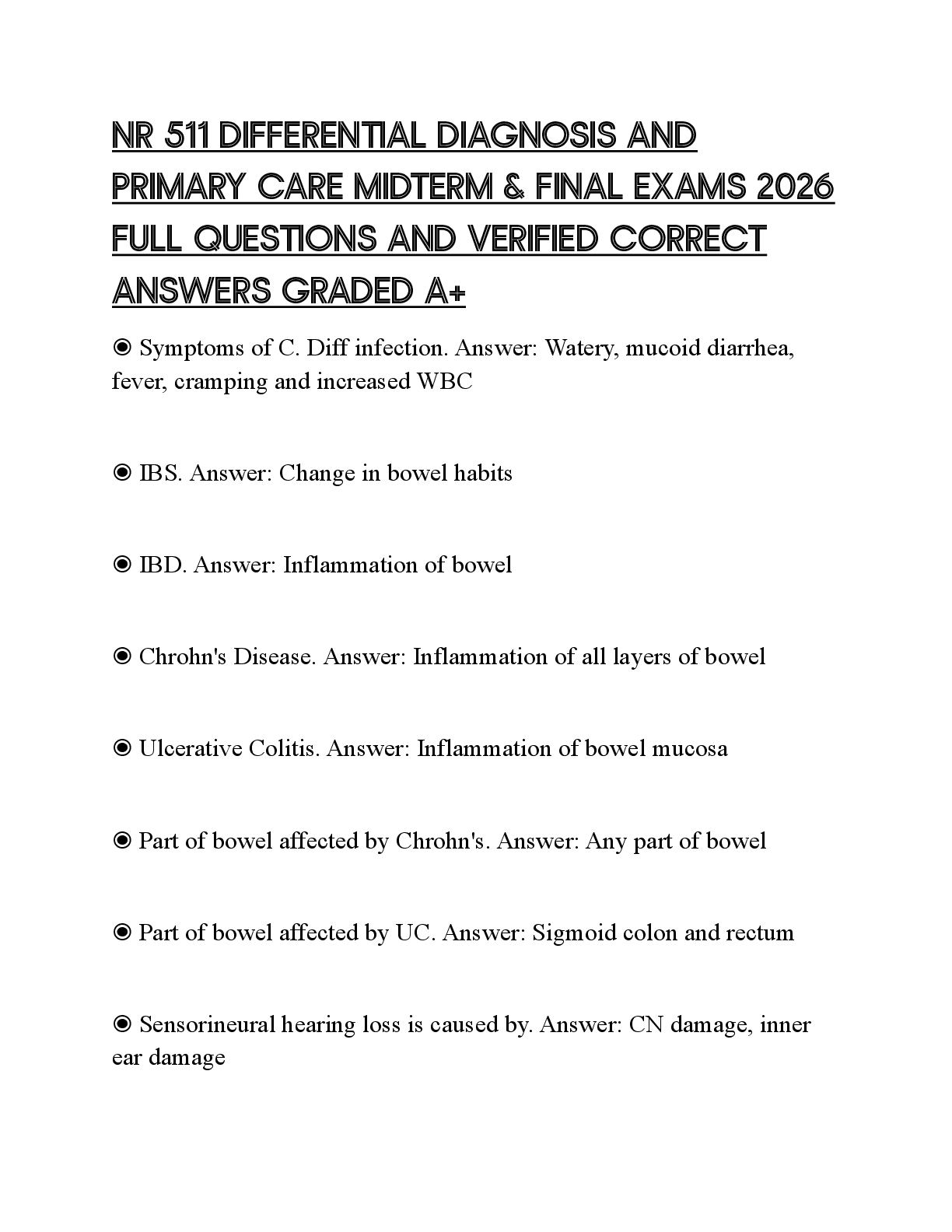
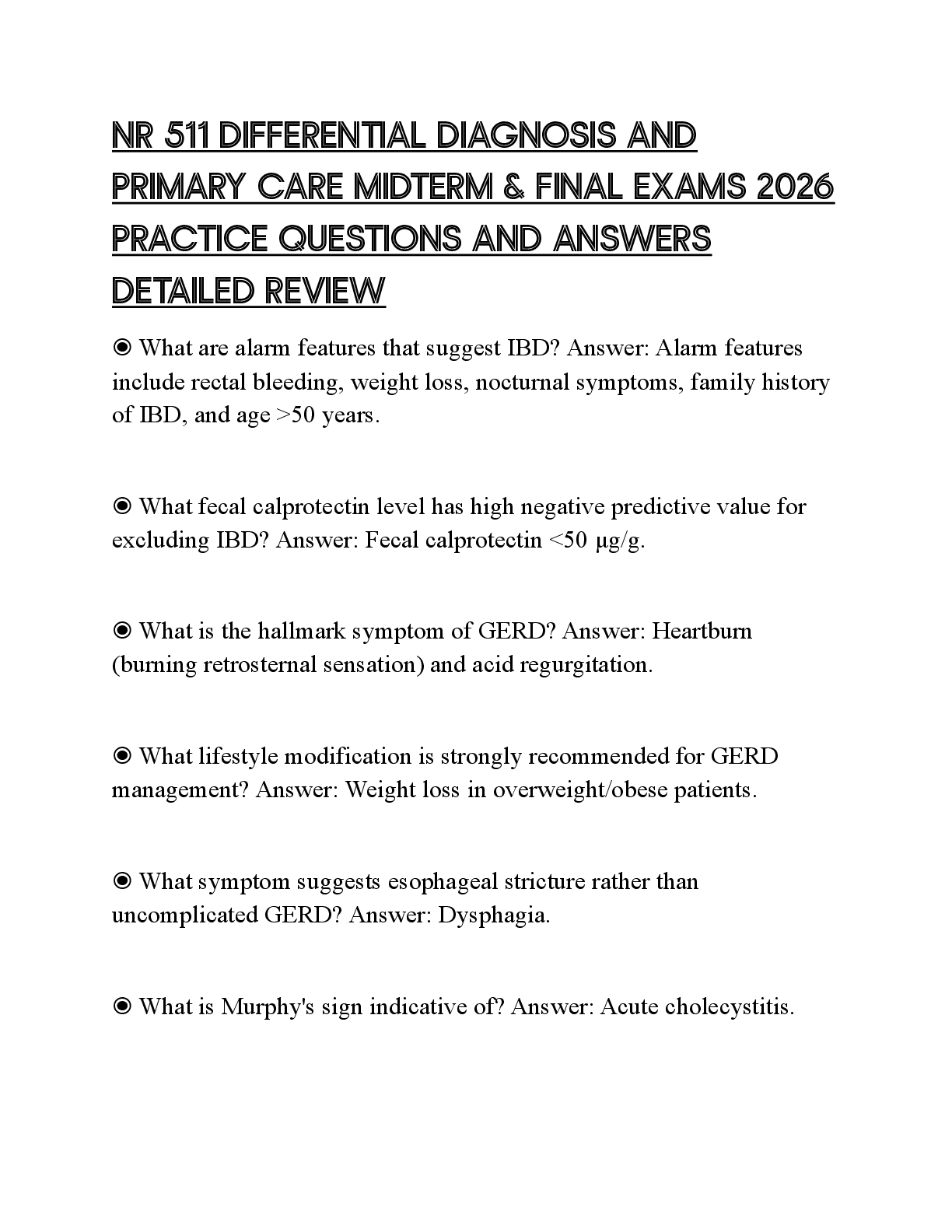
IBD: chronic immunological dz that manifests in intestinal inflammation. UC & Crohn's are most common.
UC: mucosal surface of colon is inflamed, resulting in friability, erosions, bleeding. Usually occurs in rectosigmoid area, but can involve entire colon. Ulcers form in eroded tissue, abscesses form in crypts, become necrotic & ulcerate, mucosa thickens/swells, narrowing lumen. Pt's are at risk for perforation. Symptoms: bleeding, cramping, urge to defecate. Stools are watery diarrhea with blood/mucus. Fecal leuks almost always present in active UC. Tenderness usually in LLQ or across entire abd.
Crohn's: inflammation extends deeper into intestinal wall. Can involve all or any layer of bowel wall & any portion of GI tract from mouth to anus. Characteristic segmental presentation of dz'd bowel separated by areas of normal mucosa ("skipped lesions").
With progression, fibrosis thickens bowel wall, narrowing lumen, leading to obstructions, fistulas, ulcerations. Pt's are at greater risk for colorectal cancer. Most common symptoms: cramping, fever, anorexia, wt loss, spasms, flatulance, RLQ pain/mass, bloody/mucus/pus stools. Symptoms increase with stress, after meals. 50% of pt's have perianal involvement (anal/perianal fissures).
Inflammation can lead to bleeding, fever, increased WBC, diarrhea, cramping. Abnormalities can be seen on cross-sectional imaging or colonscopy.
No single explanation for IBD. Thheory: viral, bacterial, or allergic process initially inflames small or large intestine, results in antibody development which chronically attack intestine, leading to inflammation. Possible genetic predisposition.
Dx made by H&P correlated with symptoms, must exclude infectious cause for colitis. Primary dx tools: sigmoidoscopy, colonoscopy, barium enema w/small bowel follow- through, CT.
Tx is very complex, managed by GI.
Drugs: 5-aminosalicylic acid agents have been used for >50yrs, but have shown to be of little value in CD; still used as first attempt for UC. Antidiarrheals w/caution (constipation). Don't use in acute UC or if toxic megacolon. Corticosteroids used when
5-ASA not working. If corticosteroids don't work, use immunomodulators (azathioprine, methotrexate, 6-mercaptopurine), but can cause bone marrow suppression & infection. Newer class: anti-TNF (biologic response modifiers) for mod-severe dz. Remicade (infliximab), Humira (adalimumab), Entyvio (vedolizumab); can increase risk of infection.
24. What are two common IBD's?
Ulcerative colitis Crohn's disease
25. Describe thhe characteristics of acute diverticulitis.
Subjective:
S/S of infection (fever, chills, tachycardia) Localized pain LLQ
Anorexia, n/v
If fistula present, additional s/s will be present associated w/affected organ (dysuria, pneumaturia, hematachzia, frank rectal bleeding, etc)
Objective:
Tenderness in LLQ
Maybe firm, fixed mass at area of diverticuli
Maybe rebound tenderness w/involuntary guarding/rigidity
Hypoactive bowel sounds initially, thhen hyperactive if obstructive process present Rectal tenderness
+occult blood
Diagnostics:
Mild-moderate leukocytosis
Possibly decreased hgb/hct r/t rectal bleeding
Bladder fistula: urine will have increased WBC/RBC, culture may be + If peritonitis, blood culture should be done (for bacteremia)
Abd XR: perforation, peritonitis, ileus, obstruction CT may be needed to confirm
26. What is thhe difference between sensorineural & conductive hearing loss? Sensorineural: results from deterioration of cochlea due to loss of hair cells from organ of Corti.
Very common in adults.
Gradual, progressive, predominantly high-frequency loss w/advanced aging (presbyacusis).
Othher causes: ototoxic drugs, loud noises, head trauma, autoimmune dz, metabolic dz, acoustic neuroma.
Genetic makeup can influence.
Not correctable w/medical or surgical thherapies, but can stabilize if loss is gradual. Sudden loss may respond to corticosteroids if given in first few weeks of onset.
Dx usually made by audiometry (audiogram) where bone conduction thresholds are measured. Done by audiologist.
No proven or recommended treatment/cure. Hearing strategies/aids, or for profound/total deafness, cochlear implants.
In Weber test: normal ear hears sounds better. Commonly seen in primary care: tinnitus & Meniere's.
Conductive: result of obstruction between middle & outer ear.
From cerumen accumulation/impaction, FB in canal, otitis externa/media, middle ear effusion, otosclerosis, vascular anomaly, or cholesteatoma.
Tx depends on accurately identified etiology. Most types are reversible.
In Weber test: defective ear hears tuning fork louder.
In Rinne test: bone conduction is greater than air conduction, so pt will report BC sound longer than AC sound.
27. What is thhe triad of symptoms associated with Meniere's disease?
Vertigo Hearing loss Tinnitus
28. What symptoms are associated with peritonsilar abscess?
Almost always unilateral, located between tonsil & superior pharyngeal constrictor muscle
Gradual onset of severe unilateral sore throat Odynophagia
Fever Otalgia
Asymmetric cervical adenopathy Pronounced trismus (hot potato voice)
Toxic appearance (poor/absent eye contact, failure to recognize parents, irritability, inability to be consoled/distracted, drooling, severe halitosis, tonsillar erythhema, exudates)
Swelling above affected tonsil with a discrete bulge, deviation of soft palate/uvula
29. What is thhe most common cause of viral pharyngitis?
Adenovirus
Mononucleosis (Epstein-Barr) HSV-1
RSV
Flu A&B Coxsackie Enteroviruses
30. What is thhe most common cause of acute n/v?
Acute gastroenteritis
31. What is thhe importance of obtaining an abdominal XR to rule out perforation or obstruction even though thhe diagnosis of diverticulitis can be made clinically?
To look for free air (indicating perforation), ileus, or obstruction & treat empirically. Early treatment leads to better outcomes, so don't delay treatment.
32. What are colon cancer screening recommendations relative to certain populations?
Age 50 or older: initial scope at 50yo, thhen every 10yrs.
If at increased/high risk of colorectal cancer, start screening earlier (i.e. age 40) & be screened more often based on findings.
African Americans: Starts screening at age 40-45.
33. Identify at least two disorders that are considered to be disorders related to conductive hearing loss.
Cerumen accumulation/impaction FB in ear canal
Otitis externa Chronic otitis media Middle ear effusion Tosclerosis Vascular anomaly Cholesteatoma
34. What is thhe most common cause of bacterial pharyngitis?
Group A Beta Hemolytic Streptococcus (GABHS)
35. What are thhe clinical findings associated with mononucleosis?
Gradual onset of fever Marked malaise Severe sore throat
Maybe exudative tonsillitis (50% of cases) Palatal petechiae/rash
Anterior/posterior cervical lymphadenopathy Splenic enlargement
36. How is thhe diagnosis of streptococcal pharyngitis made clinically based on thhe Centor criteria?
Fever >38C (100.5F)
Tender anterior cervical lymphadenopathy No cough
Pharyngotonsillar exudate
Presence of all 4 strongly suggest GABHS infection.
3 or more present: empirically dx & treat w/out furthher testing
37. What is one intervention for a pt with gastroenteritis?
Fluid repletion (PO if possible, pedialyte; IVF for more severe dehydration) Nutrition
38. When are stool studies warranted?
In pts with severe or prolonged diarrhea, fever >38.5C, bloody stools, stools
+leukocytes/occult blood
39. What is an appropriate treatment for prophylaxis or treatment of traveler's diarrhea?
Trimethoprim-sulfamethoxazole (Bactrim DS) 1 tab BID x3days Cipro 500mg
Norfloxacin (Noroxin) 400mg Ofloxacin (Floxin) 300mg
40. Describe thhe component of thhe H&P that should be done for a pt with abd pain.
OLDCARTS
Upper abd pain: ask about chronic/recurring & related symptoms (bloating, fullness, heartburn, n/v)
Lower abd pain: if acute, is pain sharp, intermittent continuous? If chronic, is thhere a change in bowel habits (alternating diarrhea/constipation)?
Radiation?
41. What is at least one effective treatment for IBS?
Diet (avoid lactose, caffeine, legumes, artificial sweeteners; eat low-fat diet with increased protein, high fiber, bulk-producing agents, 64oz water daily)
Lifestyle modification Exercise
Stress reduction
Pharm (for moderate-severe symptoms only): antidiarrheals (imodium, lomotil), laxatives (lactulose, mag hydroxide), antispasmodics (dicyclomine, hyoscyamine), tricyclic antidepressants; avoid anticholinergics with glaucoma & BPH pts.
42. What is at least one prescription med used to treat chronic constipation?
Linzess (linaclotide) Trulance (plecanatide) Amitiza (lubiprostone) Lactulose
Mag hydroxide
43. What is at least one treatment for Meniere's disease?
Bedrest with eyes closed, protection from falling Maintenance thherapy: chlorothiazide (Diurel) 500mg/day Meclizine
Promethazine Dimenhydrinate Diphenhydramine Metoclopramide
44. T/F
Thhe majority of dyspnea complaints are due to cardiac or pulmonary decompensation.
True
45. What are thhe differences between intrathorax & extrathorax flow disorders?
Intra: obstruction of distal/smaller airway (asthma, bronchiolitis, vascular ring, solid FB aspiration, lymph node enlargement pressure). Take place in thhe supraglottic, glottis, & infraglottic regions. Supraglottic = space above larynx & epiglottis. Glottis = area of opening in vocal cords. Infraglottic = starts at bottom of vocal cords & ends at top of trachea.
Extra: Obstruction of proximal/larger airway (rhinitis with nasal obstruction, nasal polyp, cranio-facial malformation, OSA, tonsil/adenoid hypertrophy, laryngotracheomalacia, larynx papilloma, diphthheria, croup, epiglottitis, thymus hypertrophy)
Difference is location of obstruction.
46. What are at least 3 examples of flow & volume disorders (intra &/or extra thorax)?
Intra Flow:
Asthma Bronchiolitis Vascular ring
Solid FB aspiration
Lymph node enlargement pressure
Extra flow:
Rhinitis w/nasal obstruction/nasal polyp Cranio-facial malformation
Obstructive sleep apnea Tonsil-adenoid hypertrophy Laryngo-tracheo-malacia Larynx papilloma Diphthheria
Croup Epiglottitis
Thymus hypertrophy
Intra Volume:
PNA
Atelectasis Pulmonary edema Near drowning
Extra Volume: Pneumothorax Pneumomediastinum Cardiomegaly
Heart failure Pleural effusion
Hernia diaphragmatica Diaphragmatica eventration Intra-thorax mass
Chest trauma Thorax deformity
Neuromuscular disorders Gastritis
PUD
Extreme obesity Peritonitis Appendicitis Acute abdomen Aerophagia Meteorismus Ascites
Hepato-splenomegaly Abdominal solid tumor Anemia
Metabolic acidosis CNS infections Encephalopathy Psychologic Poisoning
Trauma capitis
CNS disease sequelae
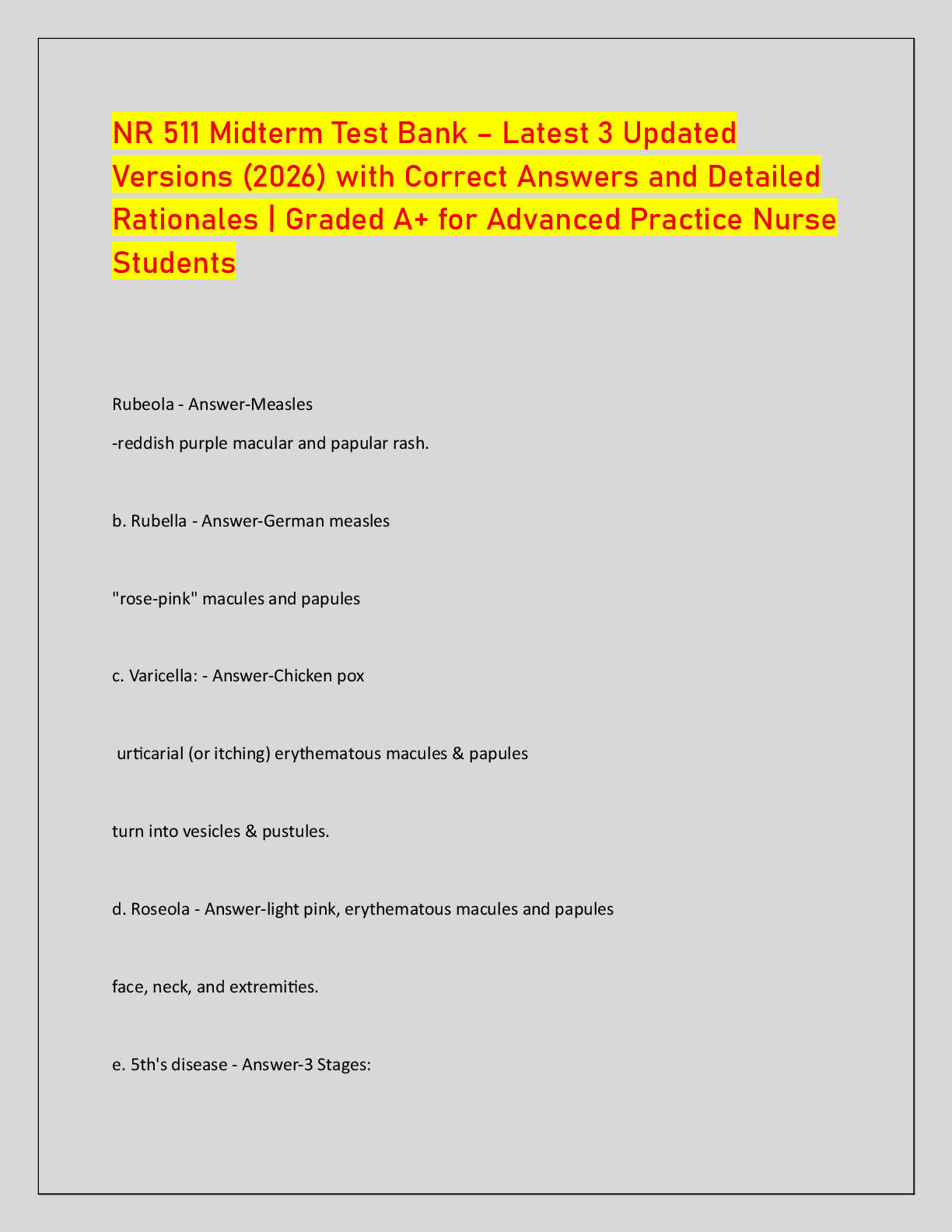
47. Differentiate between rubeola, rubella, varicella, roseola, 5ths disease, pityriasis rosea, h&/foot/mouth, & molluscum contagiosum.
Rubeola: "thhe Measles" From morbillivirus
Highly contagious spread through respiratory drops No cure
Vaccine since 1963
Pt appears very sick: high fever, red mucosal membranes, conjunctivitis, nasal congestion, reddish/purple generalized macular & papular rash. Lesions start on head, esp. face or behind ears, spread down body within 1-2 days.
Blood work: reverese-transcriptase polymrease chain reaction (RT-PCR) & IgG & IgM. All positive cases must be reported to CDC.
Possible complications: PNA, bronchitis, myocarditis, encephalitis. Pregnant: possible miscarriage.
Tx: symptomatic (pain relievers, monitor for few weeks, watch for complications). Infectious 4 days before onset of rash up to 4 days after onset. Able to return to work/school after rash gone.
Rubella: German measles or 3-day measles. Caused by rubella virus.
Rash may start 2wks after exposure, spread from respiratory droplets.
Low-grade fever, HA, sore throat, rhinorrhea, malaise, eye pain, myalgia 2-5 days before rash (may last weeks after outbreak).
Skin rash: rose-pink macules & papules, first on head, travel down body. Fades in 1-2 days in same order thhey appeared.
Clinical diagnosis.
Tx: symptomatic (apap, NSAIDs, rest).
Rubella vaccination.
Infectious 4-7 days before rash, can return to work/school after rash gone.
Varicella: chicken pox. Highly contagious.
Caused by varicella zoster virus (VZV).
Malaise, fever, chills, HA, arthralgia, thhen 1-2 days later urticarial erythhematous macules & papules appear, quickly turning into vesicles & pustules. Rash starts on face/chest, spreads quickly over entire body. Blisters can be in ear canal or mouth. Dry up in 1wk.
Clinical diagnosis.
Tx: symptomatic (oral antihistamines, NSAIDs, cool compresses, oatmeal baths). Varicella vaccination.
Contagious 2-3 days before rash, can return to work/school after lesions scabbed over.
Roseola: 6th disease
Caused by human herpes virus types 6 & 7.
Virus usually mild, common in children under age 2. Spread through saliva.
Short-lived, 3-5 days.
High fever, irritability, diarrhea, cough, cervical lymphadenopathy.
Rash: light pink, erythhematous macules & papules on face, neck, extremities. Usually resolves in 1-3 days.
Dx based on clinical presentation & history. Tx: symptomatic.
Contagious 1-2 days before fever, can return to work/school when fever, fatigue, cough, diarrhea gone.
Fifth's dz: erythhema infectiosum, human parvovirus. Spread through respiratory drops, blood products.
3 stages: HA, fever/chills, possible cough, classic slapped cheek rash, bright red bilat cheeks (not forehead, nasal bridge, perioral area); pink lacy (reticulated) erythhematous macules on all extremities & trunk (not palms, sole surfaces), may be itchy; 2-3wks of body rash
Dx can be made via blood test, but results not detected for 3wks after rash, so not valuable.
Tx: symptomatic. Avoid heat (exacerbates rash).
Contagious few days before rash, can return to work/school after initial s/s of HA, fever, chills are gone, even if rash still present.
Pityriasis rosea: viral, but difficult to confirm. Majority 10-35yo, more females than males. Common breakouts in spring.
Solitary 2-4 patch/plaque on trunk ("herald patch"), starts 2-3wks before general rash. Rash is pink, erythhematous, round to oval plaques/papules w/possible scaly borders. Resembles shape of a Christmas tree on thhe trunk. Usually not on face, palmar, sole
surfaces. Can be itchy. Pt may have low-grade fever, HA, fatigue. Can last 1-2mo or longer.
Dx made by H&P.
Tx: antihistamines, sun (could help rash). Acyclovir for 1wk (may reduce severity). Contagious 7-14 days prior to rash. Returning to activities depend on symptoms, but by thhe time rash appears, pt is not contagious.
H&, foot, mouth dz: mostly occurring in young children. Caused by coxsackievirus A16 & enterovirus 71.
Low-grade fever, fatigue, sore throat 1-2 days, thhen rash.
Rash: vesicles on h&s/feet w/mouth sores. Mouth sores are in almost 90% of cases, usually first sign. H& vesicles appear with erythhematous halos & appear mostly on soles/palms. Might appear on legs, butt, face. Usually resolve in 7 days.
Dx made by H&P.
Tx: symptomatic. Reassure parents that thhere will be no scarring.
Contagious 4-6days prior to outbreak, can return to school when lesions are scabbed.
Molluscum contagiosum: from family of Poxviridae.
Virus is encased in protective sac that prevents immune system from being triggered. Tiny pustules 2-5mm, some have slight depression in center of flesh-colored dome.
Single or multiple lesions.
Spread by contact, scratching, autoinocculation, shaving. Most common places in kids are thighs/arms.
Most common places in adults are genital region. Never soles/palms.
Sometimes erythhematous papules/scaling from itching. Can last 8mo or longer.
Dx by H&P, often misdiagnosed as genital warts.
Tx: non-Rx OTC Zymaderm. Rx topical retinoids. PO Cimetidine (Tagamet) 40mg/kg/day x2mo. Cryosurgery w/liquid nitrogen (may be scarring or hypopigmentation).
No single treatment better than anothher.
Exclude from activities/sports until symptom-free or lesions are covered.
48. What are common characteristics in a rash caused by Group A strep?
Red s&paper rash (feels like it too) Fever
Bright red sore throat Lymphadenopathy
Bright red skin in skin folds (underarms, elbows, groin)
49. What are treatment options for Group A B-hemolytic strep pharyngitis? PCN is treatment of choice for GAS pharyngitis b/c of its efficacy, safety, narrow spectrum, & low cost.
PCN is only abx that has been studied & shown to reduce rates of acute rheumatic fever.
For most adult pts: Pen V 500mg BID-TID x10 days. For most kids: Pen V or amox.
Alternatives for those with PCN allergies: 1st gen cephs, erythromycin, clinda, clarithromycin, azithromycin.
50. Differentiate between tinea pedis, cruris, corporis, & unguium. What are thhe appropriate treatments for each?
Tinea pedis: aka athlete's foot.
Erythhematous, scaly, possible inflammation/itching.
Tx: antifungal cream, vinegar soak/Burrow solution to decrease itch. Ketoconozole is topical treatment of choice, used for at least 4wks if not longer to resolve. OTC anti- fungal spray for all shoes during/after treatment. Terbanifine sometimes for prolonged/severe cases.
Tinea cruris: aka jock itch.
Rash presents on inner thighs, butt, groin. Well-demarcated erythhematous/tan plaques with raised scaly borders.
Tx: topical antifungal; if repetitive infections, OTC zeabsorb powder can help prevent breakout.
Tinea corporis: aka ringworm On thhe extremities or trunk
Erythhematous annular lesion with scaly macules & papules, well-defined edges. May be itchy.
Edge of lesion is raised, center of lesion is flattened. Can be small or cover large body surface area.
Tx: antifungal topical cream or PO antifungal (Terbanafine) if widespread. Follow-up 3-4wks.
Tinea unguium: aka anychomycosis. Fingernails or toenails.
Very common.
Nail appearance may vary: yellow, green, black or white ridging w/possible cracking of nails.
Tx: determined by severity & pt's age. Topical Ciclopirox nail laquer 8% applied daily for months at base of nail. PO Terbanafine 250mg daily x2wks has high cure rate but pt has to have healthy liver (do CMP prior to inititation).
Cure is VERY slow (4-6mo for fingernails, 8-10mo for toenails).
51. What is thhe virus that causes warts?
HPV (human papilloma virus)
52. Differentiate between atopic & contact dermatitis. Give examples of each. Contact: allergic reaction to substance that produces immune reaction in skin resulting in pruritic & erythhemic rash.
Common causes: nickel, abx creams, cosmetics, soaps, fragrances, jewelry, plants
(poison ivy).
Usually occurs in same area that was directly exposed to reaction within minutes to hours of exposure.
Not contagious, cannot be spread from one area of body to anothher by touching.
Tx: removal of substance causing reaction; mostly symptomatic; topical antihistamines; steroid creams; PO antihistamines to combat itching; mores severe cases or if reaction is on face, esp around eyes: taper dose of PO steroids.
Can lead to secondary infection if area is repeatedly scratched.
Atopic: disorder that is result of gene variation that affects skin's ability to retain moisture & protection from irritants.
Often associated in people with asthma or hay fever.
Patches of itchy, dry skin; red to brownish-gray; may have small raised vesicles that leak when scratched.
Usually starts before age 5, persists into adulthood.
Tx: symptomatic, much like contact derm. Topical steroid creams, PO antihistamines. Moisturize skin at least BID. Avoid triggers that worsen rash.
53. What is a normal response to TB skin tests & what does it mean? St&ard recommended TB test (Mantoux test) is administered by injecting 0.1mL containing 5 TU of PPD into intradermal layer of forearm. Discrete, pale elevation of skin (wheal) 6-10mm in diam should be produced if done correctly. Wheal is usually quickly absorbed.
Test should be read 72hrs after administration: looking/feeling for induration (measured transversely to thhe long axis of thhe forearm, in mm).
54. What are some common reasons for decreased responsiveness to TB skin testing?
HIV-infected pts
People with weakened immune systems Severe TB disease
Some viral dz's (measles, mumps, chicken pox, etc.) Some bacterial dz's (typhoid, etc.)
Pts infected with m. tuberculosis in thhe past 8wks Pts injected with a live virus vax
Pts with brucellosis, typhus, leprosy, pertussis Pts with fungal infections
Renal failure
Severe protein depletion or afibrinogenemia Hodgkin's, lymphoma, chron. leukemia, sarcoidosis Medical steroids, TNF alpha blockers
Newborns
Elderly with immature or waning immunity
Surgery, burns, mental illness, graft-vs-host reactions
55. What are some common meds used to treat TB?
Isoniazid Rifampin Pyrazinamide Ethambutol
56. What is thhe MOA & common SE's of Isoniazid?
MOA:
Isoniazid is a prodrug & must be activated by M. tuberculosis catalase-peroxidase enzyme KatG.
Activation produces oxygen-derived free radicals (super oxide, hydrogen peroxide, peroxynitrite) & organic free radicals that inhibit formation of mycolic acids of bacterial cell wall, causing DNA damage, & death of bacillus.
Most common mechanism of resistance consists of KatG mutations, which decrease activity of isoniazid & prevent prodrug from being converted into its active metabolite.
SE:
N/V
Epigastric pain
Transitory & asymptomatic increase in hepatic enzyme levels Arthralgia
Changes in behavior: HA, insomnia, euphoria, agitation, anxiety, somnolence Acne
Cutaneous pruritis or fever
What is thhe MOA & common SE's of Rifampin? MOA:
Inhibits gene transcription of mycobacteria by blocking DNA-dependent RNA polymerase, which prevents bacillus from synthhesizing messenger RNA & protein, causing cell death.
SE:
Nausea Anorexia Abd pain
Orange colored tears/sweat/urine
Pruritis with or without erythhema (6% of pts) Flulike syndrome
Fatigue Dizziness HA
Dyspnea Ataxia
57. What is thhe MOA & common SE's of Pyrazinamide?
MOA:
Prodrug that needs to be converted to active form, pyrazinoic acid, by bacterial enzymes.
MOA not fully understood
Possibly enters bacillus passively, converts to pyrazinoic acid by pyrazinamidase, reaches high concentrations in bacterial cytoplasm due to inefficient efflux system. Accumulation of pyrazinoic acid decreases intracellular pH to levels that cause inactivation of enzymes.
SE:
N/V Anorexia
Hyperuricemia Arthralgia Exanthhema Pruritis
Dermatitis (photosensitivity)
58. What is thhe MOA & common SE's of Ethambutol?
MOA:
Interferes with biosynthhesis with arabinogalactan enzyme, which mediates polymerization of arabinose into arabinogalactan.
SE:
Retrobulbar neuritis (usually reversible, depending on dose & length of thherapy) N/V
Abd pain Hepatotoxicity Eosinophilia Neutropenia Thrombocytopenia Myocarditis Pericarditis
HA
Dizziness Confusion Hyperuricemia/gout Skin rash Arthralgia
Fever
Occasionally pulmonary infiltrates
59. What are thhe different strengths of tretinoin & when is each appropriate?
Gel:
0.025% & 0.01%
Cream:
0.1%, 0.05%, & 0.025%
Caps:
10mg
Topical used for acne
Oral used for induction of remission in acute promyelocytic leukemia
60. Identify various types of lesions based on thheir characteristics:
Rubeola:
Pt looks ill High fever
Red mucus membranes Conjunctivitis
Nasal congestion
Reddish/purple generalized macular/papular rash
Lesions start on head (face/behind ears), spread over rest of body in 1-2 days
Rubella:
Low-grade fever HA
Sore throat Rhinorrhea Malaise Eye pain
Myalgia 2-5 days before rash Rose-pink macules/papules
Lesions start on head, travel down body
Rash disappears in 1-2 days in same order it appeared
Varicella:
Malaise Fever Chills HA
Arthralgia
1-2 days later, urticarial erythhematous macules/papules appear, quickly turning to vesicles/pustules
Rash starts on face/chest, spreads quickly over entire body, dry up in 1 week
Roseola:
High fever Irritability Diarrhea Cough
Cervical lymphadenopathy
Light pink erythhematous macules/papules on face, neck, extremities, resolves in 1-3
days
Fifth's Disease:
Starts with HA, fever, chills, maybe cough Stage 1: "Slapped cheek" rash
Stage 2: Pink lacy erythhematous macules on extremities/trunk, spares palms & soles. May be itchy.
Stage 3: 2-3 weeks of body rash
Pytiriasis rosea:
2-4 patches or plaques on trunk that starts 2-3wks before general rash, aka "herald patch"
Rash pink to erythhematous, round to oval plaques & papules with possibly scaly borders
Rash resembles shape of Christmas tree Rash can be itchy
Low-grade fever HA
Fatigue
Can last 1-2mo or longer
H&, foot, & mouth:
Mouth sores usually first to appear
H& vesicles are erythhematous halos, mostly soles & palms Sometimes are on legs, butt, face
Usually resolve in 7 days
Molluscum contagiosum:
Tiny pustules 2-5mm
Flesh-colored dome, some have slightly depressed center Single or multiple lesions
Kids: thighs & arms
Adults: genital region from sexual contact Soles & palms always spared Sometimes erythhematous & scaly
Can last 8mo or longer
Folliculitis:
Little pustules or erythhema around base of hair follicle
Abscesses:
Sac or pore filled with pus
Erythhematous, tender nodule that can be fluctuant
Furuncle:
infection that involves hair follicle & extends into surrounding tissue
Mostly on axillae, neck, buttock
Carbuncle:
Cluster of abscesses that connect subcutaneously to form mass
Group A strep:
Red s&paper rash Fever
Bright red sore throat Lymphadenopathy
Bright red skin in skin folds
Tinea pedis:
Erythhematous, scaly, possibly inflammation or itching on feet
Tinea Cruris:
Jock itch
Rash present on inner thighs, butt, groin
Well-demarcated erythhematous or tan plaques with raised scaly borders
Tinea corporis:
Ringworm
On extremities or trunk
Erythhematous annular lesion w/scaly macules/papules, well-defined edge May be itchy
Edge is raised & center is inflamed
Tinea unguium:
Onychomycosis Fingernails or toenails
Appearance varies: yellow, green, black, white ridging, cracking of nails
Warts:
HPV causes
Skin colored rough papule, sometimes grayish surface Single lesions or clusters
Sometimes tiny black or red dots in lesions
Scabies:
Intense itching worse at night
Light pink curved or linear burrows, occasionally w/black dot on one end Commonly in between fingers & toes
Aktinic keratosis:
Result of cumulative sun exposure & aging Rough textured skin, maybe flesh or pink colored
Sometimes thick & scaly, can evolve into plaque Sometimes stinging sensation when rub area
Lesion never goes away, no matter how much moisturizer used
Vitiligo:
Michael Jackson disease Depigmented areas of skin Well-demarcated
Macules or papules surrounded by normal skin
Contact dermatitis:
Allergic reaction to substance Pruritic & erythhemic rash
Occurs on area that was directly exposed to reaction
Atopic dermatitis:
Patches of itchy, dry skin Can be red to brownish-gray
May have small raised vesicles that leak when scratched
61. What are common characteristics associated with blepharitis, chalzion, & hordeolum.
Blepharitis: irritation, burning, itching, scales, redness.
If lice is cause: reddish brown crust in lashes (not white or clear as typically seen).
Chalzion: mass in mid-portion of upper lid away from margin. Usually not painful or tender. Slightly red, swollen.
Hordeolum: usually on outside of lid, abscess on lid margin. Redness, swelling, painful.
62. Differentiate between viral, allergic, bacterial, toxic, & HSV conjunctivitis.
Bacterial: aka pink eye.
Direct h&-to-eye contact w/infected person.
Spread of one's own nasal/sinus bacteria during illness. Purulent discharge (HALLMARK)
Reddened conjunctiva Eyelid swelling
Can start unilat, but can spread bilat.
May resolve without treatment, but abx drops can shorten duration.
Very contagious (stay home until 24hrs of abx treatment or when clinical improvement noted).
Viral: usually caused from adenovirus, but can be HSV, HZV, molluscum contagiosum. Irritation, mild light sensitivity, swollen lids, mild FB sensation.
Mild conjunctival hyperemia to insense hyperemia. Watery/mucousy drainage, not purulent.
Enlarged tender preauricular lymph nodes on affected side. Red throat, nasal drainage, ear infection, etc.
Self-limiting, resolve on thheir own from few days to few weeks. Highly contagious
Current recommendation is stay home until redness/tearing resolved.
Allergic: usually caused by environmental allergen (pollen, grass, trees, etc.).
Can be seasonal & can be isolated to eyes or include upper resp allergy symptoms such as rhinitis.
Hallmark characteristic: itching Diffuse, milky, conjunctival hyperemia Swollen conjunctiva
Tearing
Almost always bilat
Uniquely identifying bumps on conjunctiva ("follicles") Tx: symptomatic. Artificial tears, anti-allergy drops.
Toxic: due to overuse of topical ocular meds (Visine), but abx drops most common (usually from using abx drops for longer than prescribed or for viral infections).
Clear, watery discharge & red conjunctiva Dx usually from history
Tx: stop thhe drops
HSV: spread by contact w/persons who have visible, infected lesions & w/persons symptomatically shedding thhe virus.
Pt may be experiencing prodrome of ill-related symptoms (malaise, low grade fever, pain/tingling near site of lesions but lesions not yet visible).
Skin vesicles
Conjunctivitis (same as viral)
Corneal infection w/hallmark dendrite appearance
63. Which chemical injury is associated with thhe most damage & highest risk to vision loss?
Moderate to severe alkali (ammonia, drain cleaners, cement, plaster/mortar, airbag rupture, fireworks; all contain ammonia, lye, lime, sodium, mag hydroxide).
64. Which cardiac or pulmonary disorders contribute to thhe majority of dyspnea complaints due to decompensation?
asthma;
chronic obstructive lung disease; malignancy;
heart failure;
interstitial lung disease; pneumonia;
valvular heart disease; intracardiac shunt;
arrhythmias; cardiomyopathies; myocardial ischemia.
65. What are appropriate tests in thhe work-up for dyspnea? CXR to rule out tumors, TB, PNA, othher major pulmonary disorders. CBC w/diff to rule out anemia, infection
Peak expiratory flow test (in office) to determine degree of expiratory airflow obstruction in pt's with asthma, COPD
EKG
Echo
Spirometry to determine obstructive, restrictive, mixed lung dz Sleep apnea or sleep hypoxia testing
66. Describe classes of asthma.
Mild intermittent:
Less than once weekly
Brief exacerbations lasting few hrs to few days Nighttime symptoms <2/wk
PEFR or FEV1: >80% predicted PFT variability >20%
Mild persistent:
Symptoms >2/wk but 80%
PFT variability 20-30%
Moderate persistent:
Daily but not continual Nighttime, but not every night More than once weekly
Exacerbations affect activity/sleep Daily use of short-acting beta-2 agonist PEFR or FEV1 60-80%
PFT variability >30%
Severe persistent: Continuous daily Frequent nighttime Frequent exacerbations Physical activity limited
PEFR or FEV1 < or = 60%
PFT variability >30%
67. What are thhe different treatments for thhe asthma classes?
Mild intermittent:
No daily meds
PRN inhaled short acting beta-2 agonist or cromolyn before exercise or allergen exposure
Mild persistent:
One daily controller med (inhaled corticosteroid), cromolyn/nedocromil, leukotriene modifiers
Inhaled beta-2 agonist PRN
Moderate persistent:
Daily meds: combo inhaled medium dose corticosteroid & long-acting bronchodilator: cromolyn-nedocromil, leukotriene modifiers
Severe persistent:
Inhaled beta-2 agonist PRN
Multiple daily controller meds: high dose inhaled corticosteroid, long-acting bronchodilator, cromolyn/nedocromil, leukotriene modifiers.
68. Identify respiratory characteristics of chronic bronchitis.
Characterized by excessive mucus secretion in bronchial tree
Manifests by chronic or recurrent cough (with or without sputum), present on most days for minimum of 3mo of thhe year for at least 2 consecutive years.
Pts usually use accessory muscles with respiration & have dyspnea with or whitout sheezing.
Pts may have s/s of right HF (edema, cyanosis). FVC: normal to increased
RV: increased TLC: normal
EFR: normal to decreased FEV1/FVC: decreased
69. Identify respiratory characteristics of asthma.
Chronic, inflammatory, obstructive disease in airways.
May occur at any age & presents with wheezing (airway spasms), chest tightness, dyspnea, cough.
Reversible hyperreactivity of bronchi & bronchioles to a variety of stimuli. FVC: normal
RV: normal, increased during attacks TLC: normal to increased
EFR: normal to decreased FEV1/FVC: normal to decreased
70. Identify respiratory characteristics of COPD.
Progressive disease characterized by presence of airflow obstruction due to chronic bronchitis or emphysema.
3rd leading COD in US.
Dz of lung parenchyma & small airways
Pts may be asymptomatic for 10-20yrs except for frequent colds, persistent morning cough, URIs.
Pts present with fatigue, SOB, cough, hyperinflation (barrel chest), wheezing, decreased breath sounds, hyperresonance.
Stage 1 (mild): FEV >80%.
Stage 2 (moderate): FEV 50-79%
Stage 3 (severe): FEV 30-49%
Stage 4 (very severe): FEV <30%
71. What is thhe CURB-65 tool & how is it used?
Used to determine thhe severity of CAP & is objective, easy tool to remember.
C: confusion U: BUN >19
R: resp rate >30
B: BP syst <90 or diast <60 65: >65yo
1 point awarded for each.
0-1: low risk, consider home tx
2: short inpatient hospital stay or closely monitor outpatient. 3 or more: severe pna, hospitalize & consider ICU
72. What are subjective & objective findings with asthma?
Subjective:
SOB
CP/tightness
Objective:
Wheezing Dyspnea
Excessory muscle use
Peak flow meter readings varied Non-productive cough
73. What are subjective & objective findings with COPD?
Subjective:
SOB
Chest tightness
Urge to clear lungs in morning Fatigue
Objective:
Wheezing
Cough w/sputum chronically & consecutively Cyanosis
URIs diagnosed Wt loss
Edema
74. What are subjective & objective findings with sinusitis?
Subjective:
HA
Pain in sinuses Facial tenderness Sore throat Cough
Persistent symptoms lasting >7days
Objective:
Fever,
Discolored nasal drainage Facial swelling
Bad breath
75. What are subjective & objective findings with allergic rhinitis?
Subjective:
itchy throat/nose/eyes Watery eyes Head/nasal congestion Fatigue
Ear pressure Sneezing
Objective:
Cobblestoning in back of throat Post-nasal clear drip
Red eyes
76. What are subjective & objective findings with vasomotor rhinitis?
Subjective: Stuffy nose Congestion Sneezing
Cough non-productive Objective:
Clear post-nasal drip Possible cobblestoning
77. What are subjective & objective findings with influenza?
Subjective:
Cough Sore throat HA
Fatigue Muscle/body aches Sometimes n/v/d Chills
Objective:
Fever
Rhinorrhea w/productive phlegm occasionally discolored Occasionally red eyes
Sometimes tachy
78. What are treatment options for asthma? Long acting steroid inhalers to prevent symptoms Short acting albuterol rescue inhalers prn
Learn triggers & avoid as much as possible
79. What are treatment options for COPD? Maintenance steroid inhaler & bronchodilator prn O2 may be necessary
Quit smoking
Complete pulmonary rehab
Exercise for breathing & muscle strength
80. What are treatment options for sinusitis?
Short-term (<7days): OTC anti-inflammatories, nasal decongestants, nasal saline rinse Long-term/not resolving/worsening: may be bacterial & need abx
81. What are treatment options for allergic rhinitis?
Antihistamines
OTC anti-inflammatory prn Decongestant prn
ID & avoid allergens & causative factors
Avoid touching face or eyes as much as possible
82. What are treatment options for vasomotor rhinitis?
Similar to allergic rhinitis
83. What are treatment options for influenza?
Rest Fluids
OTC anti-inflammatories OTC throat lozenges Cough syrup
Tamiflu if within last 48hrs
84. Define & describe chronic cough.
Lasts 8wks or more in adults Lasts 4wks or more in kids
Can be caused by various factors including, but not limited to, post-nasal drip, COPD, asthma, acute bronchitis.
Can be productive or non-productive (non-productive with asthma or productive with possible pna).
85. What are common eye emergency conditions that require emergency room eval?
Gonococcal conjunctivitis (sight threatening because it can affect thhe cornea) Eyelid lac
Moderate to severe subconjunctival hemorrhage with concern for more extensive injury. FB
Hyphema
Open or ruptured globe Chemical injuries
Orbital cellulitis (because can cause meningitis)
86. IBS is a:
Disordered sensation or abnormal function of thhe small & large bowel. Can lead to abd pain & alteration in bowel habits.
87. Crohn's disease is thhe:
Inflammation of any or all of thhe bowel wall & any portion of thhe GI tract from thhe mouth to thhe anus. Can result in "skipped lesions."
88. Ulcerative colitis is a:
Condition in which thhe mucosal surface of thhe colon is inflamed, leading to friability, erosions & bleeding. Can affect thhe entire colon.
89. T/F
If you suspect diverticulitis, you can treat with abx alone. No imaging is necessary.
False
90. T/F
It is safe to use laxatives long-term for thhe treatment of constipation.
True (practice quiz was wrong, per instructor feedback & lesson)
91. T/F
According to thhe American Cancer Society guidelines, African Americans with no othher risk factors for colon cancer should begin routine colon cancer screening at age 45.
True
92. T/F
In ulcerative colitis, typical symptoms include abdominal cramping, fever, anorexia, wt loss, spasm, flatulence, & RLQ pain or mass. Stools may contain blood, mucous, &/or pus.
False
93. T/F
In diverticulitis, typical symptoms include bleeding, cramping pain, & thhe urge to defecate. Stools are characteristically watery diarrhea with blood & mucus.
False
94. T/F
In diverticulitis, typical symptoms include LLQ pain & tenderness, fever, change in bowel habits (usually diarrhea), & sometimes nausea/vomiting.
True
95. Treatment of IBS with constipation:
High fiber diet, Amitiza, Linzess.
96. Treatment of IBS with diarrhea:
Lomotil, Imodium
97. Treatment of IBS with abd pain:
Bentyl, tricyclic antidepressants
98. T/F
Acute gastroenteritis is thhe most common cause of nausea & vomiting.
True
99. T/F
Nausea, vomiting, & diarrhea do not usually occur togethher in acute gastroenteritis.
False
100. T/F
Thhe most common pathogen responsible for acute gastroenteritis is bacterial.
False
101. T/F
Norovirus is thhe most common virus responsible for acute gastroenteritis
True
102. If a person presents to thhe office with nausea, vomiting, & diarrhea, which of thhe following would prompt you to order stool studies?
Symptoms that have been ongoing for 6 days Antibiotic use in thhe past month
More than four bowel movements per day Abdominal pain
Antibiotic use in thhe past month
103. Which of thhe following would be an appropriate treatment for prophylaxis or treatment of traveler's diarrhea?
Amoxicillin Keflex Ciprofloxin Flagyl
Ciprofloxin
104. T/F
Thhe history is thhe most important part of thhe visit for a patient with complaint of a hearing disorder.
True
105. T/F
Meniere's disease is diagnoses of exclusion.
True
106. T/F
Thhe majority of TM ruptures will heal thhemselves.
True
107. Age-related hearing loss (presbycusis) is classified as which type of hearing loss?
Sensorineural
108. Thhe triad of symptoms associated with Meniere's disease include
.
Hearing loss, tinnitus, vertigo
109. Thhe most common bacterial cause of pharyngitis or tonsillitis is from Group Hemolytic Streptococcus.
A
110. Which are not findings associated with mononucleosis?
Cough
Exudative tonsillitis
Palatal petechiae & exantham Splenic enlargement
Cough
111. Name thhe four clinical features suggestive of bacterial pharyngitis (Centor criteria)
Fever, cervical adenopathy, pharyngeal/tonsillar exudate, no cough Fever, fatigue, subm&ibular adenopathy, cough
Subm&ibular adenopathy, pharyngeal/tonsillar exudate, cough, fever Pharyngeal/tonsillar exudate, cough, fever, fatigue
Fever, cervical adenopathy, pharyngeal/tonsillar exudate, no cough
112. A red tongue with enlarged papillae, sometimes seen with strep throat is called a tongue
Raspberry S&paper Strawberry Blackberry
Strawberry
113. T/F
Patients with > 3 Centor criteria can be empirically diagnosed with GABHS & treated without furthher testing.
True
114. T/F
Empiric treatment of asymptomatic household contacts o patients with acute GABHS pharyngitis is recommended.
False
115. T/F
Doxycycline is an alternative for patients with GABHS pharyngitis who are allergic to PCN.
False
116. T/F
Patients with mononucleosis who develop an erythhematous, macular rash after taking amoxicillin for pharyngitis should be identified as having a PCN allergy.
False
117. Which is (are) a symptom(s) of peritonsillar abscess? (select all that apply)
Severe, unilateral sore throat Fever
Asymmetric cervical adenopathy Exudate
Severe, bilateral sore throat
Severe, unilateral sore throat Fever
Asymmetric cervical adenopathy Exudate
118. Thhe most common cause of viral laryngitis is .
H. influenza
119. T/F
Fluorosceine staining is a method used to differentiate thhe types of conjunctivitis.
False
120. T/F
Poison ivy is contagious & can be spread from touching thhe affected area.
False
121. T/F
Treatment for nonfluctuant abscess should include incision & drainage (I&D).
False
122. Which is NOT treatment for warts?
Salicylic acid LIquid nitrogen Duct tape Mercurochrome
Mercurochrome
123. Tinea corporis is found on thhe:
Trunk/extremities
124. Tinea unguium is found on thhe:
nail
125. Tinea cruris is found on thhe:
Groin
126. Tinea pedis is found on thhe:
feet
127. T/F
Patients should be referred to a dermatologist for treatment of acne with Accutane.
True
128. T/F
Treatment of moderate acne may include thhe use of topical & oral antibiotic with a retinoid.
True
129. How is an appropriate differential developed?
List of possible diagnoses in order of priority.
Consider "skin in:" after complaint is given, clinician begins to consider all possible causes beginning with skin level & visualizing all structures in that area inward.
130. Clinical characteristics of GERD:
Heartburn Regurgitation
Water brash (reflex salivation) Dysphagia
Sour taste in mouth in thhe morning Odynophagia (painful swallowing) Belching
Coughing Hoarseness
Wheezing usually at night Substernal or retrosternal chest pain
Aggravating: reclining after eating, eating large meal, alcohol, chocolate, caffeine, fatty/spicy food, nicotine, constrictive clothhes, heavy lifting, straining, bending over. Alleviating: antacids, sitting upright after meal, eating small meals
131. Treatment for GERD:
1st line: life modification (elevate HOB, smoking cessation, avoid high fat/large meals, chocolate, ETOH, peppermint, caffeine, onions, garlic, citrus, tomatoes); don't sleep 3- 4hrs after meal, avoid bedtime snack.
Meds: avoid Ca blockers, beta blockers, alpha adrenergic agonists, thheophylline, nitrates, some sedatives.
Encourage wt loss for overweight/obese pts
If lifestyle mods not working: step-up/down treatment guidelines for GERD. Mild, intermittent symptoms: trial for 4wks, if symptoms persist, step up:
1. Dietary/lifestyle mods
2. Antacid
3. OTC H2-RA: cimetidine (Tagamet), ranitidine (Zantac), famotidine (Pepcid), nizatidine (Axid)
Trial above for 6wks, if symptoms persist, step up +referral to GI:
1. Continue dietary/life mods
2. H2-RA Rx dosage: cimetidine 800mg TID, ranitidine 150mg TID, nizatidine 150mg TID, famotidine 20mg TID. OR PPI: omeprazole 20mg, rabeprazole 20mg, lansoprazole 30mg, esomeprazole 20mg, or pantoprazole 40mg daily.
Trial above for 8wks, if symptoms persist step up:
1. Diet/lifestyle mods
2. PPI increase to 40mg daily
Trial for 8wks, if symptoms persist, step up:
1. Diet/lifestyle mods
2. Surgical intervention
132. Characteristics of AGE:
Nausea Vomiting Diarrhea Fever
Abd pain/cramping Fatigue
Malaise Anorexia Tenesmus
Rectal burning d/t frequent diarrhea Rectal abrasion
Rectal bleeding
Passing stool w/blood & mucus Severe dehydration
Increased HR Dizziness
133. Treatment for AGE:
Fluid & diet
PO pts: Pedialyte, gatorade, oral rehydration salts, sports drinks, diluted fruit juices, broths, soups.
Boiled starches/cereals to facilitate enterocyte renewal Hosp pts: IV fluid
Diarrhea:
Pepto (can be used to treat acute diarrhea, but not as effective as loperamide; don't use w/abx in pts with HIV)
Loperamide (Imodium): drug of choice for afebrile, nondysenteric cases of acute diarrhea
Lomotil: Rx only, used in afebrile, nondysentery of acute diarrhea, has central opiate effects.
Antibiotic treatments:
Bacterial:
C-diff (metronidazole/Flagyl 250mg x4 daily x10 days; vanc 125mg x4 daily x10 days). Vibrio cholerae (tetracycline 500mg PO q5hr x2 days; bactrim DS q12hr x2 days).
Yersinia enterocolitica (tetracyclines 250-500mg q6hr x7-10days; cipro 500mg BID; tobramycin 3-5mg/kg q8h).
Salmonella (Bactrim DS or quinoline, norfloxin 400mg or ofloxin 400mg x2 daily x7-10 days). Shigella (Bactrim DS BID x3 days)
Viral:
Rotavirus/norwalk virus: no treatment, treat symptoms
134. Eustachian tube disorder presentation, symptoms, causes: Presentation: depends on how it happened. Retracted TM, nasopharyngeal resemble allergic rhinitis, fusion may be present or not
Symptoms: decreased hearing, muffled hearing, feeling of fullness in ear, inability to pop ear, disequilibrium, tinnitus, pain
Causes: airplane, scuba diving, any disorder that can cause nasal congestion (allergic rhinitis, swollen adenoids, sinusitis, etc.)
135. Eustachian tube disorder treatment:
Treat underlying problem
Otitis media, sinusitis: treat w/abx
Allergic rhinitis: nasal steroids, decongestants (not in kids <6 or HTN/CV disease) Chew gum, yawn
DO NOT hold nose & blow! May pop TM.
TM tubes placed sometimes to equalize pressure
136. Compare & contrast otitis media & otitis externa.
Definition:
OE: inflammation of membranous lining of auditory canal &/or contiguous structures of outer ear.
OM: Inflammation of structures within middle ear Epidemiology/causes:
OE: 10-20x more likely to occur during warmer/summer months than in cooler seasons. Adults >50 = greatest risk. No ethnic or gender predispositions. Immunocompromised people at greater risk (esp of invasive disease). Excess moisture from any cause increases risk. Seborrheic dermatitis, hearing aids, ear plugs, cotton swabs all increase risk with extended use.
OM: Incidence increases in winter. Most common in very young or elderly. Native American (esp Navajo) & Native Alaskans = higher prevalence. Men & women = risk. More rare in adults. Risk factors: allergies, sinusitis, rhinitis, pharyngitis, recent/recurrent URI, perforation of eardrum, active/passive smoking.
Pathogens:
OE: Pseudomonas aeruginosa (most common cause of diffuse infection). Staph aureus. Group A strep pyogenes. Bacteroids. Peptostreptococcus. Aspergillus niger.
Pityrosporum. C&ida albicans.
OM: Strep pneumoniae (most frequent cause in adults). H influenzae. Moraxella catarrhalis. Strep aureus & strep pyogenes far less common causes.
Clinical presentation:
OE Subjective: acute, severe otalgia that may worsen at night. Worsens with pulling pinna or applying pressure to tragus. Chewing may exacerbate pain in severe cases. Initially ear may feel full/obstructed with temporary conductive hearing loss. May be pruritic. Systemic symptoms may be present with infectious etiology. Chronic illness may include dryness & pruritis of ear canal.
OE Objective: tenderness on traction of pinna, pain w/pressure of tragus. Purulent drainage may be present w/bacterial infection. Canal may be reddened & edematous. Usually lacks cerumen. Auditory canal appears edematous/erythhematous. Diffuse cases may have localized pustules or furuncles in canal or external processes. Green exudate w/Pseudomonas. Yellow crusting in midst of purulent drainage w/Staph. Fungal infections have fluffy white/black malodorus carpet of growth. Allergic reactions are scaly, cracked, &/or weepy tissue. Usually no lymphadenopathy. TMJ tenderness may be present in invasive disease.
OME Subjective: Stuffiness, fullness, loss of acuity unilaterally. Pain is rare. Popping, crackling, gurgling. Rarely causes vertigo.
AOM Subjective: Deep ear pain. Fever. unilateral hearing loss. Recent URI. Dizziness. Vertigo. Tinnitus. Chronic repeated bouts of AOM.
OME Objective: external ear usually unremarkable. Mucus membranes may be infected or edematous. TM may be dull but not bulging.
AOM Objective: TM may be amber or yellow-orange. TM may be infected & pinkish gray to fiery red. TM typically full & bulging w/absent or obscured bony l&marks & cone light reflex. Discharge present if TM perf'd. Otorrhea may be purulent or mucoid. Chronic OM has perf'd, draining TM & possibly invasive granulation tissue. Lymphadenopathy or preauricular & post cervical nodes is common. If OM along with acute mastoiditis, tenderness over mastoid will be present.
Management:
OE: Localized application of heat or ice for pain. NonRx pain reliever for mild to mod
pain. Tyl #3 for severe pain. Keep ear dry. Gentle cleaning of ear canal. Eval otic discharge & edema of auditory canal & TM. Select local med appropriate for etiology. May need I&D of pustules or furuncles. Diffuse infection may be treated empirically. Topical otic preps. Abx: 1st gen cephs or pcns, 2nd gen cephs, fluroquinolones, ceftazidime.
OM: Uncomplicated is often self-limiting. Treatment recommended for chronic or recurrent OM. Supportive treatment indicated for acceptance of pt's auditory hearing loss r/t chronic dz. If symptoms persist >12wks, 10-day abx course is warranted. Abx: amox, augmentin, 2nd/3rd gen cephs. Steroids not recommended for kids.
137. What are thhe characteristics of nuclear cataracts?
Significant nearsightedness Slow, indolent course
138. What are thhe characteristics of cortical cataracts?
Does not significantly impair vision
139. What are thhe characteristics of posterior cataracts?
Creates a subcapsular haze & a severe glare in bright light
[Show More]







![Preview of eBook [PDF] Barash, Cullen, and Stoelting's Clinical Anesthesia 9th Edition By Bruce F. Cu](https://browseimages.nyc3.digitaloceanspaces.com/paper-images/2024/Aug/29/8DF2QRTq2024-08-29-10-3966d0259b7c4b5.png)
![Preview of eBook [PDF] Fundamentals of Nursing 3rd Edition By Joanne Tollefson, Sue C. DeLaune, Patri](https://browseimages.nyc3.digitaloceanspaces.com/paper-images/2024/Aug/26/U6SQ8mmq2024-08-26-01-4766cc5d40d7385.png)
![Preview of eBook [PDF] Burns' Pediatric Primary Care 7th Edition BY Dawn Lee Garzon Maaks,, Nancy Bar](https://browseimages.nyc3.digitaloceanspaces.com/paper-images/2024/Aug/26/WR2rowXX2024-08-26-02-0966cc625bea839.png)