International Law Exam Prep May June 2012 | Download for quality grades |
Document Content and Description Below
Feedback on compulsory Assignment 01 – 2011
.
Question 1
Four states (A, B, C and D) conclude a treaty regulating their trade relations.
State A enters a reservation to one of the articles of the treaty. The reservat
...
[Show More]
Last updated: 3 years ago
Preview 1 out of 81 pages
Instant download

Buy this Document to get the Full Access Instantly
Provided by Students Who Aced it
We Verify Document Content to Gurantee Accuracy
Reviews( 0 )
Document information
Connected school, study & course
About the document
Uploaded On
Dec 14, 2022
Number of pages
81
Written in
All

Additional information
This document has been written for:
Uploaded
Dec 14, 2022
Downloads
0
Views
202
Topic Tags
Recommended For You
Get more on Test Prep »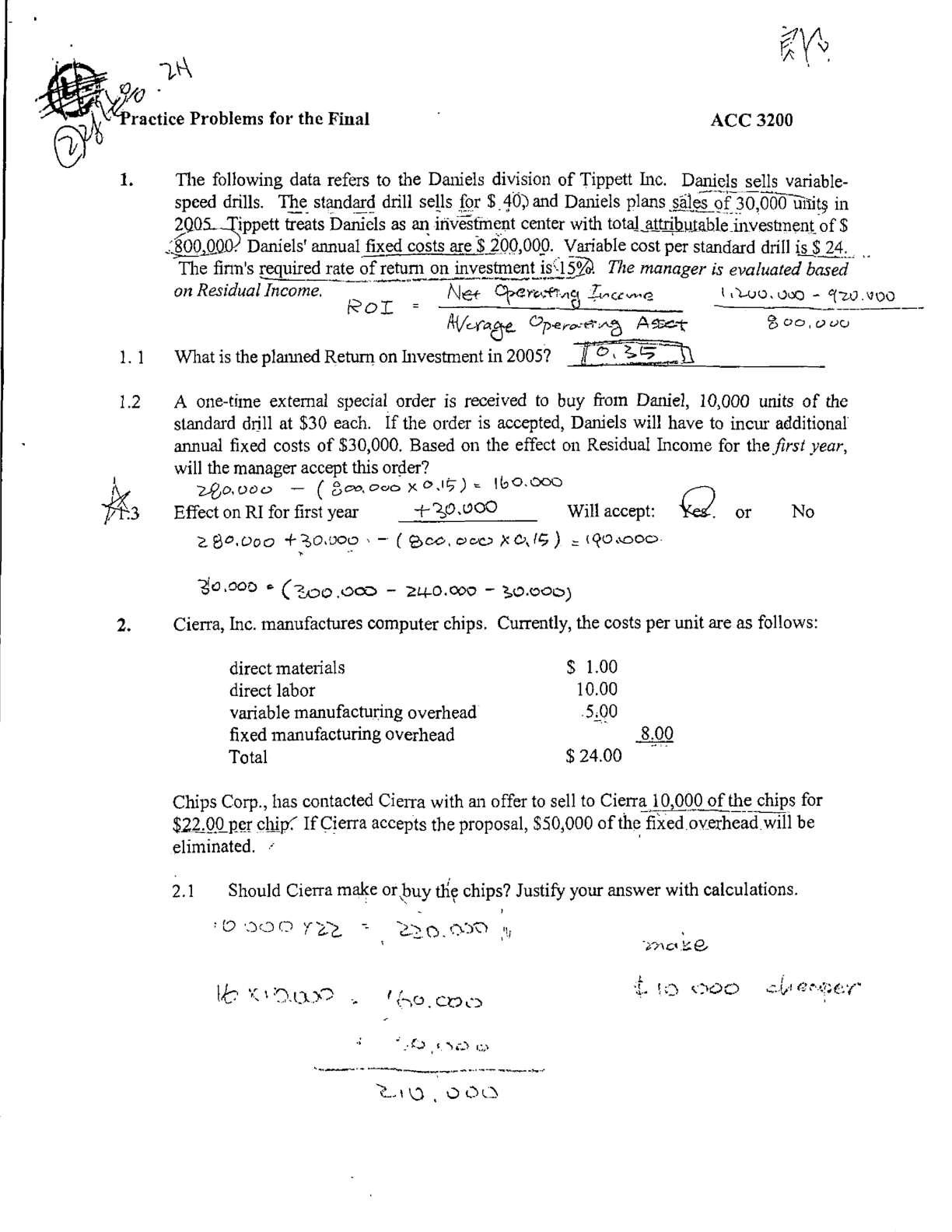
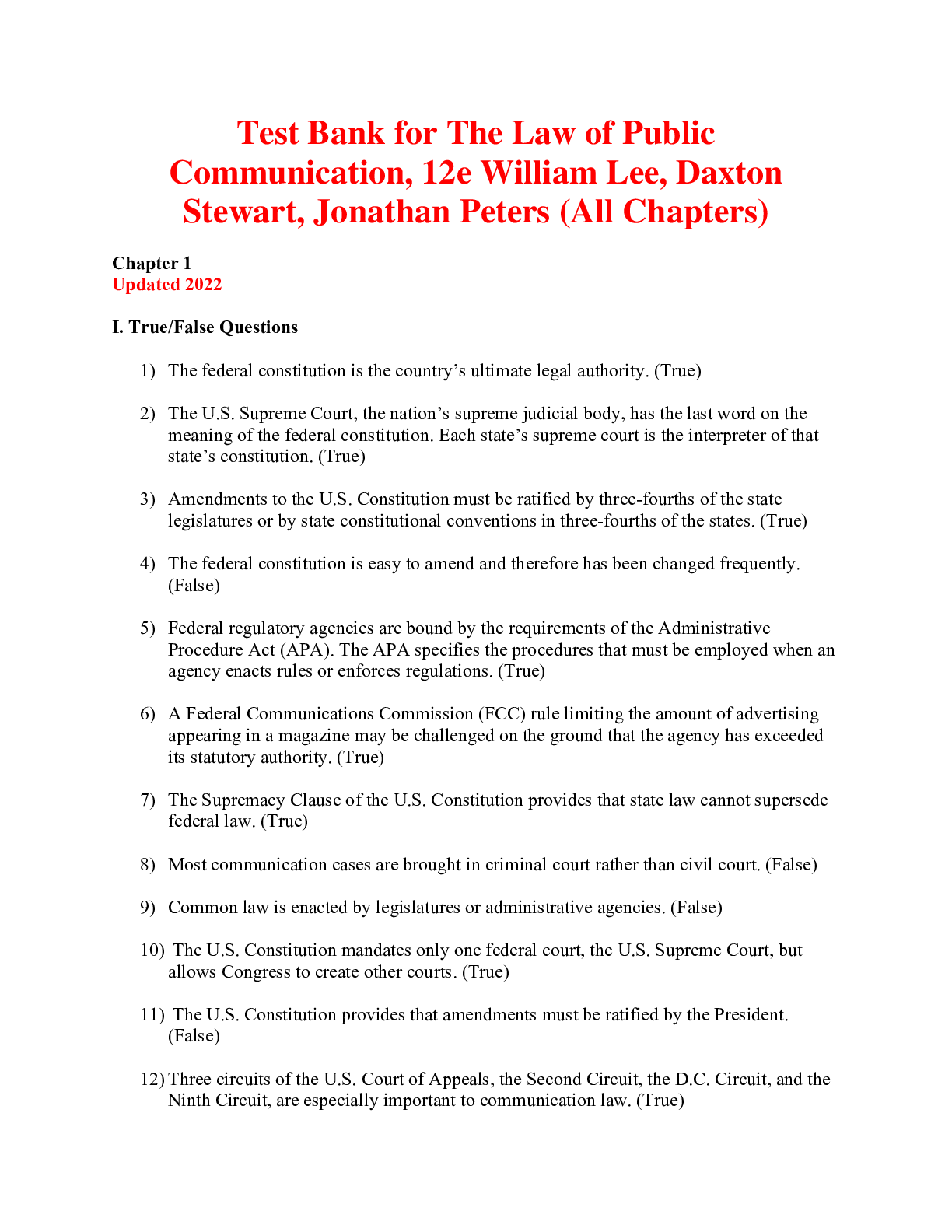
$25
107 Pages
The Law of Public Communication, 12th Edition William, Daxton...
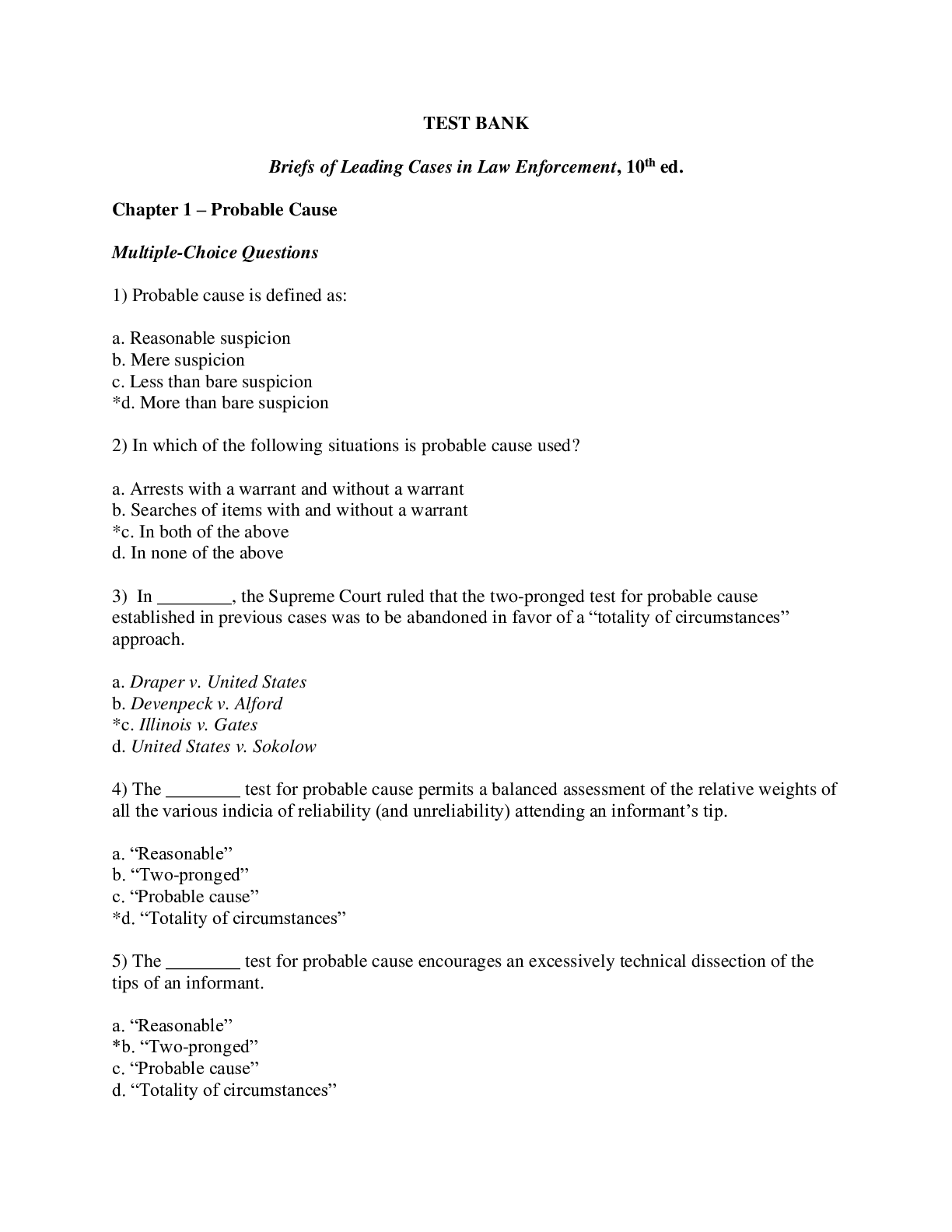
$25
80 Pages
Briefs of Leading Cases in Law Enforcement, 10e Rolando Del Ca...
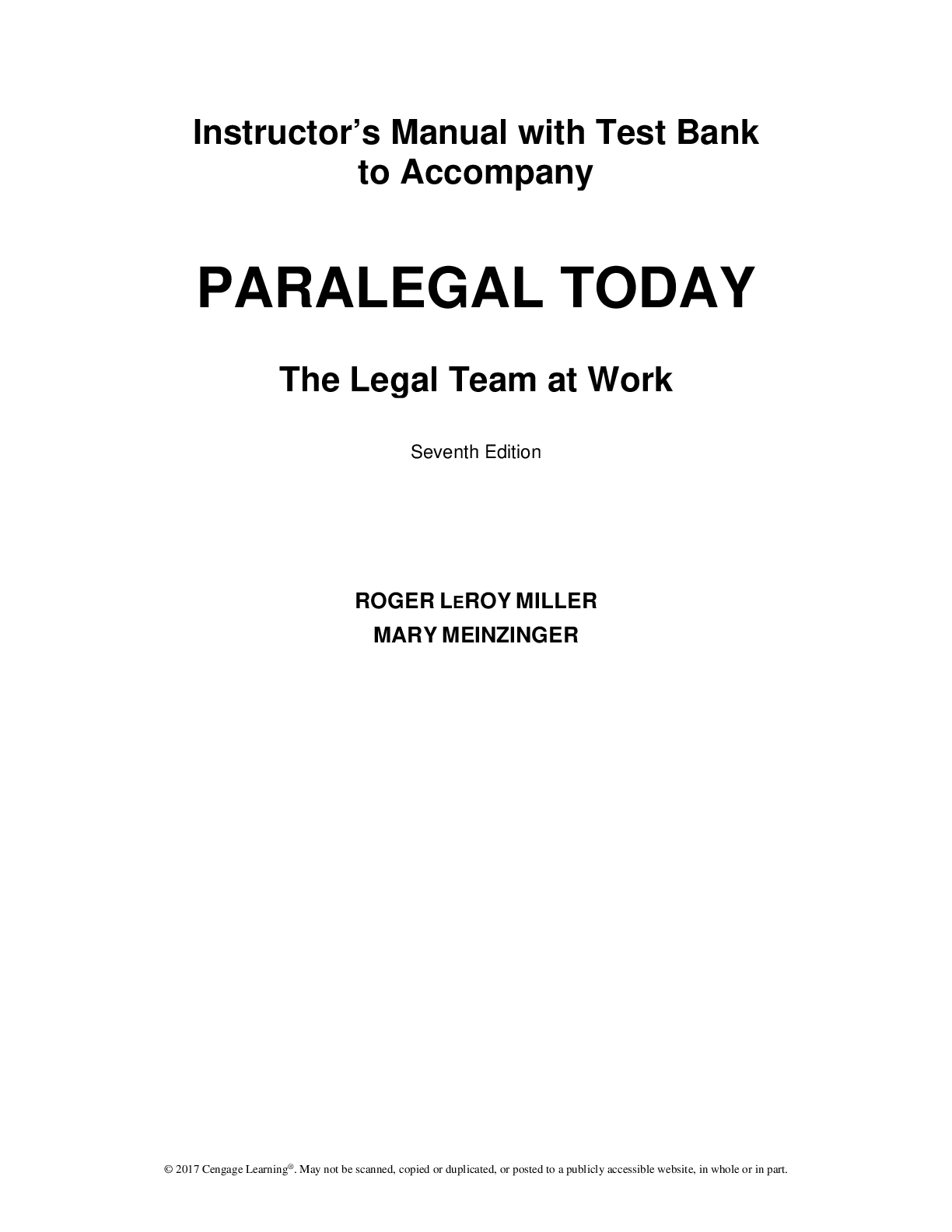
$20
885 Pages
Test Bank for Paralegal Today The Legal Team at Work 7th Edit...
$15
69 Pages
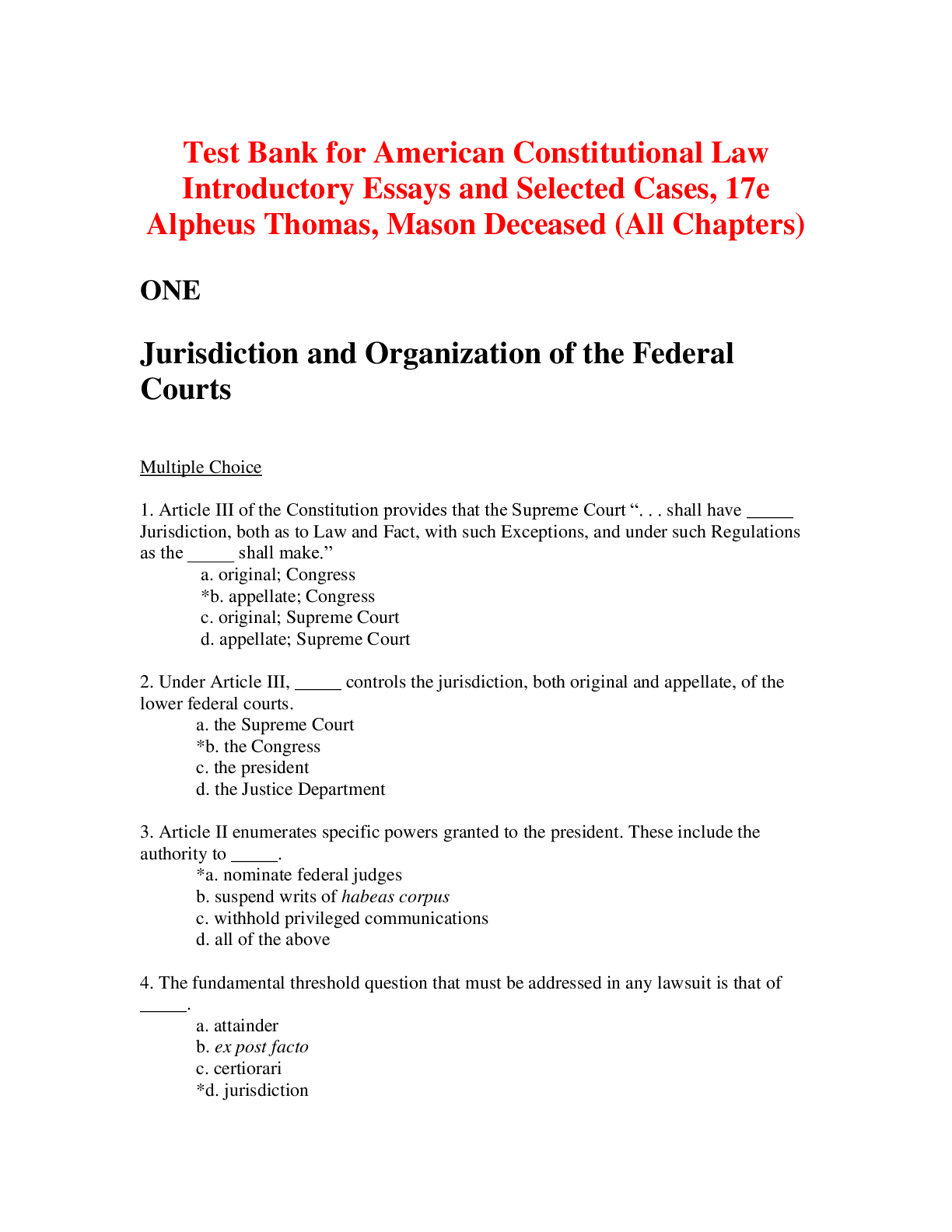
American Constitutional Law Introductory Essays and Selected C...
$10
58 Pages
AWS-Certified-Solutions-Architect-Associate Dumps 2022 Complet...
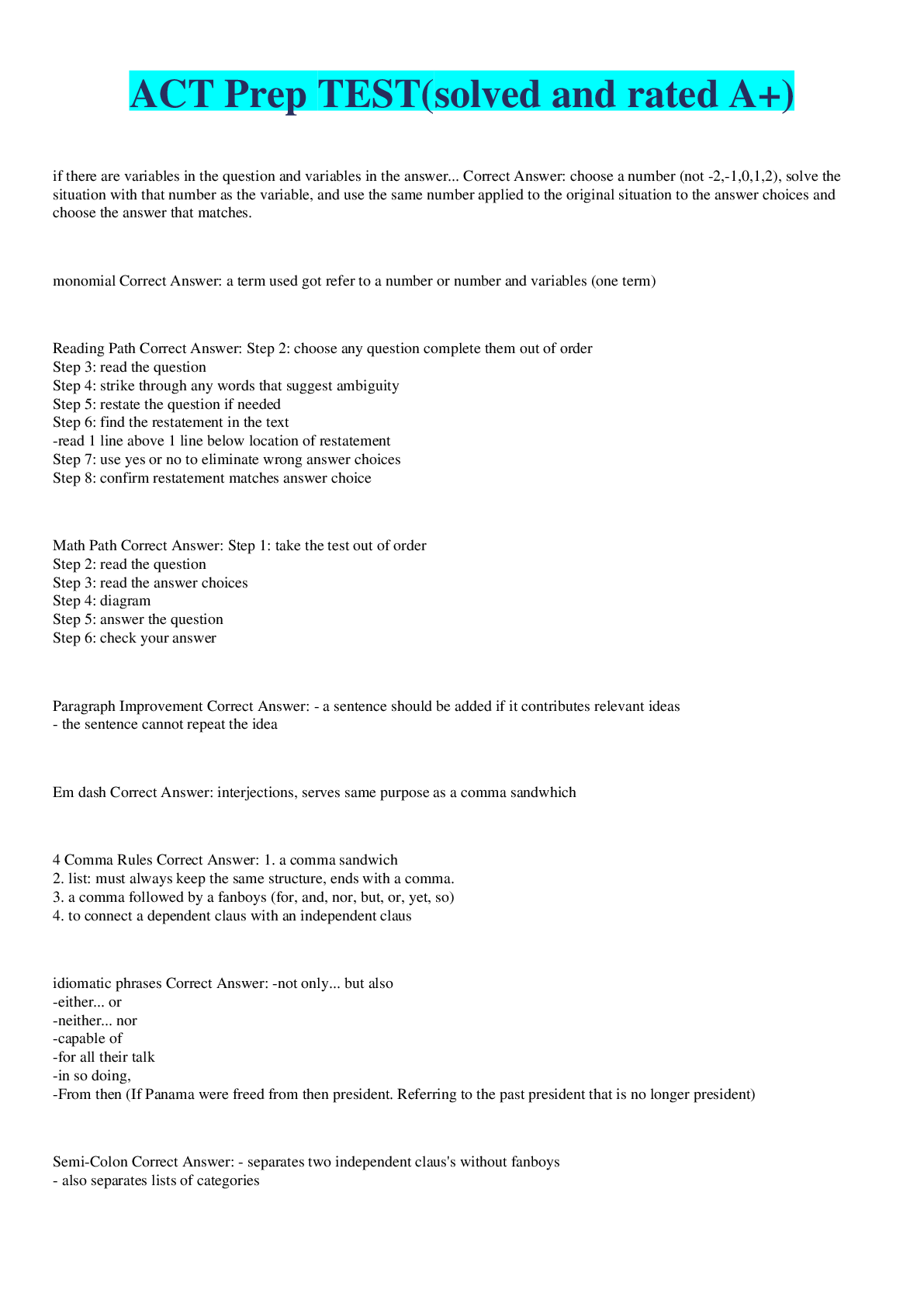
$12.5
3 Pages
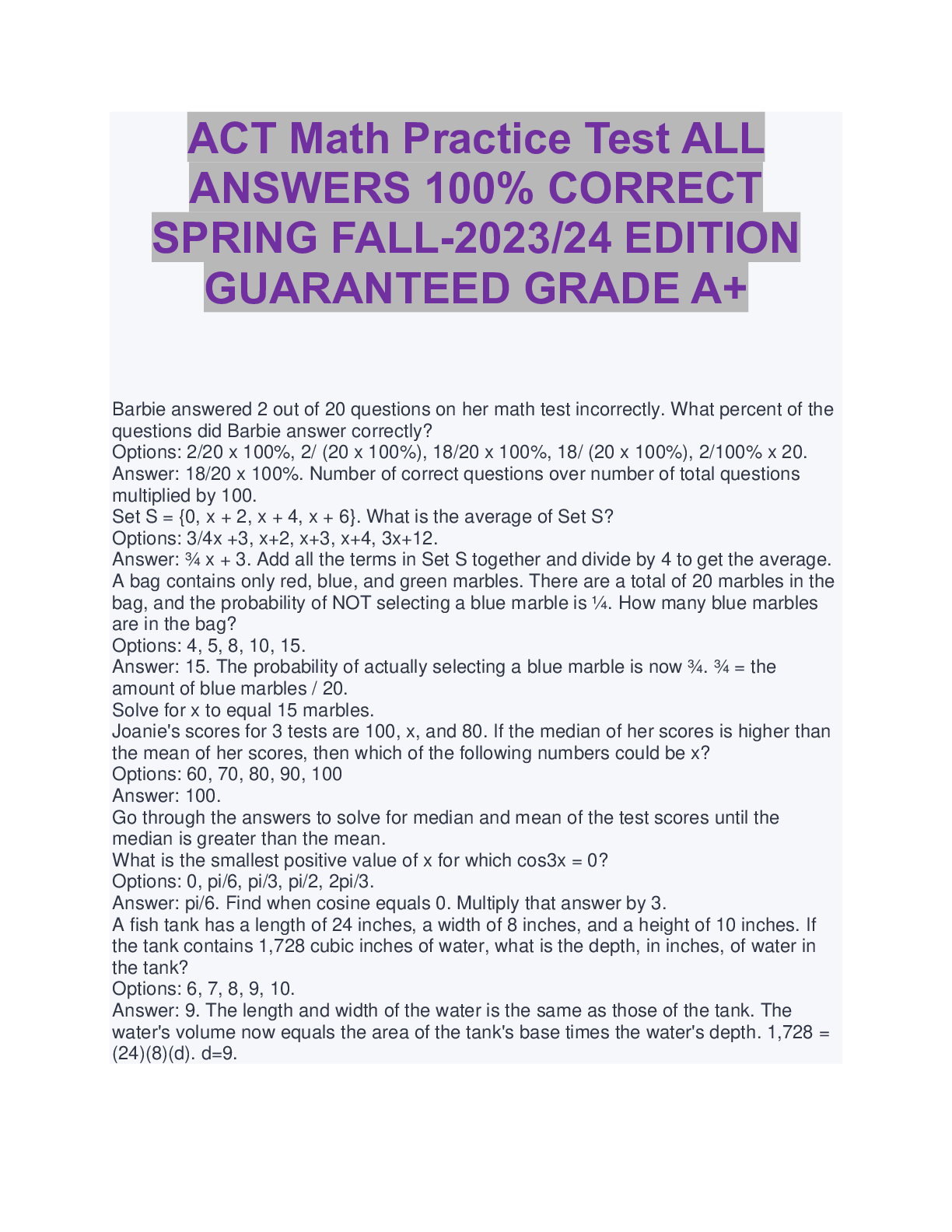
ACT Math Practice Test ALL ANSWERS 100% CORRECT SPRING FALL-20...
$6.5
17 Pages
GCSE (9-1) Mathematics Component 1 Grades 1-4 Practice Materia...

$8
40 Pages
Preparing Clients' Books.Polytechnic University of the Philipp...
More related documents below