Biology > EXAM > BIO 202 Quiz 4 - Week 4 (GRADED A) Questions amd Answer solutions | 100% CORRECT (All)
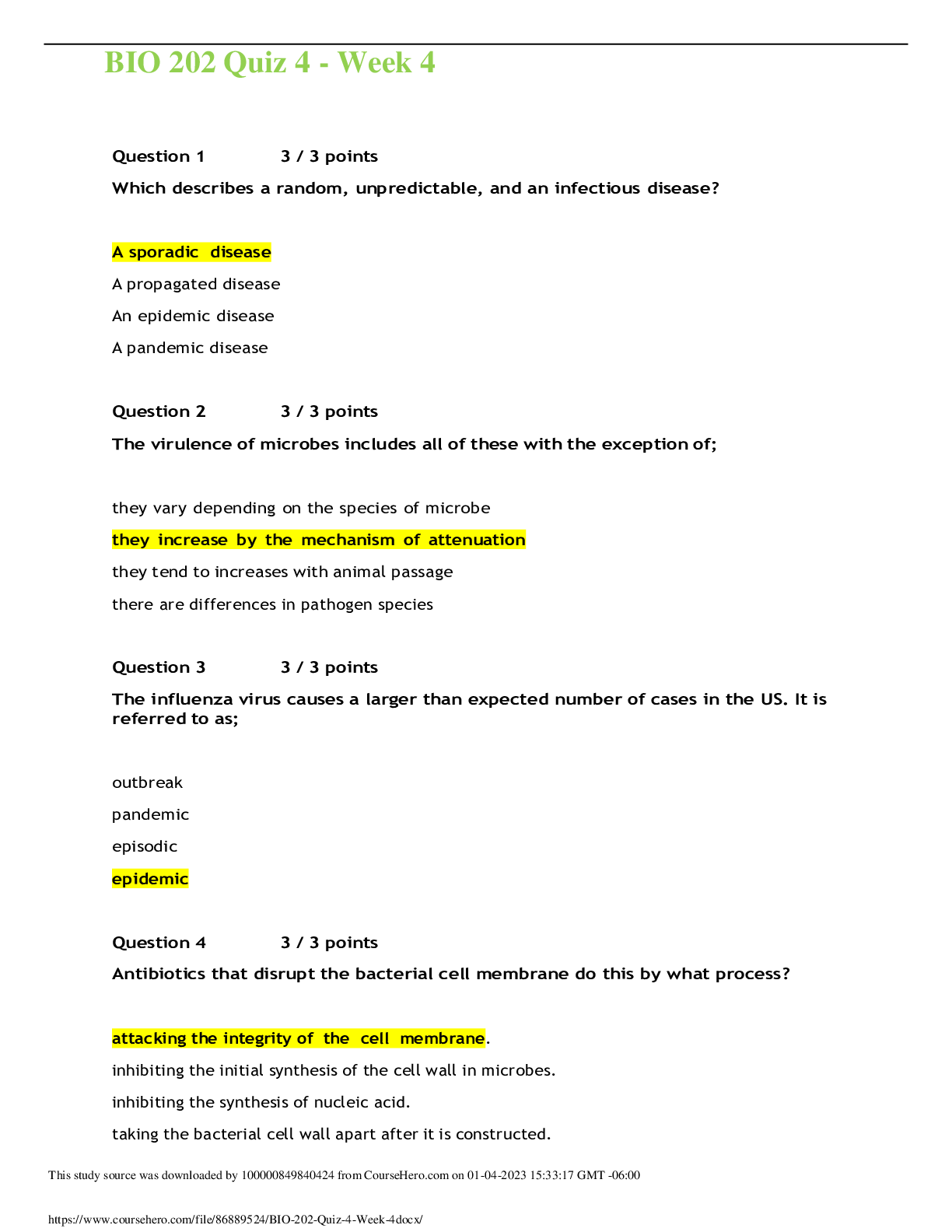
BIO 202 Quiz 4 - Week 4 (GRADED A) Questions amd Answer solutions | 100% CORRECT
Document Content and Description Below
Last updated: 3 years ago
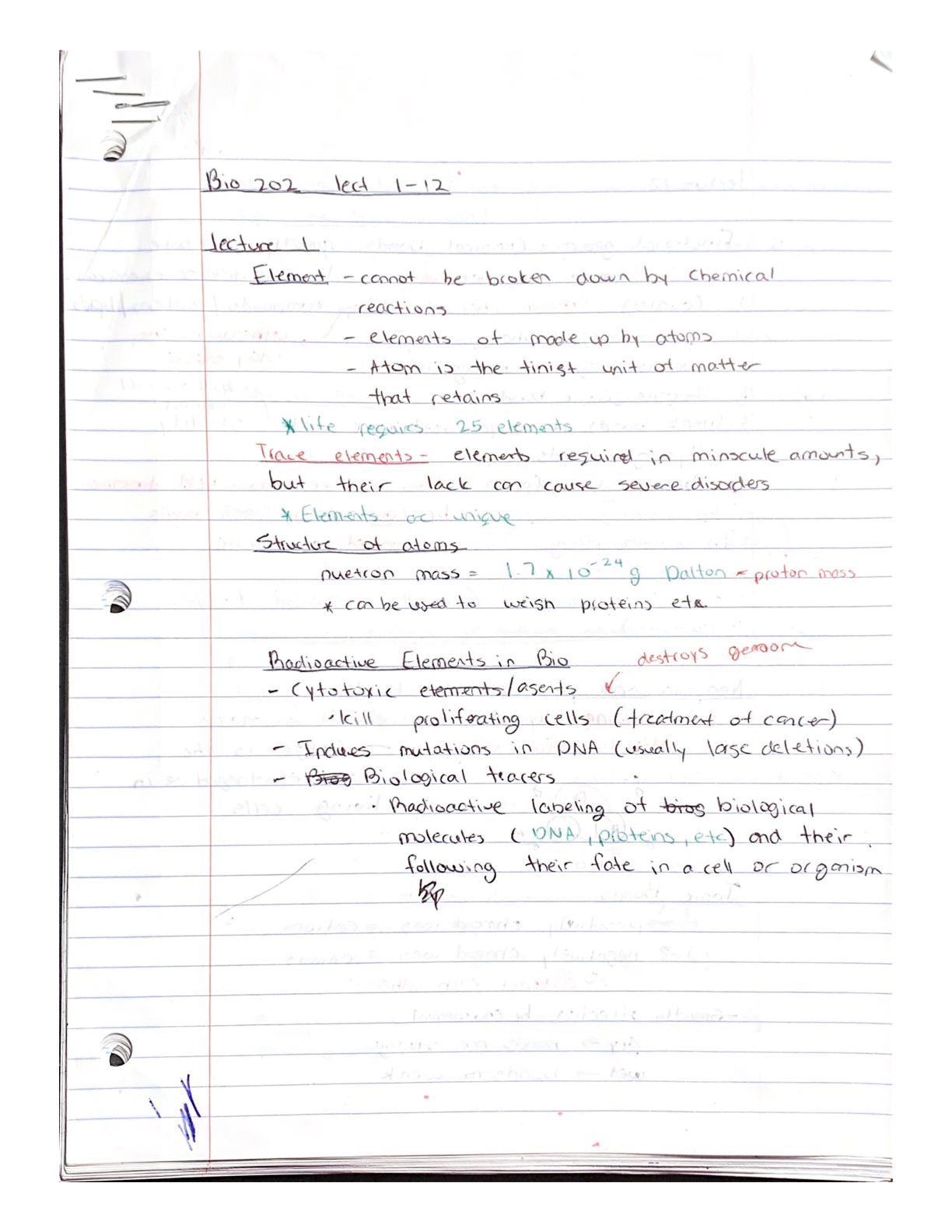
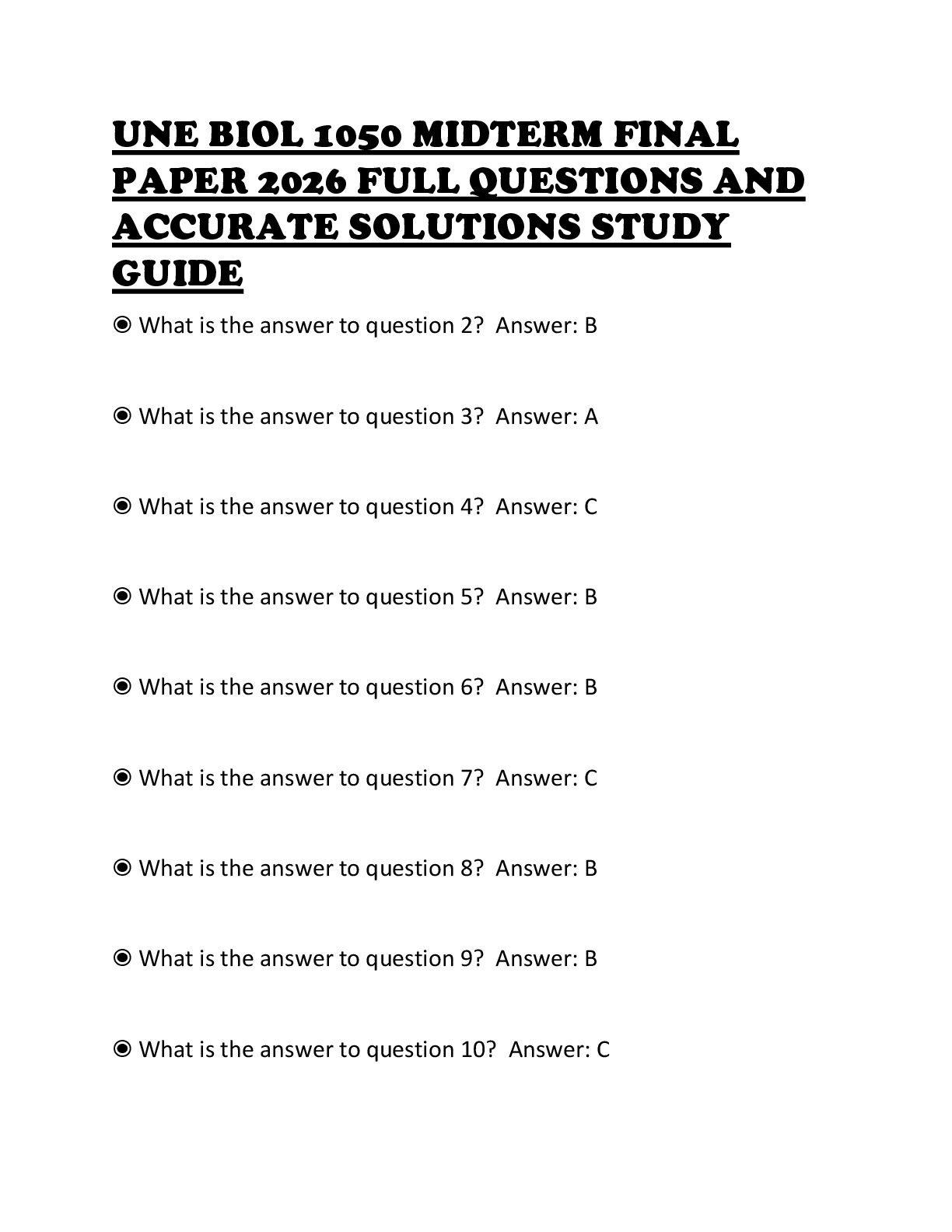
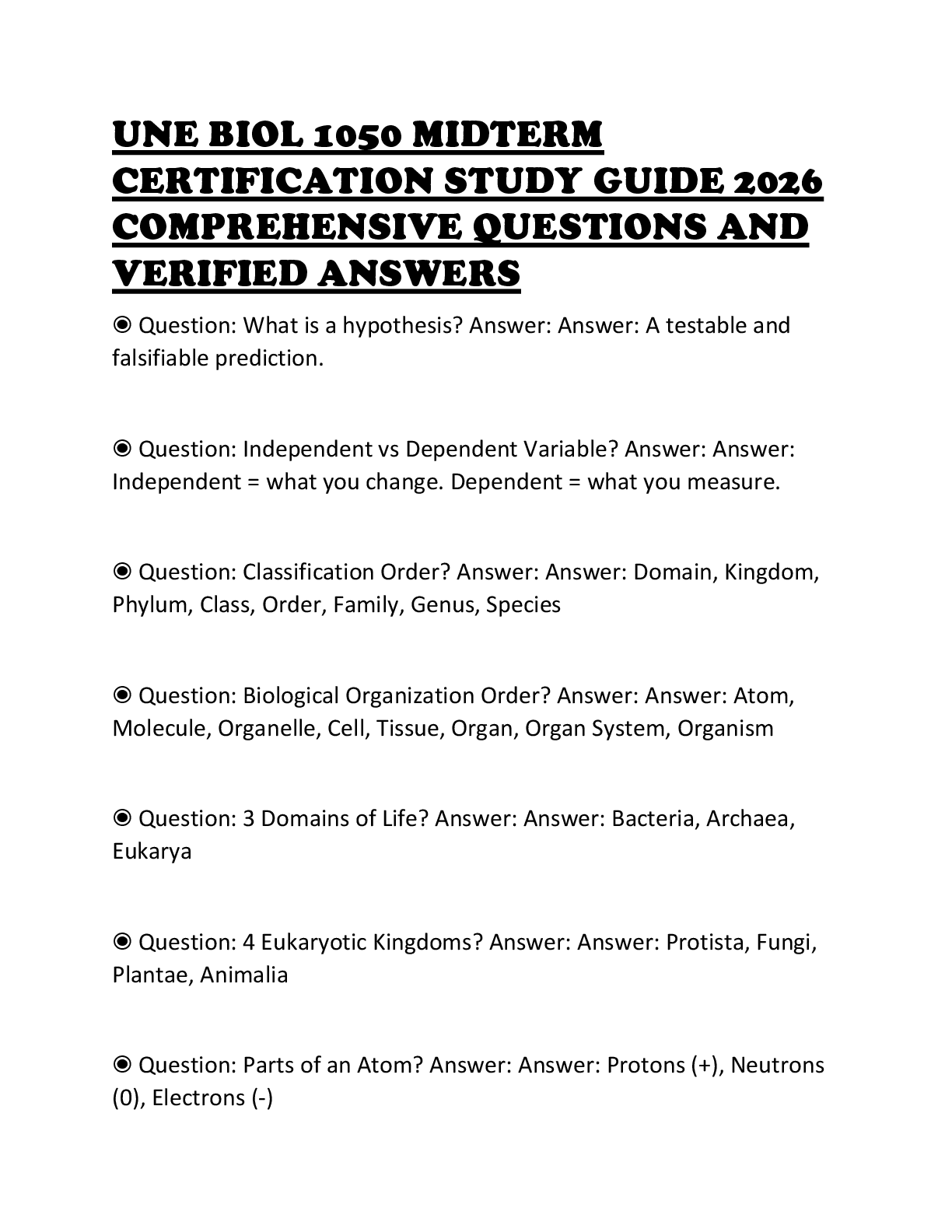
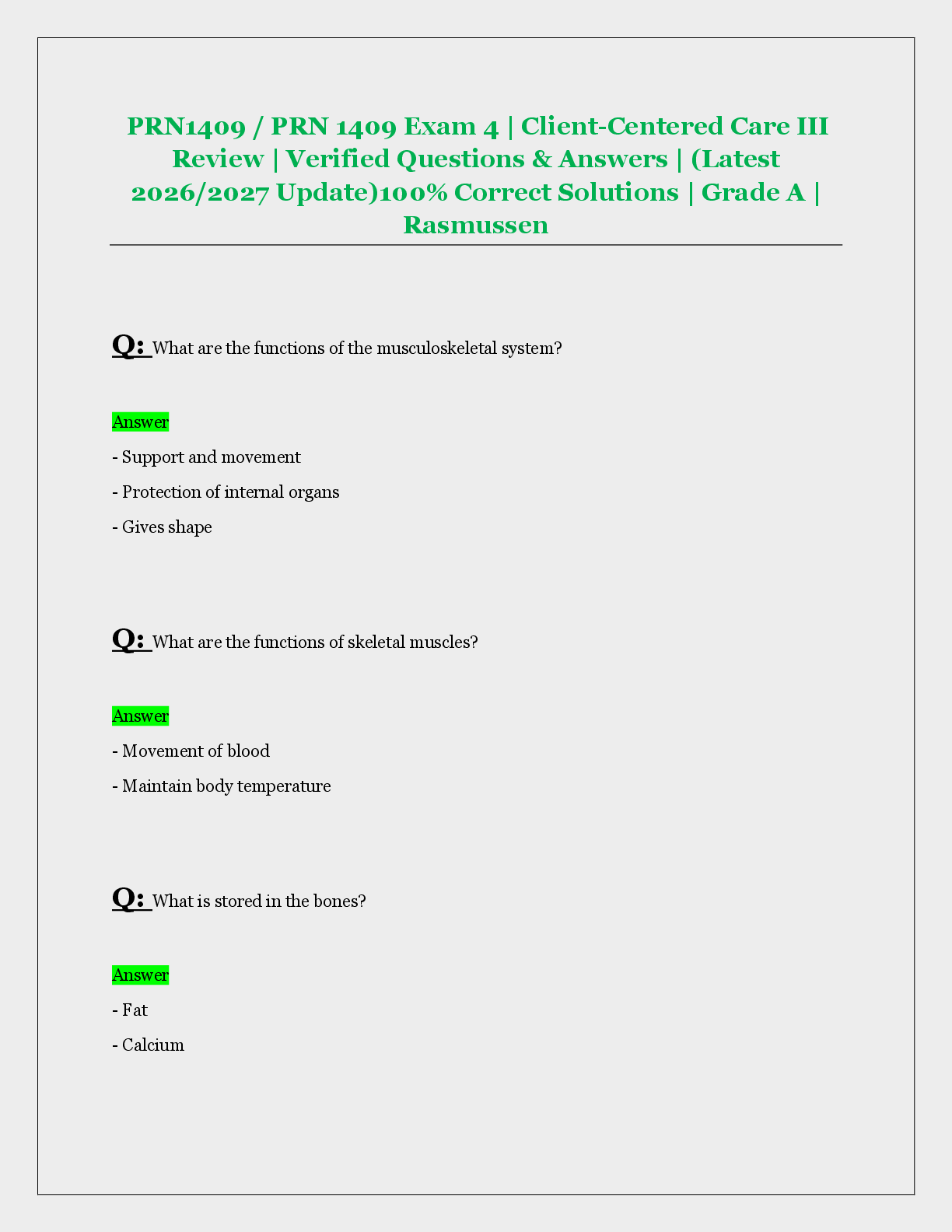
Preview 1 out of 3 pages
Instant download
Buy this Document to get the Full Access Instantly
Provided by Students Who Aced it
We Verify Document Content to Gurantee Accuracy
Reviews( 0 )
Document information
Connected school, study & course
About the document
Uploaded On
Jan 05, 2023
Number of pages
3
Written in
All

Additional information
This document has been written for:
Uploaded
Jan 05, 2023
Downloads
0
Views
116
Topic Tags
Recommended For You
Get more on EXAM »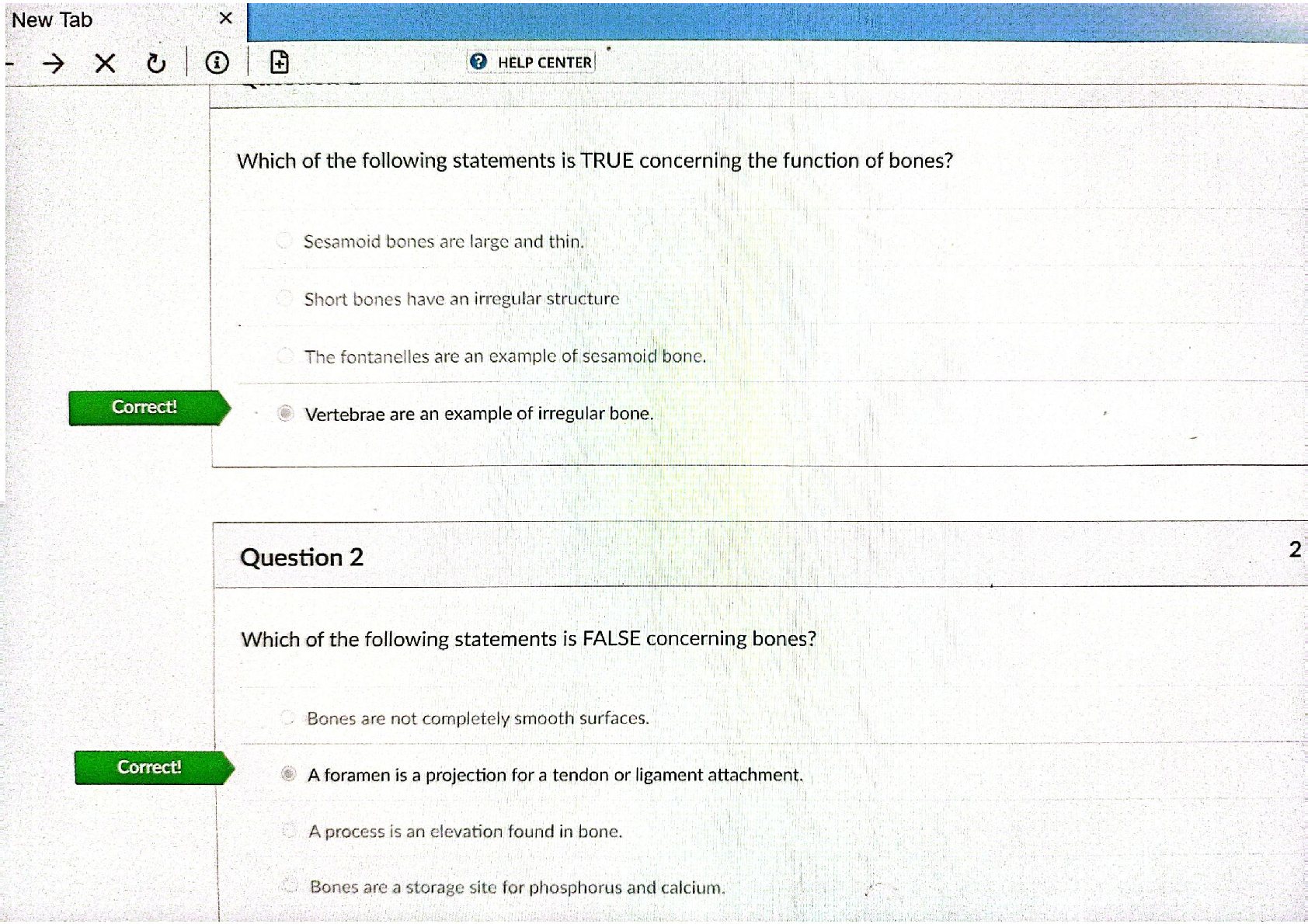
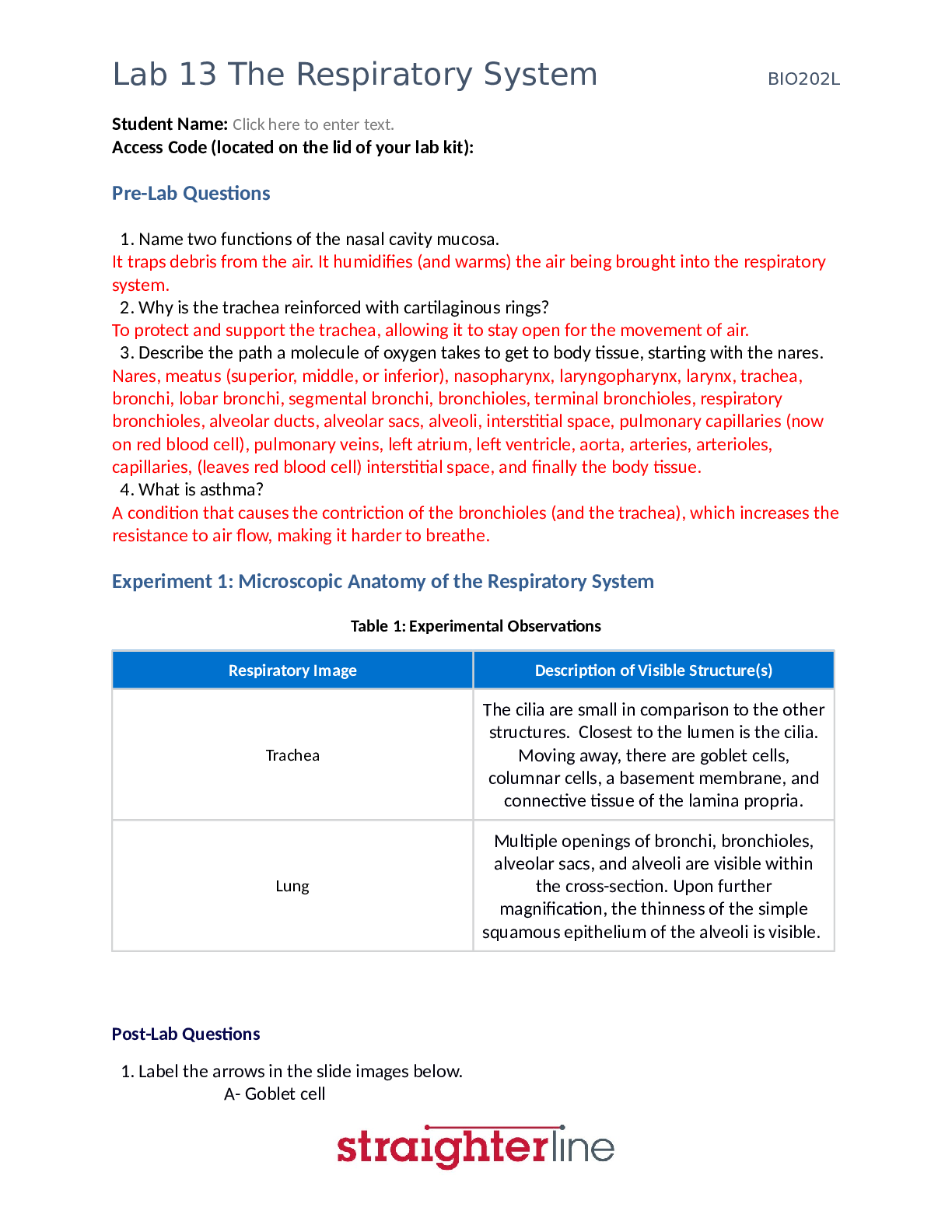
BIO 202L Lab 13 The Respiratory System (GRADED A+) Questions a...

BIO 202L Lab 16 The Digestive System (TOP SCORE) Questions and...

BIO 202L Lab 12 The Lymphatic System (GRADED A) Questions and...
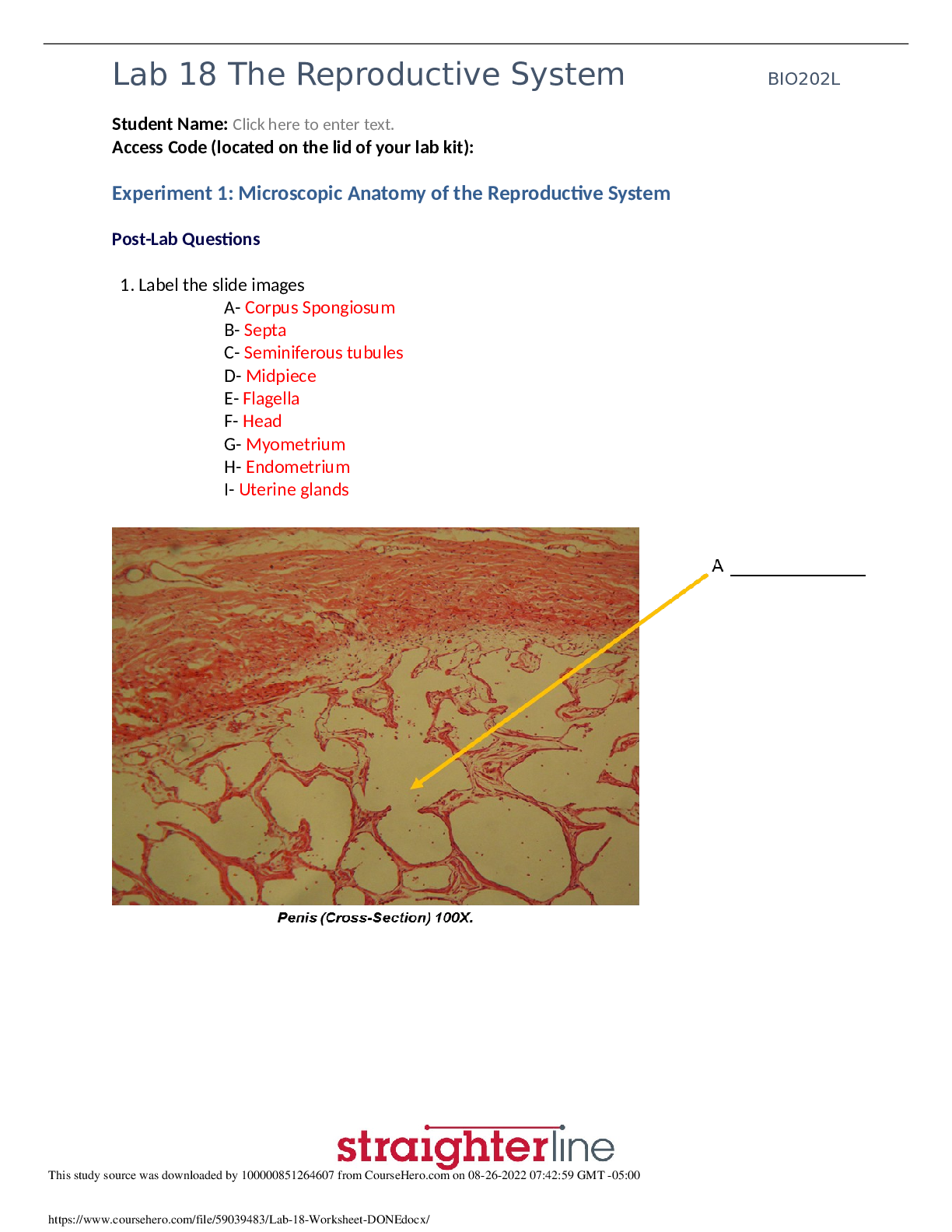

BIO 202L Lab 15 Worksheet- Electrolytes, Water, Acid & Bases

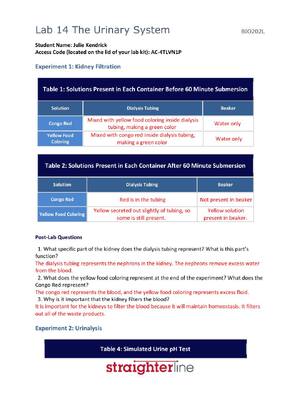
BIO 202 L Lab 14 The Urinary System. Experiments 1-4: Kidney F...
.png)
StraighterlineBIO 202Topic 9 Graded Quiz. Topic 9 Graded Quiz...
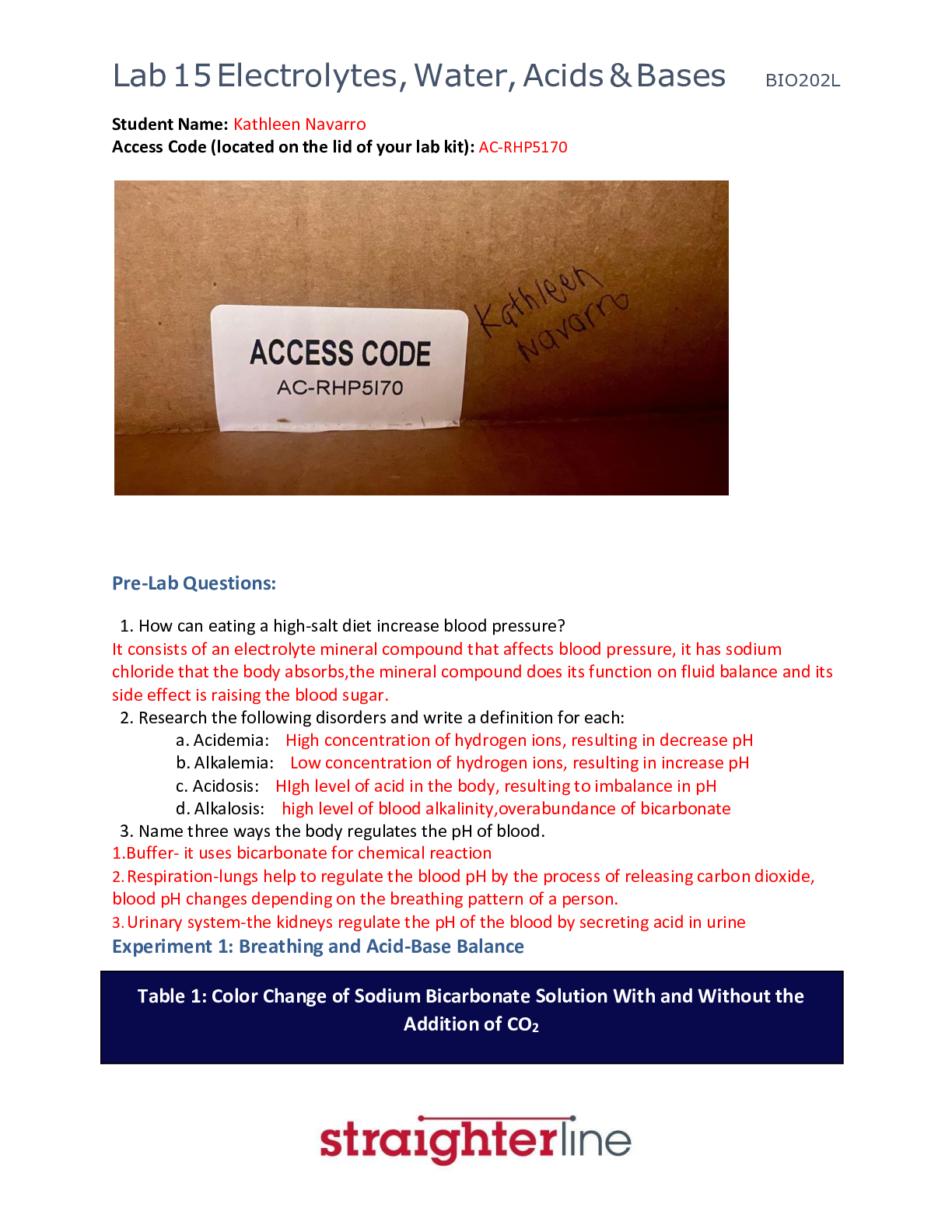
BIO 202L LAB 15 WORKSHEET Electrolytes, Water, Acids & Bases |...
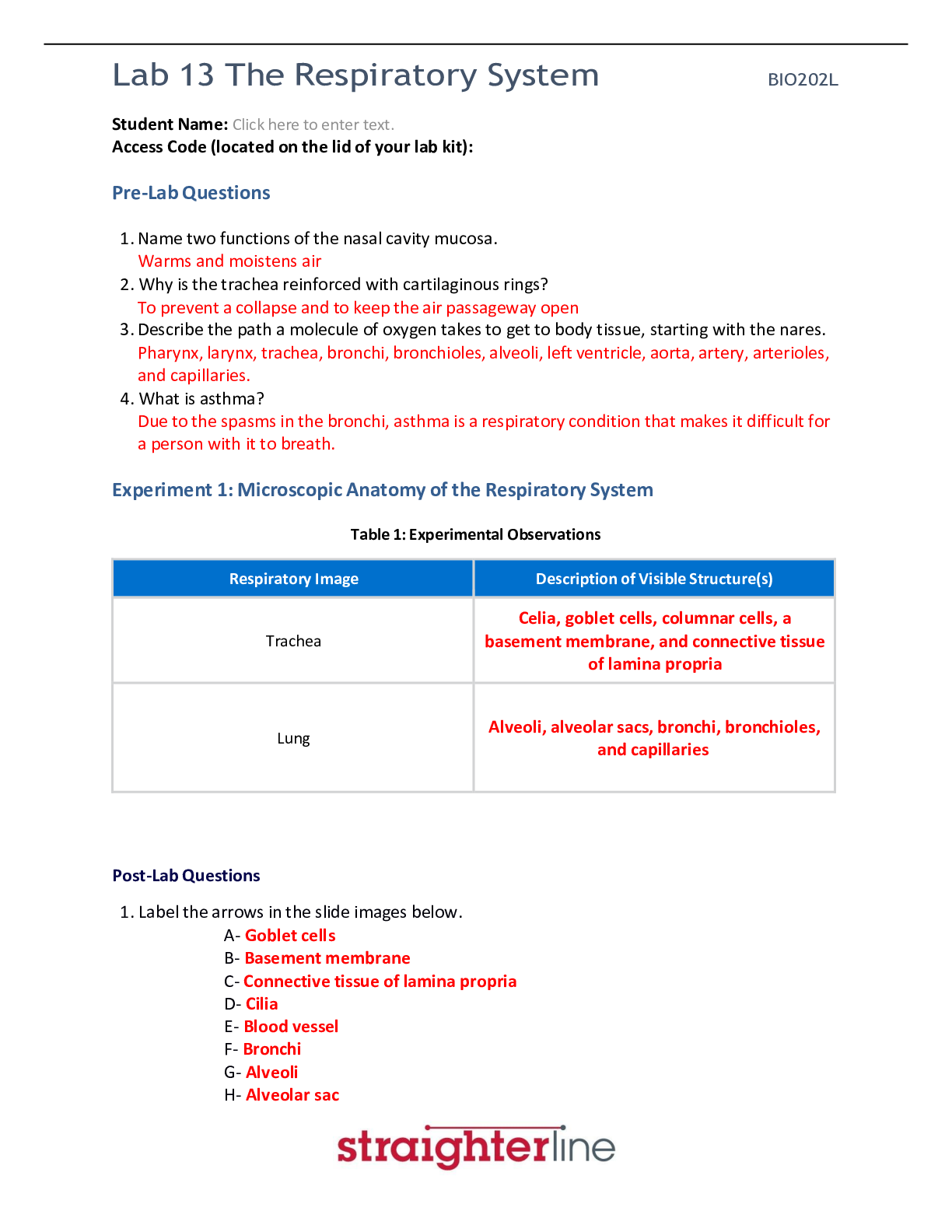
BIO 202L-LAB-3- The Respiratory System| Straighterline-Anatomy...