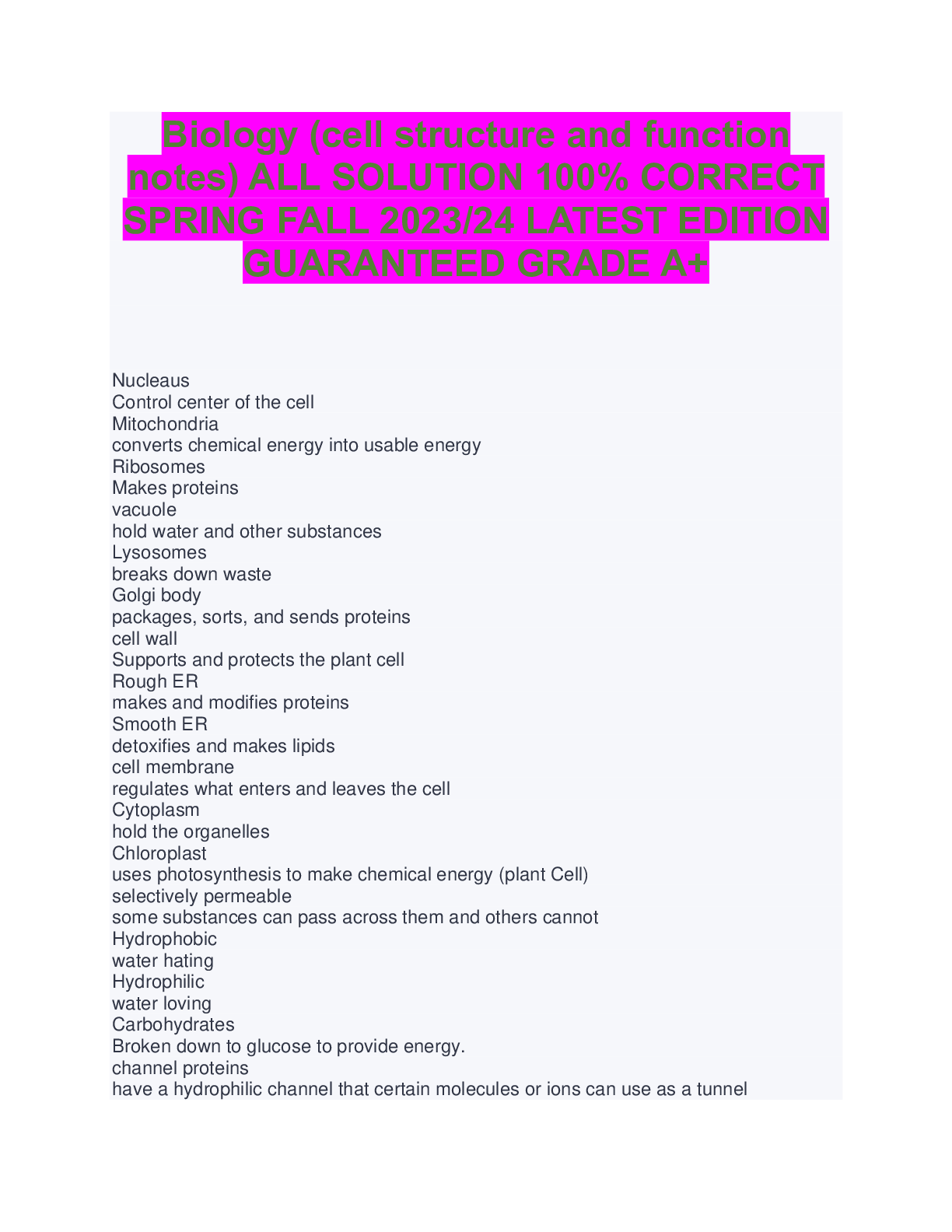
Chemistry > Class Notes > Unit 1-Chemistry of Life ALL SOLUTION 100% CORRECT SPRING FALL-2023/24 EDITION GUARANTEED GRADE A+ (All)
Unit 1-Chemistry of Life ALL SOLUTION 100% CORRECT SPRING FALL-2023/24 EDITION GUARANTEED GRADE A+
Document Content and Description Below
Last updated: 3 years ago
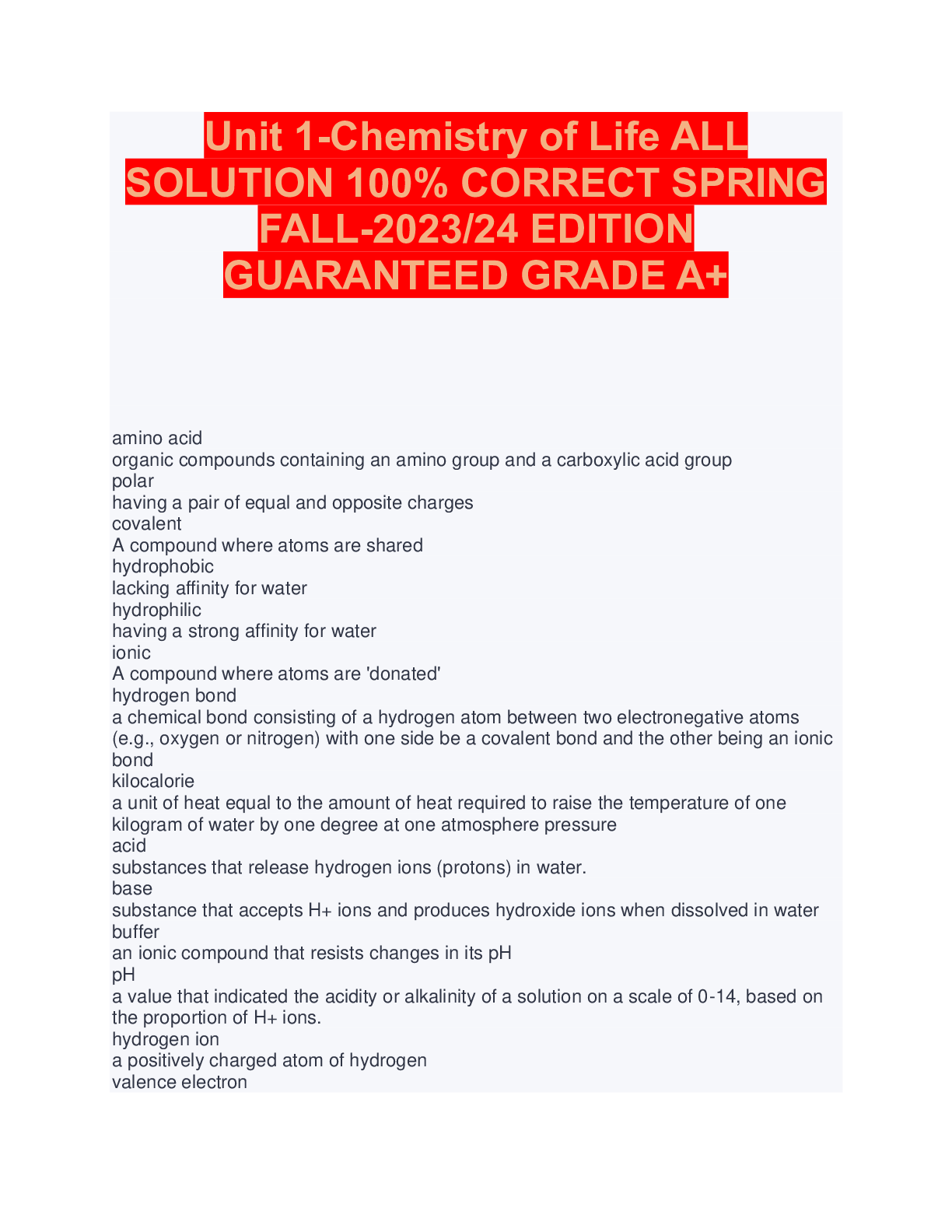
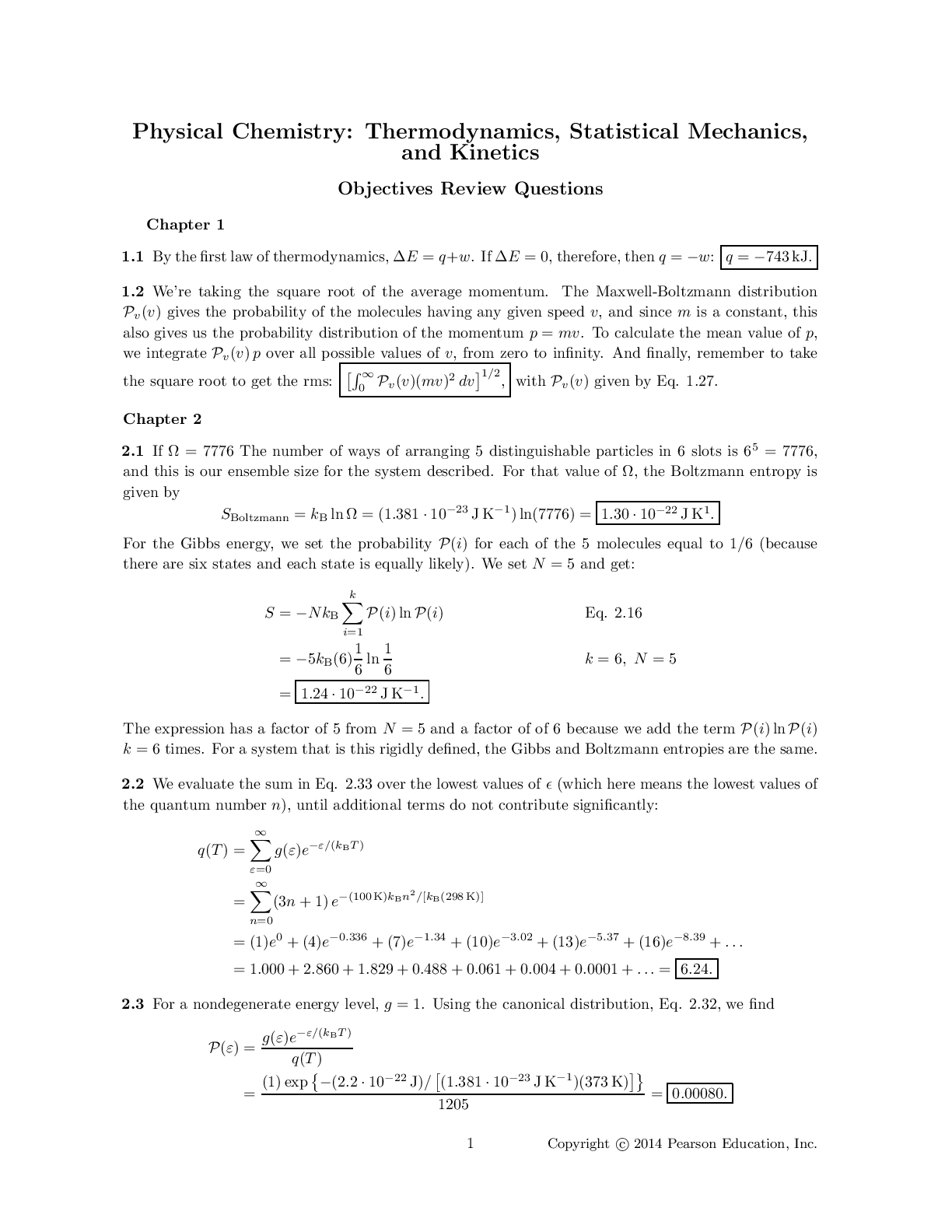
Preview 1 out of 3 pages
Instant download
Buy this Document to get the Full Access Instantly
Provided by Students Who Aced it
We Verify Document Content to Gurantee Accuracy
Reviews( 0 )
Document information
Connected school, study & course
About the document
Uploaded On
Jan 12, 2023
Number of pages
3
Written in
All

Additional information
This document has been written for:
Uploaded
Jan 12, 2023
Downloads
0
Views
284
Topic Tags
Recommended For You
Get more on Class Notes » JN21.png)
Endocrine NCLEX Test Bank Complete Solution 100% Correct

HESI OB Questions ALL SOLUTION 100% CORRECT SPRING FALL -2022...
OPS 571 Final Exam University of Phoenix Summer 2022 SOLUTION...

HESI GERONTOLOGY V1 RN EXAM ALL SOLUTION 100% CORRECT SPRING F...
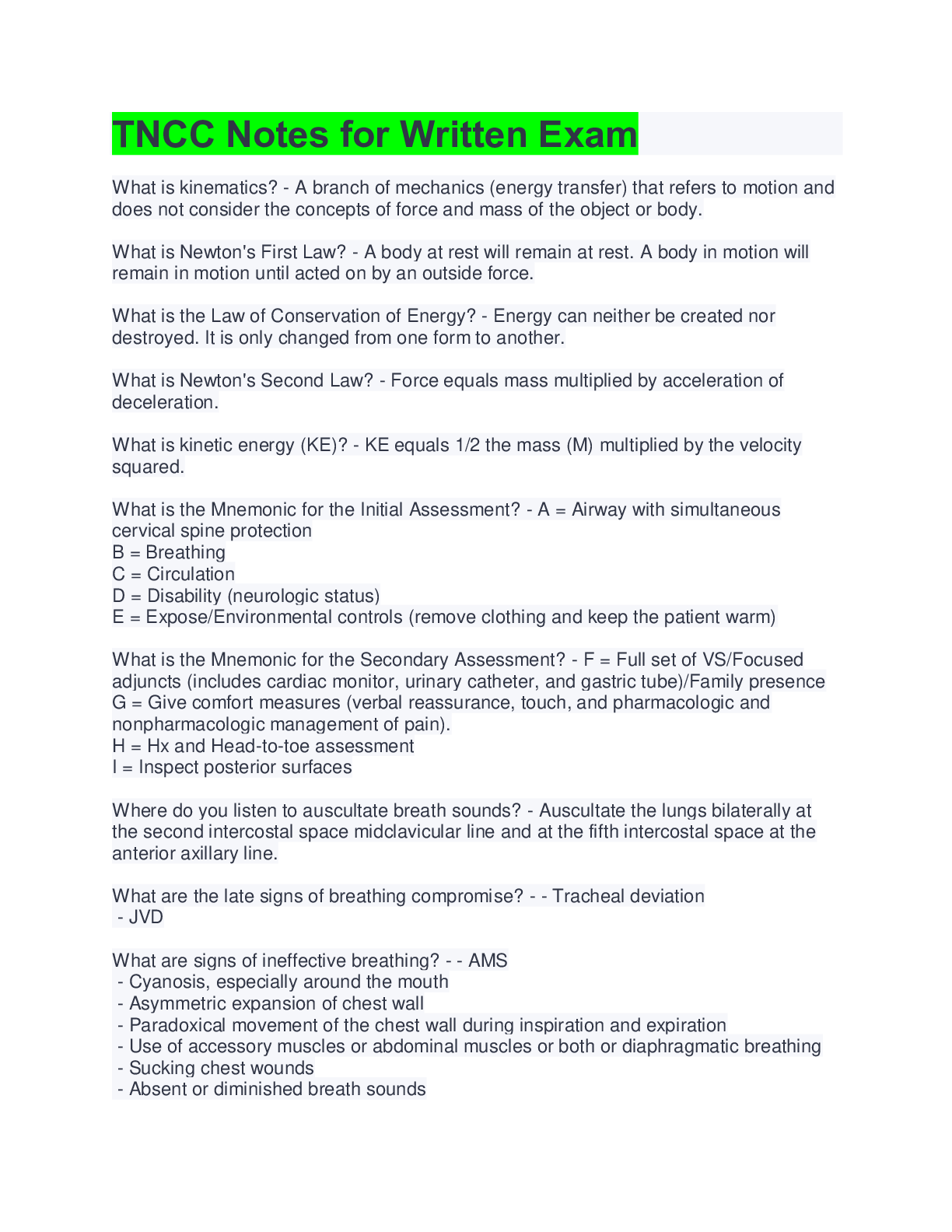
NCC Notes for Written Exam/( Complete Solution 100%). GRADED A...
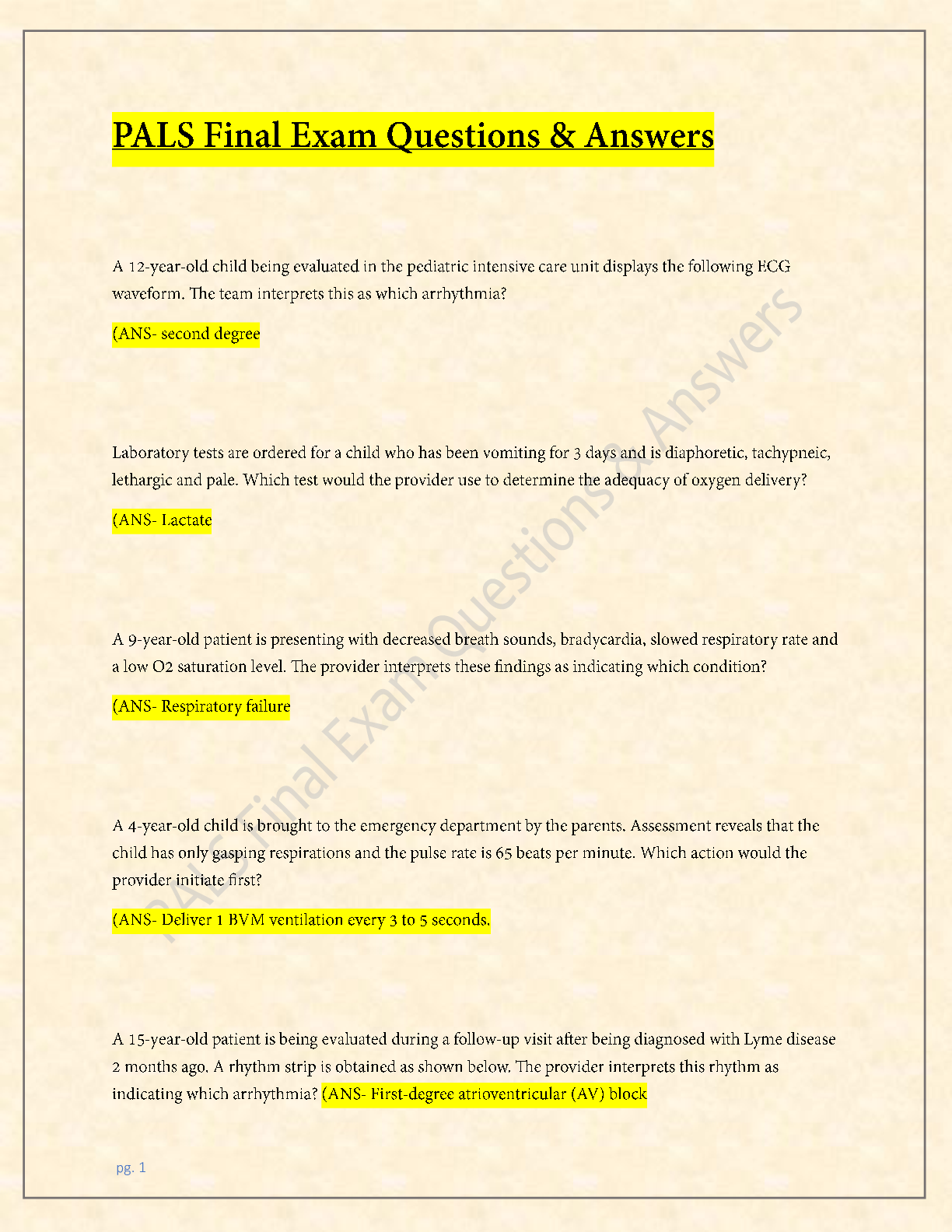
PALS Final Exam; 50 Questions & Answers; Latest Solution/ 100%...
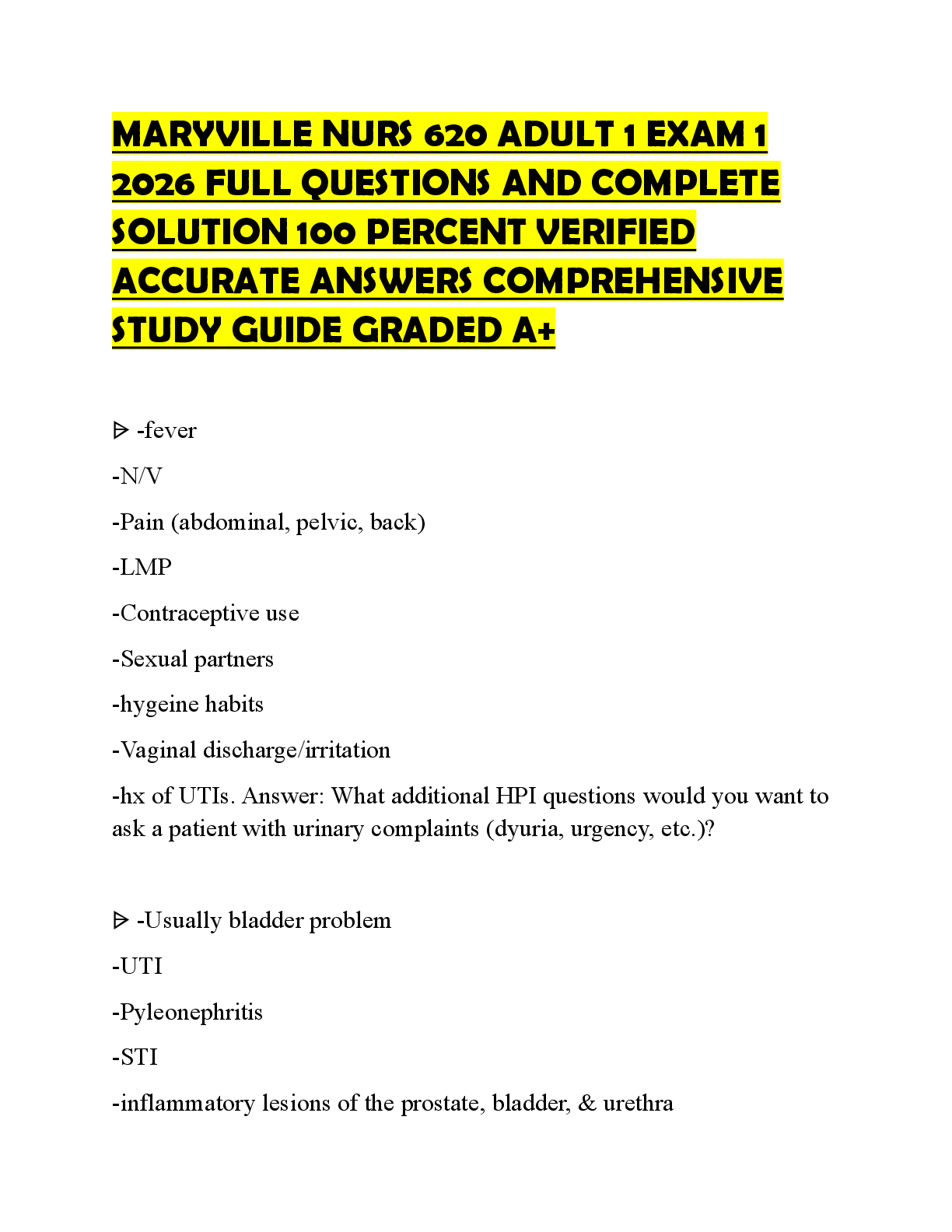
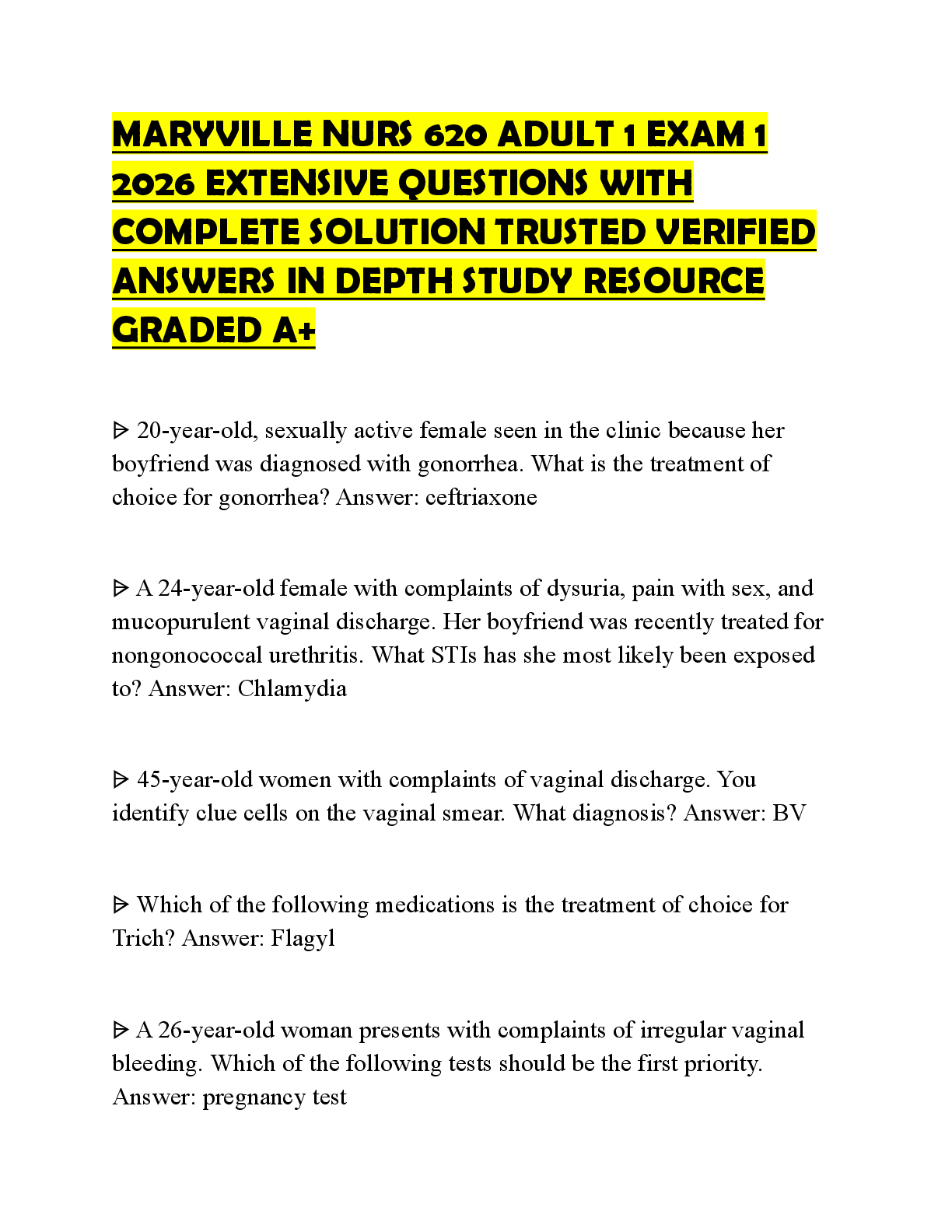
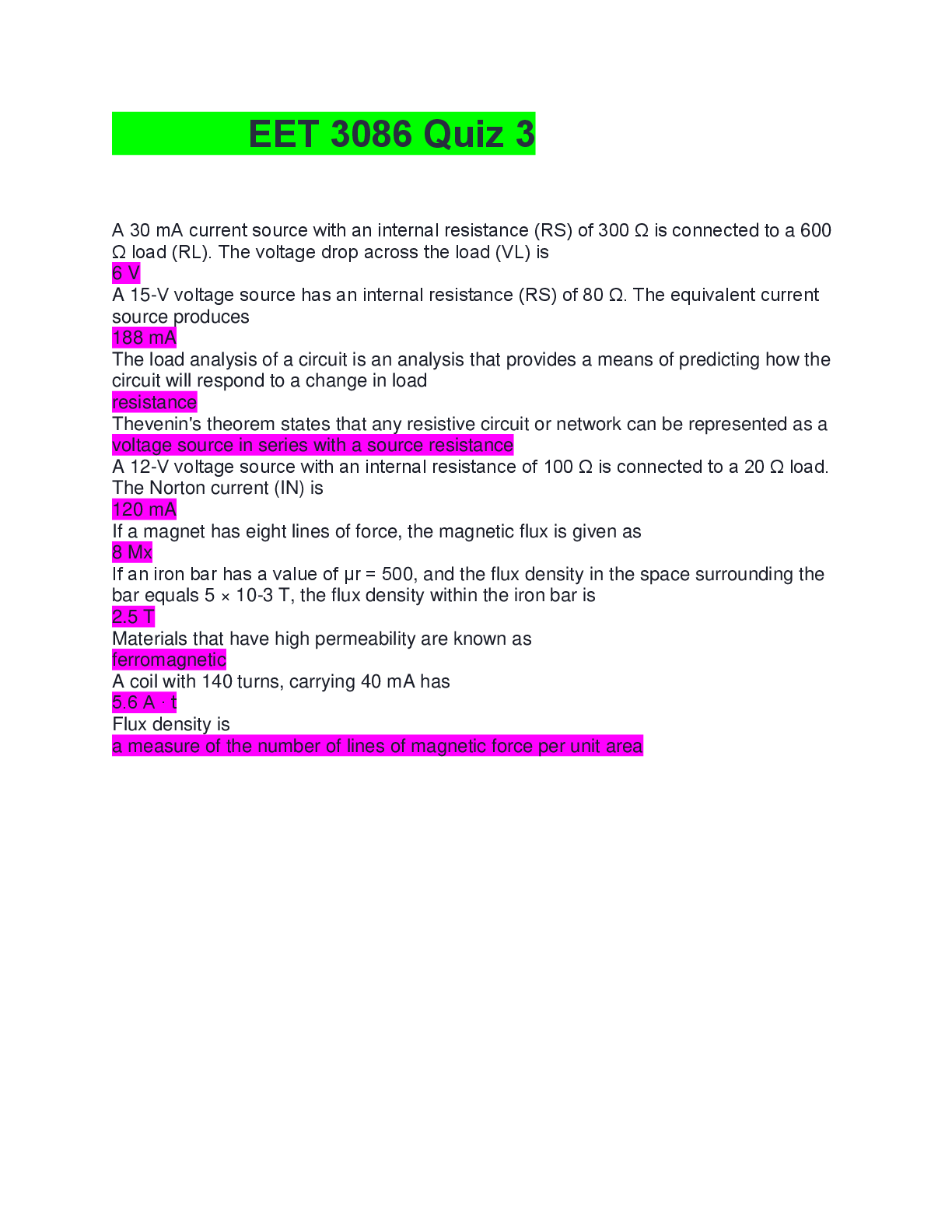
EET 3086 Quiz 3 questions with correct answers complete soluti...

SEJPME II Module 10 - Joint Fires and Targeting Overview Post...

SEJPME Lesson 5 Crisis Response and Limited Contingency-St Joh...

MILITARY SEJPME 1 SEJPME-American Millitary College: Complete...
Physical Chemistry Thermodynamics Statistical Mechanics and Ki...
Solutions Manual for Organic Chemistry Student Study Guide 3rd...
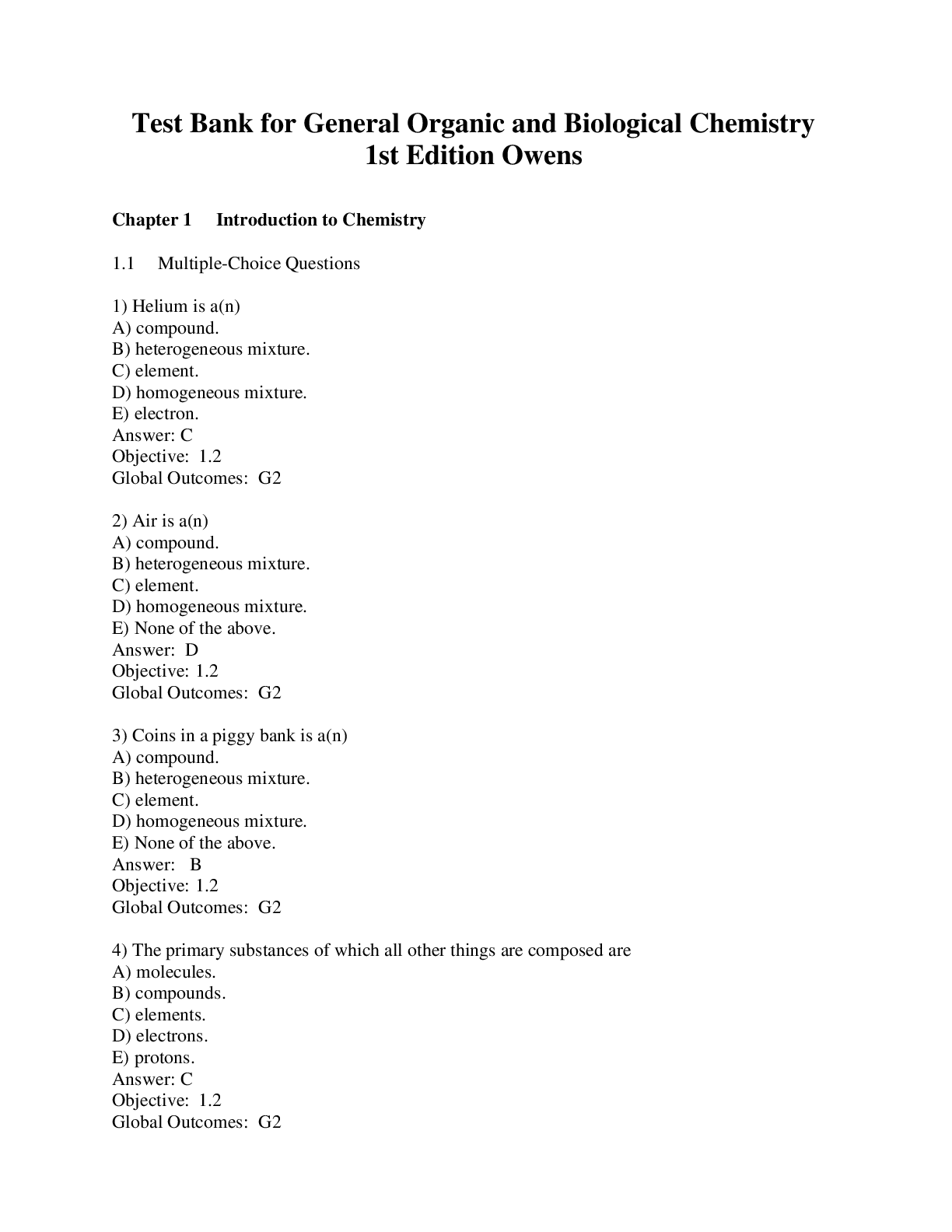
General Organic and Biological Chemistry 1st Edition by Kalyn...
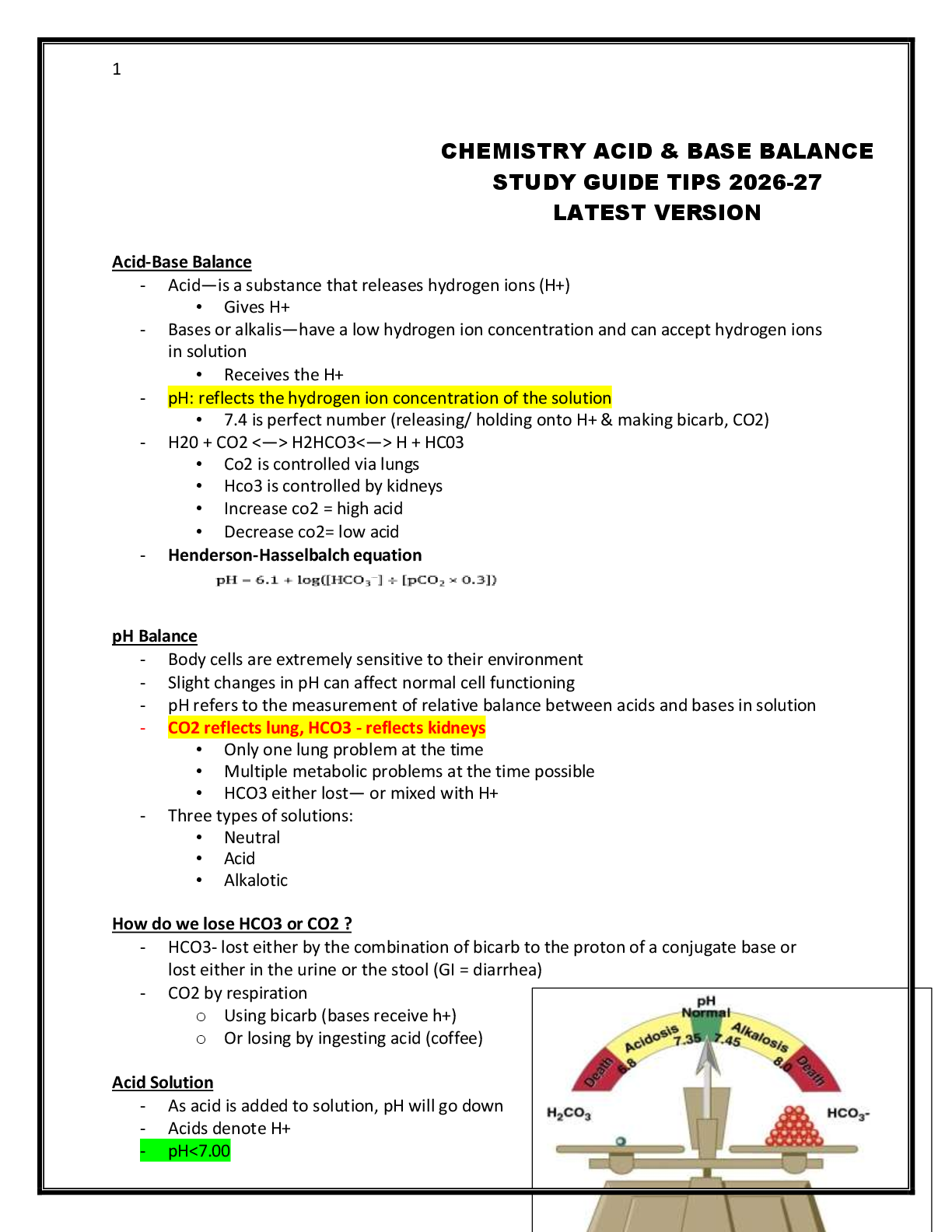
CHEMISTRY ACID & BASE BALANCE STUDY GUIDE TIPS 2026-27 LATES...