NURSING > QUESTIONS and ANSWERS > (Solution) NURS 6630 week 2 Discussion: Foundational Neuroscience, latest 2021/2022. (All)
(Solution) NURS 6630 week 2 Discussion: Foundational Neuroscience, latest 2021/2022.
Document Content and Description Below
Last updated: 3 years ago
Preview 1 out of 4 pages
Instant download

Buy this Document to get the Full Access Instantly
Provided by Students Who Aced it
We Verify Document Content to Gurantee Accuracy
Also available in bundle (1)
Click Below to Access Bundle(s)
Summary NURS 612 Shadow Health All Modules Cases Instructor Keys, Complete Latest (2022/2023) Complete A+ Solutions Guide.
Summary NURS 612 Shadow Health All Modules Cases Instructor Keys, Complete Latest (2022/2023) Complete A+ Solutions Guide.
By Native 3 years ago
$29
9
Reviews( 0 )
Document information
Connected school, study & course
About the document
Uploaded On
Jan 26, 2023
Number of pages
4
Written in
All

Additional information
This document has been written for:
Uploaded
Jan 26, 2023
Downloads
0
Views
221
Topic Tags
Related Subjects & Courses
Explore similar study resources and related concepts.
Recommended For You
Get more on QUESTIONS and ANSWERS »
NUR2474 / NUR 2474 Exam 1 {Modules 1-3} | Latest 2021 / 2022 |...

ATI Fundamentals Proctored Exam |Questions and Answers with Ra...
.png)
ATI MATERNAL NEWBORN Proctored Exam Latest 2021/2022. VERIFIED...
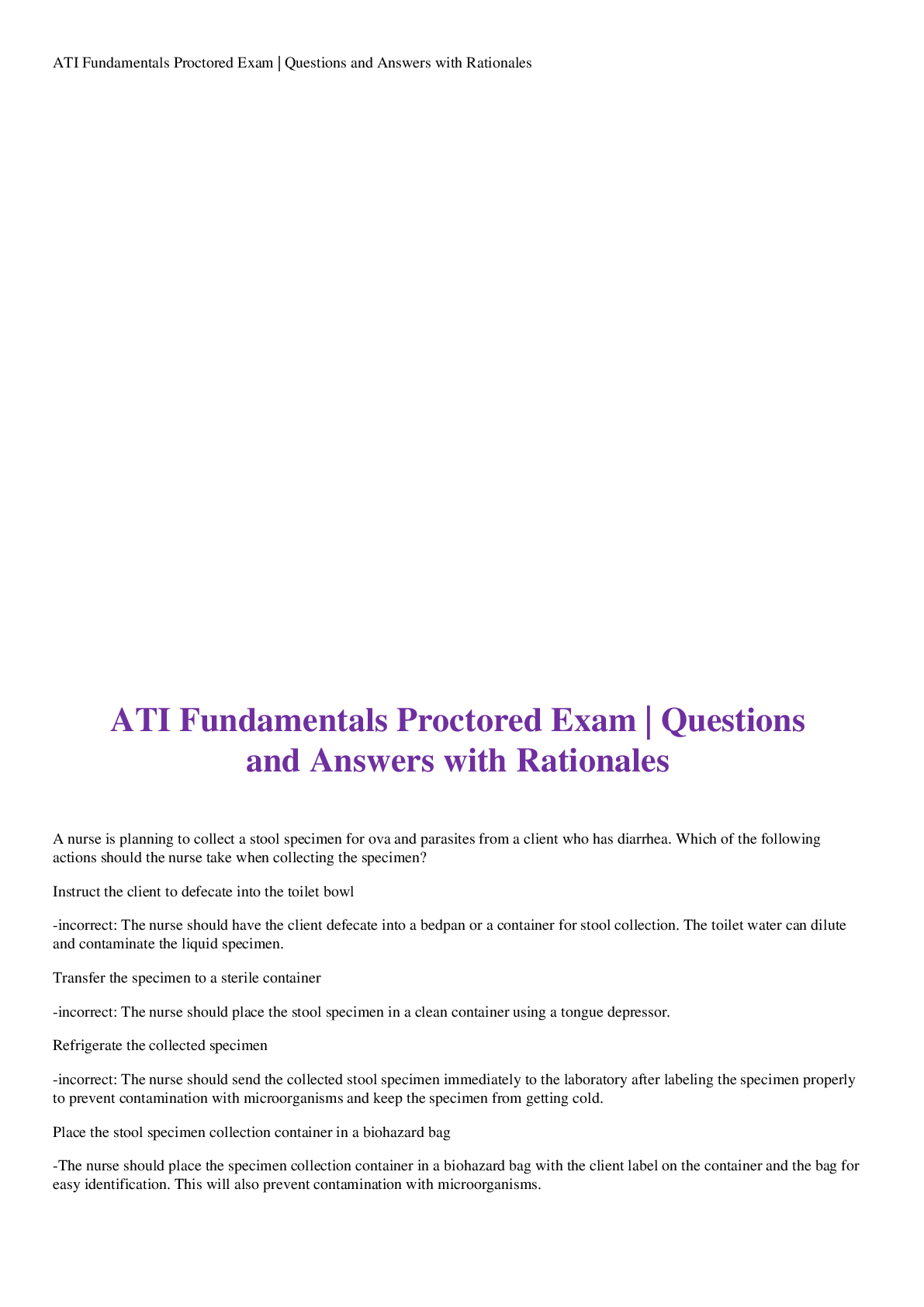
ATI Fundamentals Proctored Exam | Questions and Answers with R...

NURS 6630 Final Exam Walden University / NURS6630 Final Exam
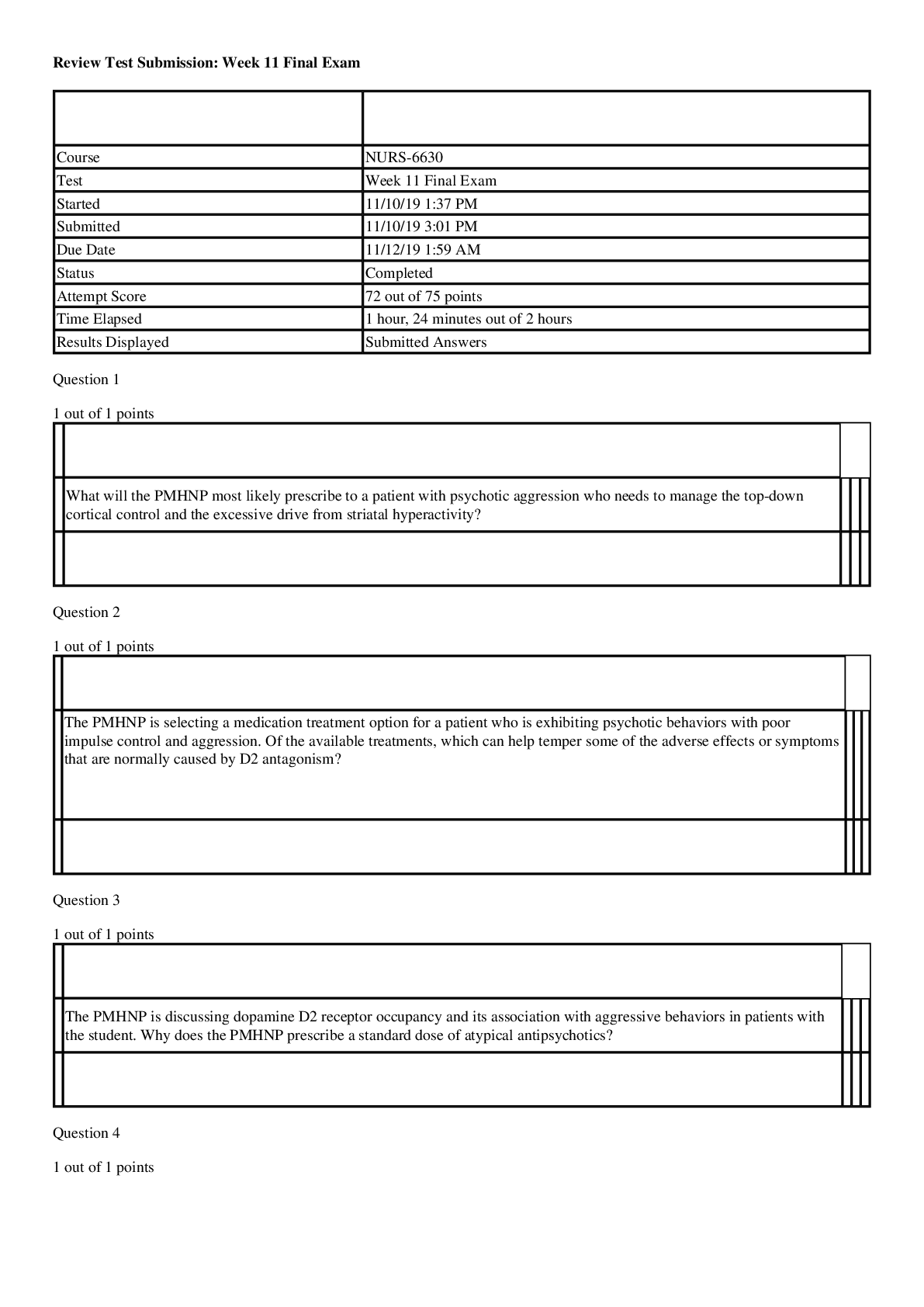
NURS 6630 pharm final exam Test Week 11 Final Exam / NURS 6630...

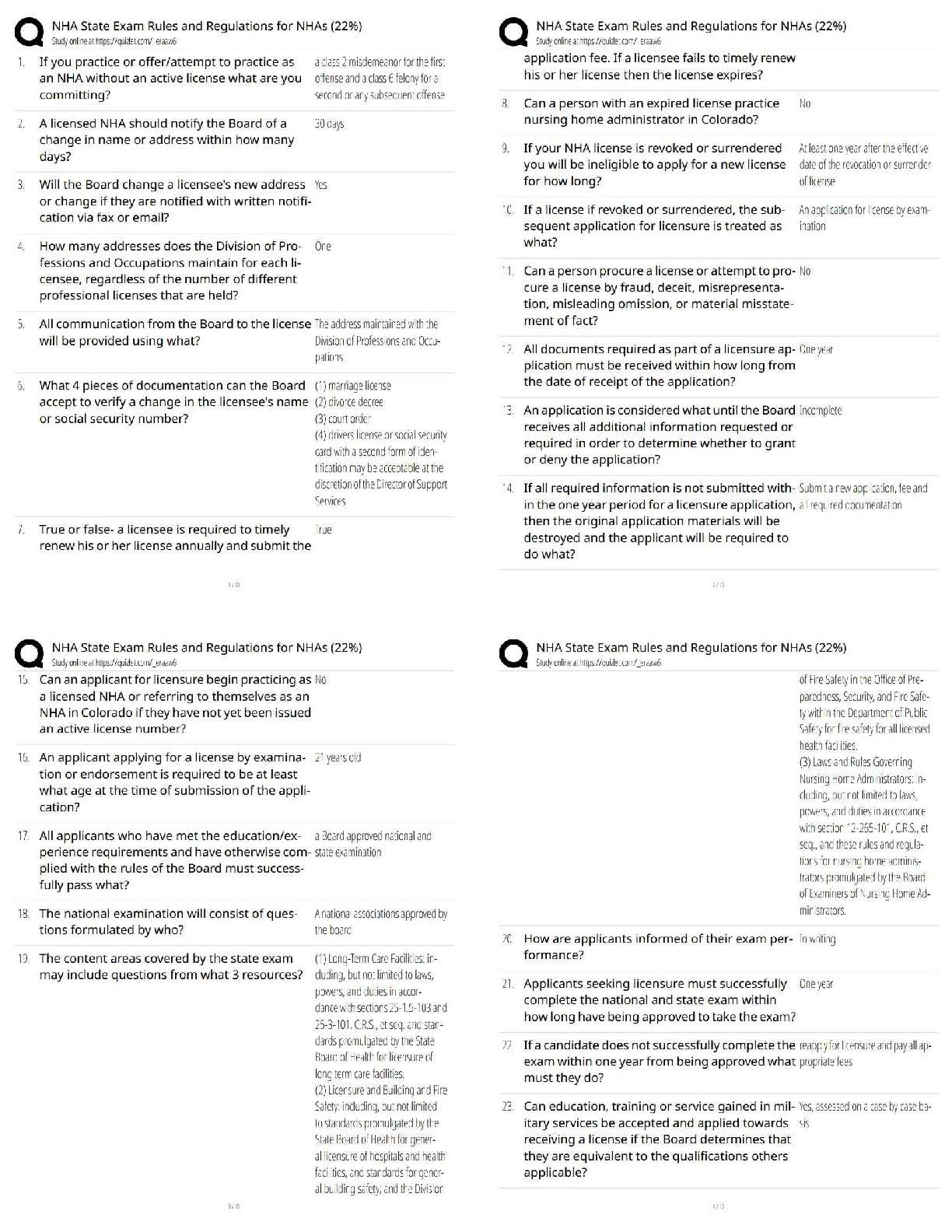
NHA State Exam Rules and Regulations for NHAs (22%) New Vers...

TEST BANK for Davis Advantage for Psychiatric Mental Health Nu...

Test Bank For Fundamentals of Nursing 11th Edition Potter Perr...

TEST BANK for Essentials of Psychiatric Mental Health Nursing:...
Essentials of Psychiatric Nursing 2nd Edition Boyd TEST BANK

TEST BANK for Essentials of Psychiatric Nursing 2nd Edition by...

.png)