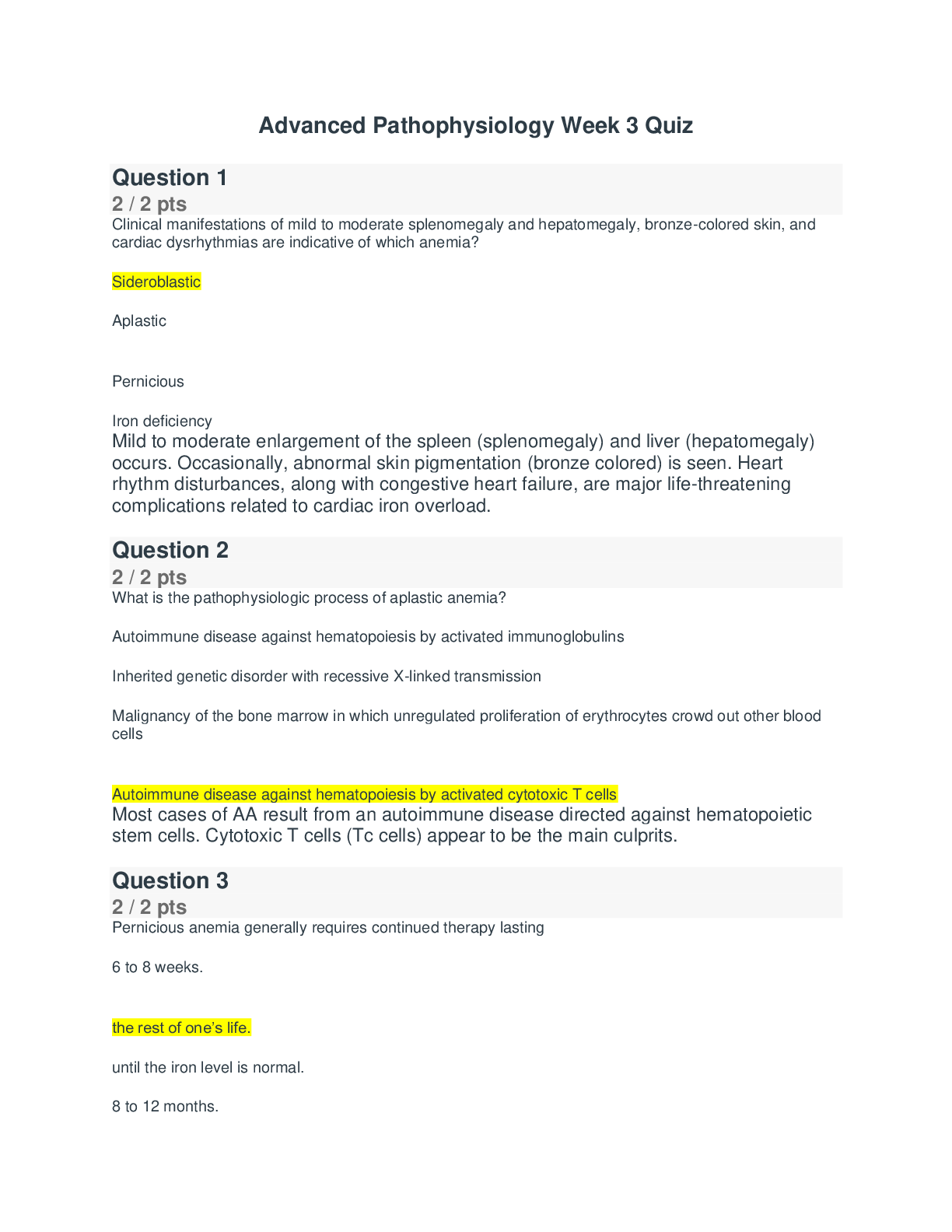
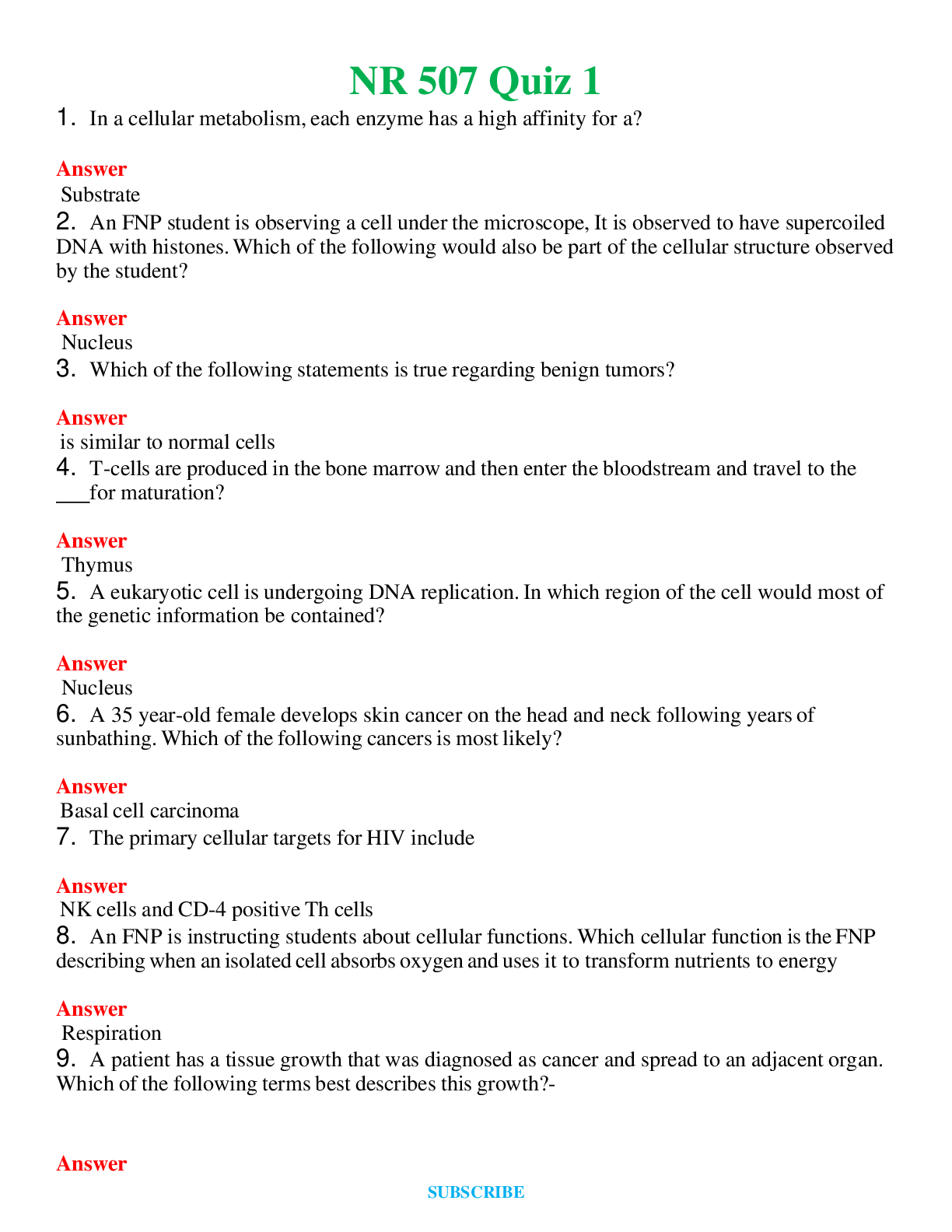
NR 507 Week 3 Quiz 1:Advanced Pathophysiology
Document Content and Description Below
Last updated: 3 years ago
Preview 1 out of 9 pages
Instant download
Buy this Document to get the Full Access Instantly
Provided by Students Who Aced it
We Verify Document Content to Gurantee Accuracy
Also available in bundle (1)
Click Below to Access Bundle(s)

NR 507 Week 1-Week 7 Quizzes and Answers
NR 507 Week 1-Week 7 Quizzes and Answers
By YourTutor 5 years ago
$45.5
11
Reviews( 0 )
Document information
Connected school, study & course
About the document
Uploaded On
Feb 13, 2021
Number of pages
9
Written in
All

Additional information
This document has been written for:
Uploaded
Feb 13, 2021
Downloads
0
Views
131
Topic Tags
Recommended For You
Get more on EXAM »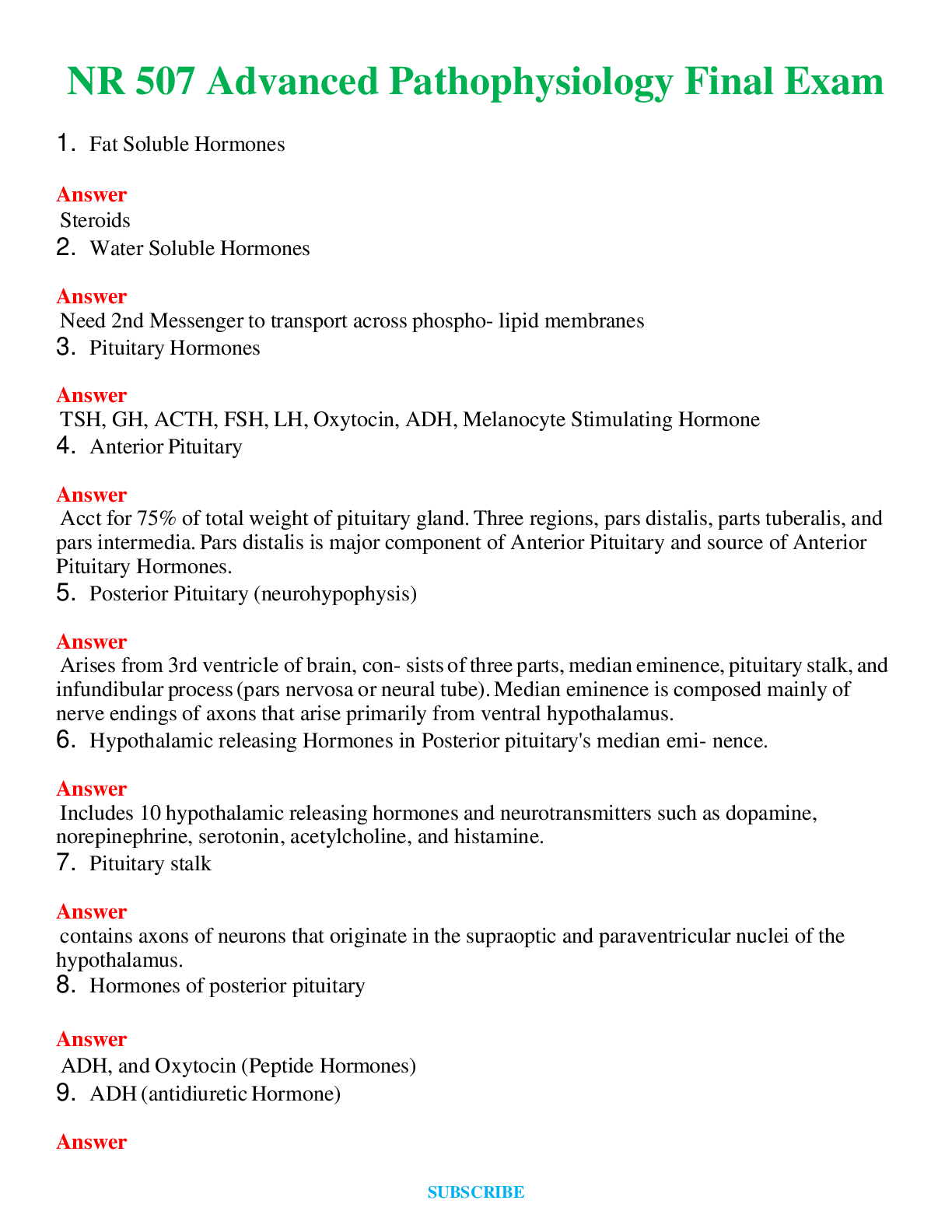
NR 507 Advanced Pathophysiology Final Exam Questions and An...
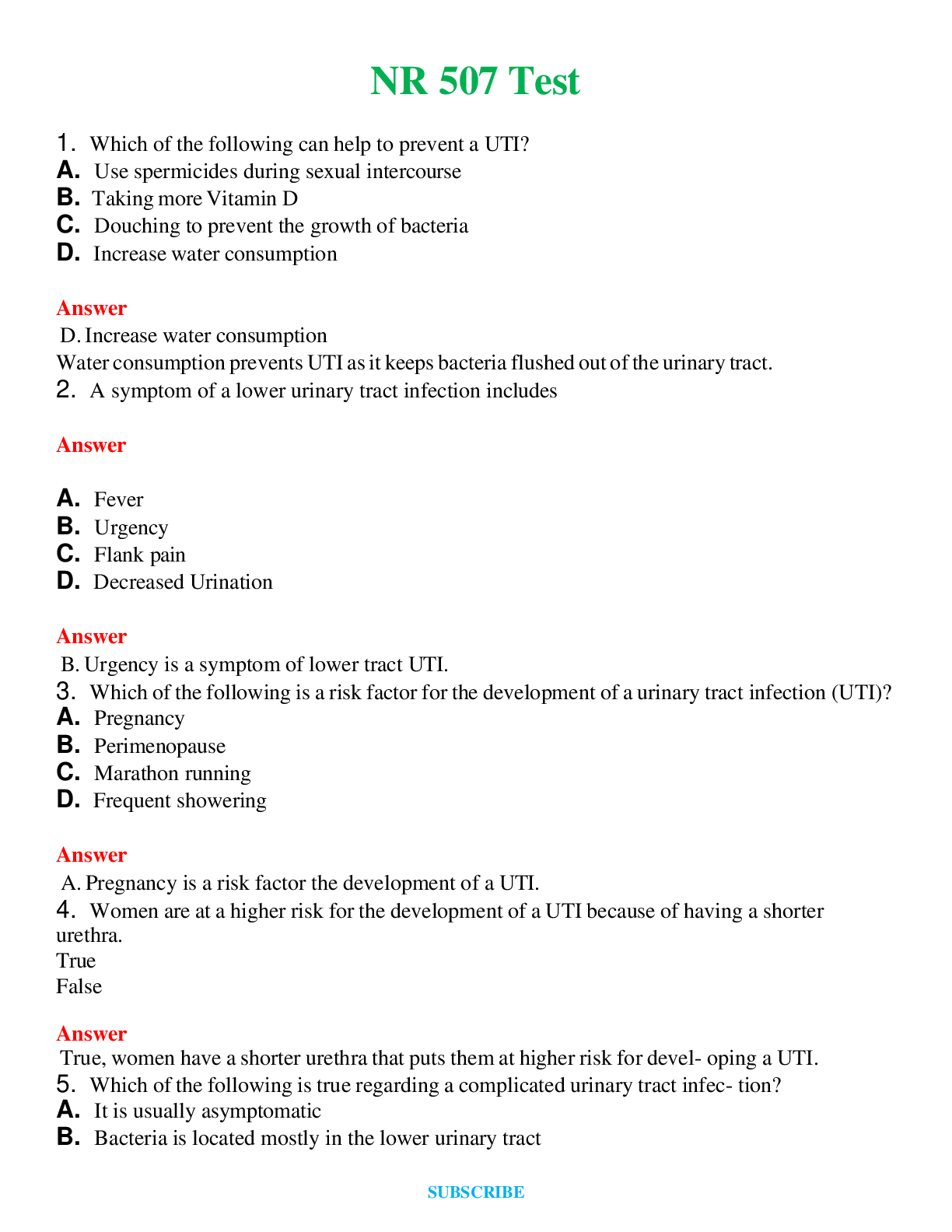
NR 507 Advanced Pathophysiology Questions and Answers (Veri...


NR 507 Final Exam Advanced Pathophysiology - Chamberlain Quest...
NR 507 Final Exam Advanced Pathophysiology - Chamberlain Qu...
NR 507 Final Exam Pathophysiology - Chamberlain Questions a...
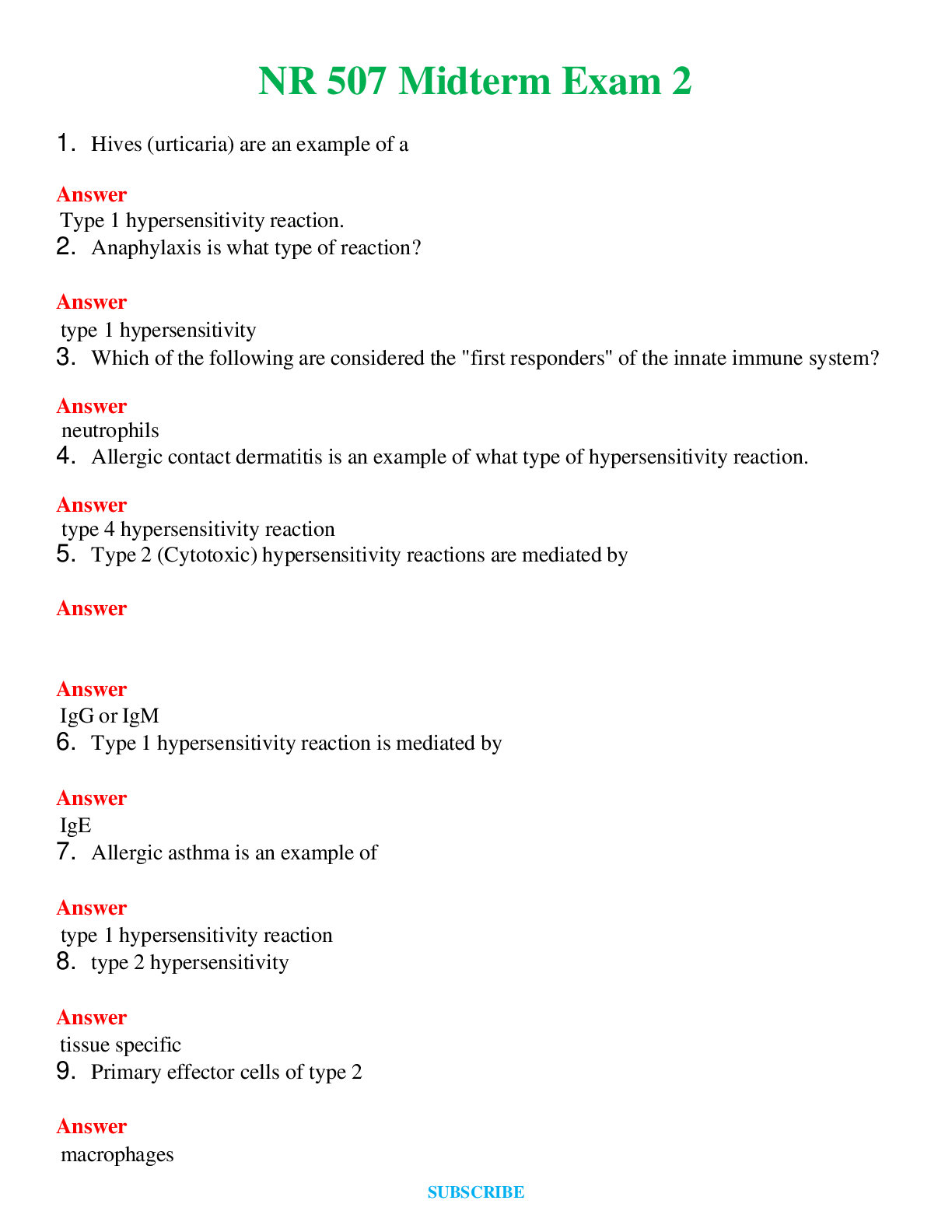
NR 507 PATHO MIDTERM EXAM CHAMBERLAIN Questions and Answers...
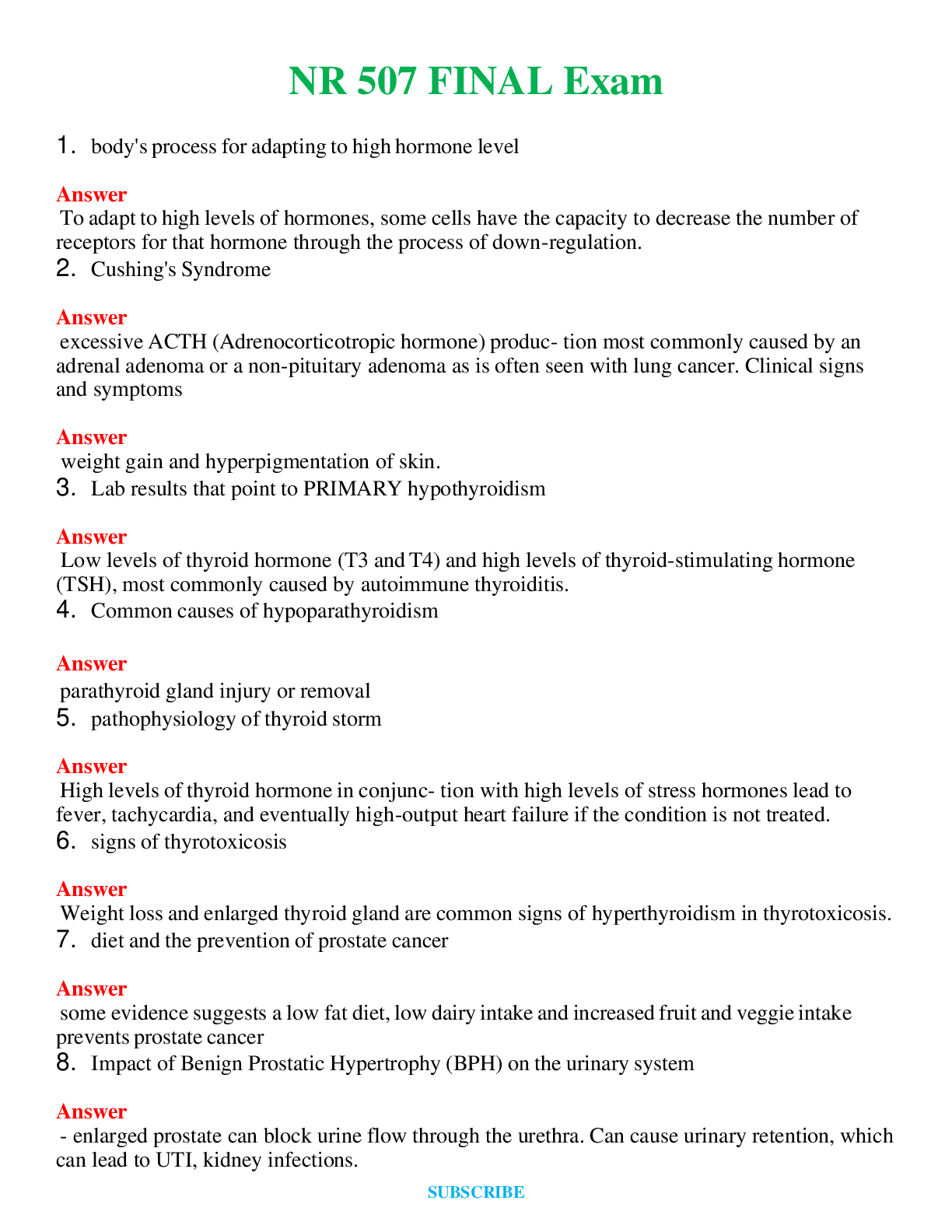
NR 507 FINAL Exam Questions and Answers (Verified Answers)
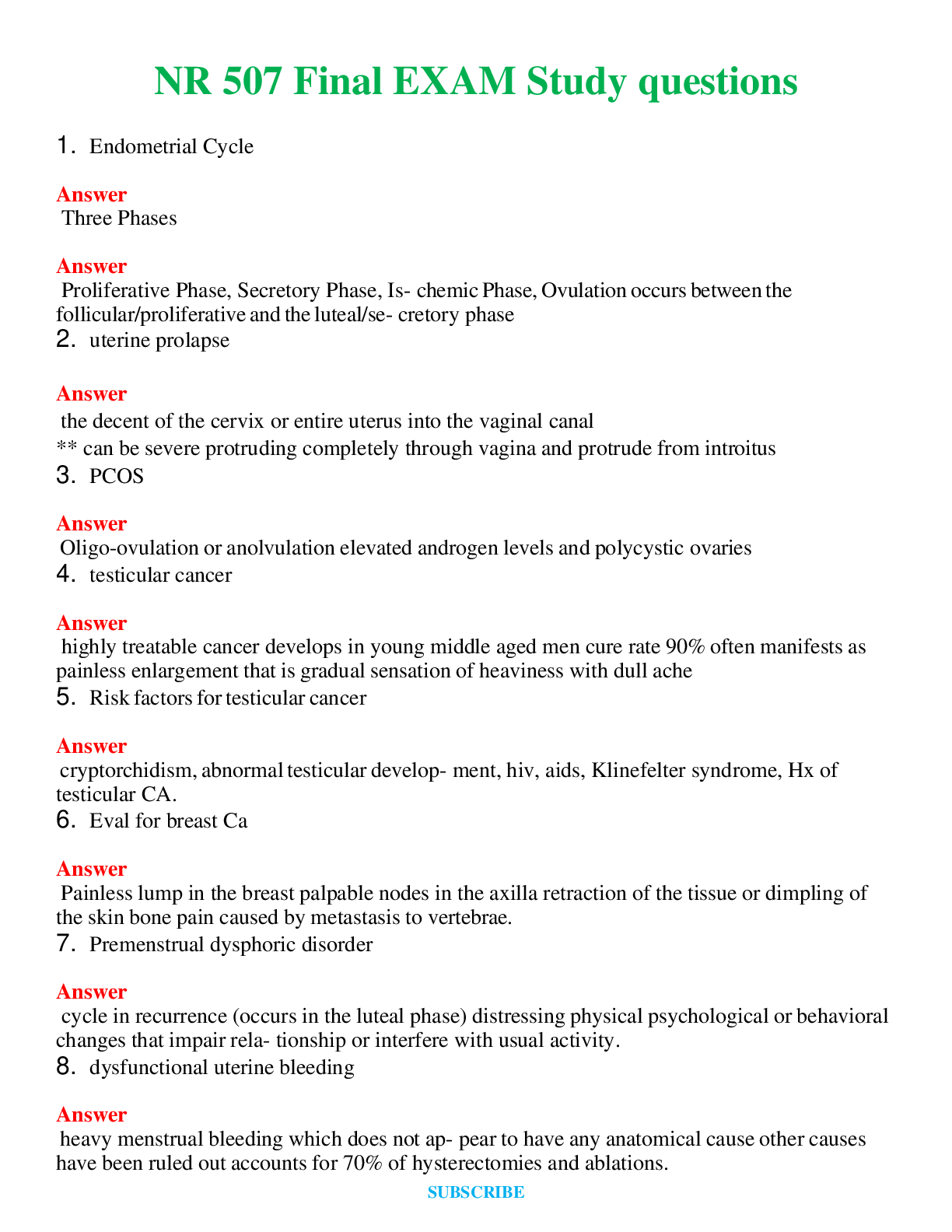
NR 507 Final EXAM Study questions Questions and Answers (Ve...
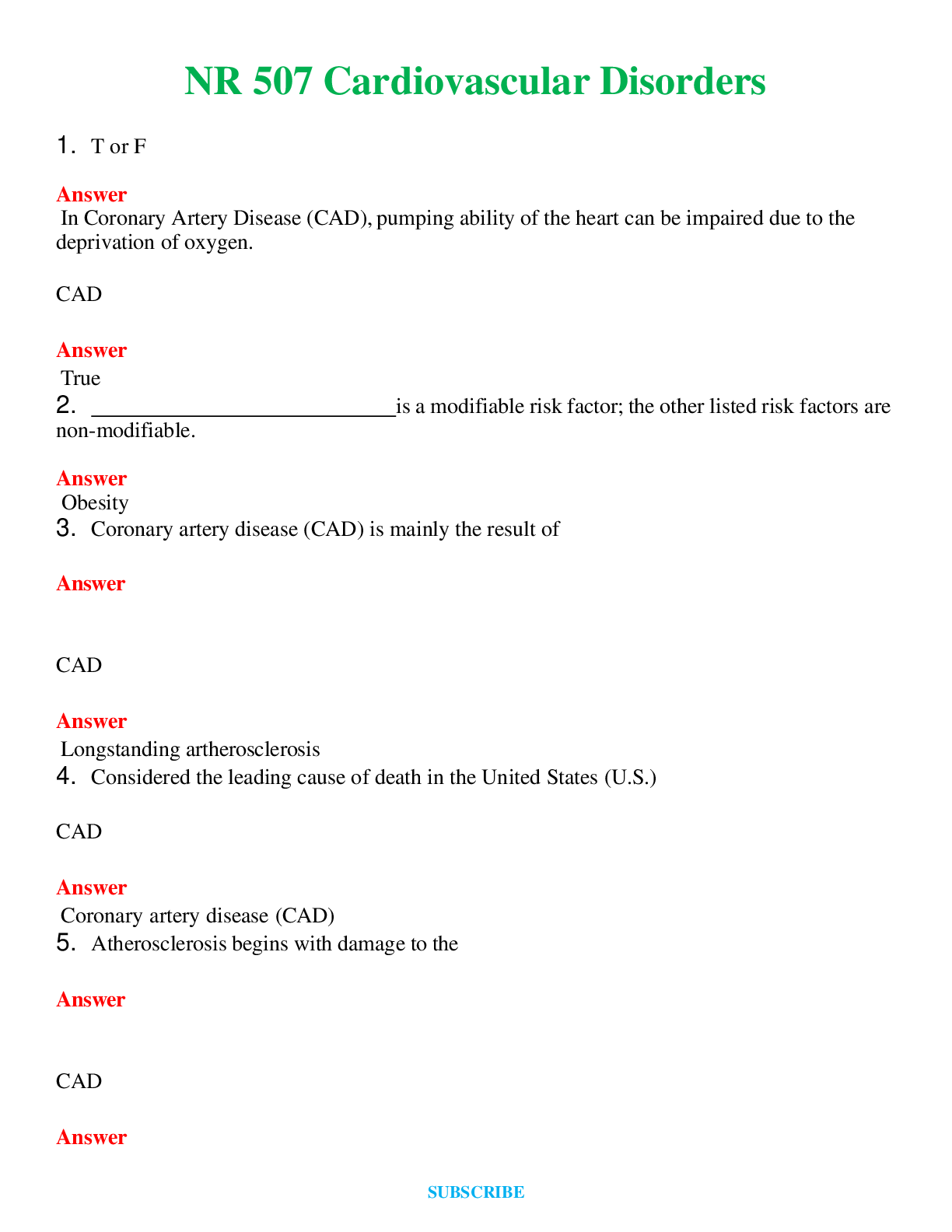
NR 507 Cardiovascular Disorders Questions and Answers (Veri...
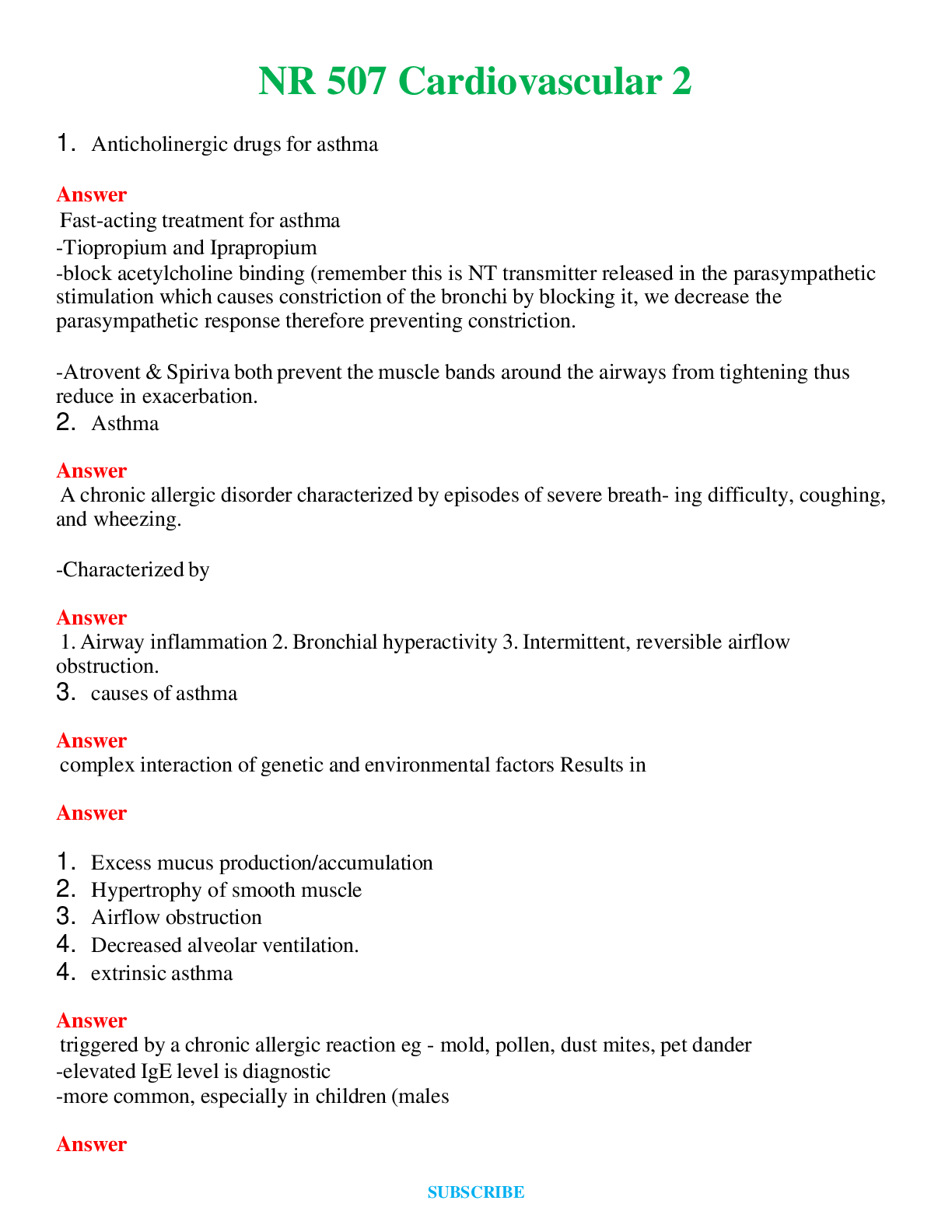
NR 507 Cardiovascular 2 Questions and Answers (Verified Ans...
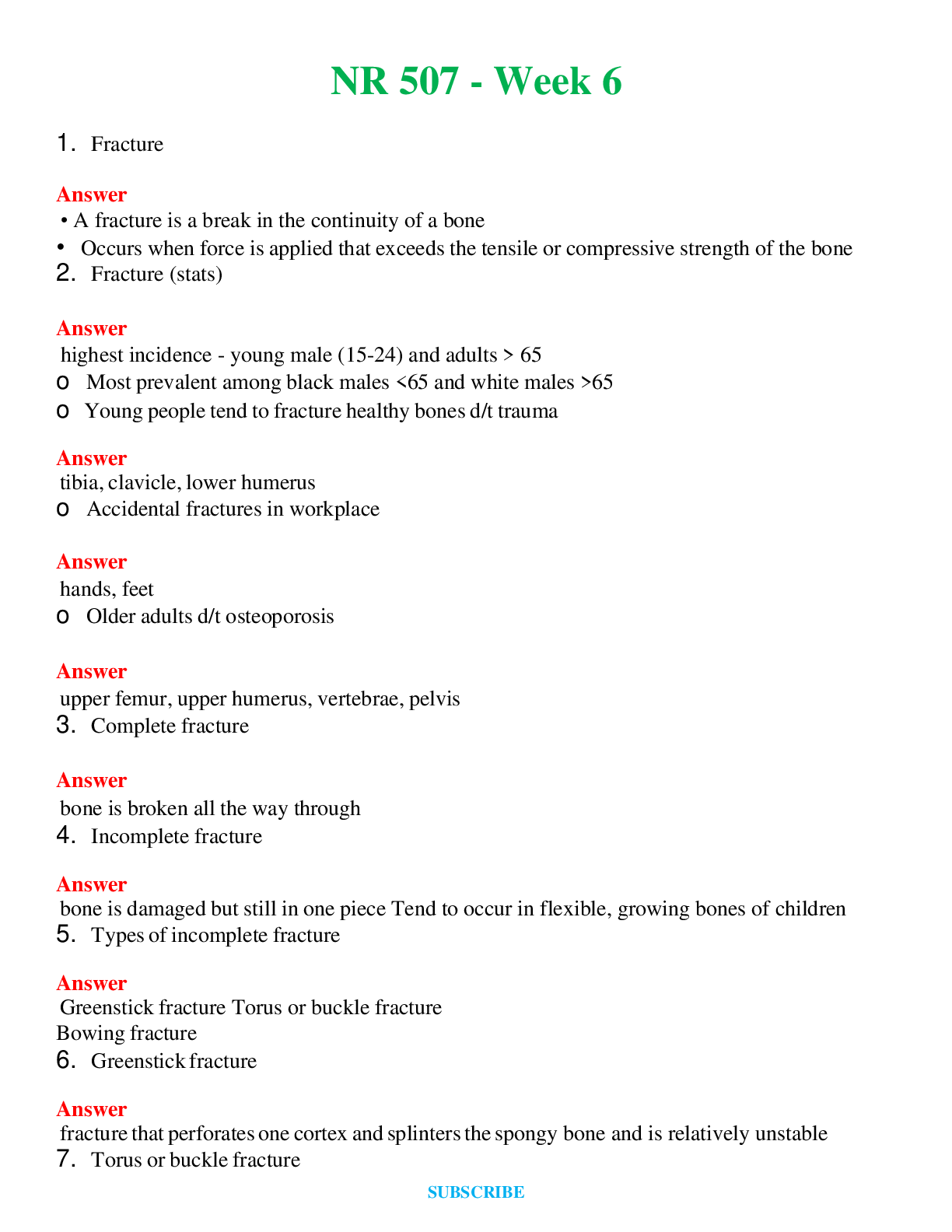
NR 507 - Week 6 Questions and Answers (Verified Answers)
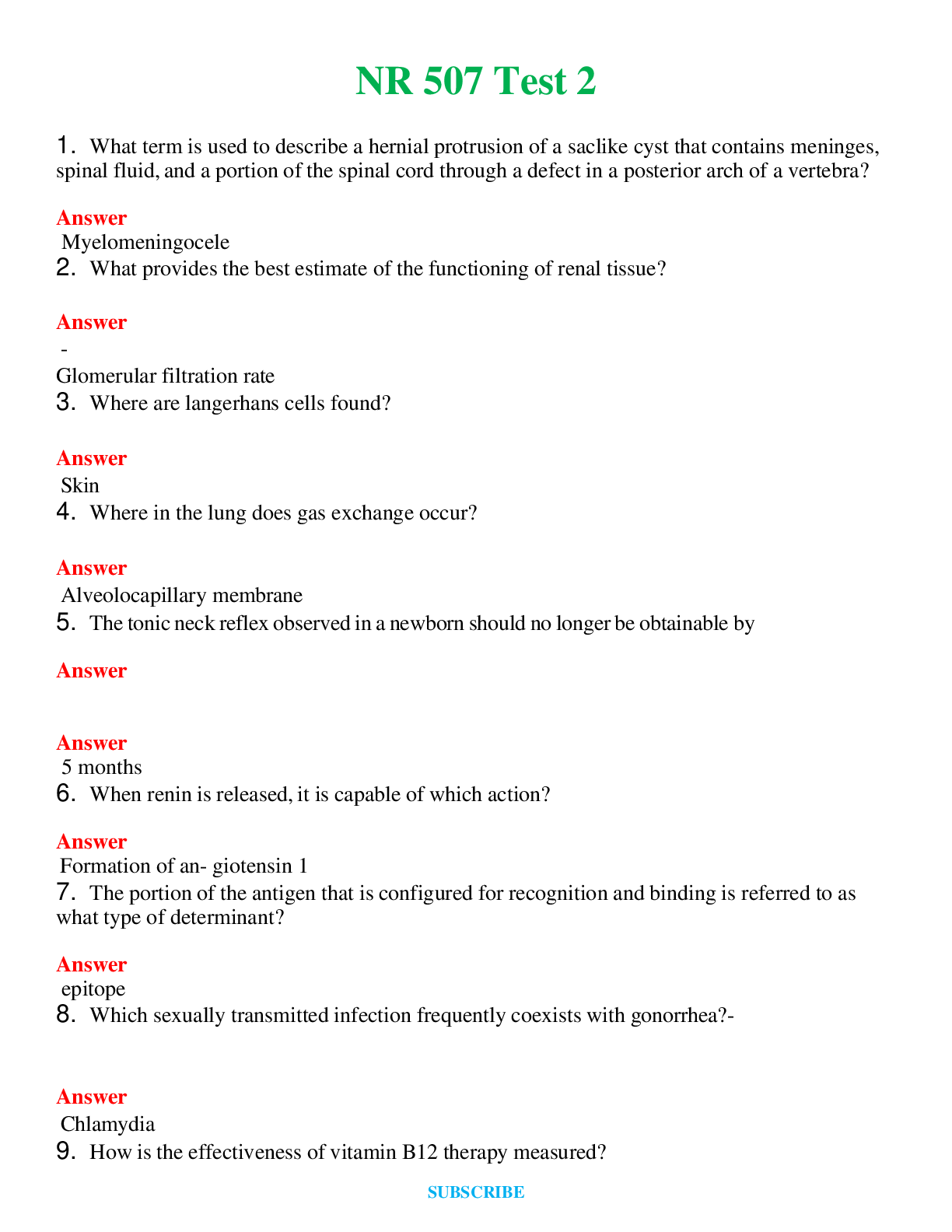
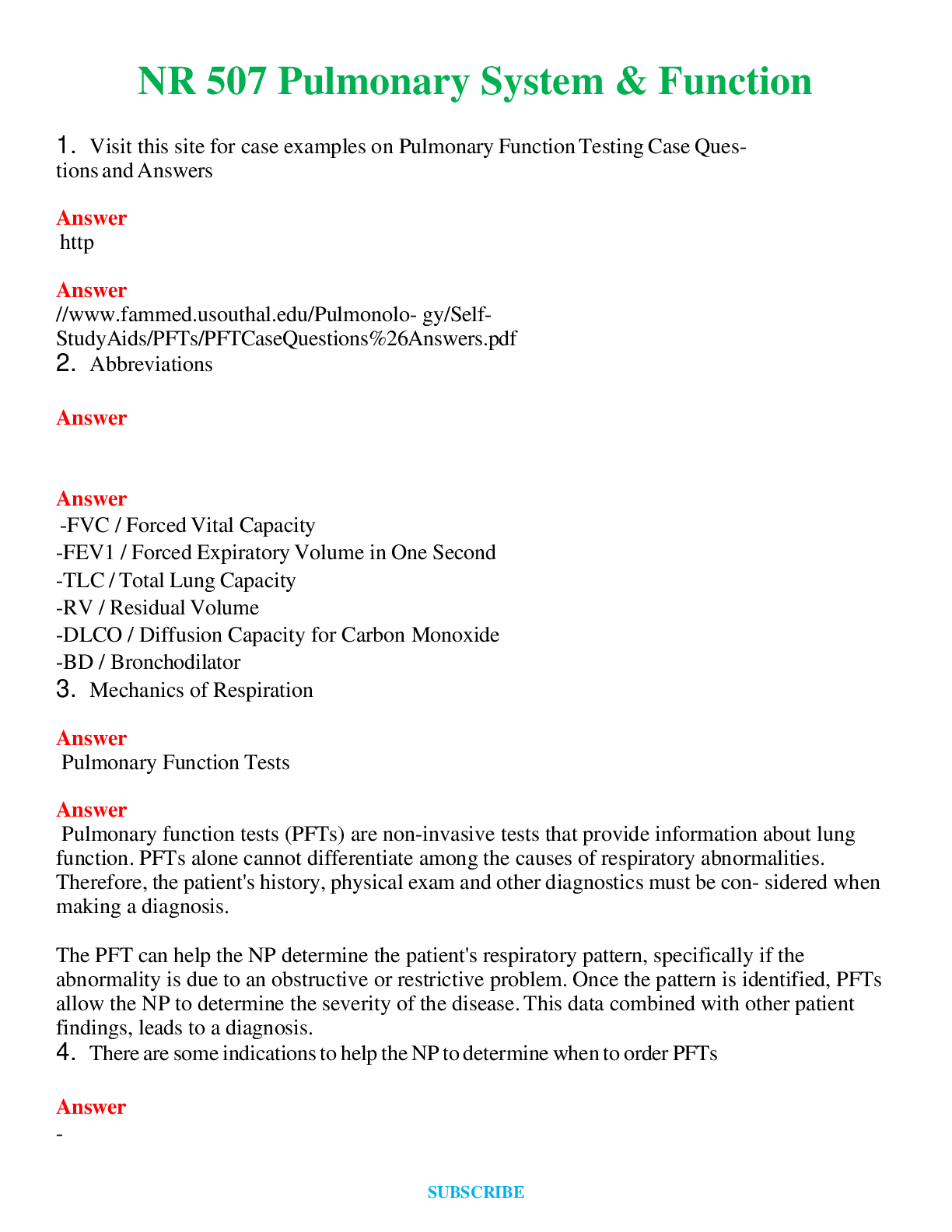
NR 507 Pulmonary System & Function Questions and Answers (V...
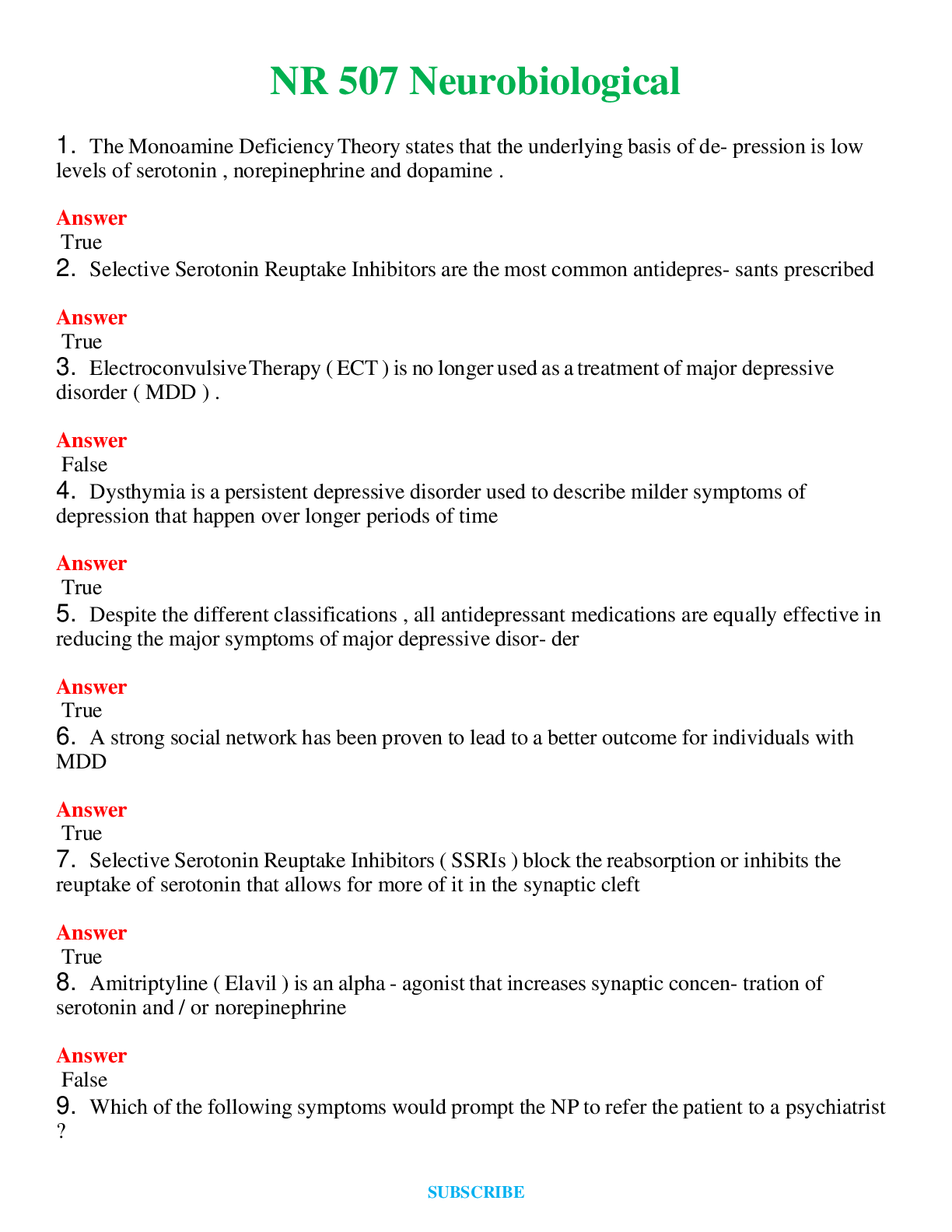
NR 507 Neurobiological Questions and Answers (Verified Answ...
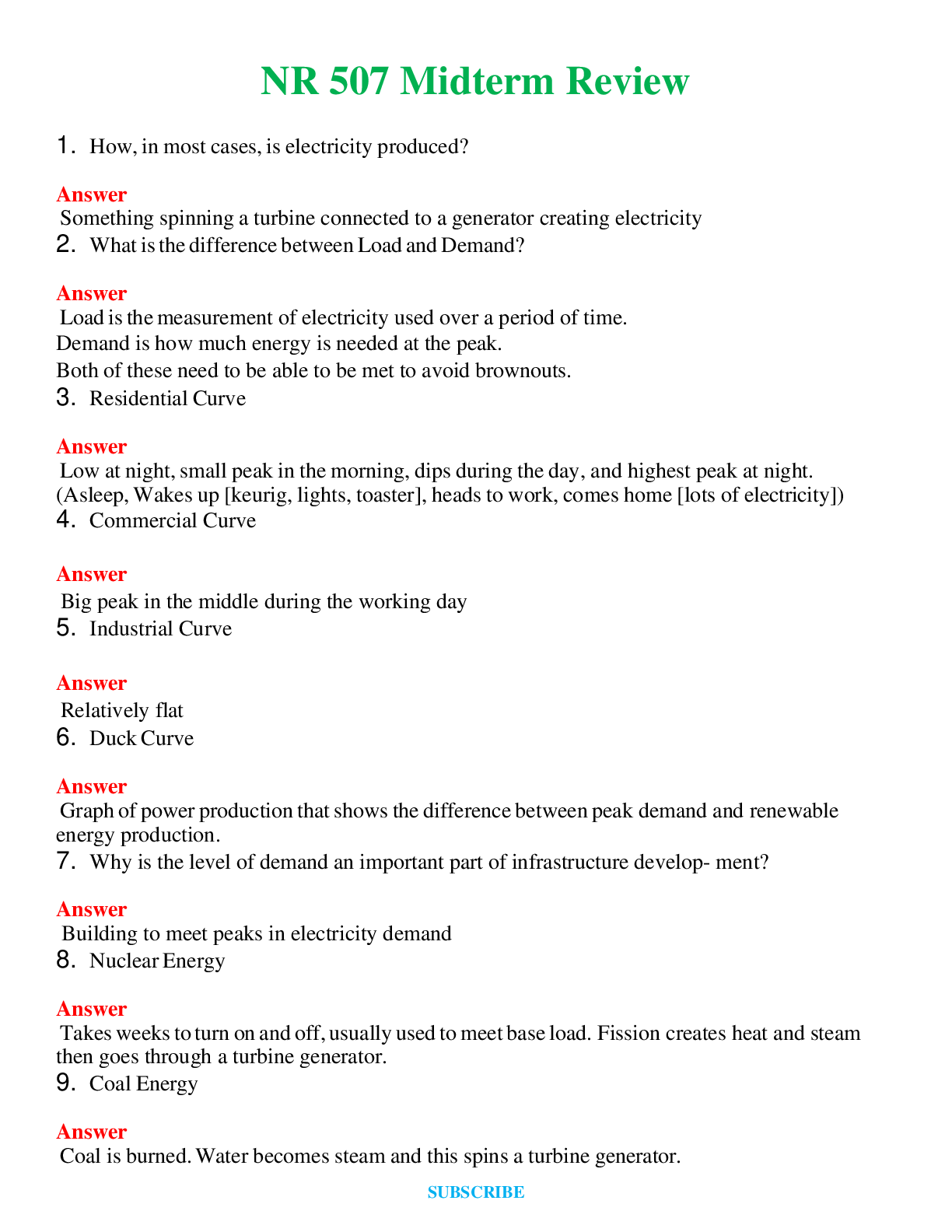
NR 507 Midterm Review Questions and Answers (Verified Answe...
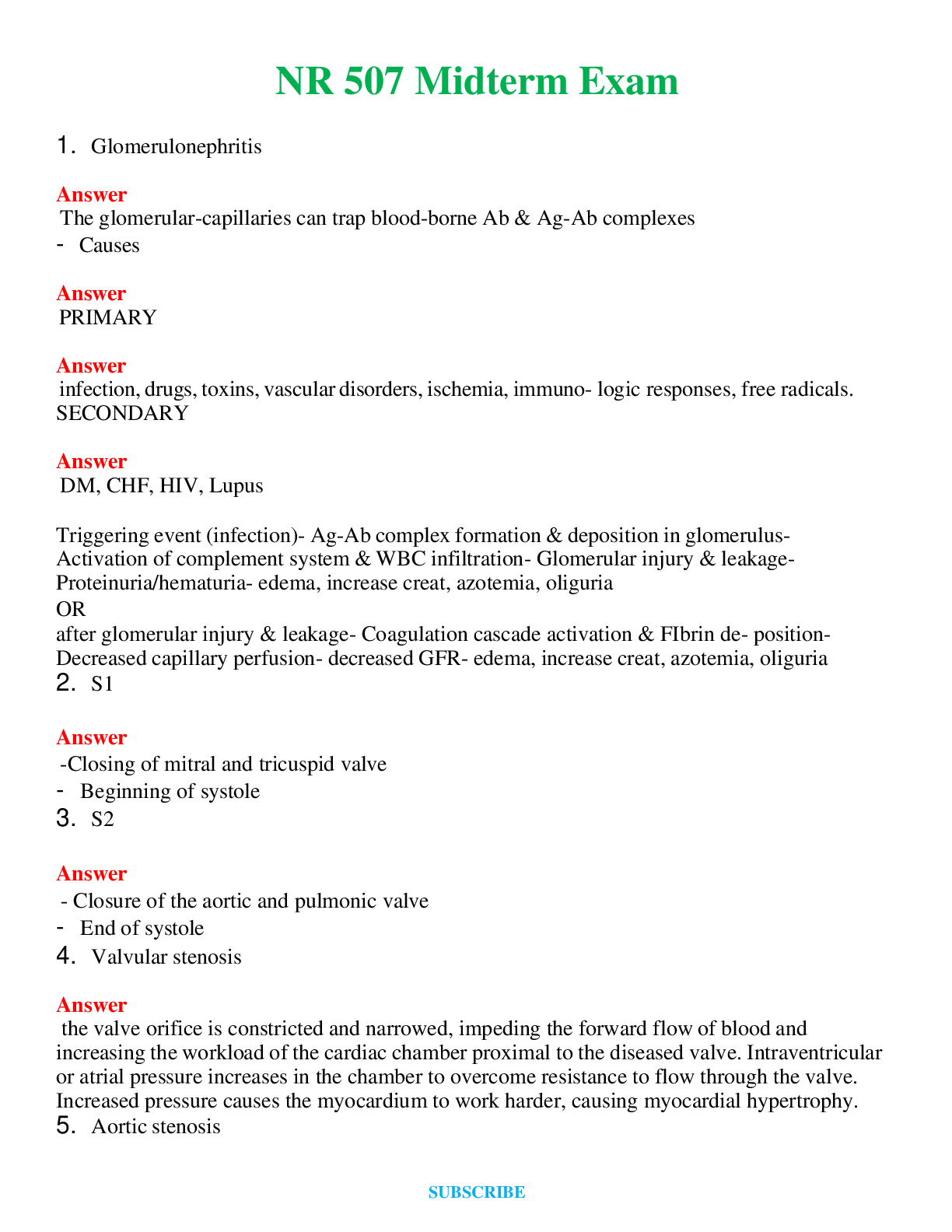
NR 507 Midterm Exam Questions and Answers (Verified Answers)