Pathology > QUESTIONS & ANSWERS > MARYVILLE PATHO 611 EXAM 1; WUNDERLICH -2023-2024 (All)
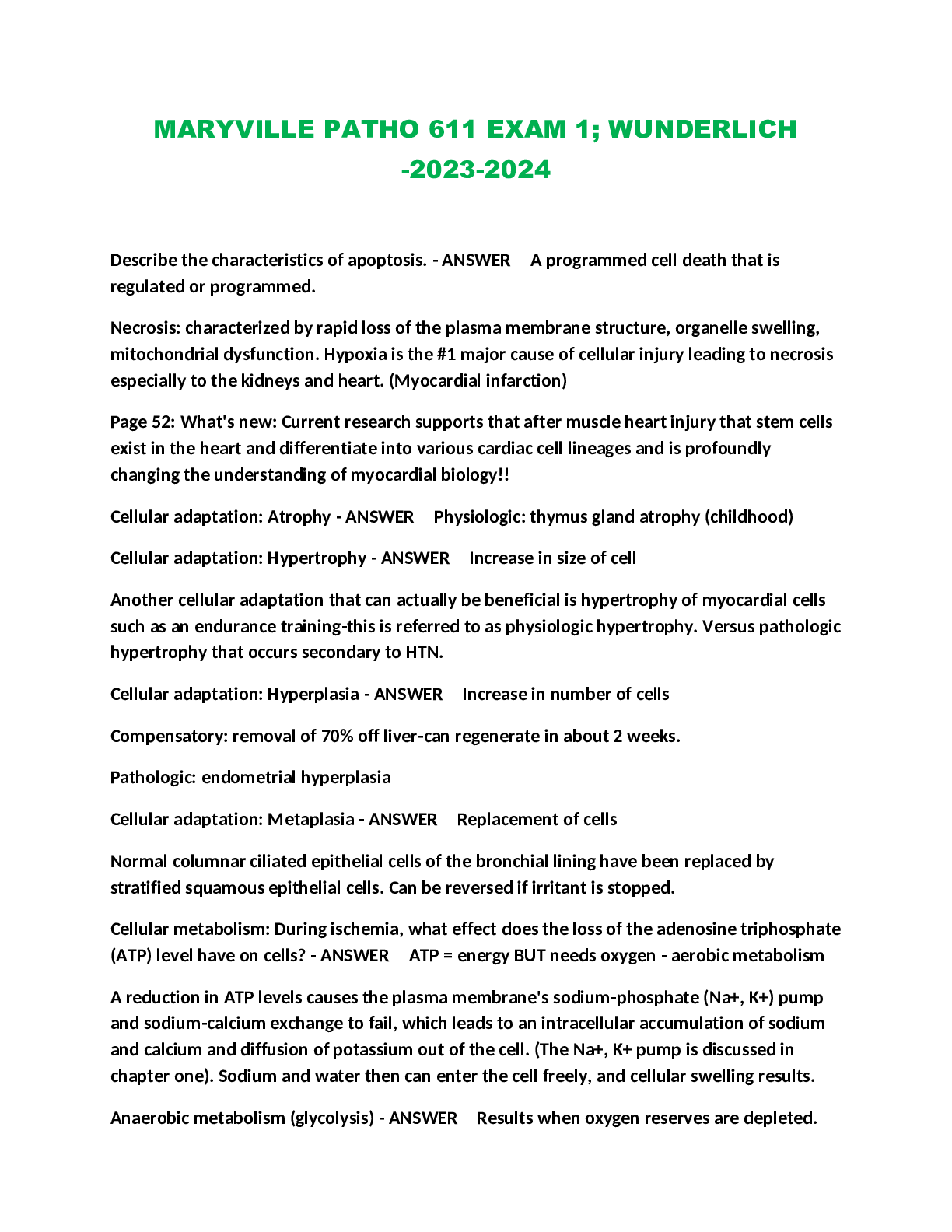
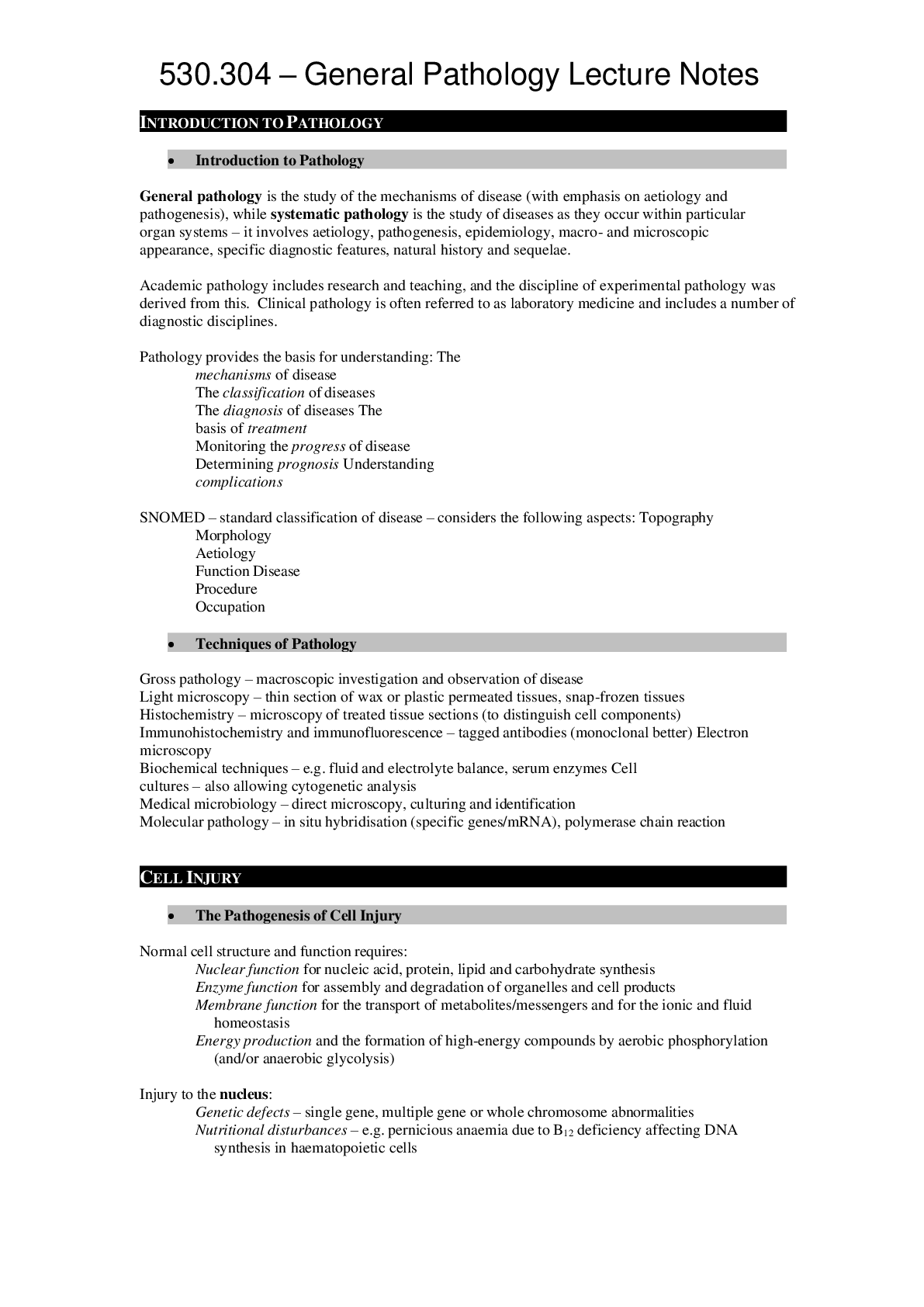
MARYVILLE PATHO 611 EXAM 1; WUNDERLICH -2023-2024
Document Content and Description Below
Last updated: 3 years ago
Preview 1 out of 16 pages
Instant download
Buy this Document to get the Full Access Instantly
Provided by Students Who Aced it
We Verify Document Content to Gurantee Accuracy
Also available in bundle (1)
Click Below to Access Bundle(s)

All Maryville NURS 611 Patho 611 exams bundle (Questions with 100% correct answers )
All Maryville NURS 611 Patho 611 exams bundle (Questions with 100% correct answers )
By AMAZING GRACE 3 years ago
$22
9
Reviews( 0 )
Document information
Connected school, study & course
About the document
Uploaded On
Oct 21, 2023
Number of pages
16
Written in
All

Additional information
This document has been written for:
Uploaded
Oct 21, 2023
Downloads
0
Views
197
Topic Tags
Recommended For You
Get more on QUESTIONS & ANSWERS »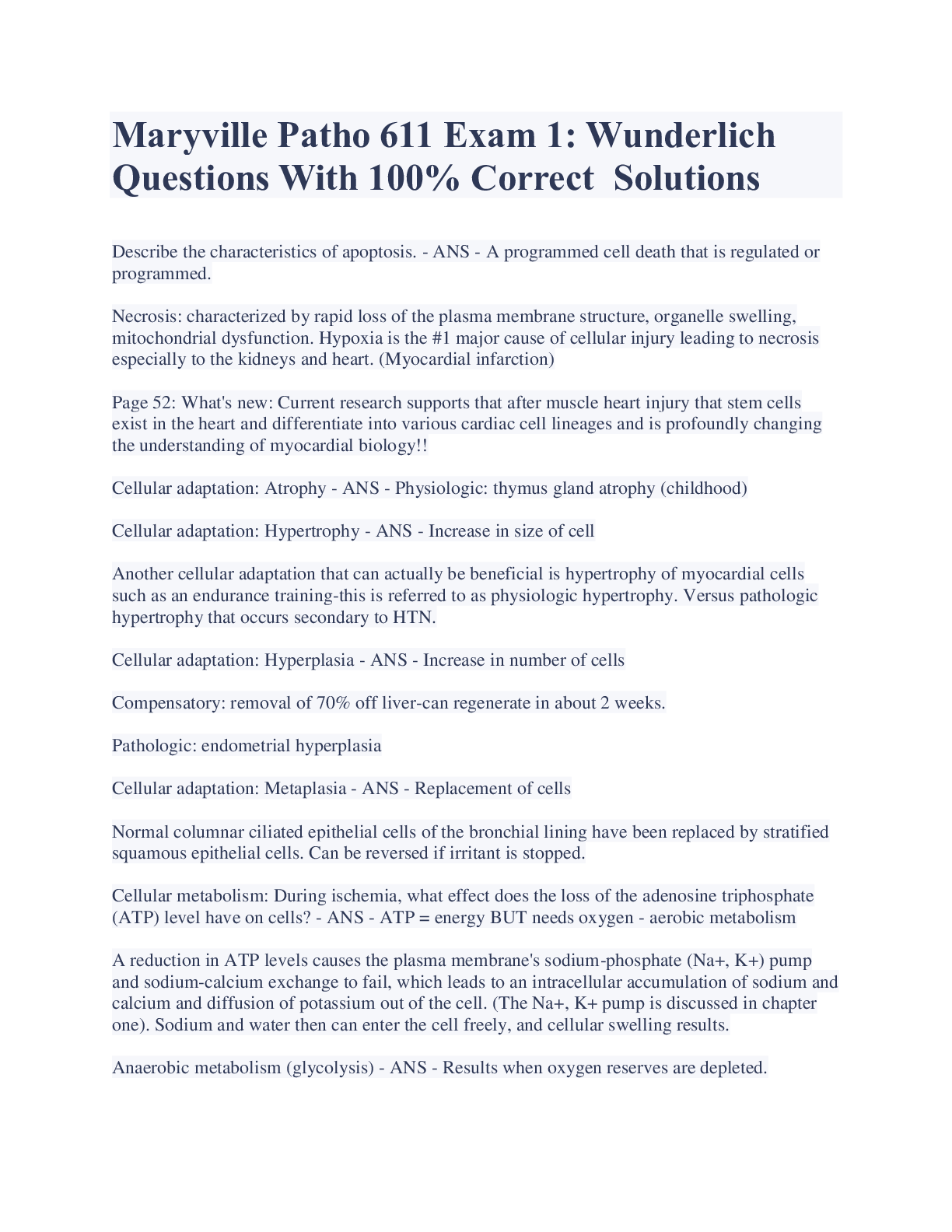
Maryville Patho 611 Exam 1: Wunderlich Questions With 100% Cor...


Maryville Patho 611 Exam 1 Practice Quiz Questions With Corre...

maryville patho 611 exam 4 QUESTIONS WELL ANSWERED (2022/2023)

Pathology Final Exam 2025 Update / New Version Surgical Tech...


Texas Jurisprudence Exam in Speech-Language Pathology - Exam Q...

📘 SLP Praxis Practice (Form 2) - Complete Questions & Answers...
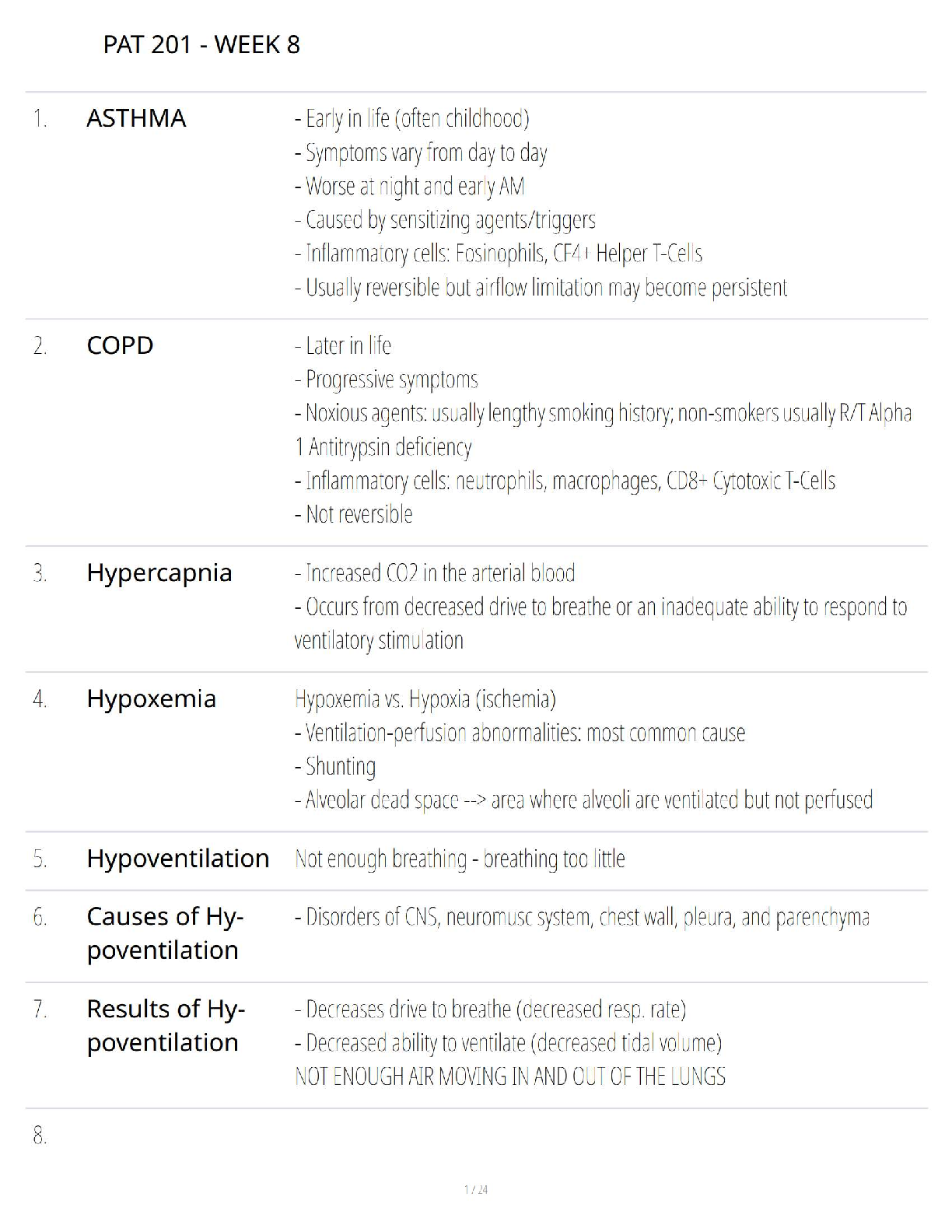
PAT 201 Week 8 – Endocrine System Disorders | Galen College 20...

Test Bank for Massage Therapy;Principles & Practice 7th Editio...

Test Bank for Massage Therapy;Principles & Practice 7th Editio...
Test Bank For Radiographic Pathology for Technologists 6th Edi...
Cawson's Essentials of Oral Pathology and Oral Medicine. Roder...
.png)

.png)
.png)
.png)
.png)
.png)
.png)

