Geography > QUESTIONS & ANSWERS > Our Ladys School - MATH LNLNLKNLKNSolarSystemExplorerSE_Key. (All)
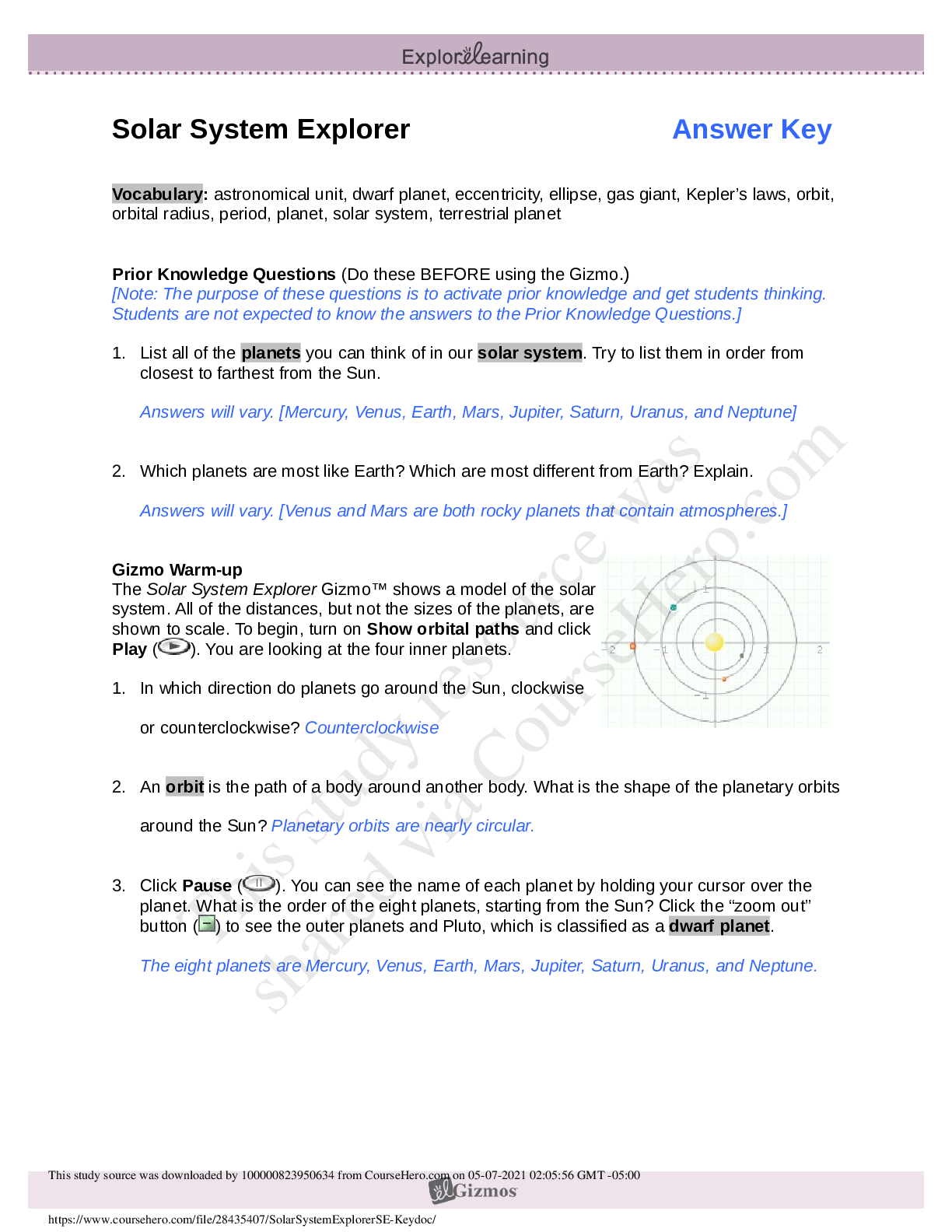
Our Ladys School - MATH LNLNLKNLKNSolarSystemExplorerSE_Key.
Document Content and Description Below
Last updated: 7 months ago
Preview 1 out of 6 pages
Instant download
Buy this Document to get the Full Access Instantly
Provided by Students Who Aced it
We Verify Document Content to Gurantee Accuracy
Reviews( 0 )
Document information
Connected school, study & course
About the document
Uploaded On
Mar 16, 2021
Number of pages
6
Written in
All

Additional information
This document has been written for:
Uploaded
Mar 16, 2021
Downloads
0
Views
318
Topic Tags
Recommended For You
Get more on QUESTIONS & ANSWERS »![Preview of [Answer Key] American Military University GEOG 101 Week 5 Quiz](https://scholarfriends.com/storage/American-Military-University-GEOG-101-Week-5-Quiz.png)
[Answer Key] American Military University GEOG 101 Week 5 Qui...
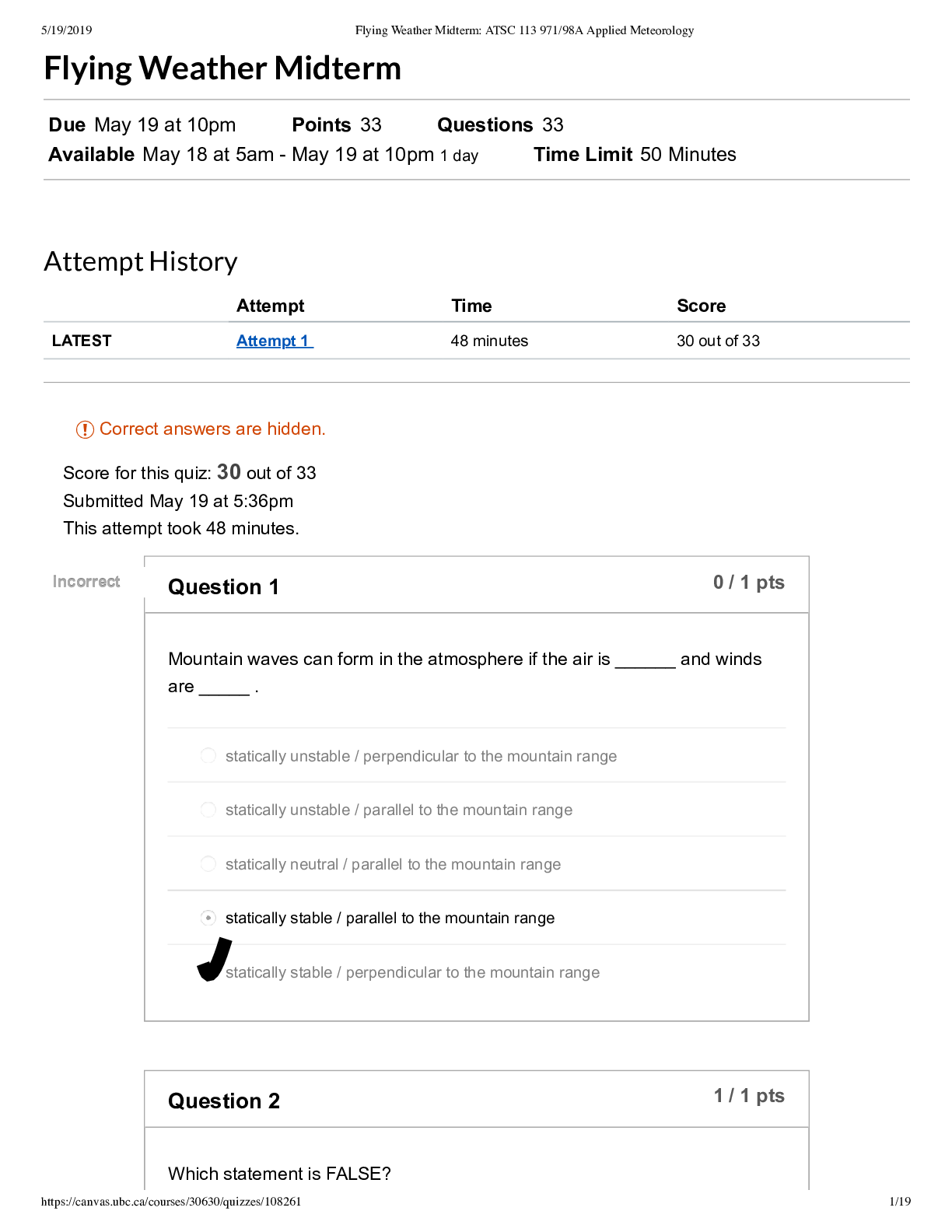
University of British ColumbiaATSC 113Flying Midterm Quiz Scor...


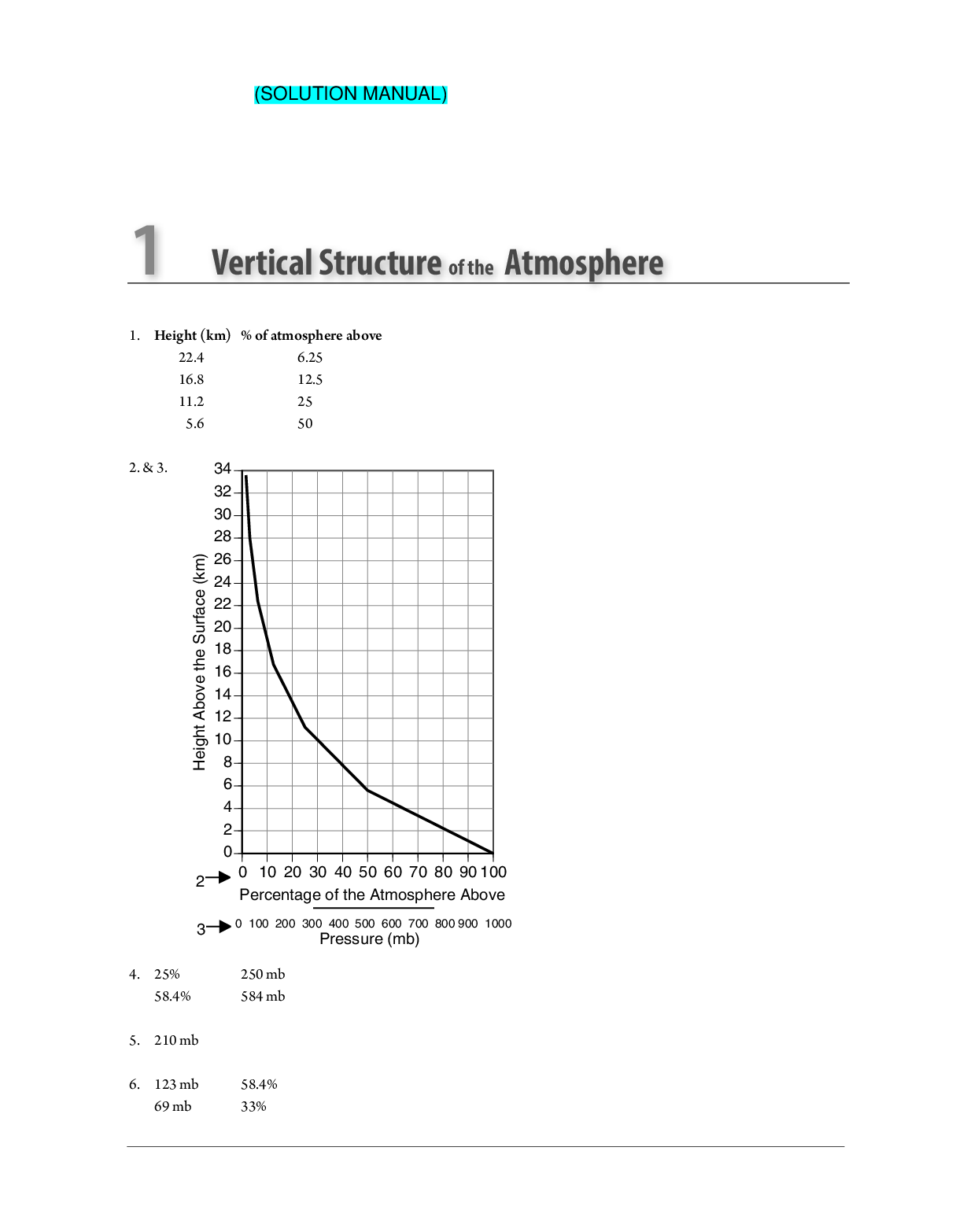
Exercises for Weather & Climate, 9e Greg Carbone (Solution Man...

Human Geography Places and Regions in Global Context, 5th Cana...
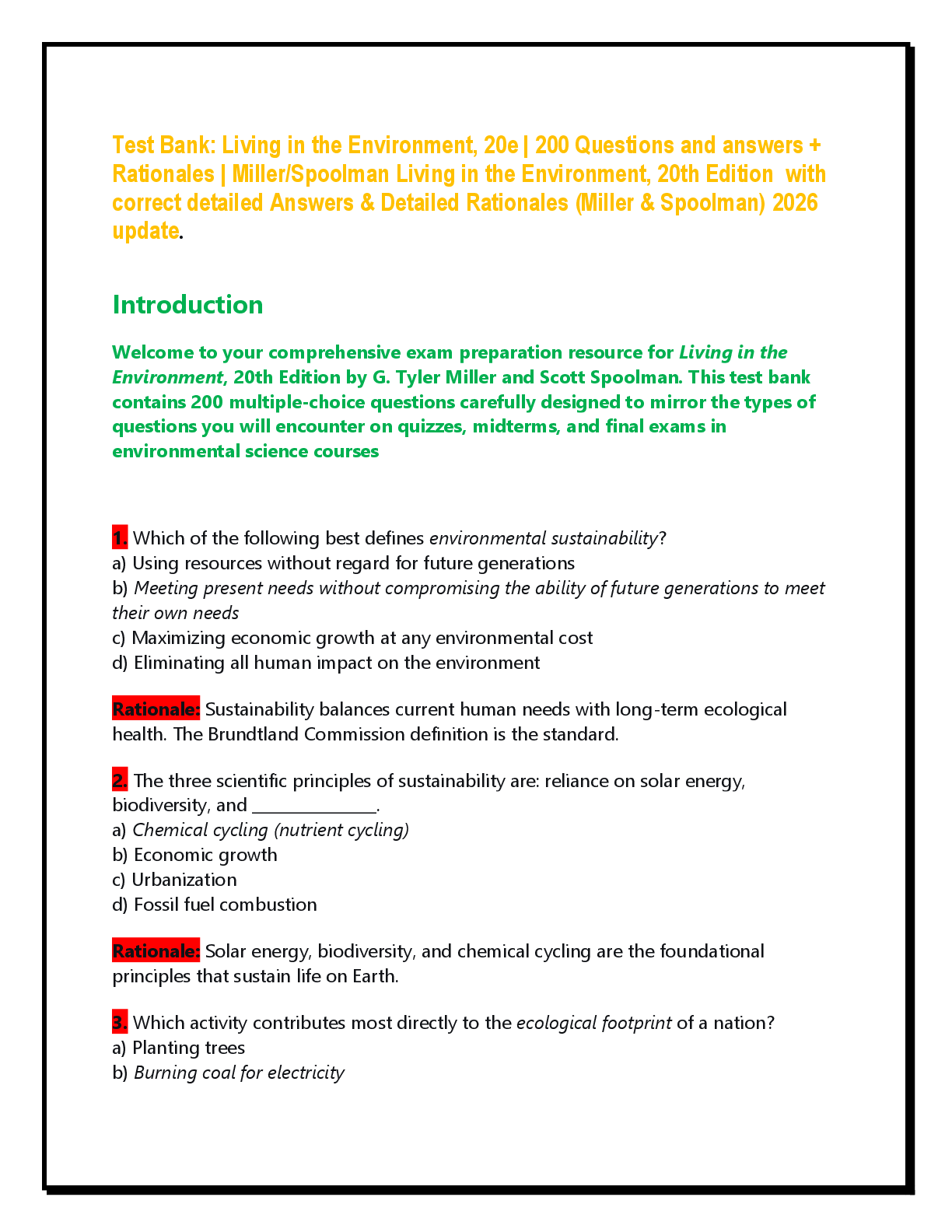
AQA GCSE GEOGRAPHY 8035/2 Paper 2 Challenges In The Human Envi...
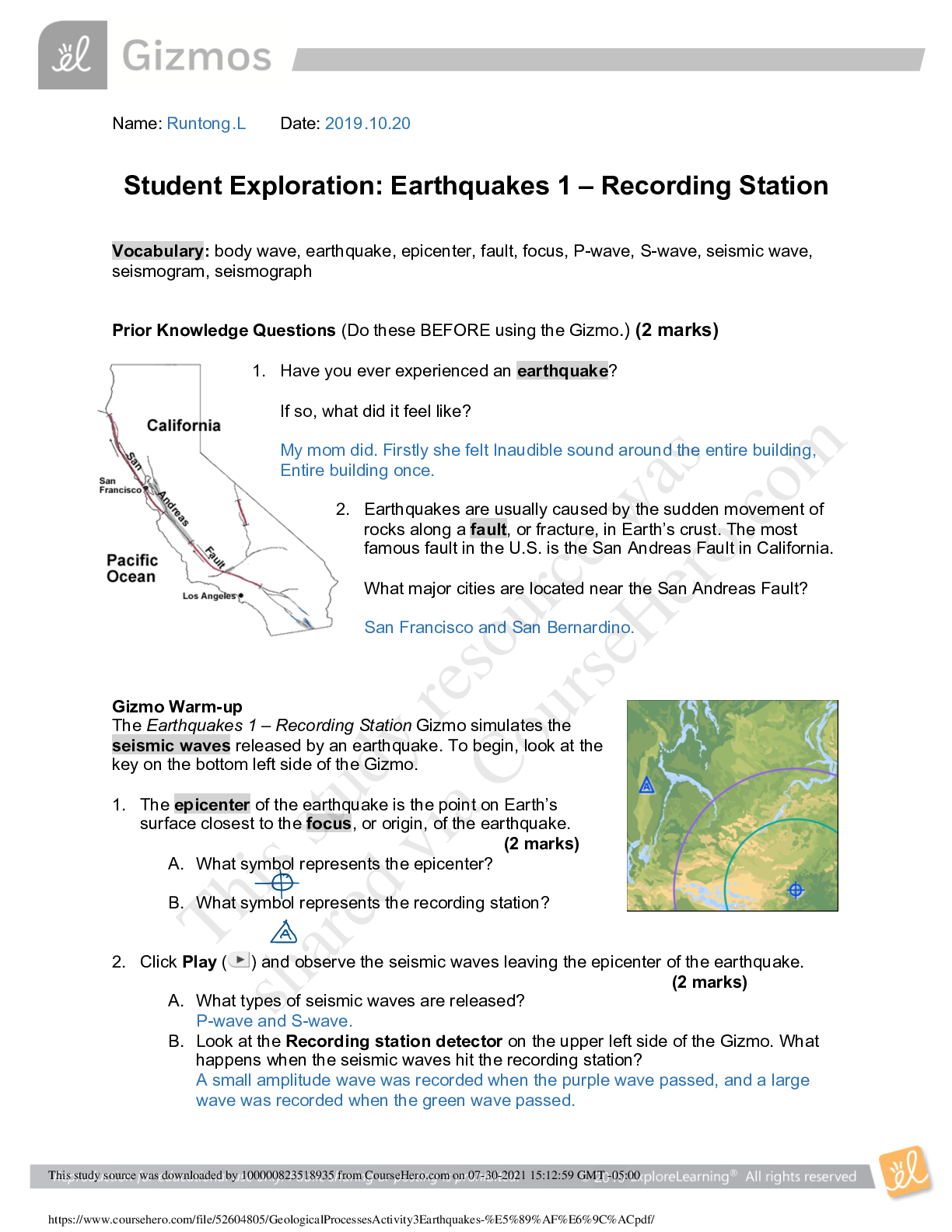
Earthquakes 1 – Recording Station GIZMO < ALL ANSWERS CORRECT>