Archaeology > TEST BANKS > Test Bank & Instructor Manuals For World Prehistory and Archaeology, 3E Michael Chazan (All)
Test Bank & Instructor Manuals For World Prehistory and Archaeology, 3E Michael Chazan
Document Content and Description Below
Last updated: 1 year ago
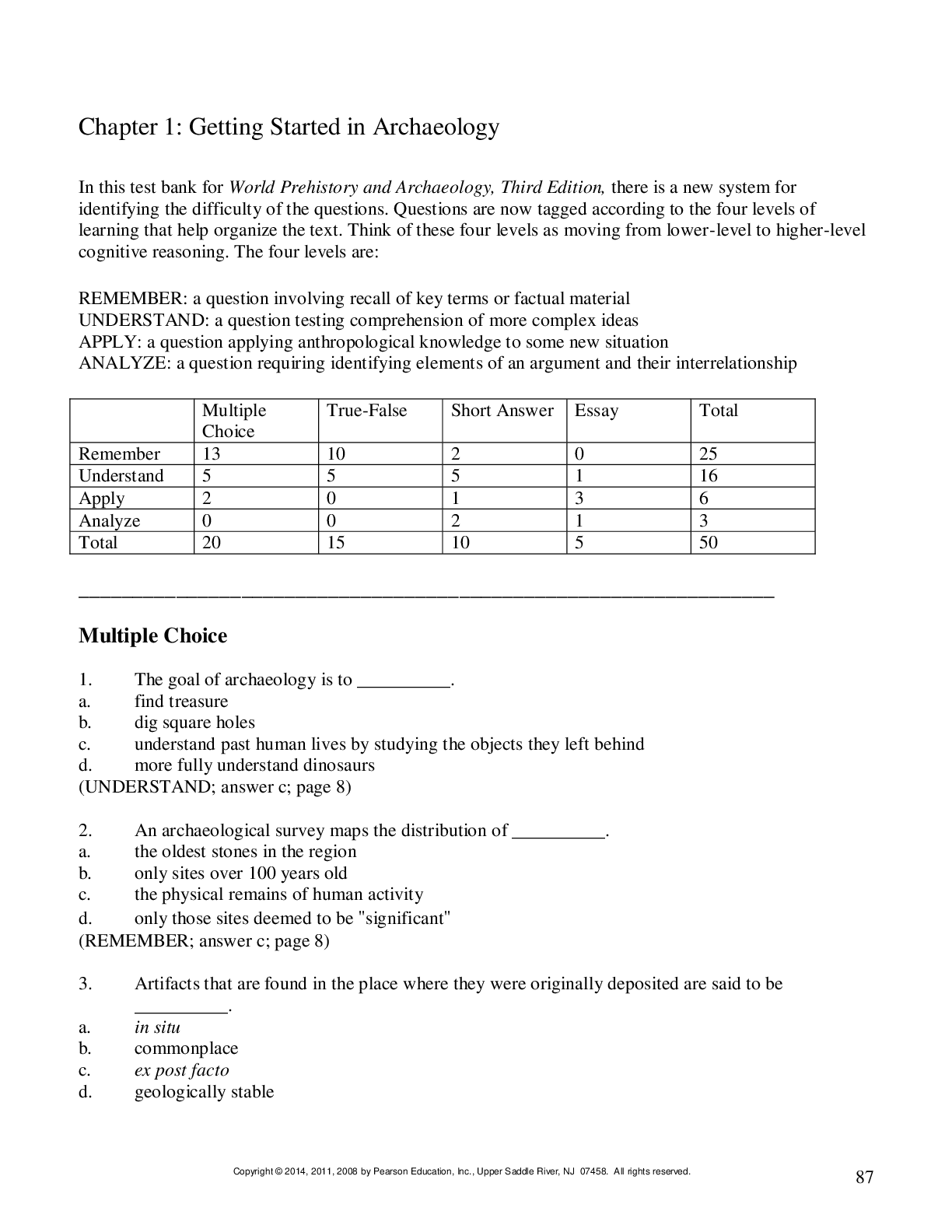
Preview 1 out of 285 pages
Instant download
Buy this Document to get the Full Access Instantly
Provided by Students Who Aced it
We Verify Document Content to Gurantee Accuracy
Reviews( 0 )
Document information
Connected school, study & course
About the document
Uploaded On
Dec 10, 2024
Number of pages
285
Written in
All

Additional information
This document has been written for:
Uploaded
Dec 10, 2024
Downloads
0
Views
67
Topic Tags
Recommended For You
Get more on TEST BANKS »
Test Bank & Instructor Manuals For World Prehistory and Archae...
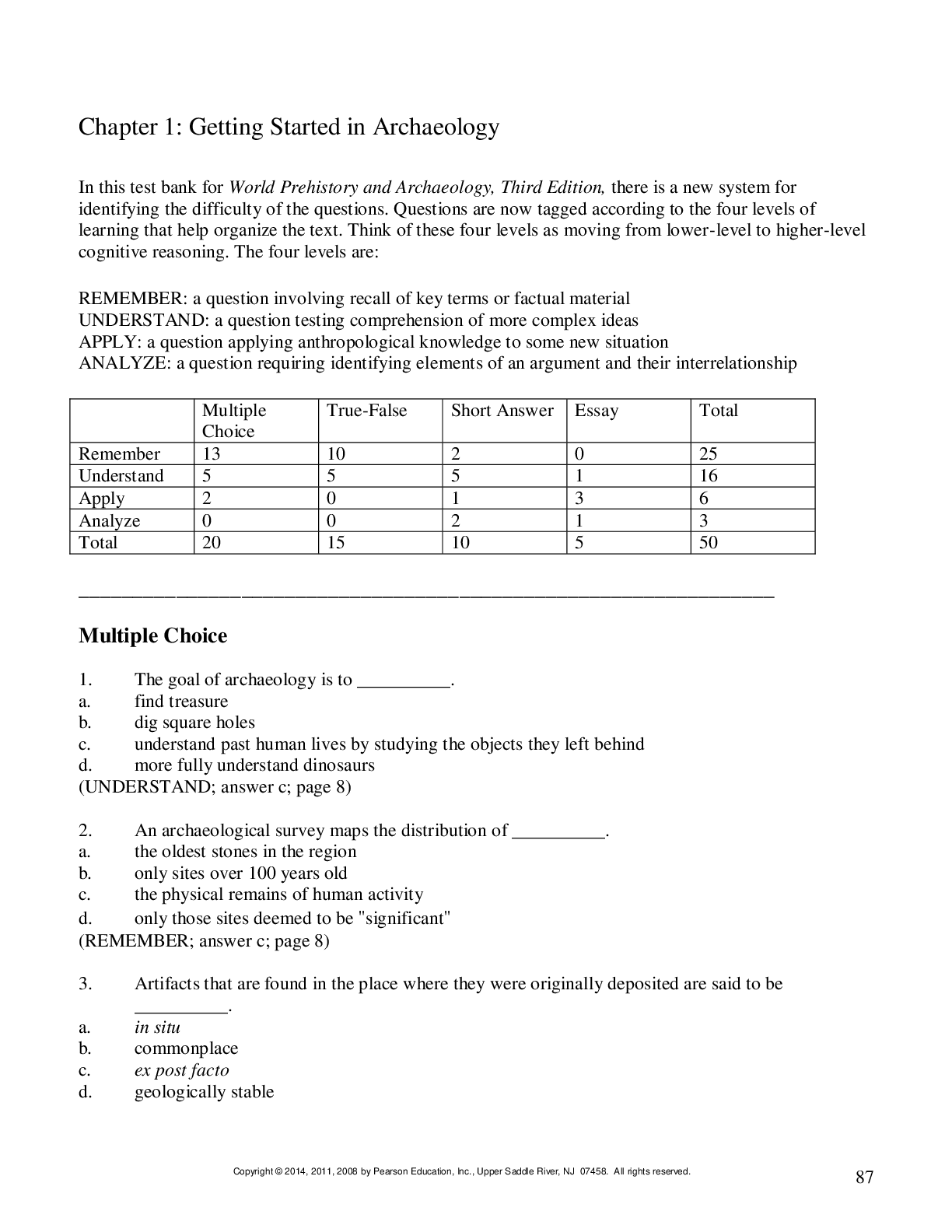
Test Bank & Instructor Manuals For World Prehistory and Archae...
Instructor’s Manual and Test Bank For World Prehistory and Arc...
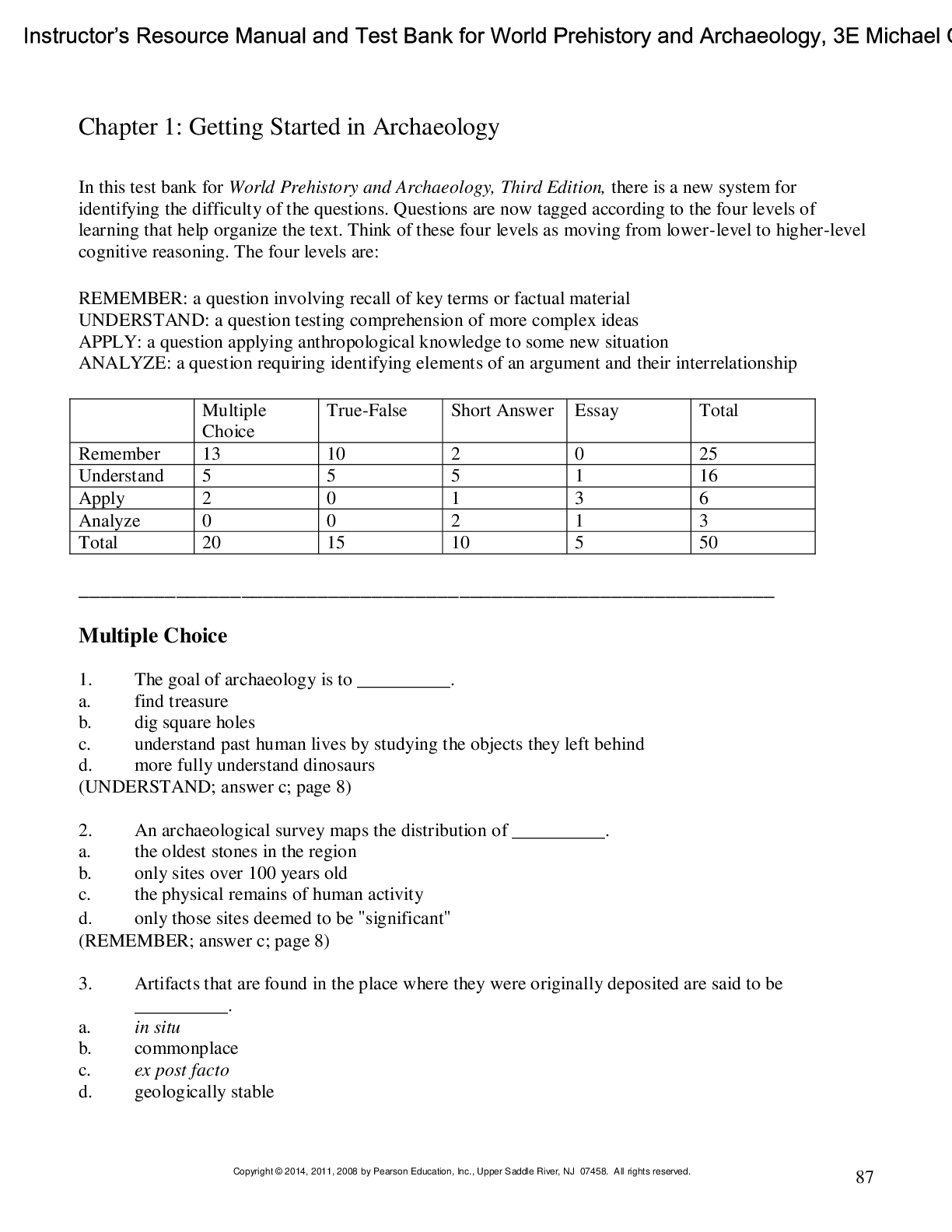
Instructor’s Manual and Test Bank For World Prehistory and Arc...
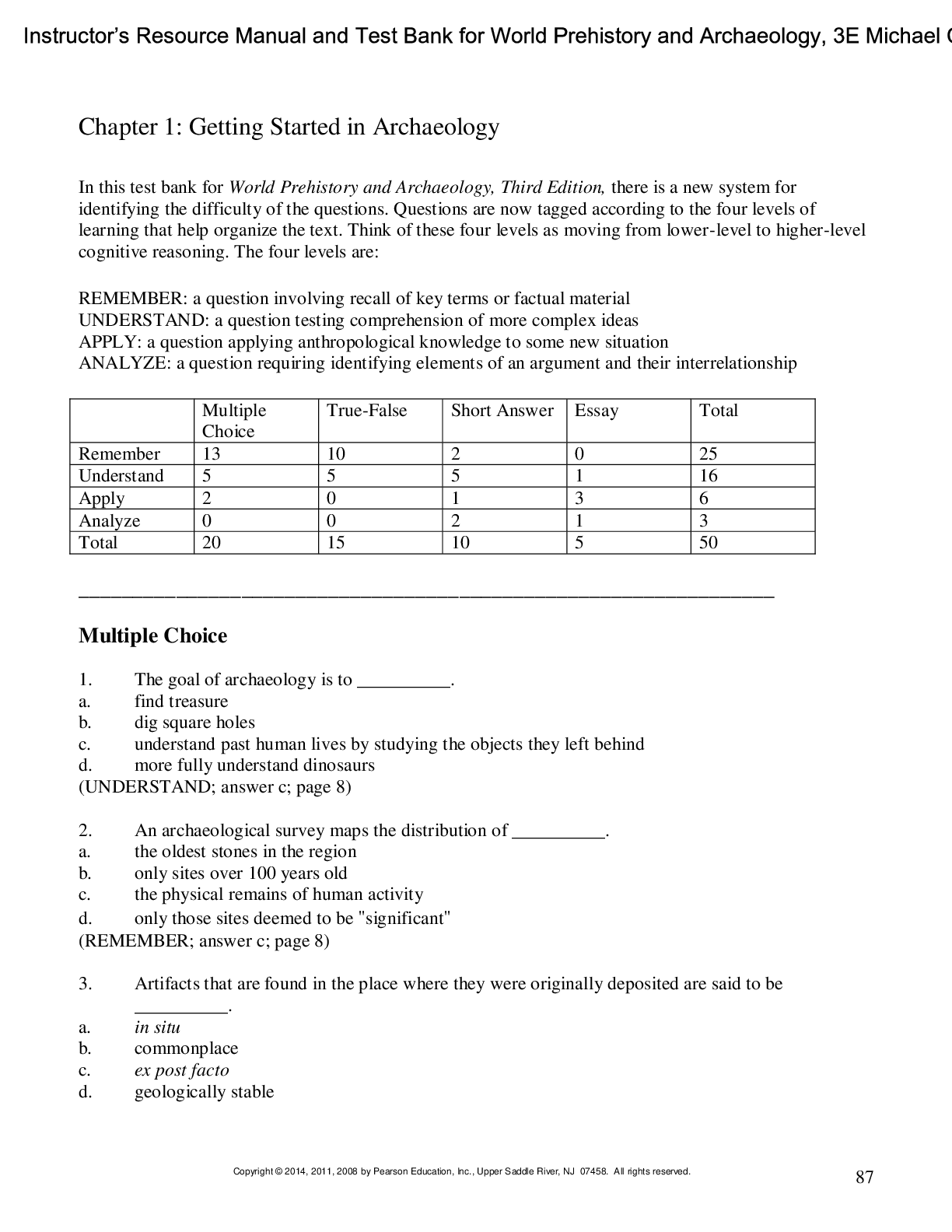
Instructor’s Resource Manual and Test Bank for World Prehistor...
Instructor’s Manual and Test Bank For World Prehistory and Arc...
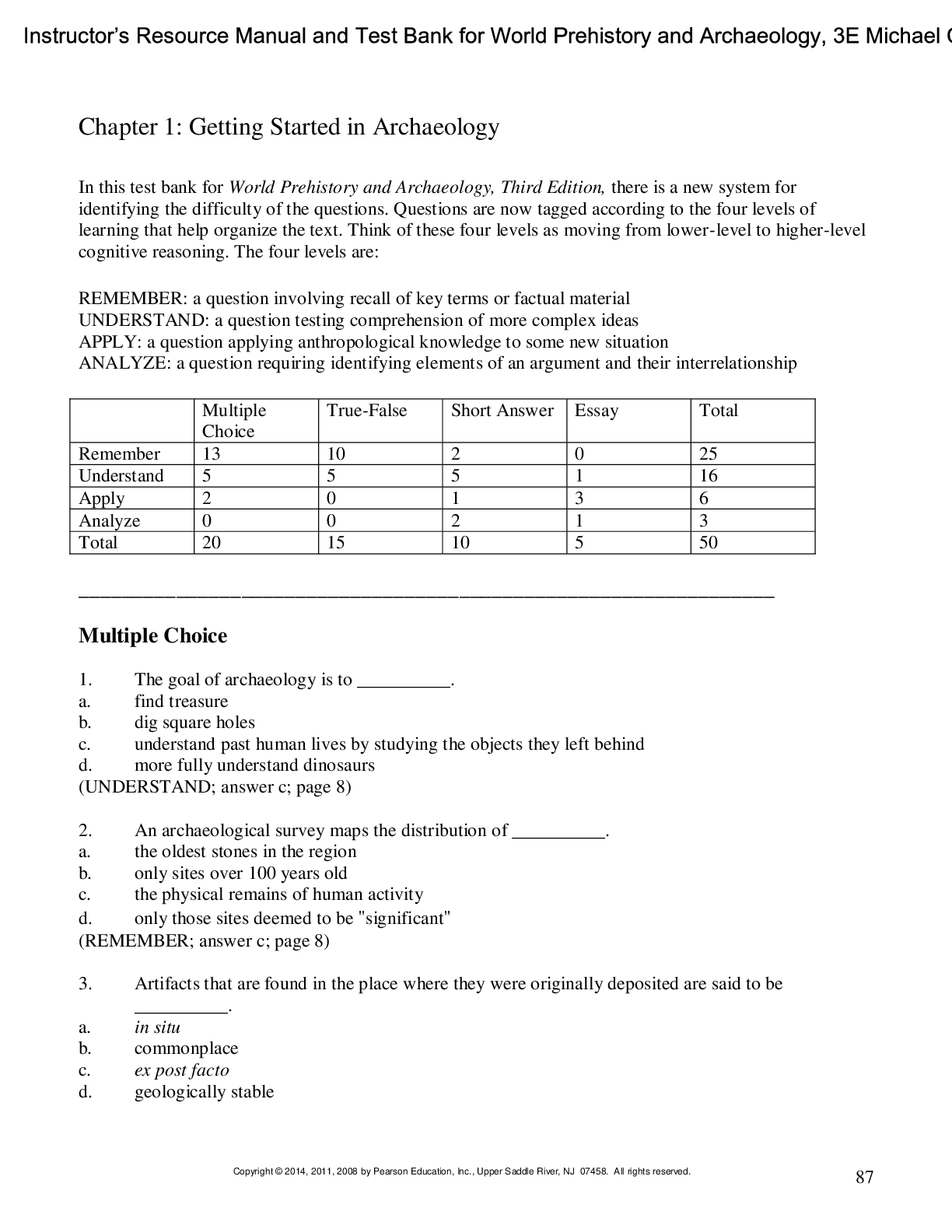
Instructor’s Resource Manual and Test Bank for World Prehistor...
Instructor’s Manual and Test Bank For World Prehistory and Arc...
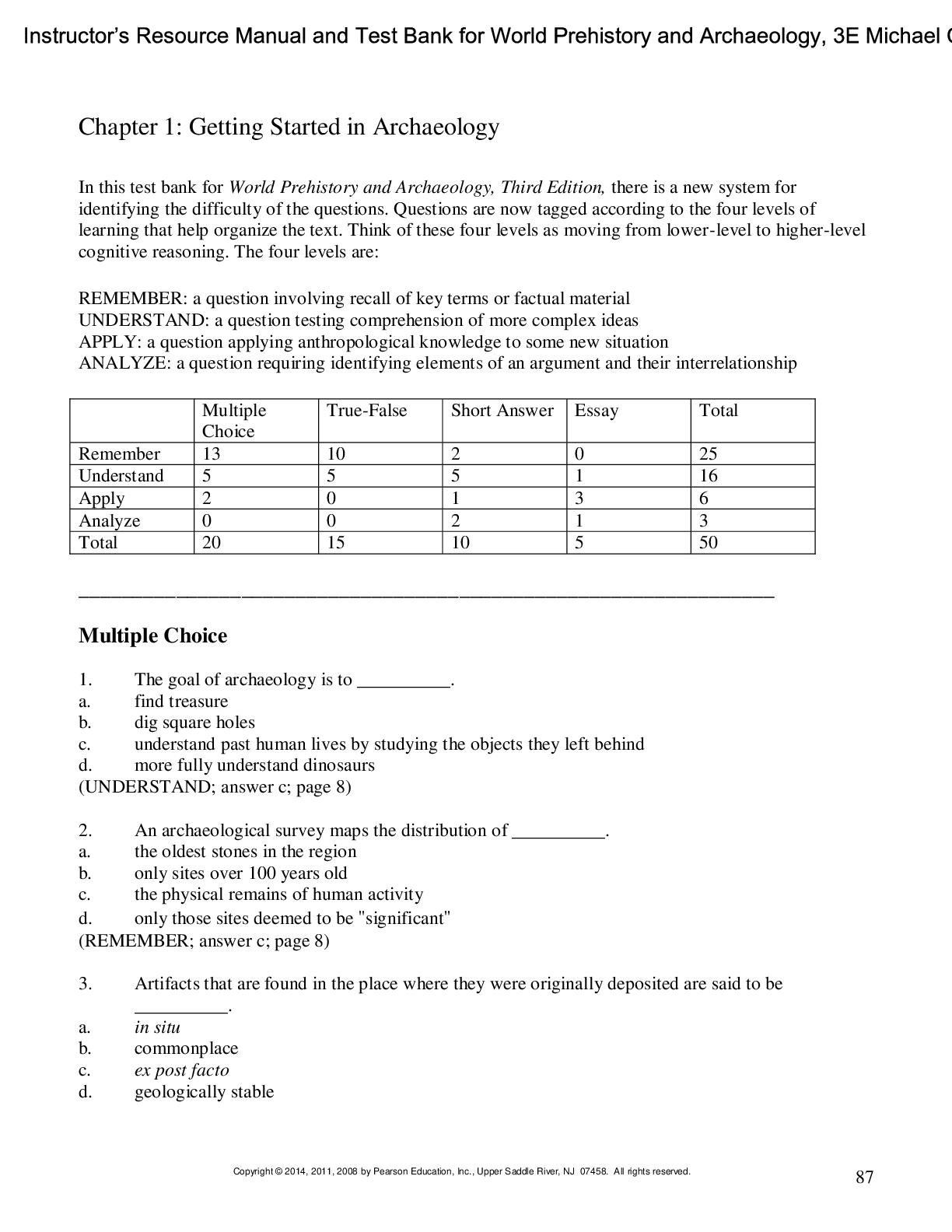
Instructor’s Resource Manual and Test Bank for World Prehistor...
Instructor’s Manual and Test Bank For World Prehistory and Arc...
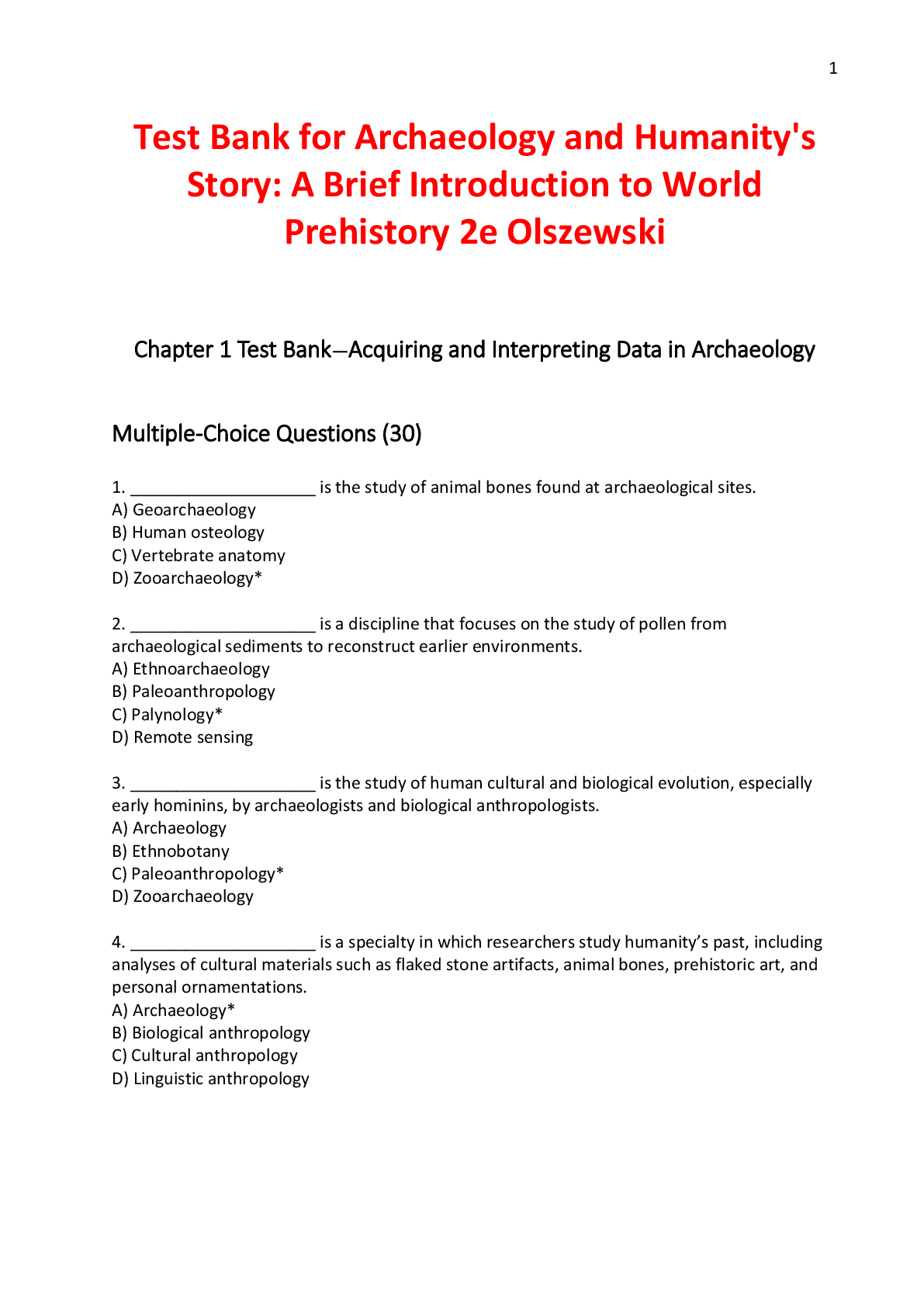
Test Bank for Archaeology and Humanity's Story A Brief Introdu...
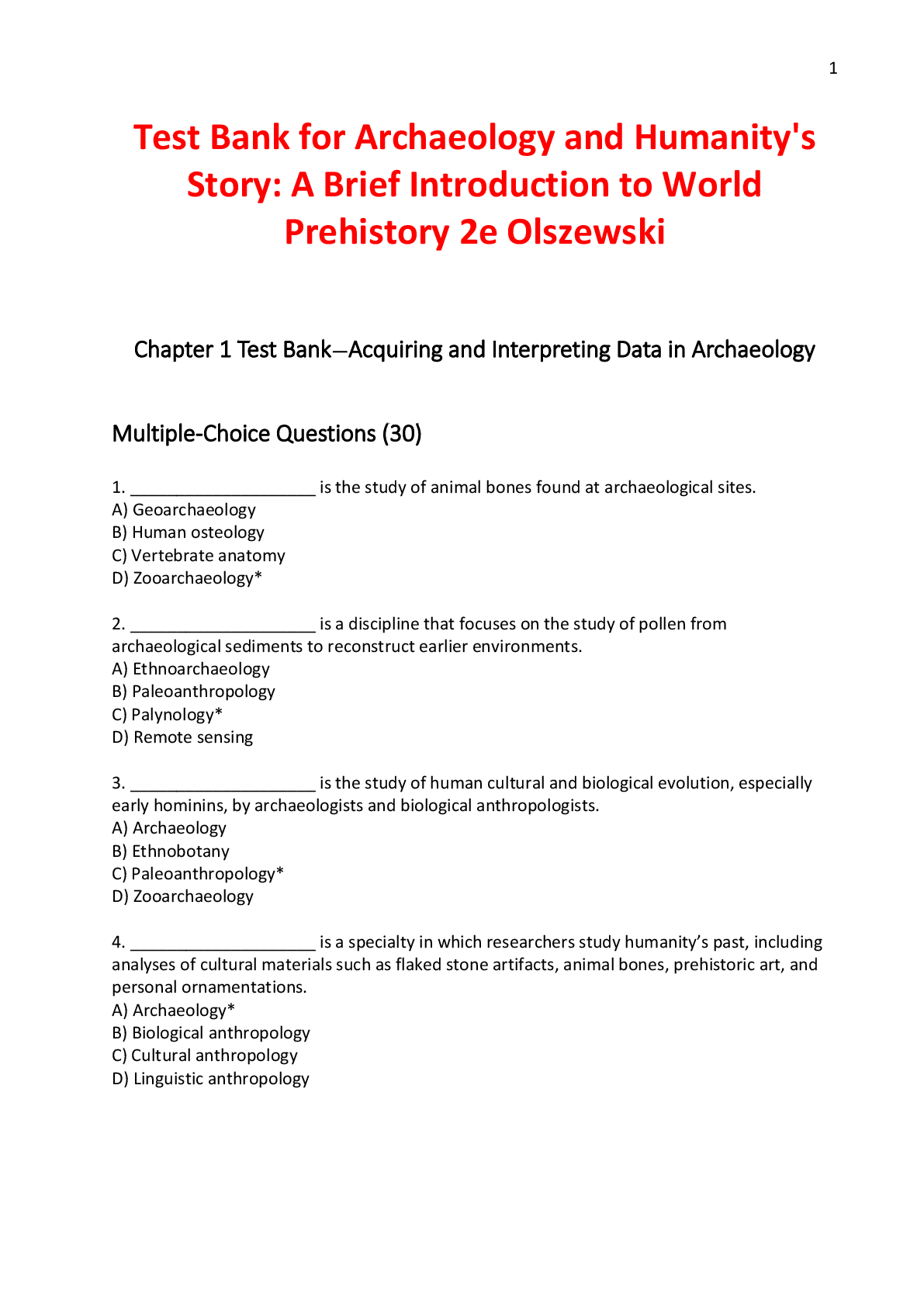
Test Bank for Archaeology and Humanity's Story: A Brief Introd...
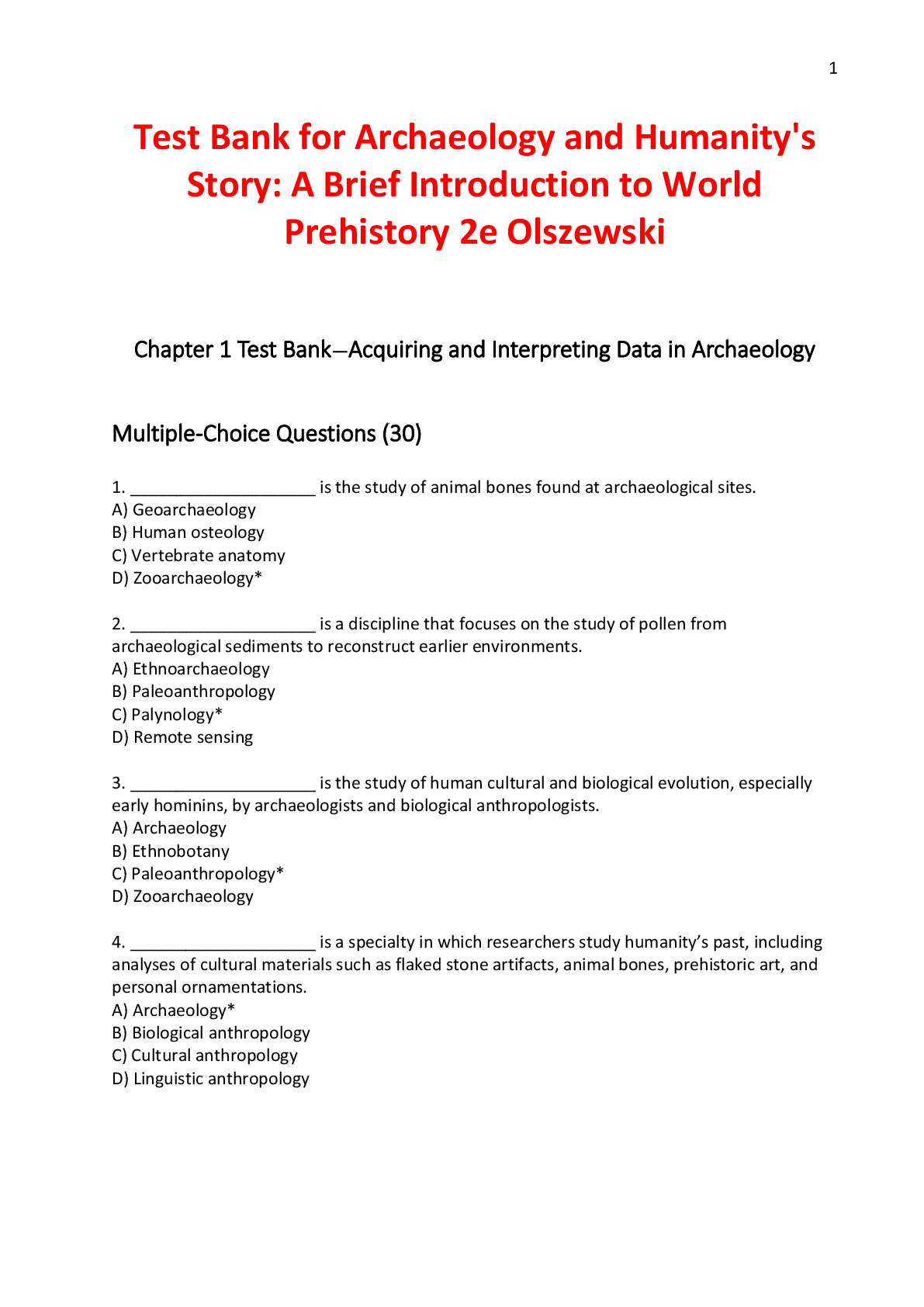
Test Bank for Archaeology and Humanity's Story: A Brief Introd...
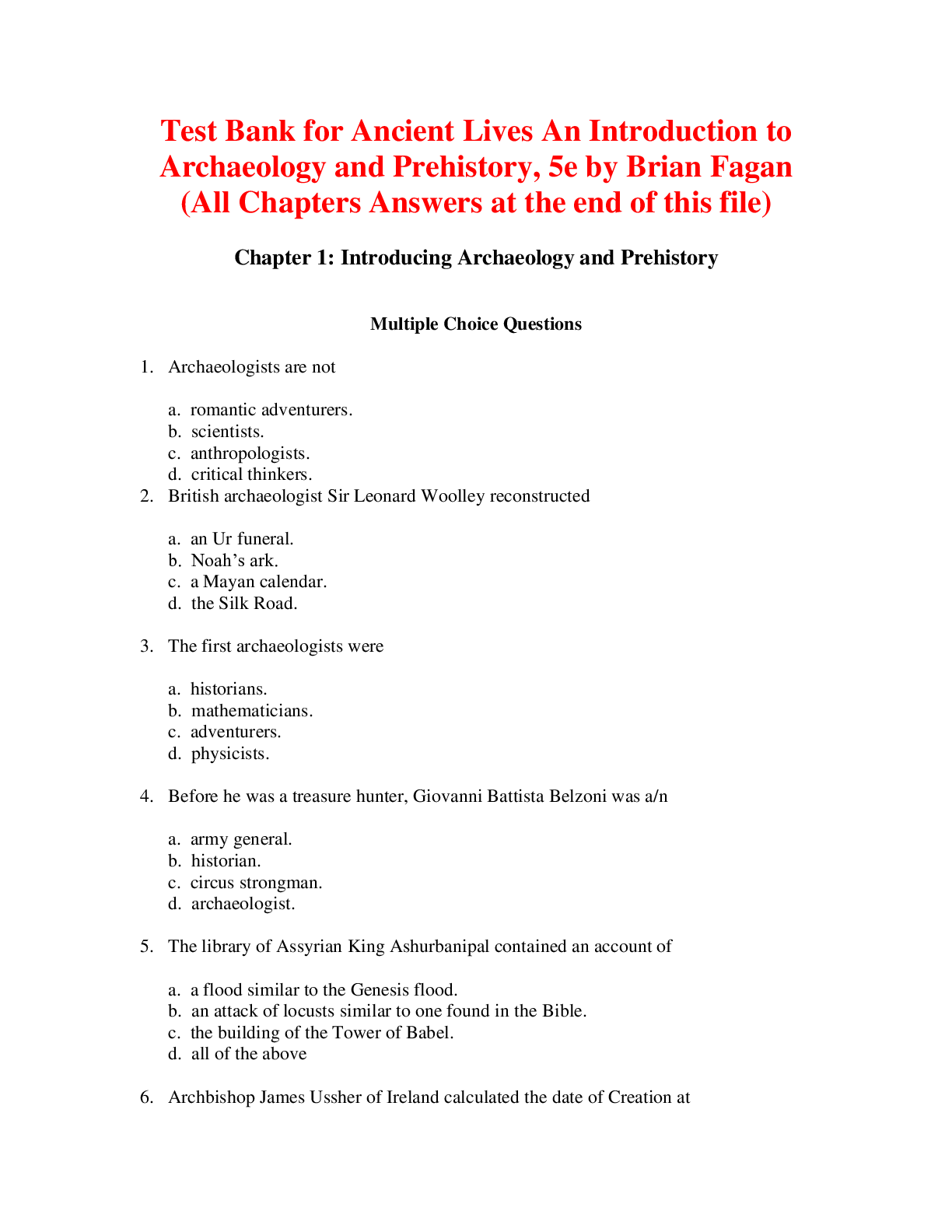
Ancient Lives An Introduction to Archaeology and Prehistory 5t...
.png)
Ancient Lives An Introduction to Archaeology and Prehistory 6t...
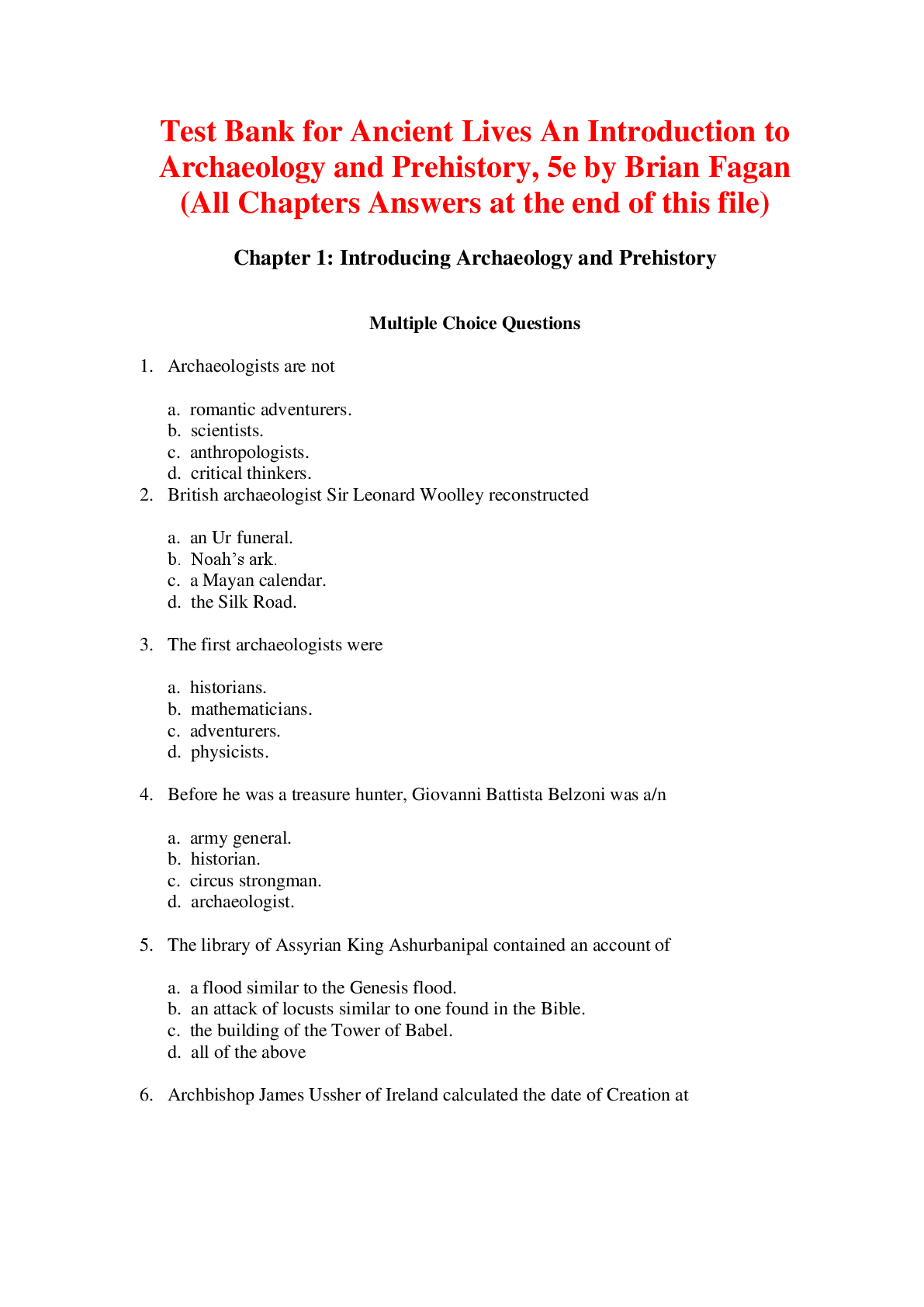

TEST BANK for Ancient Lives: An Introduction to Archaeology an...
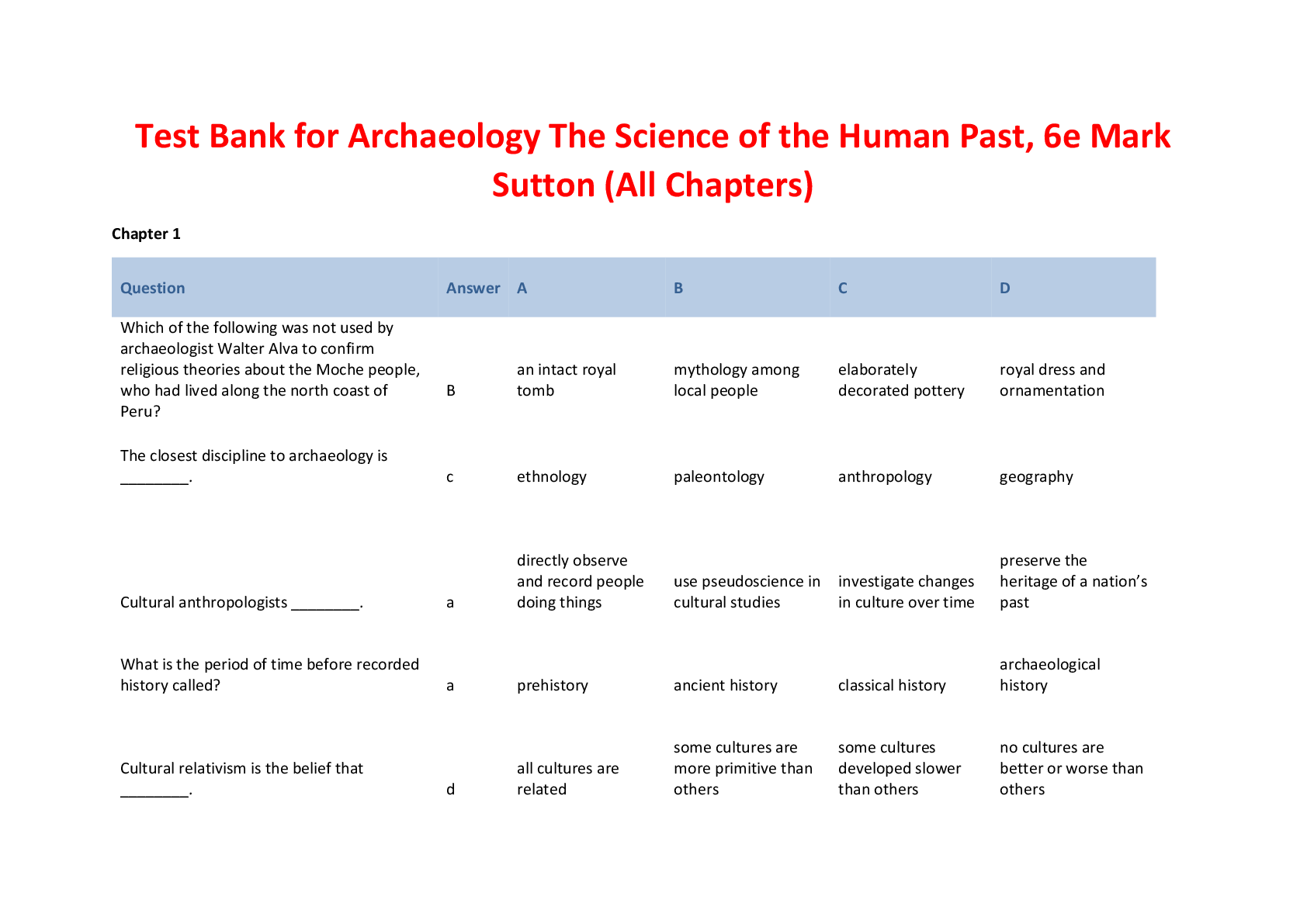
Test Bank for Archaeology The Science of the Human Past, 6e Ma...