Physics > Lab Report > University of Texas, Dallas - PHYS 2426CapacitorsLab (All)
University of Texas, Dallas - PHYS 2426CapacitorsLab
Document Content and Description Below
Last updated: 8 months ago
Preview 1 out of 7 pages
Instant download

Buy this Document to get the Full Access Instantly
Provided by Students Who Aced it
We Verify Document Content to Gurantee Accuracy
Reviews( 0 )
Document information
Connected school, study & course
About the document
Uploaded On
Mar 30, 2021
Number of pages
7
Written in
All

Additional information
This document has been written for:
Uploaded
Mar 30, 2021
Downloads
0
Views
153
Topic Tags
Recommended For You
Get more on Lab Report »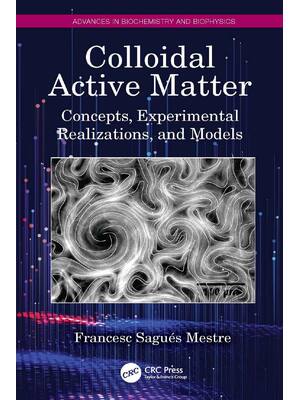
E book Colloidal Active Matter (Advances in Biochemistry and B...
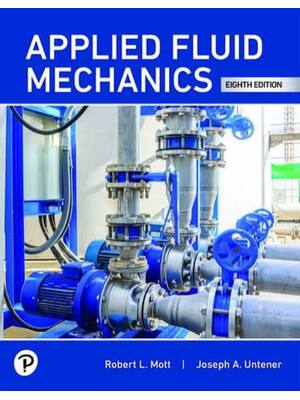
Solutions Manual For Applied Fluid Mechanics 8th Edition By Jo...
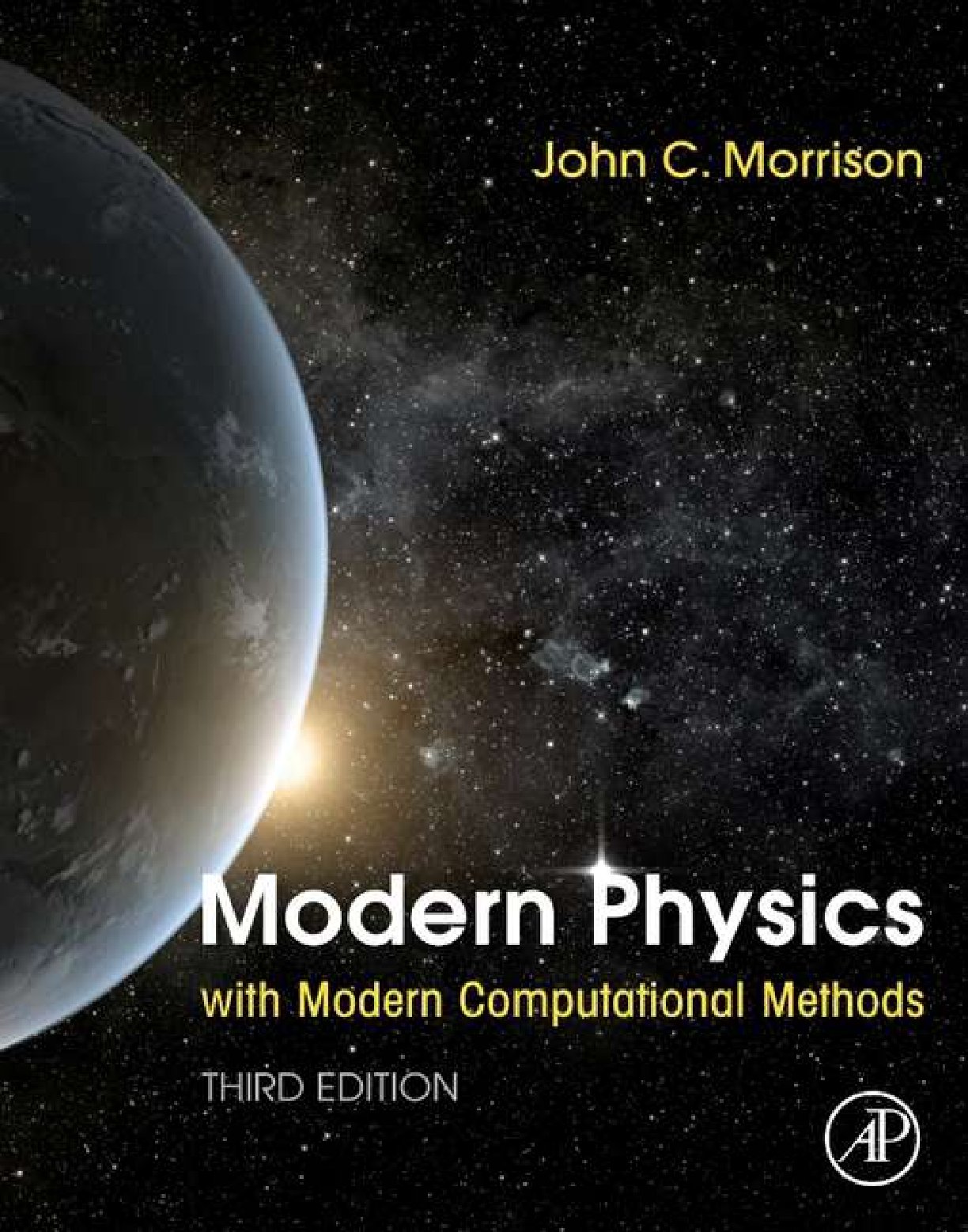
eBook [PDF] Modern Physics with Modern Computational Methods 3...

SOLUTIONS MANUAL for Foundations of Hyperbolic Manifolds 3rd E...

Solutions Manual for Modern Physics with Modern Computational...
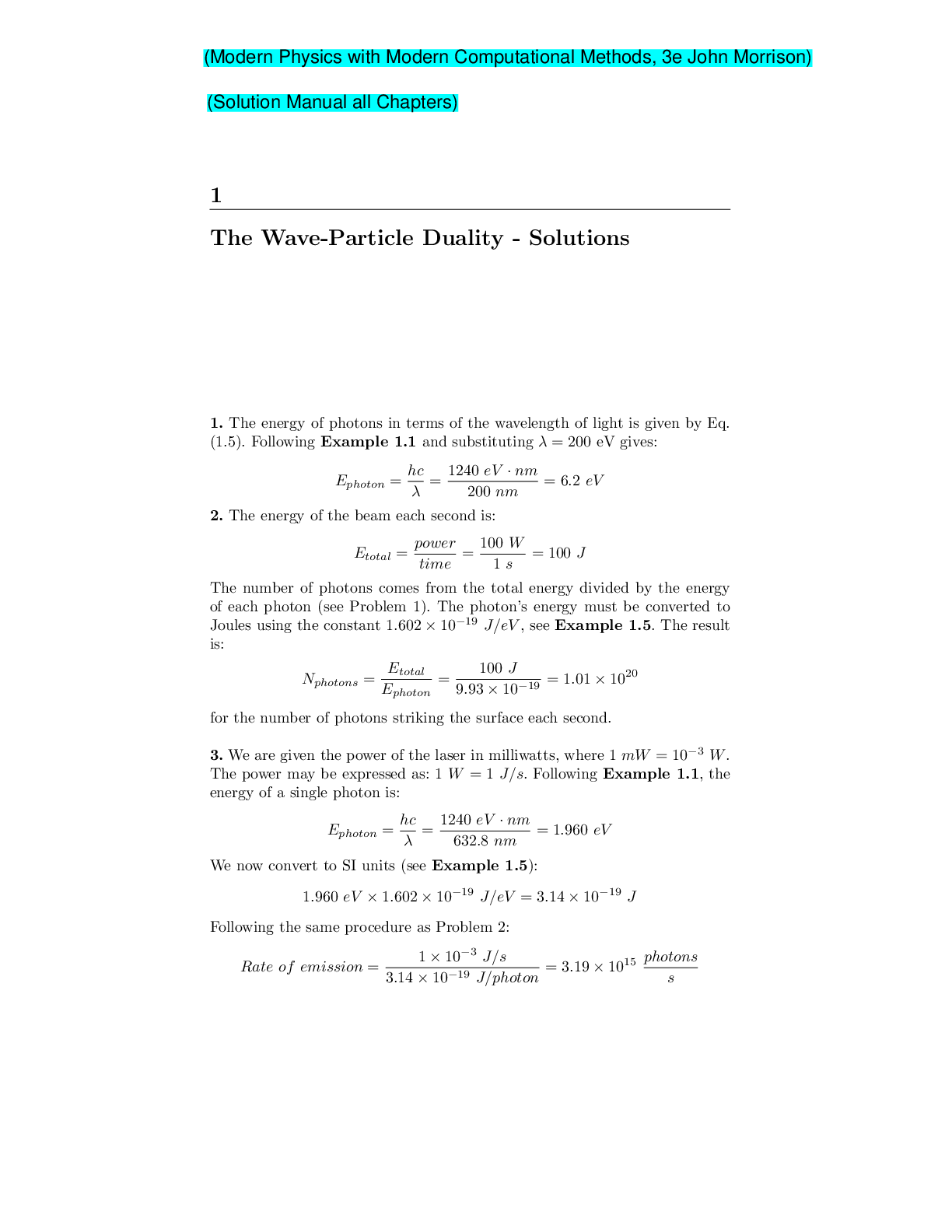
Solutions Manual for Modern Physics with Modern Computational...

Solutions Manual for Physics for Scientists and Engineers with...
SOLUTIONS MANUAL for Fundamentals of Physics, Volume 2 12th Ed...

TEST BANK for University Physics with Modern Physics 15th Edit...
Explore the effect of force and mass on the acceleration of an...
Newton’s Second Law: Explore the effect of force and mass on t...


TEST BANK College Physics 5th Edition BY ALAN GIAMBATTISTA C...
TEST BANK for Inquiry into Physics 8th Edition by Ostdiek All...


PHYS 1102W Introductory College Physics II Lab 1 Lab Analysis...

.png)



.png)
.png)

