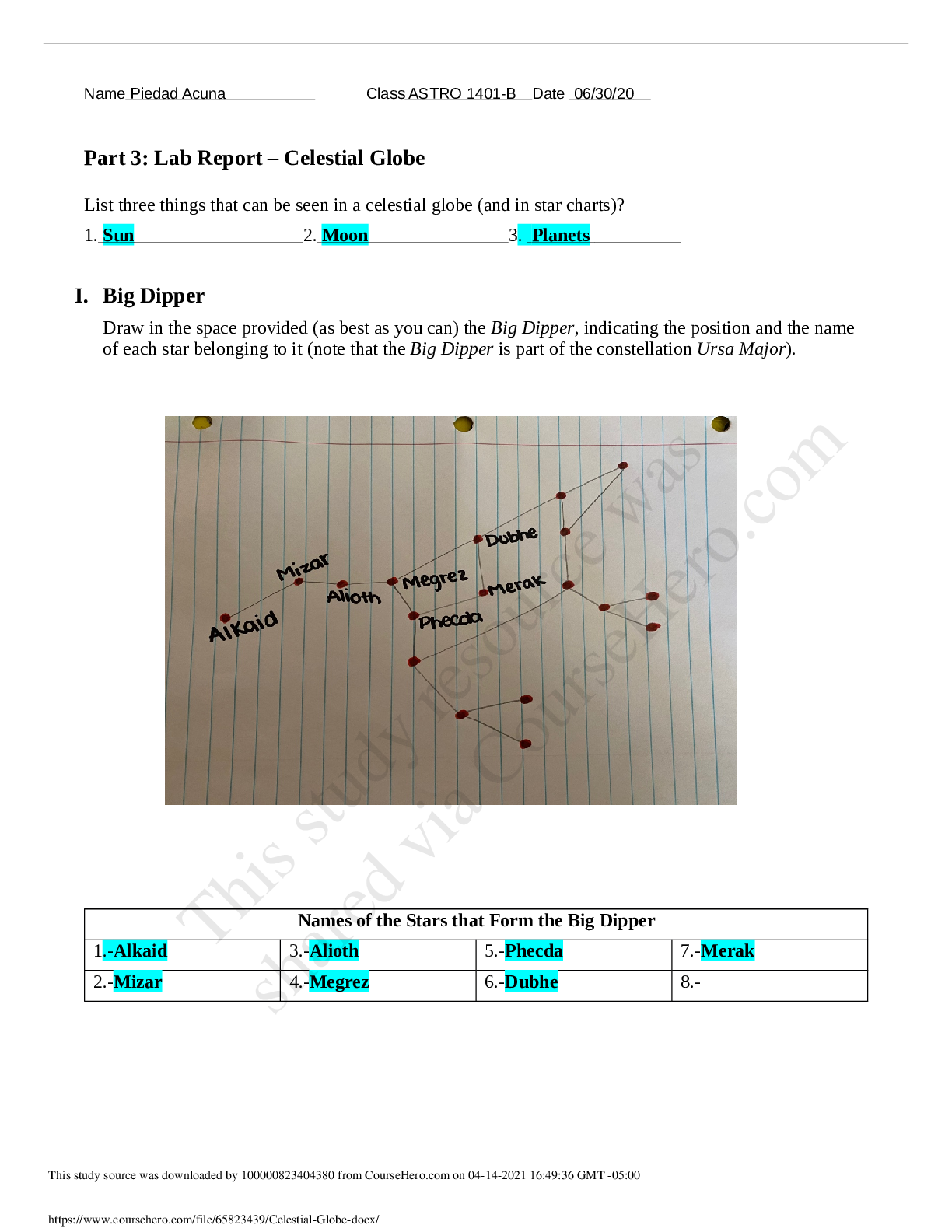
Geology > Lab Experiment > Oregon State University - OC 201Lab2_Fell_S. (All)
Oregon State University - OC 201Lab2_Fell_S.
Document Content and Description Below
Last updated: 3 years ago
Preview 1 out of 7 pages
Instant download

Buy this Document to get the Full Access Instantly
Provided by Students Who Aced it
We Verify Document Content to Gurantee Accuracy
Reviews( 0 )
Document information
Connected school, study & course
About the document
Uploaded On
Apr 03, 2021
Number of pages
7
Written in
All

Additional information
This document has been written for:
Uploaded
Apr 03, 2021
Downloads
0
Views
164
Topic Tags
Related Subjects & Courses
Explore similar study resources and related concepts.
Recommended For You
Get more on Lab Experiment »
Essentials of Geology, 5e Stephen Marshak (Solutions Manual)

Essentials of Geology, 13e Frederick Lutgens, Edward Tarbuck,...

Test Bank for Investigating Oceanography, 3rd Edition by Keith...
Investigating Oceanography, 3rd Edition by Keith Sverdrup, Rap...

TEST BANK for Principles of Human Anatomy 15th Edition by Gera...
Test Bank Geosystems: An Introduction to Physical Geography,...

Test Bank For Essentials of Geology, 5th Edition By Stephen Ma...

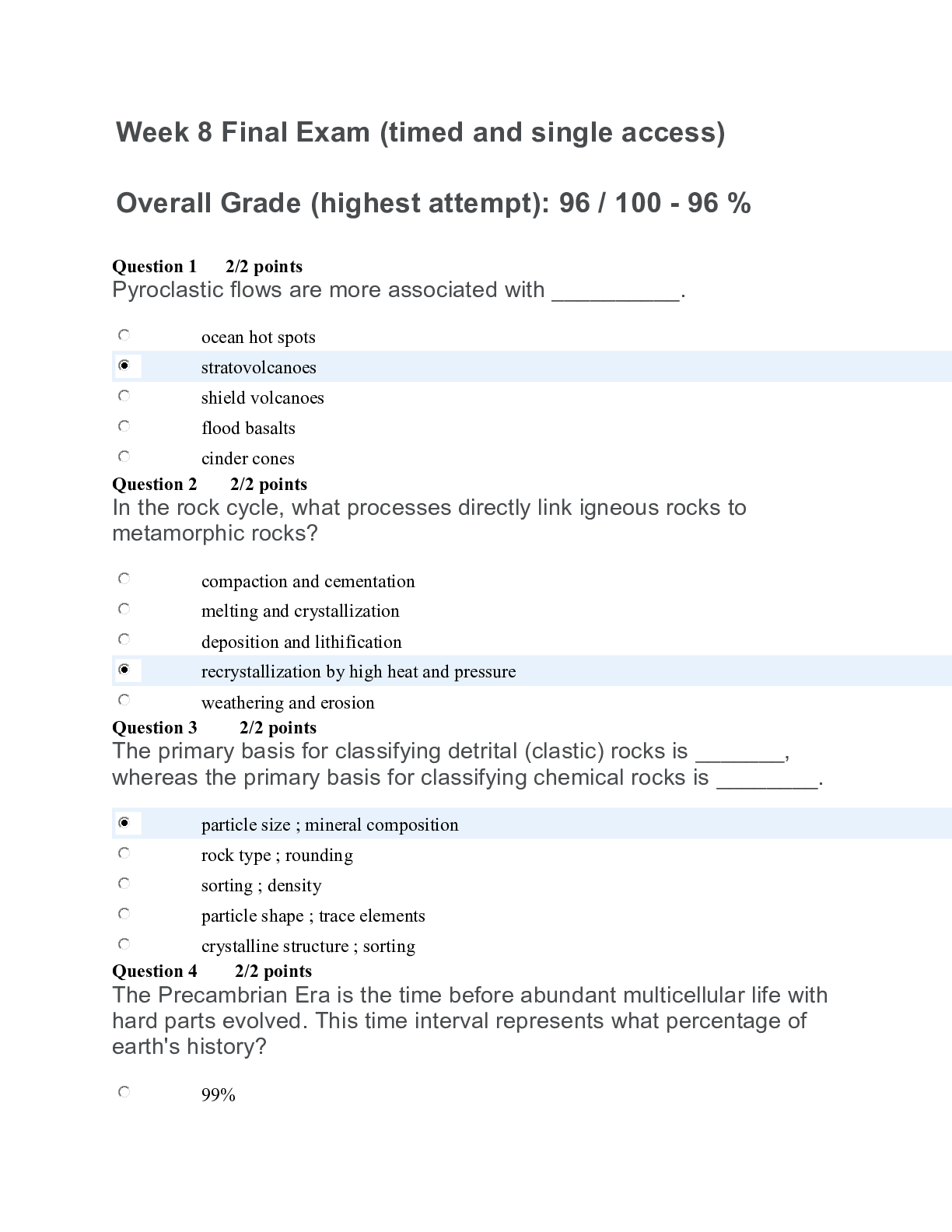
ERSC181 B001 Introduction to Geology| APUS_ERSC181_WEEK_8_FINA...
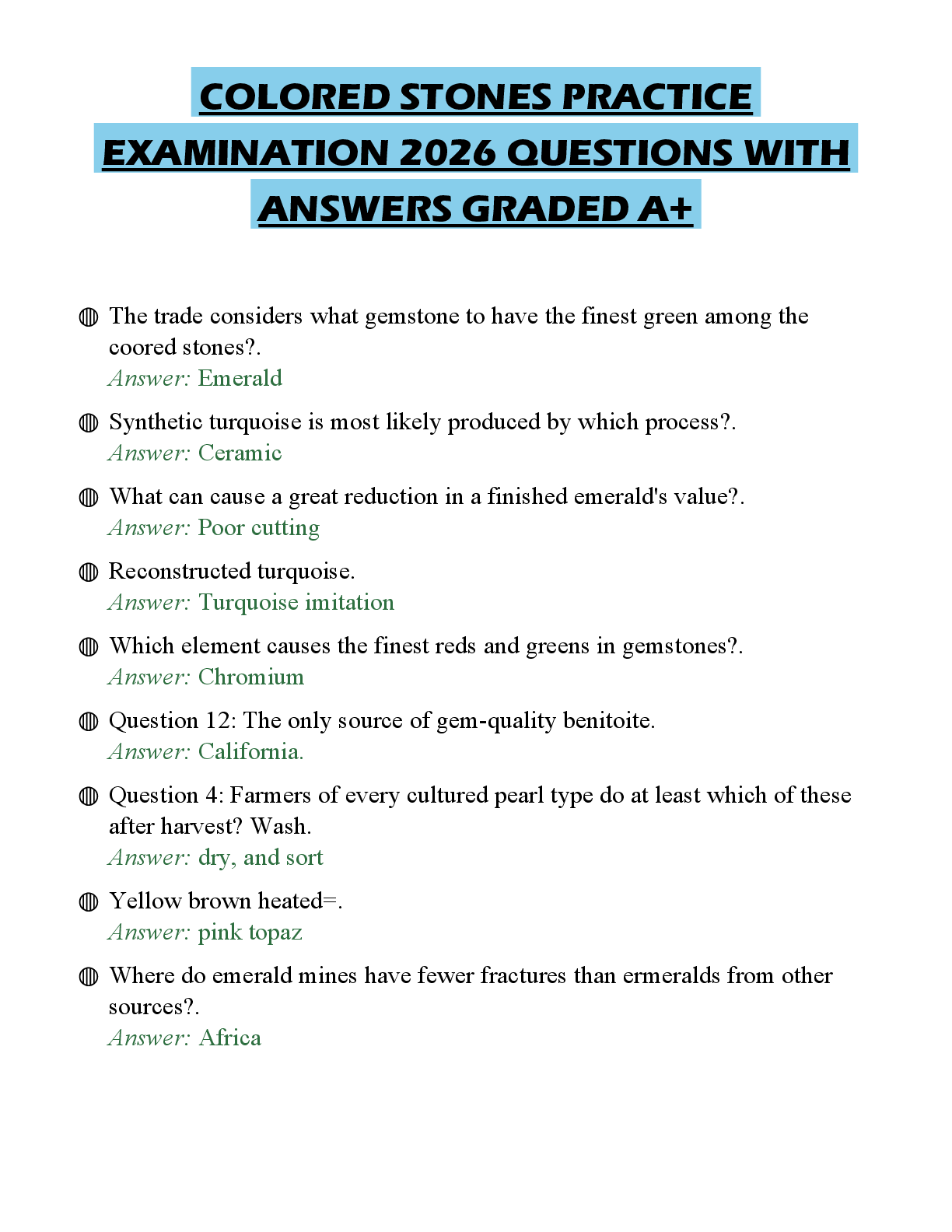
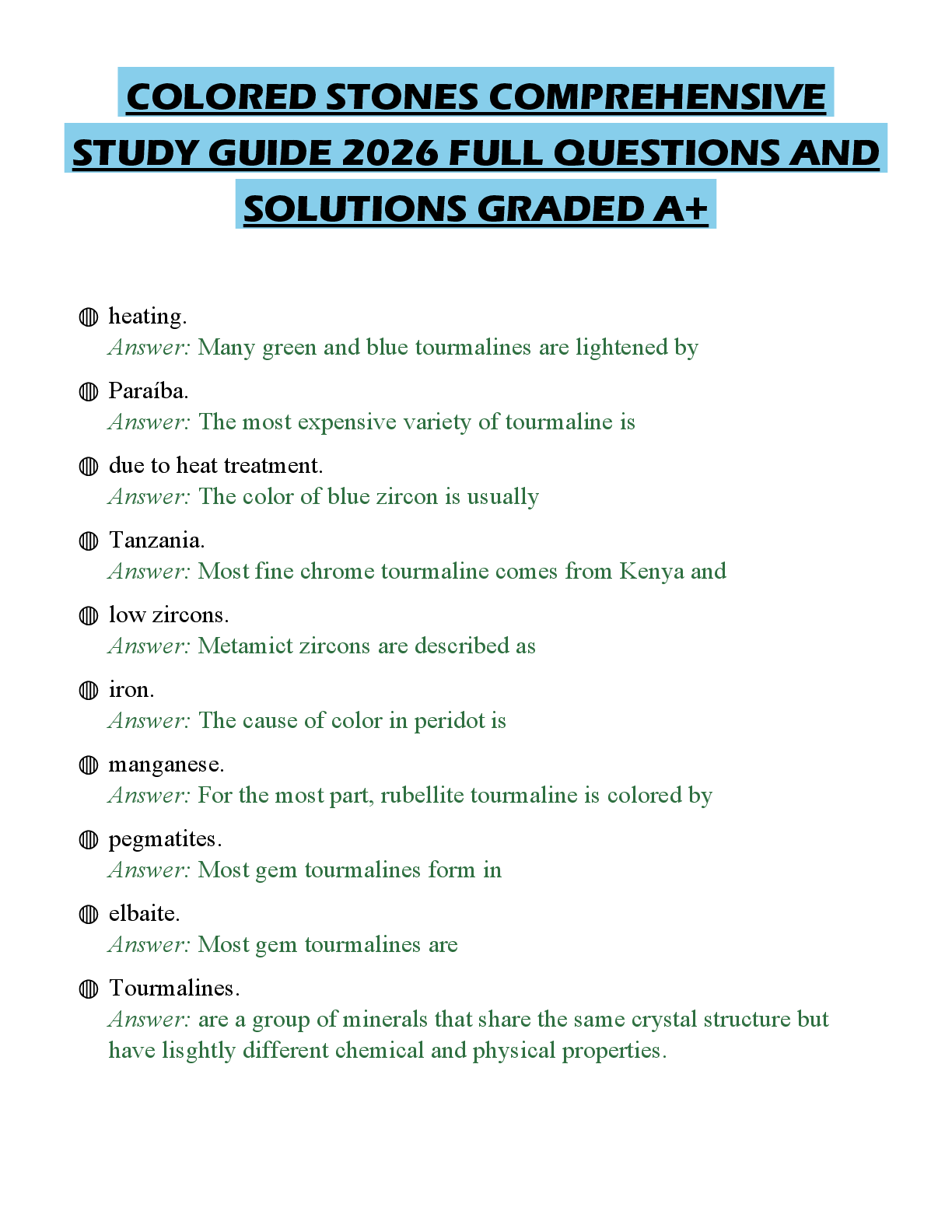
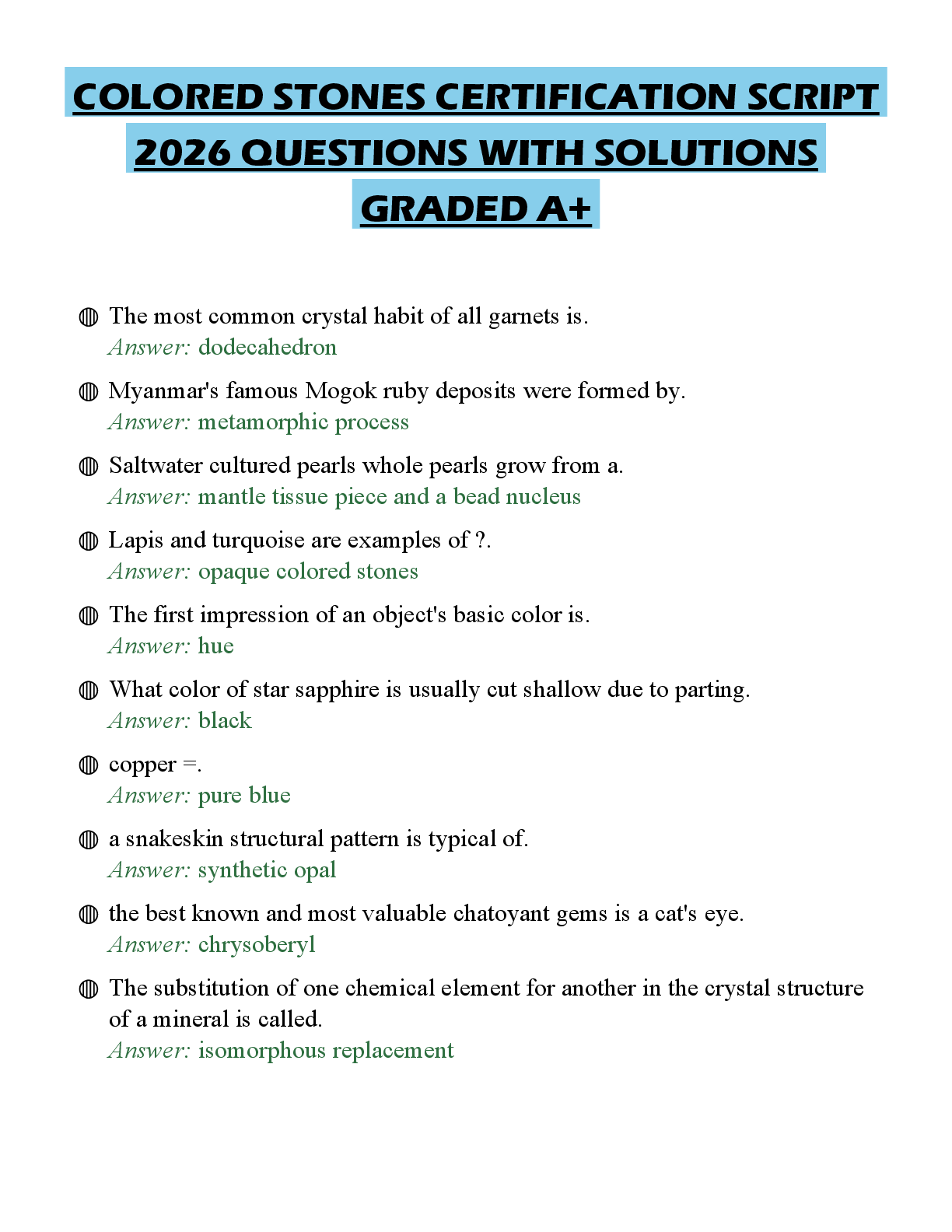
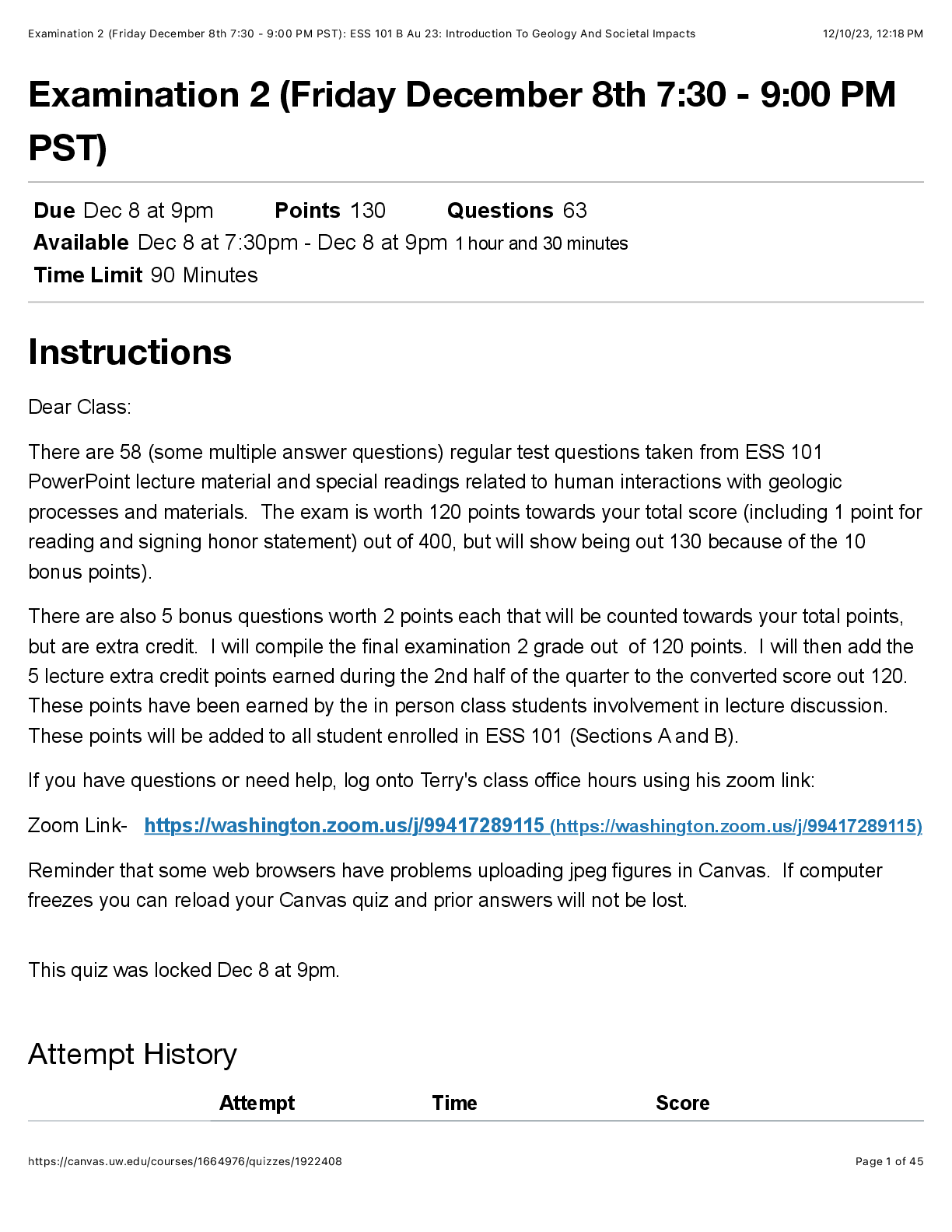
ESS 101 Introduction To Geology And Societal Impacts Exam 2; S...
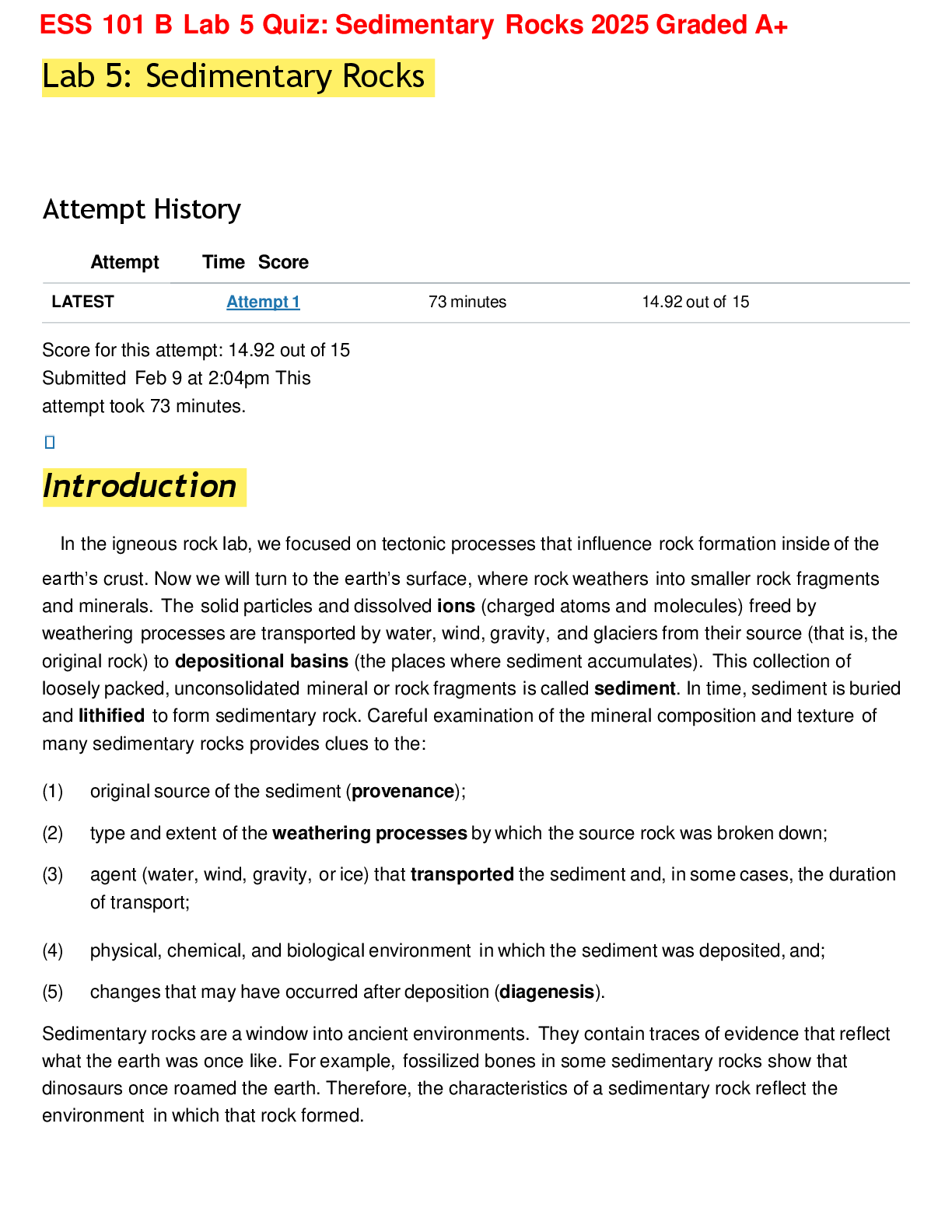
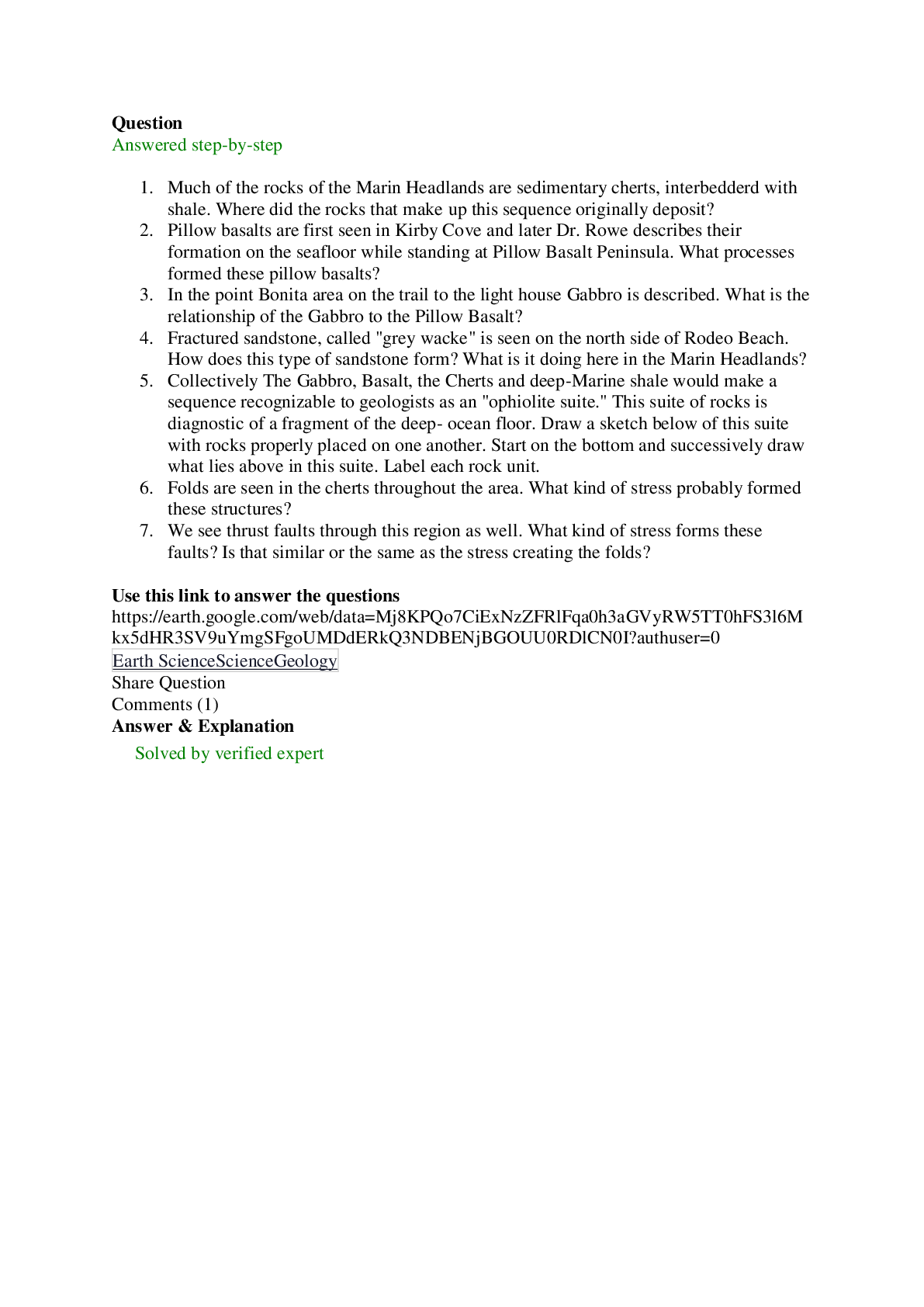
Much of the rocks of the Marin Headlands are sedimentary chert...
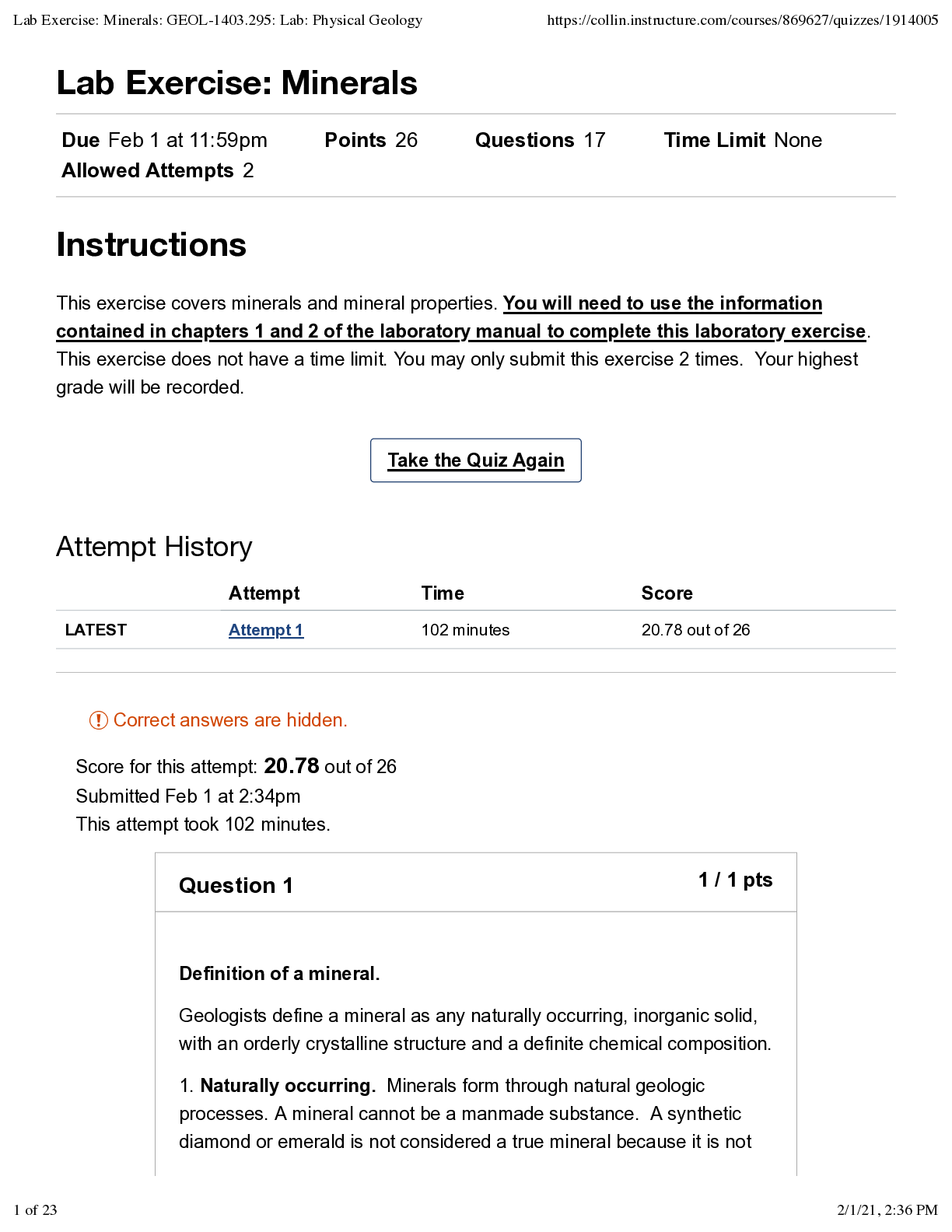
Texas Tech UniversityGEOL 1403Lab Exercise: Minerals: GEOL-140...
OCR GCE Geology H414/03: Practical skills in geology Advanced...
OCR GCE Geology H414/02: Scientific literacy in geology Advanc...
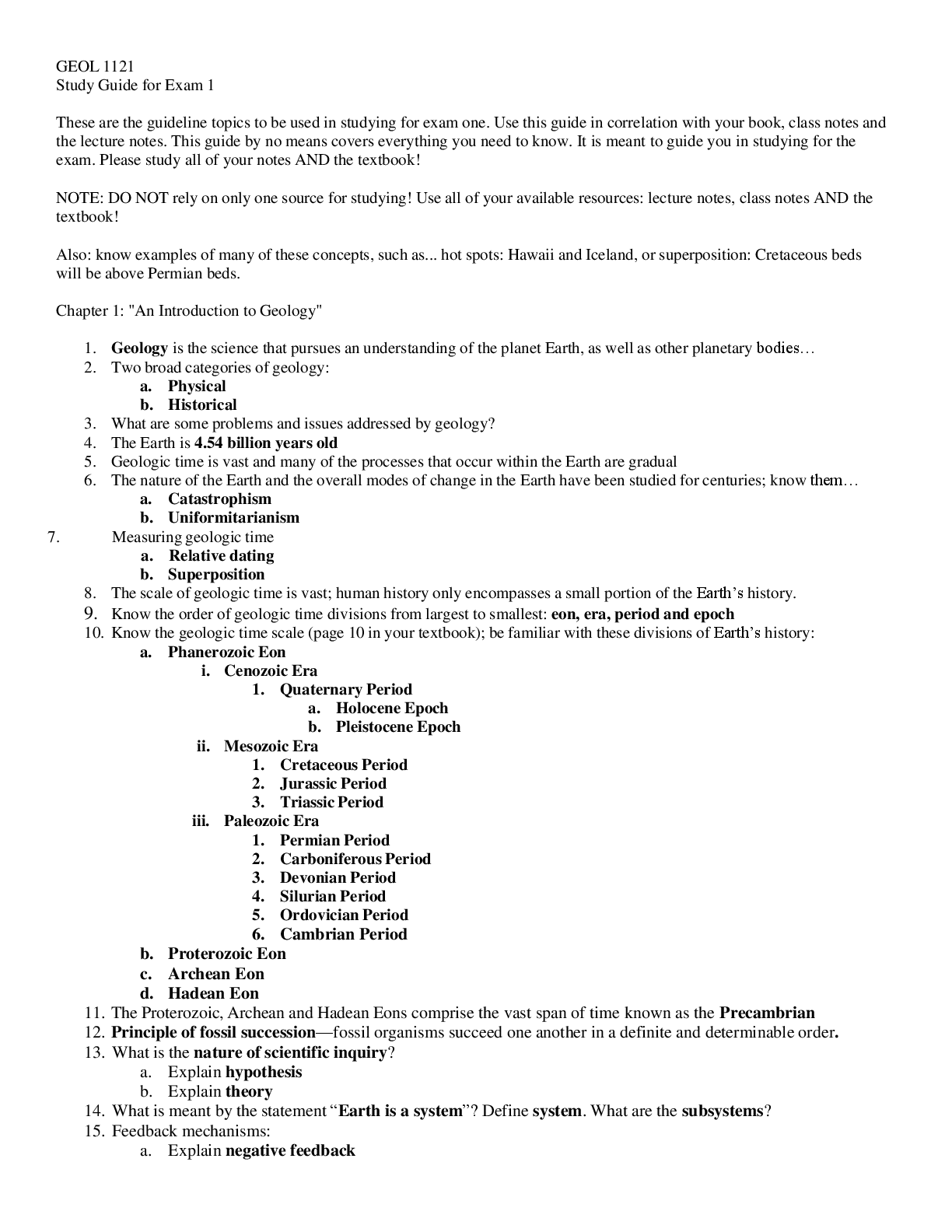
.png)

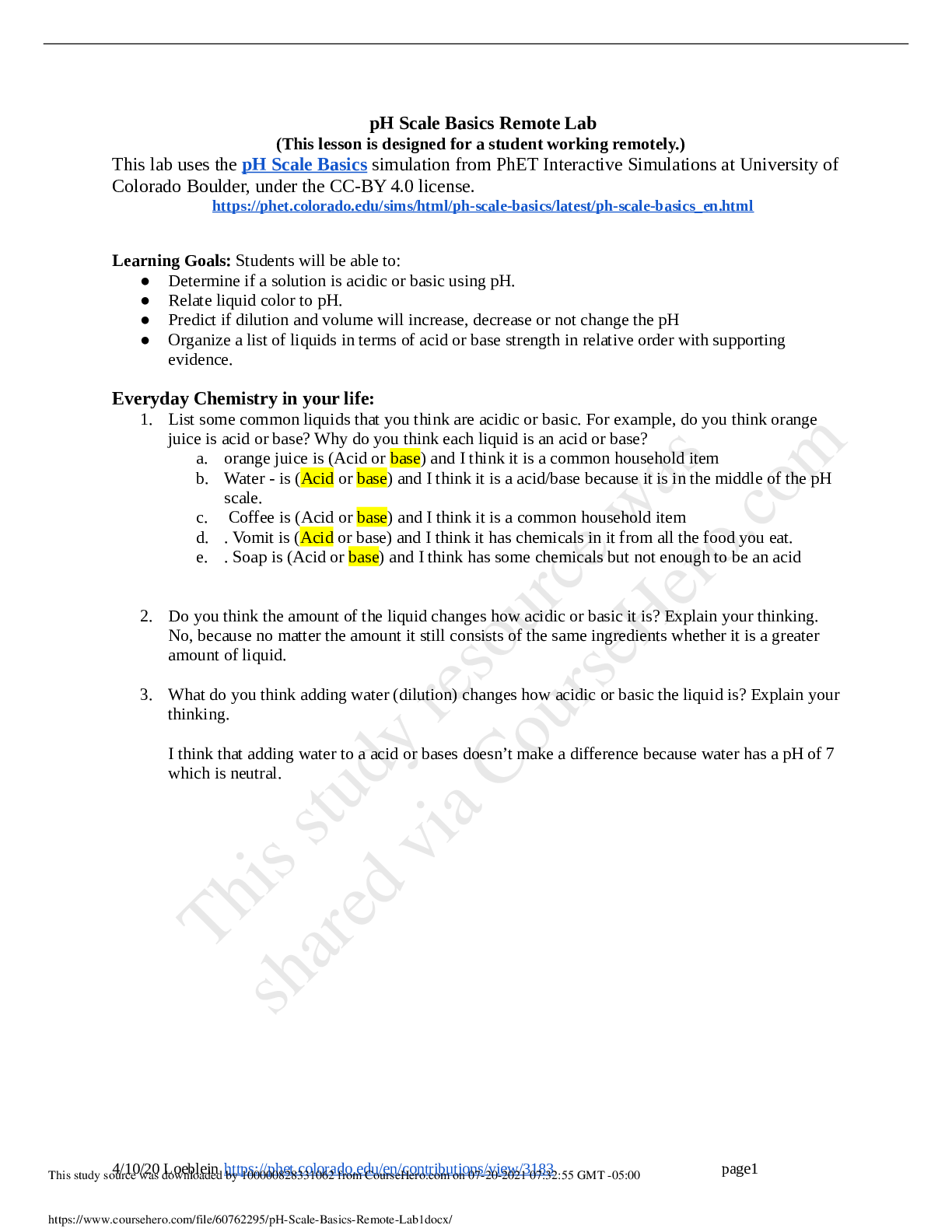
.png)