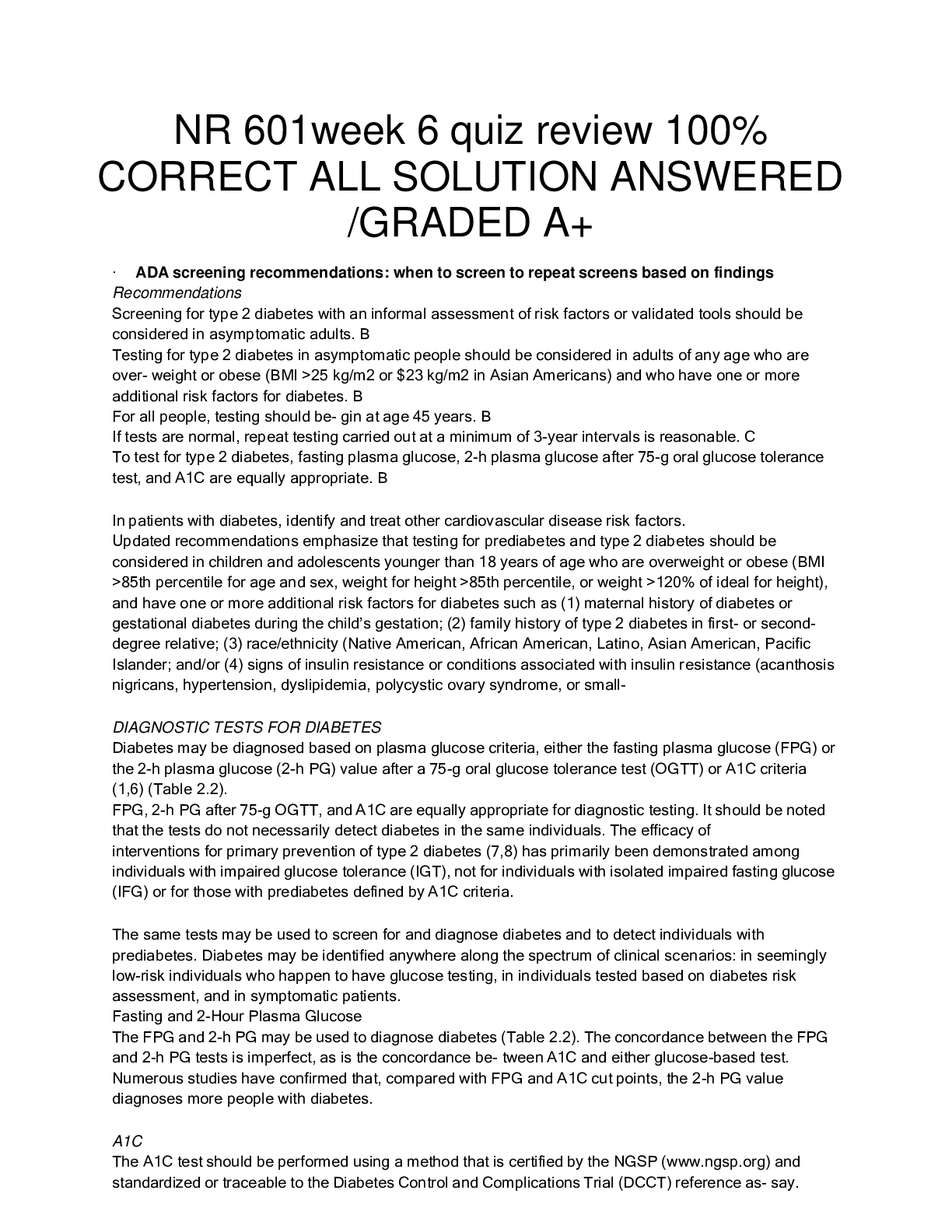
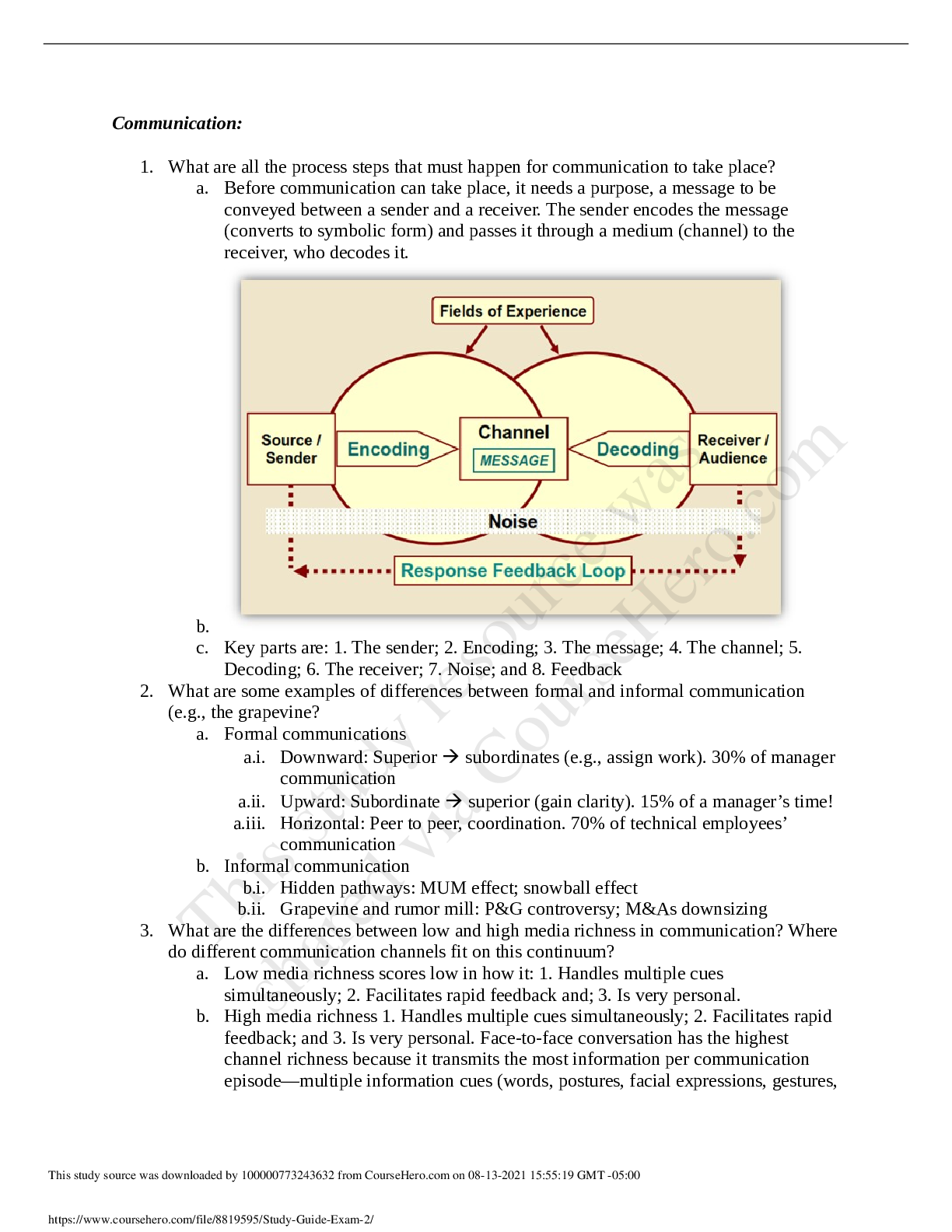
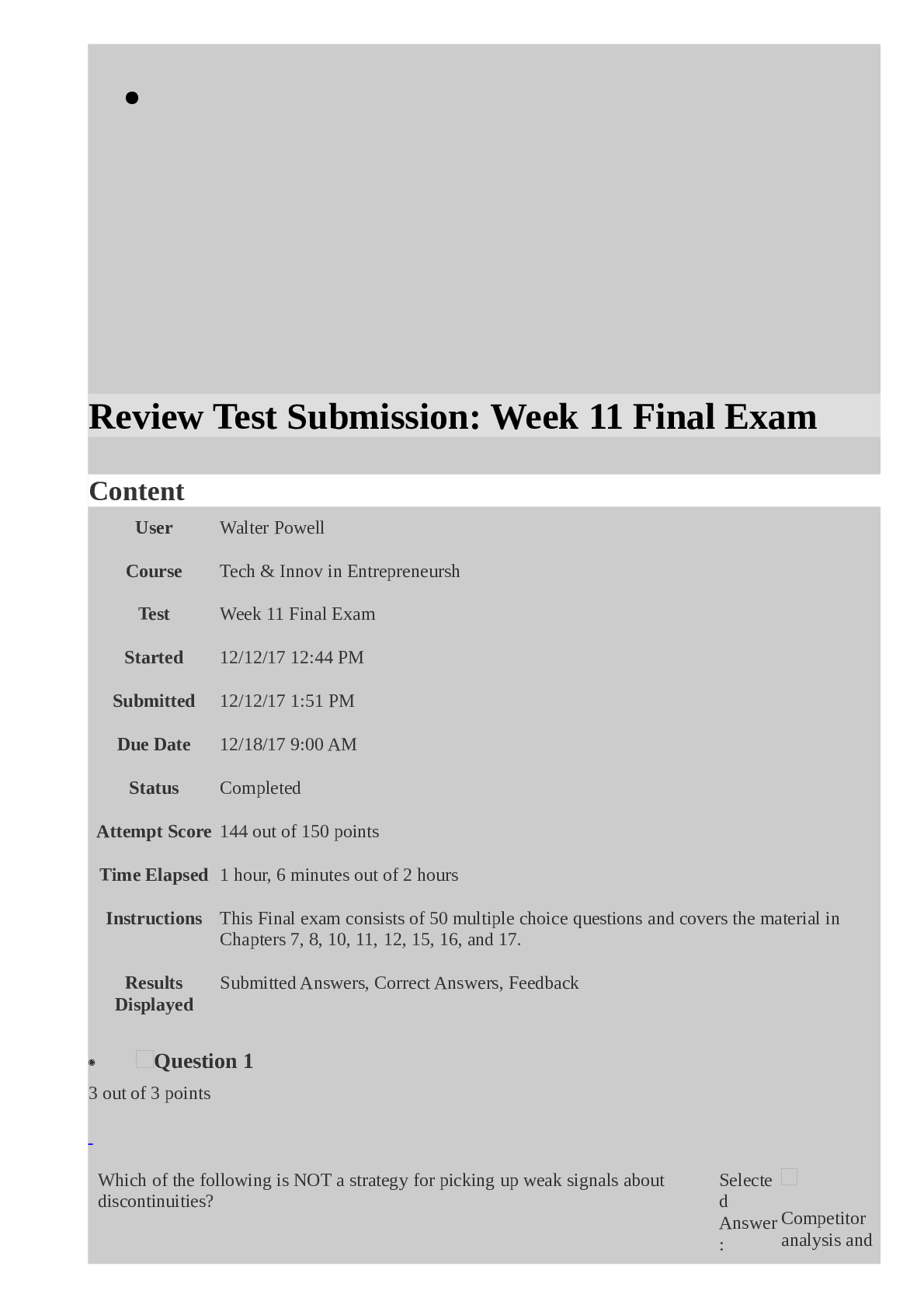
NURSING > EXAM REVIEW > Gerontological Nursing – Exam 2 Review Chapter 11 – Nutrition and Hydration (All)
Gerontological Nursing – Exam 2 Review Chapter 11 – Nutrition and Hydration
Document Content and Description Below
Last updated: 3 years ago
Preview 1 out of 13 pages
Instant download

Buy this Document to get the Full Access Instantly
Provided by Students Who Aced it
We Verify Document Content to Gurantee Accuracy
Reviews( 0 )
Document information
Connected school, study & course
About the document
Uploaded On
Apr 10, 2021
Number of pages
13
Written in
All

Additional information
This document has been written for:
Uploaded
Apr 10, 2021
Downloads
0
Views
183
Topic Tags
Recommended For You
Get more on EXAM REVIEW »
Test Bank for Jonas and Kovners Health Care Delivery in the Un...
Test Bank For LPN to RN Transitions 5th Edition By Lora Claywe...
Test Bank For Phillips’s Manual of I.V. Therapeutics: Evidence...
NURSING 101-chapter 1-11 Exam Questions and Answers 100%Correc...

NR 601 Question Bank / NR601 Test Bank Chapter 1 - 19, 300 Q &...
BIOS 225 Chapter 11 Questions and Answers (Verified Answers...
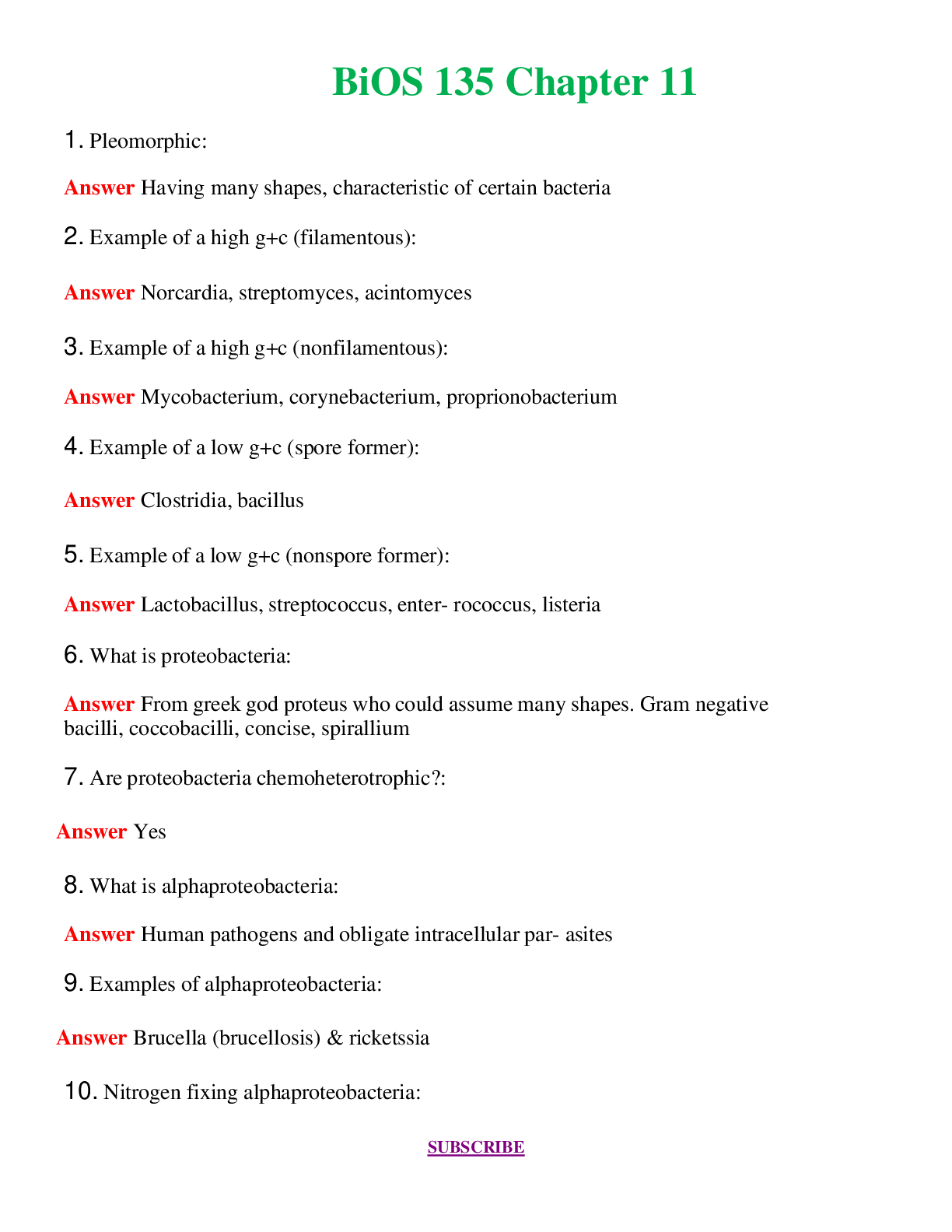
BIOS 135 Chapter 11 Questions and Answers (Verified Answers)
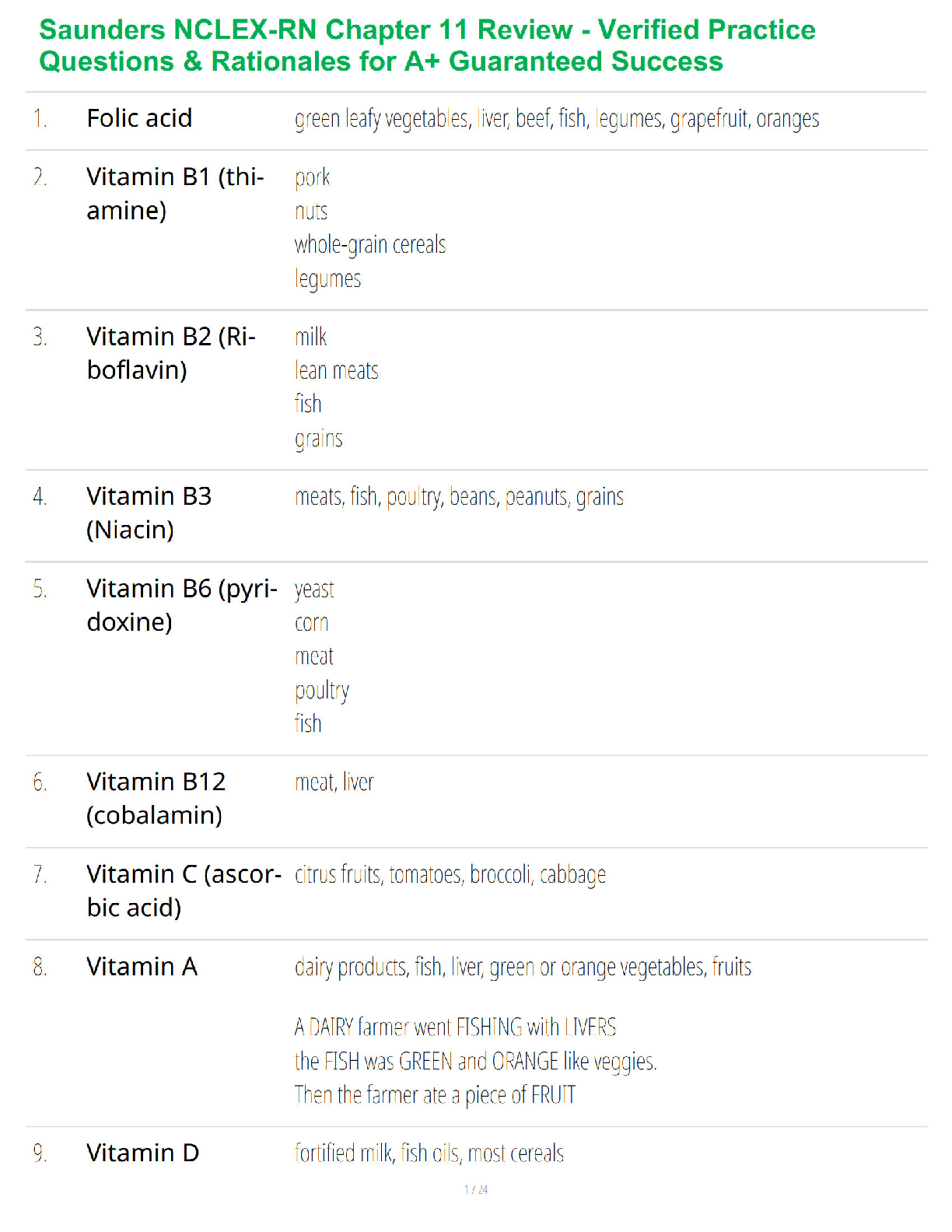

NR602:Chapter 11: Urological and Gynecological Disorders,100%...

Test Bank for Intermediate Accounting, 3rd Edition (Volume 1,...

COMS 101 Quiz chapter 11 (set 3) Liberty University Complete A...
Principles of Financial Accounting (chapter 1-18) 12e Jerry We...
Test Bank for Gardner's Art through the Ages The Western Persp...

Columbia College - FINC 350FINC 350 Chapter 11 - Cost of Capit...
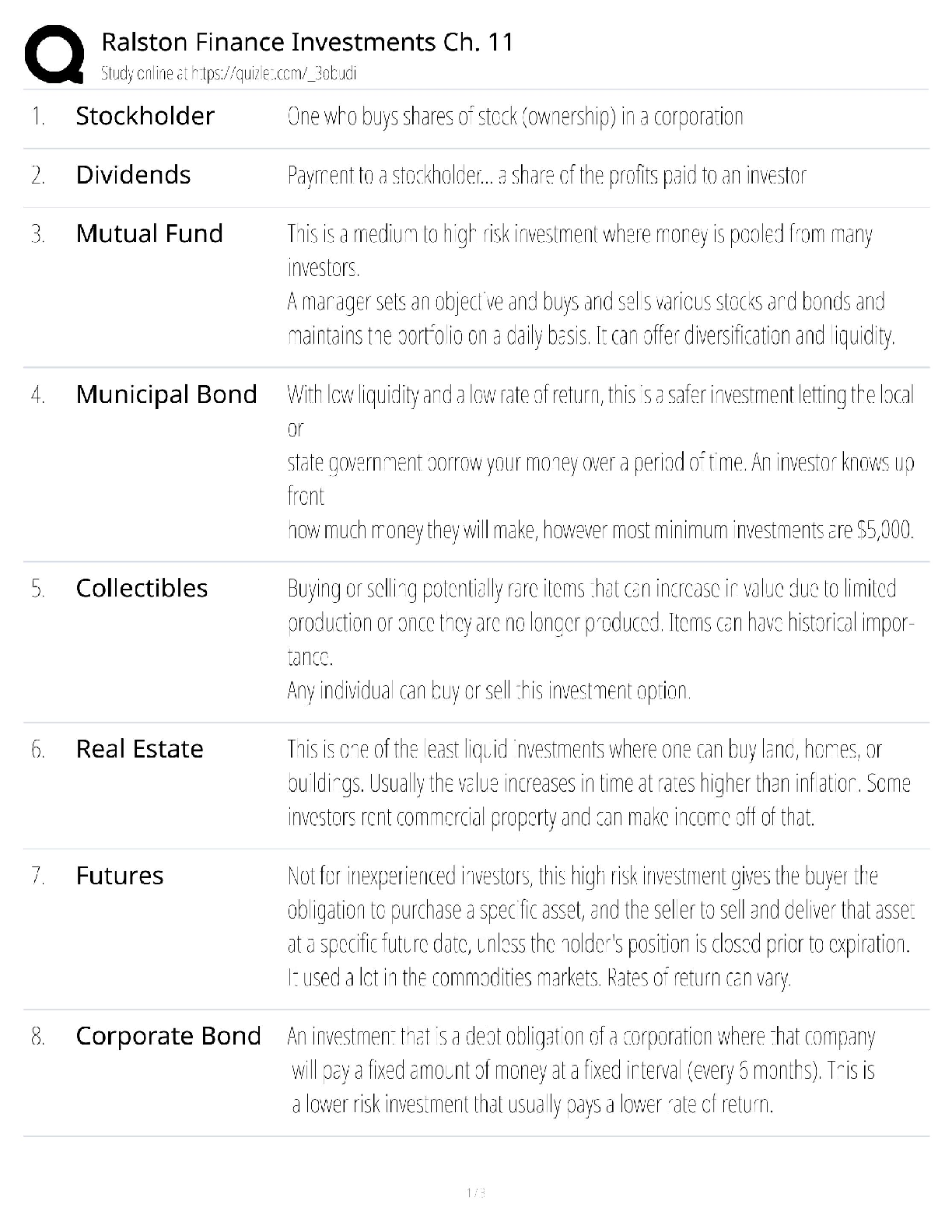
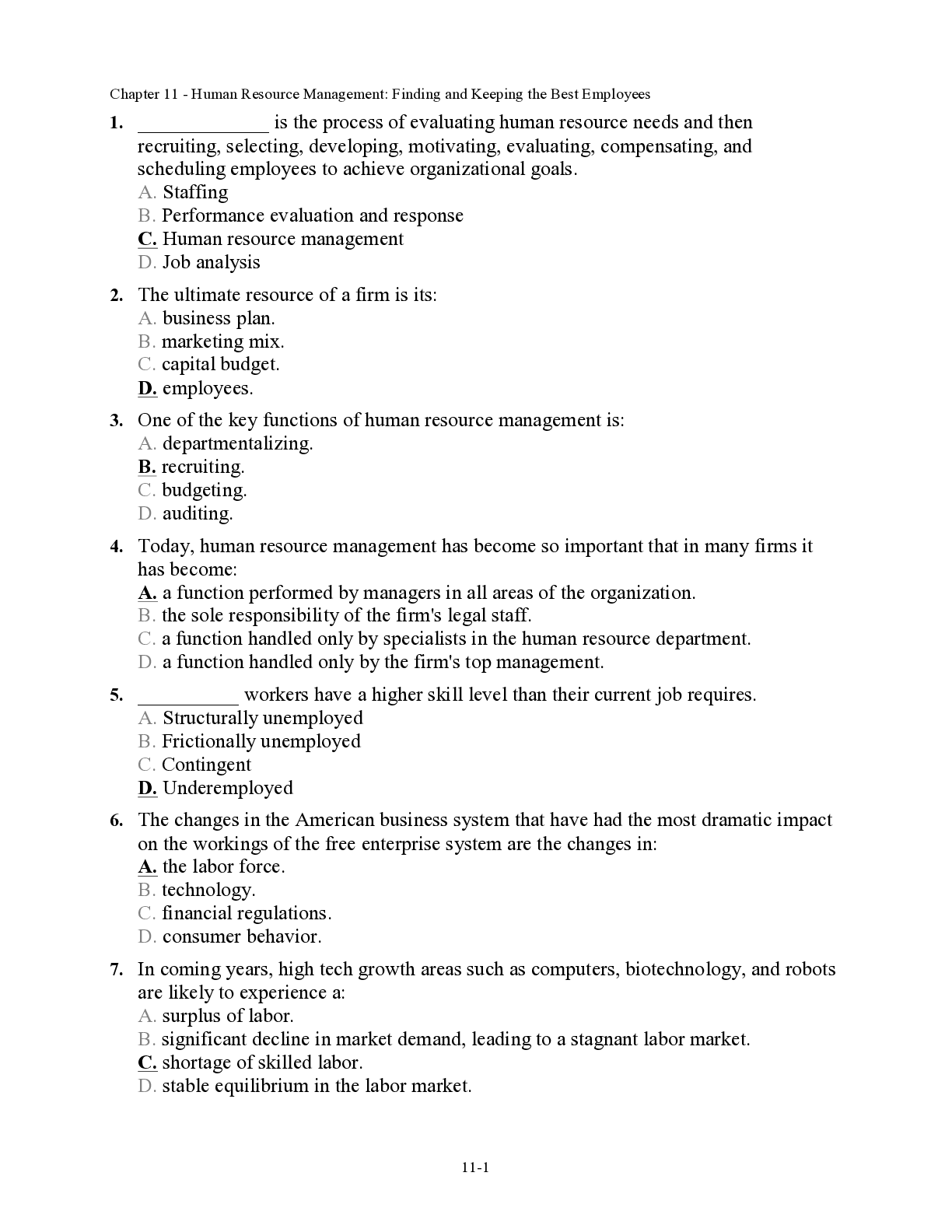
Chapter 11 Human Resource Management Finding and Keeping the B...
.png)
Nova Southeastern University - ISM 5150Chapter 11-Managing IT...

CHAPTER 11 MEMBRANE STRUCTURE Southern Methodist University -...
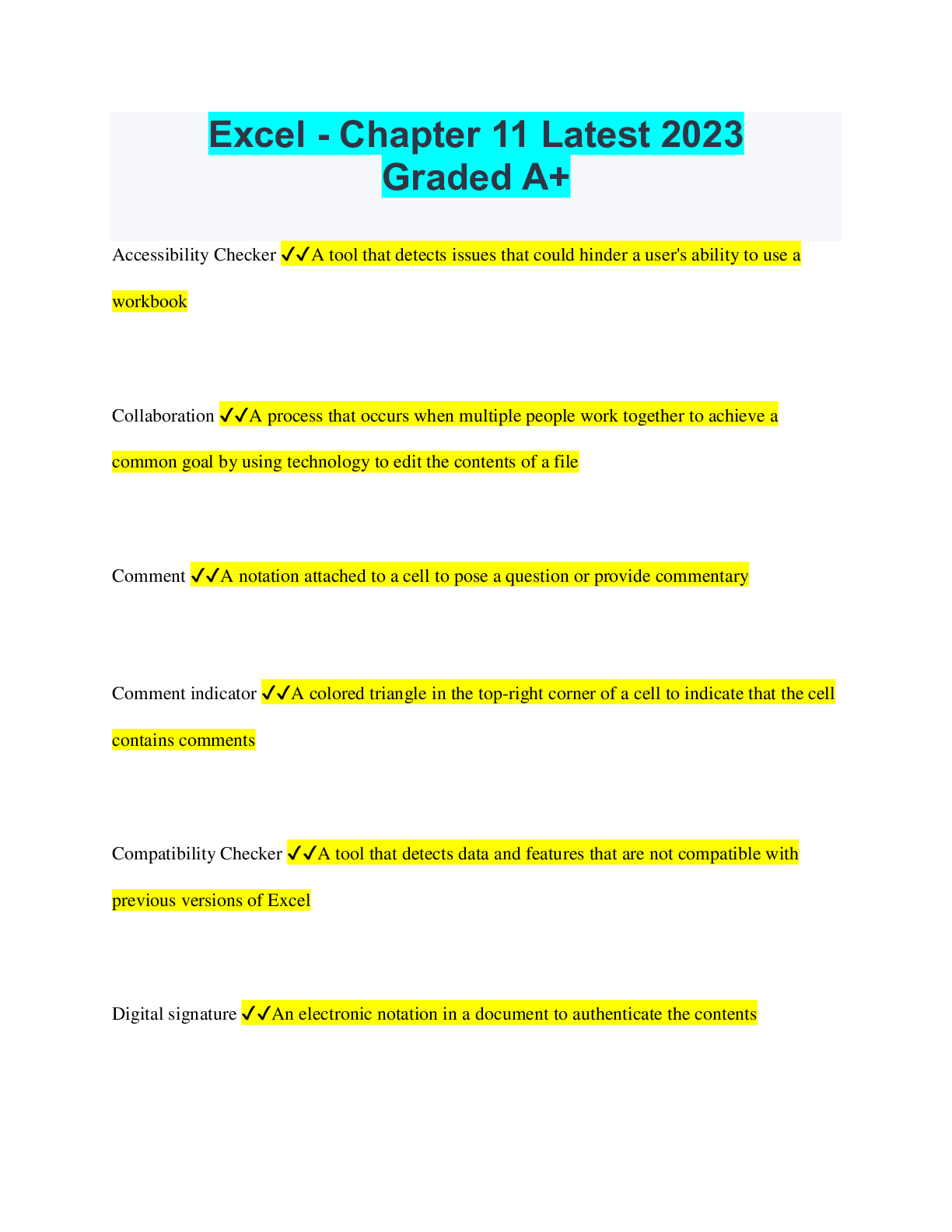

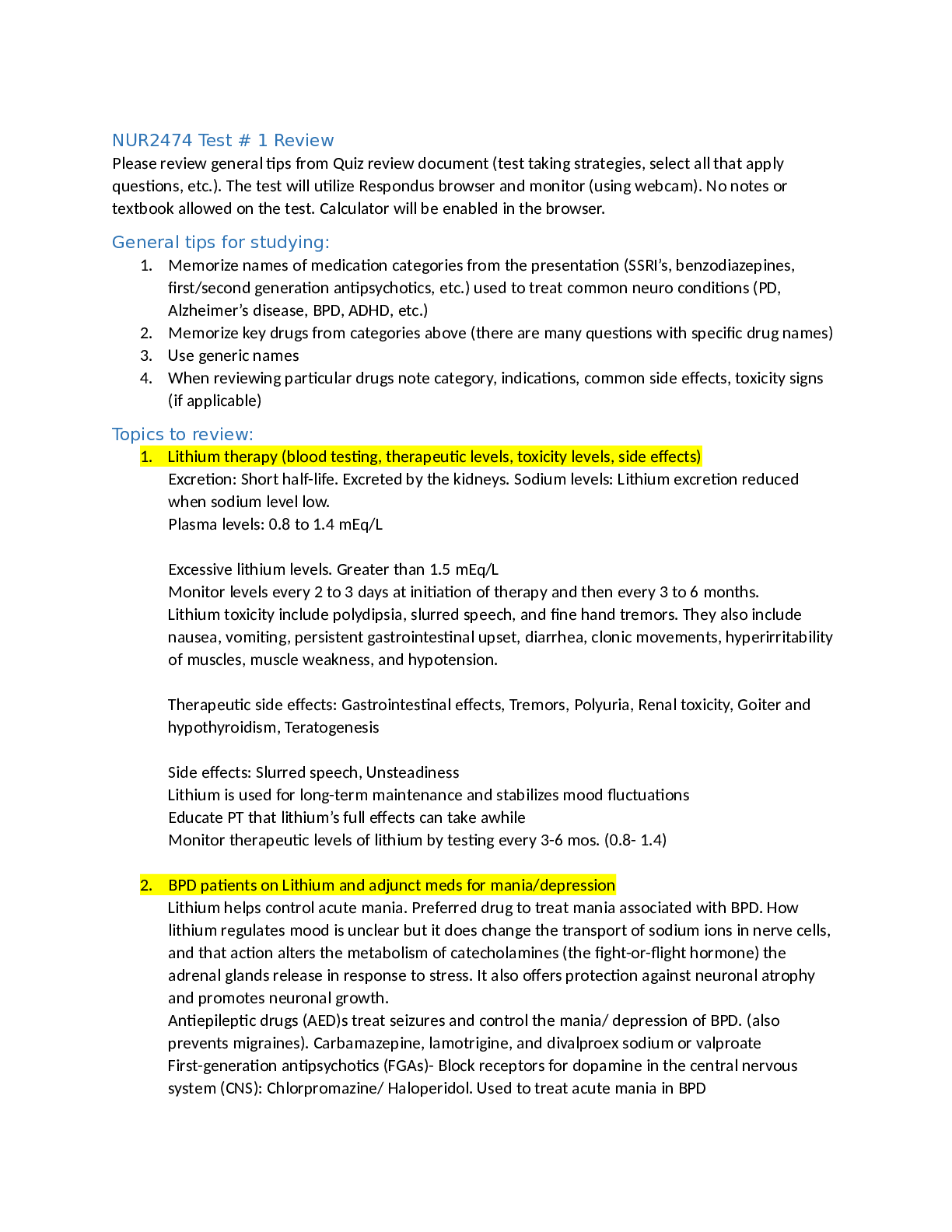
.png)