NURSING > QUESTIONS & ANSWERS > NR602:Chapter 11: Urological and Gynecological Disorders,100% CORRECT (All)
NR602:Chapter 11: Urological and Gynecological Disorders,100% CORRECT
Document Content and Description Below
Last updated: 6 months ago
Preview 1 out of 4 pages
Instant download

Buy this Document to get the Full Access Instantly
Provided by Students Who Aced it
We Verify Document Content to Gurantee Accuracy
Reviews( 0 )
Document information
Connected school, study & course
About the document
Uploaded On
Feb 14, 2022
Number of pages
4
Written in
All

Additional information
This document has been written for:
Uploaded
Feb 14, 2022
Downloads
0
Views
114
Topic Tags
Related Subjects & Courses
Explore similar study resources and related concepts.
Recommended For You
Get more on QUESTIONS & ANSWERS »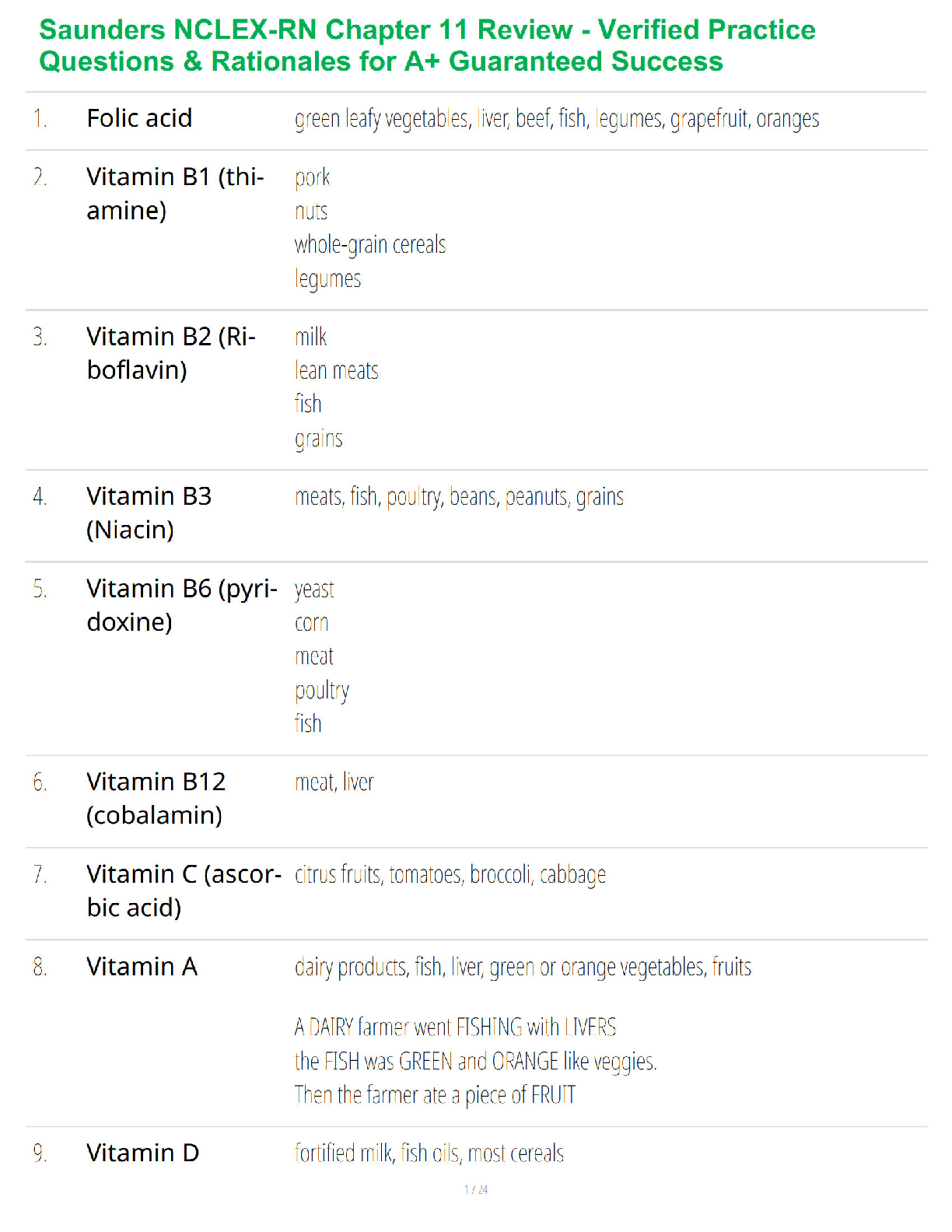
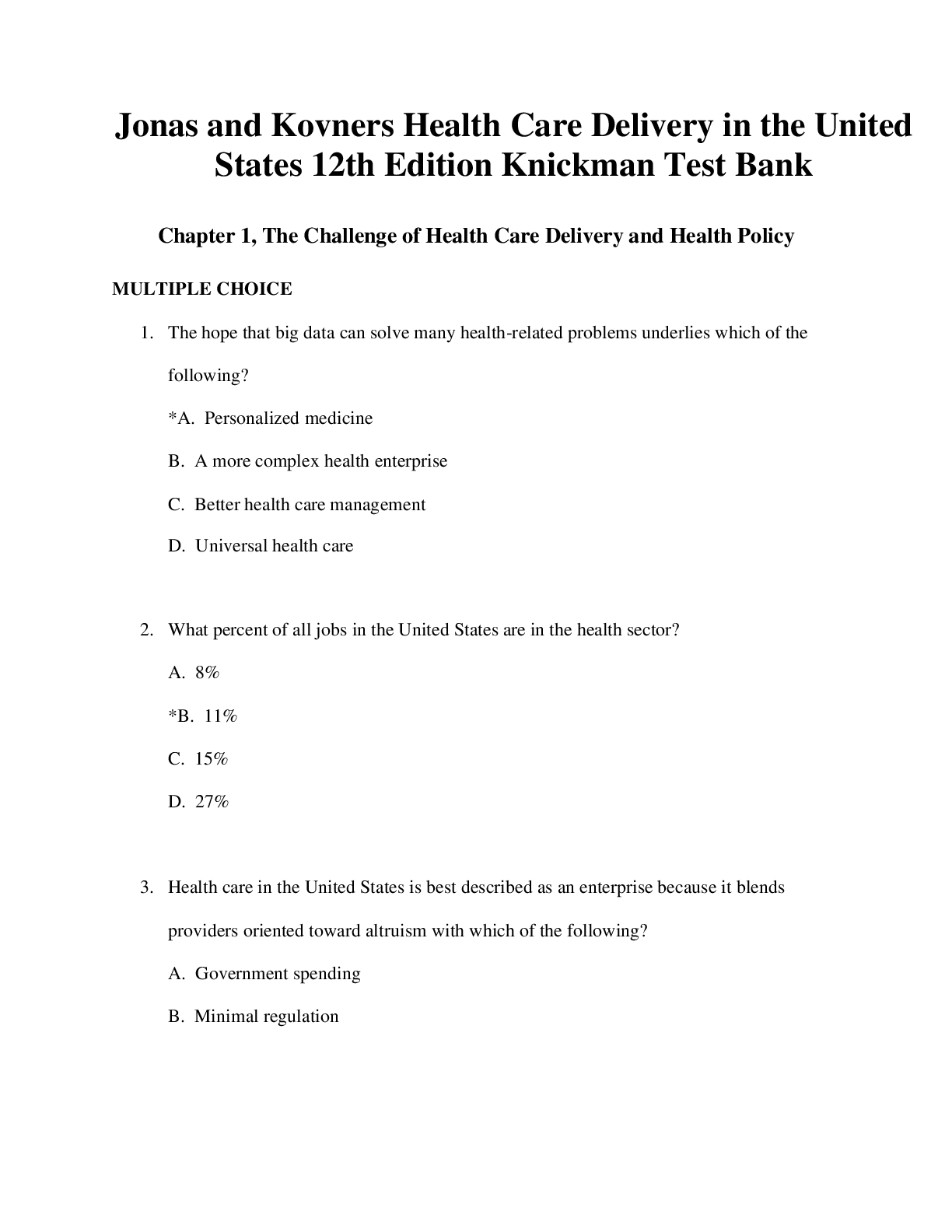
Test Bank for Jonas and Kovners Health Care Delivery in the Un...
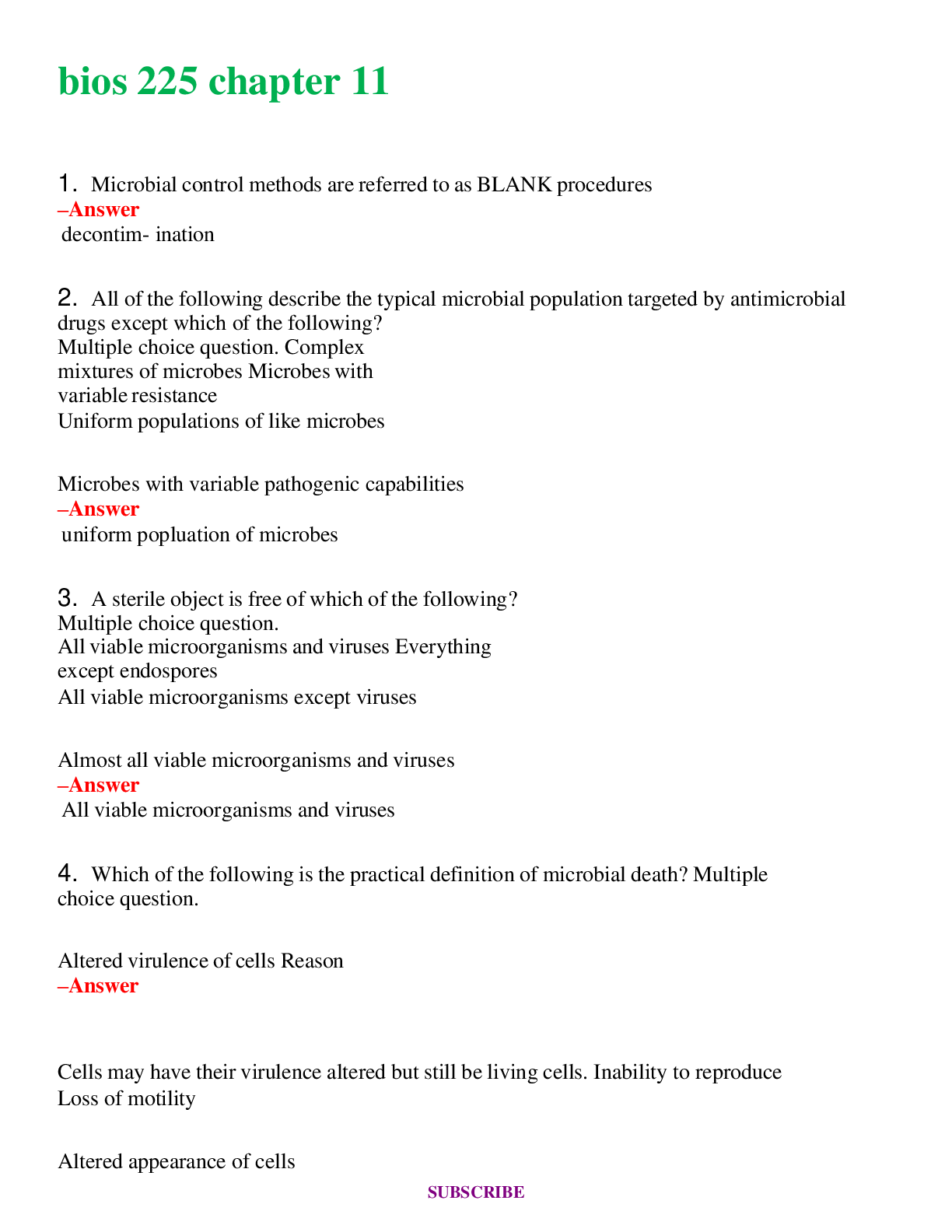
BIOS 225 Chapter 11 Questions and Answers (Verified Answers...
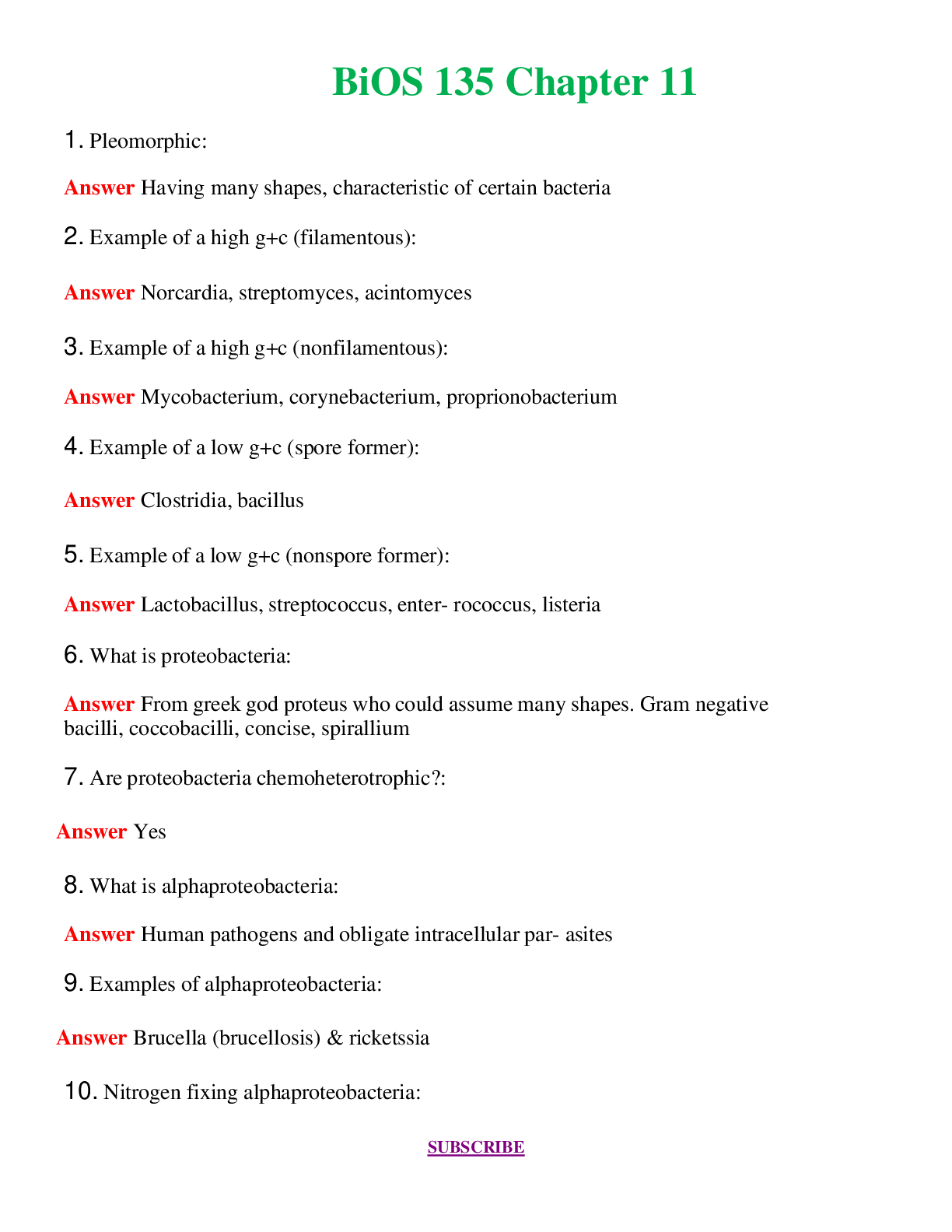
BIOS 135 Chapter 11 Questions and Answers (Verified Answers)
Test Bank Chapter 11 Depreciation, Impairments, and Depletion.
Test Bank Chapter 11 Depreciation, Impairments, and Depletion.
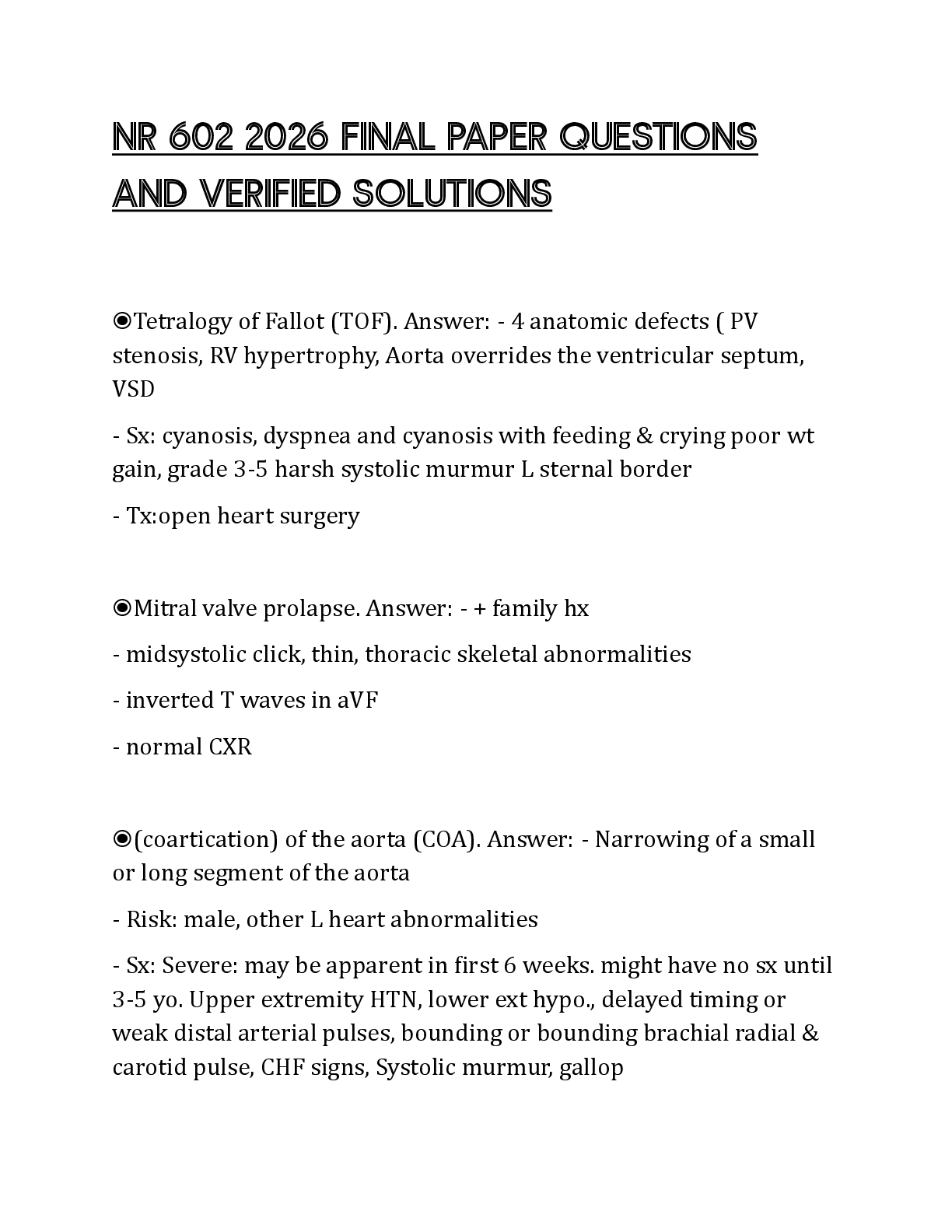
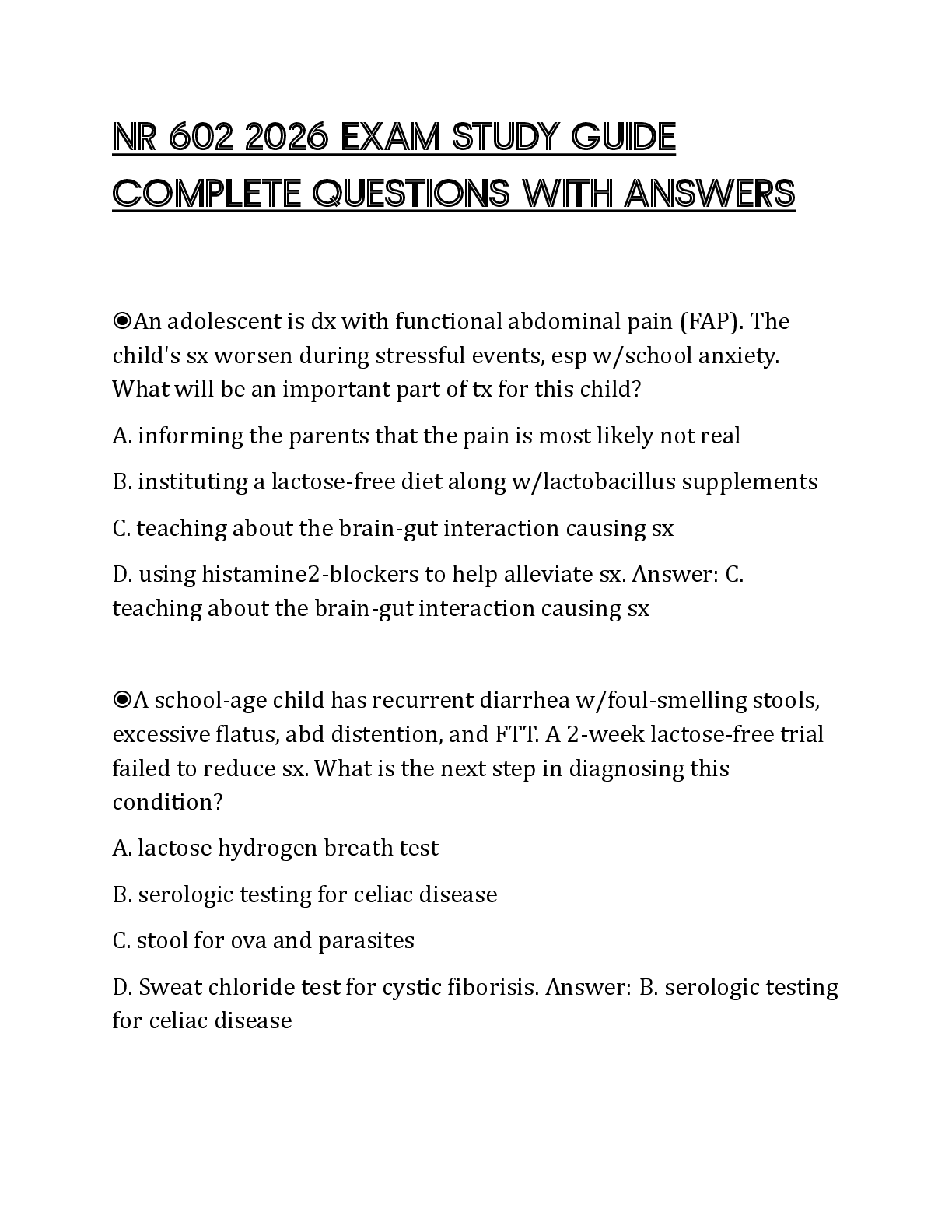
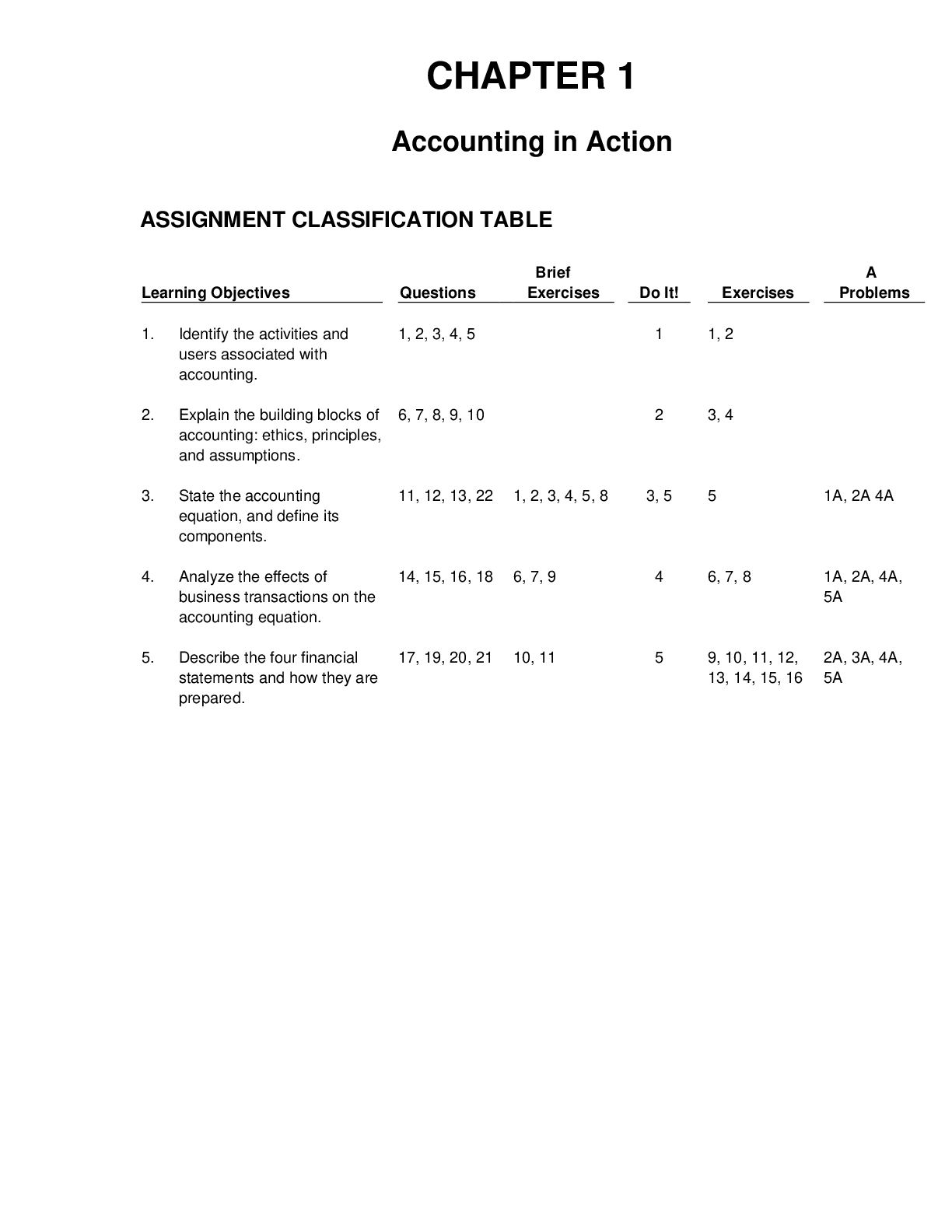
Principles of Financial Accounting (chapter 1-18) 12e Jerry We...
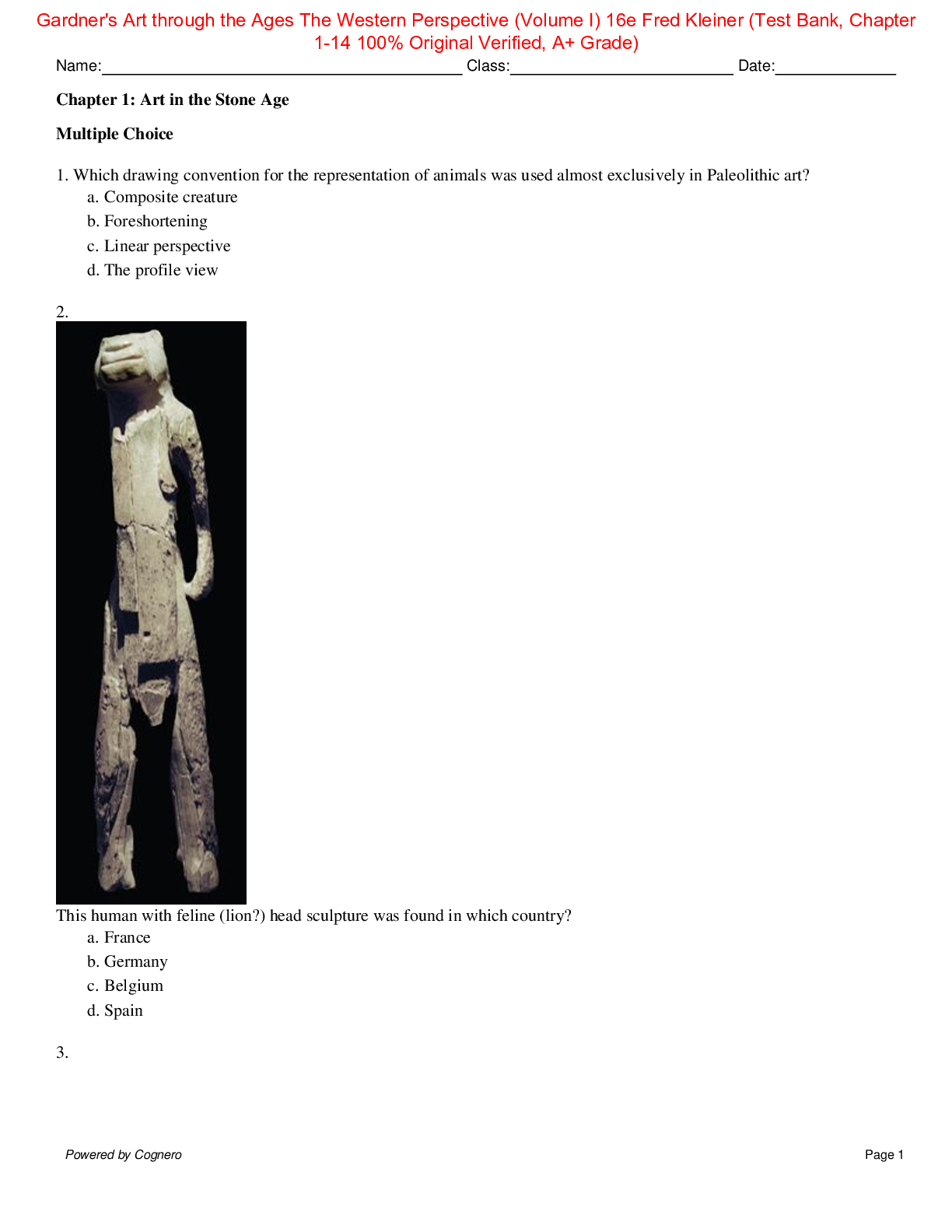
Test Bank for Gardner's Art through the Ages The Western Persp...
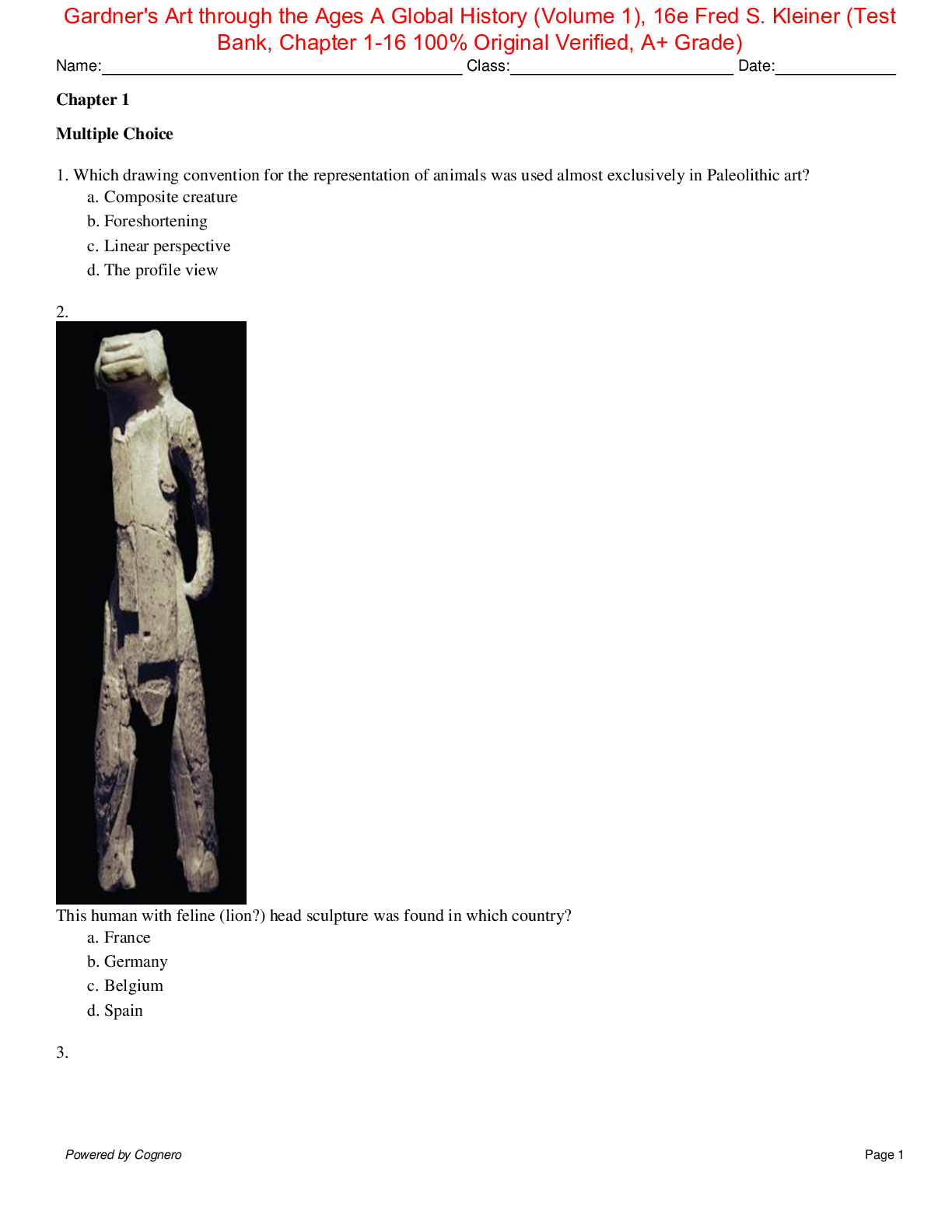
Test Bank for Gardner's Art through the Ages A Global History...
![Preview of WEEK **5 [Chamberlain university]NR 602 IHUMAN Case Week #5 Deborah Arnaudin 54 Year Old](https://browseimages.nyc3.digitaloceanspaces.com/paper-images/2026/03/31/zbQKePwt2026-03-31-11-4669cc328fcad96.png)