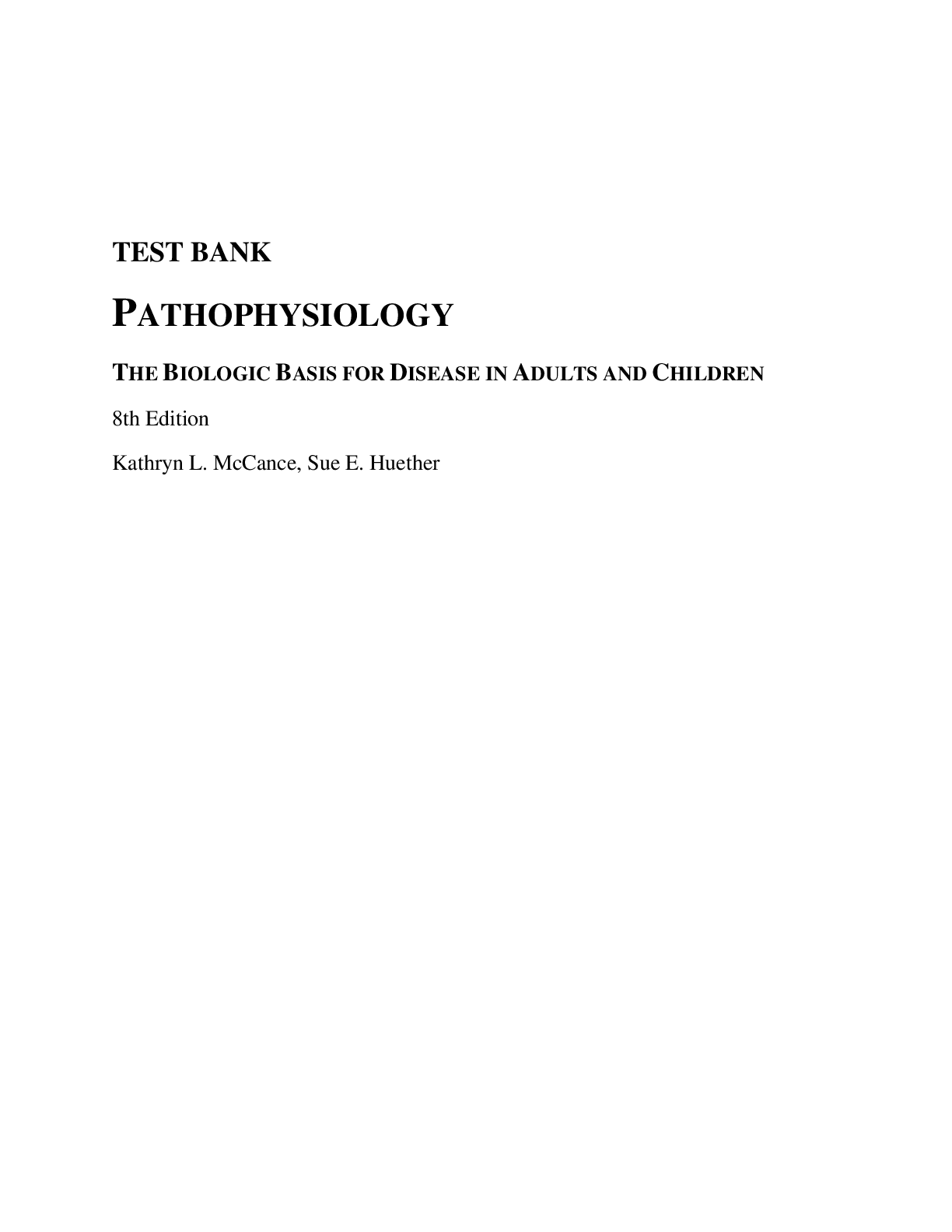
Physiology > TEST BANKS > General physiology MULTIPLE CHOICE QUESTIONS ( ALL ANSWERS CORRECT ) (All)
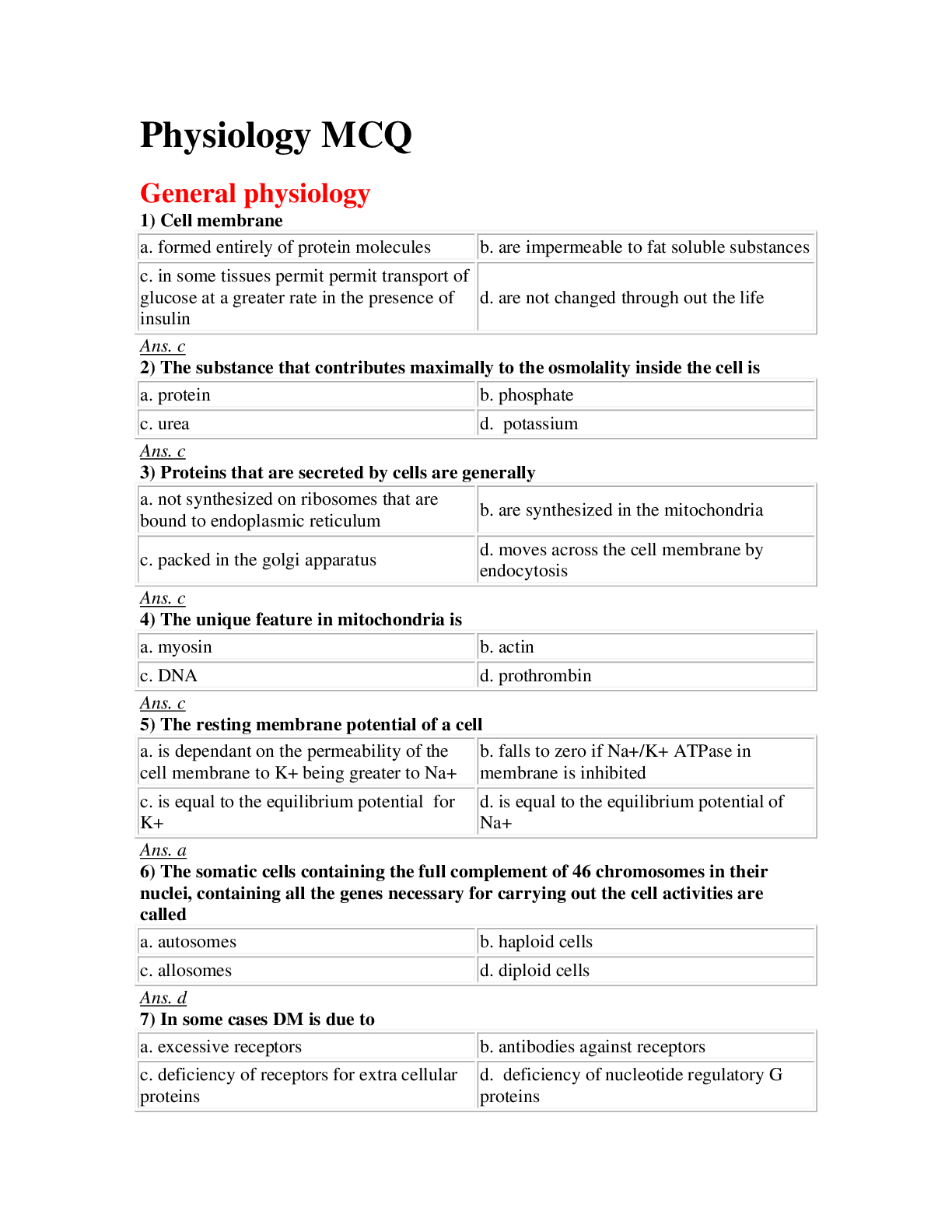
General physiology MULTIPLE CHOICE QUESTIONS ( ALL ANSWERS CORRECT )
Document Content and Description Below
Last updated: 6 months ago
Preview 1 out of 20 pages
Instant download
Buy this Document to get the Full Access Instantly
Provided by Students Who Aced it
We Verify Document Content to Gurantee Accuracy
Reviews( 0 )
Document information
Connected school, study & course
About the document
Uploaded On
Apr 13, 2021
Number of pages
20
Written in
All

Additional information
This document has been written for:
Uploaded
Apr 13, 2021
Downloads
0
Views
367
Topic Tags
Recommended For You
Get more on TEST BANKS »
Test Bank for Psychology in Your Life 2nd Edition by Sarah Gri...

Abnormal Psychology 1st Edition By Ann M. Kring et al (Test Ba...


TEST BANK for Human Physiology: An Integrated Approach 6th Edi...
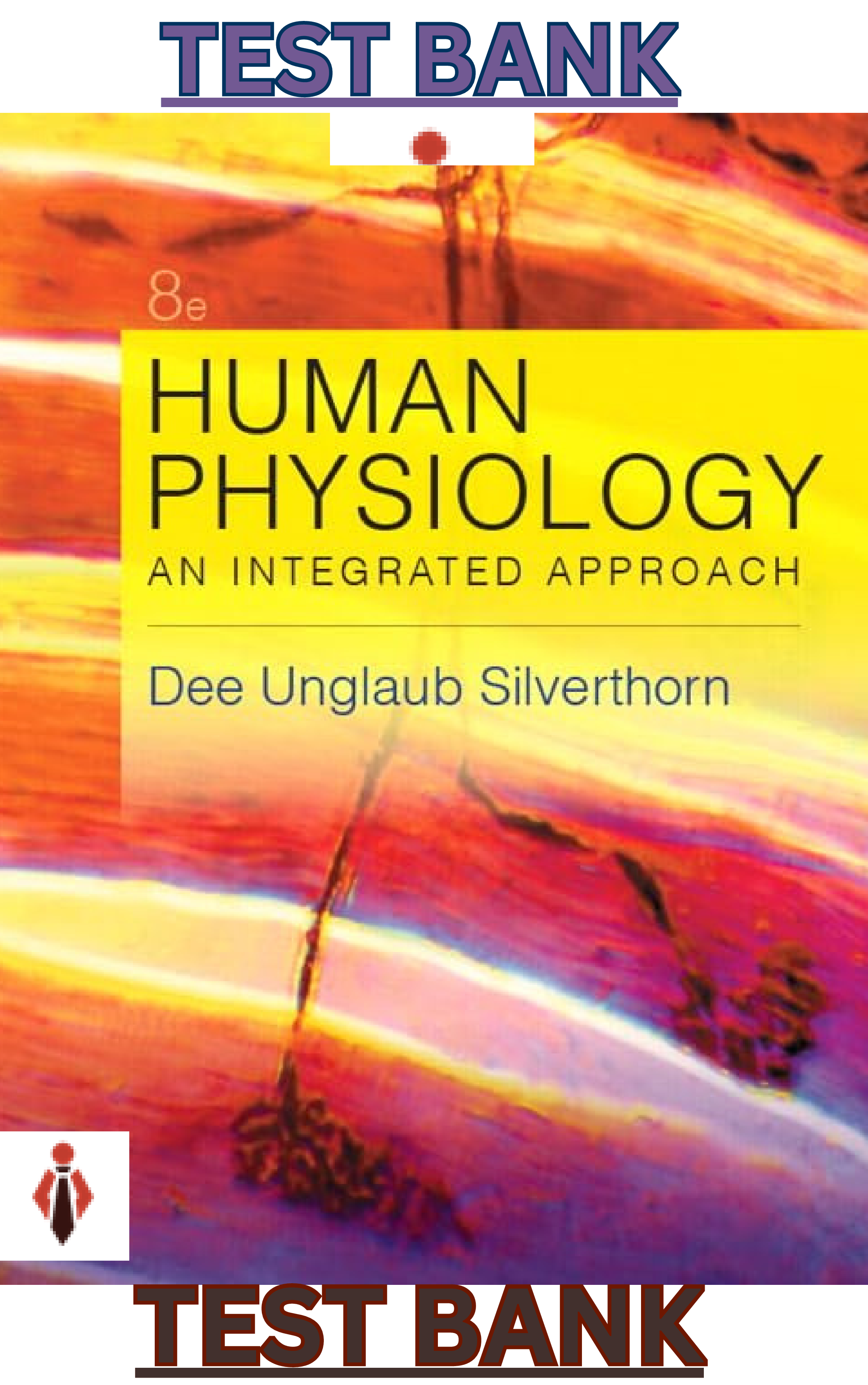
TEST BANK for Human Physiology: An Integrated Approach 8th Edi...
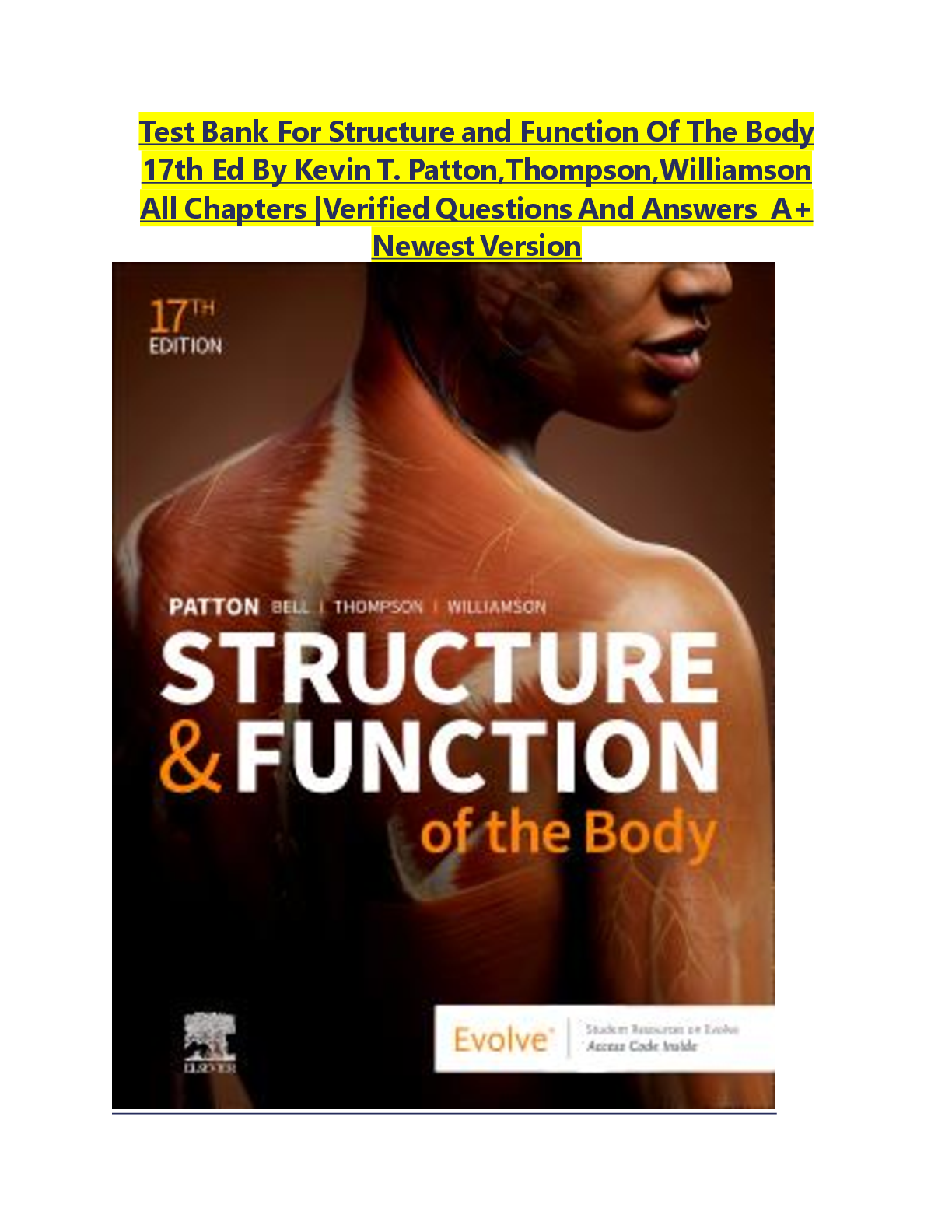
Test Bank For Structure and Function Of The Body 17th Ed By Ke...

Focused Exam_ Schizophrenia _ Completed _ Shadow Health object...
Focused Exam | Shadow Health Eric Ford- Schizophrenia | comple...


Exam II Study Guide - Psych 3460 - Intro to Health Psychology...
.png)
University of Rochester - BCS 110BCS Notes 110 BEST STUDY NOTE...


-Hesi-Anatomy-and-physiology-(Complete-Answers).png)




.png)
.png)
.png)
.png)
.png)
.png)
.png)