NURSING > QUESTIONS and ANSWERS > RN Concept-Based Assessmente Practice [100% correct and verified] (All)
RN Concept-Based Assessmente Practice [100% correct and verified]
Document Content and Description Below
Last updated: 3 years ago
Preview 1 out of 1 pages
Instant download
![Preview of RN Concept-Based Assessmente Practice [100% correct and verified]](https://scholarfriends.com/storage/RN_Concept_Based_Assessment_Level_3_Online_Practice_A__dragged_.png)
Buy this Document to get the Full Access Instantly
Provided by Students Who Aced it
We Verify Document Content to Gurantee Accuracy
Reviews( 0 )
Document information
Connected school, study & course
About the document
Uploaded On
Apr 18, 2021
Number of pages
1
Written in
All

Additional information
This document has been written for:
Uploaded
Apr 18, 2021
Downloads
0
Views
114
Topic Tags
Related Subjects & Courses
Explore similar study resources and related concepts.
Recommended For You
Get more on QUESTIONS and ANSWERS »
Test Bank for PRINCIPLES OF HUMAN PHYSIOLOGY 4TH EDITION by Ci...

NR 661 Week 3 APEA Module: Endocrine / Disorders – APEA Practi...
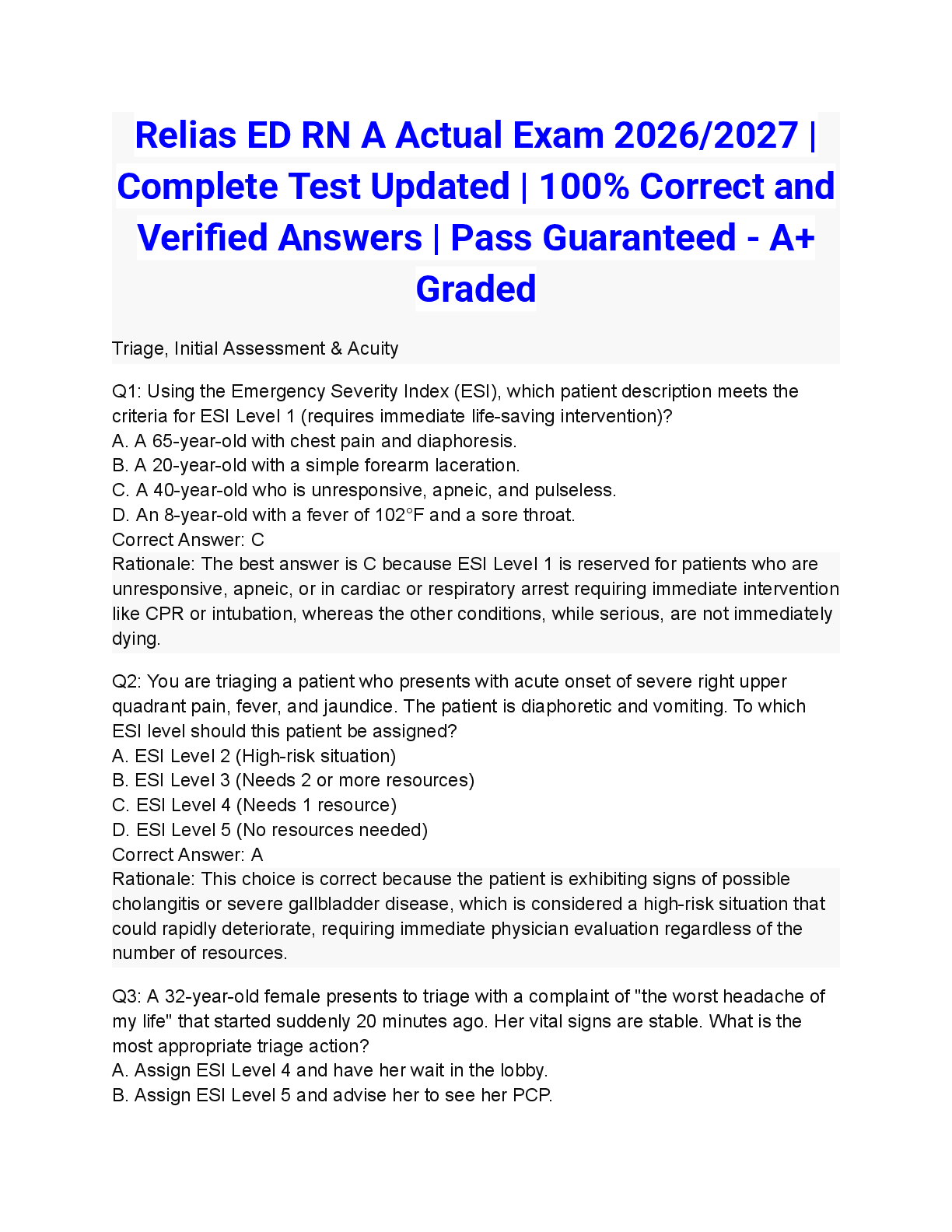
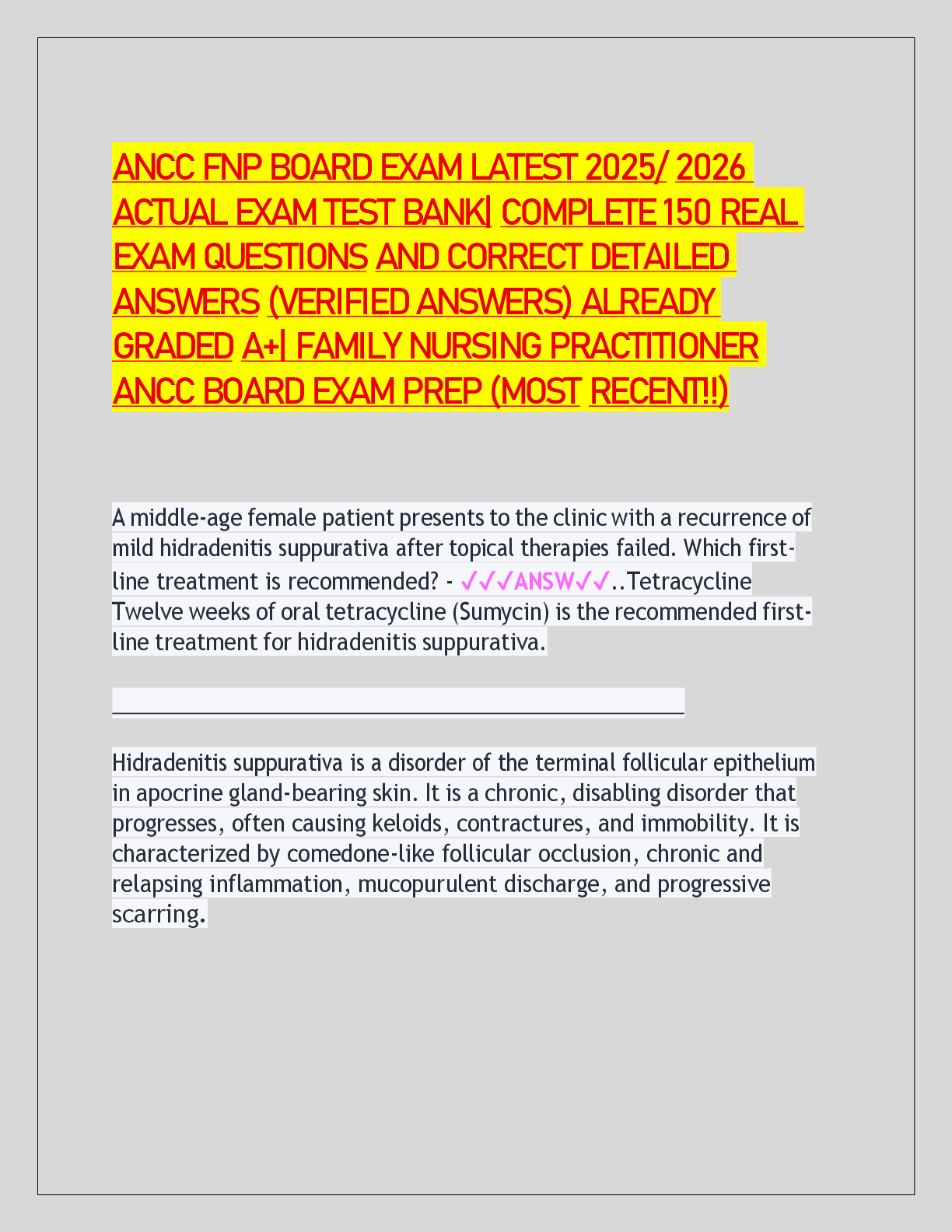
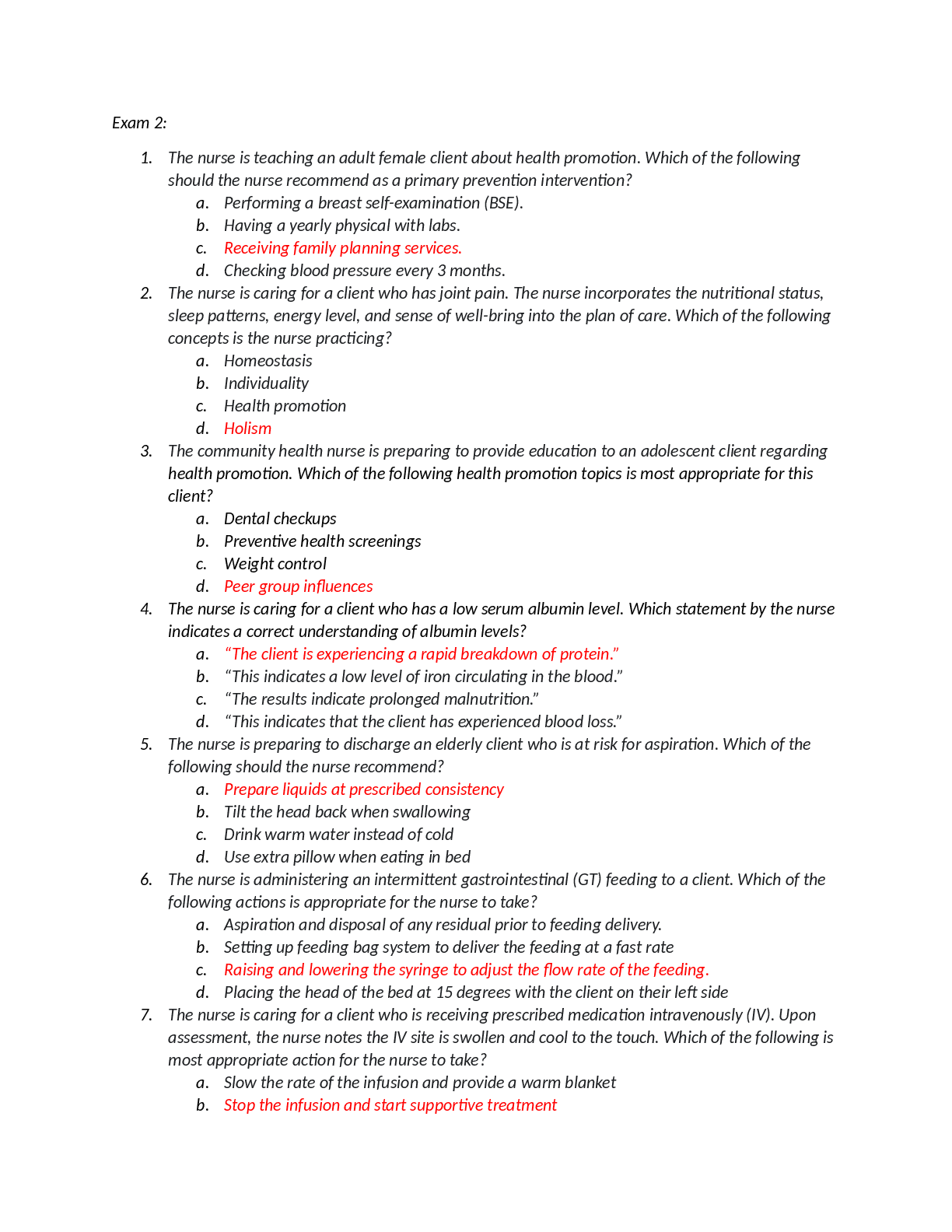
Galen College of Nursing Foundations Of Nursing: NUR 155 Exam...
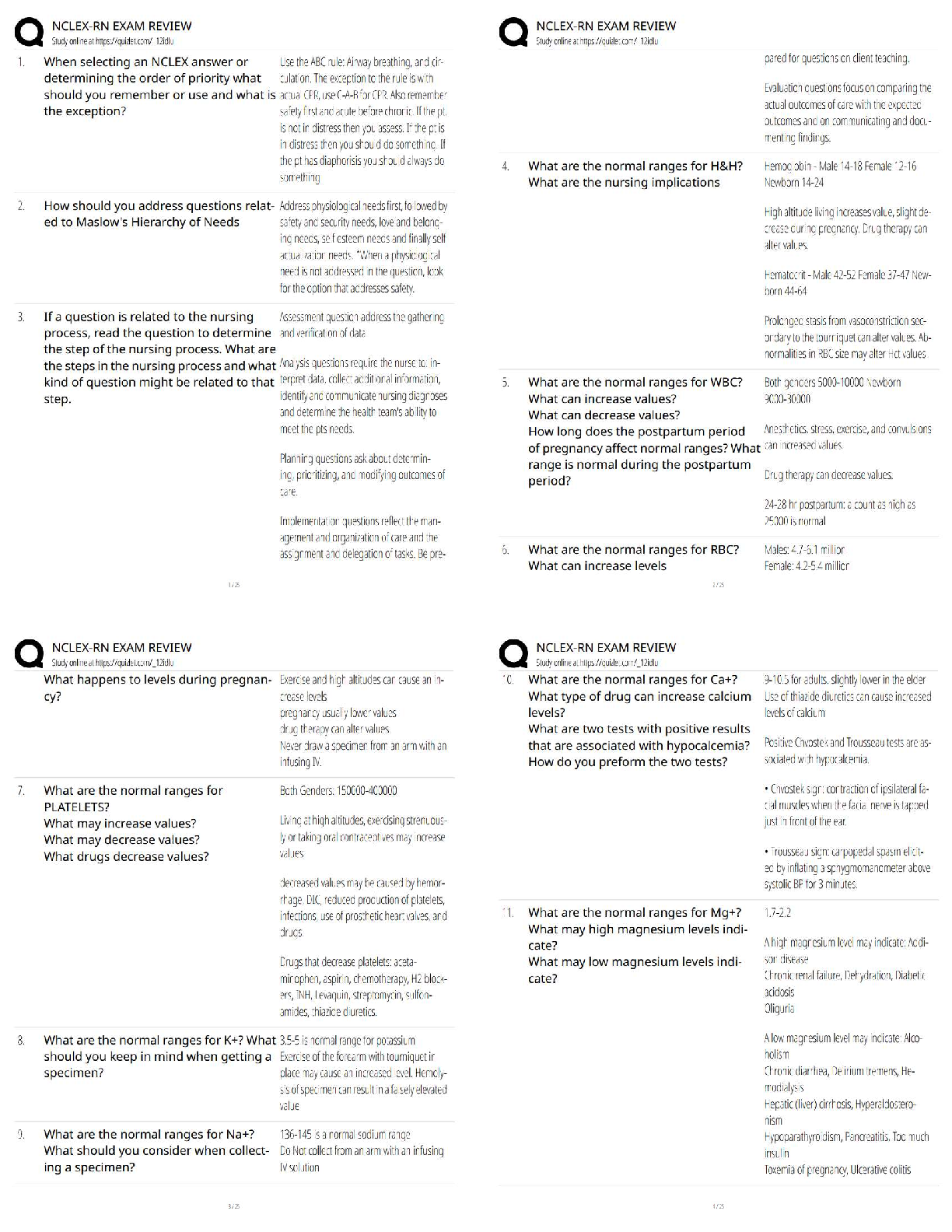
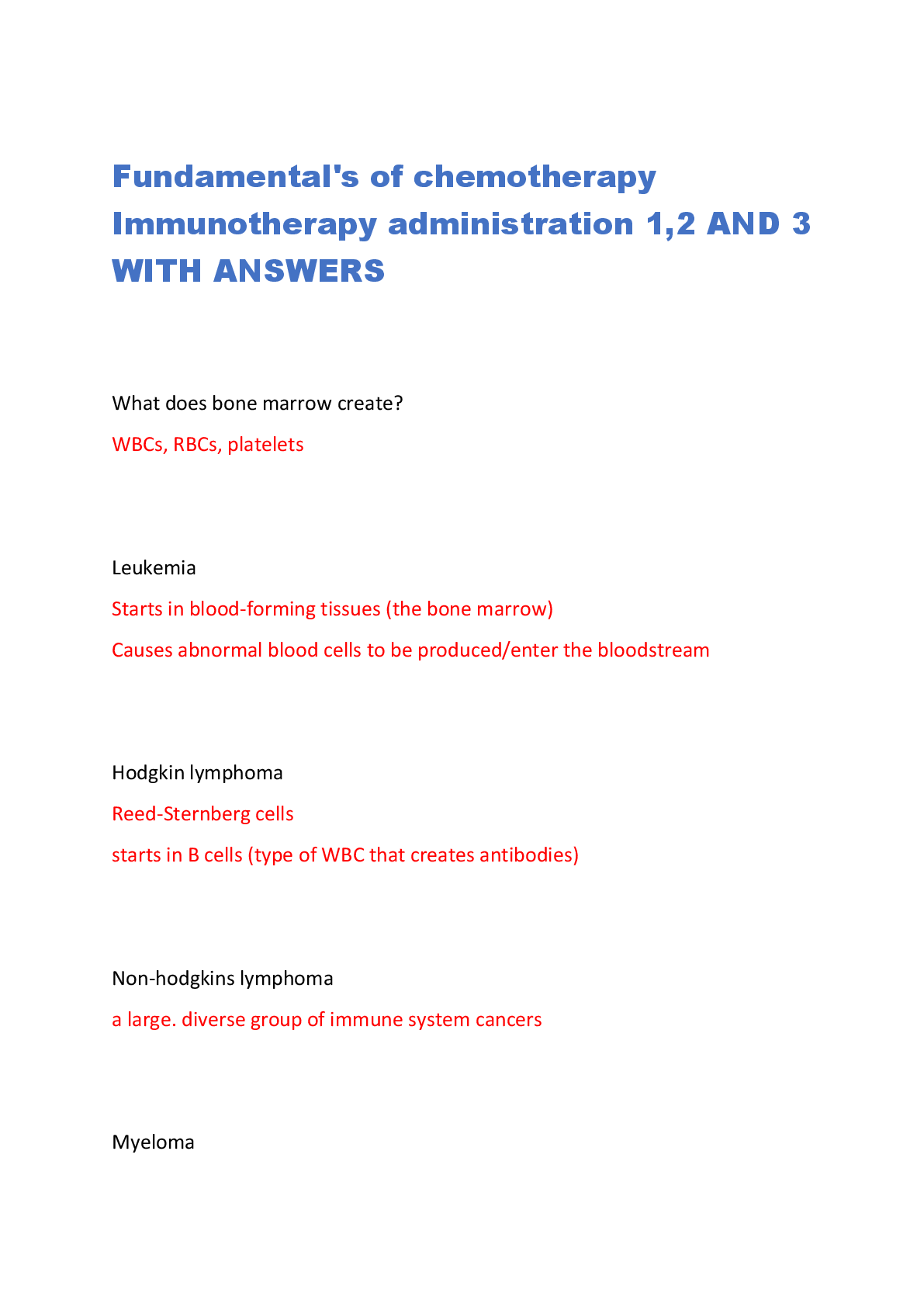
Fundamental's of chemotherapy Immunotherapy administration 1,2...
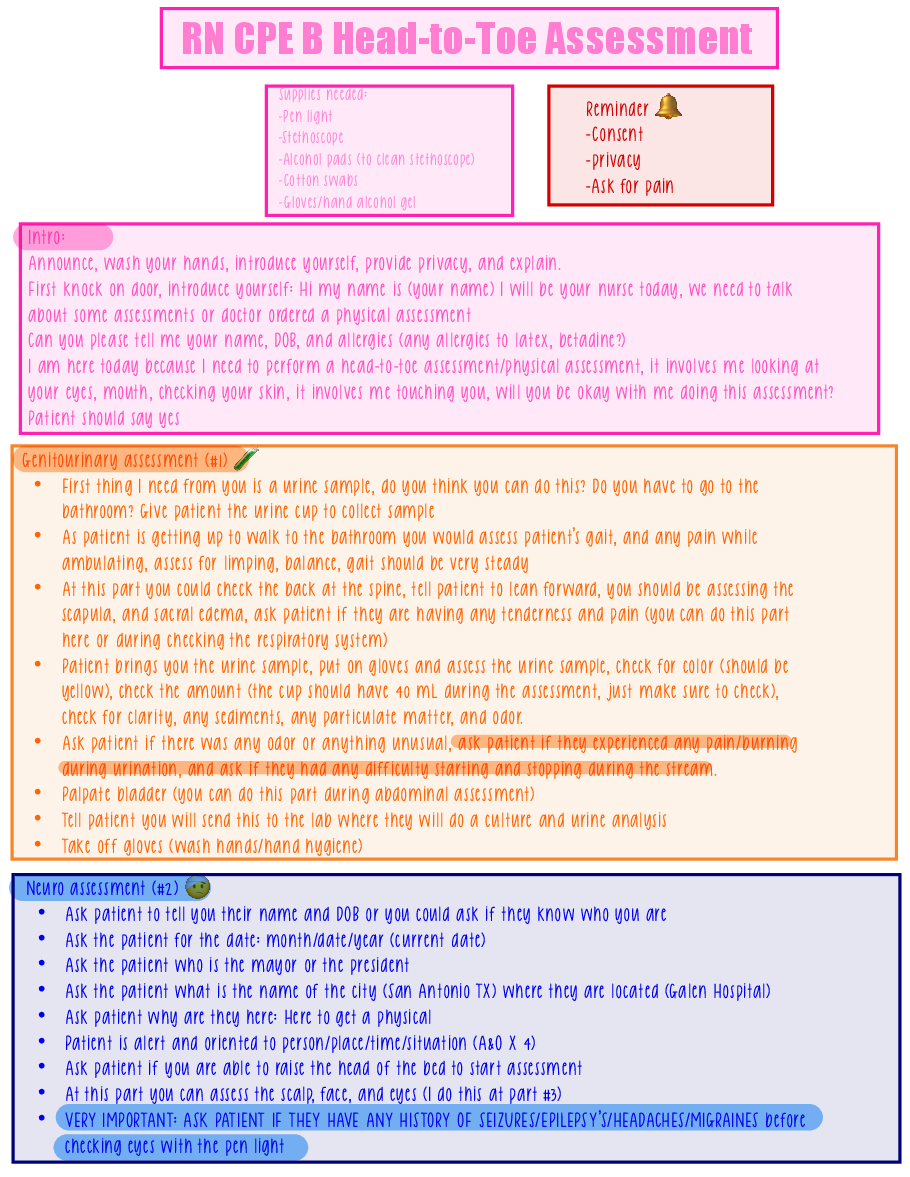



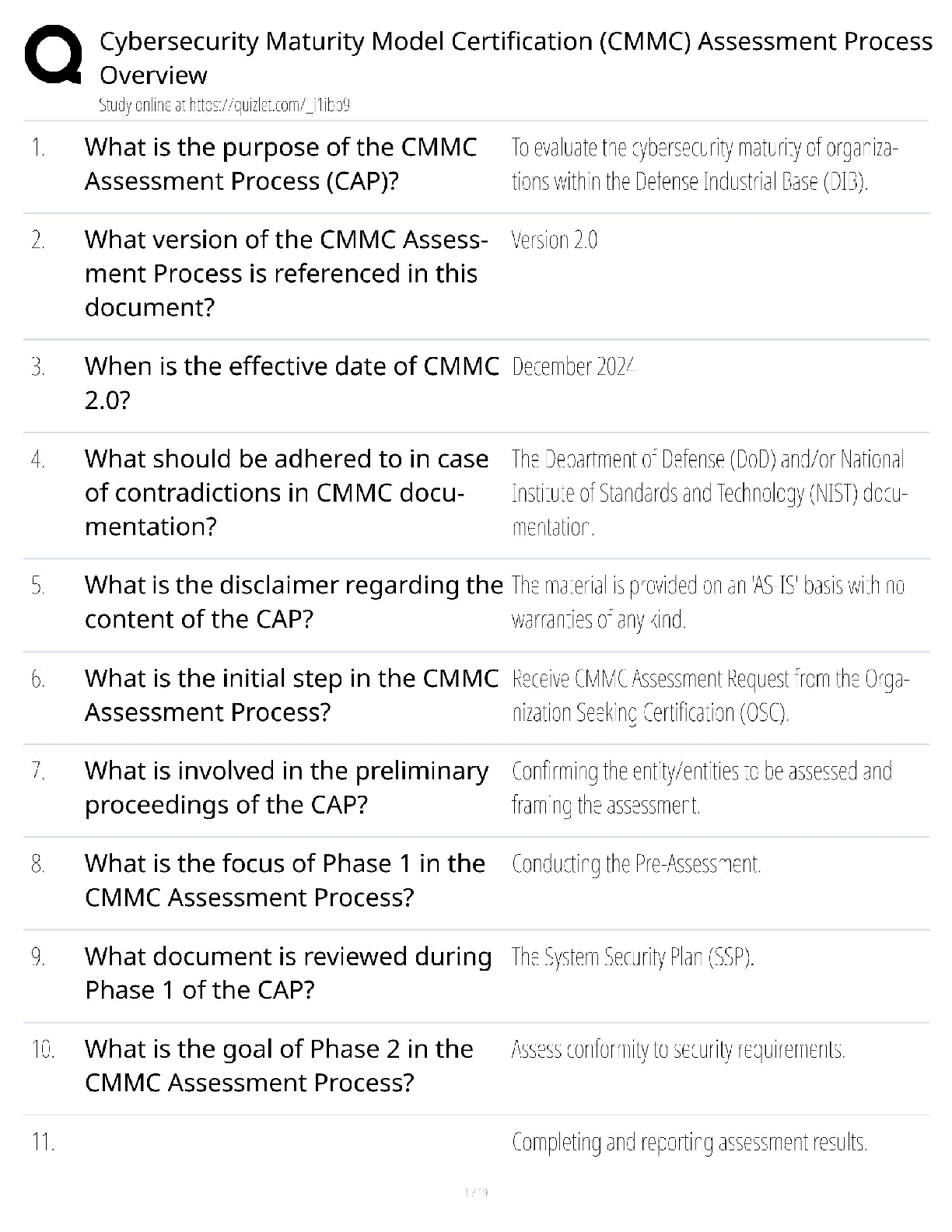
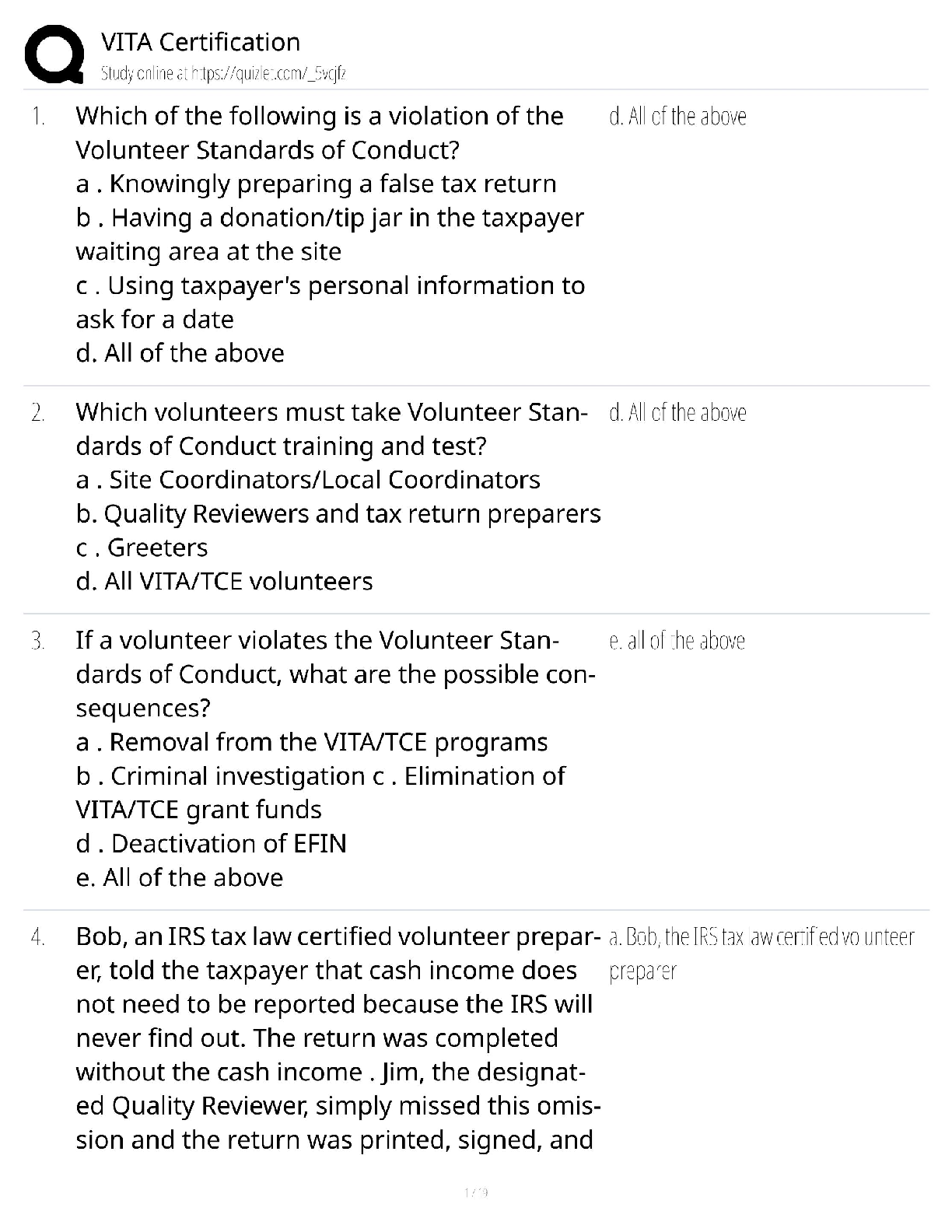
.png)
.png)

.png)
![Preview of ATI Comprehensive Exit Exam.[correct questions and answers verified 100%]](https://scholarfriends.com/storage/ATI_Comprehensive_Exit_Exam.png)
![Preview of [NURSING LP N 100].ATI Med-Surg Test Banks .COMPLETE TEST QUESTIONS AND ANSWERS RATED [A]](https://scholarfriends.com/storage/ATI_Med_Surg.png)


