NURSING > QUESTIONS and ANSWERS > NURSING 219 Nutrition ATI remediation 1 latest version 2021 Southeastern (All)
NURSING 219 Nutrition ATI remediation 1 latest version 2021 Southeastern
Document Content and Description Below
Last updated: 3 years ago
Preview 1 out of 9 pages
Instant download
.png)
Buy this Document to get the Full Access Instantly
Provided by Students Who Aced it
We Verify Document Content to Gurantee Accuracy
Reviews( 0 )
Document information
Connected school, study & course
About the document
Uploaded On
Jun 26, 2021
Number of pages
9
Written in
All

Additional information
This document has been written for:
Uploaded
Jun 26, 2021
Downloads
0
Views
178
Topic Tags
Recommended For You
Get more on QUESTIONS and ANSWERS »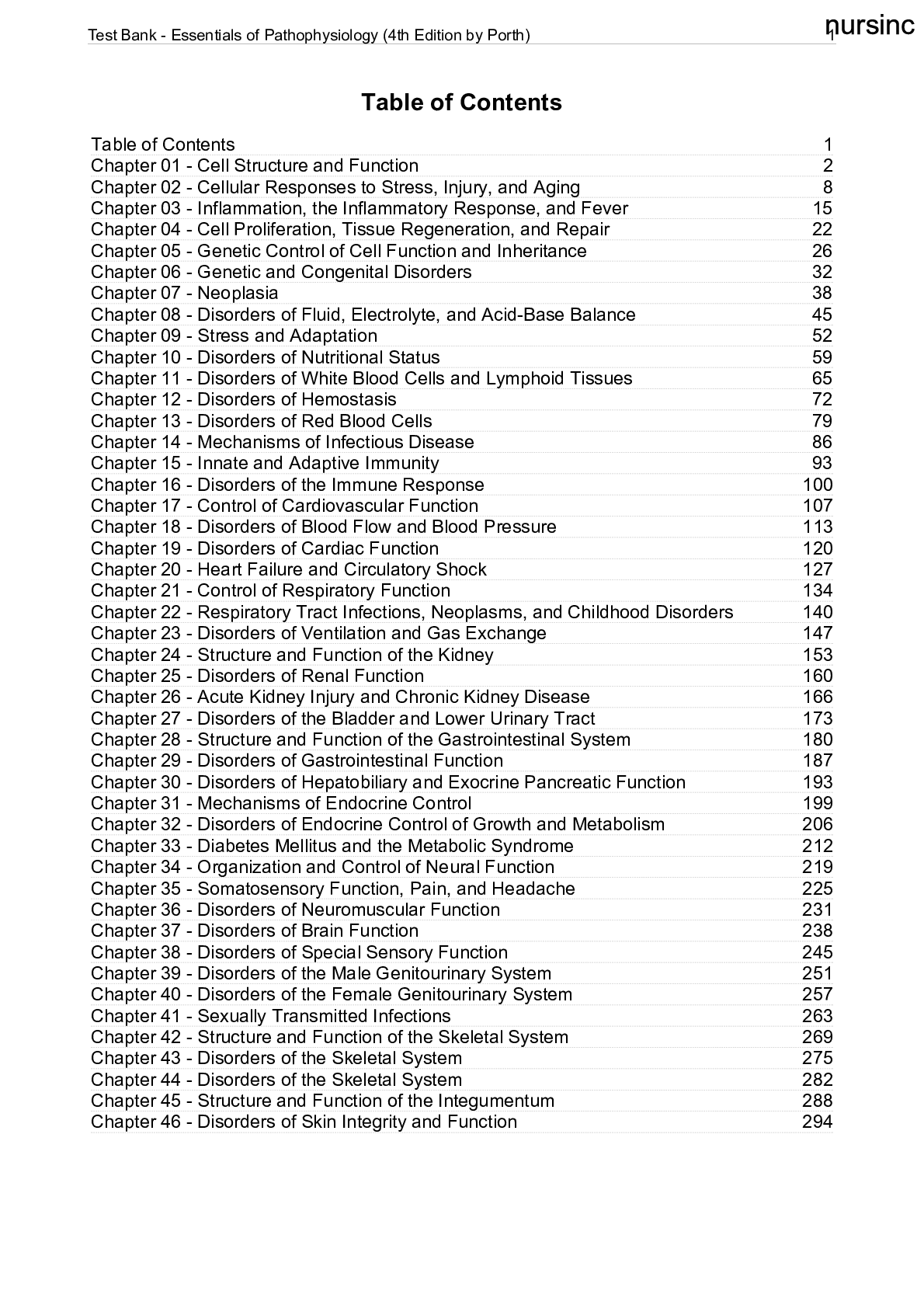
Pharmacology: Connections to Nursing Practice 3rd Edition Adam...
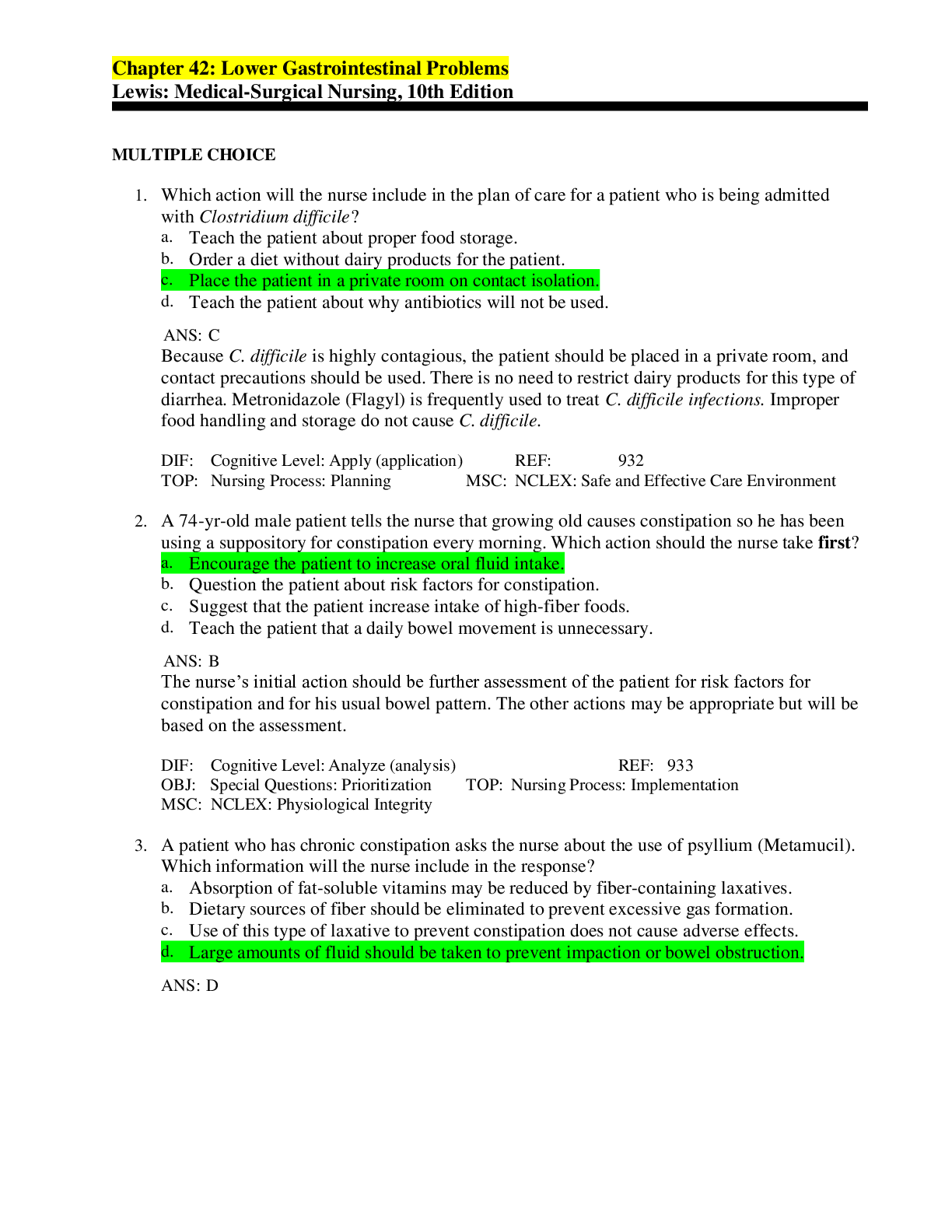
Lower Gastro-Intestinal Issues in Adults-Test Bank by Lewis-Up...

PHYSICAL EXAMINATION AND HEALTH ASSESMENT TEST BANK 8TH EDITIO...
Lower Gastro-Intestinal Issues in Adults-Test Bank by Lewis-Up...

NR222 final exam testbank leadership#3 LATEST VERSION 2021. AC...

Lower Endocrine Problems Issues in Adults -Test Bank by Lewis-...

ATI NURSING ,ATI PHARMACOLOGY PROCTORED EXAM NEW VERSION 2021
 (1).png)
Chamberlain College of NursingNR 507Advanced Pathophysiology W...
.png)
LATEST VERSION 2021 ATI PN FUNDAMENTALS PROCTORED EXAM (A BEST...

ATI Pharmacology Proctored Exam Comprehensive Study Guide Late...
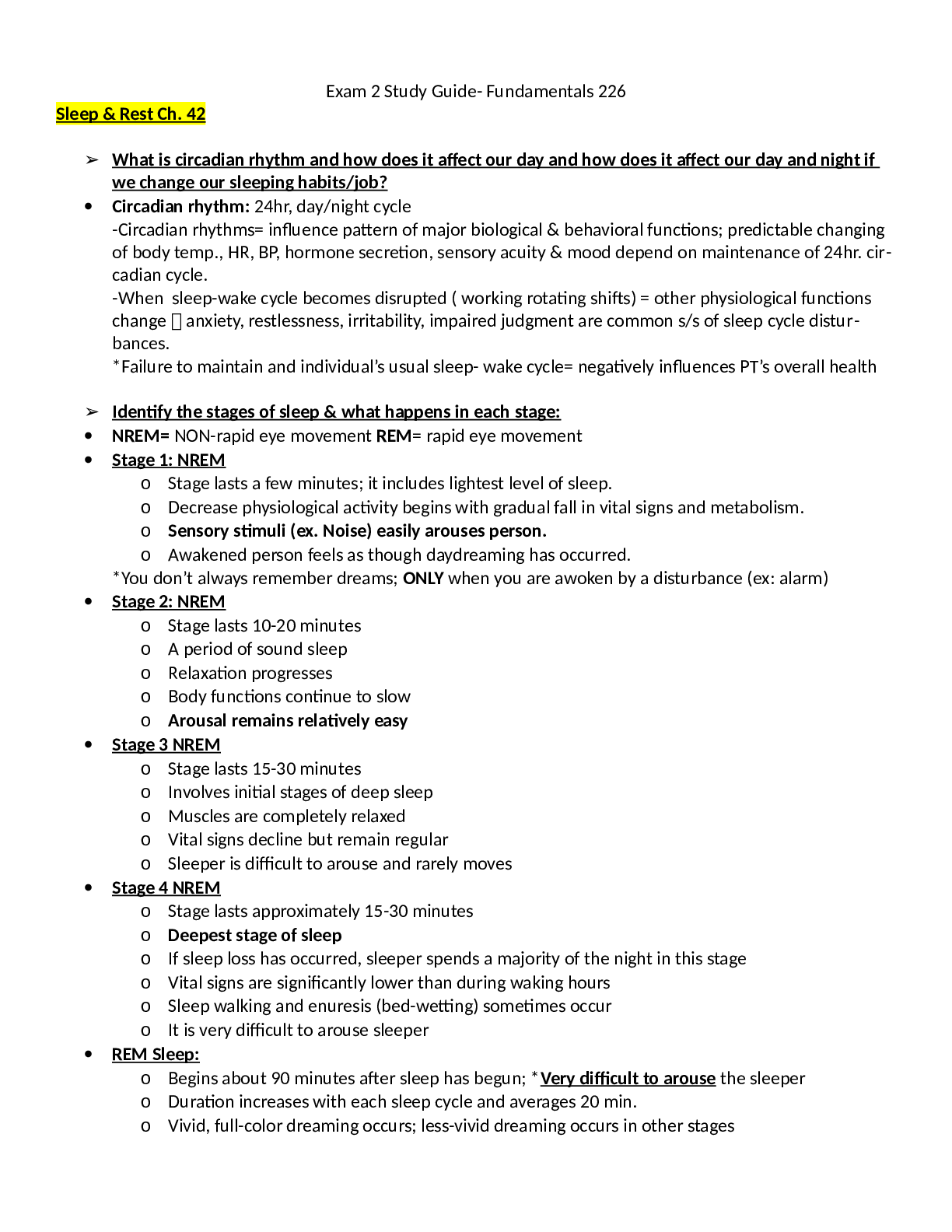
Chamberlain College of NursingNR 226Exam 2 Study Guide NR 226....
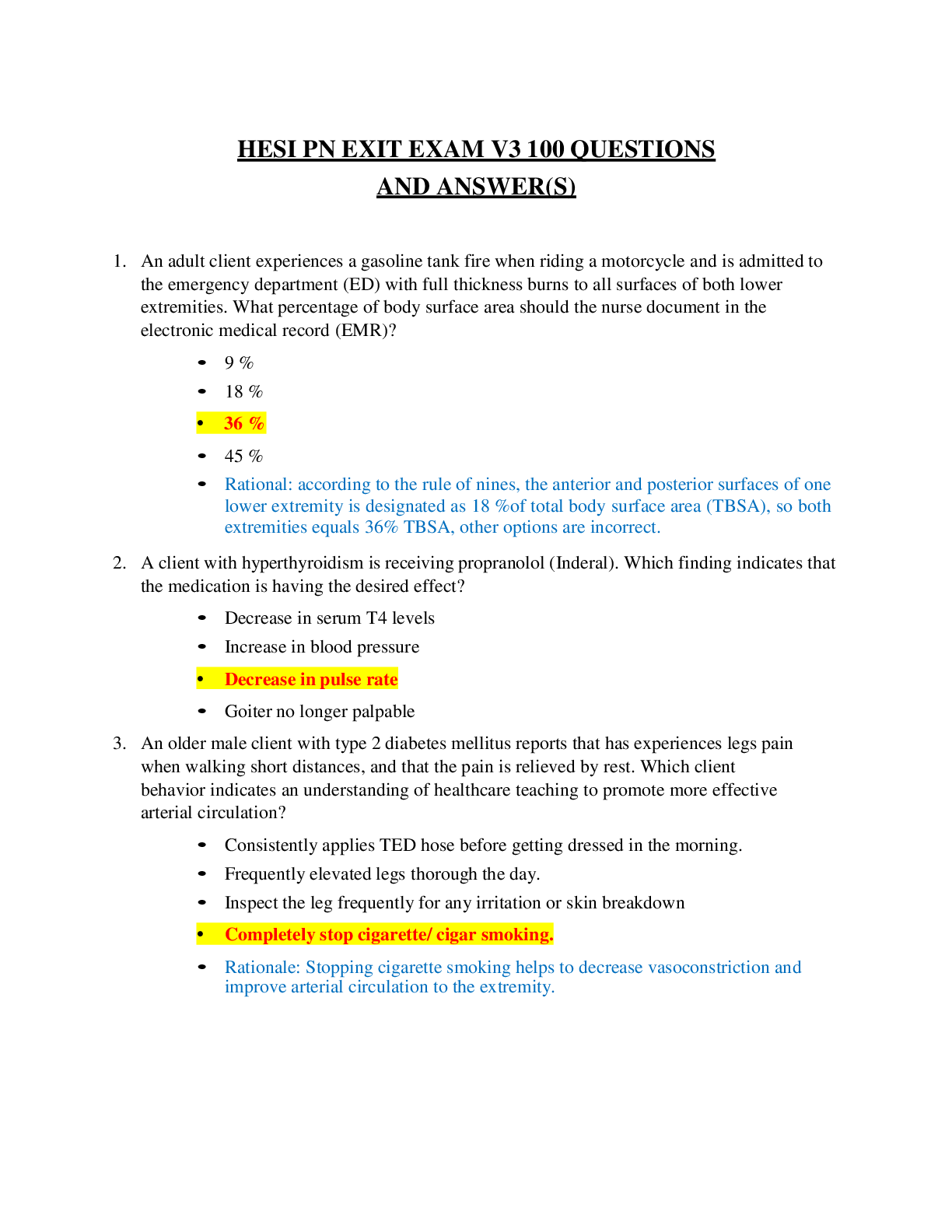
HESI V3 PN EXIT EXAM 110 QUESTIONS AND ANSWER LATEST VERSION 2...

ESSENTIALS OF PSYCHIATRIC MENTAL HEALTH NURSING 8TH EDITION CO...
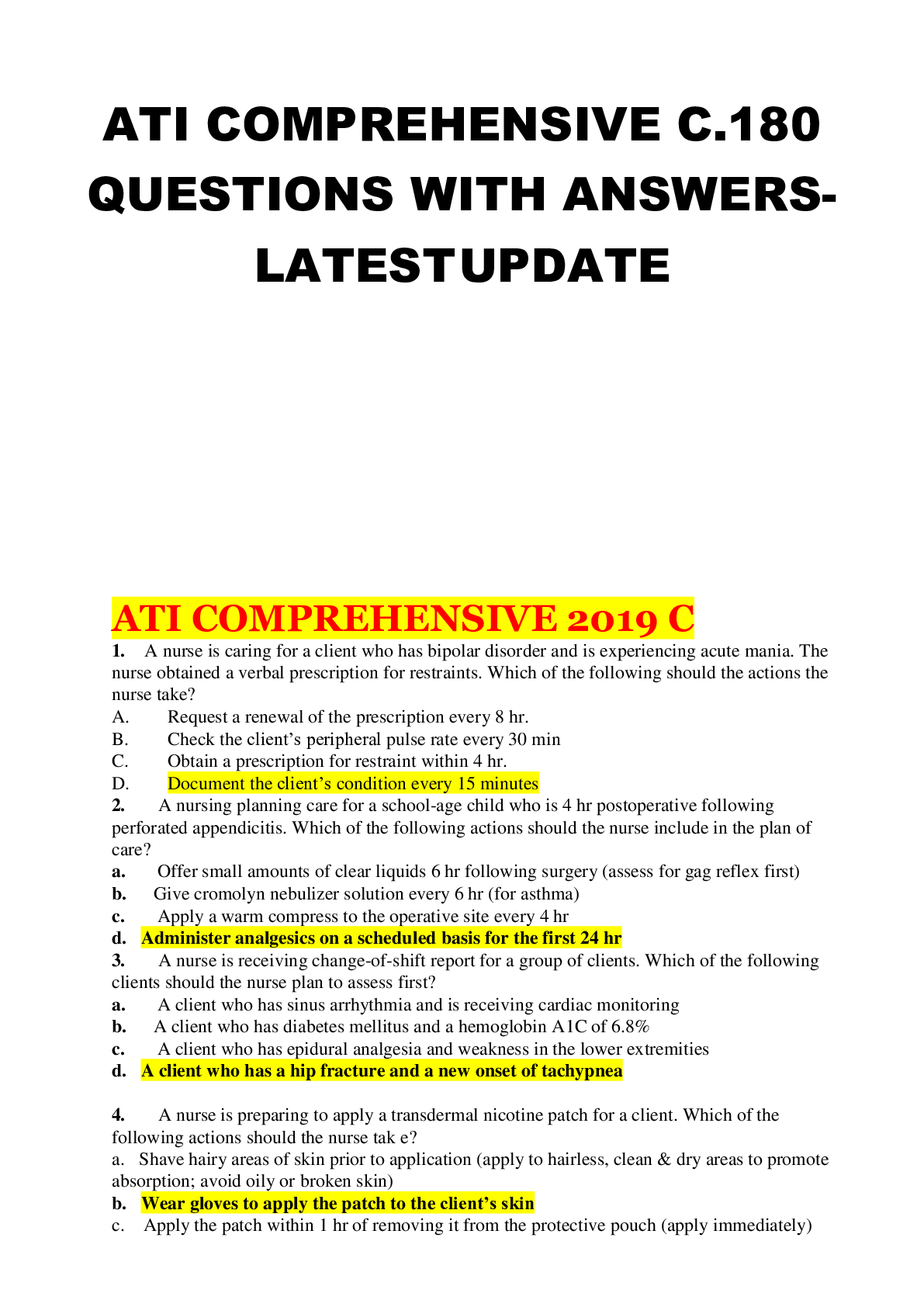
ATI COMPREHENSIVE C QUESTIONS & ANSWERS LATEST VERSION 2021
.png)
NCLEX Exam NCLEX-PN National Council Licensure Examination(NCL...

NSG 280 Comprehension Final Study Guide (Latest Version 2021)

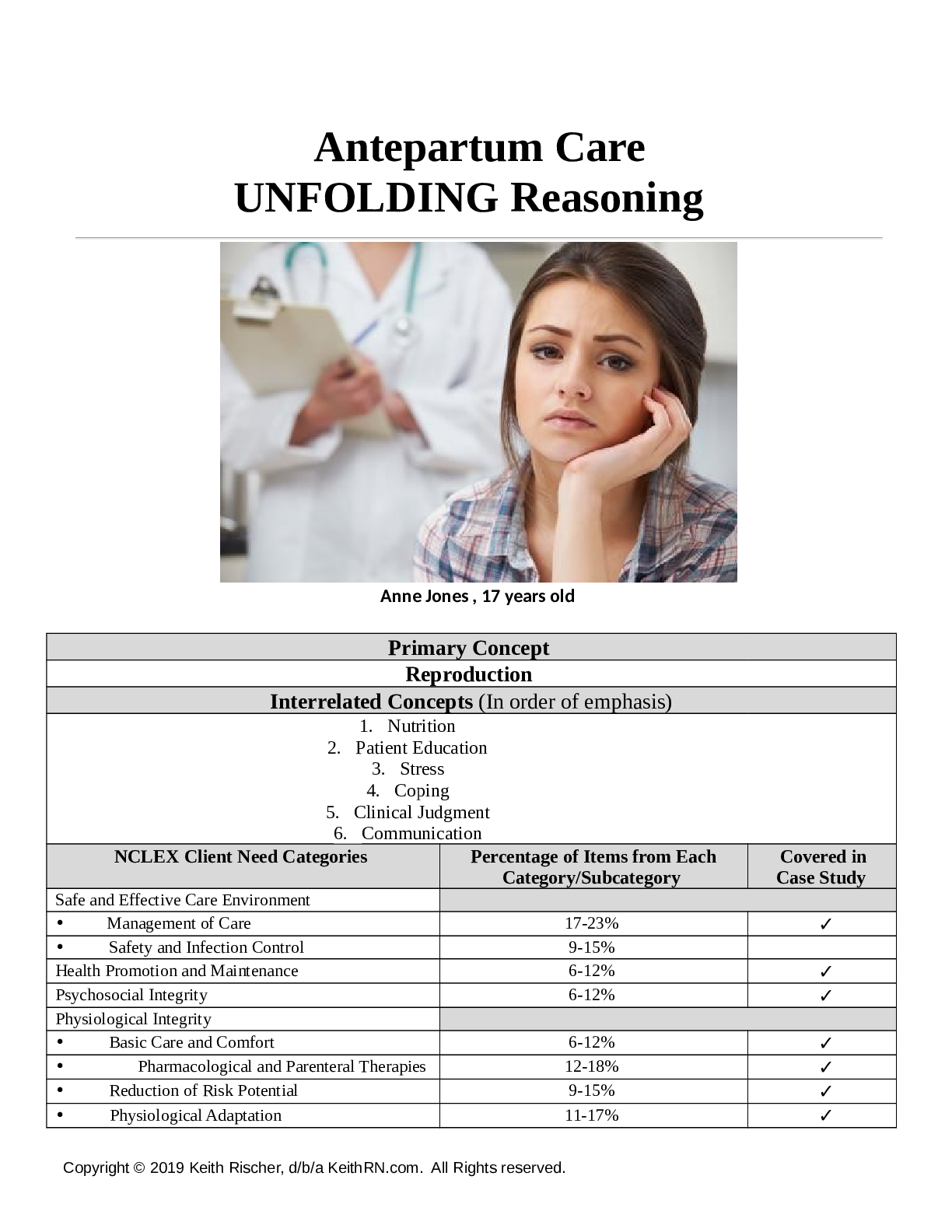
.png)
.png)
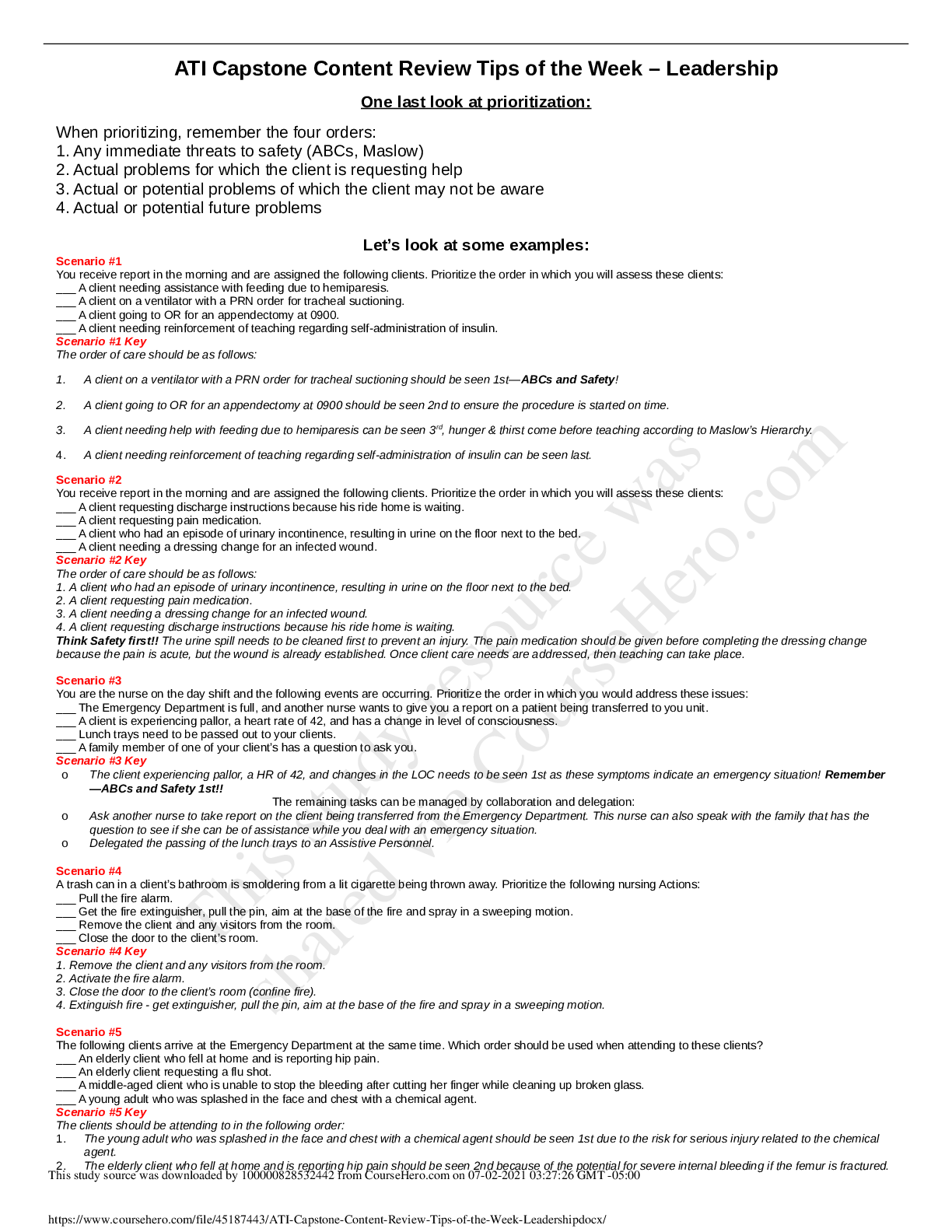

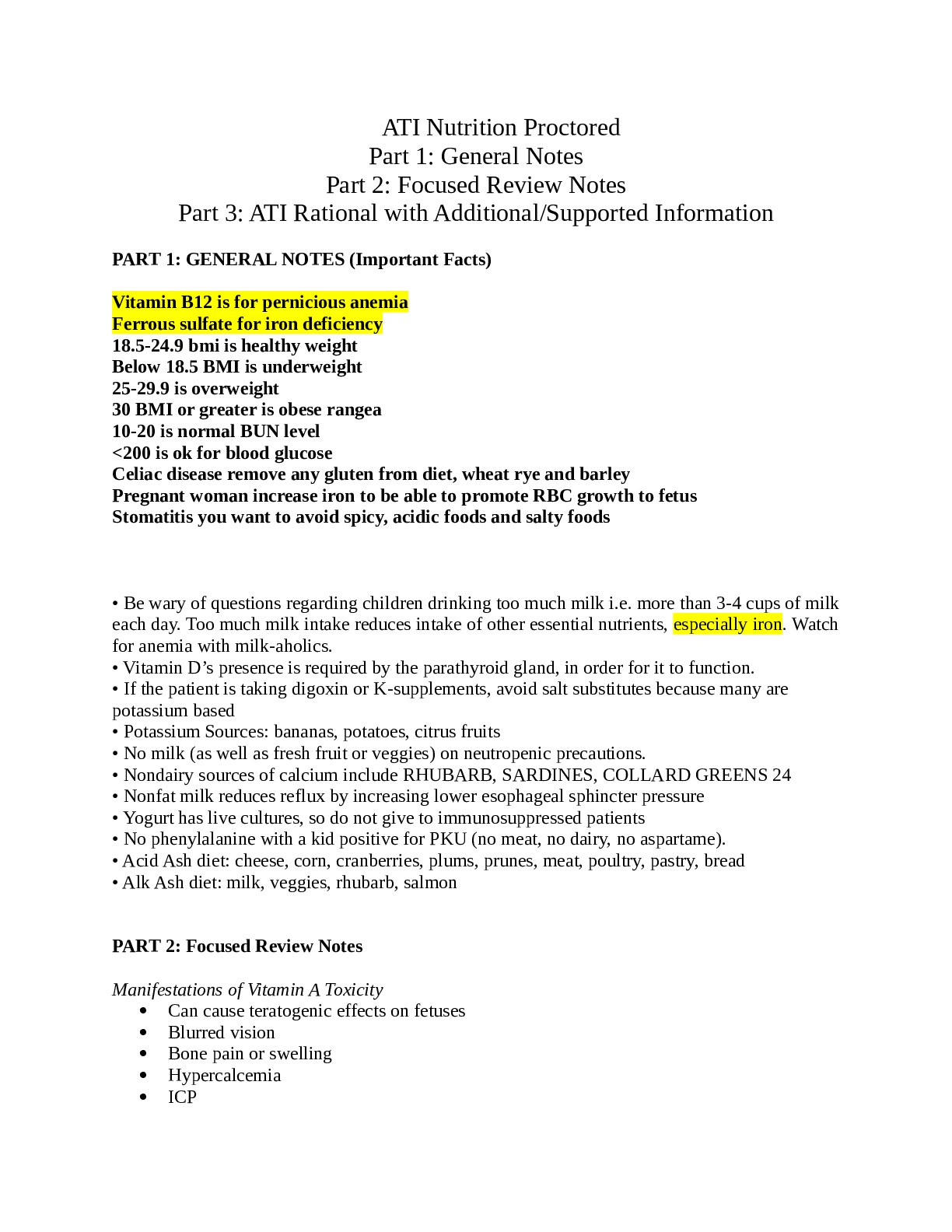
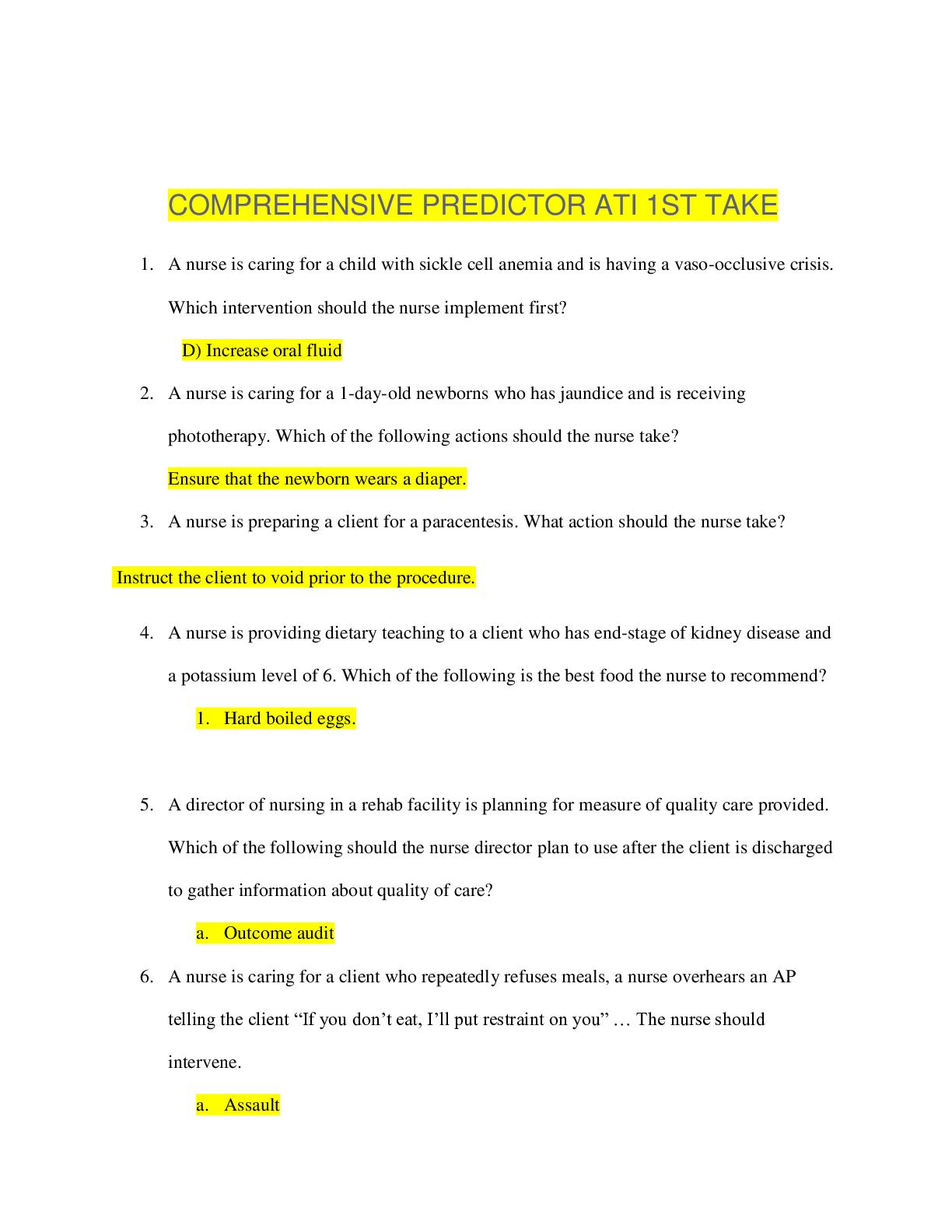
![Preview of ATI Comprehensive Exit Exam.[correct questions and answers verified 100%]](https://scholarfriends.com/storage/ATI_Comprehensive_Exit_Exam.png)
![Preview of [NURSING LP N 100].ATI Med-Surg Test Banks .COMPLETE TEST QUESTIONS AND ANSWERS RATED [A]](https://scholarfriends.com/storage/ATI_Med_Surg.png)

![Preview of NURSING FUNDAMENTAL .All Documents for ATI Comprehensive Predictor .[100% verified ]](https://scholarfriends.com/storage/VATI_RN_2ND_COMPREHENSIVE_PREDICTOR_FOCUSED_REVIEW.png)

