Wound Evisceration, Emergency management
Asthma emergency management of bee sting allergies
Hypocalcemia
Peripheral Vascular Disease, Data Collection
1. Bruit over femoral and aortic arteries
Peripheral Arterial Dis
...
Wound Evisceration, Emergency management
Asthma emergency management of bee sting allergies
Hypocalcemia
Peripheral Vascular Disease, Data Collection
1. Bruit over femoral and aortic arteries
Peripheral Arterial Disease, Monitoring Circulation
1. Walk 8 times a day
2. Avoid Cold
3. Monitor q 8 hours
4. Skin care with warm water
5. Mild Soap
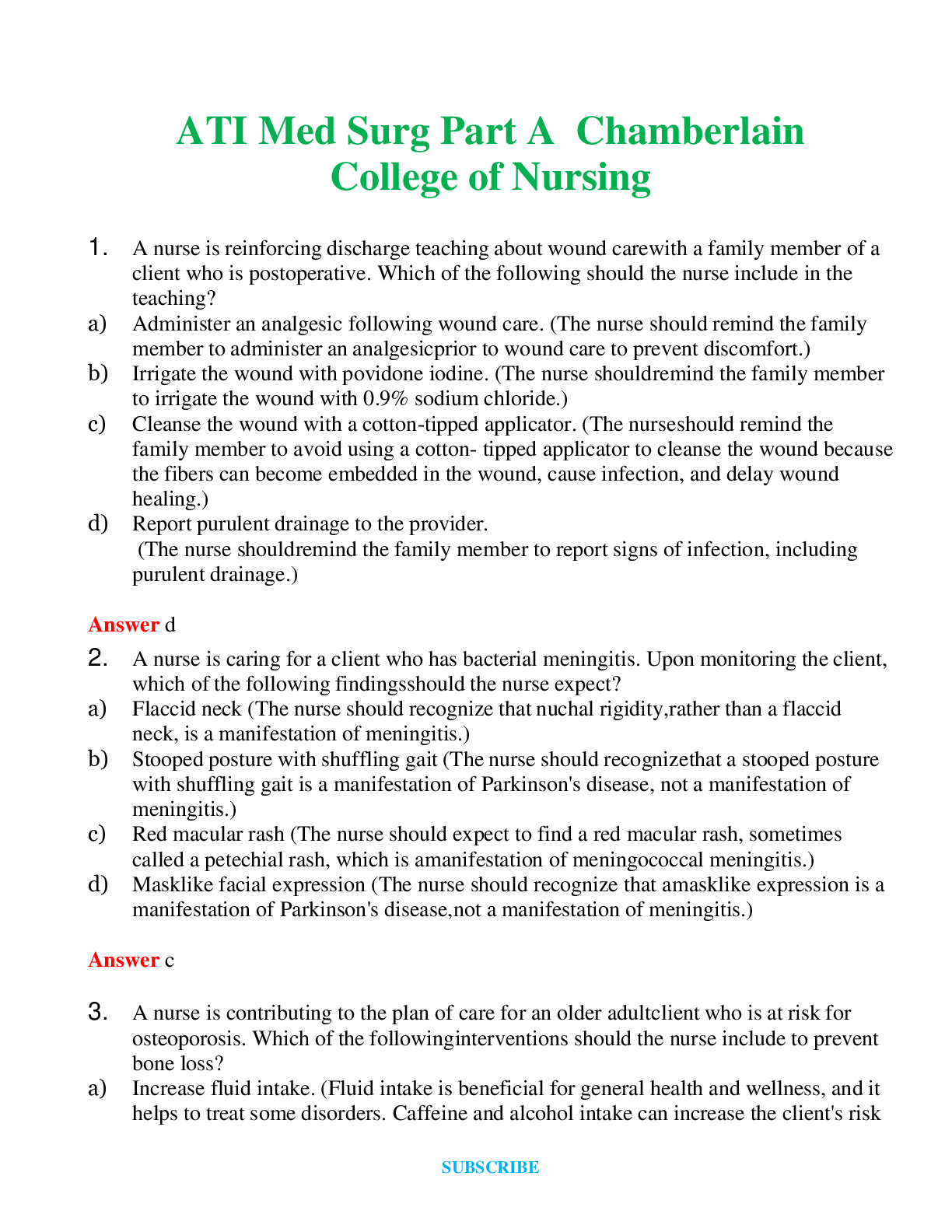
Meningitis Expected findings
-Nuchal Ridgity -Red Macular Rash -photophobia -HA -Avoid raising legs above level of the heart -Avoid crossing legs, hip flexion
Head injury ICP expected finding *
1. Early sign Restlessness
2. Late sign Dilated Pupils
Diabetes Management Hypoglycemia*
1. Clammy Pale Skin
2. Irrability
3. Weakness
4. Tremors
Urinary Tract Infection Reinforcing Teaching
1. Void 3-4 hours
2. Wipe front to the back
3. Drink plenty of fluids
4. Wear cotton underwear
5. Avoid bubble baths
Urinary Elimination Needs and Specimen Collection Catheterization for Residual Urine
1. Alcohol clean side port to Withdraw
Amputation Discharge Teaching
1. Prone position, 6x a day for 20-30 min
Mechanical Ventilation Planning Care
1. Asses cuff pressure every 8 hours
Systemic Lupus Erythematosus (Medrol Meds)
1. Should Limit Contact With People With Possible Infection
2. Avoid Large Group Of People
Right Sided Heart Failure
1. Jungular Vein Distention
2. Ascending Dependent Edema
3. Weight Gain
4. Hepatomegaly (Liver Enlargement)
Left Sided Heart Failure
1. Pnea, SOB
2. Crackles
3. Oliguria
4. Frothy Sputum
5. Displaced Apical Pulse (Hypertrophy)
Benign Hypertrophy
1. While Catheter in place, will feel the urge to void
2. Calculate urine output every 2 hours
3. Should get up in a chair ASAP
4. Avoid heavy lifting
5. Avoid Sex/Intercourse 2-6 weeks 6. Expected output 150-200 ml every 3-4 hours
Cerebrovascular Accident
1. Eat in upright position / Swallow with head and neck flexed slightly forward
2. Place food in back of mouth on unaffected side
3. Avoid extreme flexion or extension of the neck
4. Give sour/tart food
5. Meet with Speech Therapist
Hyperglycemia
1. Flushed Skin
2. Fruity Breath
3. Rapid Breathing
4. Thirst
Disaster Planning and Emergency Management Responding to a fire
1. remove Patient First
Disaster Planning and Emergency Management Recommending Clients to Discharge
1. Fever has to stay
Cognitive Disorders Planning Care in an Adult Day Care Setting
1. Check Mental Status
Female Cancers Appropriate Referrals
1. Support Group
Cerebrovascular Accident Appropriate Referrals
1. Speech Therapist
Legal Responsibilities Securing Client Valuables
1. Give money to Security
Bacterial Viral and Fungal Infection, Nationally Notifiable Infectious Disease
1. E coli
Clients Understanding of Organ Donation
1. Must be made by patient
Spinal Cord Injury Client Referral
1. OTA 2. PT 3. Social Service
Living Will*
1. Express patient's wishes
Contraception Appropriate Use of Contraception
1. Can use spermicide gel/cream
2. No male and female condoms
3. Refitted every 2 years/ Keep in place for 6hrs after intercourse
Contraception Appropriate Methods for an Adolescent
1. Injectable Progestin (Depo Prevea)
Testicular Examination
1. Monthly after warm shower
Childhood Immunization Contraindication
1. Pregnancy
2. Allergies to gelatin
3. Can be contraindicated if child is sick
Breast Self-Examination
1. Following Menstrual Cycle Monthly a Week After
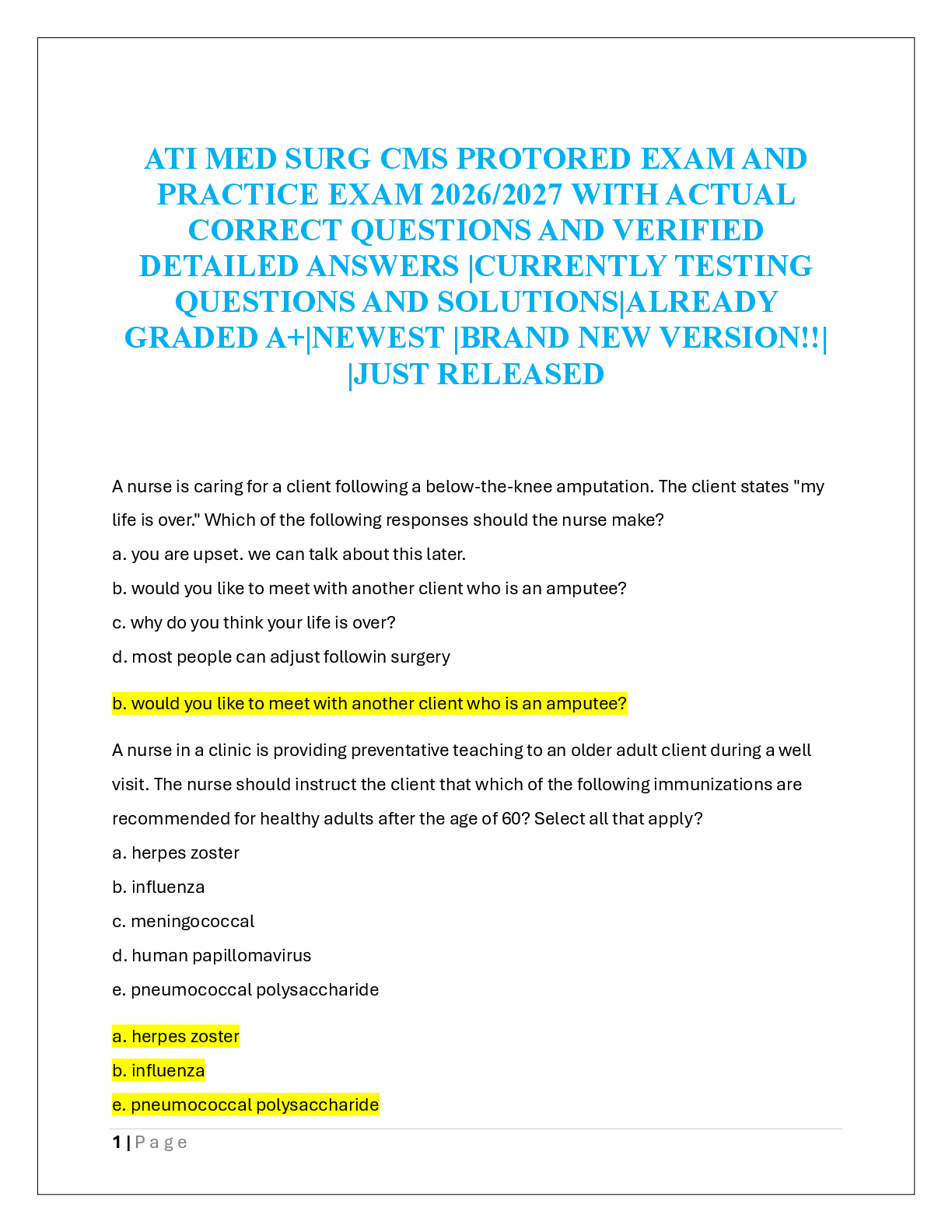
Amputation Body Image Change
1. Monitor Anger,
2. Withdrawal
3. Sadness
4. Assist with residue limb Prepation
Phototherapy
1. Jaundice on Head Sclera
2. Maculopapular Rash
3. Dehydration
4. Green liquid stools
5. Feed every 3-4 hours
6. Vital Signs every 4 hours
7. Mask The Eyes
8. Keep Infants Undressed
9. Remove baby from light every 4 hours
Nursing Care of the Newborn Reinforcing Teaching about Breastfeeding
1. 6 to 8 Diapers a day
2. Will have loose pale yellow stools
3. Cover part of Areolar
Nursing Care of the Newborn Breastfeeding
1. 30-40 minutes a day
Meeting Nutritional Needs of Newborns Breastfeeding
1. Every 2 to 3 hours
2. Freeze 3 to 6 months Tuberculosis Transmission Precautions
1. Negative air pressure room
2. Transferring Patient needs a Surgical Mask
Cancers caring for Clients who are Immunocompromised
1. Avoid Fresh Fruit
2. Fresh Flowers
3. Avoid Sick Visitors
Medical and Surgical Asepsis Hand Hygiene
1. Hands Above Elbows is wrong
2. Elbows up and Hands down Correct
Management of Varicella
. Crust over
Respiratory Illness Contagious Common
1. Stay away until 24 Hours after Antibiotics
Oxygen Therapy Monitoring Delivery
1. Change water every 24 hours 2L Vpulse
2. Clean Nose
Electrolyte Imbalance Report
1. Severe H/A
2. 2. Blurred Vision
3. 3. Epigastric Pain
discharging a client
is started by the nurse at addmission
1. set follow up plans
2. notify s/s of meds
3. give home instructions
4. type of discharge, time and date and where they are being discharged
5. clients condition at discharge
6. copy of discharge instructions
supervising AP
supervise after delegation and determine
1. completion
2. performance
3. make sure findings were documented
4. if assistance is needed
5. reevaluate
6. provide feedback
discharging client with diabetes mellitus and home management
-monitor glucose -check glucose before meal and at bedtime -hypoglycemia warrants immediate evaluation of glucose -monitor foot injuries
anorexia nervosa
-ammenoreha (missed periods) -fear of being fat -preoccupied with food and the rituals of eating
discharge teaching with personality disorder encourage group, family and psychotherapy
s/s panic attack
palpitations shortness of breath chest pain nausea agoraphobia chills hot flashes
acute anxiety
last 4-6 weeks client expresses emotional response that cannot be managed with clients normal coping mechanism 1. actual or perceived loss 2. decrease in communication 3. displacement
suicide priority actions
-always have client in sight and physically close -always check hands -only use plastic utensils
manifestations of bipolar disorder fluctuation in mood
promoting venous return
-check legs every 8hrs -skin care with moisturizing lotion
normal sodium 136-145
normal potassium 3.5-5.0
normal chloride 98-106
normal calcium 9.0-10.5
magnesium 1.3-2.1
phosphorus 3.5-4.5
hyperemesis gravidarum
nausea and vomiting beyond 12 weeks of gestation that can result in -weight loss -electrolyte imbalances -ketonuria -ketosis -and could be present in liver dysfunction
s/s hyperemesis gravidarum
increased pulse rate decreased blood pressure poor skin turgor
planning care for heart failure
bed rest monitor daily wt, I&O administer oxygen as perscribed high fowlers check ABG's restrict sodium report 3 lbs or more weight gain
SE of endocrine disorders with synthroid
over medication can lead to hyperthroidism (anxiety, tachycardia, palpitations, altered apitite, abdominal cramping, hear intolerance,
WT loss, menstral irregulatities
aldactone with blood pressure meds
its a pottasium sparing diuretic that will increase risk of hyperkalcemia and decrease your blood pressure so....... avoid salt (will lead to lithium toxicity) monitor BP and WT
s/s of meds affecting coagulation
hemorrage hep overdose thrombocytopenia hypersensitivity hepatitis hypotension bradycardia
med interactions with metronidazole
-alcohol causes disulfiram-like reaction -it inhibits inactivation of warfarin
opioid agonists narcan
SE of vitamins, minerals, and supplements
GI distress (nausea, constipation, heart burn) teeth and skin staining prophylaxis risk hypo-tension Iron toxicity
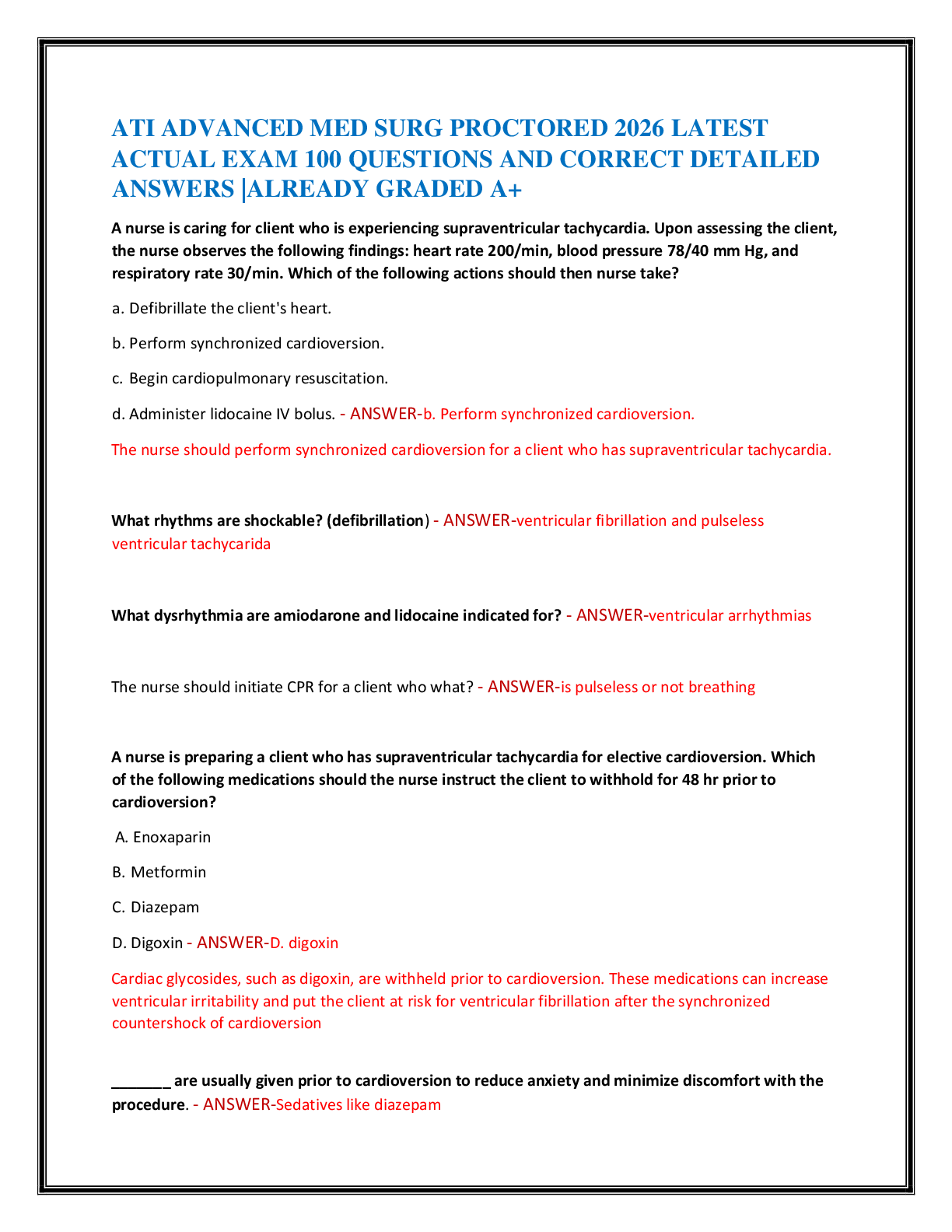
client teaching about Digoxin
-report signs of hypokalemia (N/V, general weakness) -increase potassium (spinach, bananas, potatoes) -monitor GI and CNS effects
SE of nitroglycerin (nitro-dur)
reflex tachycardia headache orthostatic hypotension
using nitroglycerin patch
do not cut patch apply at the same time once a day remove at night keep on for 12-14hrs
chest tube: reporting complications
-if constant bubbling (its ok in suction chamber) there is an air leak (check connections and call for assistance, cross clamp close to clients chest) -disconnection from chest (cover insertion site, notify provider) -disconnection from drainage (place end of tube in sterile water, keep drainage system below the level of the chest) -tension pneumothorax due to clamping, kinks, or obstruction of tube
-Monitor the fluid in the suction control chamber and maintain the fluid level
reducing fever
-antibiotics -fluids and rest -aspirin -cooling blanket -oral hygiene and dry clothing -control environmental temp, maintaining it between 70-80 degrees
s/s of cystic fibrosis
-poor wt gain (failure to thrive) -meconium ileus at birth (abdomen distention, vomiting, inability to pass stool) -no pancreatic enzymes
-fatugue -dry, nonproductive cough -thick yellow gray mucus -positive sputum culture -fever -shortness of breath, dyspnea, wheezing
-clubbed fingers
clubbed fingers kassmaul respiration anorexia dyspnea foul breath
s/s of fluid volume deficit
hyperthermia tachycardia threaded pulse orthostatic hypotension dizziness, confusion, weakness oliguria sunken eye balls flat neck veins scaly skin
NI for pulmonary embolism
-administer oxygen (position high fowlers) -provide emotional support, comfort and control anxiety -monitor changes in LOC and mental status
monitoring chemotherapy related to mucositis
-examine mouth 7 times a day -avoid using glycerin-based mouthwashes or mouth swabs -discourage salty, acidic, or spicy foods - offer mouth care before and after meals -rinse mouth with sodium chloride and half peroxide twice a day and brush with soft-bristles toothbrush
client teaching about internal radiation
-remain in position to prevent dislodgement of radiation implant -call nurse for assistance with elimination -maintain precautions at home if discharged
client teaching about external radiation
-fatigue is common -wash skin with mild soap and water, dry thoroughly using patting motions -do not remove radiation tattoos -do not apply powders, ointments, lotions, or perfumes -wear soft clothing over skin -avoid tight clothing -do not expose skin to sun or heat sources
priority for postopertive bleeding due to an angiography
check groin as needed hold pressure notify provider monitor peripheral circulation
Arterial Blood Gas
ABG's via arterial puncture or arterial line: allows the most accurate method of assessing respiratory function.
Steps for collecting ABG's
a. Perform Allen test if no arterial line b. sample is drawn into heparinized syringe c. keep on ice and transport to laboratory immediately d. document amount and method of oxygen delivered for accurate results e. apply direct pressure to puncture site at least 5 min (longer for clients at risk for bleeding)
Bronchoscopy
visualizes the larynx, trachea, bronchi; obtains tissue biopsy; and removes foreign bodies.
Steps for a bronchoscopy procedure
a. obtain informed consent b. maintain NPO 8 to 12 hr. c. Provide local anesthetic throat spray d. position upright e. administer medications as prescribed, such as atropine (to reduce oral secretions), sedation, and/or anti-anxiety. f. label specimen g. observe postprocedure -gag reflex -bleeding -respiratory status, vital signs, and level of consciousness
Mantoux test
Positive test indicates exposure to tuberculosis. Diagnosis must be confirmed with sputum culture for presence of acid-fast bacillus (AFB
Mantoux test steps
a. administer 0.1 mL of purified protein derivation intradermal to upper half inner surface of forearm (insert needle bevel up) b. Assess for reaction in 48 to 72 hr following injection; induration (hardening) of 10 mm or greater is considered a positive test; 5 mm may be considered significant if immunocompromised.
QuantiFERON-TB Gold test (QFT-GT) and T-SPOT.TB
Identify the presence of Mycobacterium tuberculosis infection by measuring the immune response to the TB bacteria in whole blood.
Thoracentesis
Surgical perforation of the pleural space to obtain specimen, to remove fluid or air, or to instill medication.
Steps for Thoracentesis
a. informed consent b. educate client: remain still, feeling of pressure, positioning c. position upright d. monitor respiratory status and vital signs e. label specimens f. Document client response, amount, color and viscosity of fluid (maximum amount of fluid to be removed at a time is 1L). g. Chest tube at bedside h. Obtain CXR before and after procedure
Asthma
Chronic inflammatory disorder of the airways resulting in intermittent and reversible airflow obstruction of the bronchioles.
Contributing factors of asthma
-Extrinsic: antigen-antibody reaction triggered by food, medications, or inhaled substances -Intrinsic: pathophysiological abnormalities within the respiratory tract -Older clients: beta receptors are less responsive to agonist and trigger bronchospasms.
Manifestations of asthma
-Sudden, severe dyspnea with use of accessory muscles -sitting up, leaning forward -diaphoresis and anxiety -wheezing, gasping - coughing -cyanosis (late sign) -barrel chest
Diagnostic procedures for asthma
-ABGs -sputum cultures -pulmonary function tests
Nursing interventions for asthma
-remain with the client during the attack -position in high-fowler's -assess lung sounds and pulse oximetry -administer oxygen therapy
-maintain oxygen access
Medications for athma
Administer bronchodilators before anti-inflammatory 1. Bronchodilators -short-acting inhaled: albuterol; for rapid relief - Methylxanthines: theophylline; monitor therapeutic range for toxicity. 2. Anti-inflammatory -corticosteriods: fluticasone and prednisone-Leukotriene antagonist: montelukast 3. Combination agents -Ipratropium and albuterol (Combivent) -Fluticasone and salmeterol (Advair)
Therapeutic measures for asthma
-respiratory treatments -oxygen administration
Client Education for asthma
-avoidance of allergens and triggers -proper use of inhaler and peak flow monitoring
Status asthmaticus
life-threatening episode of airway obstruction this is often unresponsive to treatment
Manifestations of status asthmaticus
-extreme wheezing -labored breathing -use of accessory muscles -distended neck veins -high risk for cardiac and/or respiratory arrest
Nursing interventions for status asthmaticus
-place in high-fowler's -prepare for emergency intubation -administer oxygen, epinephrine, and systemic steroid as prescribed - provide emotional support
Chronic Obstructive Pulmonary Disease
encompasses pulmonary emphysema and chronic bronchitis. COPD is not reversible.
Pulmonary emphysema
-destruction of alveoli, narrowing of bronchioles, and trapping of air resulting in loss of lung elasticity
Contributing factors of pulmonary emphysema
-cigarette smoking (main causative factor); passive smoke inhalation -advanced age -exposure to air pollution -Alpha-antitrypsin deficiency (inability to break down pollutants) -Occupational dust and chemical exposure
Manifestations of emphysema
-dyspnea with productive cough -difficult exhalation, use of pursed-lip breathing -wheezing, crackles -barrel chest -shallow, rapid respirations -respiratory acidosis with hypoxia -weight loss -clubbed fingernails -fatigue
Chronic bronchitis
inflammation and hypersecretion of mucus in the bronchi and bronchioles caused by chronic exposure to irritants
Contributing factors to chronic bronchitis
-cigarette smoking (main causative factor) -exposure to air pollution and other environmental irritatants
Manifestations of chronic bronchitis
-productive cough -thick, tenacious sputum -hypoxemia -respiratory acidosis Diagnostic procedure for COPD-chest x-ray -pulmonary function test: air remains trapped in lungs -pulse oximetry: often less than 90% -ABGs: chronic respiratory acidosis -CT-scan
Nursing interventions for COPD
-assess respiratory status -assess cardiac status for signs of right-sided failure -position upright and leaning forward -schedule activities to allow for frequent rest periods -administer oxygen therapy as prescribed -use incentive spirometry -encourage fluids 2 to 3 L per day unless contraindicated -encourage high-calorie diet -provide emotional support
Medications for COPD
-bronchodilators -methylxanthines -anti-inflammatory agents -mucolytic agents
Therapeutic measures for COPD
-chest physiotherapy/pulmonary drainage -lung reduction surgery
Education and referral for COPD
-breathing techniques -oxygen therapy -medications -nutrition -promote smoking cessation -infection prevention measures - encourage immunizations for pneumonia and influenza -pulmonary rehabilitation -activity pacing
Complications of COPD
Cor Pulmonale: right-sided heart failure caused by pulmonary disease.
Manifestations of Cor Pulmonale
-hypoxia (deficient perfusion) and hypoxemia (deficient oxygen in blood) -extreme dyspnea -cyanotic lips -JVD -dependent edema - hepatomegaly (enlarged liver) -pulmonary hypertension
Nursing interventions of Cor Pulmonale
-monitor respiratory status -monitor cardiac status and assess for indications of right-sided heart failure -administer oxygen therapy as prescribed -ensure adequate rest periods -encourage low-sodium diet -maintain fluid balance; possible fluid restriction -administer medications as prescribed
Medications for Cor Pulmonale Diuretics Digoxin
Therapeutic measures for Cor Pulmonale
-Mechanical ventilation
Carbon Dioxide Toxicity
Stuporous secondary to increased CO2 retention
Contributing factors for Carbon Dioxide Toxicity
-carbon dioxide retention -excessive oxygen delivery
Manifestations of Carbon Dioxide Toxicity
-alteration in level of consciousness -tachypnea -increased blood pressure -tachycardia with dysrhythmias
Collaborative care for Carbon Dioxide Toxicity
-monitor pulse oximetry and ABGs -avoid excessive concentration of oxygen -provide pulmonary hygiene -provide ventilatory support with CPAP, BiPAP, or mechanical ventilation.
Pneumonia
inflammatory process in the lungs that produces excess fluid and exudate that fill the alveoli; classified as bacterial, viral, fungal, or chemical
Contributing factors for pneumonia
-advanced age -chronic lung disease -immunocompromised -mechanical ventilation -postoperative -sedation and opioid use - prolonged immobility -tobacco use -enteral tube feeding
Manifestations of pneumonia
-tachypnea and tachycardia -sudden onset of chills, fever, flushing, diaphoresis -productive cough -dyspnea with pleuritic pain - crackles -elevated WBC -decreased O2 saturation
Diagnostic procedures for pneumonia
-chest x-ray -pulse oximetry -sputum culture and sensitivity Nursing Interventions for penumonia
hygiene -encourage mouth care -promote nutrition
Medications for penumonia
-Anti-infectives (antibiotics) -antipyretics -bronchodilators -anti-inflammatories
Client education for pneumonia
-medication administration -preventative measures -pneumonia and influenza vaccine
Tuberculosis
an infectious disease caused by Mycobacterium tuberculosis and transmitted through aerosolization (airborne route).
Contributing factors for TB
-older and homeless population -lower socioeconomic status -foreign immigrants -those in frequent contact with untreated persons - overcrowded living conditions
Manifestations of TB
-cough, hypoptysis -positive sputum culture for acid-fast bacillus -low-grade fever with night sweats -anorexia, weight loss -malaise, fatigue
Diagnostic procedures for TB
-Mantoux -sputum culture and smear for AFB to confirm diagnosis -serum analysis, QFT-G -chest x-ray
Nursing interventions for TB
-initiate airborne isolation precautions -obtain sputum sample before administering medications -maintain adequate nutritional status - teach the client to avoid foods containing tyramine (aged cheese, cured meats like pepperoni, soy sauce, fermented cabbage) when taking INH. -inform the client that rifampin can alter the metabolism of certain other medications -monitor laboratory findings for liver and kidney function
Medications for TB
-administer medications on an empty stomach at the same time every day -medications should be taken for 6 to 12 months, as directed -Instruct the client to watch for indications of hepatotoxicity, nephrotoxicity, and/or visual changes, and to notify a provider if any of these are noted. -isoniazid (INH) -Rifampin -Pyrazinamide -streptomycin -ethambutol
Client education for TB
-Encourage the client to practice good hand hygiene and to always cover her nose and mouth when sneezing or coughing. -Ensure medication compliance and follow-up care -All cases of TB are reported to the state health department
Laryngeal Cancer
-Malignant cells occurring in the mucosal tissue of the larynx; more common in men between the ages of 55 and 70.
Contributing factors for laryngeal cancer
-smoking -radiation exposure -chronic laryngitis and/or straining of vocal cords
Manifestations of laryngeal cancer
-hoarseness extending longer than 2 weeks -dysphagia -dyspnea -cough -persistent sore throat -hard, immobile lymph nodes in neck
-weight loss, anorexia
Diagnostic procedures for laryngeal cancer Nursing interventions for laryngeal cancer
-maintain patient airway -swallowing precautions -emotional support -nutrition -pain management -administer medications as elixir when possible
Therapeutic measures for Laryngeal cancer
-partial or total laryngectomy -radiation therapy
Client Education for laryngeal cancer
-communication method -stoma care -swallowing maneuvers -speech therapy
Lung Cancer
Leading cause of cancer-related deaths for both med and women in the U.S.; primary or metastatic disease; most commonly occurs between the ages of 45 and 70 years.
Manifestations of lung cancer
-chronic cough -chronic dyspnea -hemoptysis -hoarseness -fatigue, weight loss, anorexia -clubbing of fingers -chest wall pain
Diagnostic procedures for lung cancer
-chest x-ray and CT scan -CT guided needle aspiration -bronchoscopy with biopsy -TNM system for staging -T-Tumor -N-Nodes -M- Metastasis
Nursing interventions for lung cancer
-maintain patient airway -suction as indicated by assessment -monitor vital signs and pulse oximetry -monitor nutritional status - position in high-fowler's -provide emotional support -assess and treat stomatitis -ensure protection for immunocompromised client
Medications for lung cancer
-chemotherapeutic agents -opioid narcotics
Therapeutic measures for lung cancer
-Palliative care -medication -Thoracentesis -Surgical -tumor excision -pneumonectomy, lobectomy, wedge resection -radiation
Client education for lung cancer
-medications -constipation prevention and management -mouth and skin care -nutrition -respiratory services -radiology -rehabilitation
-nutrition -hospice
Pulmonary Embolism
A life-threatening hypoxic condition caused by a collection of particular matter (solid, gas, or liquid) that enters venous circulation and lodges in the pulmonary vessels causing pulmonary blood flow obstruction
Contributing factors to pulmonary embolism
-chronic atrial fibrillation -hypercoagulability -long bone fracture -long-term immobility -oral contraceptive or estrogen therapy -obesity
-postoperative -PVD, DVT -sickle cell anemia
Manifestations of pulmonary embolism
-dyspnea, tachypnea -chest pain -tachycardia -anxiety -diaphoresis -decreased SaO2 -Pleural effusion -crackles and cough
Diagnostic procedures of pulmonary embolism
-ABGs -D-dimer -Chest x-ray -V/Q Scan -Pulmonary angiography
Nursing Interventions for Pulmonary Embolism
-Assess respiratory status and vital signs -Provide respiratory support -provide oxygen therapy -position in high-fowler's -initiate IV access -provide emotional support
Medications for PE
-thrombolytics -anticoagulants
Therapeutic measures for PE
-embolectomy -vena cava filter
Client education and referral for PE
-preventative measures -dietary precautions with Vit. K -Follow-up for PT or INR -Bleeding precautions -Cardiology and pulmonary services (respiratory care)
Pneumothorax
A collection of air or gas in the chest or pleural space that causes part or all of a lung to collapse due to a loss of negative pressure
Tension Pneumothorax
Occurs when air enters the pleural space during inspiration through one-way valve and is not able to exit upon expiration. The trapped air causes pressure on the heart and the lung. As a result, the increase in pressure compresses blood vessels and limits venous return, leading to a decrease in cardiac output. Death can result if not treated immediately.
Hemothorax
Accumulation of blood in the pleural cavity
Contributing factors to hemothorax
-blunt chest trauma -COPD -closed/occluded chest tube -advanced age -penetrating chest wounds
Manifestations of hemothorax
-respiratory distress -tracheal deviation to unaffected side (tension pneumothorax) -reduced or absent breath sound (affected side) - asymmetrical chest wall movement -hyperresonance on percussion due to trapped air (pneumothroax) -subcutaneous emphysema - chest pain
Diagnostic procedures for hemothroax
-chest x-ray -thoracentesis (hemothorax)
Nursing interventions for hemothorax
-monitor respiratory status -administer oxygen -position in high-fowler's -monitor chest tube and dressing -provide emotional support
Therapeutic measures for hemothorax
-chest tube insertion: inserted to pleural space for draining fluid, blood, or air; reestablishes a negative pressure, facilitates lung expansion
Procedures for chest tube insertion
-position supine or semi-fowler's -verify informed consent is signed -prepare chest drainage system prior to insertion -administer pain and sedation medication as ordered -assist provider as needed during insertion -apply dressing to insertion site -maintain chest tube system -monitor respiratory status, pulse oximetry, vital signs, and client response -monitor for complications
Chest tube complications
-Air leak (continuous rapid bubbling in the water seal chamber) -No tidaling in water seal chamber -No bubbling in suction control chamber -Chest tube is disconnected from system -Chest tube accidentally pulled from chest
EARLY clinical manifestations of hypoxia and hypoxemia
-tachypnea -tachycardia -restlessness -pale skin and mucous membranes -elevated blood pressure -use of accessory muscles, nasal flaring, adventitious lung sounds
LATE clinical manifestations of hypoxia and hypoxemia
-bradypnea -bradycardia -confusion and stupor -cyanotic skin and mucous membranes -hypotension -cardiac dysrythmias
Nasal cannula (2-6 L) 24-44%
Simple face mask (6-8 L) 40-60%
Partial rebreather mask (8-11L) 50-75%
Non-rebreather mask (12L) 80-100%
Venturi mask (4-8 L) 24-40%
Aerosol mask, face tent (8-10 L) 30-100
T-piece
(8-10 L) 30-100
Client education when oxygen is in use
-assess for electrical hazards -Post "oxygen in use" sign -Wear a cotton gown -No smoking
Suctioning
-hyperoxygenate client -suction 10-15 seconds (rotating motion); limit 2-3 attempts -Allow 20-30 sec recovery between attempts - Document amount , color, and consistency of secretions as well as client's response
Tracheostomy care
-keep two extra tracheostomy tubes (one the client's size and one a smaller size) at the bedside in the event of accidental decannulation -Only suction client as clinically indicated -Tracheostomy care every 8 hours or as needed
adequate BP is maintained by...
peripheral vasculature
B-type natriuretic peptide
indicator for diagnosing heart failure
-BNP <100
none
-BNP 100-300
possible
-BNP >300
mild
-BNP >600
moderate
-BNP >900
severe
Enzymes that indicate death of myocardial muscles; heart attack
-creatinine phosphokinase MB (CK-MB) isoenzyme increases within 4-6 hours following a MI and remains elevated from 24-72 hours
-Troponin is a protein that is considered the gold standard in diagnosing MI. It remains elevated for 2-3 weeks following an event. Normal level is <0.2 ng/dL
ECG: wave areas showing types of injury to the heart
-T-wave inversion: ischemia -ST-Segment elevation: injury -Q-wave enlargement: infarction
Types of Percutaneous Coronary Intervention (PCI)
Coronary angioplasty: balloon tipped catheter is used to press the coronary blockage open to improve blood flow. Coronary stent: a procedure performed during angioplasty that leaves a metal mesh in place as a structural support to prevent the blockage from reoccurring.
Purpose of Cardiac Catheterization
-Perform angiography -Perform PCI -Obtain information about cardiac structure and blood flow -obtain blood samples -determine cardiac output
Nursing interventions for cardiac catheterization-prior to catheterization
-verify procedural consent has been obtained -know approach for shave prep-R venous or L arterial -NPO for 6 hr prior -distal baseline pulses -procedure may leave a metallic taste in the client's mouth and they may feel flushed when the dye is injected.
Nursing interventions for cardiac catheterization-after catheterization
-monitor BP and apical pulse every 15 min for 2-4 hrs -monitor for bleeding and/or hematoma at catheter insertion site -apply pressure for a min of 15 min to prevent bleeding or hematoma formation -monitor for vasospasm, dysrhythmia, or rupture of the coronary vessel. -assess the client for chest pain -keep the extremity extended for 4-6 hours -maintain bed rest; no hip flexion or sitting up in bed -increase fluid intake to enhance flushing of dye
When is a trough level measured?
15 min before the next scheduled dose.
Average times for drawing peak levels
-oral intake: 1-2 hrs -IM: 1 hr -IV: 30 min
Infiltration Prevention:
use smallest catheter for prescribed therapy, stabilize port-access, assess blood return
infiltration treatment
stop infusion, remove peripheral catheters, apply COLD compress, ELEVATE extremity, insert new catheter in OPPOSITE extremity.
Extravasation prevention
know vesicant potential before giving medication
Extravasation treatment
stop infusion discontinue Administration set, aspirate drug if possible, apply COLD compress, document condition of site (may photograph).
Phlebitis/thrombophlebitis prevention
Phlebitis/thrombophlebitis treatment
stop infusion; remove peripheral IV catheter; apply HEAT compress; insert new catheter in opposite extremity.
Hematoma Prevention:
avoid veins not easily seen or palpated; obtain homeostasis after insertion
Hematoma treatment
remove IV device and apply light pressure if bleeding; monitor for signs of phlebitis and treat.
Venous Spasm Prevention:
allow time for vein diameter to return after tourniquet removed; infuse fluids at room temperature.
Venous Spasm treatment
temporarily slow infusion rate; apply WARM compress.
Total Parenteral Nutrition
HYPERTONIC solution containing dextrose, proteins, electrolytes, minerals, trace elements; and insulin prescribed according to the client's needs and administration via central venous device (PICC line, subclavian, or internal jugular vein
Complications of central venous catheters
Pneumothorax Air embolism Lumen occlusion Bloodstream infection
Pneumothorax prevention
use ultrasound to locate veins avoid subclavian insertion when possible
Pneumothorax treatment
administer oxygen; assist provider with chest tube insertion.
Air embolism Prevention:
have client lie flat when changing administration set or needleless connectors; ask client to perform Valsalva maneuver if possible.
Air embolism treatment
Place client in left lateral Trendelenburg; administer oxygen
Lumen occlusion Prevention:
flush promptly with NS between, before, and after each medication
Lumen occlusion treatment
use 10 mL syringe with a pulsing motion
Bloodstream infection Prevention maintain sterile technique
Bloodstream infection treatment
change entire infusion system; notify provider; obtain cultures; and administer antibiotics
Antidote for Acetaminophen acetylcysteine
Antidote for Benzodiazepine flumazenil
Antidote for Curare edrophonium
Antidote for Cyanide poisoning methylene blue
Antidote for Digitalis digoxin immune FAB
Antidote for Ethylene poisoning fomepizole
Antidote for Heparin and enoxaparin protamine sulfate
Antidote for iron deferoxamine
Antidote for lead succimer
Antidote for Magnesium sulfate calcium gluconate 10%
Antidote for narcotics naloxone
Antidote for warfarin phytonadione
-dipine
Ca+ channel blockers
-afil
erectile dysfunction
-caine anesthetics
-pril
ACE inhibitor
-pam, -lam Benzodiazepine
-statin antilipidemic
-asone, -solone corticosteroid
-olol
Beta Blocker
-cillin Penicillin
-ide
Oral hypoglycemic
-prazole
proton pump inhibitor
-vir antiviral
-ase thrombolytic
-azine antiemetic
-phylline bronchodilator
-arin, -in anticoagulants
-tidine
H2 antagonist
-zine antihistamine
-cycline antibiotic
-mycin aminoglycoside
-floxac antibiotic
-tyline
tricyclic antidepressants
-pram, -ine SSRIs
Common postoperative Complications
-Atelectasis -Hypostatic pneumonia -Respiratory depression -Hypoxia -Nausea -Shock -Urinary retention/hesitancy -Decreased peristalsis/Paralytic ileus -Wound hemorrhage -Thrombophlebitis -Delayed Wound healing -Wound infection -Wound dehiscence/evisceration -Urinary tract infection
[Show More]






![Preview of Wound Management Principles and Practices, 4th Edition By Betsy Myers | [eBook][PDF]](https://browseimages.nyc3.digitaloceanspaces.com/paper-thumbnails/2023/07/25/paper-338275-thumb-oo3LHSAbX3DDhdaD-661f3ed5.jpg)