NURSING > QUESTIONS & ANSWERS > NUR 213 / NUR213 EXAM 3. QUESTIONS AND ANSWERS. (All)
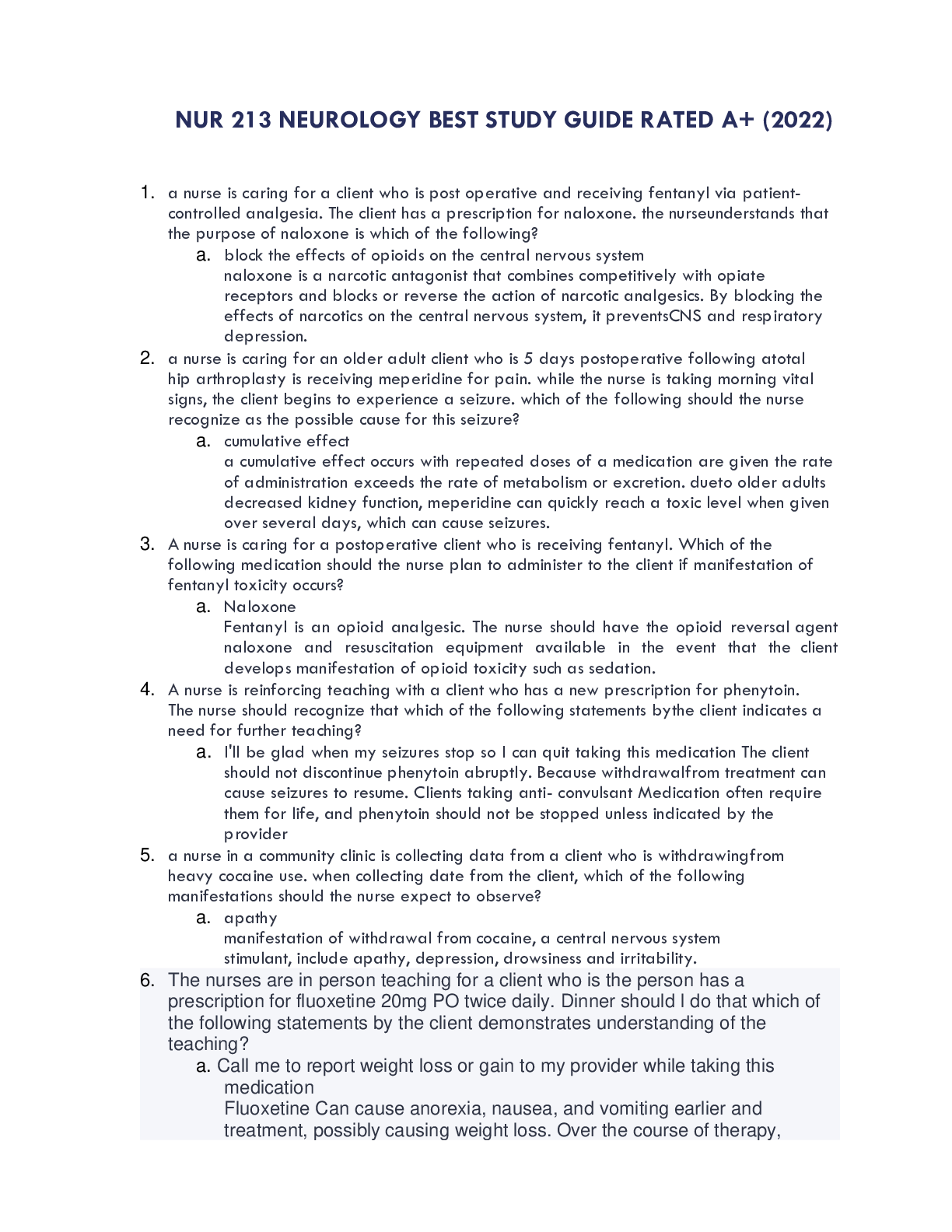
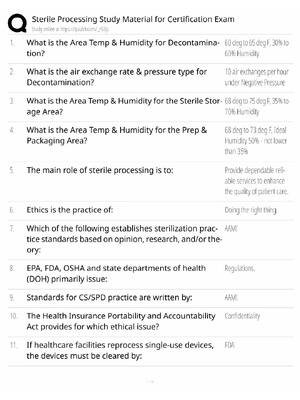
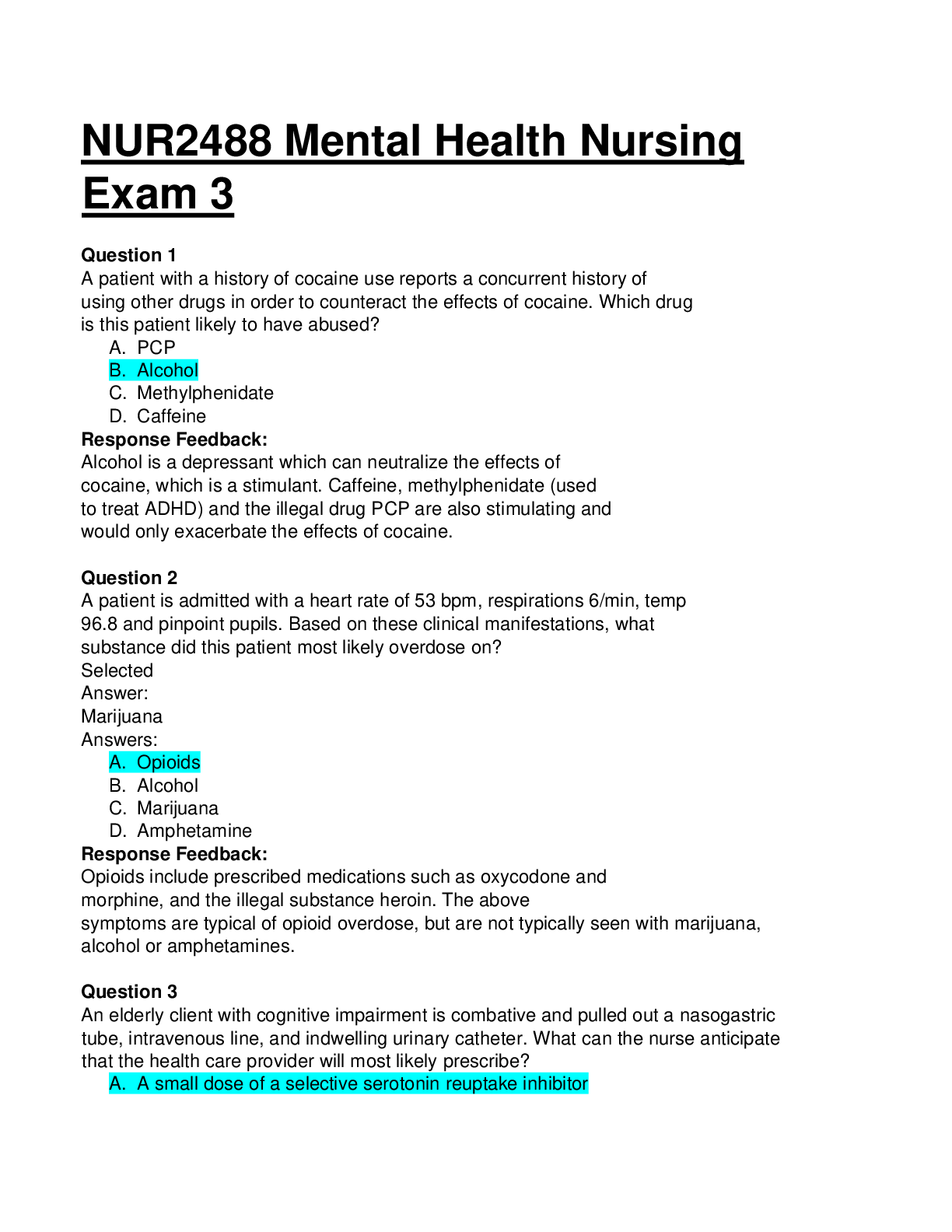
NUR 213 / NUR213 EXAM 3. QUESTIONS AND ANSWERS.
Document Content and Description Below
Last updated: 4 years ago
Preview 1 out of 30 pages
Instant download

Buy this Document to get the Full Access Instantly
Provided by Students Who Aced it
We Verify Document Content to Gurantee Accuracy
Reviews( 0 )
Document information
Connected school, study & course
About the document
Uploaded On
Apr 22, 2021
Number of pages
30
Written in
All

Additional information
This document has been written for:
Uploaded
Apr 22, 2021
Downloads
0
Views
174
Topic Tags
Recommended For You
Get more on QUESTIONS & ANSWERS »
NUR 213 Module 3 Exam | Questions and Answers | Excelsior Univ...

NUR 213 TEST 3 | PASSED | A+ RATED GUIDE | NEW FULL EXAM


NUR 213 SHOCK | (ACTUAL EXAM ) QUESTIONS AND ANSWERS (SOLVED...
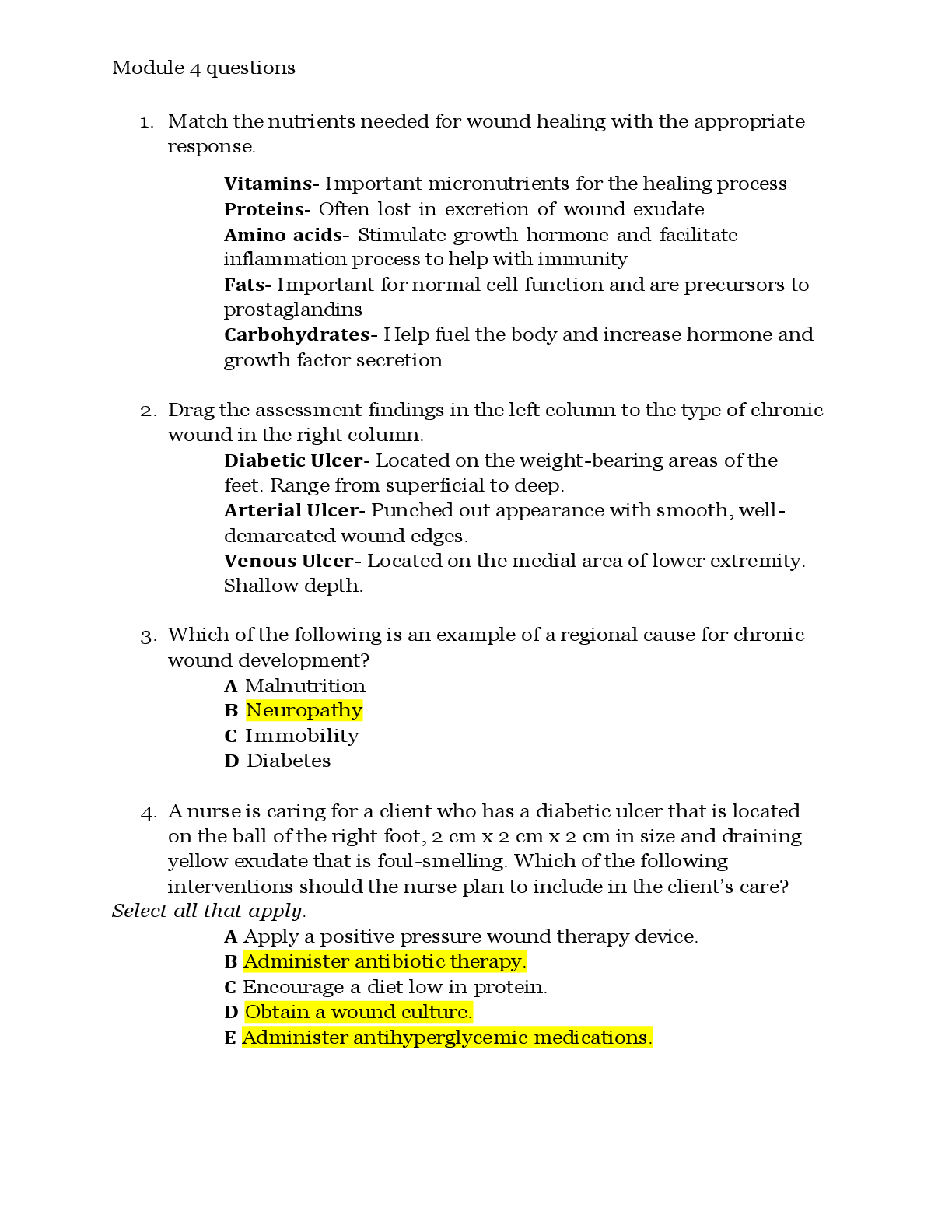
NUR 213 Module 4 Exam | Questions and Answers | Excelsior Univ...
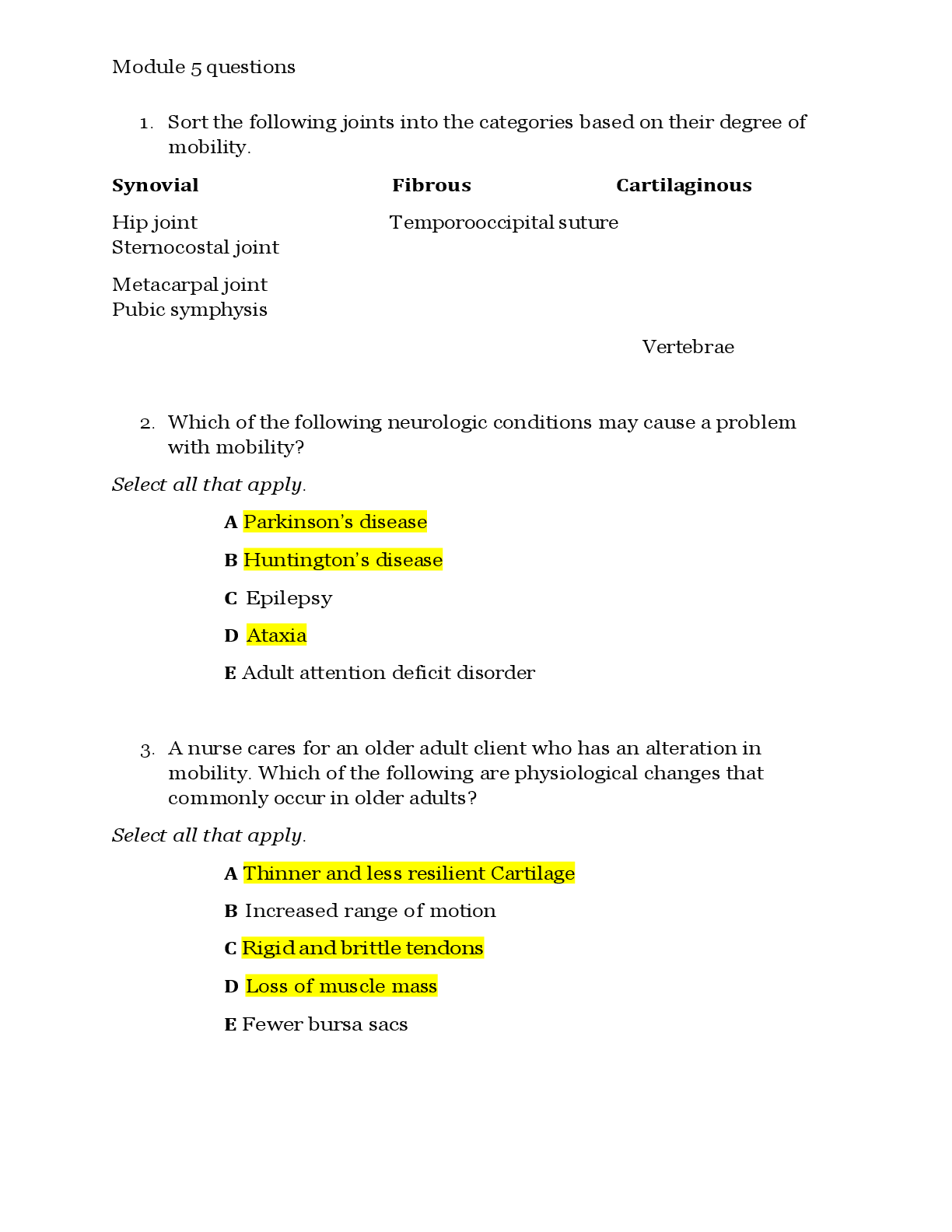
NUR 213 Module 5 Exam | Questions and Answers | Excelsior Univ...

NUR 213 CASE STUDY: ASSESSMENT & REASONING CARDIAC SYSTEM, JOH...


NI-BC Mometrix Study Guide / Nursing Informatics Part 1.1 / Sc...
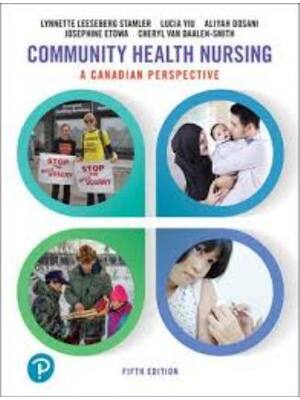
Test Bank for Community Health Nursing A Canadian Perspective...
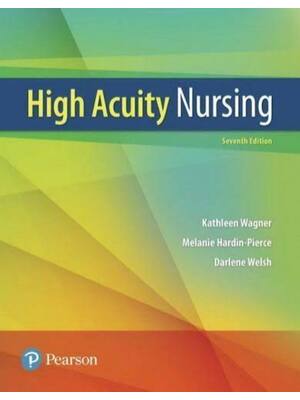
Test Bank For High-Acuity Nursing 7th Edition By Kathleen Wagn...
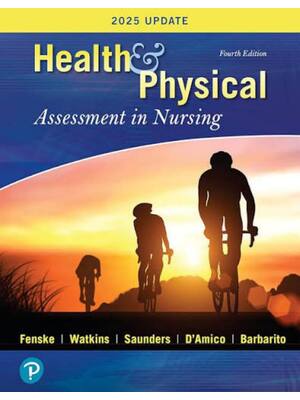
Test Bank For Health & Physical Assessment in Nursing 4th Edit...
TEST BANK for ROACHS INTRODUCTORY CLINICAL PHARMACOLOGY, 11TH...



.png)