Electrical Engineering > SOLUTIONS MANUAL > Solutions Manual for Introduction to Electrochemical Science and Engineering, 2e by Serguei Lvov (Al (All)
Solutions Manual for Introduction to Electrochemical Science and Engineering, 2e by Serguei Lvov (All Chapters)
Document Content and Description Below
Last updated: 2 months ago
Preview 7 out of 67 pages
Instant download

Loading document previews ...
Buy this Document to get the Full Access Instantly
Provided by Students Who Aced it
We Verify Document Content to Gurantee Accuracy
Reviews( 0 )
Document information
Connected school, study & course
About the document
Uploaded On
Jan 22, 2026
Number of pages
67
Written in
All

Additional information
This document has been written for:
Uploaded
Jan 22, 2026
Downloads
0
Views
105
Topic Tags
Recommended For You
Get more on SOLUTIONS MANUAL »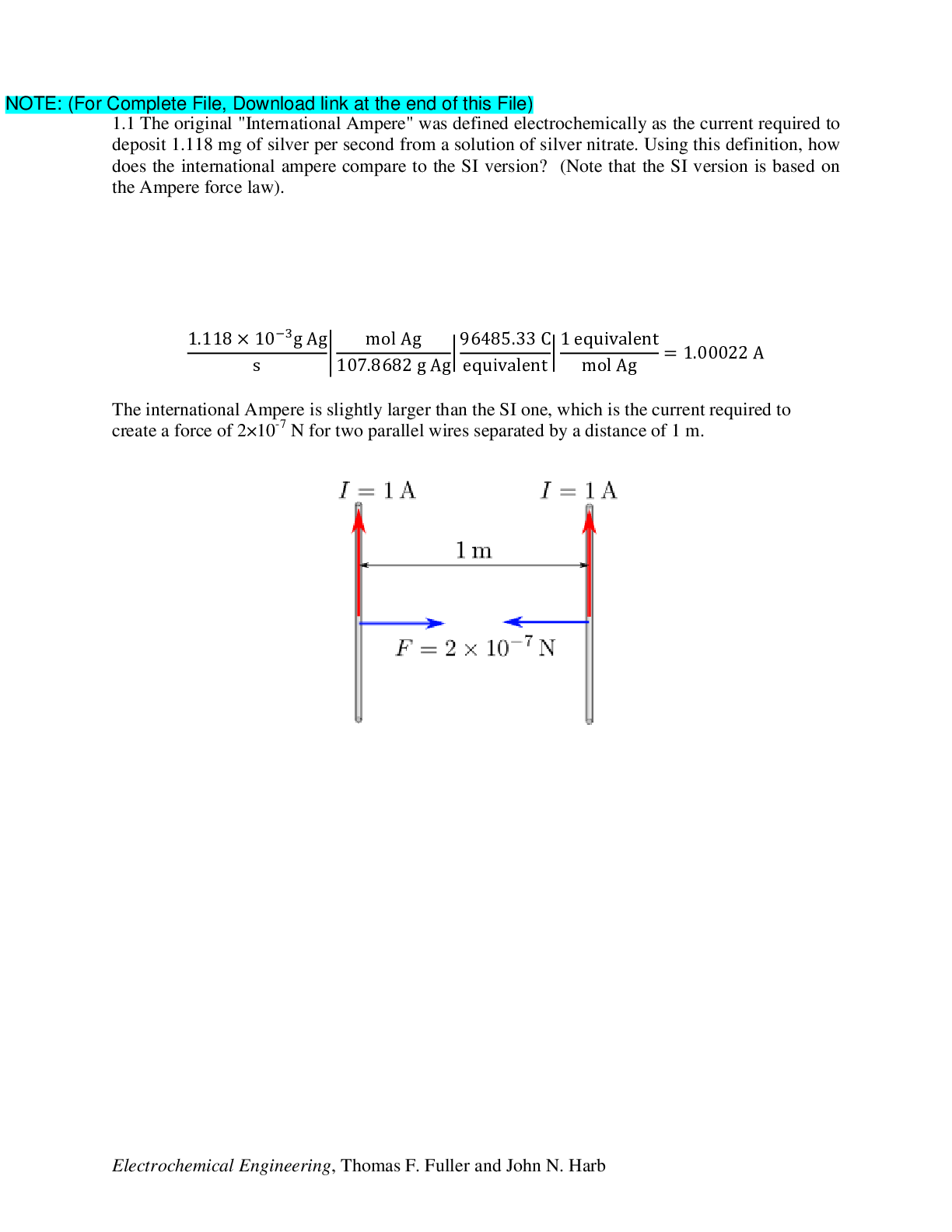
Electrochemical Engineering, 1e Thomas Fuller (Solution Manual...
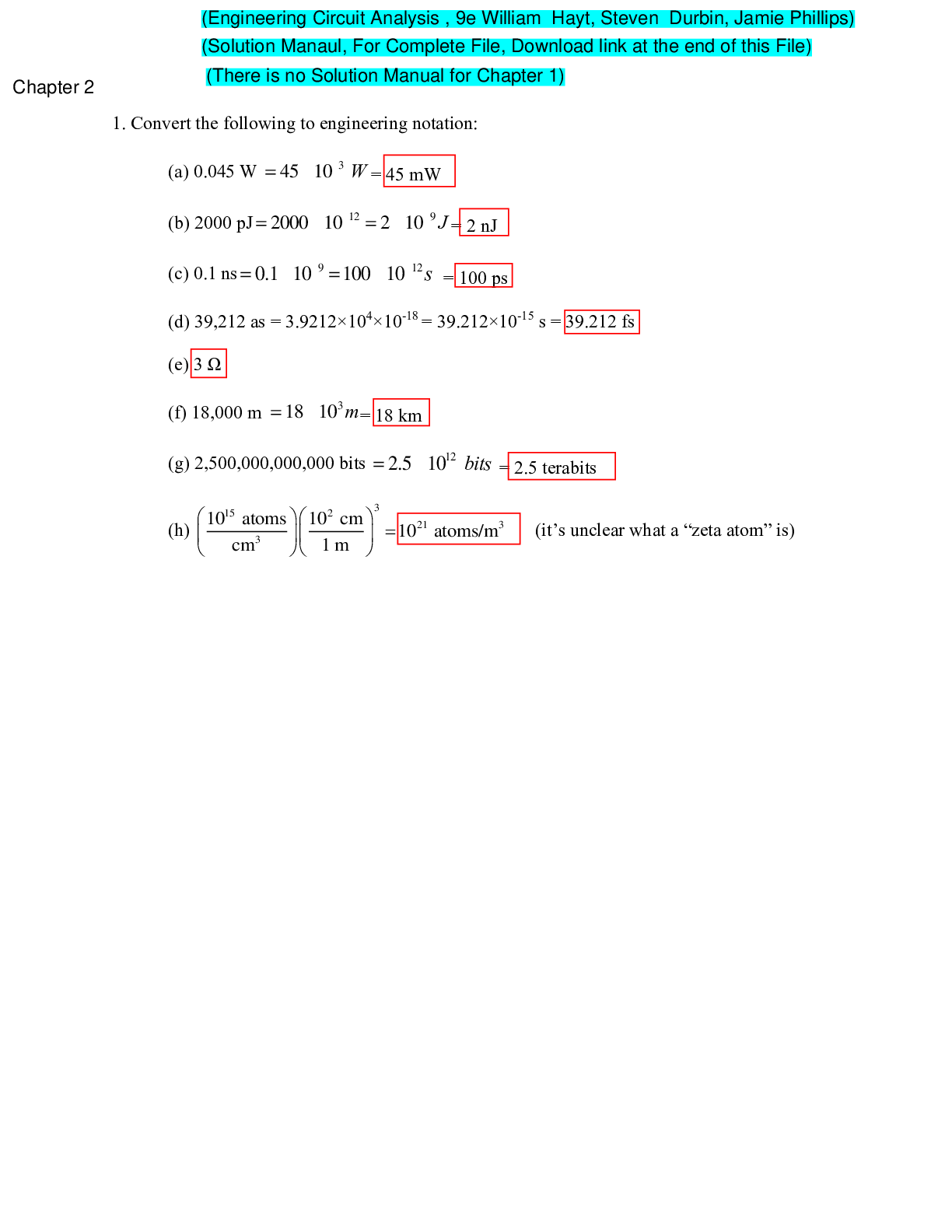
Engineering Circuit Analysis , 9e William Hayt, Steven Durbi...
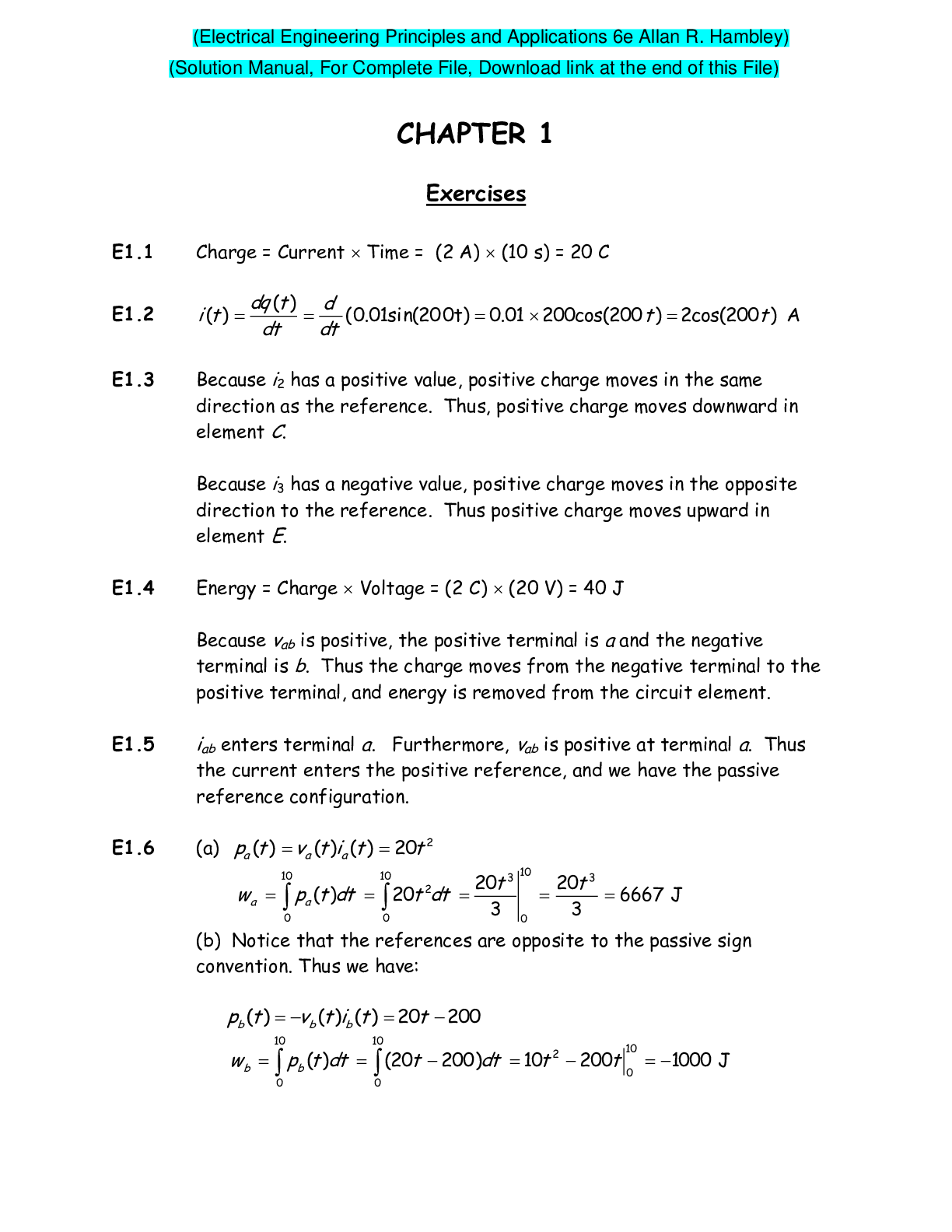
Electrical Engineering Principles and Applications 6e Allan R....
Florida Atlantic University - EEE 5425 Solutions to Selected P...

EECS 202: Introduction to Electrical Engineering SIGNALS, SYST...

Hong Kong Institute of Vocational Education (Tsing Yi) - ELECT...
Transmission and Interface Design RS-232 Breakout Box Mini Pro...

Massachusetts Institute of TechnologyEE 6.002H2P1_ Current Div...