INSTANT PDF DOWNLOAD — This comprehensive study guide is specifically designed for Herzing University nursing students preparing for the HESI Exam in NSG 233 / NSG233: Medical-Surgical Nursing II for the 2026/2027 academ
...
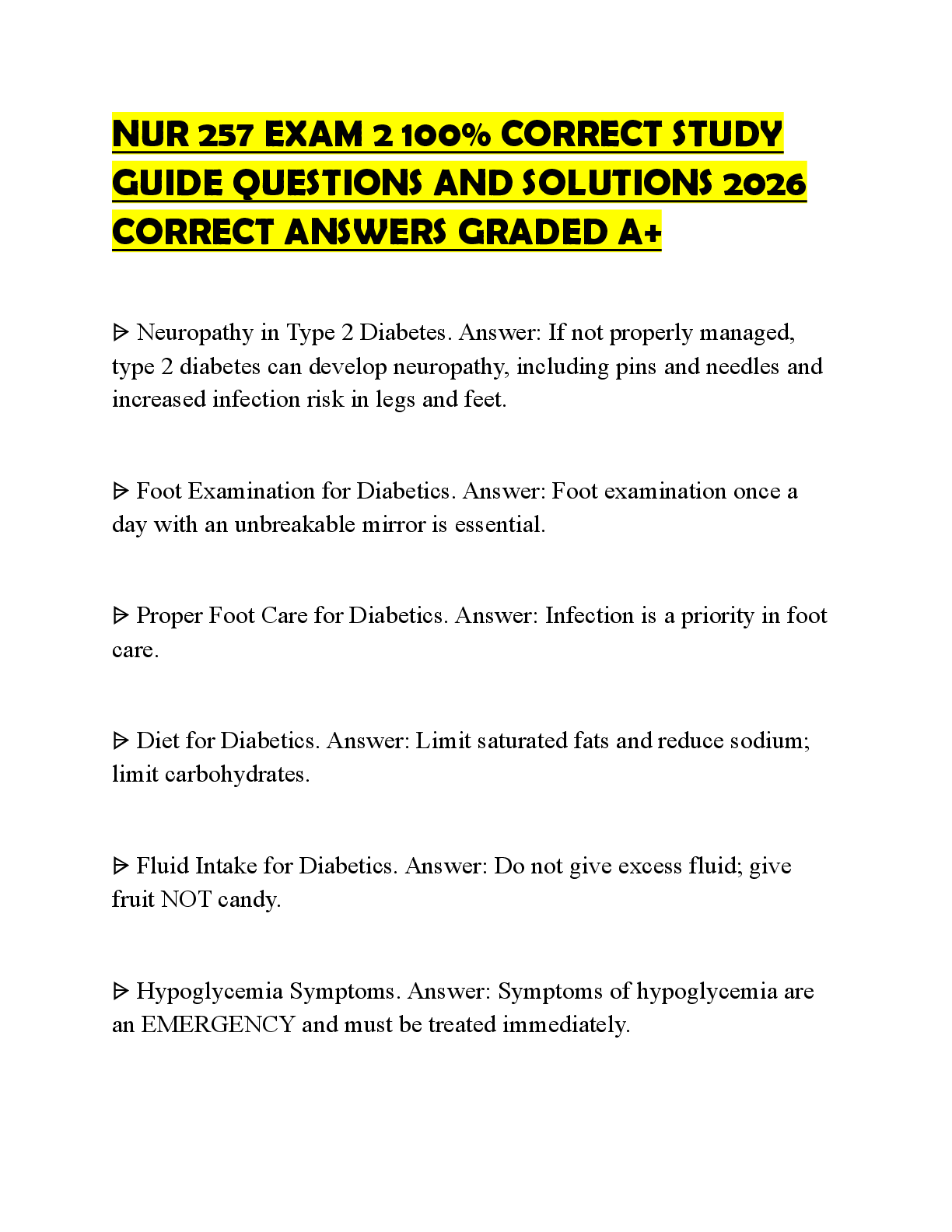
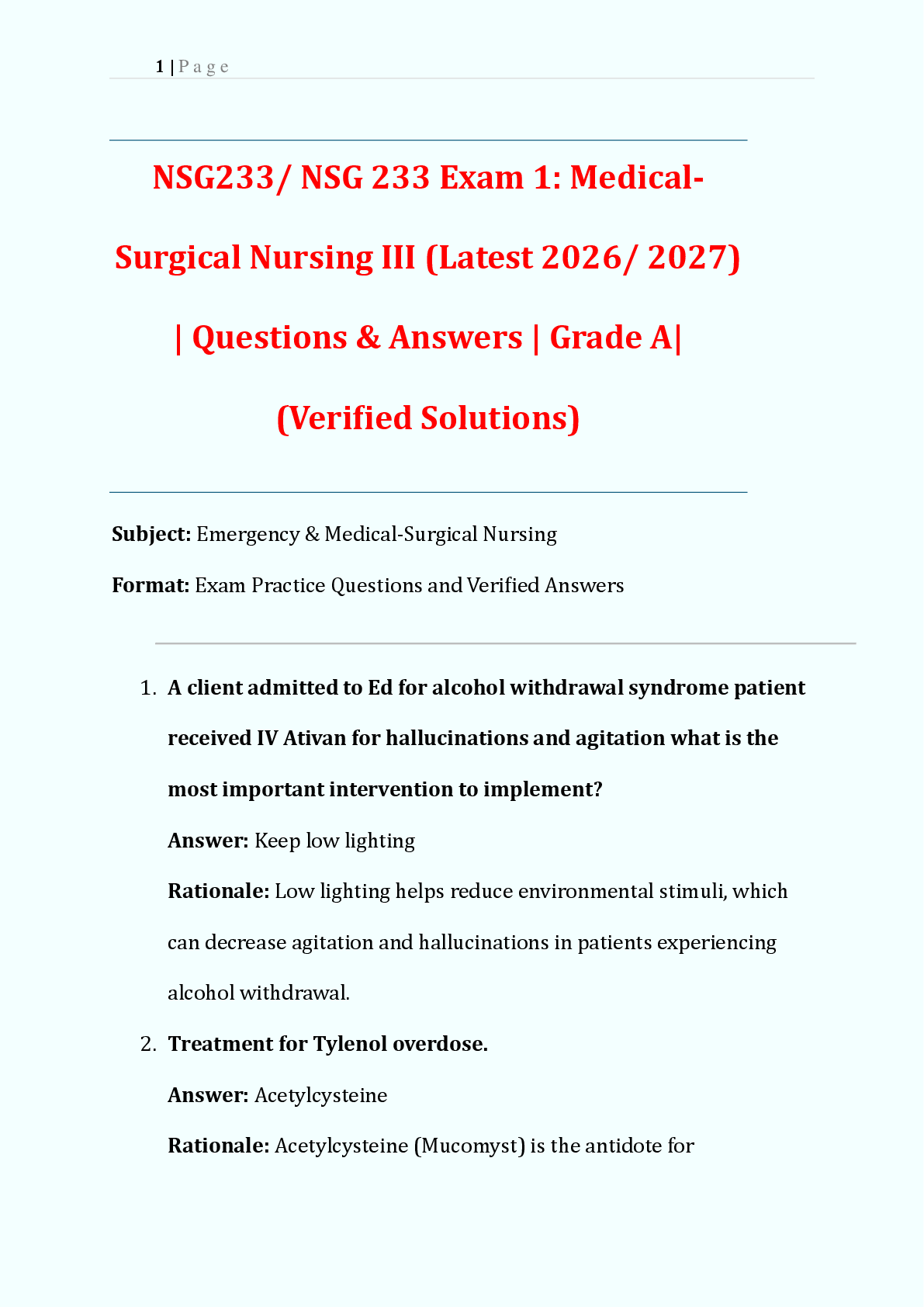
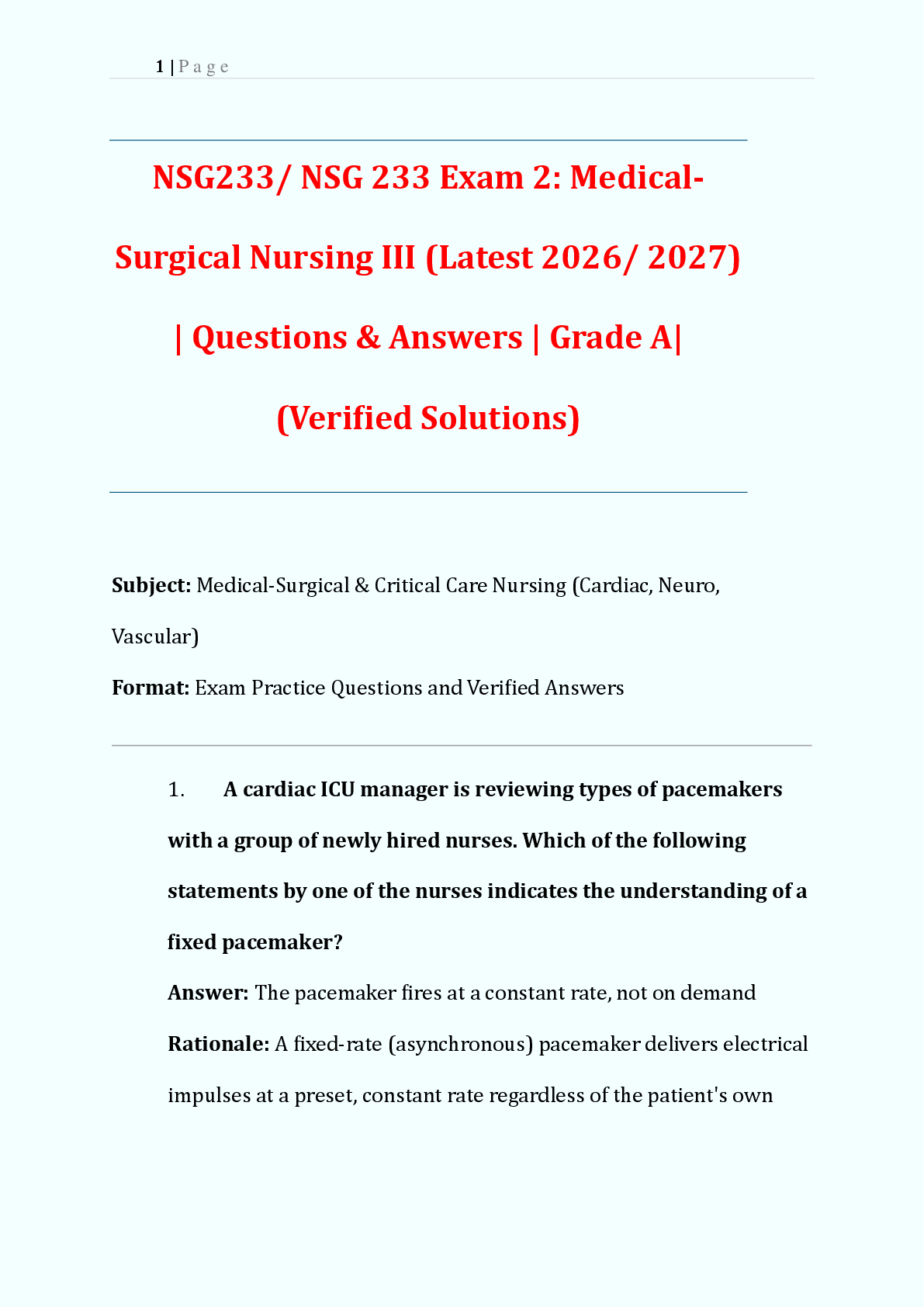
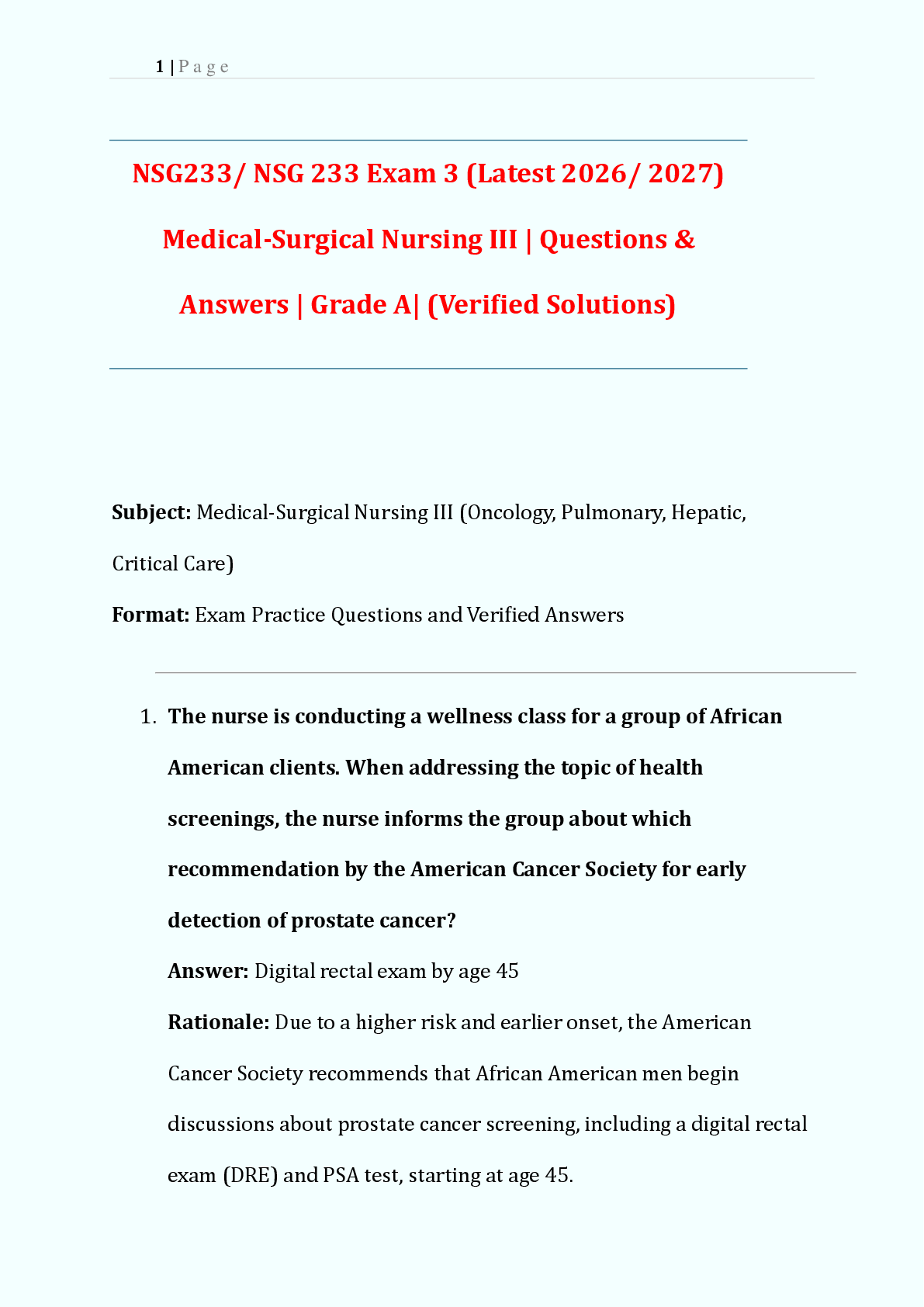
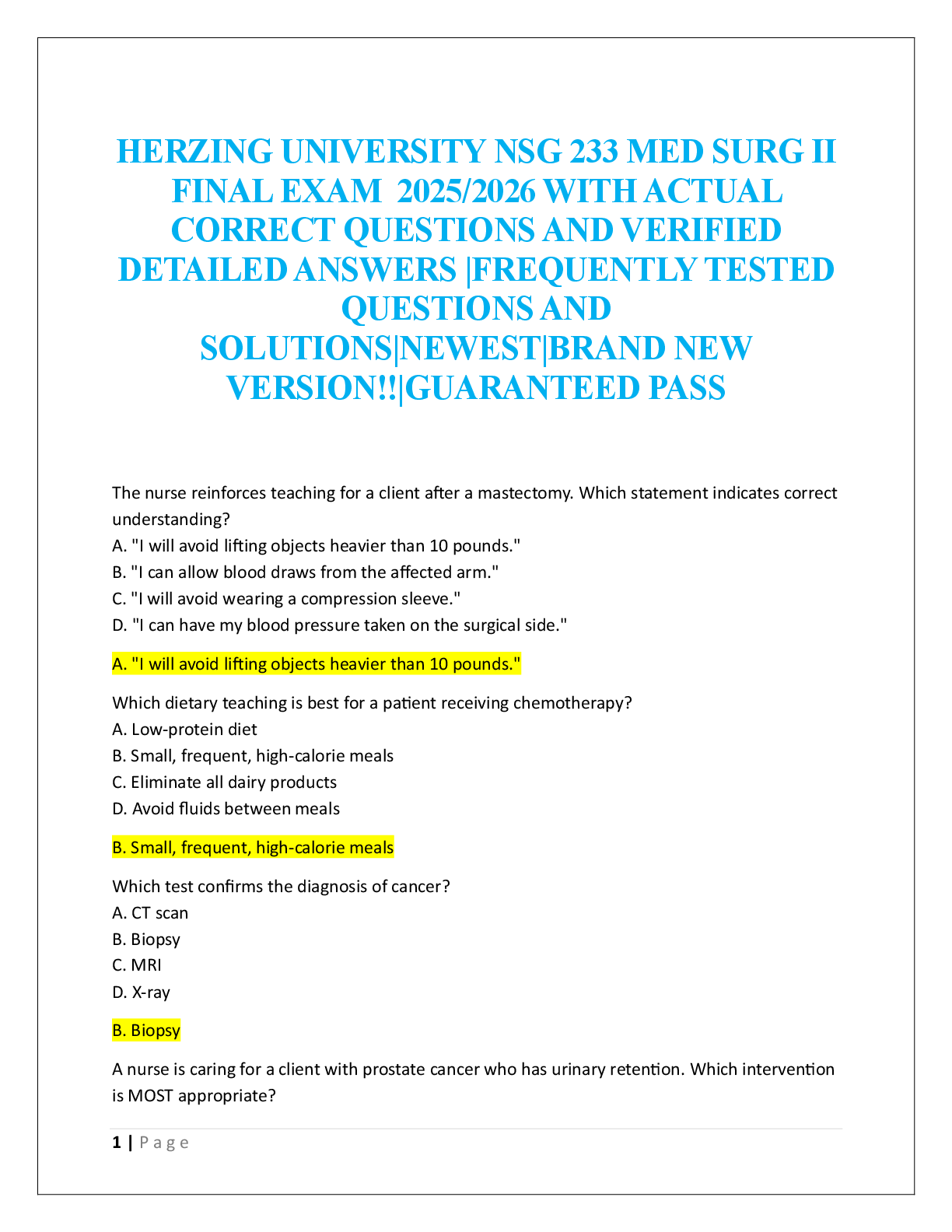
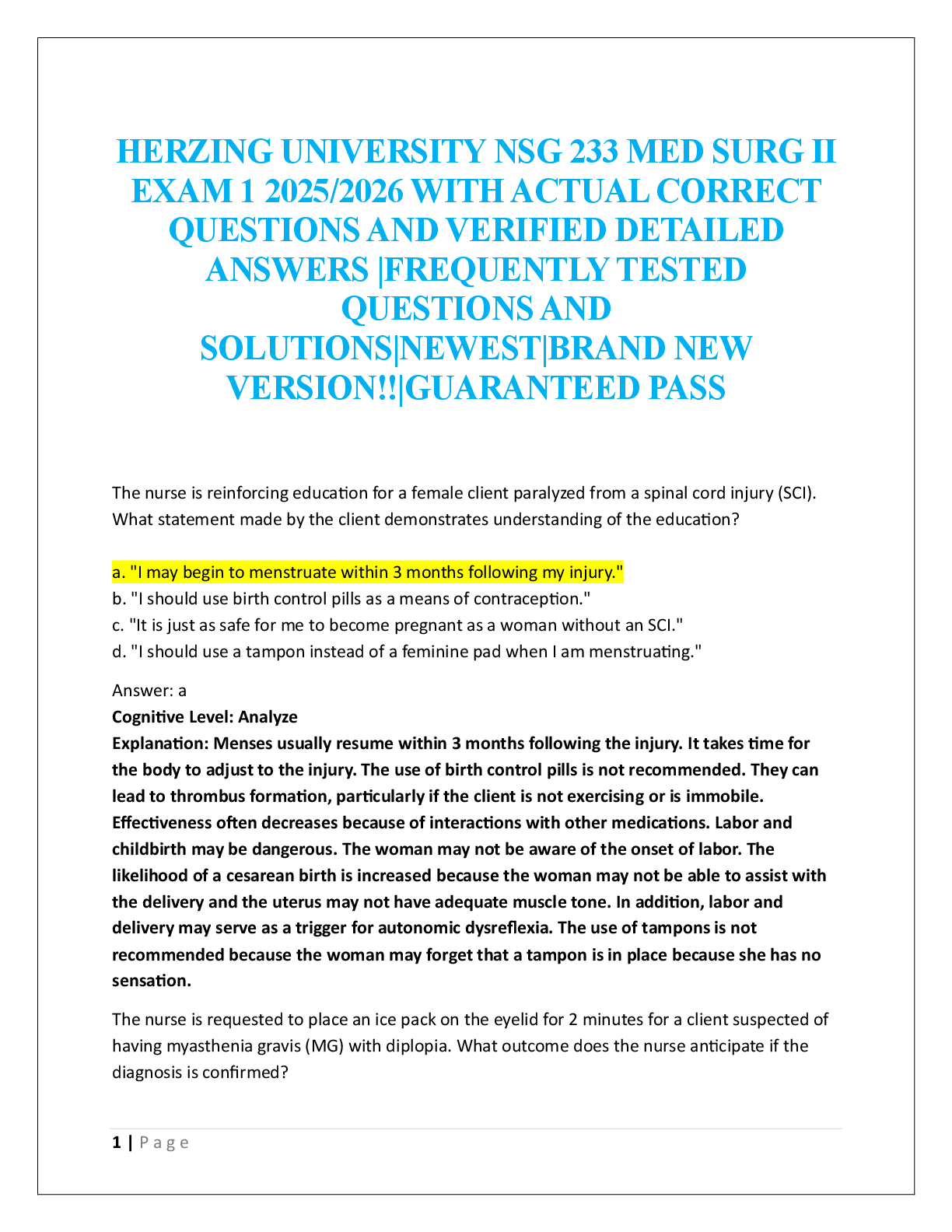
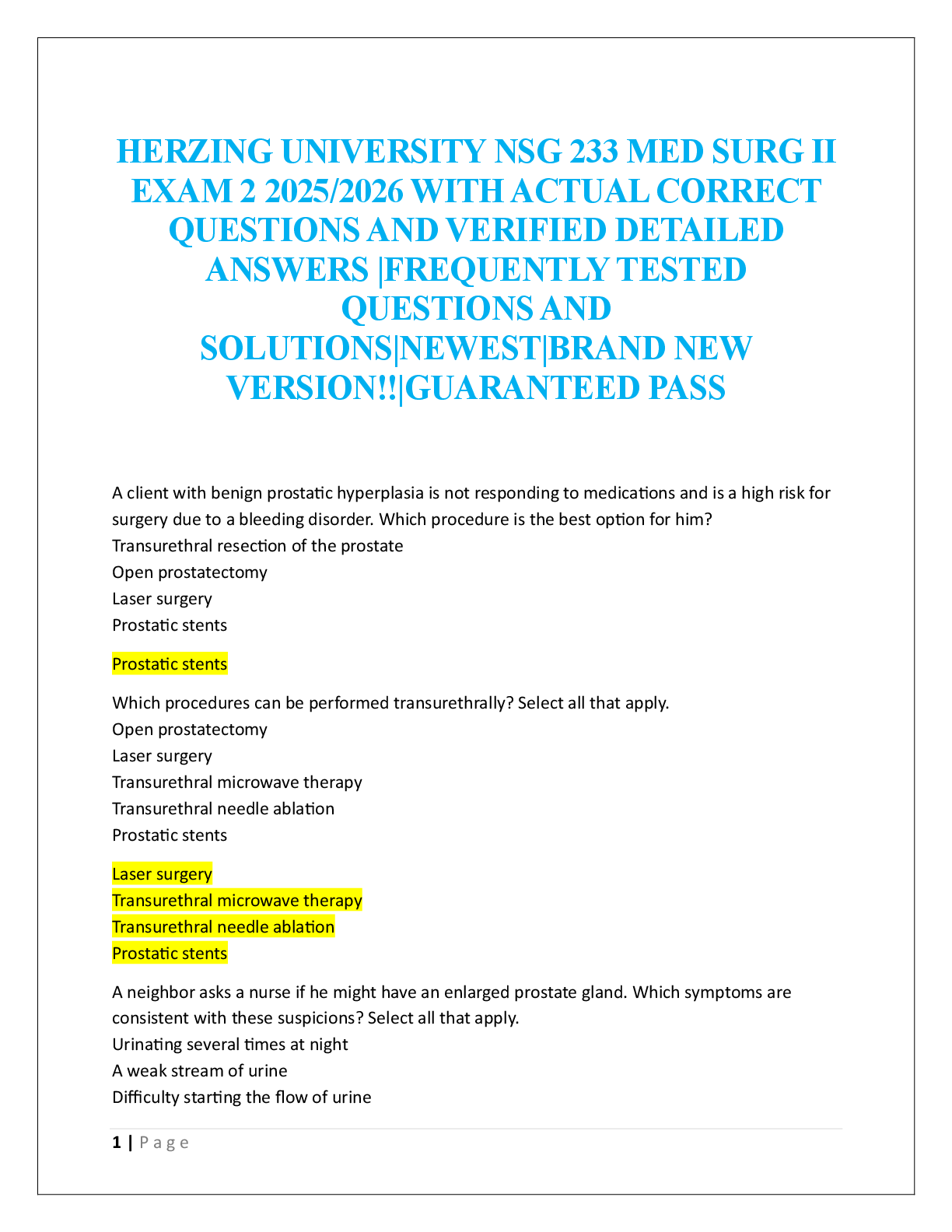
INSTANT PDF DOWNLOAD — This comprehensive study guide is specifically designed for Herzing University nursing students preparing for the HESI Exam in NSG 233 / NSG233: Medical-Surgical Nursing II for the 2026/2027 academic year. This resource contains expertly verified practice questions and 100% correct answers with detailed rationales to help you master core concepts and achieve a top score (Grade A) .
This guide covers all major topics tested on the HESI Exam, including:
Neurological Disorders & Stroke Management
Stroke with dysphagia: patients must be observed for paroxysms of coughing, food dribbling out of or pooling in one side of the mouth, food retained for long periods, or nasal regurgitation when swallowing liquids; swallowing difficulties place the patient at risk for aspiration, pneumonia, dehydration, and malnutrition
Ischemic stroke medications: normalize INR to 2-3 with warfarin or anticoagulant; platelet inhibiting medications like aspirin; thrombolytic agents (recombinant t-PA) must be given within 3-hour window from symptom onset
Guillain-Barré syndrome: patients are at risk for aspiration and dysphagia; ascending paralysis requires monitoring respiratory effort as highest priority
Myasthenia gravis: avoid cold temperatures as it can worsen symptoms; can be diagnosed through ice test
Traumatic Brain Injury: cardinal behavioral sign of frontal lobe injury is bizarre or irrational behavior; temporal lobe injury presents with amnesia or disorientation; GCS score 3-8 indicates severe TBI; Cushing's triad (bradycardia, widening pulse pressure, irregular respirations) indicates increased intracranial pressure; position HOB at 30 degrees with neck in neutral position; monitor for hyponatremia which can cause seizures
Thyroid Disorders (Graves' Disease & Hypothyroidism)
Graves' disease (thyrotoxicosis): assess for tachycardia, fine muscle tremors, weight loss despite good appetite, heat intolerance, irritability caused by excess thyroid hormone; oligomenorrhea or amenorrhea may result from hormonal imbalances
Hypothyroidism: assess for decreased energy and fatigue, weight gain, constipation, menorrhagia, cold intolerance
Propylthiouracil (PTU): inhibits production of thyroid hormones; desired outcome is ability to sleep and rest at night
Preoperative SSKI (Saturated Solution of Potassium Iodide): administered before thyroidectomy to decrease vascularity of thyroid gland
Post-thyroidectomy complications: laryngeal nerve damage assessed by asking client to speak immediately upon regaining consciousness; monitor for hypocalcemia (tingling in fingers and toes) indicating accidental parathyroid removal
Oncology & Chemotherapy
Chemotherapy-induced renal failure: cisplatin, methotrexate, and mitomycin are particularly toxic to kidneys; monitor BUN, serum creatinine, creatinine clearance, and serum electrolytes; ensure adequate hydration, diuresis, alkalinization of urine to prevent uric acid crystals; amifostine minimizes renal toxicities associated with cisplatin
Hemorrhagic cystitis: can result from cyclophosphamide and ifosfamide; mesna (Mesnex) binds with toxic metabolites to prevent hemorrhagic cystitis
Radiation therapy: alterations in oral mucosa include stomatitis, xerostomia (dry mouth), and change or loss of taste
Emergency & Critical Care
Triage prioritization: 56-year-old diaphoretic with chest pain is priority
Carbon monoxide poisoning: priority is to assess carboxyhemoglobin levels; client may have cherry red lips
Rhabdomyolysis from crush injury: dark urine, myalgia, and muscle weakness indicate condition
Anaphylaxis: epinephrine is medication for wheezing and swelling
Pneumothorax: patient with severe chronic emphysema has greatest risk for spontaneous pneumothorax
Hypothermia: monitor for ventricular fibrillation as patient's temperature increases from 31°C to 32°C (88°F to 90°F); rewarming methods based on severity
Acetaminophen overdose: antidote is acetylcysteine (Mucomyst)
Heparin overdose: protamine sulfate as antidote; have equipment ready for possible resuscitation
Hypovolemic shock: initial fluids are normal saline; priority intervention is fluid resuscitation
Sepsis & Multi-Organ Dysfunction
Sepsis: highest priority is obtaining blood cultures before antibiotics; antipyretic every four hours as needed for fever and chills
Early signs of MODS (Multiple Organ Dysfunction Syndrome): dyspnea and shortness of breath
Gastrointestinal & Hepatic Disorders
Pancreatitis: anticipate elevated amylase levels
Esophageal varices: most important intervention is to monitor infusing IV fluids and any replacement blood products
Liver biopsy: evaluate vital signs q10-20 minutes for 2 hours after procedure to assess for bleeding; position client on right side with pillow under costal margin
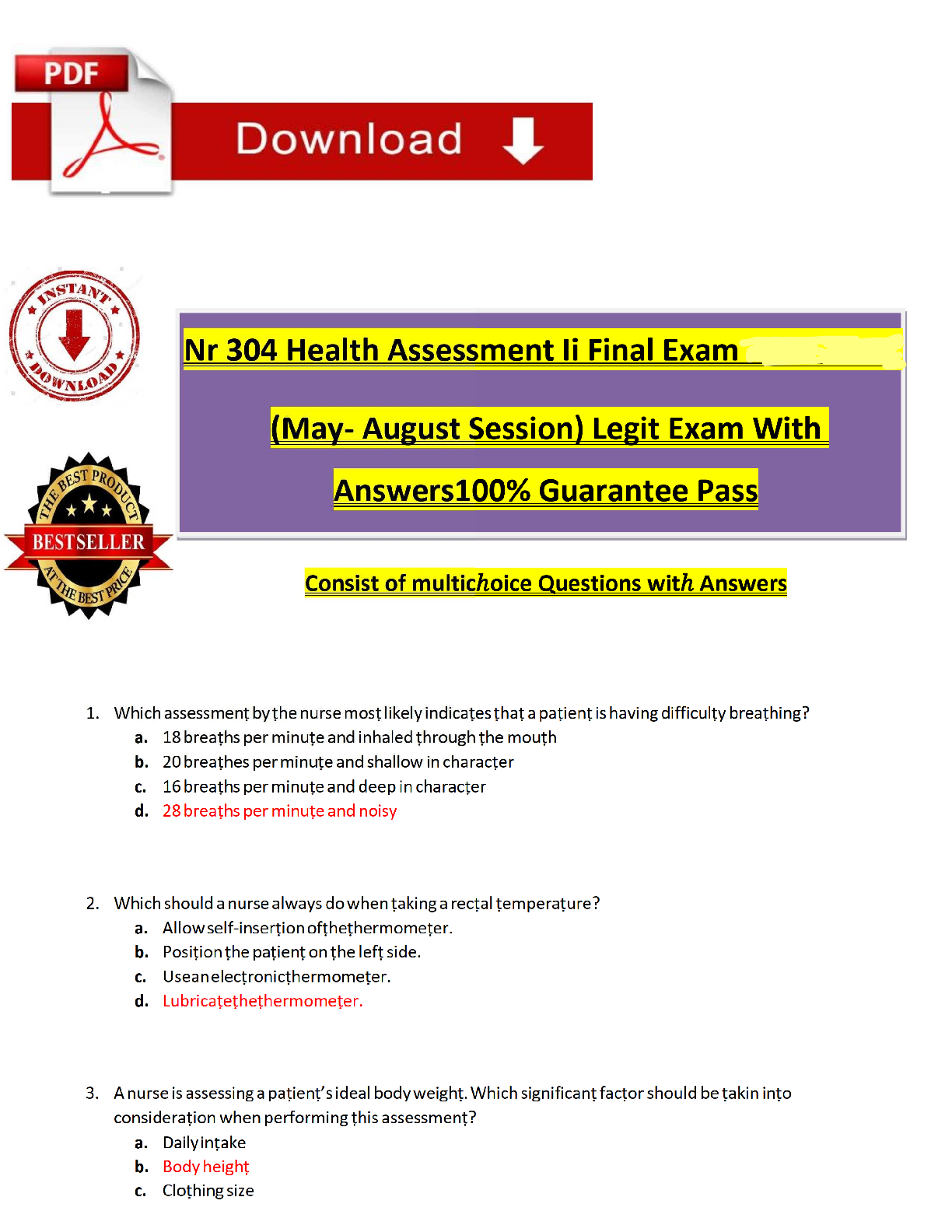
Sample Questions Include:
"Which assessment is most important for the nurse to perform on a client with Guillain-Barré syndrome that is rapidly progressing?" → Respiratory effort
"What is the cardinal behavioral sign of a frontal lobe traumatic brain injury?" → Bizarre or irrational behavior
"What are the three cardinal signs of brain death?" → Coma, absence of reflexes, apnea
"What GCS score indicates a severe traumatic brain injury?" → A score of 3-8
"What is the medication for anaphylaxis experiencing wheezing and swelling?" → Epinephrine
"A client with thyrotoxicosis says, 'I am so irritable.' Which response gives the most accurate explanation?" → "Your behavior is caused by the excess thyroid hormone in your system."
"Following a subtotal thyroidectomy, the nurse asks the client to speak immediately upon regaining consciousness. This is to monitor for signs of" → Laryngeal nerve damage
"What type of patient has the greatest risk of developing a spontaneous pneumothorax?" → Someone with severe chronic emphysema
"Treatment for Tylenol overdose" → Acetylcysteine
"A client is brought to ER for carbon monoxide poisoning. What is the priority?" → Assess carboxyhemoglobin levels
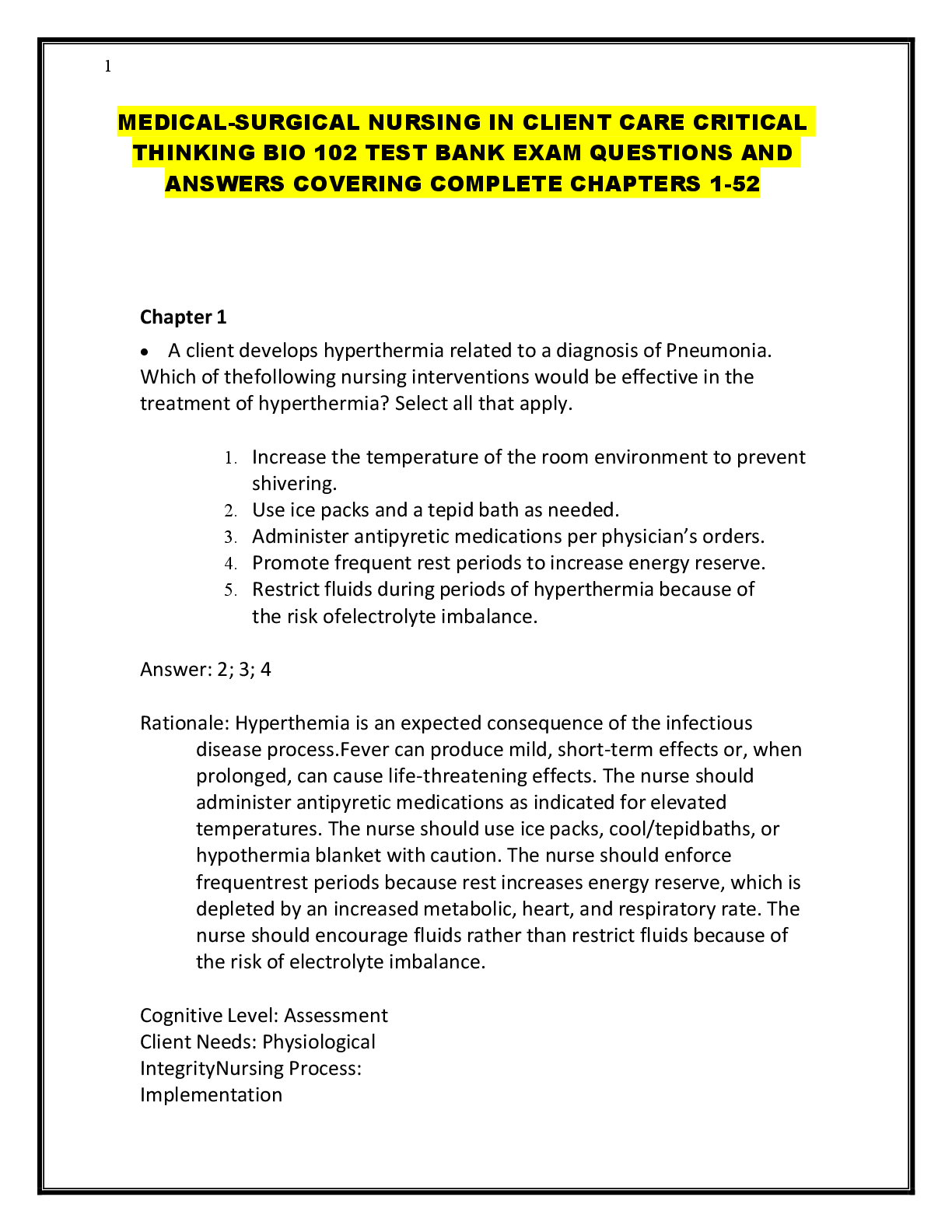
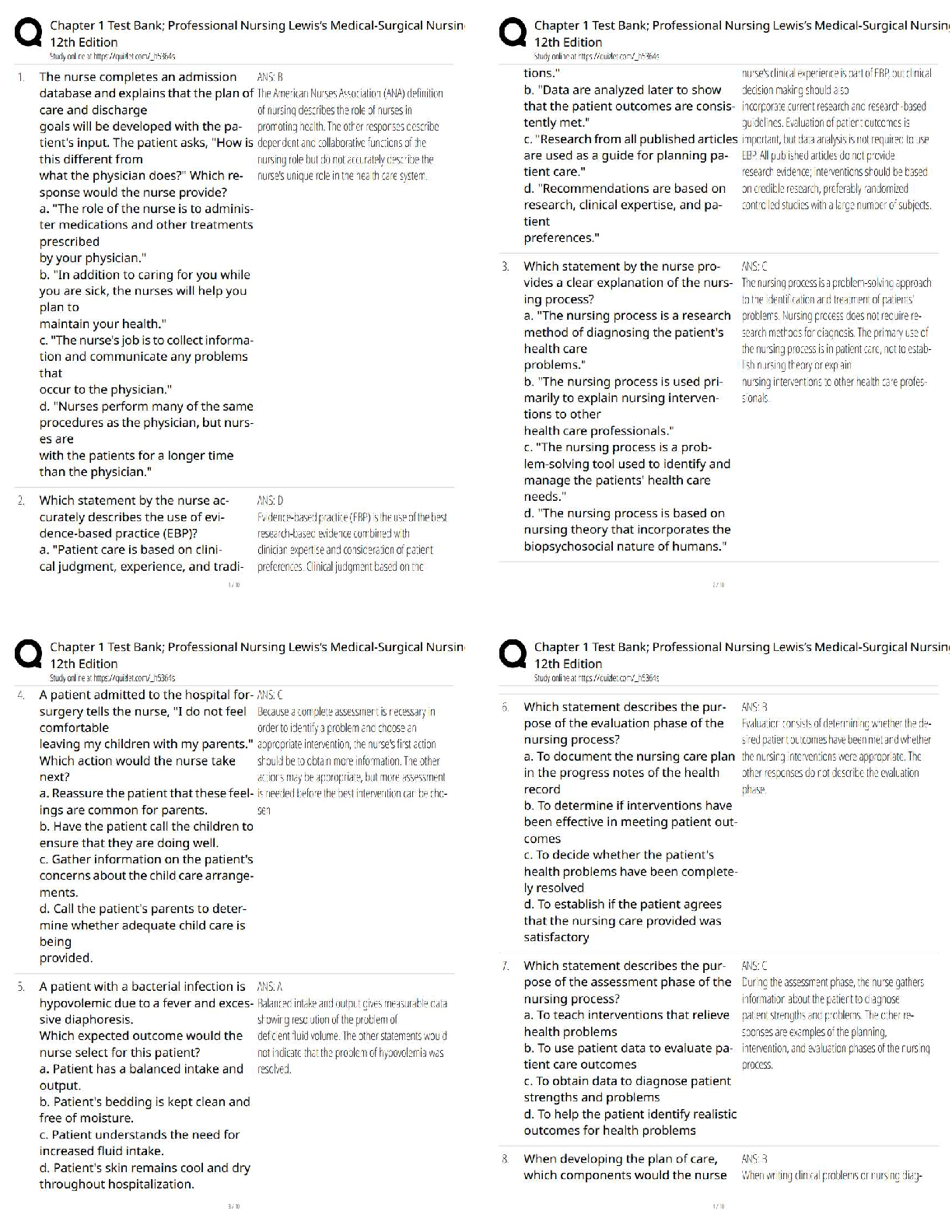
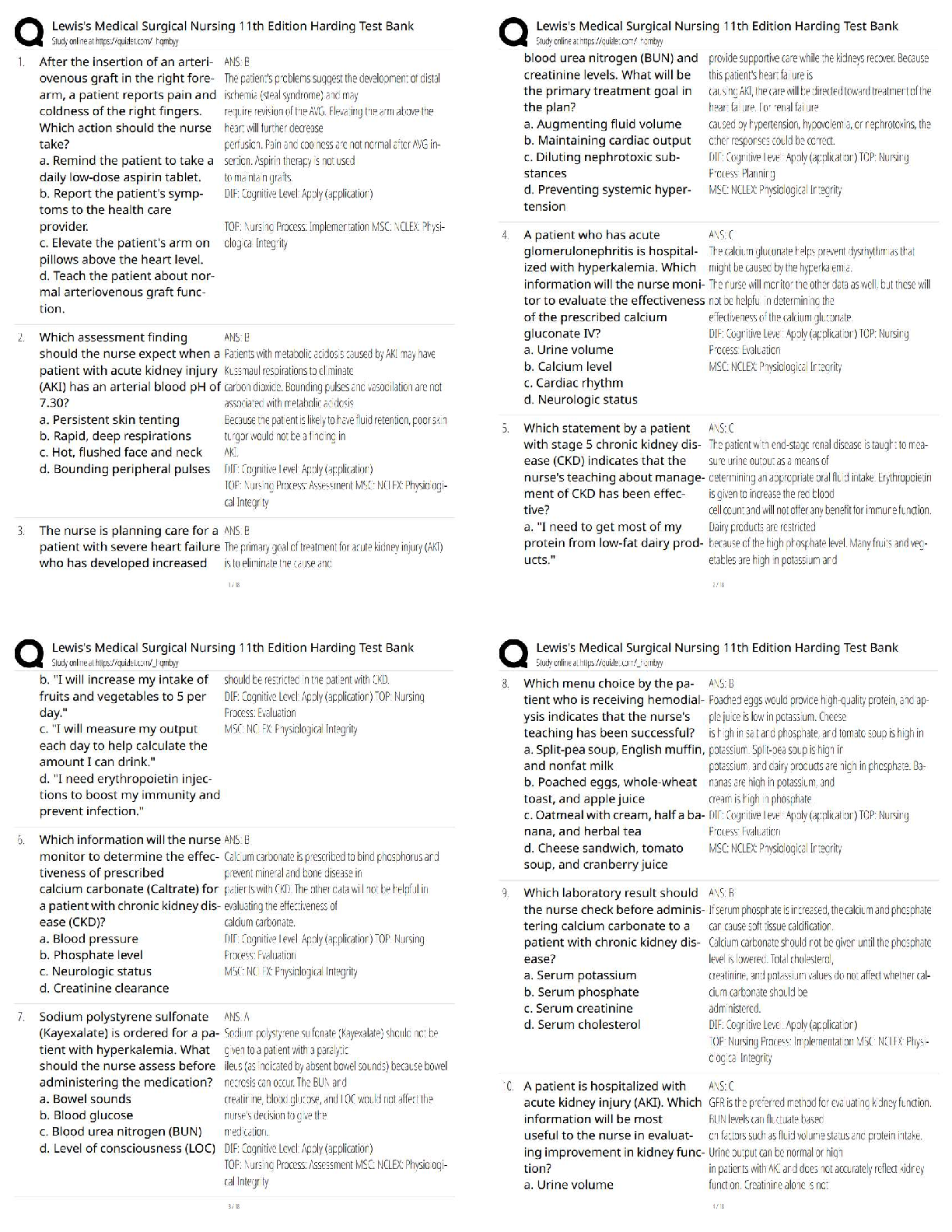
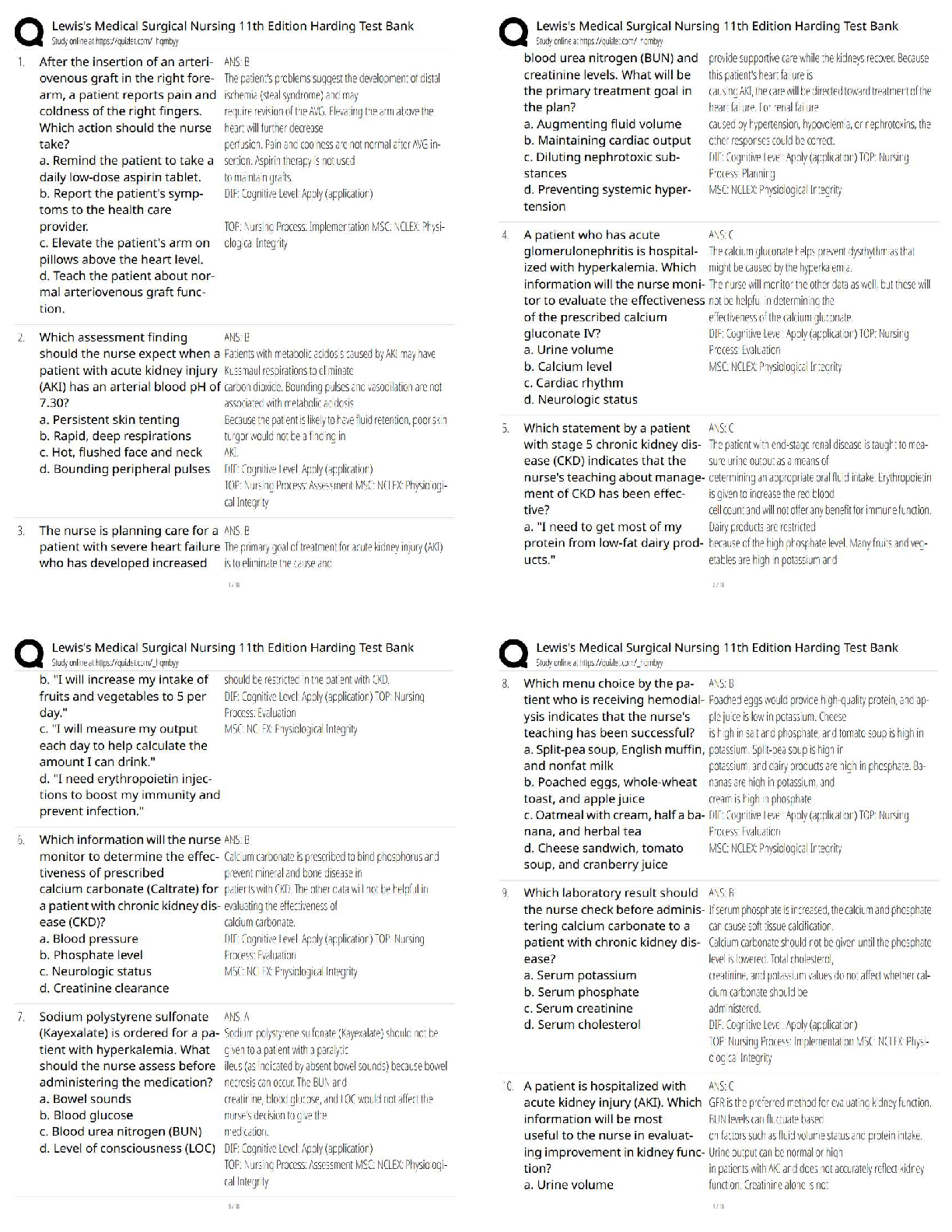
All questions include complete rationales based on current evidence-based practice and HESI testing standards, with nursing process tags, cognitive level tags, and NCLEX categories .
DOCUMENT ACCESS:
This study guide is available as an instant digital download (PDF) immediately upon purchase. Fully text-searchable, printable, and accessible anytime through your user account. 100% satisfaction guarantee. Trusted by thousands of Herzing nursing students for HESI exam preparation and mastering medical-surgical nursing competencies .
[Show More]




.png)