INSTANT PDF DOWNLOAD—This comprehensive exam bundle contains all four exams for Galen College of Nursing students preparing for NSG 3450 / NSG3450: Nursing Practice – Mental Health for the 2026/2027 academic year . Based
...
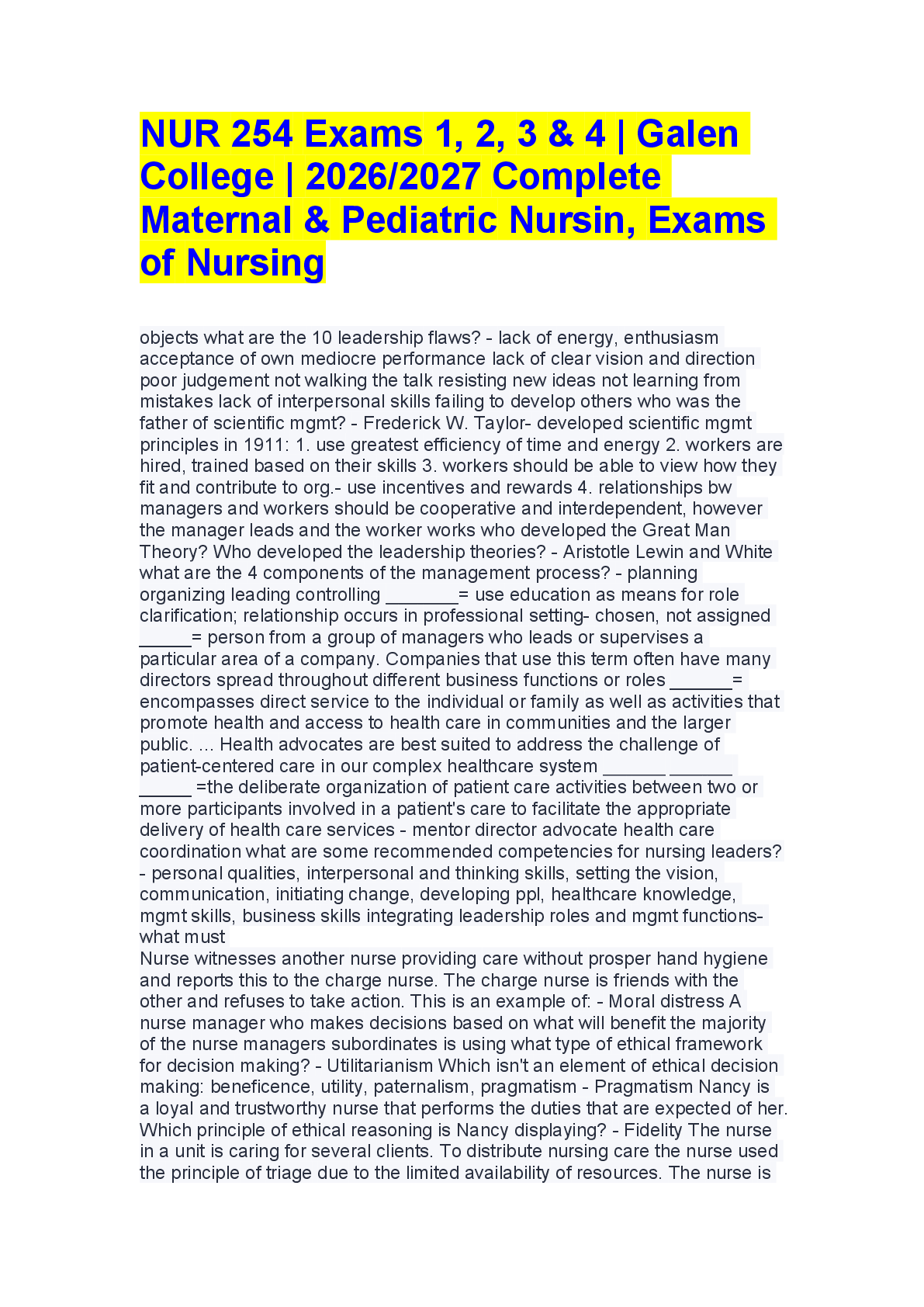
INSTANT PDF DOWNLOAD—This comprehensive exam bundle contains all four exams for Galen College of Nursing students preparing for NSG 3450 / NSG3450: Nursing Practice – Mental Health for the 2026/2027 academic year . Based on verified exam materials from top-selling student resources, this 113+ page resource contains expertly verified practice questions and 100% correct answers with detailed rationales to help you master core mental health nursing concepts across all exams and achieve a top score (Grade A+) .
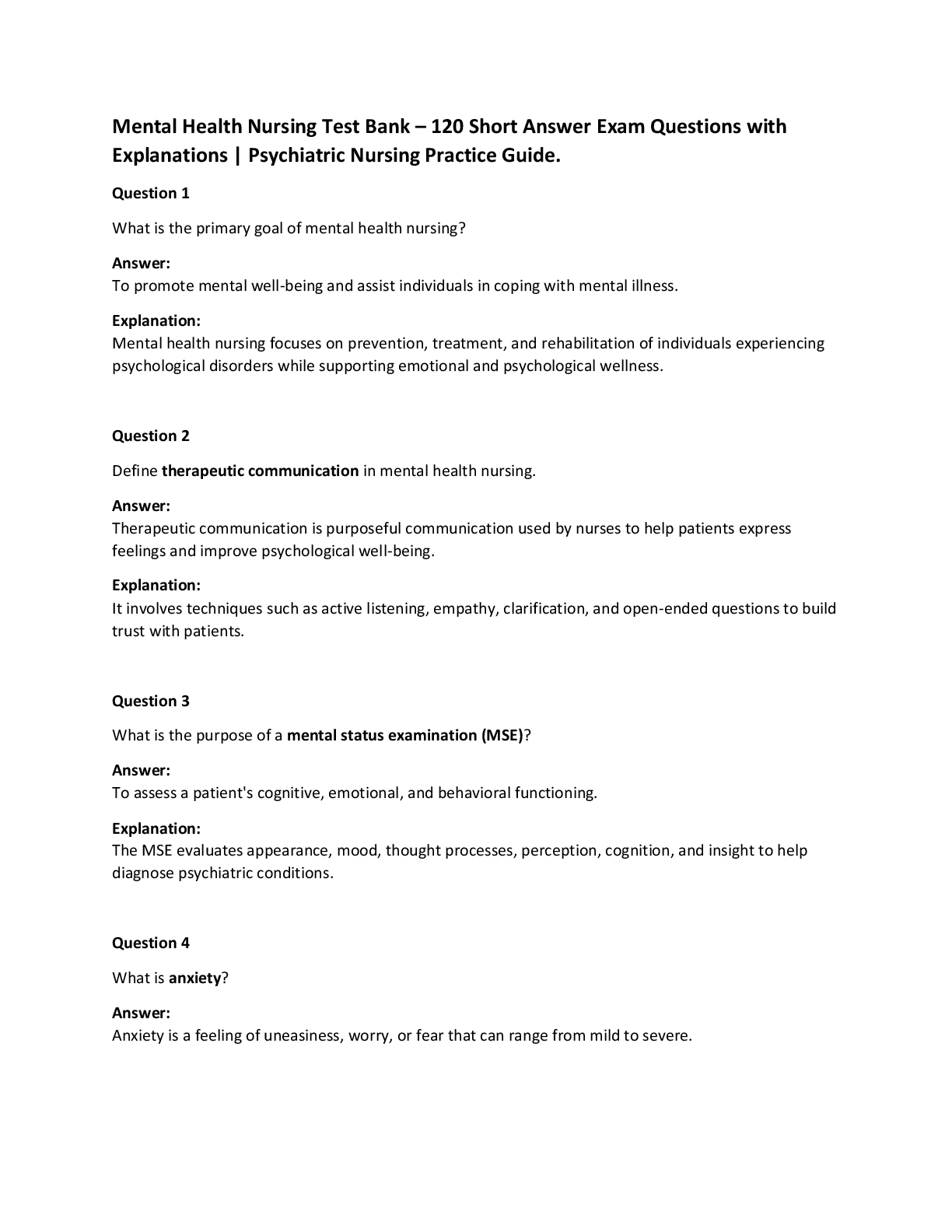
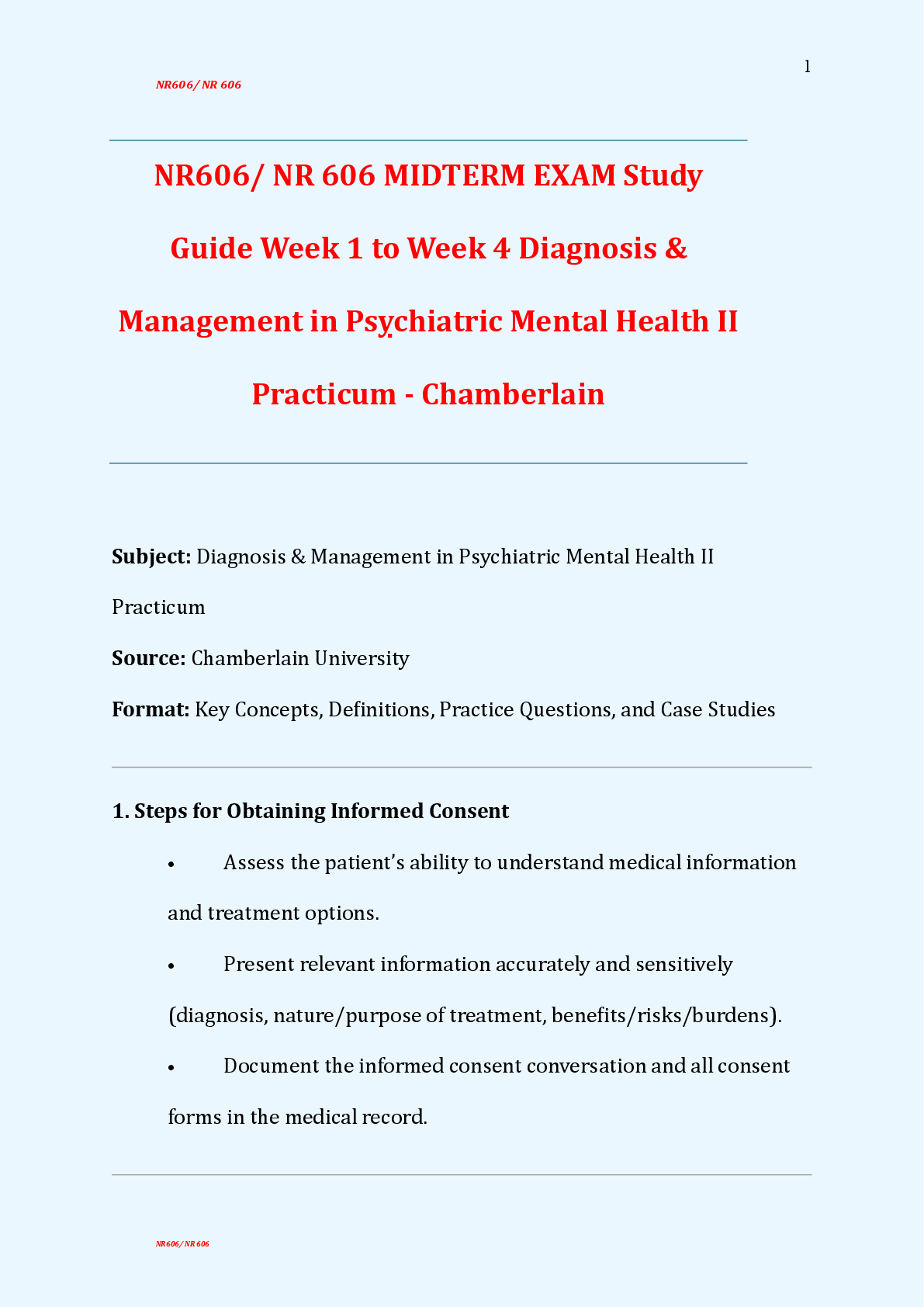
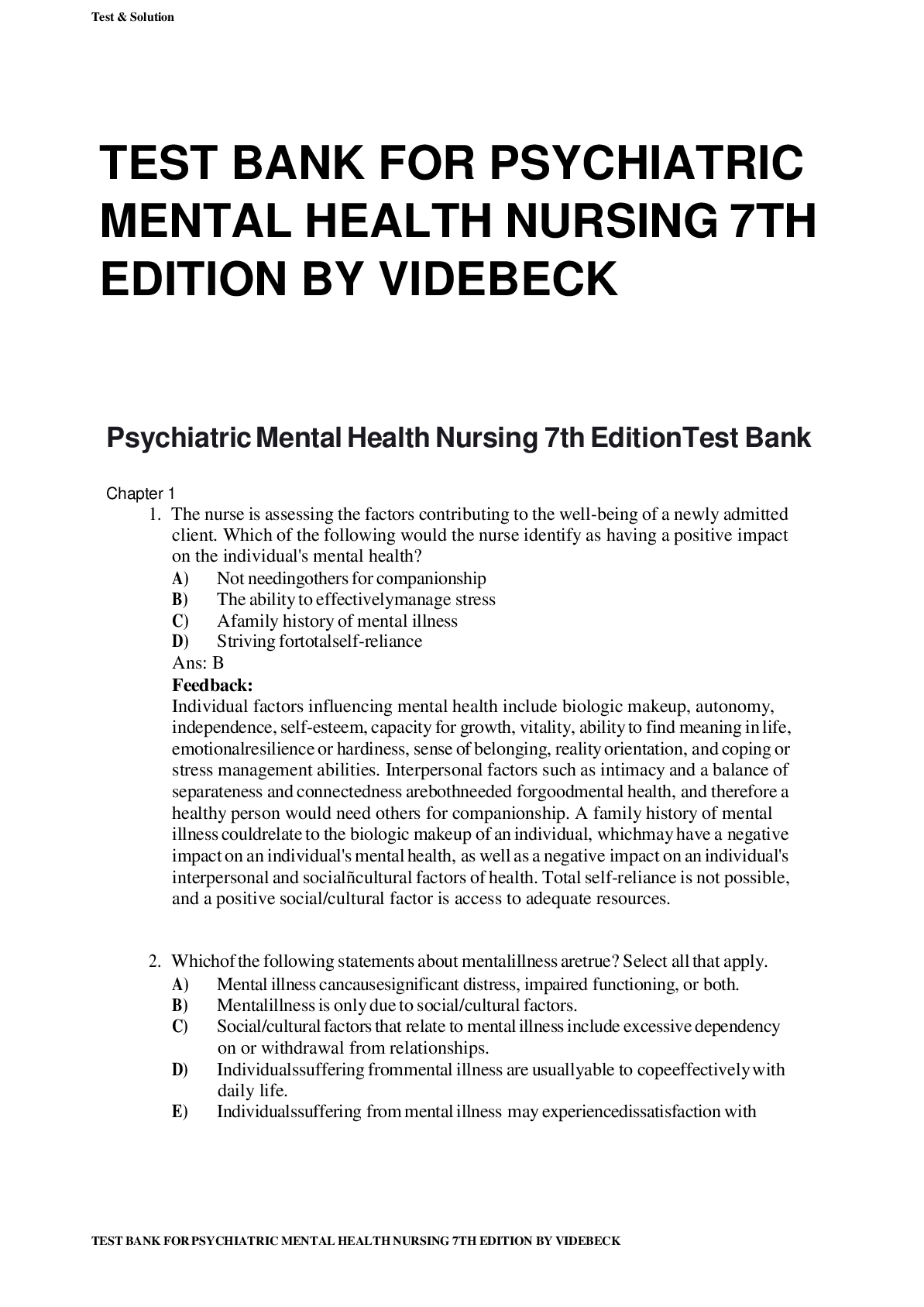
This comprehensive bundle covers all major topics tested across Exams 1-4 with complete rationales :
Exam 1: Foundations of Mental Health Nursing
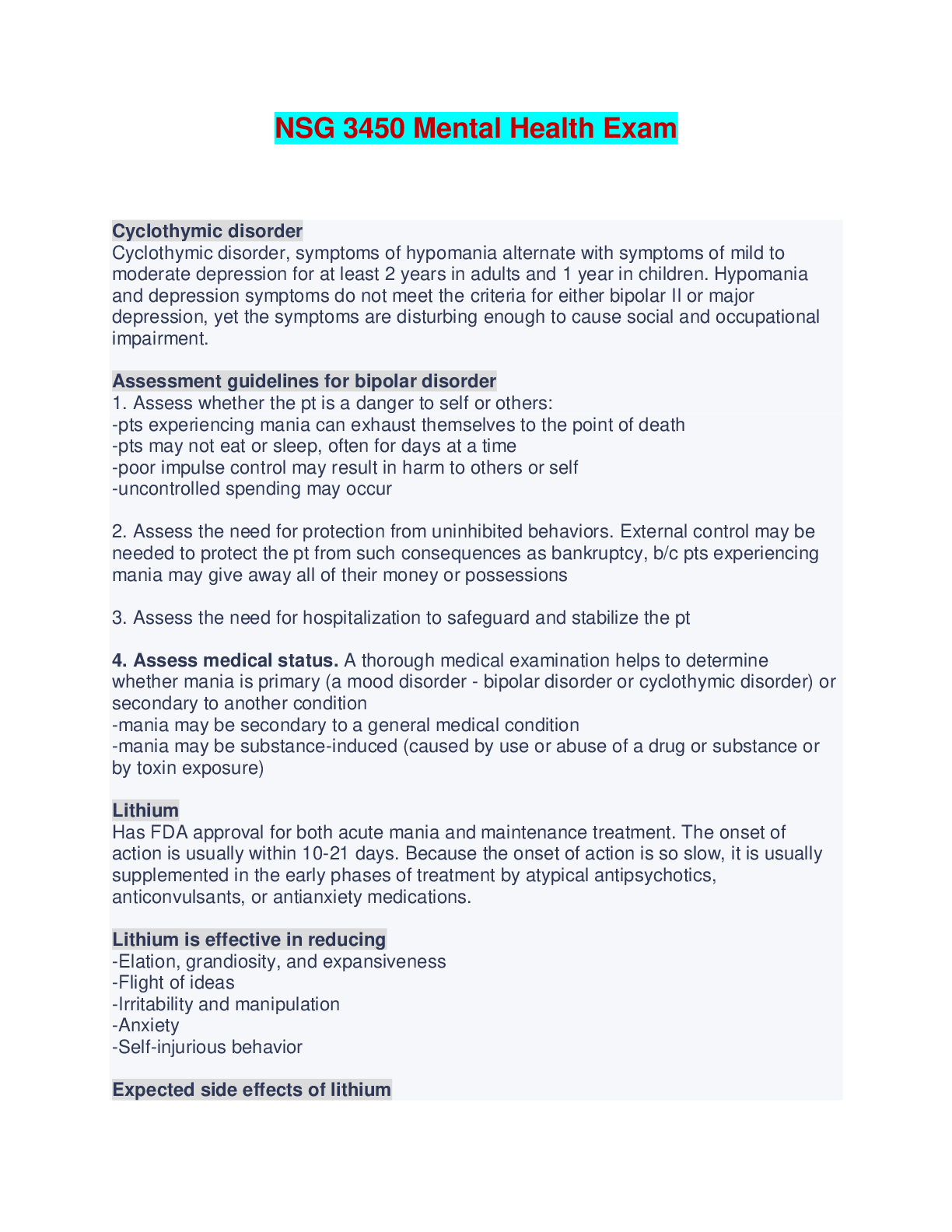
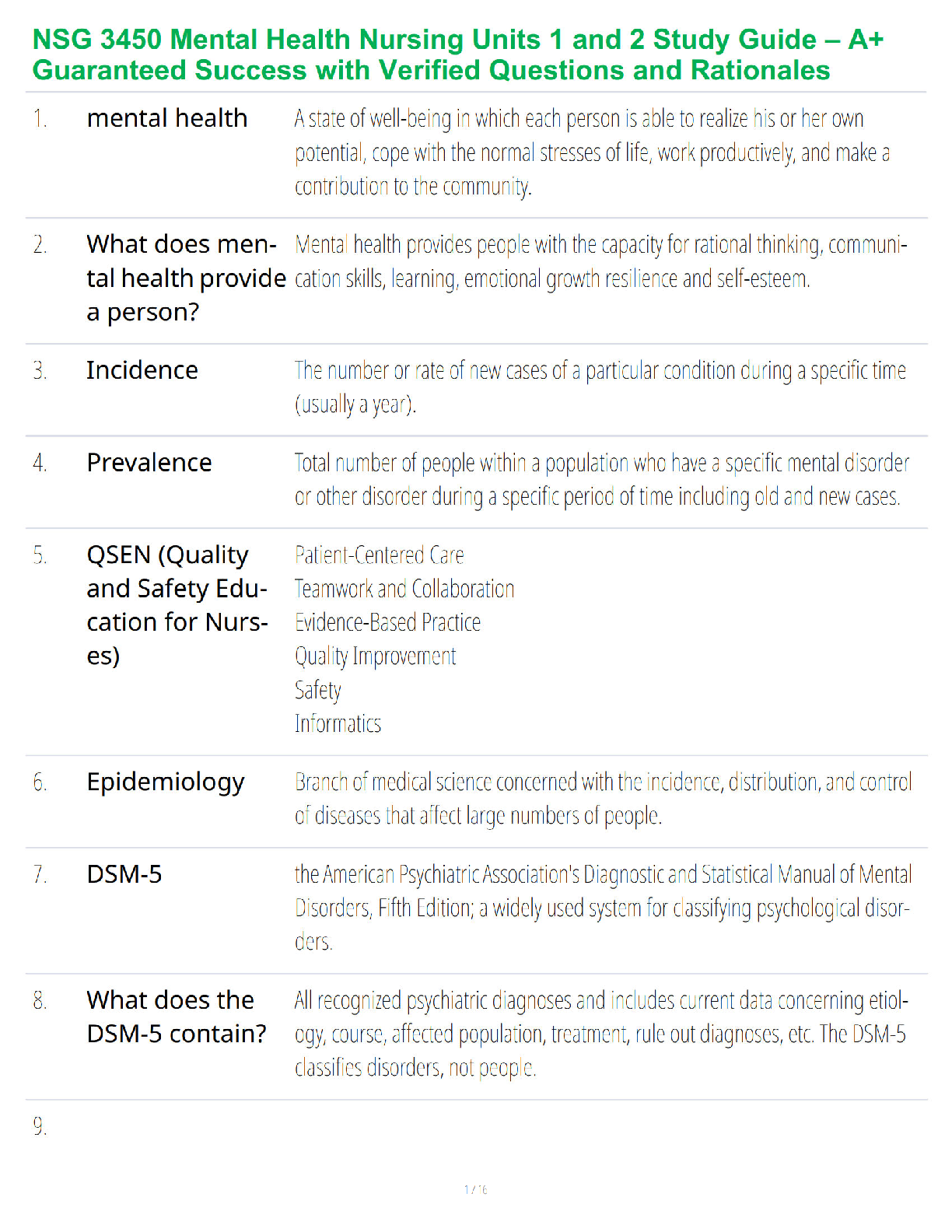
Mental Health Definition: State of well-being in which individuals reach their own potential, cope with normal life stresses, work productively, and contribute to the community
Biological Factors: Prenatal exposure to alcohol and oxygen deprivation influence mental health
Diathesis-Stress Model: Most accepted explanation for mental illness – represents biological predisposition and stress represents environmental stress or trauma
Conscious vs. Unconscious: Conscious (aware perceptions, memories, thoughts); Preconscious (easily retrieved); Unconscious (repressed memories, passions, unacceptable urges)
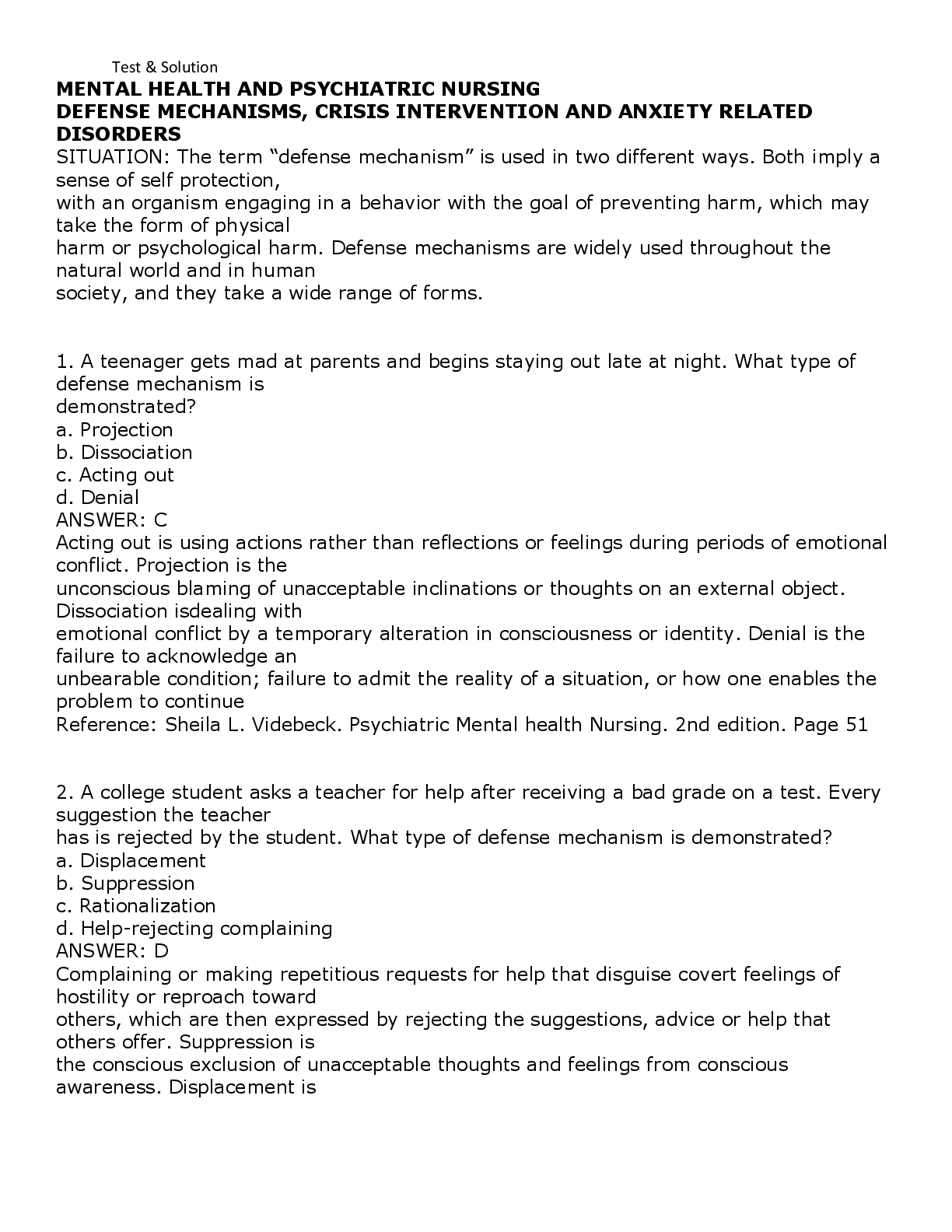
Defense Mechanisms: Ego develops defense mechanisms to ward off anxiety by preventing conscious awareness of threatening feelings
Interpersonal Therapy: Effective for grief/loss, interpersonal disputes, and role transition
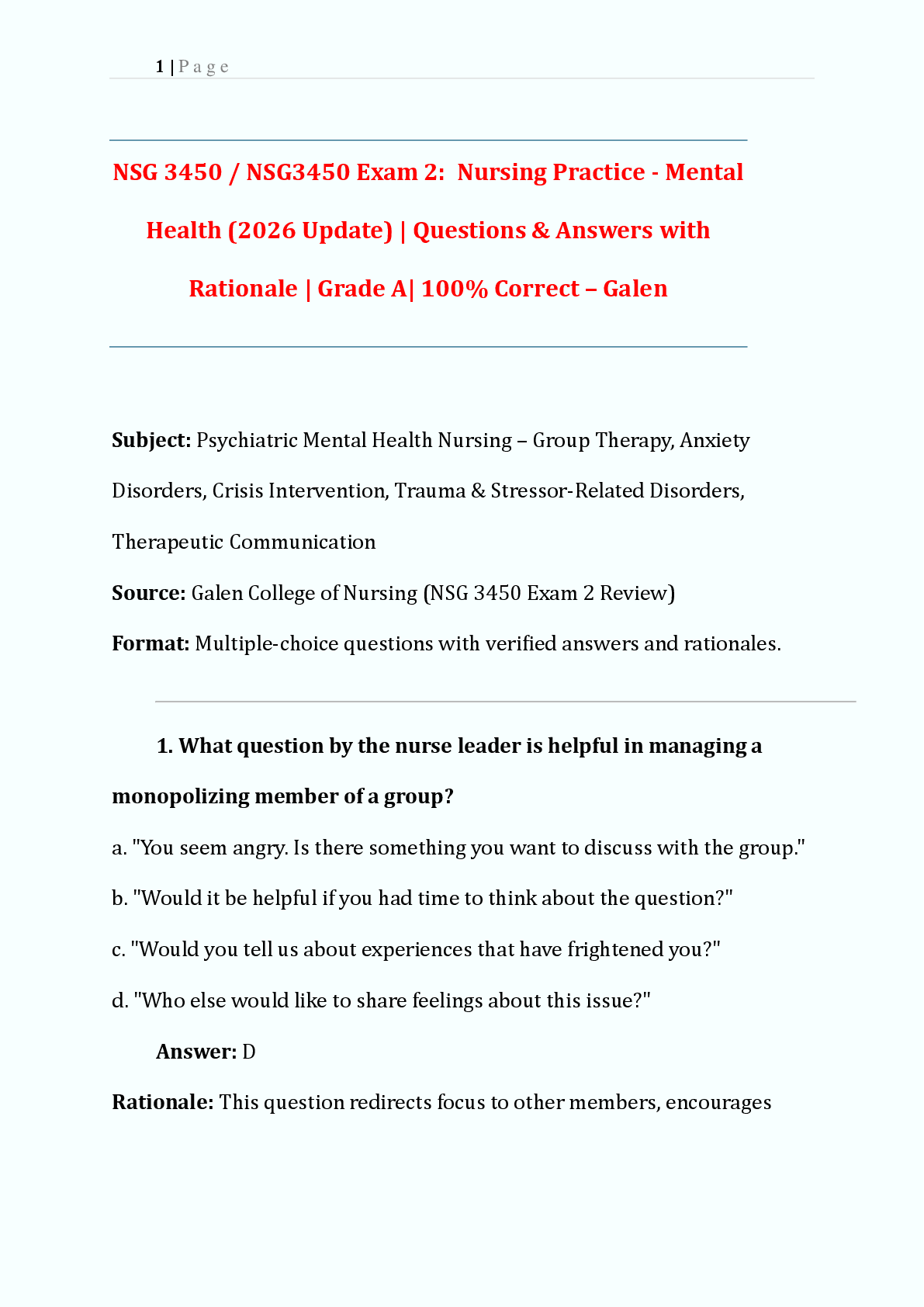
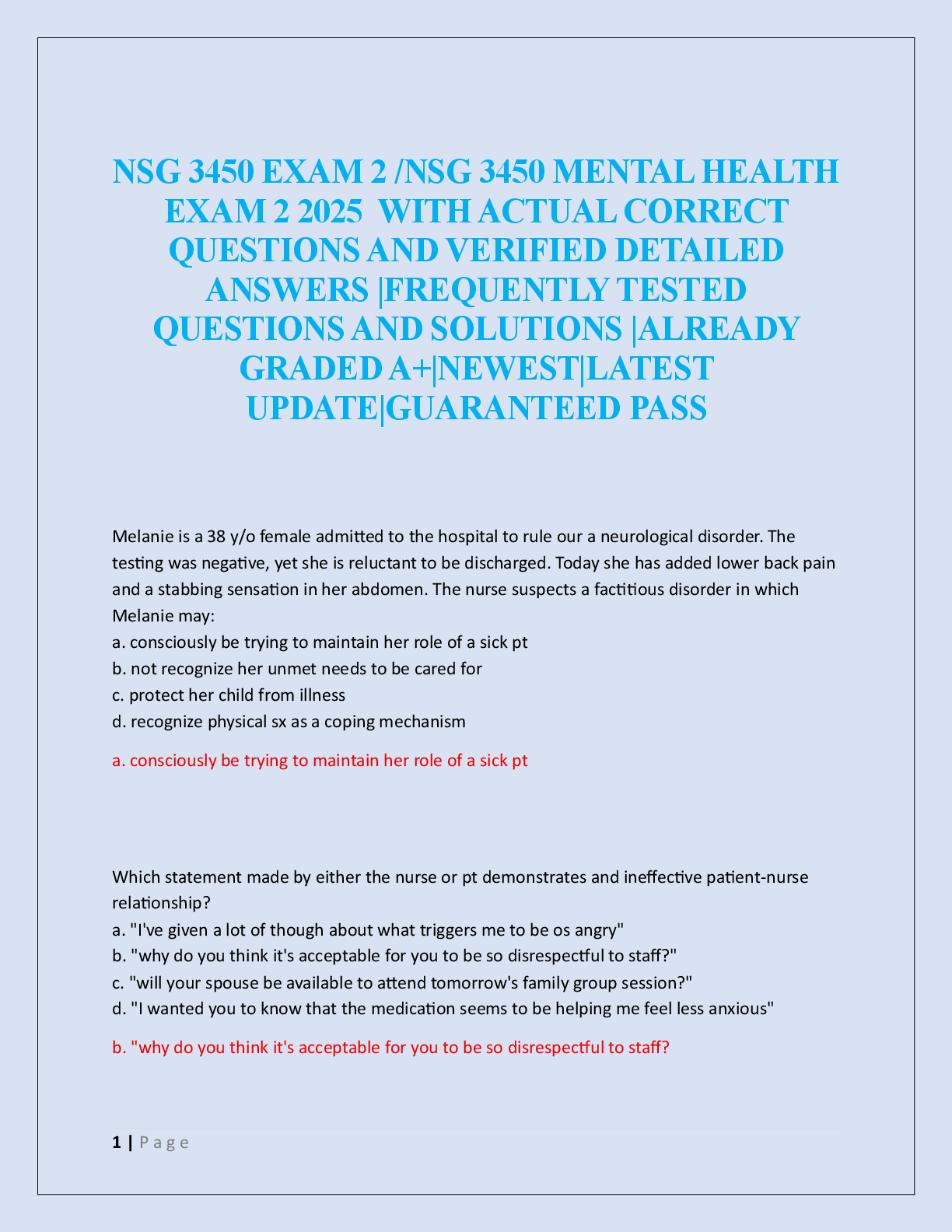
Exam 2: Nursing Process, Therapeutic Relationships & Communication
Nursing Process: Assessment (subjective/objective data, MSE, health history) → Diagnosis → Outcome identification (NOC outcomes, time estimates) → Planning (safe, realistic, evidence-based) → Implementation (coordination of care, health teaching, milieu therapy) → Evaluation (continuous process)
Peplau's Nurse-Patient Relationship Phases: Pre-orientation (self-reflection, chart review), Orientation (establish rapport, contract, goals), Working (reassessment, teaching, problem-solving), Termination (discharge, goal review)
Therapeutic vs. Nontherapeutic Communication: Avoid premature advice, minimizing feelings, false reassurance, asking "why" questions; use open-ended questions
Curative Factors: Instillation of hope, universality, imparting information, altruism, corrective recapitulation, development of socializing techniques, imitative behavior, interpersonal learning, group cohesiveness, catharsis, existential factors
Exam 3: Anxiety, Stress, Crisis Intervention & PTSD
Anxiety Levels: Mild (everyday problem-solving), Moderate (selective inattention, sympathetic symptoms), Severe (perceptual field reduced, confused), Panic (markedly disturbed behavior, impulsivity)
Benzodiazepines vs. Buspirone: Buspirone is not a controlled substance, taken daily, 2-4 weeks for onset; benzodiazepines are controlled, work quickly, can be PRN
Roberts 7-Stage Crisis Intervention: 1) Crisis assessment (lethality), 2) Establish rapport, 3) Identify problems (last straw), 4) Deal with feelings, 5) Explore alternatives, 6) Develop action plan, 7) Follow-up
PTSD: Women at greatest risk; symptoms include re-experiencing trauma, avoidance, increased arousal; can begin a month after exposure or be delayed months/years
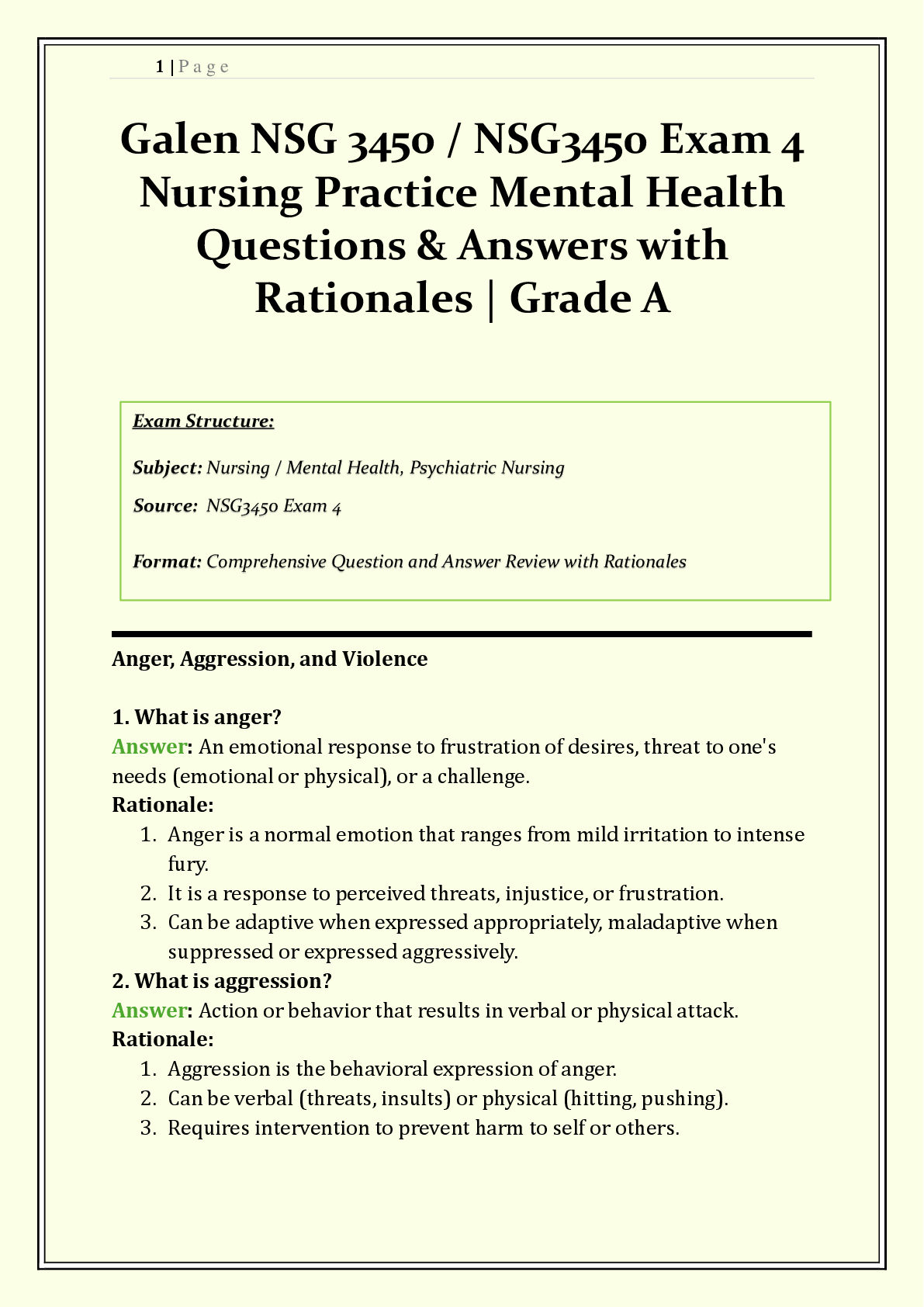
Exam 4: Psychopharmacology, Personality Disorders & Aggression
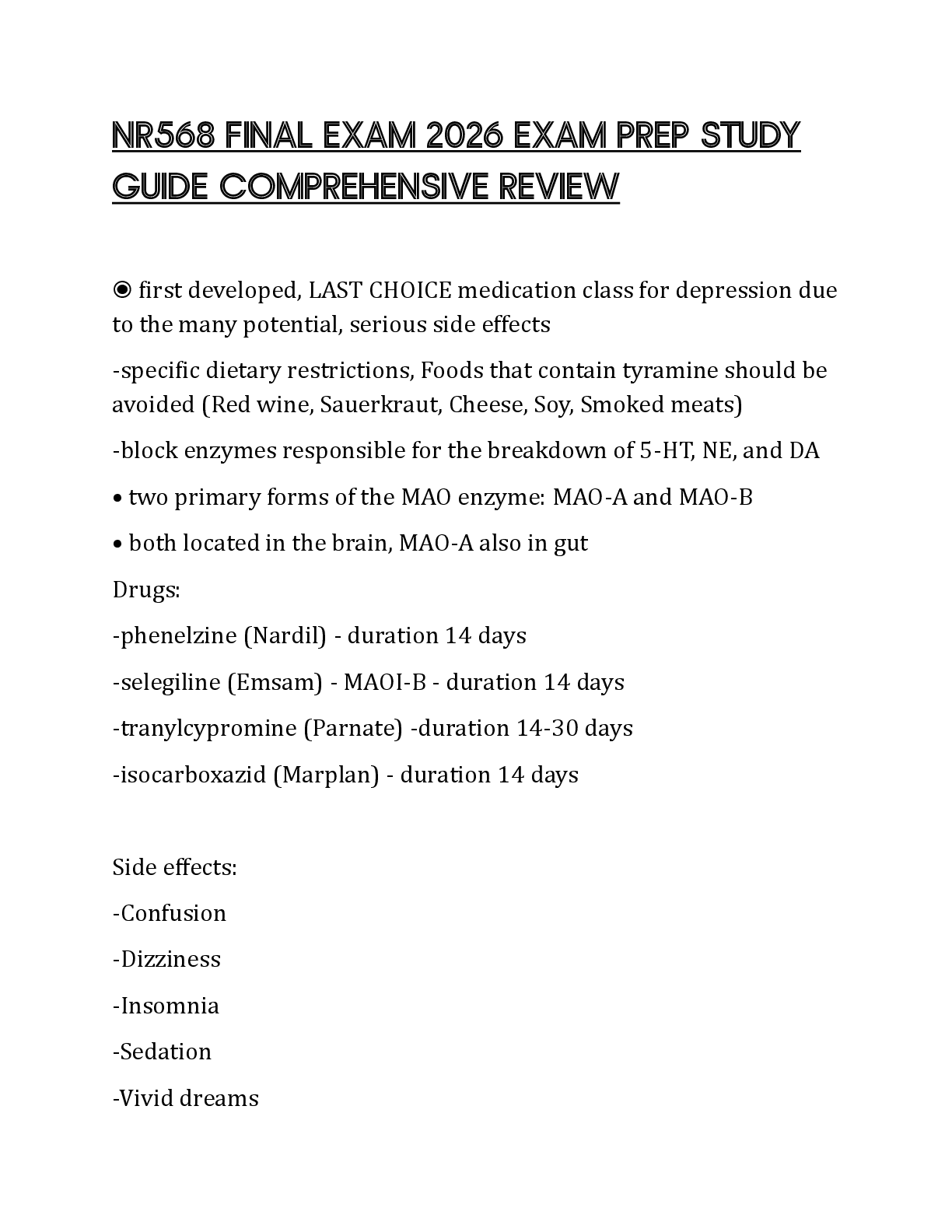
First Generation Antipsychotics (FGAs) : Traditional dopamine (D2 receptor) antagonists (haloperidol, chlorpromazine); primarily affect positive symptoms; EPS side effects: acute dystonia (reversible), akathisia (reversible), pseudoparkinsonism (reversible), tardive dyskinesia (irreversible, involuntary rhythmic movements)
Second Generation Antipsychotics (SGAs) : Serotonin (5-HT2A) and dopamine antagonists (risperidone, olanzapine, clozapine); treat both positive and negative symptoms; clozapine can cause agranulocytosis
Long-Acting Injectable Antipsychotics: Paliperidone palmitate (Invega Trinza) lasts 3 months; others last 2-4 weeks; ideal for patients "cheeking or palming" medications or resistant to treatment
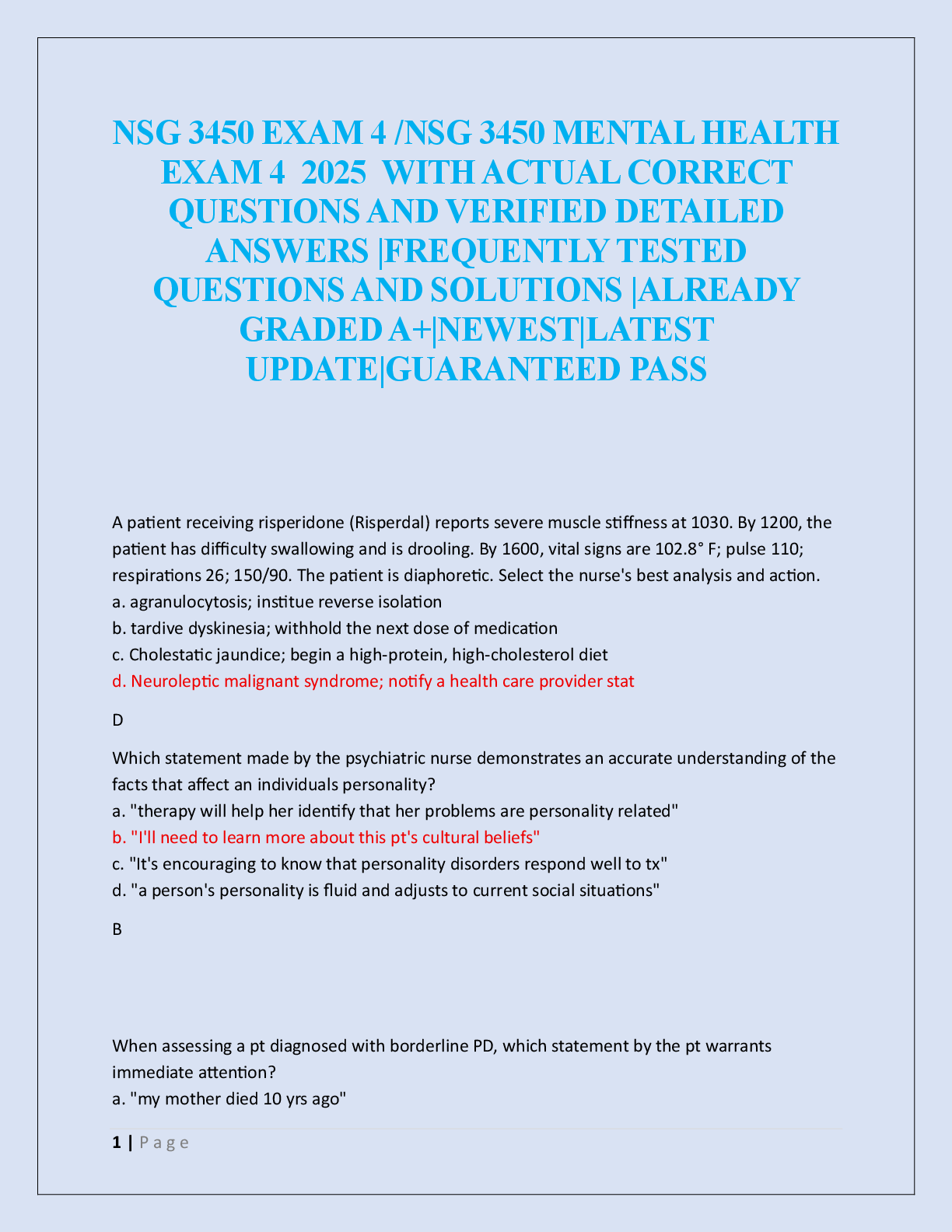
Neuroleptic Malignant Syndrome (NMS) : Severe muscle stiffness, difficulty swallowing, drooling, fever >102.8°F, tachycardia, diaphoresis – requires immediate provider notification
Personality Disorder Clusters: Cluster A (odd/eccentric – paranoid, schizoid, schizotypal); Cluster B (dramatic/erratic – borderline, antisocial, histrionic, narcissistic)
Borderline Personality Disorder: Instability of affect, identity, relationships, splitting behaviors, manipulation, impulsiveness, fear of abandonment
Aggression Risk: History of violence is single best predictor of future violence
Restraint and Seclusion: Contraindicated in extremely unstable medical conditions, COPD, spinal injury, seizure disorder, pregnancy, delirium/dementia
Domestic Violence Cycle: Tension building → Acute battering → Honeymoon stage
Sample Questions Include:
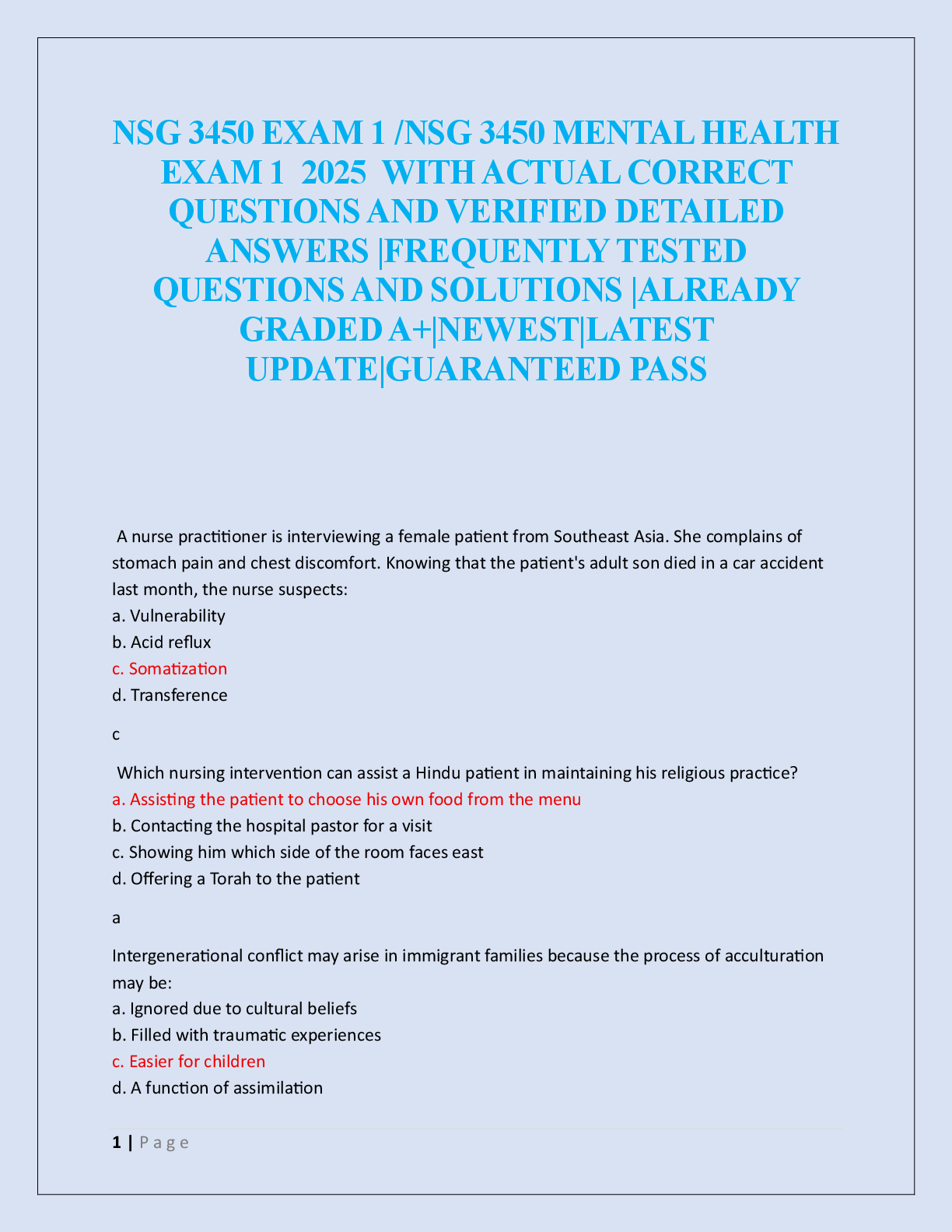
"A patient receiving risperidone reports severe muscle stiffness at 1030. By 1200, difficulty swallowing and drooling. By 1600, vital signs 102.8°F, pulse 110, respirations 26, BP 150/90, diaphoretic. Nurse's best analysis and action?" → Neuroleptic malignant syndrome; notify health care provider stat
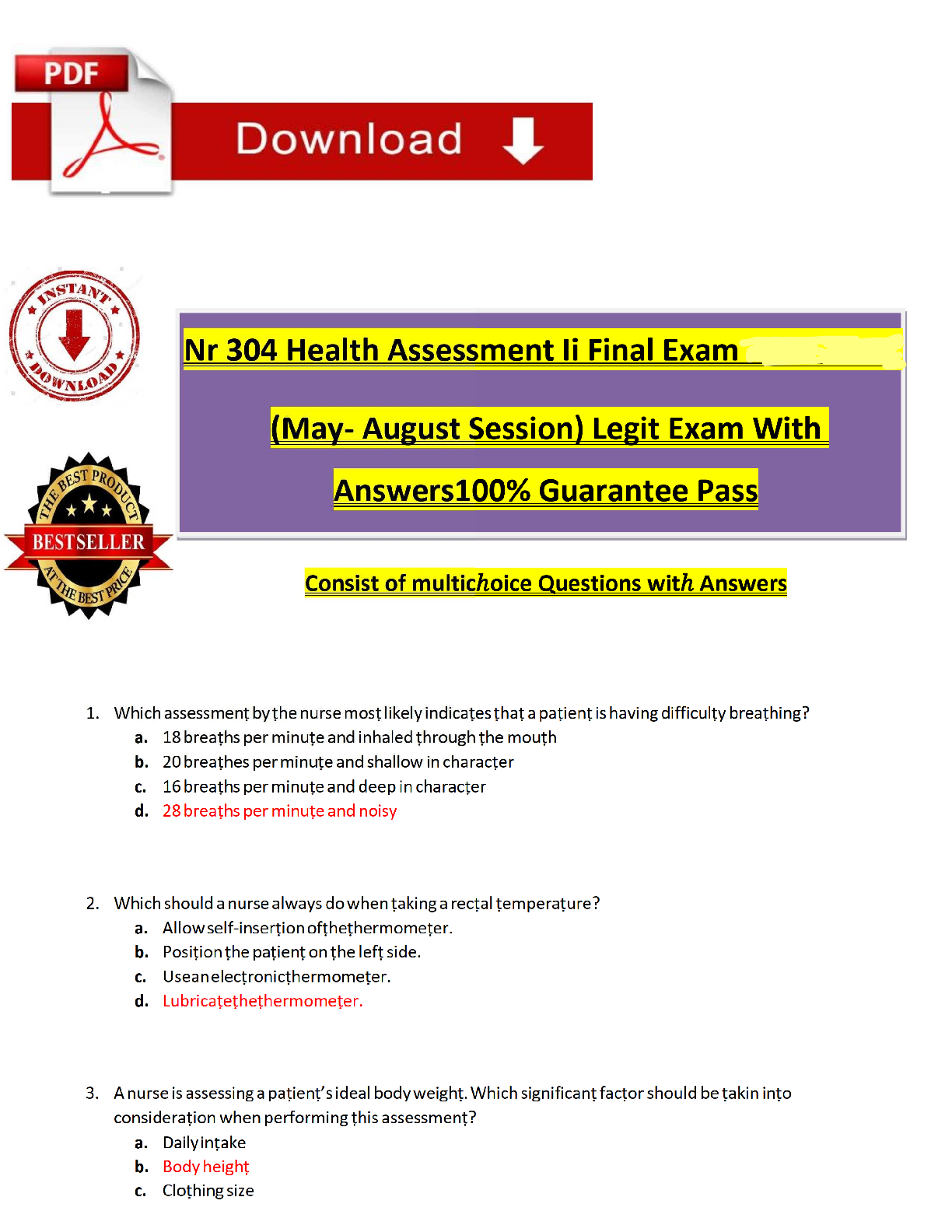
"Which personality disorders are generally associated with behaviors as 'odd or eccentric'?" → Paranoid, schizoid, schizotypal (Cluster A)
"What is the single best predictor of future violence?" → History of violence
"What is the current accepted professional view of the effect of culture on the development of a personality disorder?" → There aren't sufficient studies to confirm the role that ethnicity and race have on the prevalence of personality disorders
"What situations associated with a caregiver presents the greatest risk that an older adult will experience abuse?" → The caregiver was neglected as a child
"What is the desired outcome for a patient experiencing insomnia?" → Sleep for a minimum of 5 hours nightly within 7 days
"What are three types of problems that respond well to interpersonal therapy?" → Grief and loss, interpersonal disputes, role transition
All questions include complete rationales based on current evidence-based practice, DSM-5 criteria, mental health nursing standards, and Galen College curriculum requirements .
DOCUMENT ACCESS:
This comprehensive exam bundle is available as an instant digital download (PDF) immediately upon purchase. Fully text-searchable, printable, and accessible anytime through your user account. 100% satisfaction guarantee. Trusted by thousands of Galen nursing students for exam preparation and mastering mental health nursing competencies across all four exams .
[Show More]