INSTANT PDF DOWNLOAD — This comprehensive study guide is specifically designed for Chamberlain University graduate nursing students preparing for the Final Exam (Week 8) in NR 509 / NR509: Advanced Physical Assessment fo
...
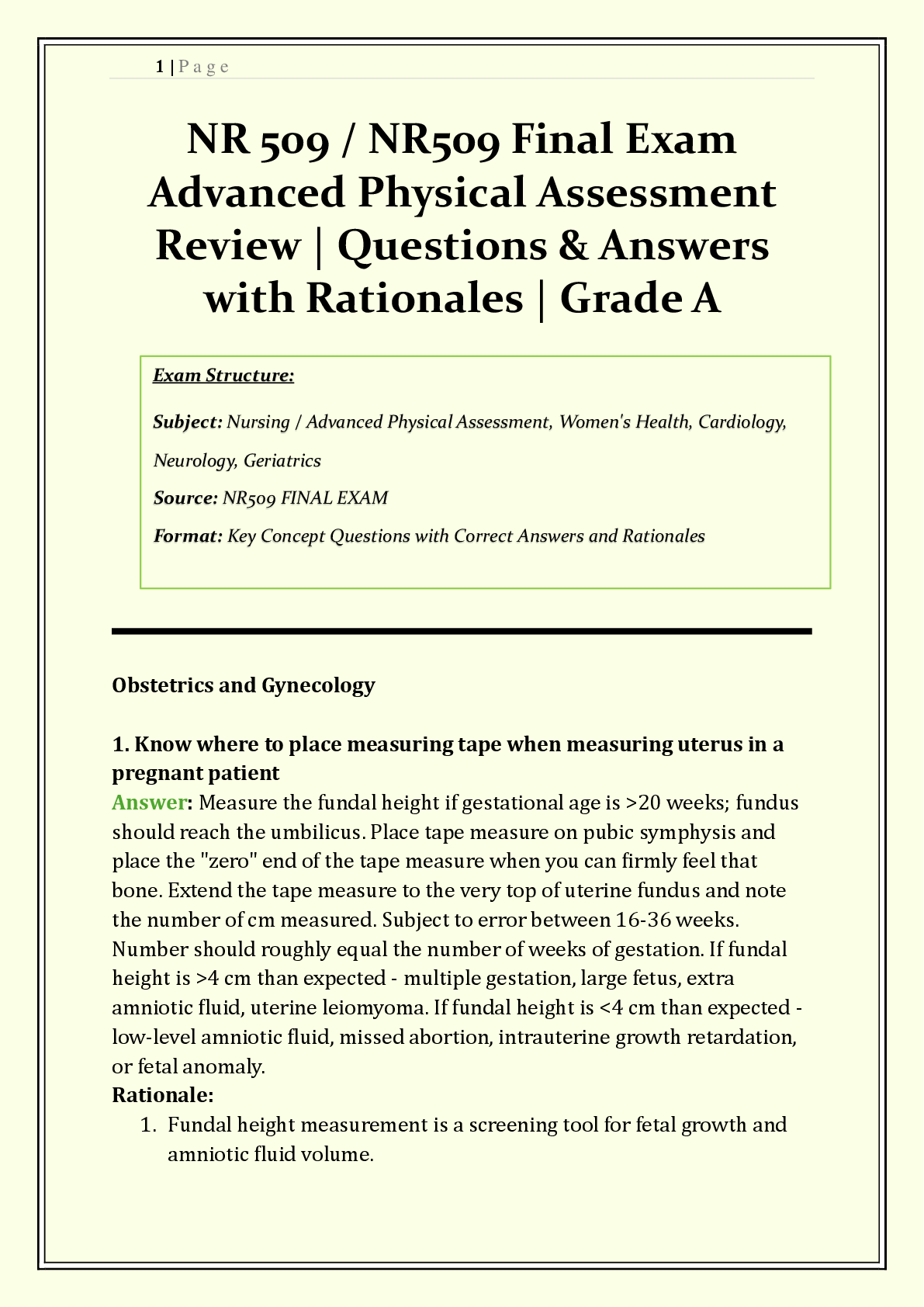
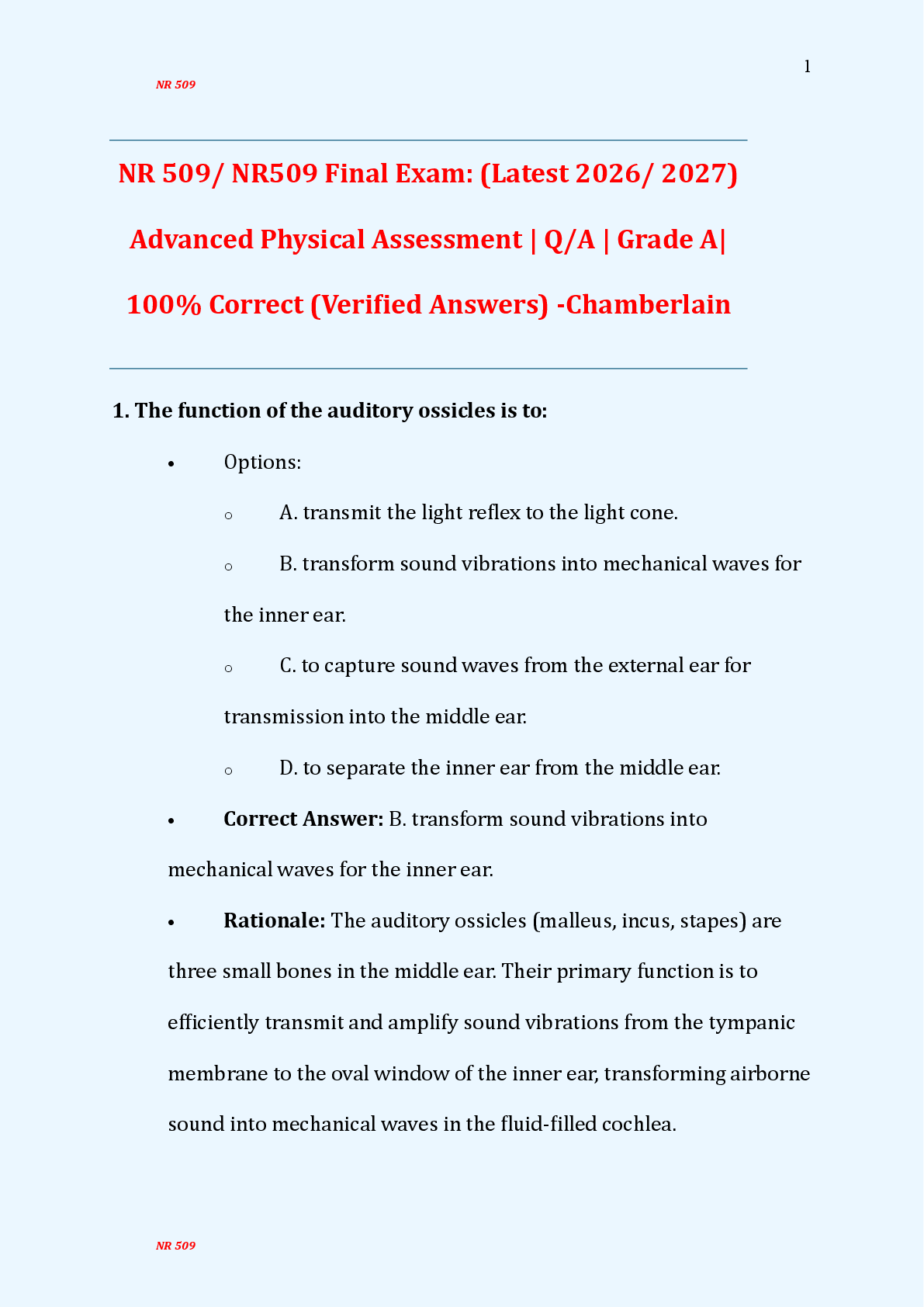
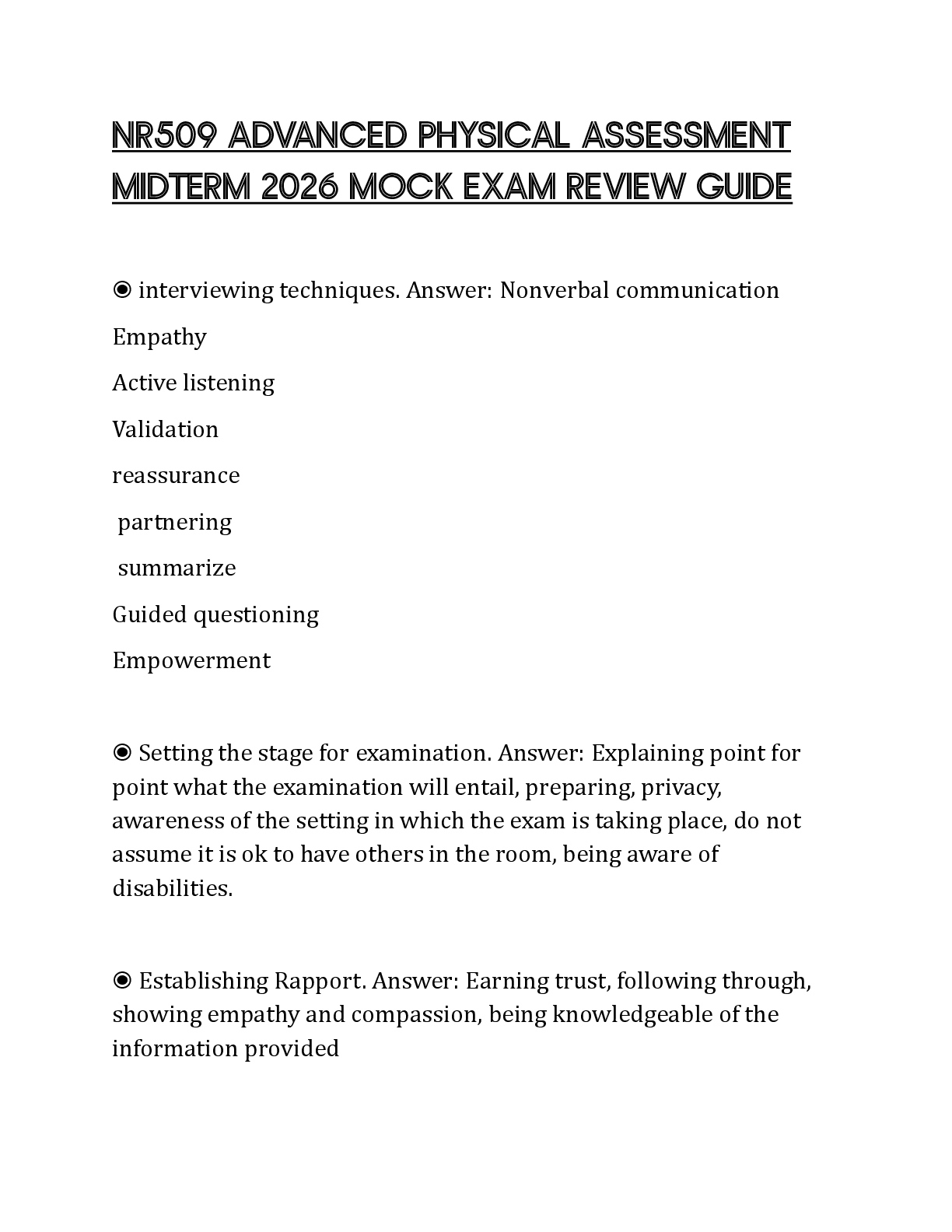
INSTANT PDF DOWNLOAD — This comprehensive study guide is specifically designed for Chamberlain University graduate nursing students preparing for the Final Exam (Week 8) in NR 509 / NR509: Advanced Physical Assessment for the 2026/2027 academic year . Based on verified exam materials from top-selling student resources, this 63+ page resource contains expertly verified practice questions and 100% correct answers with detailed rationales to help you master core advanced physical assessment concepts and achieve a top score (Grade A+) .
This comprehensive guide covers all major topics tested on the Final Exam across 63+ pages with rationales :
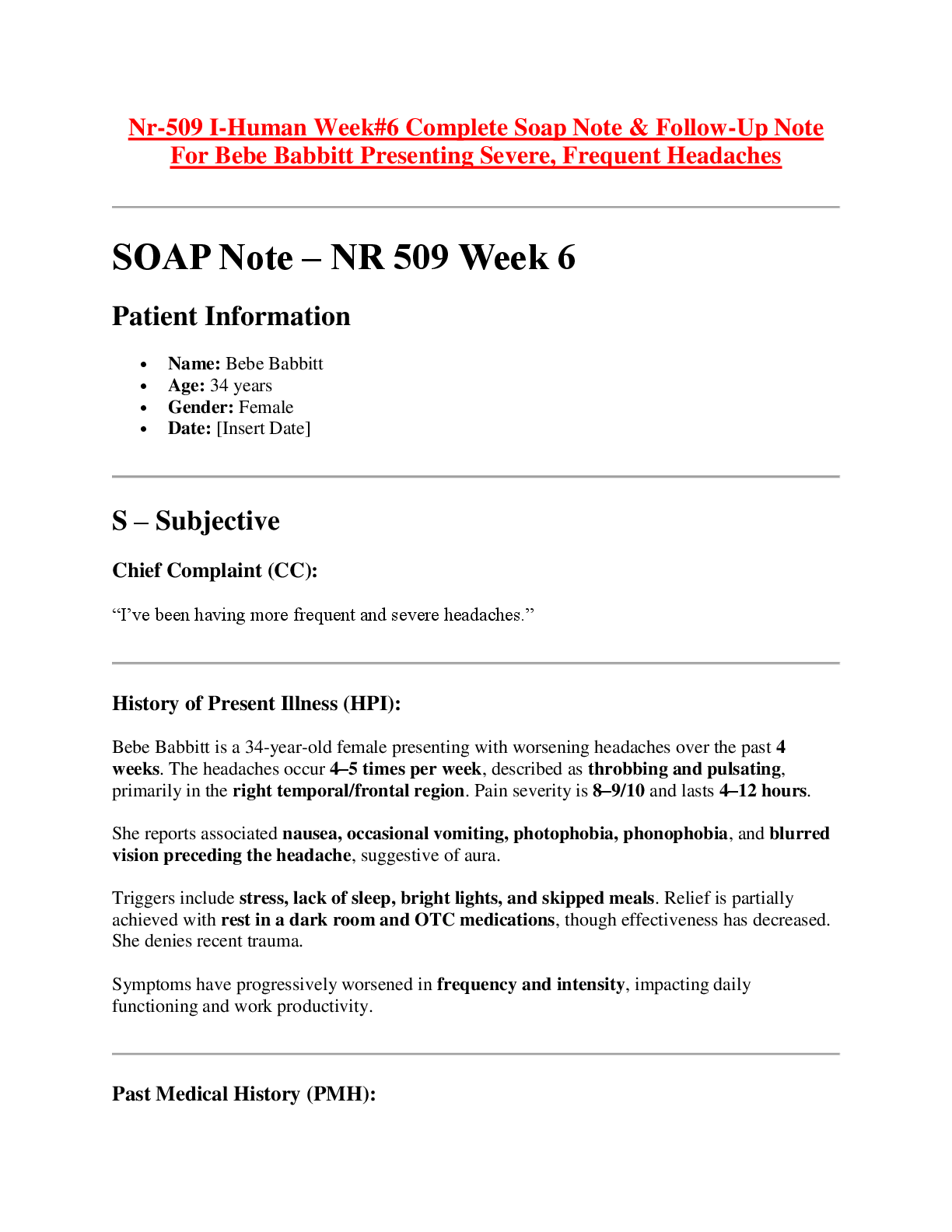
Comprehensive Health History & Clinical Reasoning : OLD CARTS mnemonic (Onset, Location, Duration, Characteristics, Aggravating/Alleviating factors, Radiation, Timing, Severity) for symptom analysis ; components of health history (identifying data, chief complaint, present illness, past history, family history, personal/social history, review of systems) ; subjective vs. objective data differentiation ; shared decision-making (SDM) for therapeutic clinician-client relationships ; pertinent negatives in differential diagnosis ; red flags requiring immediate evaluation (unintentional weight loss >10% in 3 months, fever with weight loss, new-onset nocturnal headaches) .
Health Promotion & USPSTF Guidelines : Primary prevention (interventions to prevent disease before it occurs, e.g., immunizations, lifestyle counseling) ; secondary prevention (early detection, mammography every 2 years for women aged 50-74) ; tertiary prevention (managing chronic conditions, rehabilitation); JNC8 BP targets for older adults: ≤150/90 mmHg for ages 60 and older, with targets of 140 to <150/70 to 80 optimal for ages 80+ ; tetanus booster recommended every 10 years for older adults ; CAGE screening for alcohol abuse retains sensitivity/specificity in older adults ; home safety assessment: bright lighting reduces fall risk .
Mental Status & Neurological Assessment : Mini-Mental State Examination (MMSE) scoring (24/28 may indicate depression rather than dementia) ; Glasgow Coma Scale (GCS) assesses eye opening, verbal response, motor response ; levels of consciousness: obtunded (opens eyes, responds slowly, decreased alertness) ; TIA defined as transient episode of neurologic dysfunction caused by focal brain, spinal cord, or retinal ischemia without acute infarction ; cranial nerves III, IV, VI assessed during cardinal fields of gaze ; CN XI (spinal accessory) assessed by shrugging shoulders against resistance ; CN IX (glossopharyngeal) innervates pharynx and posterior tongue ; CN III damage causes ptosis (eyelid drooping) ; discriminative sensations: point localization (identifying touched area with eyes closed) .
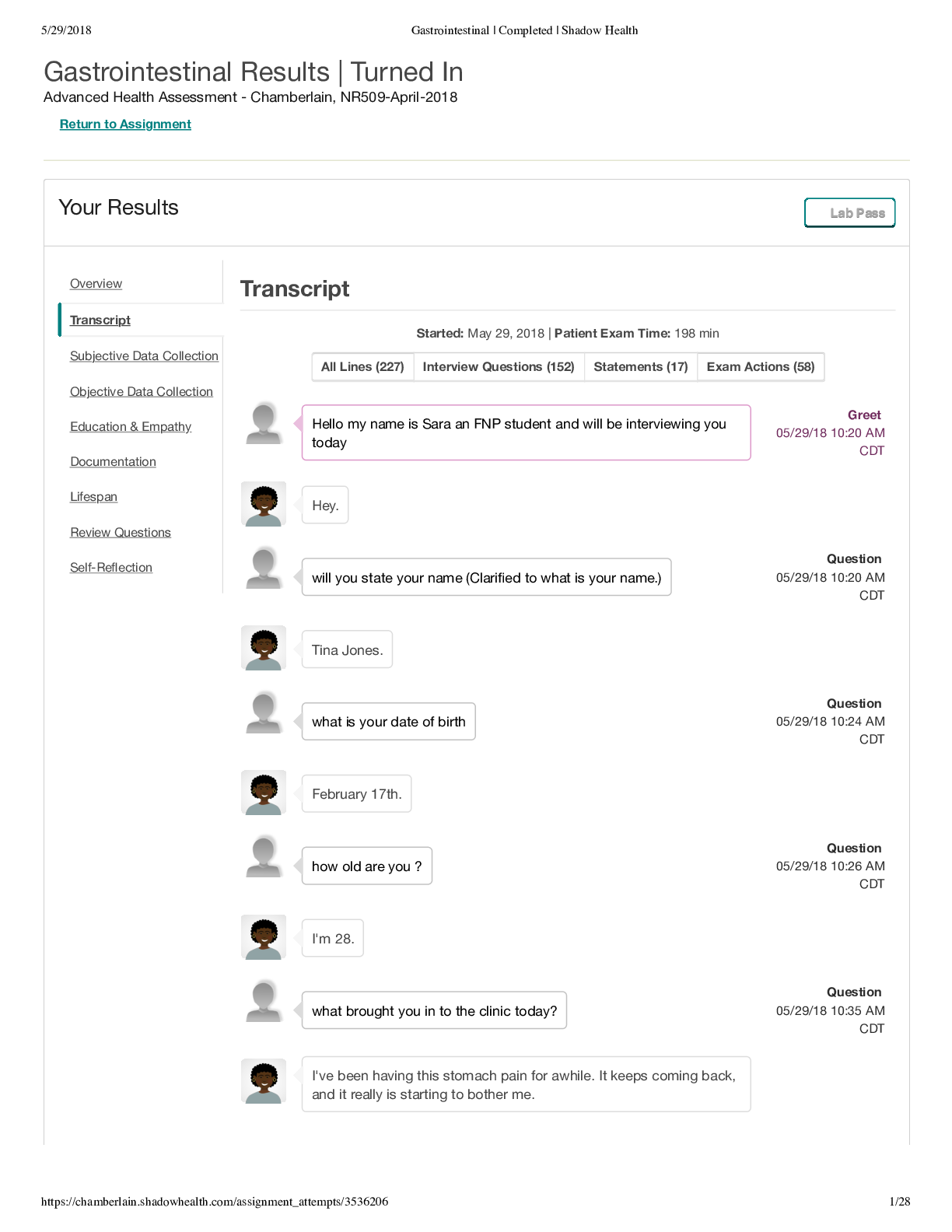
Abdominal & Gastrointestinal Assessment : Hepatomegaly findings: liver palpable 3 cm below right costal margin on expiration, liver span >12 cm at midclavicular line ; Murphy sign for cholecystitis (sharp pain with inspiration during RUQ palpation) ; Blumberg sign/rebound tenderness (pain upon release of deep palpation) indicates peritonitis ; McBurney point tenderness for appendicitis ; abdominal aortic aneurysm (AAA) most significant risk factor: smoking ; USPSTF colon cancer screening: not routinely recommended for ages 76-85 without individual risk discussion ; IBS mechanism: functional change in bowel movement .
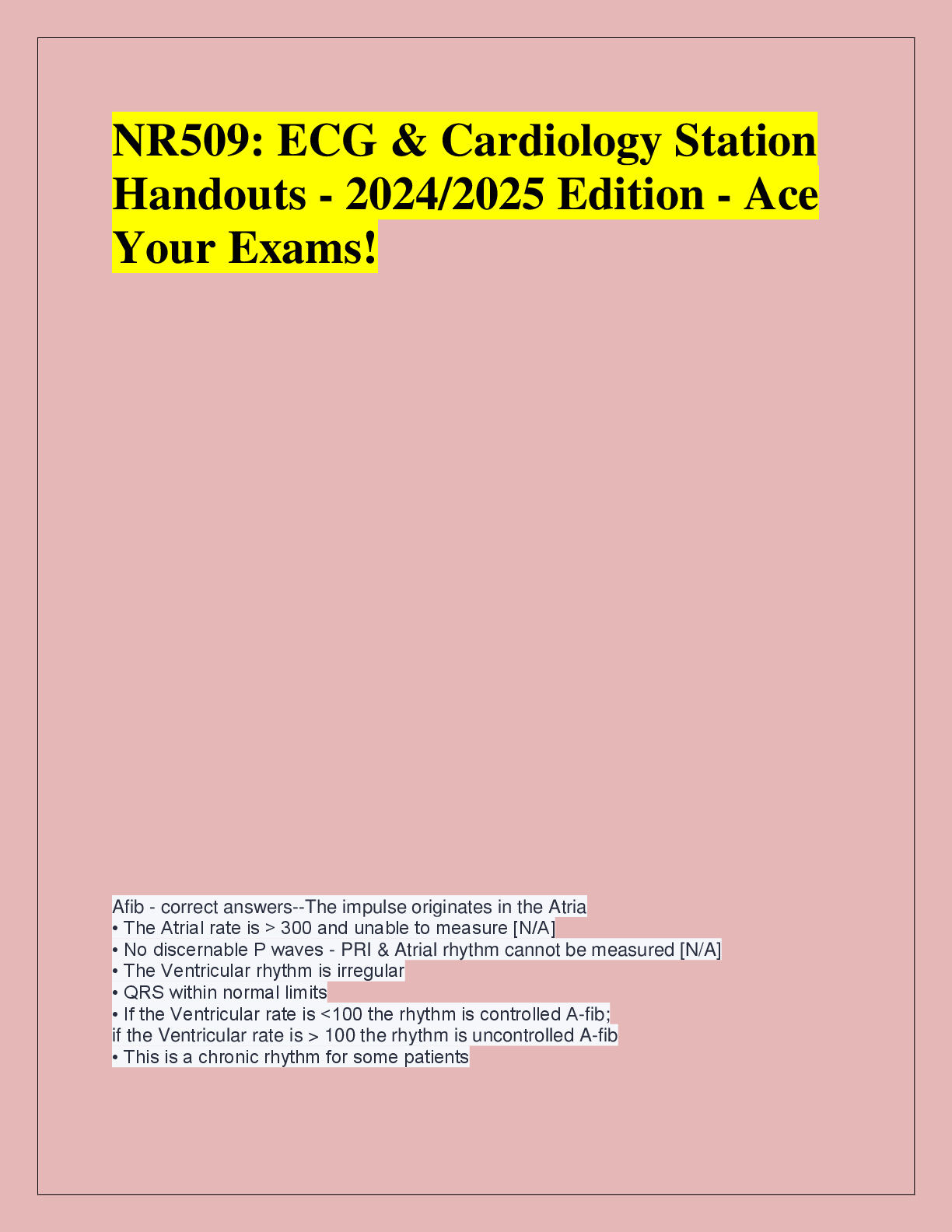
Cardiovascular Assessment : Heart failure signs: rapid weight gain (4 lb in 2 days) indicates fluid retention ; peripheral vascular assessment: Buerger test for chronic arterial insufficiency (color changes with leg elevation/position changes) ; chronic venous insufficiency causes edema, swelling, ulceration ; JVP assessment, edema grading .
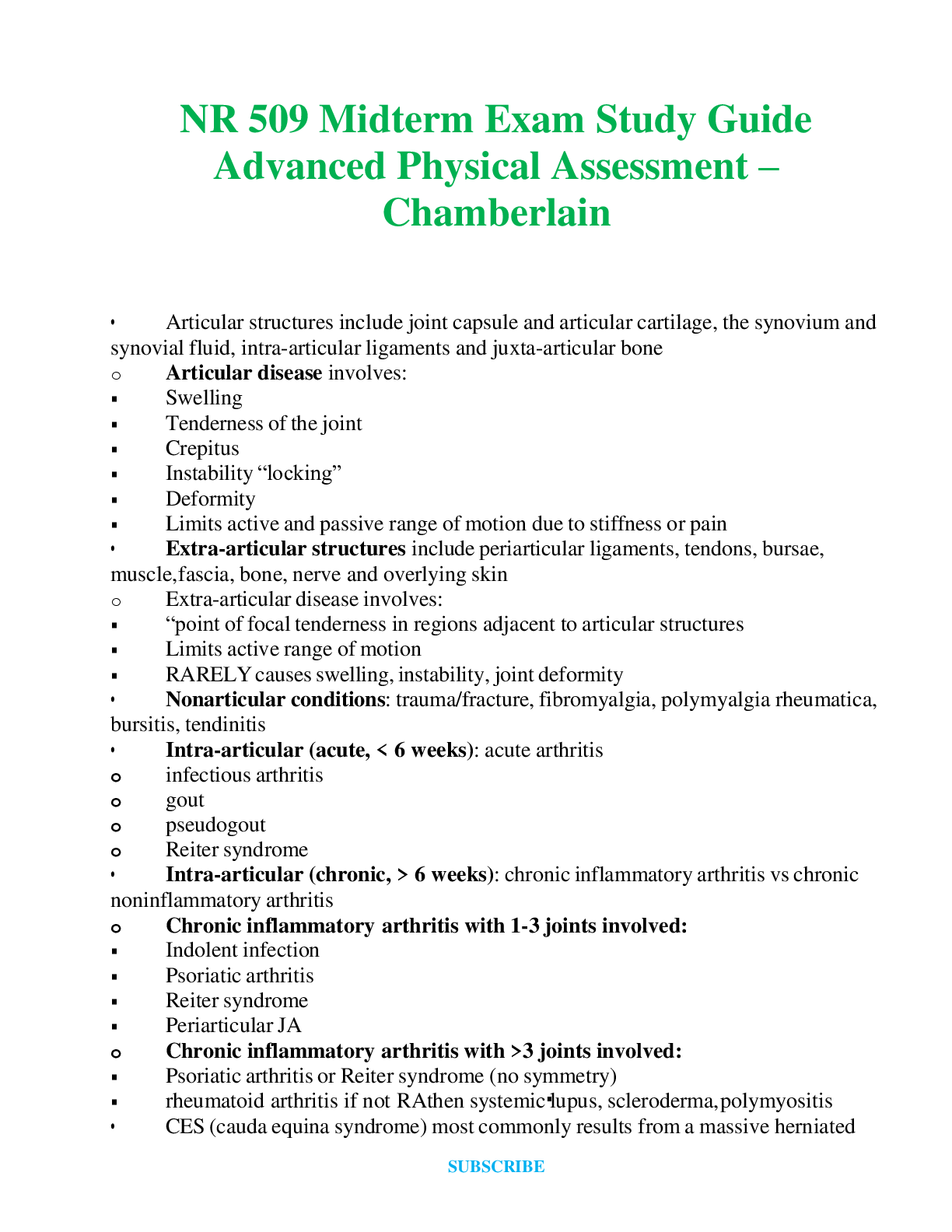
Musculoskeletal Assessment : Rotator cuff tear: weakness during drop arm test ; osteoarthritis: Heberden nodes (DIP joints), Bouchard nodes (PIP joints), crepitus ; cauda equina syndrome: saddle numbness, urinary retention ; erector spinae muscle group: extension of spine ; torticollis: head laterally deviated and rotated ; ankylosing spondylitis: tenderness over sacroiliac joint .
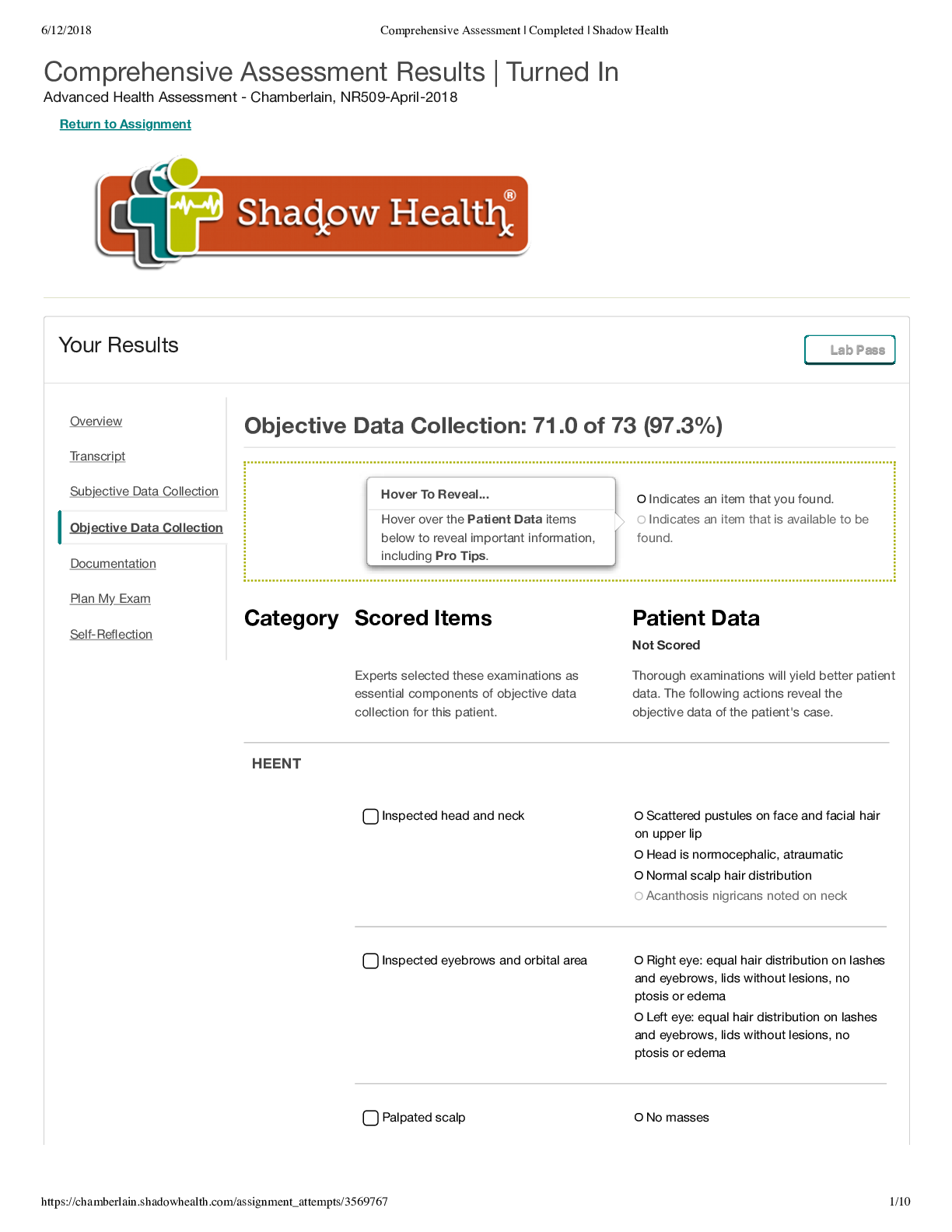
Endocrine & Metabolic Assessment : Hyperthyroidism atypical symptom in older adults: anorexia (rather than increased appetite) ; acanthosis nigricans (velvety hyperpigmentation) clues to diabetes ; vitiligo: labs to check include thyroid panel ; metabolic syndrome diagnosis criteria .
Breast, Reproductive & Genitourinary Assessment : Tanner Stage IV: projection of areola and nipple to form secondary mound above breast level ; BPH: enlarged smooth prostate on palpation ; prostate cancer screening: elevated risk factors include age, ethnicity (African American), family history ; candidal vaginitis: white curdy discharge, pH <4.5, hyphae on wet prep, negative whiff ; bacterial vaginosis: thin white discharge, fishy odor, pH >4.5 ; PID hallmarks: cervical motion tenderness, adnexal tenderness .
Geriatric Assessment : Normal aging vision: blurring of near vision (presbyopia from lens losing elasticity) ; hearing loss: loss of acuity for middle-range sounds (human speech) progresses from high to low ranges ; depression vs. dementia: depression can masquerade as dementia in elderly, especially with social isolation, recent loss, alcohol use ; atypical MI symptom in elderly: syncope rather than chest pain ; 5 As Model for smoking cessation: Ask, Advise, Assess, Assist, Arrange .
Pediatric Assessment : Strategy for examining children ages 1-4: have parent facilitate exam (holding child on lap) due to "stranger danger" ; poor feeding (>30 minutes to finish bottle) indicates potential congenital heart disease/failure ; spina bifida occulta: sacral dimple with small amount of hair ; tics: brief, repetitive, stereotyped movements at irregular intervals .
Sample Questions Include :
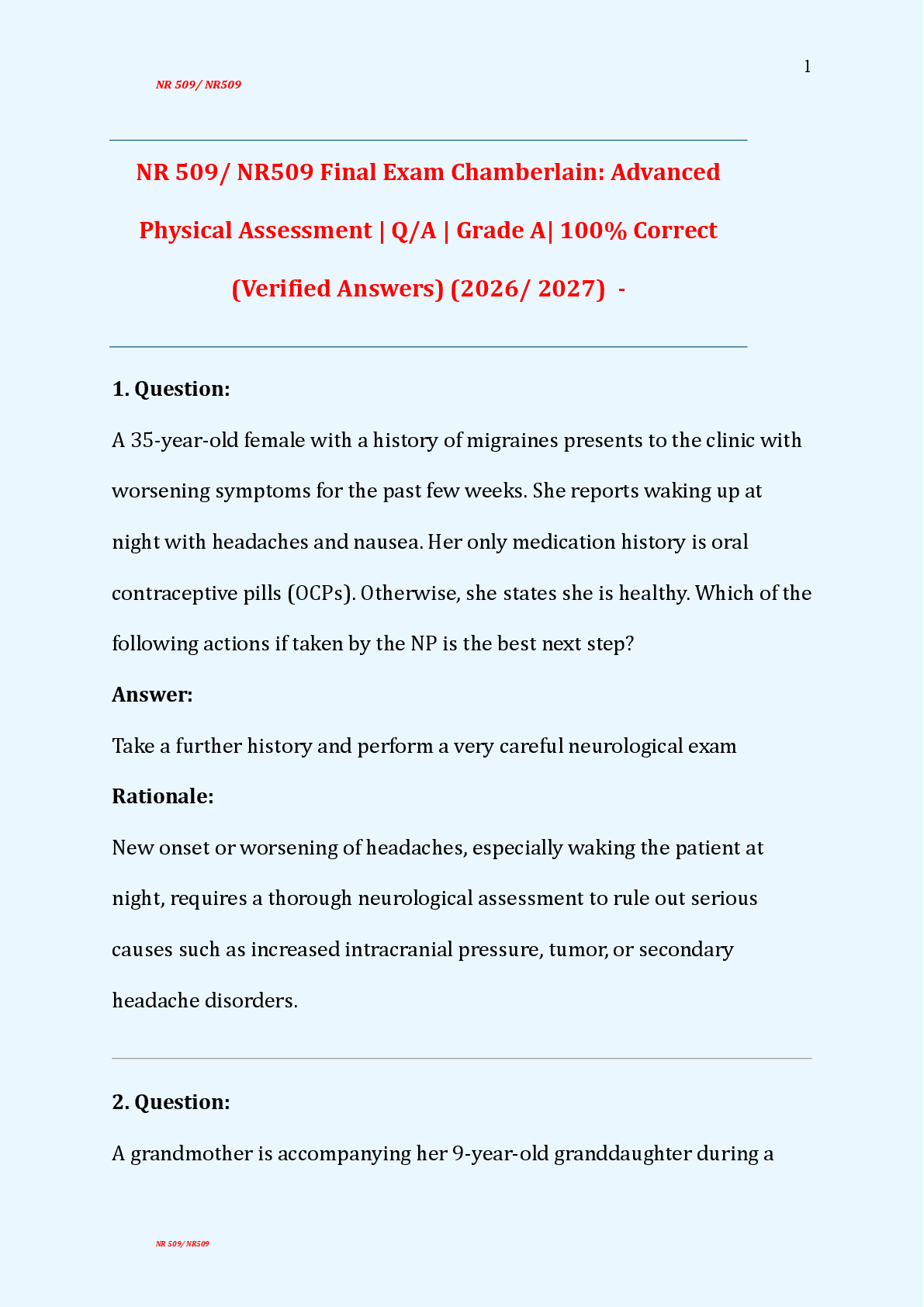
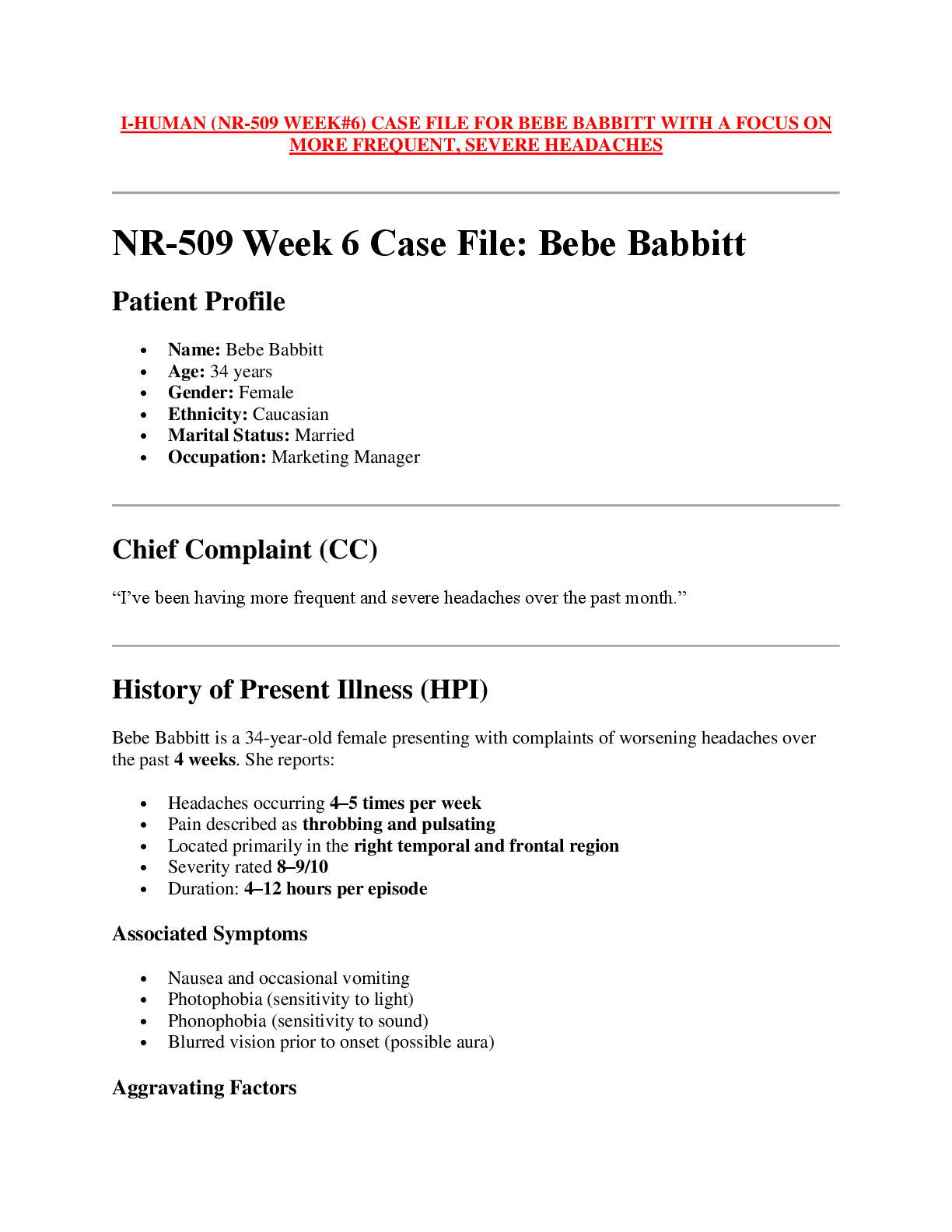
"A 35-year-old female with worsening migraines at night and nausea. What is the best next step?" → Take a further history and perform a very careful neurological exam (Rationale: New-onset nocturnal headaches with nausea are red flags for increased intracranial pressure or secondary causes) .
"A 63-year-old with liver palpable 3 cm below right costal margin on expiration. What is most consistent with hepatomegaly?" → Liver palpable 3 cm below right costal margin, midclavicular line, on expiration (Rationale: Liver palpable on expiration is abnormal; liver span >12 cm confirms hepatomegaly) .
"A 70-year-old with memory loss after wife's death, MMSE 24/28. Most likely diagnosis?" → Depression (Rationale: Depression can masquerade as dementia; patient has social isolation, recent loss, alcohol use) .
"Which USPSTF recommendation is correct for breast cancer screening?" → Mammography every 2 years for women aged 50-74 (Rationale: USPSTF recommends biennial screening for average-risk women ages 50-74) .
"What is the purpose of the OLD CARTS mnemonic?" → To evaluate the chief complaint's attributes (Rationale: OLD CARTS structures comprehensive symptom assessment) .
"A 79-year-old with nocturia, diminished urinary stream, feeling of incomplete emptying. Expected prostate finding?" → Enlarged size, smooth (Rationale: BPH presents with smooth symmetric enlargement) .
"What is the most significant risk factor for AAA in a 63-year-old smoker?" → History of smoking (Rationale: Smoking is the most significant modifiable risk factor for AAA) .
"Which finding indicates a need for immediate further evaluation in a health history?" → Unintentional weight loss of 10% in 3 months (Rationale: Red flag suggesting underlying malignancy or systemic illness) .
All questions include complete rationales based on current evidence-based practice, USPSTF guidelines, and Chamberlain University curriculum requirements .
DOCUMENT ACCESS:
This study guide is available as an instant digital download (PDF) immediately upon purchase. Fully text-searchable, printable, and accessible anytime through your user account. 100% satisfaction guarantee. Trusted by thousands of Chamberlain NP students for final exam preparation and mastering advanced physical assessment competencies .
[Show More]