INSTANT PDF DOWNLOAD—This comprehensive study guide is specifically designed for Chamberlain University graduate nursing students preparing for the Final Exam in NR 509 / NR509: Advanced Physical Assessment for the 2026/
...
INSTANT PDF DOWNLOAD—This comprehensive study guide is specifically designed for Chamberlain University graduate nursing students preparing for the Final Exam in NR 509 / NR509: Advanced Physical Assessment for the 2026/2027 academic year . Based on verified exam materials from top-selling student resources , this 63+ page resource contains expertly verified practice questions and 100% correct answers with detailed rationales to help you master core advanced physical assessment concepts and achieve a top score (Grade A+) .
This comprehensive guide covers all major topics tested on the Final Exam across 63+ pages with rationales :
Cranial Nerves & Neurological Assessment: Complete coverage of cranial nerves I-XII with functions and clinical signs of damage . CN III (Oculomotor) controls eye movement and pupil constriction—damage causes ptosis, dilated pupil ; CN IX (Glossopharyngeal) innervates pharynx and posterior tongue—damage causes dysphagia, decreased gag reflex ; CN XI (Spinal Accessory) assessed by shrugging shoulders against resistance ; Weber test uses tuning fork on top of head to differentiate conductive vs. sensorineural hearing loss ; red flag headaches: new-onset nocturnal headaches with nausea require further history and careful neurological exam
Health History & Clinical Reasoning: OLD CARTS mnemonic (Onset, Location, Duration, Characteristics, Aggravating/Alleviating factors, Radiation, Timing, Severity) for symptom analysis ; subjective vs. objective data differentiation ; patient-centered care: following the patient's lead to understand thoughts, ideas, concerns, and requests ; active listening techniques: using nonverbal communication to encourage patient to expand their narrative ; FIFE model: Feelings, Ideas, Function, Expectations for exploring patient experience
USPSTF Guidelines & Health Promotion: Primary prevention: interventions designed to prevent disease (immunizations) ; USPSTF breast cancer screening: mammography every 2 years for women aged 50-74 ; JNC8 recommendations for adults aged 60+: target BP ≤150/90 mmHg ; tetanus booster every 10 years for older adults ; CAGE screening for alcohol abuse retains sensitivity in older adults
Musculoskeletal Assessment: Osteoarthritis: Heberden nodes (DIP joints), Bouchard nodes (PIP joints), crepitus ; rotator cuff tear: weakness during drop arm test ; cauda equina syndrome: saddle numbness, urinary retention ; ankylosing spondylitis: tenderness over sacroiliac joint ; erector spinae muscle group: extension of spine ; torticollis: head laterally deviated and rotated
Cardiovascular Assessment: Heart failure signs: rapid weight gain (4 lb in 2 days) indicates fluid retention ; Buerger test for chronic arterial insufficiency: color changes with leg elevation/position changes ; chronic venous insufficiency causes edema, swelling, ulceration
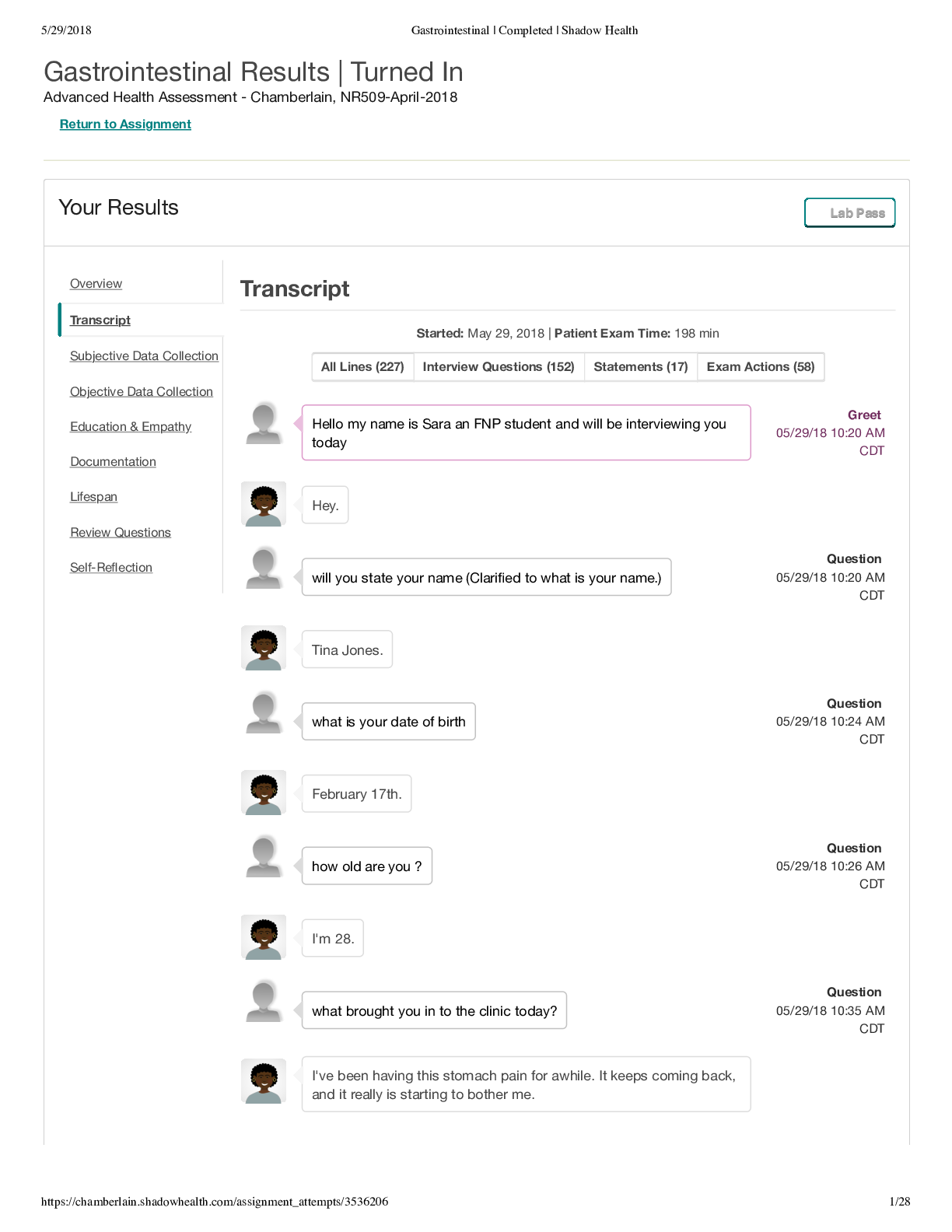
Abdominal & Gastrointestinal Assessment: Hepatomegaly: liver palpable >3 cm below right costal margin, liver span >12 cm at MCL ; Murphy sign for cholecystitis (sharp pain with inspiration during RUQ palpation) ; Blumberg sign/rebound tenderness for peritonitis ; McBurney point tenderness for appendicitis ; AAA most significant risk factor: smoking ; colon cancer red flag: recent onset of small-caliber stools
Geriatric Assessment: Normal aging vision: blurring of near vision (presbyopia from lens losing elasticity) ; hearing loss: loss of acuity for middle-range sounds progresses from high to low ranges ; depression vs. dementia: depression can masquerade as dementia in elderly ; fall prevention: bright lighting reduces risk
Breast & Reproductive Assessment: Tanner Stage IV: projection of areola and nipple to form secondary mound above breast level ; BPH: enlarged smooth prostate on palpation ; candidal vaginitis: white curdy discharge, pH <4.5, hyphae on wet prep ; bacterial vaginosis: thin white discharge, fishy odor, pH >4.5 ; PID hallmarks: cervical motion tenderness, adnexal tenderness
Pediatric Assessment: Strategy for examining children ages 1-4: have parent facilitate exam (holding child on lap) due to "stranger danger" ; poor feeding (>30 minutes to finish bottle) indicates potential congenital heart disease ; Moro reflex: present at birth, disappears by 4 months ; Babinski sign: dorsiflexion of big toe in adults indicates corticospinal tract lesion
Sample Questions Include :
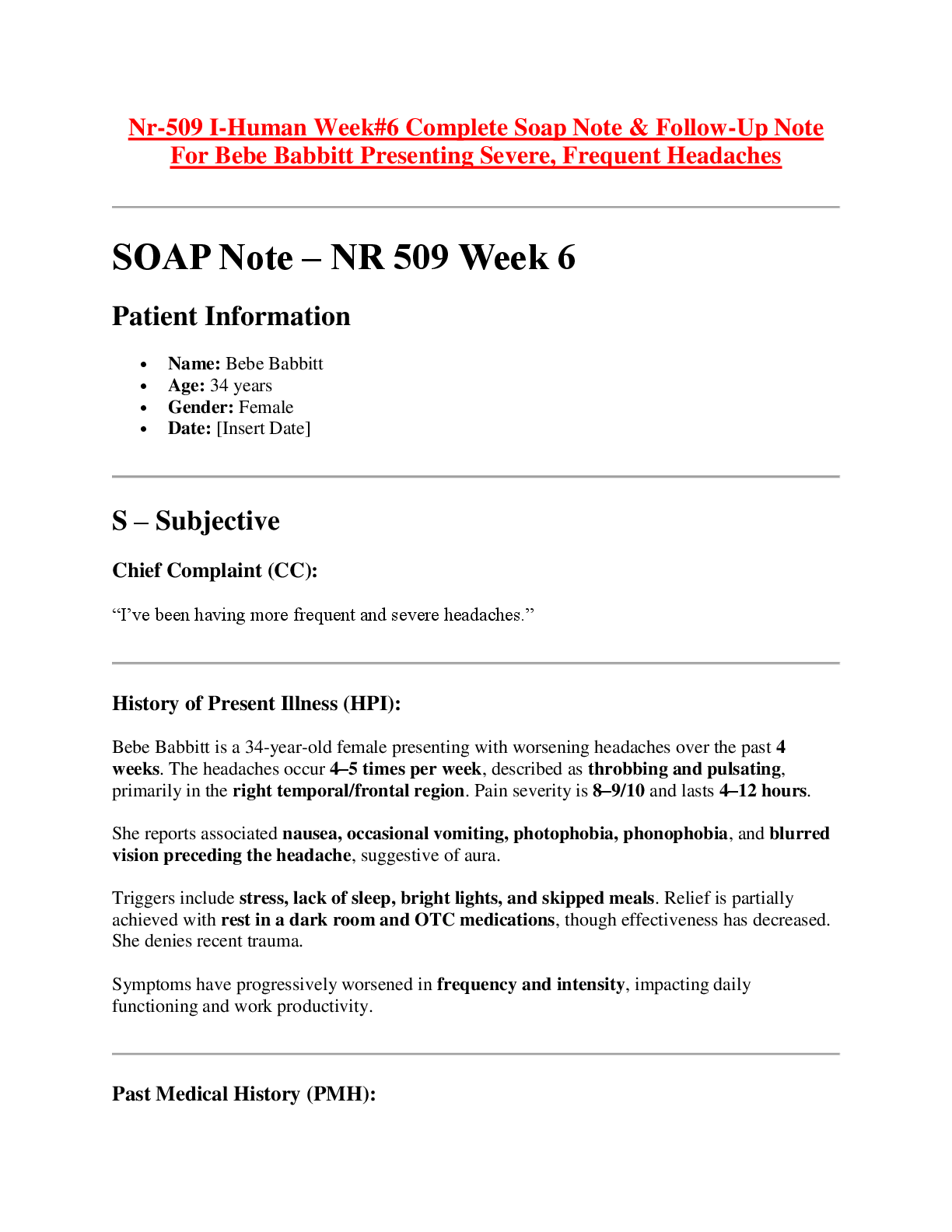
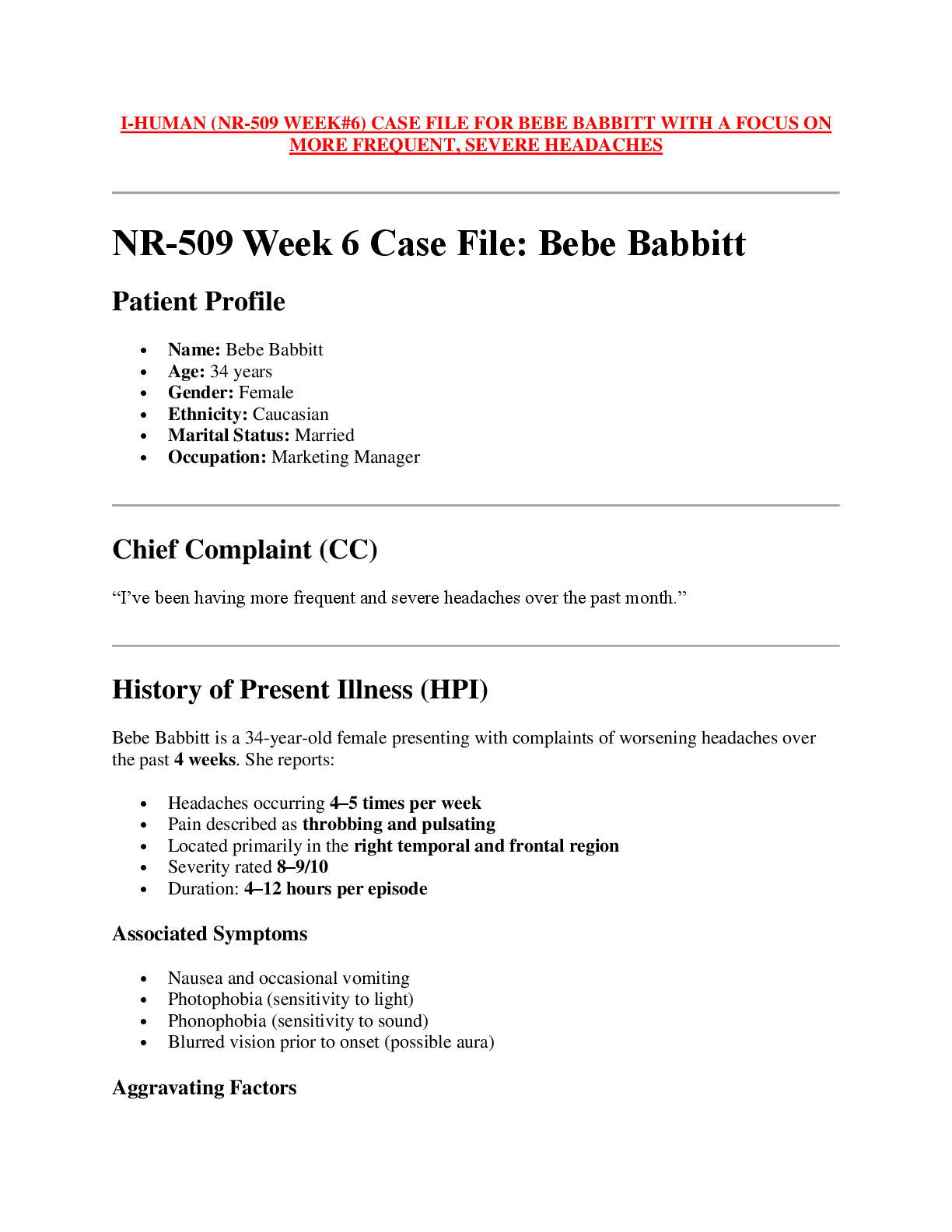
"A 35-year-old female with a history of migraines presents with worsening symptoms. She reports waking up at night with headaches and nausea. Her only medication is OCPs. Best next step?" → Take a further history and perform a very careful neurological exam (New-onset nocturnal headaches and nausea are red flags for increased intracranial pressure or secondary causes)
"A 9-year-old female: NP notes asymmetric projection of the areola and nipple to form a secondary mound. Which Tanner Stage?" → Stage IV (Stage IV is defined by projection of areola and nipple to form a secondary mound above the level of the breast)
"Based on USPSTF recommendations, which statement is true about breast cancer screening in average-risk women?" → Mammography is recommended every 2 years for women aged 50-74
"JNC8 recommendations for adults aged 60 and older: Target BP should be?" → ≤ 150/90 mmHg
"Which finding indicates a need for immediate further evaluation in a health history?" → Unintentional weight loss of 10% in 3 months (Red flag suggesting underlying malignancy or systemic illness)
"What is the purpose of the OLD CARTS mnemonic?" → To evaluate the chief complaint's attributes
"Which cranial nerve is being assessed by shrugging shoulders against resistance?" → CN XI (Spinal Accessory)
"What assessment test is performed with a tuning fork on top of the head?" → Weber test
All questions include complete rationales based on current evidence-based practice, USPSTF guidelines, and Chamberlain University curriculum requirements .
DOCUMENT ACCESS:
This study guide is available as an instant digital download (PDF) immediately upon purchase. Fully text-searchable, printable, and accessible anytime through your user account. 100% satisfaction guarantee. Trusted by thousands of Chamberlain NP students for final exam preparation and mastering advanced physical assessment competencies .
[Show More]