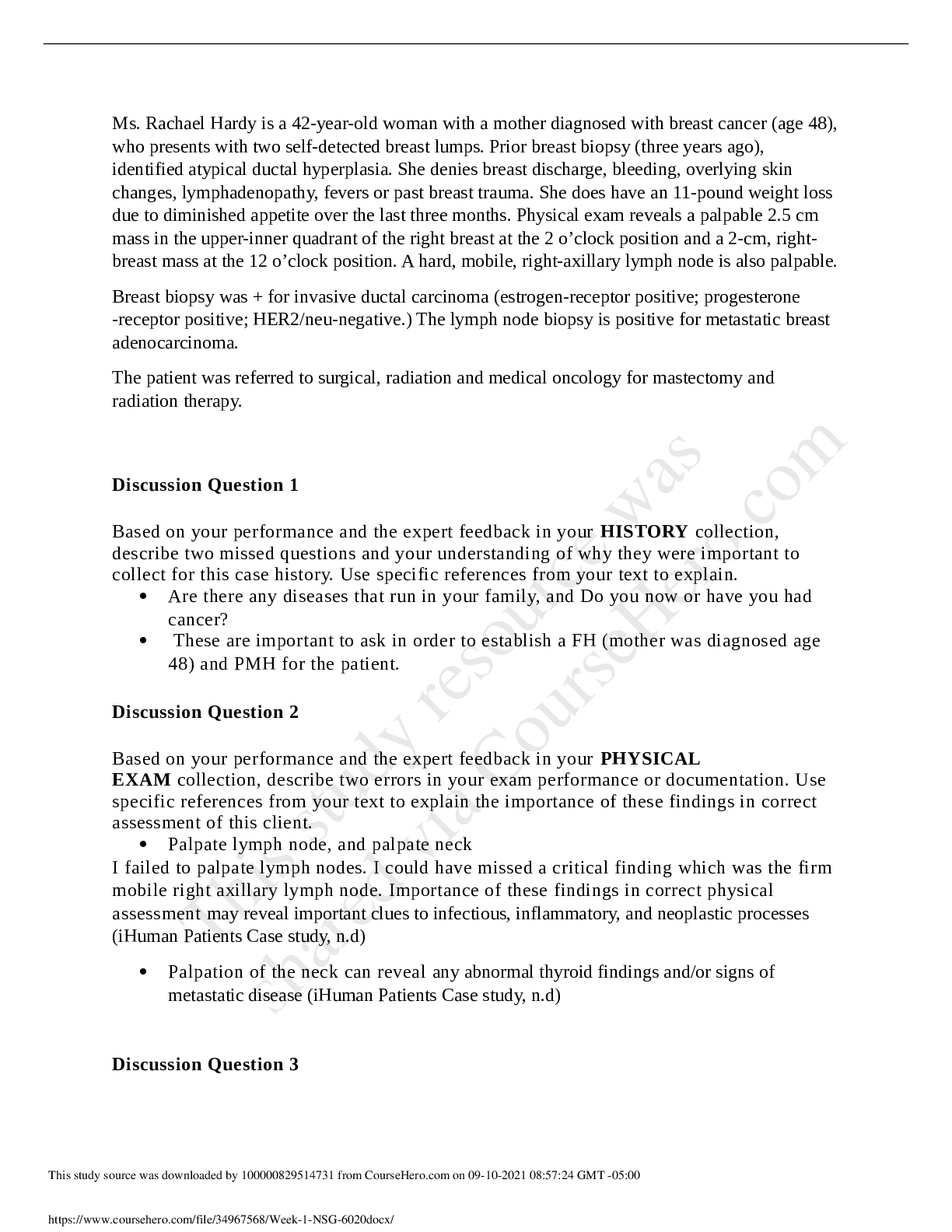
Mathematics > EXAM REVIEW > 17_1-3-4 Homework Week 6 with correct answers (All)
17_1-3-4 Homework Week 6 with correct answers
Document Content and Description Below
Last updated: 3 years ago
Preview 1 out of 12 pages
Instant download
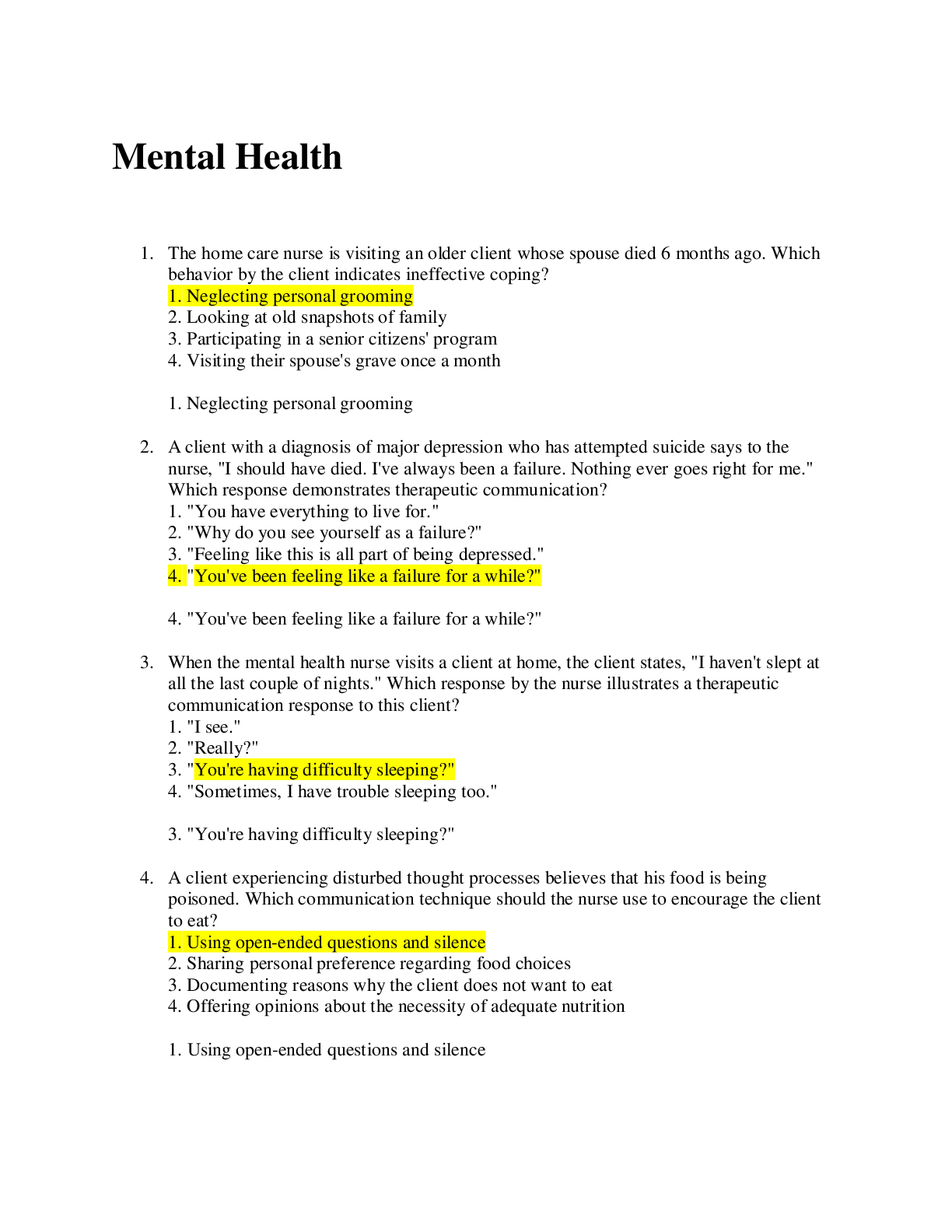
Buy this Document to get the Full Access Instantly
Provided by Students Who Aced it
We Verify Document Content to Gurantee Accuracy
Reviews( 0 )
Document information
Connected school, study & course
About the document
Uploaded On
Apr 28, 2021
Number of pages
12
Written in
All

Additional information
This document has been written for:
Uploaded
Apr 28, 2021
Downloads
0
Views
90
Topic Tags
Related Subjects & Courses
Explore similar study resources and related concepts.
Recommended For You
Get more on EXAM REVIEW »
Discrete Mathematics and Its Applications 8th Edition by Kenne...
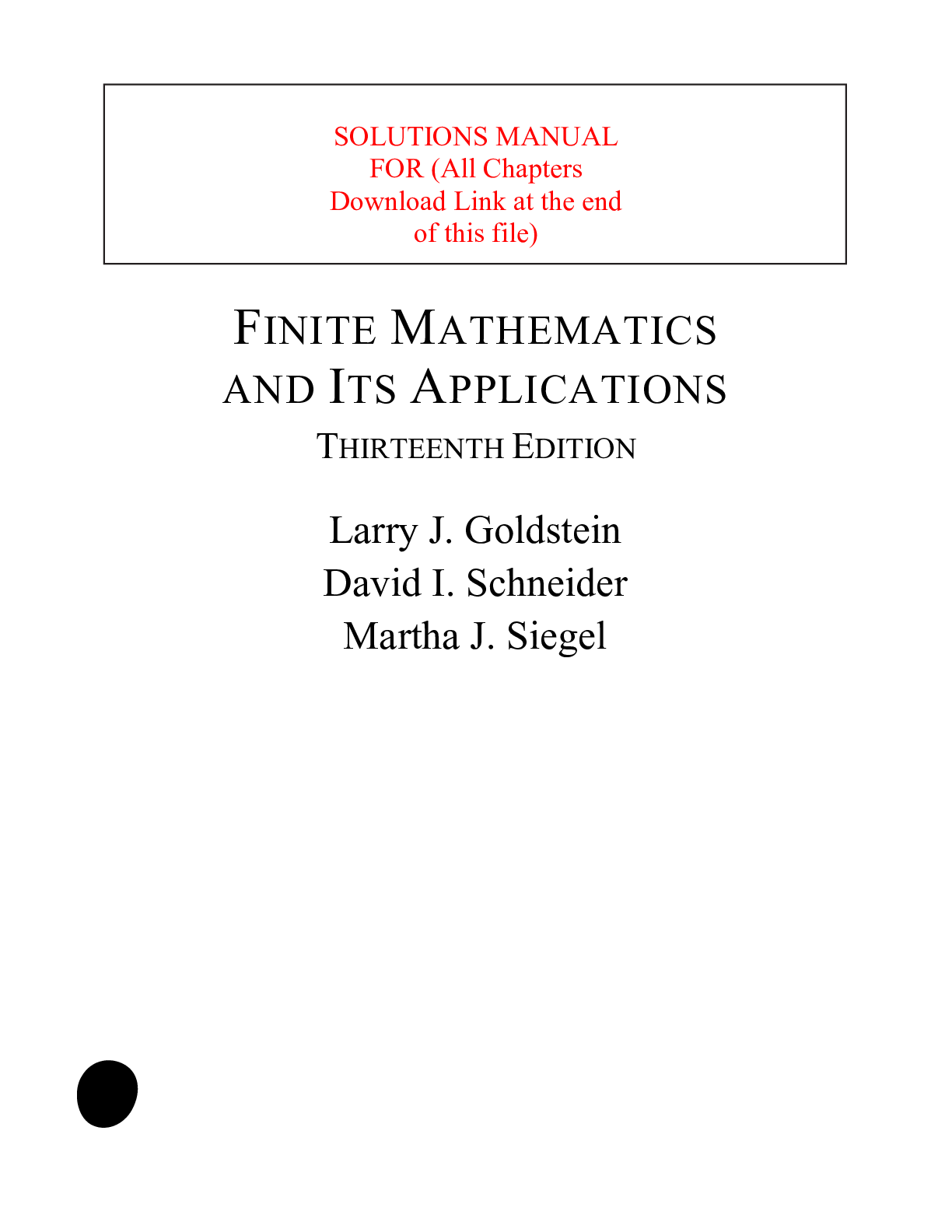
Finite Mathematics & Its Applications, 13e Larry Goldstein, Da...
.png)
 2e Peter Olver, Chehrzad Shakiban.png)
Applied Linear Algebra (Undergraduate Texts in Mathematics) 2n...
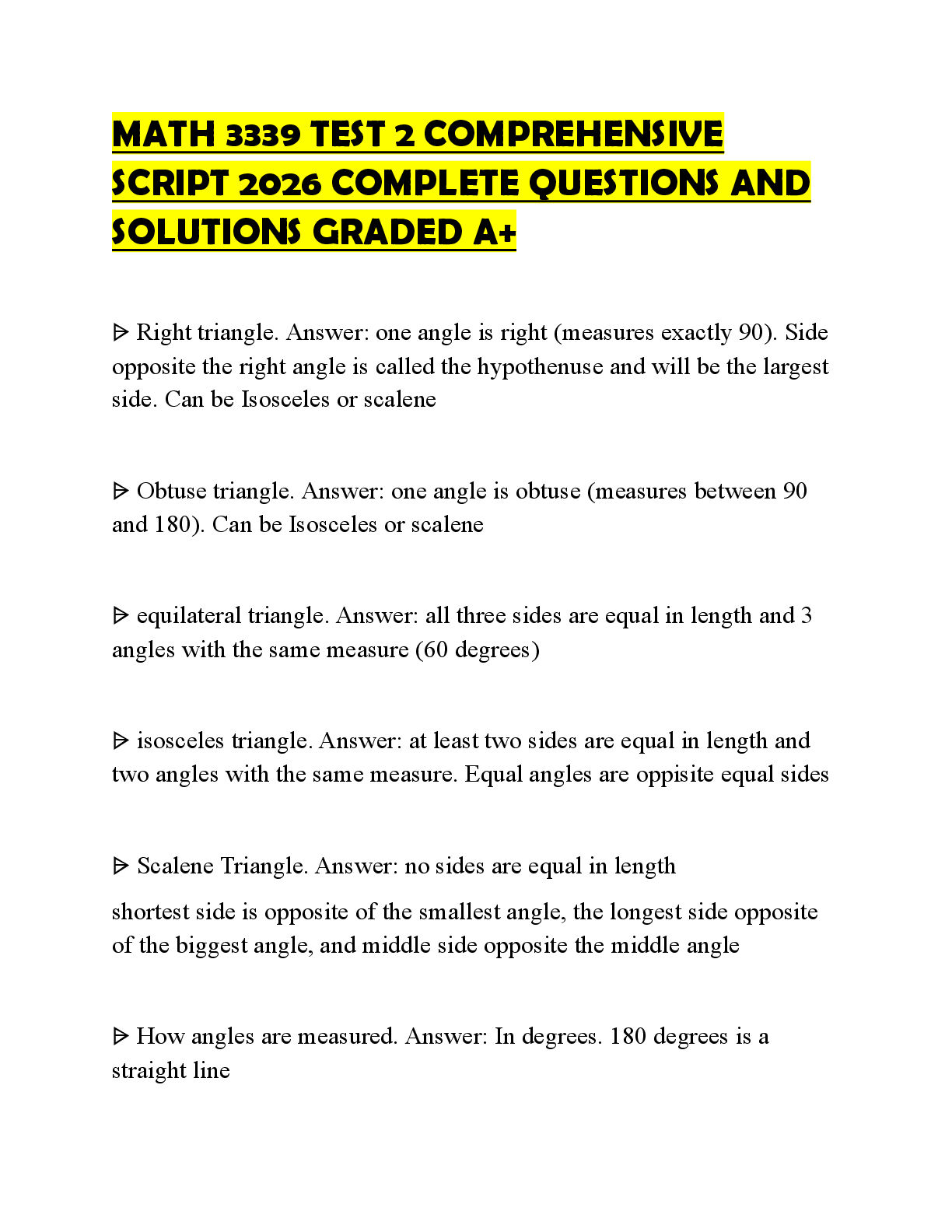
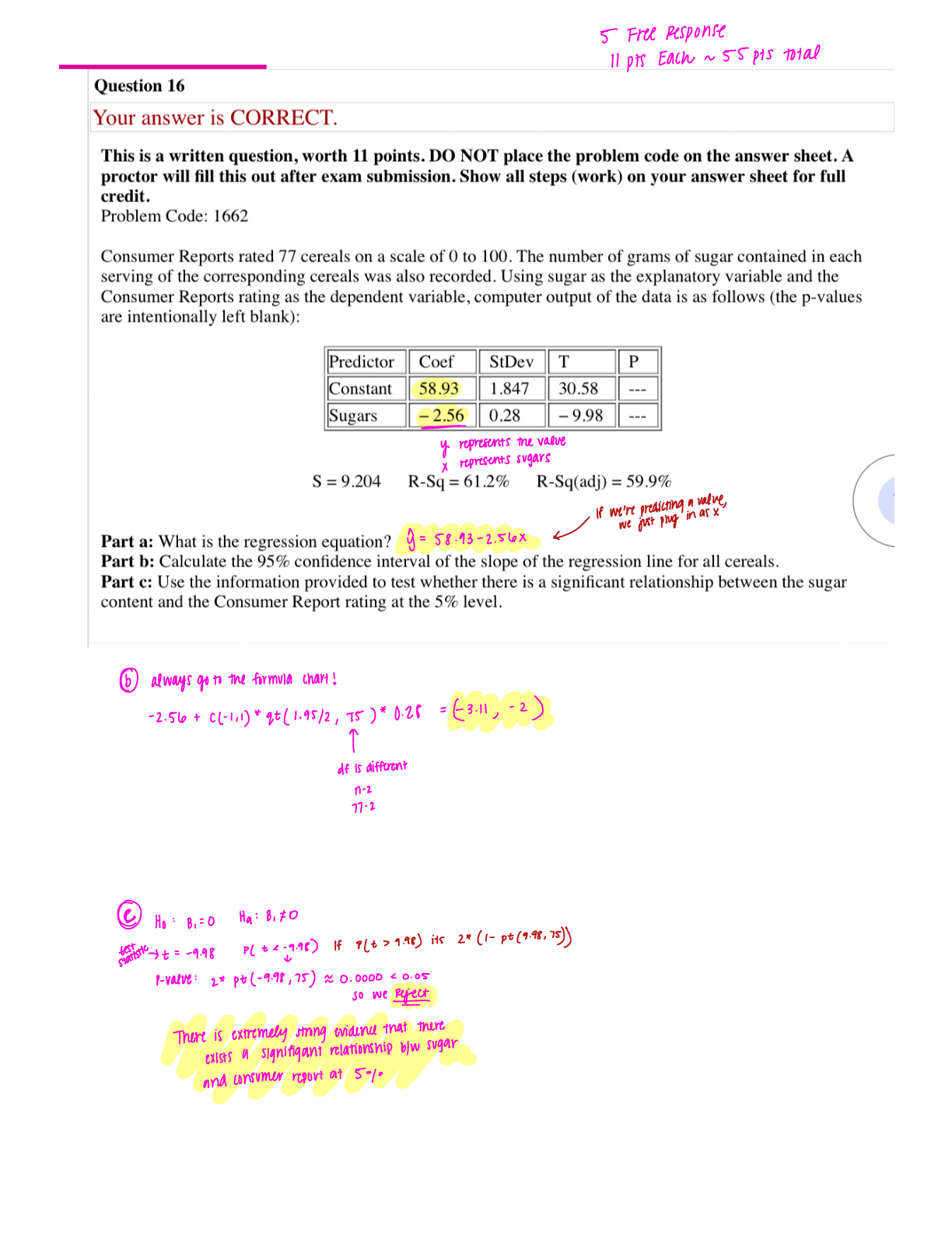
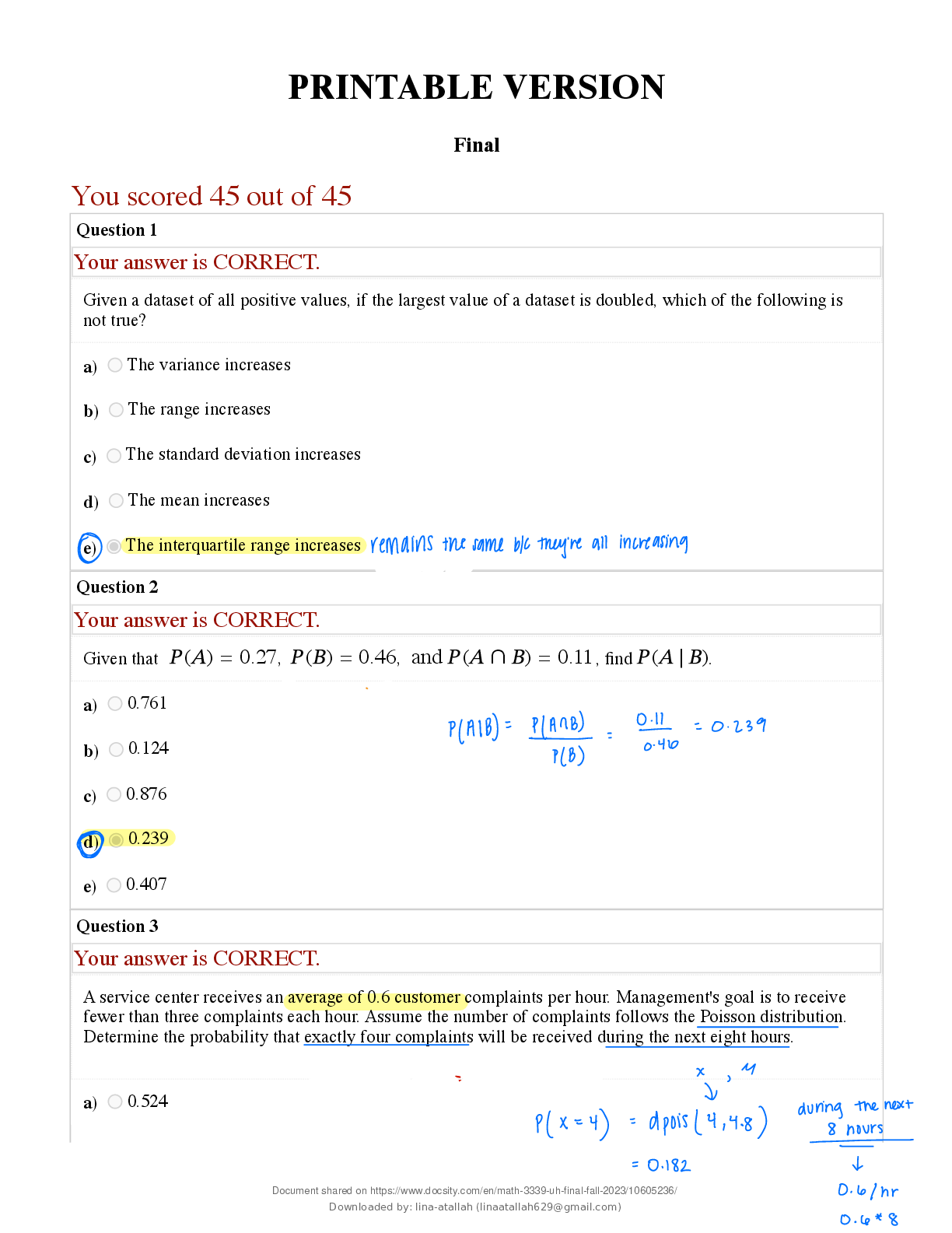

Probability & Statistics Homework 2: Theoretical Probability:...
x.png)
NURS6521 / NURS 6521 Exam Study Guide (Latest): Advanced Pharm...

NUR 2633 / NUR2633 Exam 2 Study Guide Updated: Maternal Child...
![Preview of NUR2488 / NUR 2488 Exam 2 Study Guide [In Class Review] : Mental Health Nursing - Rasmuss](https://scholarfriends.com/storage/Mental Health Exam 2 Study Guide [In class review] MY21.png)