Mechanical Engineering > QUESTIONS & ANSWERS > St. Charles Preparatory School, OHPH MECHANICSAP FR Dynamics-DeVit (All)
St. Charles Preparatory School, OHPH MECHANICSAP FR Dynamics-DeVit
Document Content and Description Below
Last updated: 3 years ago
Preview 1 out of 3 pages
Instant download

Buy this Document to get the Full Access Instantly
Provided by Students Who Aced it
We Verify Document Content to Gurantee Accuracy
Reviews( 0 )
Document information
Connected school, study & course
About the document
Uploaded On
Apr 29, 2021
Number of pages
3
Written in
All

Additional information
This document has been written for:
Uploaded
Apr 29, 2021
Downloads
0
Views
221
Topic Tags
Related Subjects & Courses
Explore similar study resources and related concepts.
Recommended For You
Get more on QUESTIONS & ANSWERS »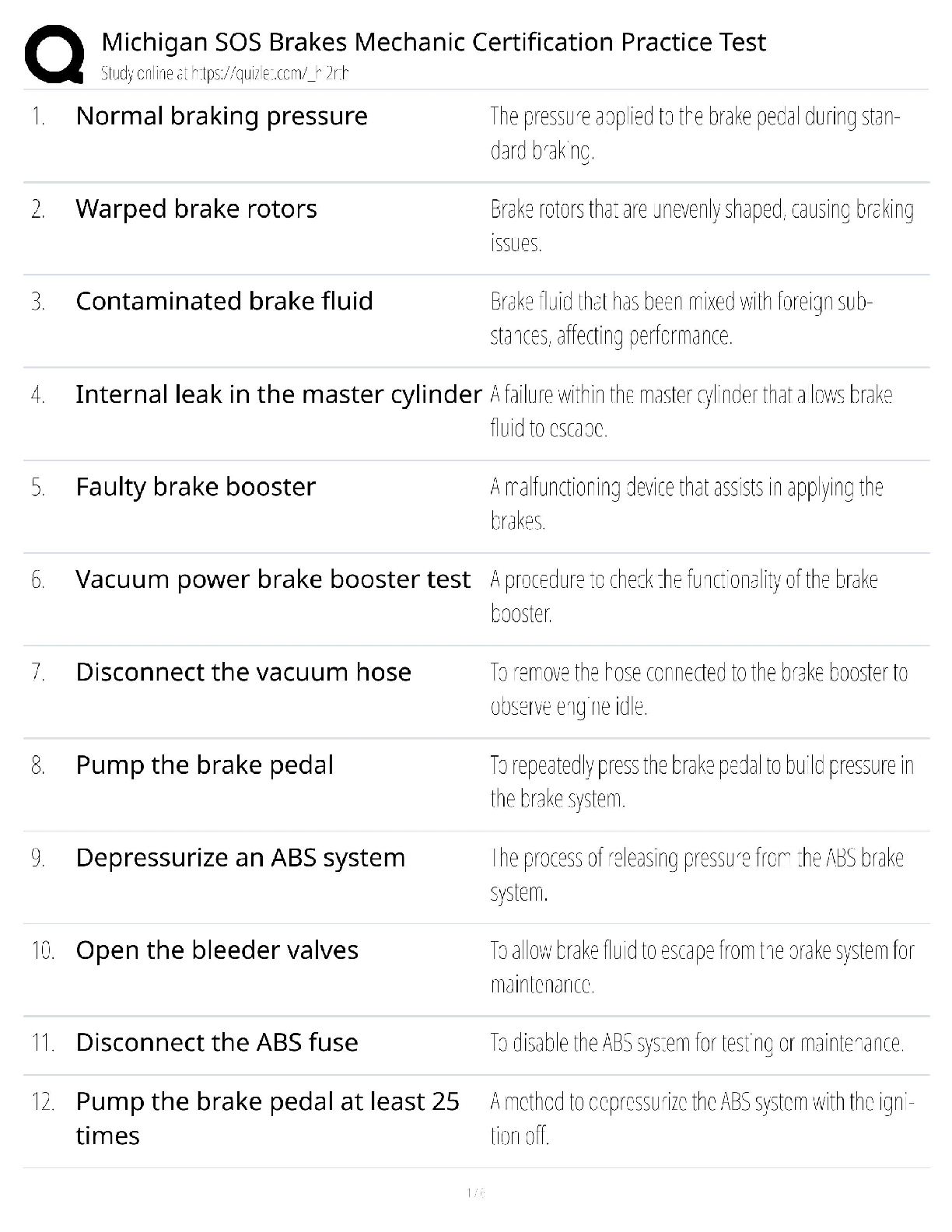
Michigan SOS Brakes / Mechanic Certification Practice Test / E...
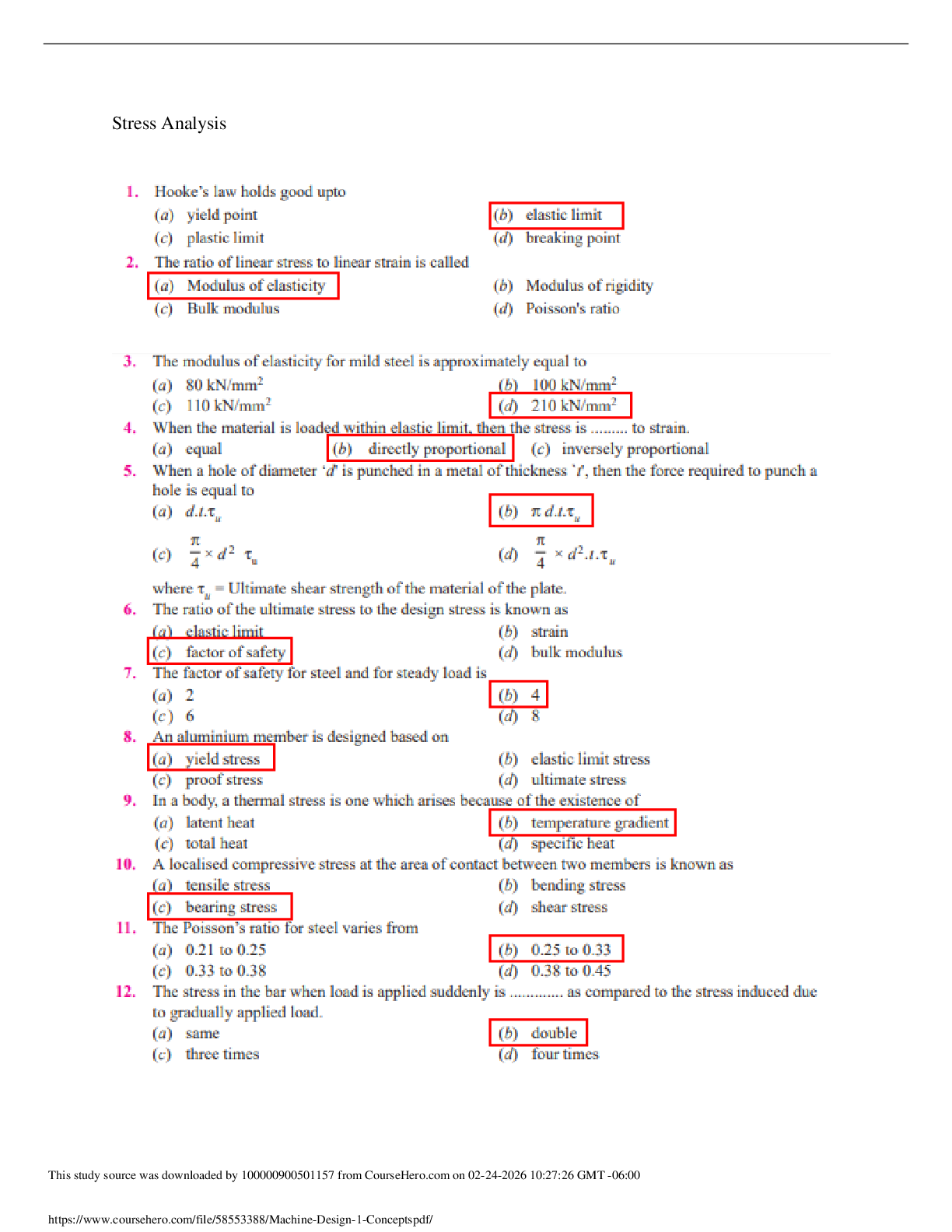

Quantum Mechanics II Advanced Topics, 2e by S. Rajasekar, R. V...

Quantum Mechanics I The Fundamentals, 2e by S. Rajasekar, R. V...

Design of Hydrodynamic Machines Pumps and Hydro-Turbines, 1e G...

Engineering & Technology Mechanical Engineering In the figur...
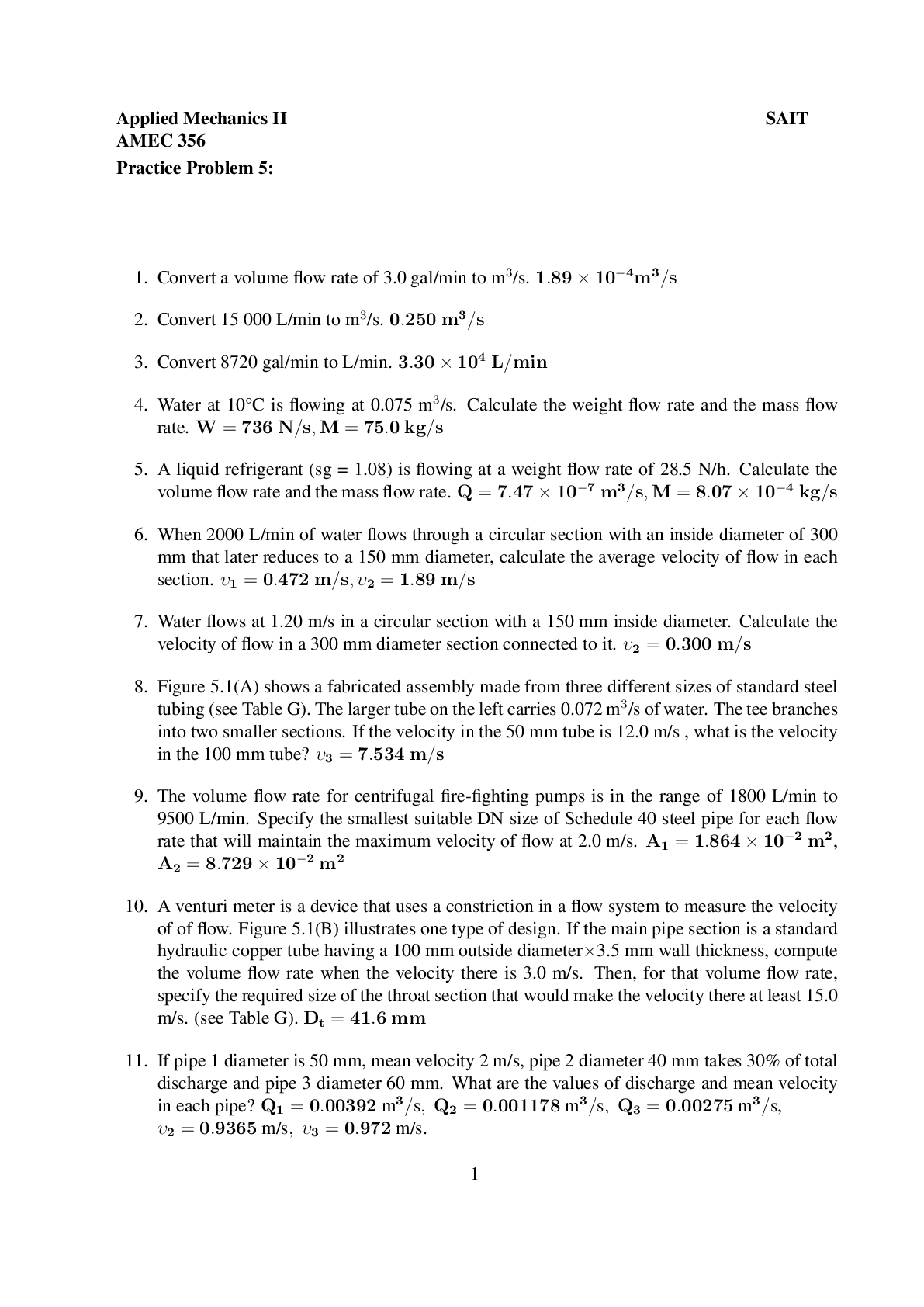
Southern Alberta Institute of TechnologyAMEC 2 356problem5 ( 1...

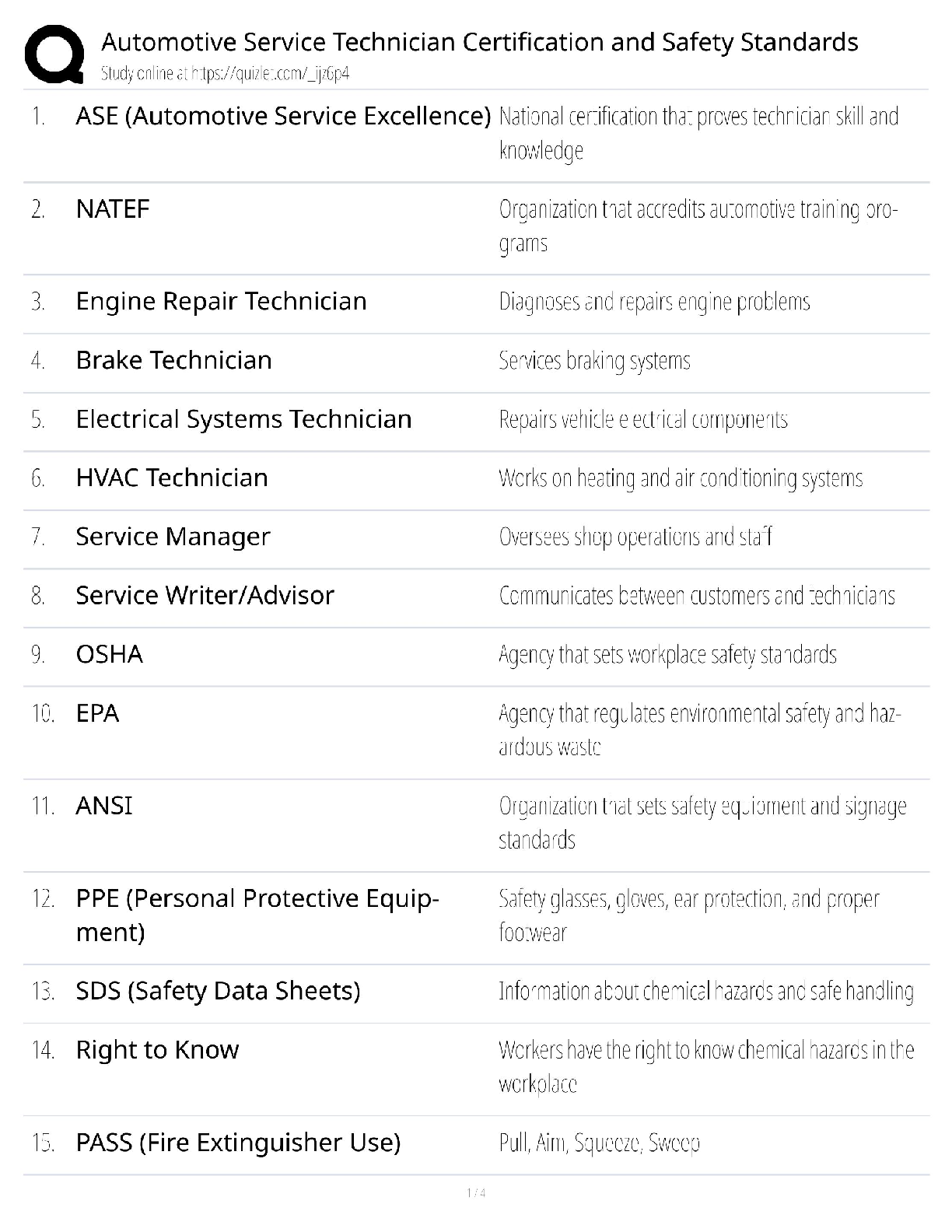

Designing a Bearing The City College of New York, CUNY - ME 47...

Quenching and Tempering of Steel The City College of New York,...


.png)

.png)


