NURSING > STUDY GUIDE > NURS 531 Advanced Pharmacotherapeutics Exam 2 Study Guide (All)
NURS 531 Advanced Pharmacotherapeutics Exam 2 Study Guide
Document Content and Description Below
Last updated: 4 months ago
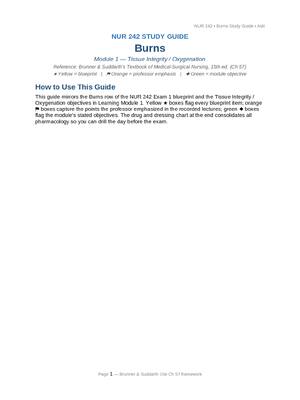
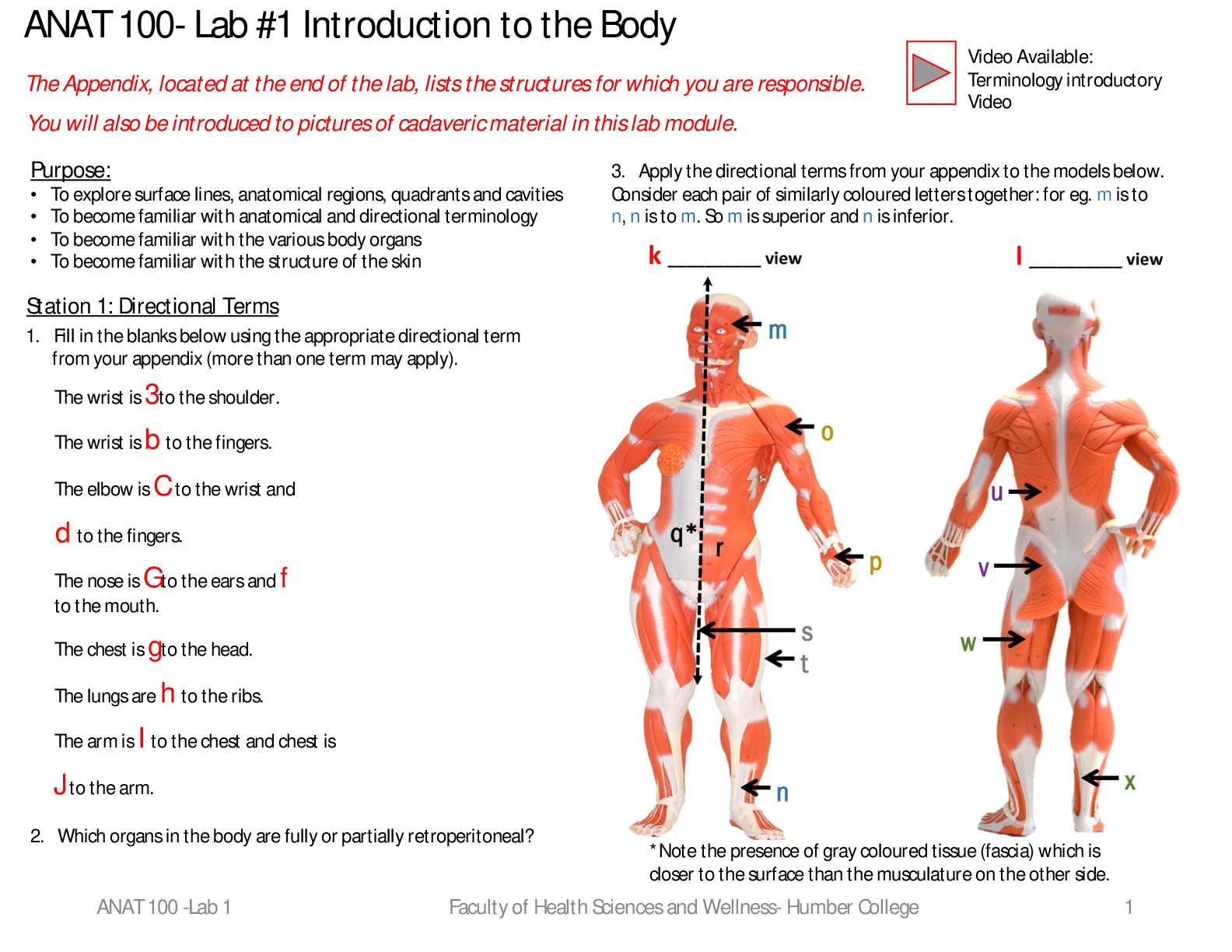
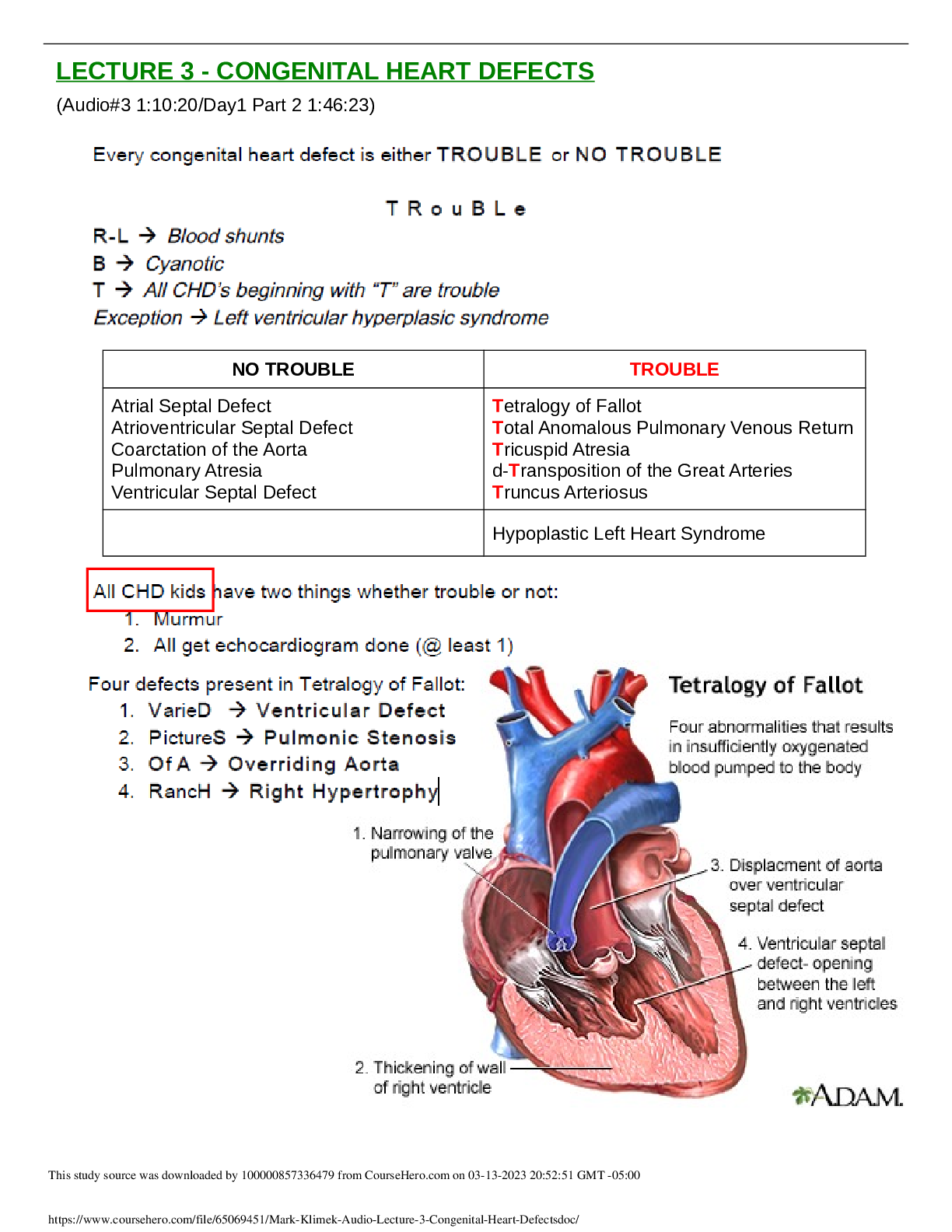
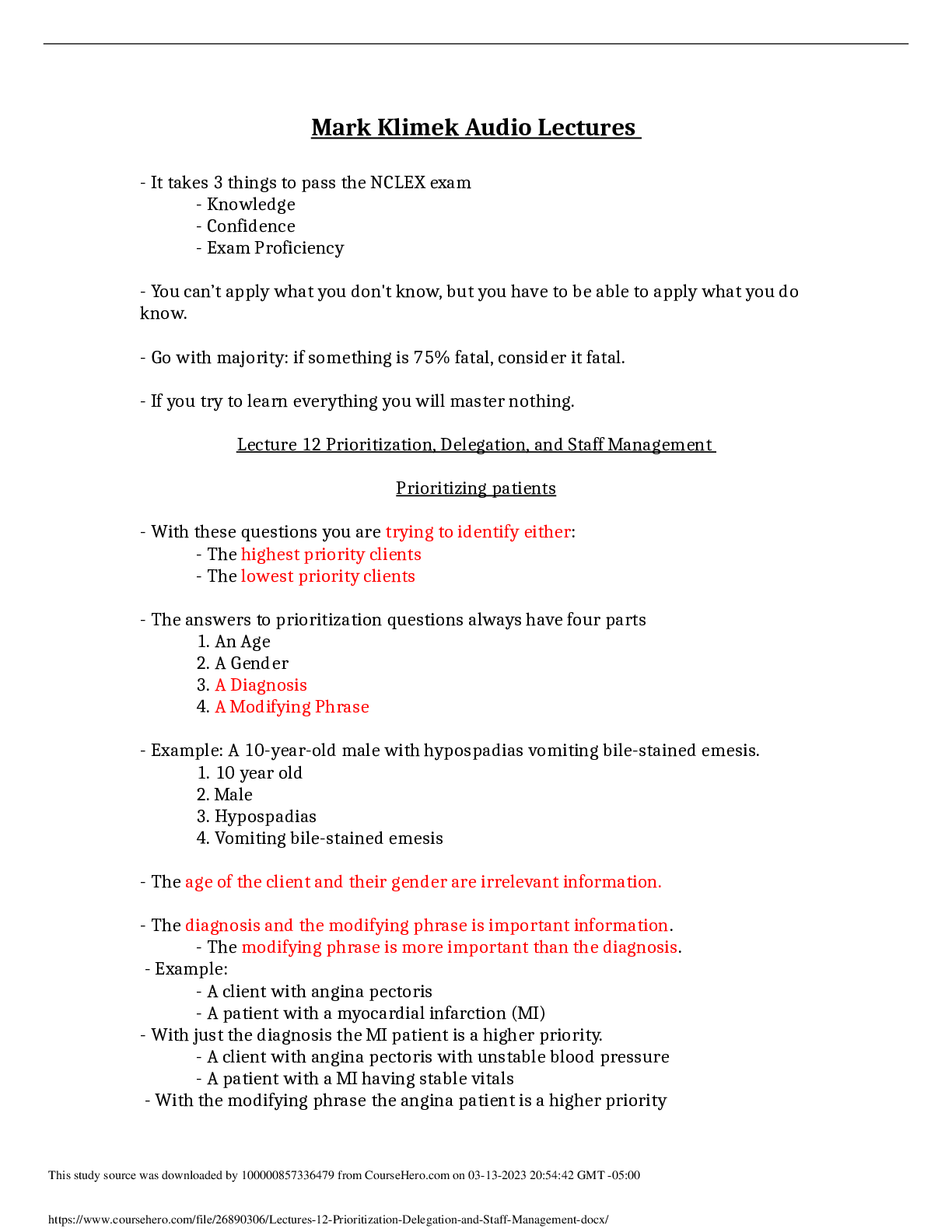
Preview 4 out of 18 pages
Instant download

Loading document previews ...
Buy this Document to get the Full Access Instantly
Provided by Students Who Aced it
We Verify Document Content to Gurantee Accuracy
Reviews( 0 )
Document information
Connected school, study & course
About the document
Uploaded On
May 06, 2026
Number of pages
18
Written in
All

Additional information
This document has been written for:
Uploaded
May 06, 2026
Downloads
1
Views
378
Topic Tags
Related Subjects & Courses
Explore similar study resources and related concepts.
Recommended For You
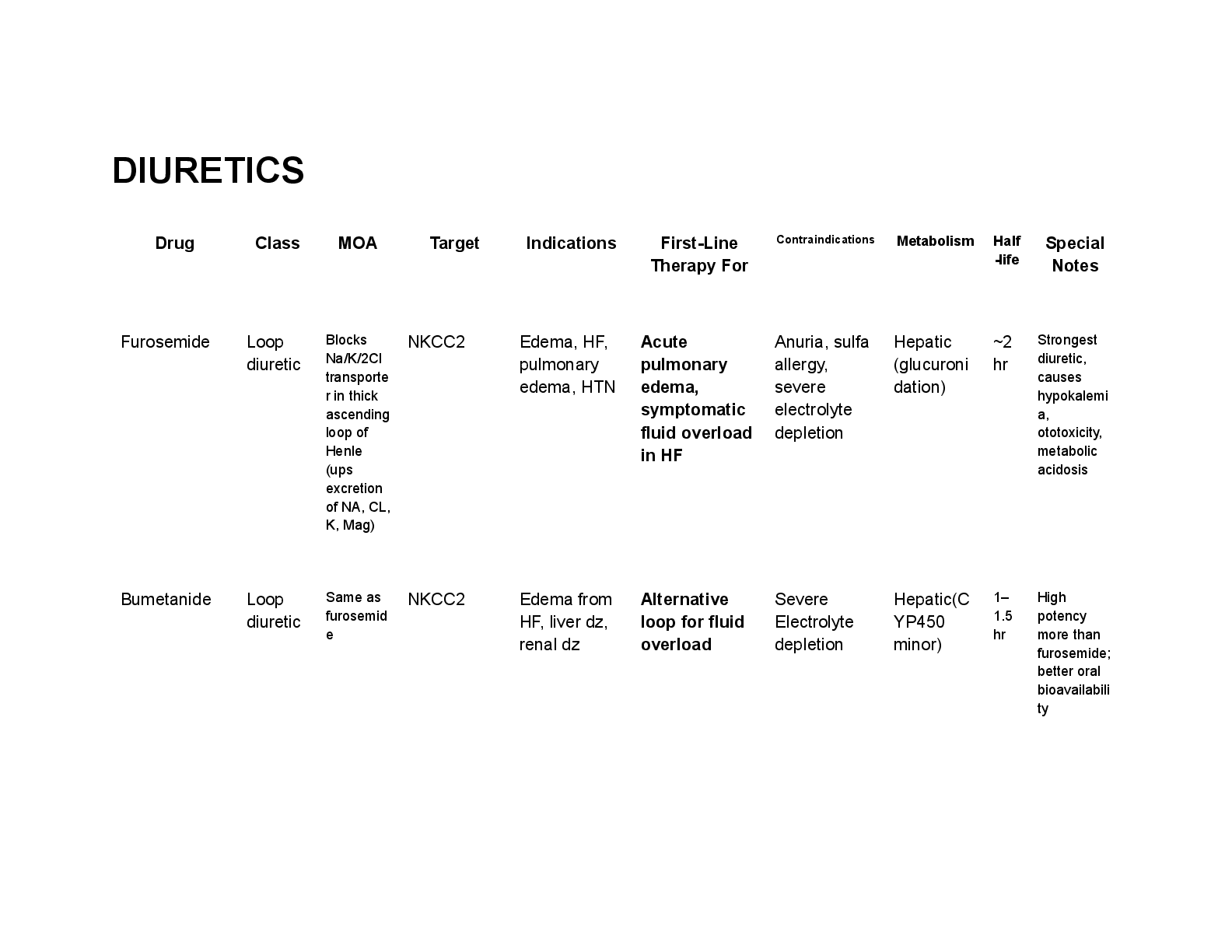
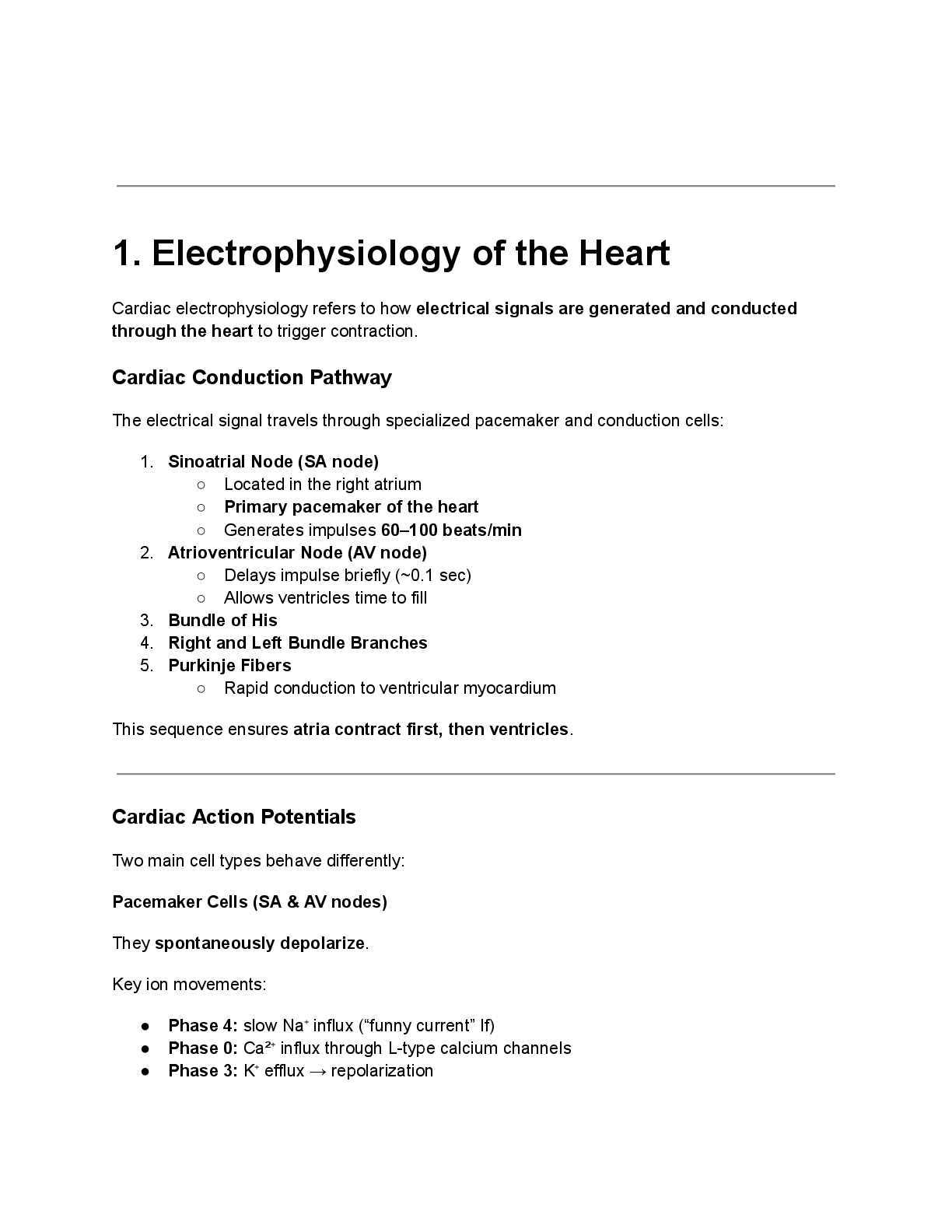
Get more on STUDY GUIDE »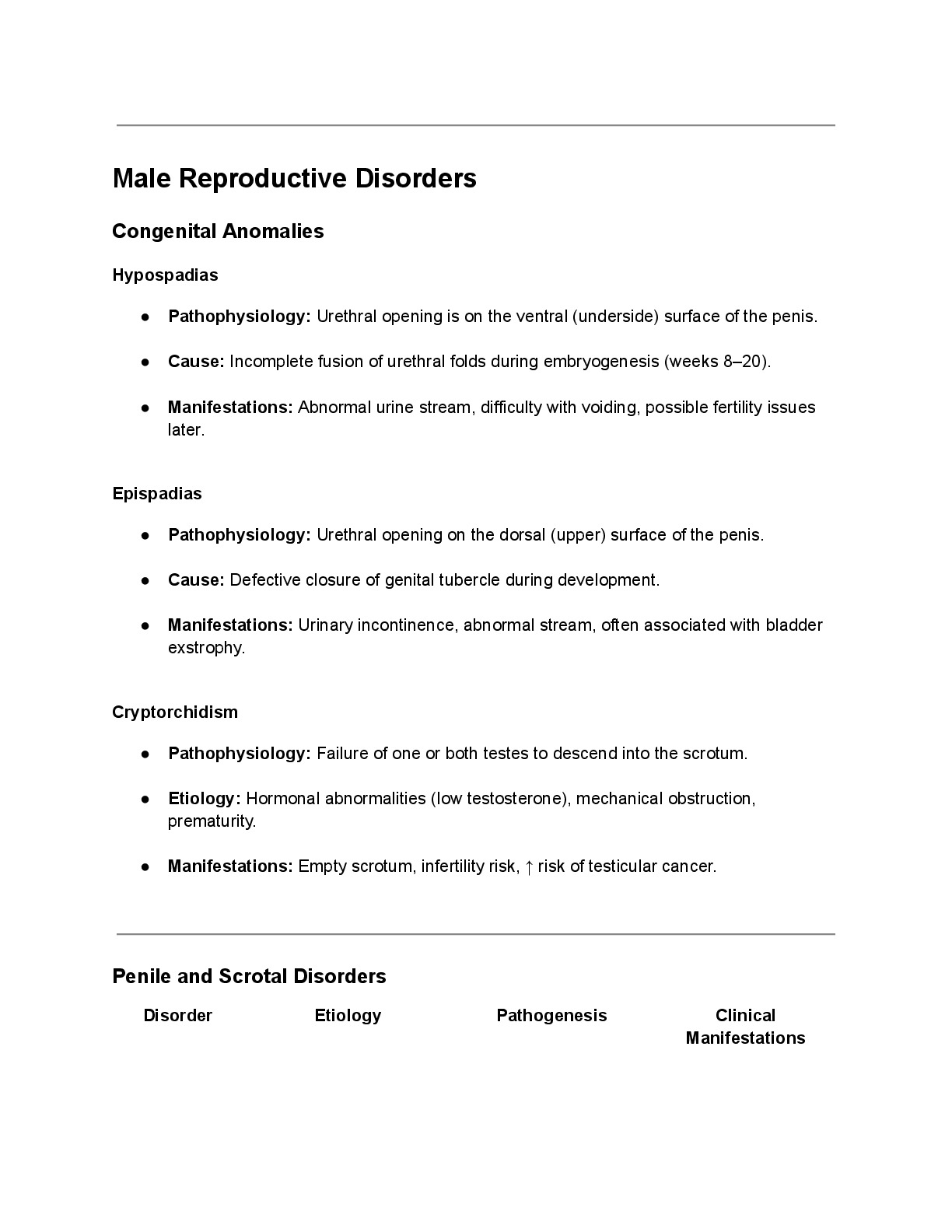

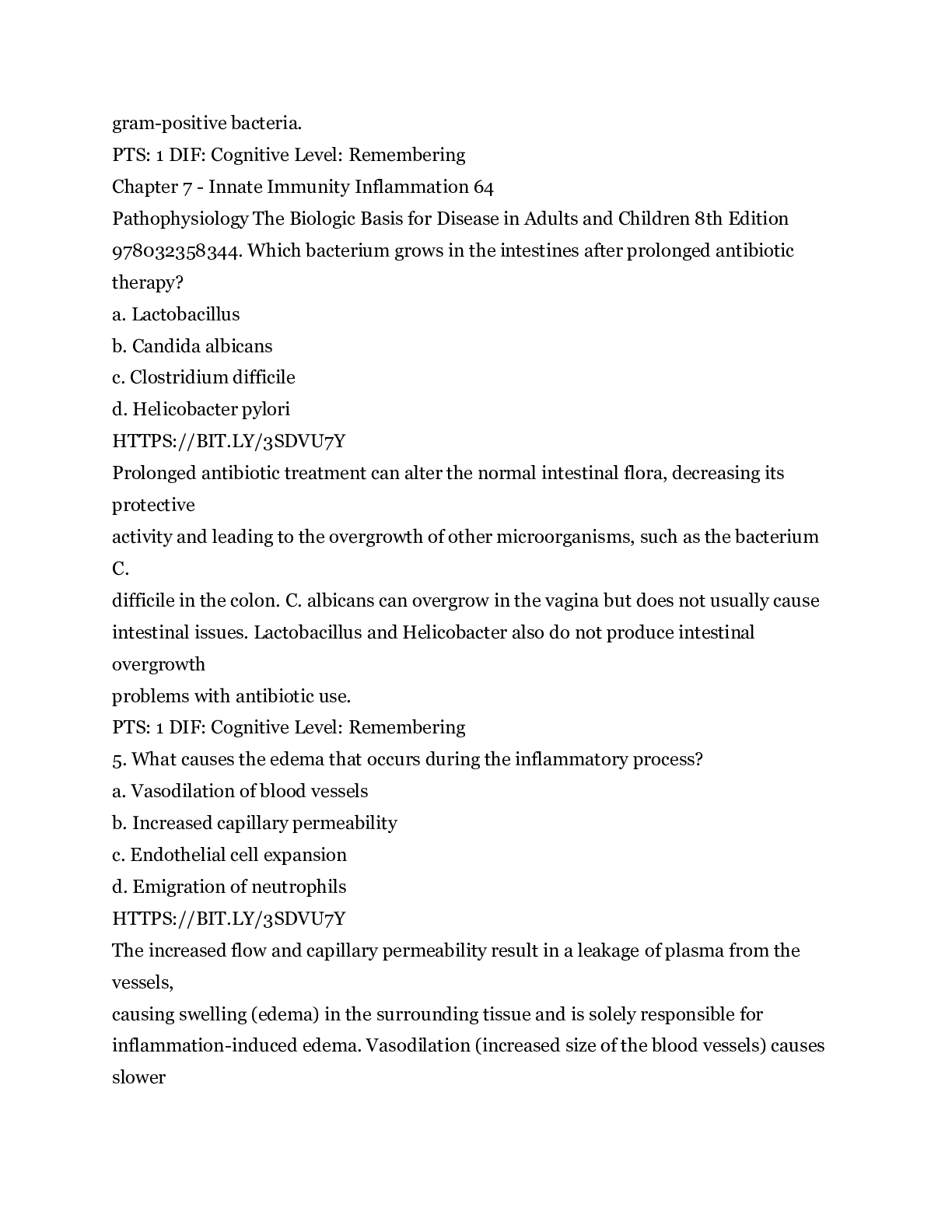
NURS 5315 Pathophysiology | The Biologic Basis for Disease in...
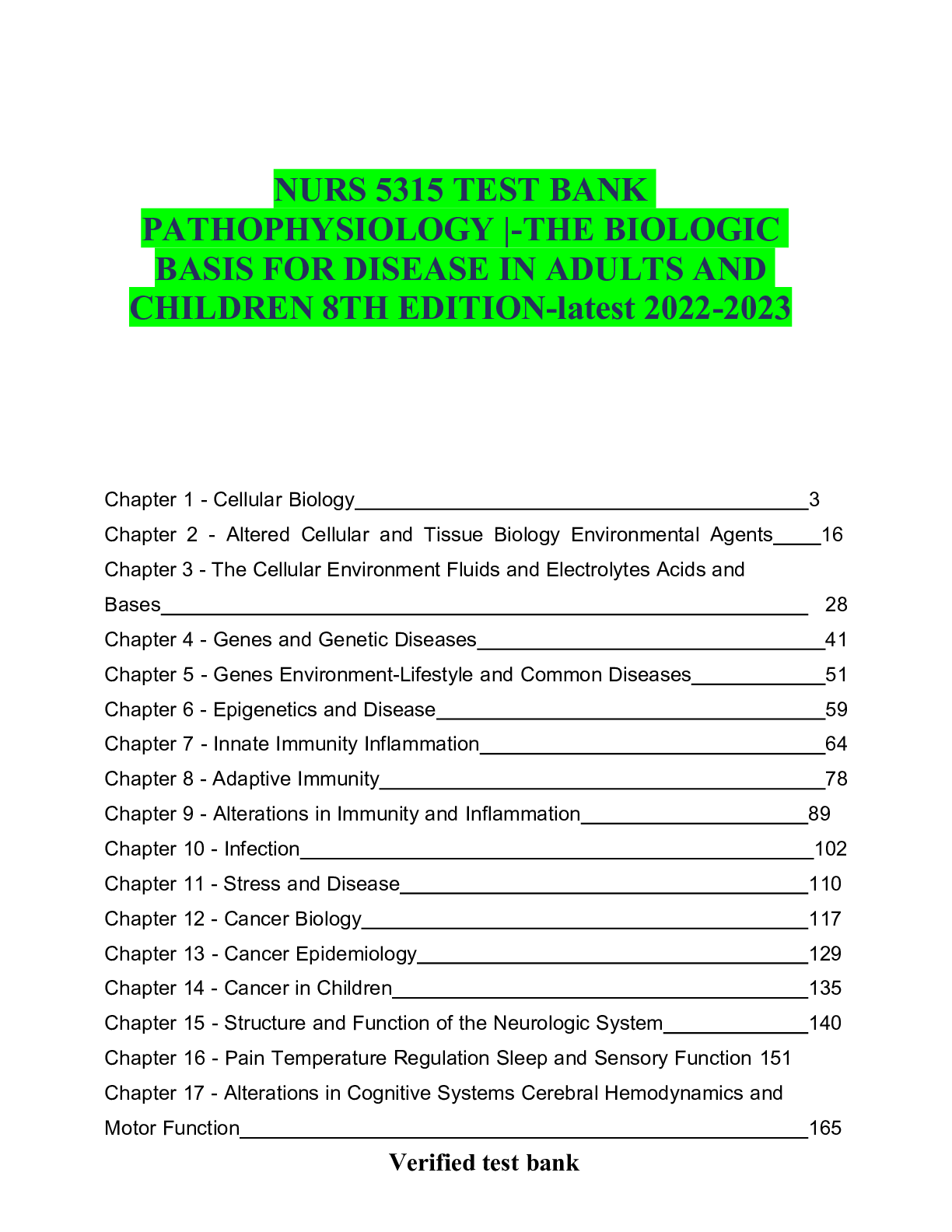
NURS 5315 TEST BANK PATHOPHYSIOLOGY |-THE BIOLOGIC BASIS FOR D...
NURS 531 Rang & Dale’s Pharmacology, 7th Edition TestBank
NURS 5315 TEST BANK PATHOPHYSIOLOGY |-THE BIOLOGIC BASIS FOR D...
NURS 5315 Pathophysiology | The Biologic Basis for Disease in...
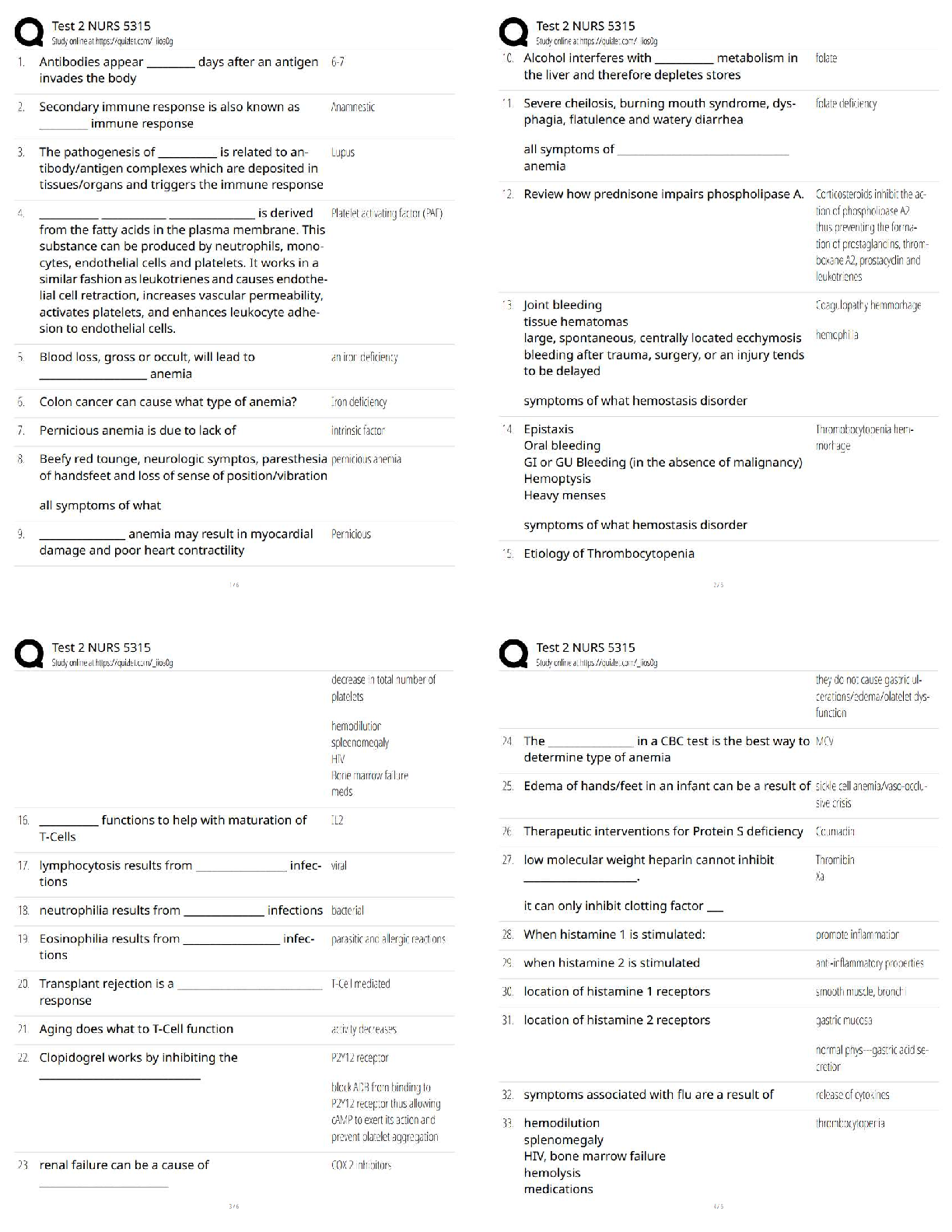
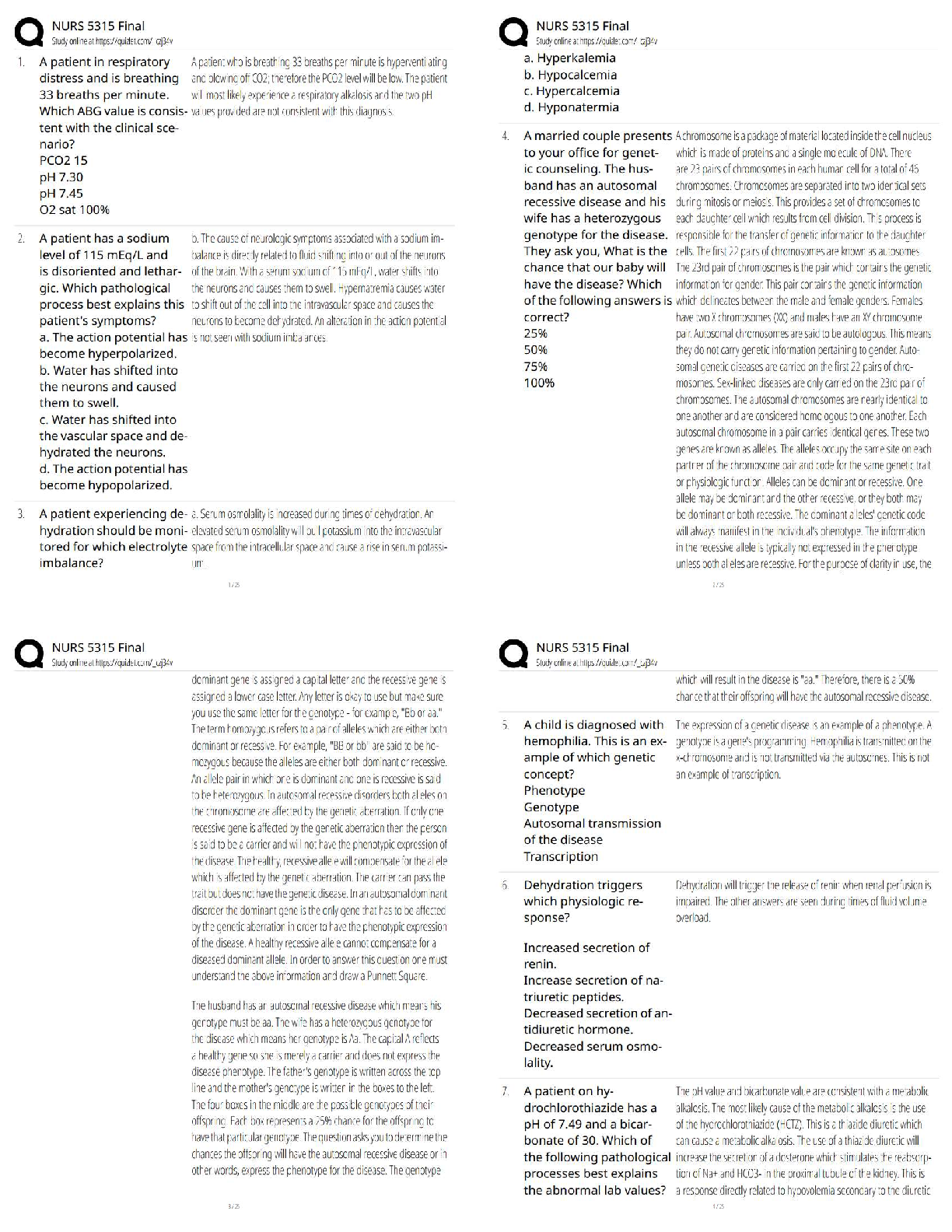
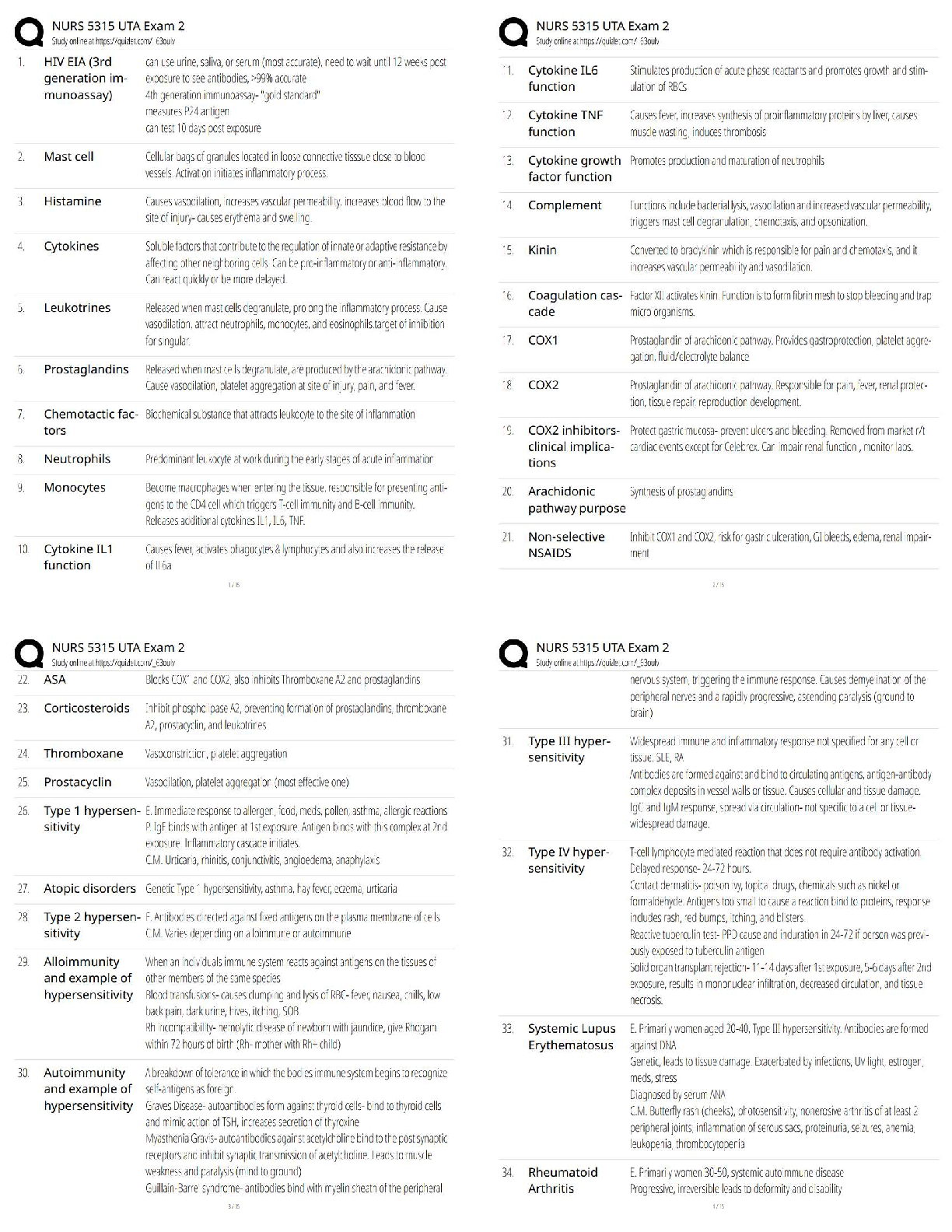
NURS 5315 UTA Exam 2 Study Guide / New Version 2025 Update


NURS 5315 UTA Exam 3 With 100% Correct Answers | 2024/2025
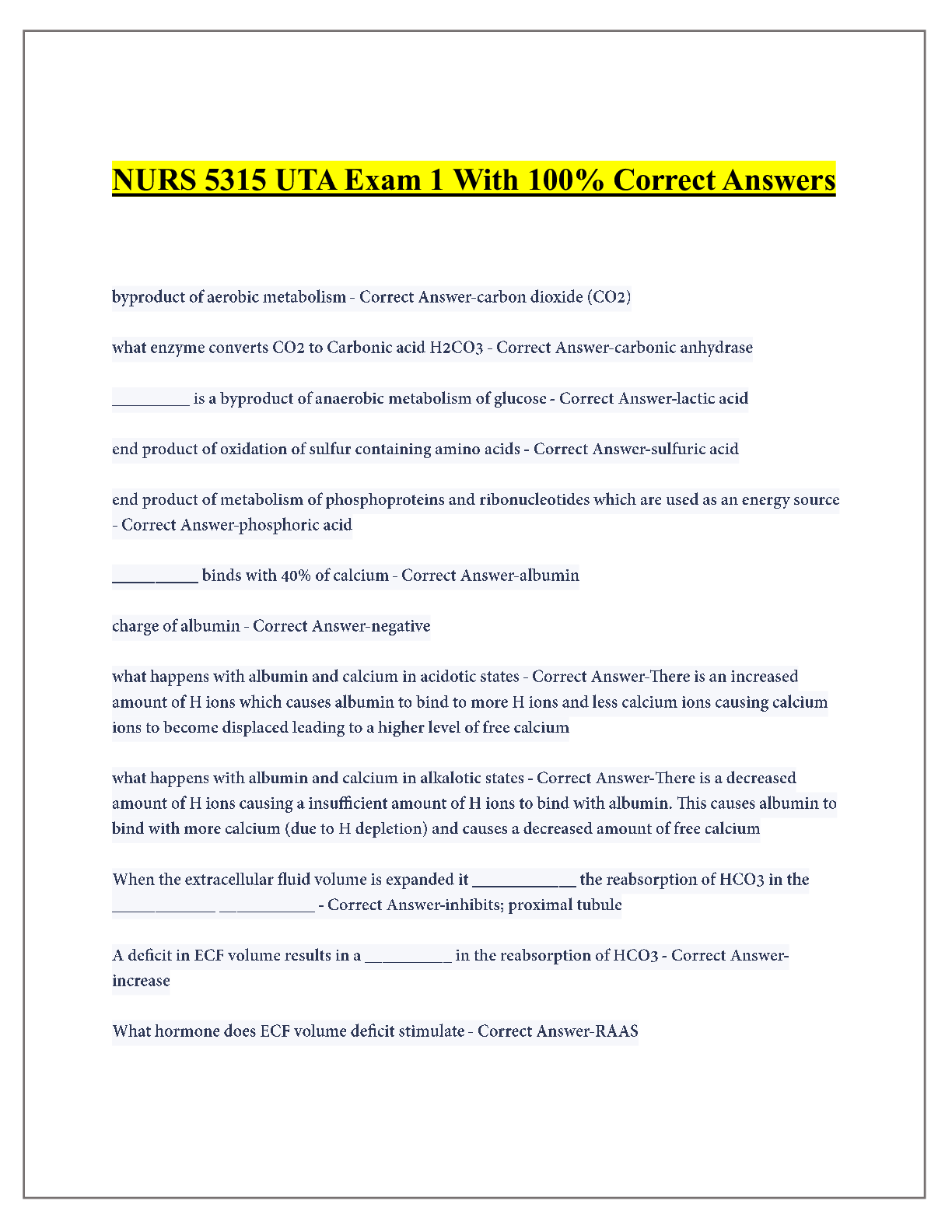
NURS 5315 UTA Exam 1 With 100% Correct Answers | 2024/2025

NURS 531 PHARMACOTHERAPEUTICS NOTES/ DOWNLOAD TO SCORE AN A.
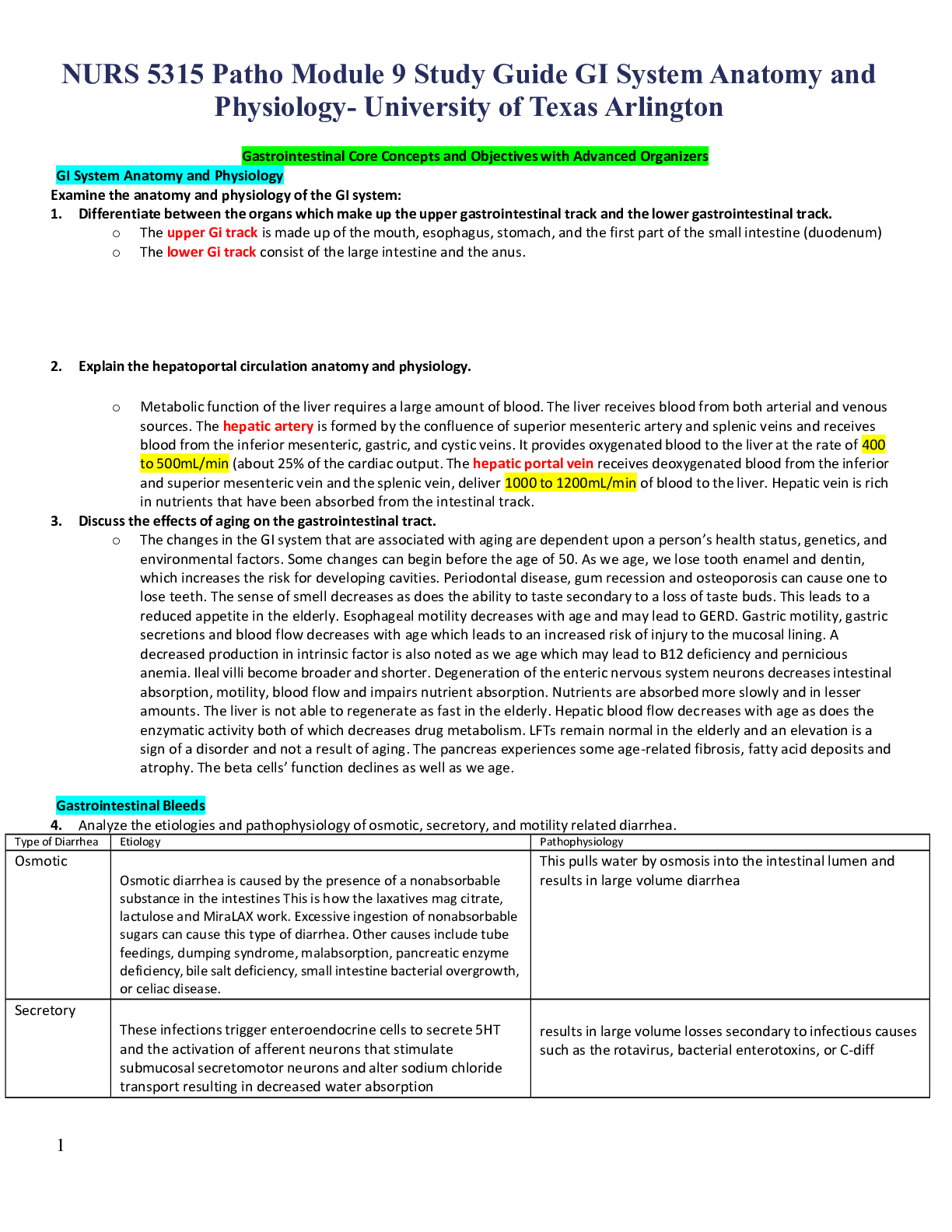






![Preview of Mark Klimek Audio Lectures [PDF] Cardiac Medications, Cardiac rhythms, Chest tubes, Newbor](https://scholarfriends.com/storage/Lecture_3_Cardiac_Medications__Cardiac_rhythms__Chest_tubes__Newborn_Heart_Defects__Isolation_Precau.png)

