Economics > QUESTIONS & ANSWERS > ECON 444 Homework 2 Problem Set 2 Answers (Penn State University), Latest Questions and Answers with (All)
ECON 444 Homework 2 Problem Set 2 Answers (Penn State University), Latest Questions and Answers with Explanations, All Correct Study Guide, Download to Score A
Document Content and Description Below
Last updated: 4 years ago
Preview 1 out of 22 pages
Instant download
, Latest Questions and Answers with Explanations, All Correct Study Guide, Download to Score A.png)
Buy this Document to get the Full Access Instantly
Provided by Students Who Aced it
We Verify Document Content to Gurantee Accuracy
Also available in bundle (1)
Click Below to Access Bundle(s)
ECON 444 Homework Problems Sets Question and Answers Bundle (Penn State University), Latest Questions and Answers with Explanations, All Correct Study Guide, Download to Score A
ECON 444 Homework Problems Sets Question and Answers Bundle (Penn State University), Latest Questions and Answers with Explanations, All Correct Study Guide, Download to Score A
By TopScholar 5 years ago
$35
6
Reviews( 0 )
Document information
Connected school, study & course
About the document
Uploaded On
Apr 30, 2021
Number of pages
22
Written in
All

Additional information
This document has been written for:
Uploaded
Apr 30, 2021
Downloads
0
Views
137
Topic Tags
Recommended For You
Get more on QUESTIONS & ANSWERS », Latest Questions and Answers with Explanations, All Correct Study Guide, Download to Score A.png)
ECON 444 Homework 7 Problem Set 7 Answers (Penn State Universi...
, Latest Questions and Answers with Explanations, All Correct Study Guide, Download to Score A.png)
ECON 444 Homework 6 Problem Set 6 Answers (Penn State Universi...
, Latest Questions and Answers with Explanations, All Correct Study Guide, Download to Score A.png)
ECON 444 Homework 5 Problem Set 5 Answers (Penn State Universi...

ECON 444 Homework 7 Problem Set 7 Answers (Penn State Universi...
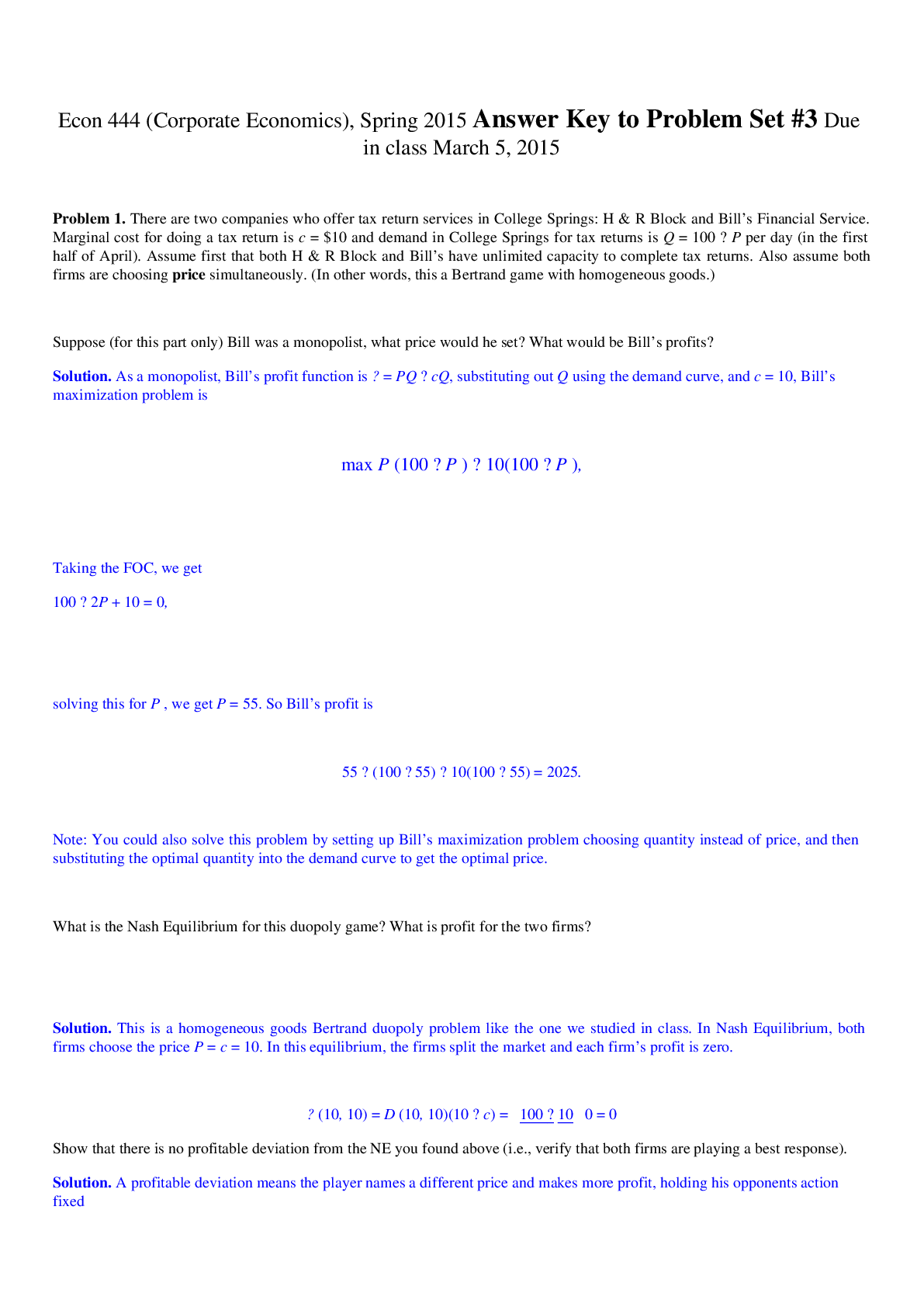
ECON 444 Homework 3 Problem Set 3 Answers (Penn State Universi...
.png)
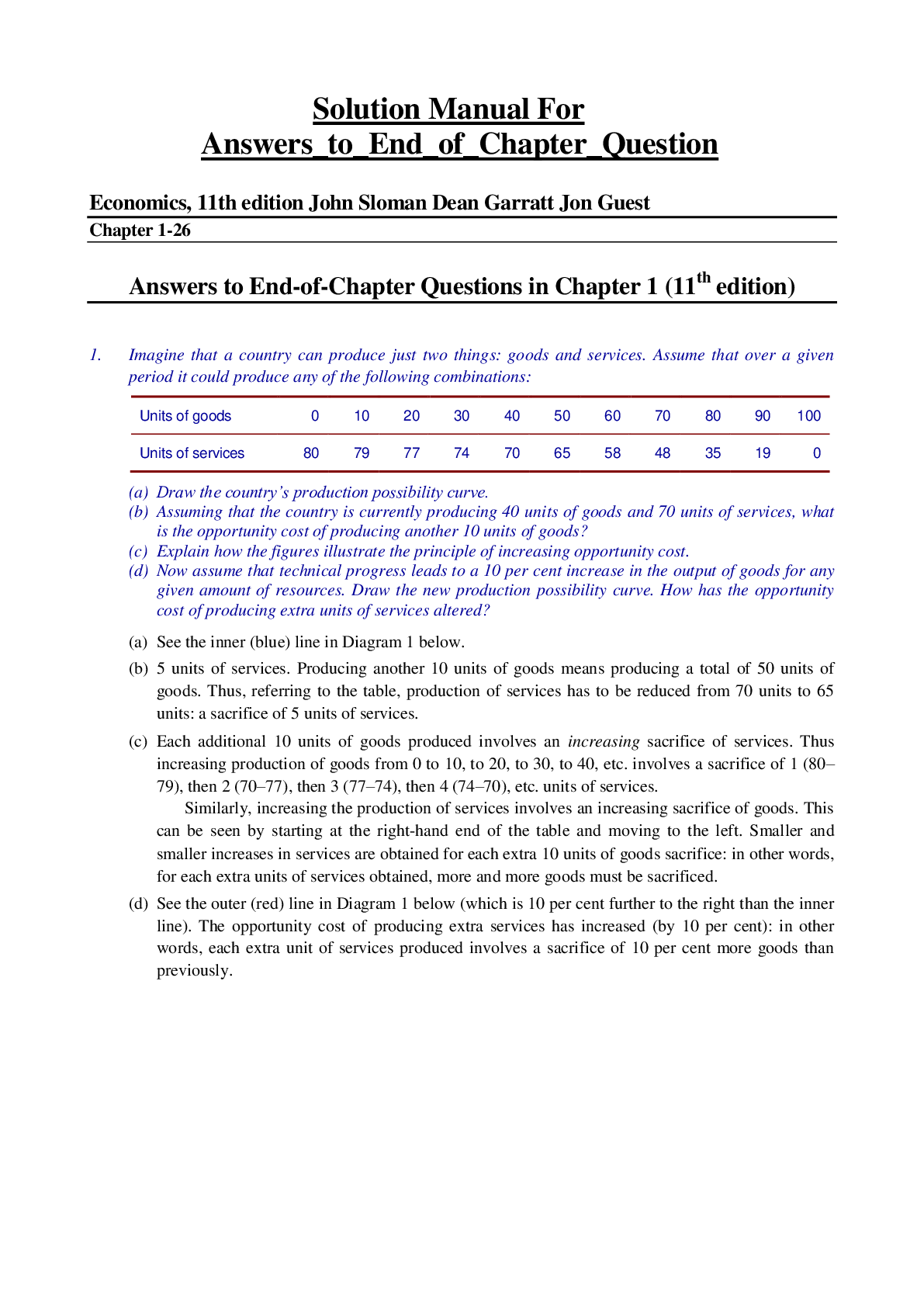
Solution Manual For Economics, 11th Edition by John Sloman Dea...
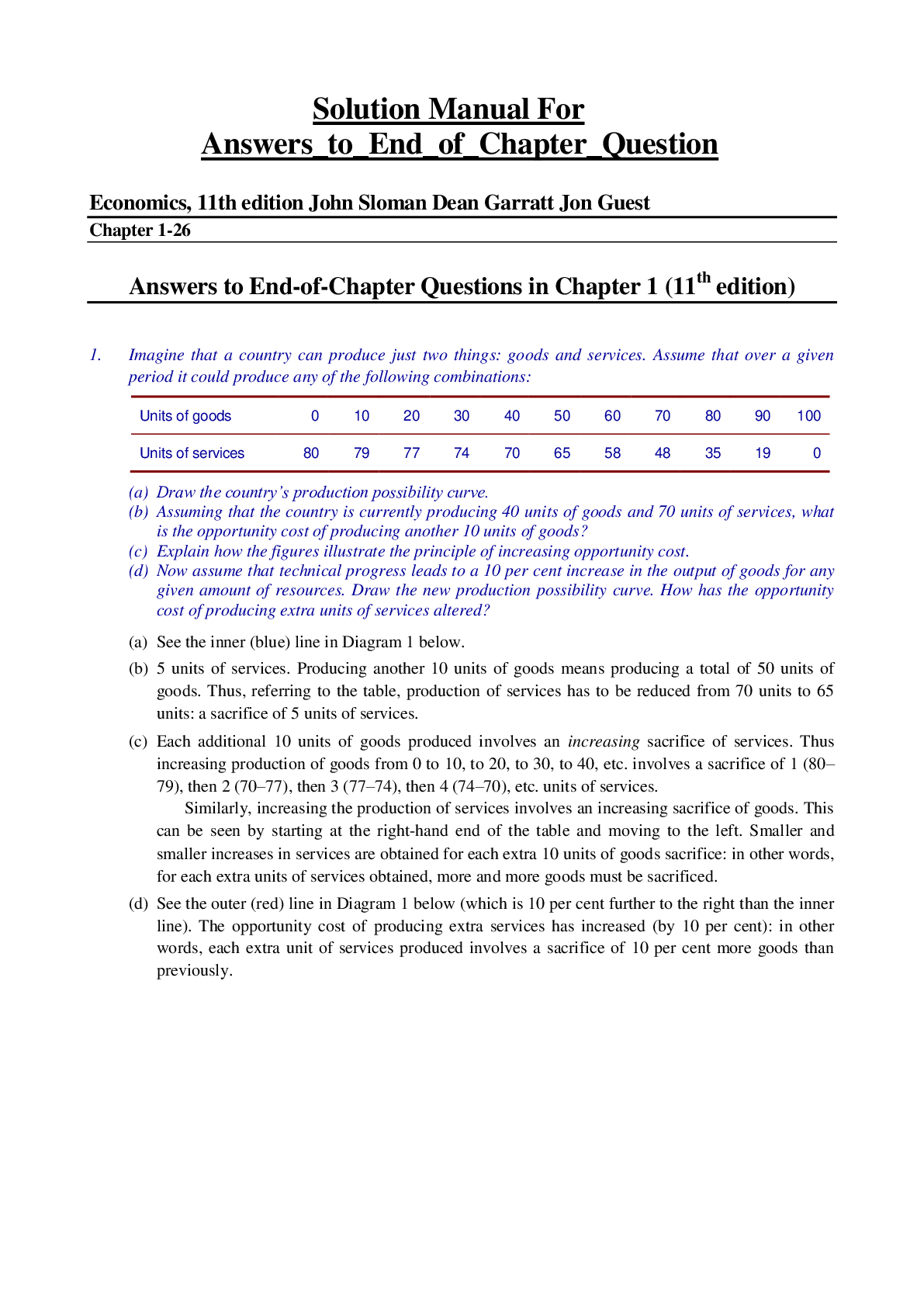
Solutions Manual for Economics, 11th Edition by John Sloman De...
Test Bank For Labor Economics 9th Edition by George Borjas (Al...
Test Bank For Managerial Economics Foundations of Business Ana...
Test Bank For Matching Supply with Demand An Introduction to O...
SOLUTIONS MANUAL for Labor Economics 9th Edition by George Bor...
Test Bank For Byrd & Chen's Canadian Tax Principles (vol 2) 20...
eBook Economics 11th Edition By John Sloman, Dean Garratt, Jon...
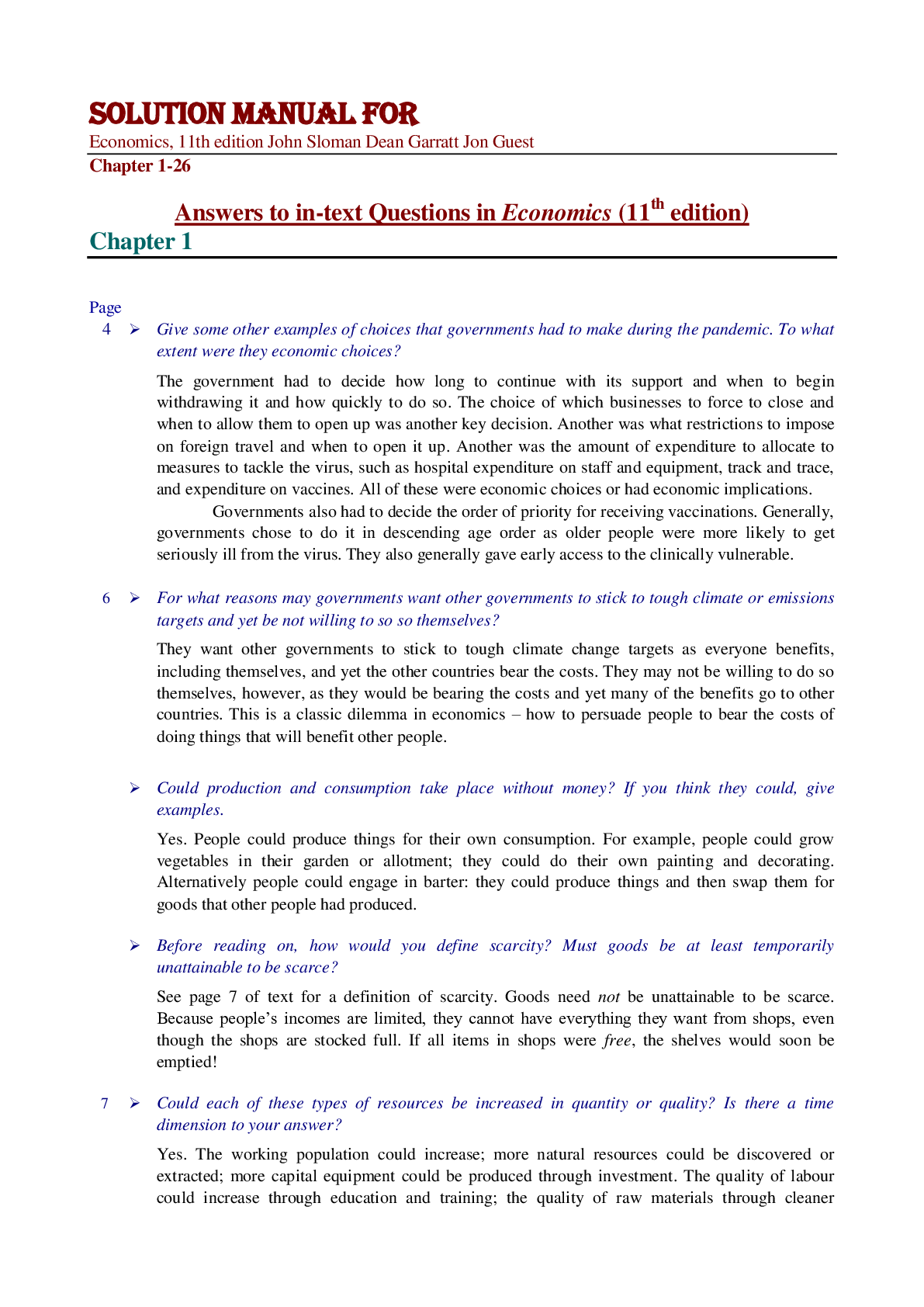
Economics, 11th Edition by John Sloman Dean Garratt Jon Guest...