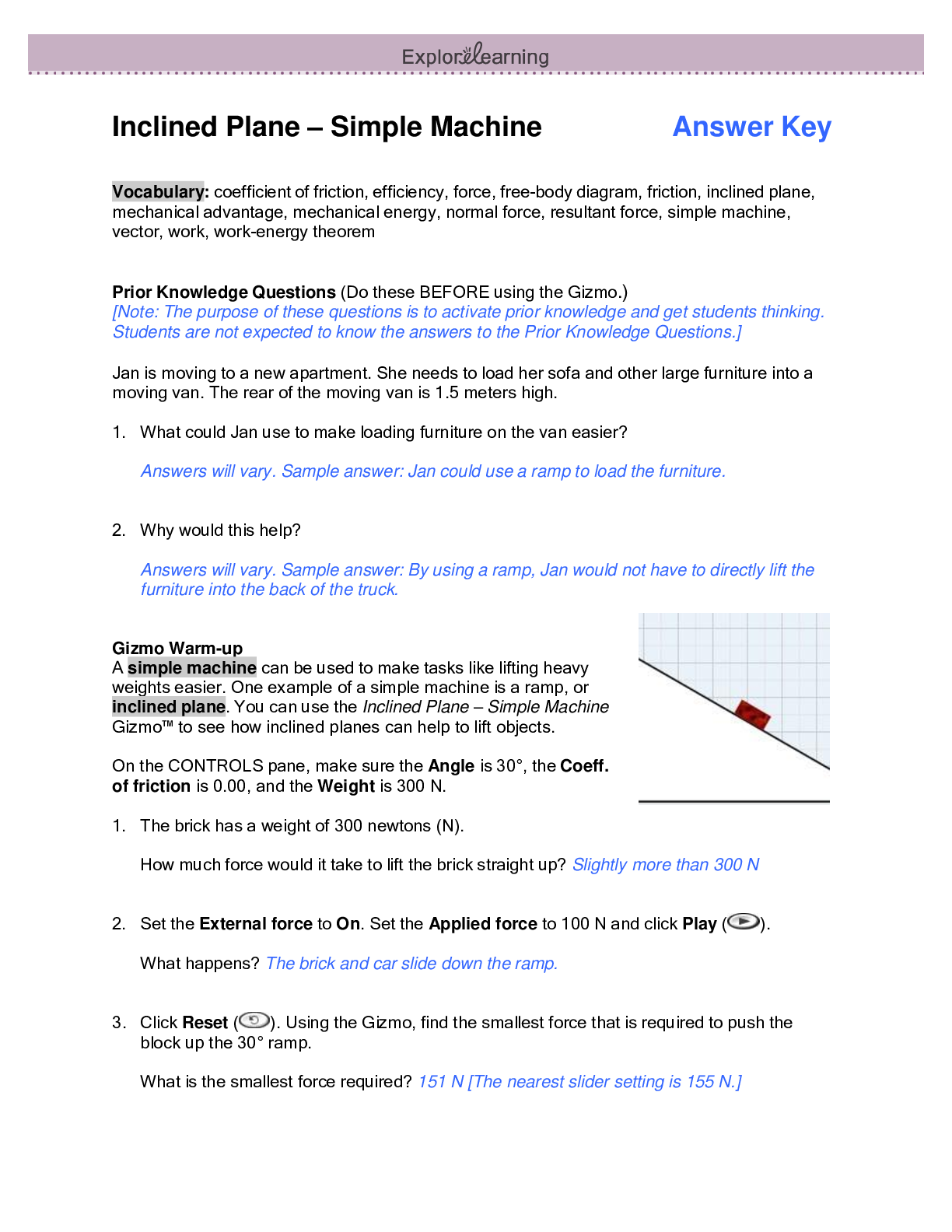
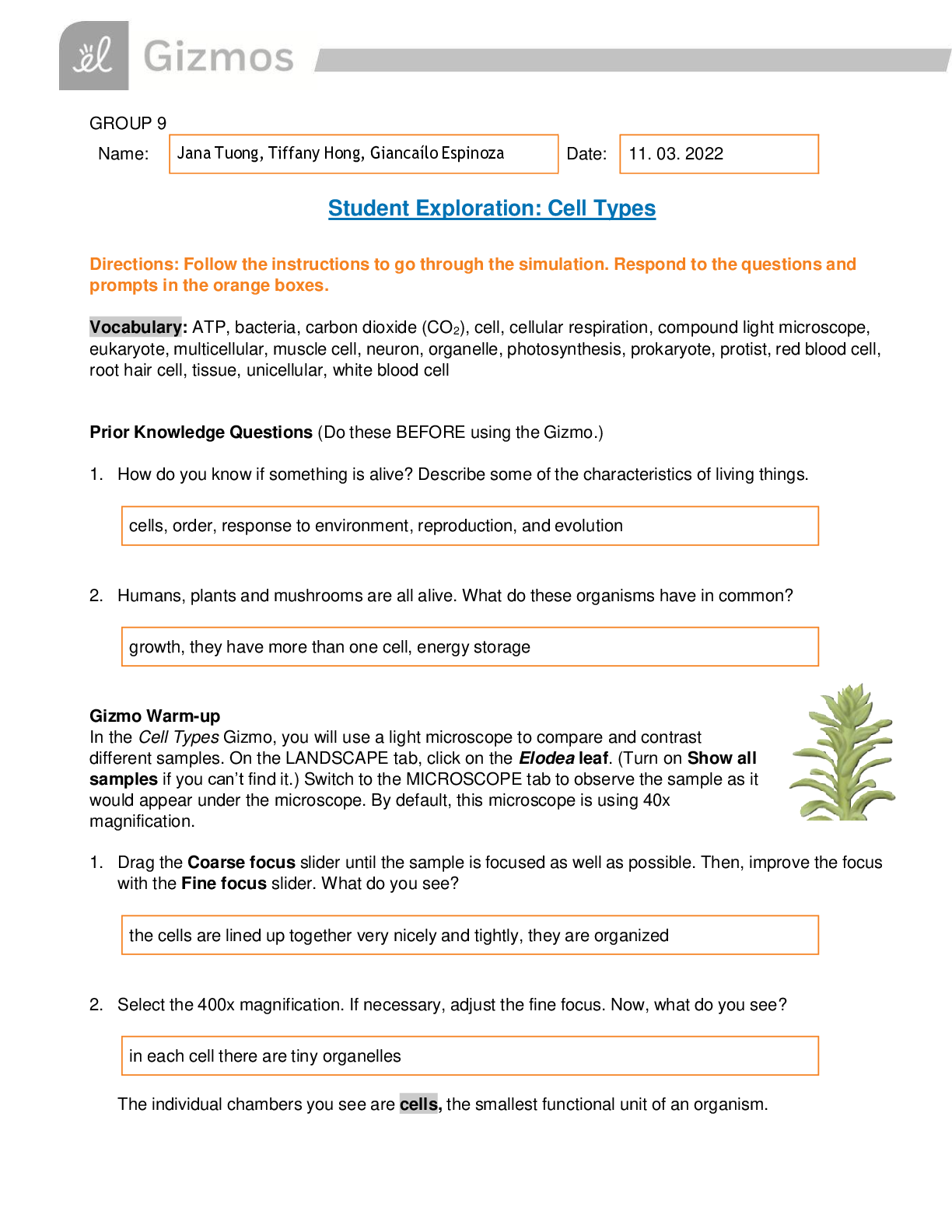
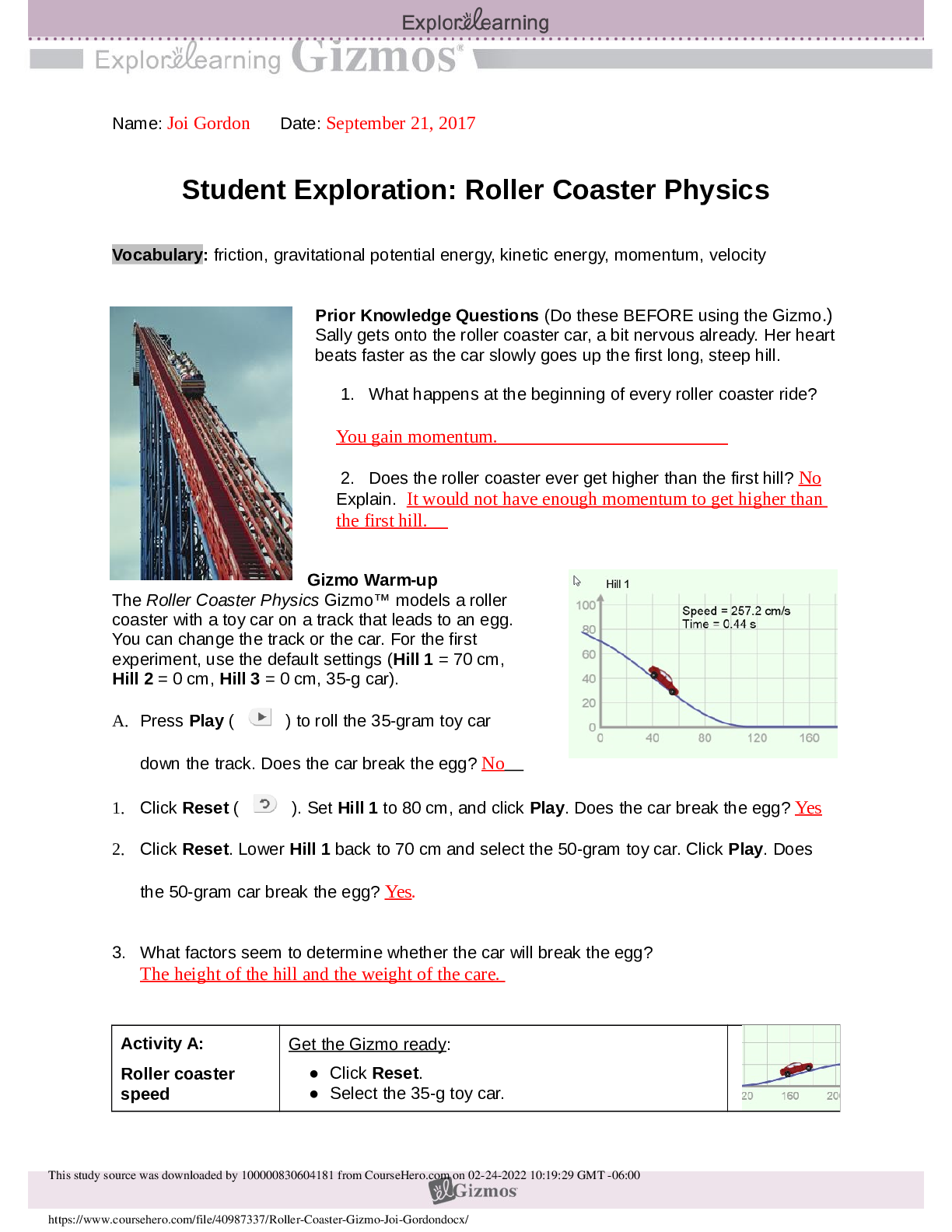
Orbital Motion - Keplers Laws (Gizmo) -correced-GRADED A
Document Content and Description Below
Student Exploration: Orbital Motion – Kepler’s Laws
Directions: Follow the instructions to go through the simulation. Respond to the questions and
prompts in the orange boxes.
Vocabulary: astronomical unit, eccentri
...
[Show More]
Last updated: 3 years ago
Preview 1 out of 8 pages
Instant download

Buy this Document to get the Full Access Instantly
Provided by Students Who Aced it
We Verify Document Content to Gurantee Accuracy
Reviews( 0 )
Document information
Connected school, study & course
About the document
Uploaded On
May 11, 2021
Number of pages
8
Written in
All

Additional information
This document has been written for:
Uploaded
May 11, 2021
Downloads
1
Views
931
Topic Tags
Related Subjects & Courses
Explore similar study resources and related concepts.
Recommended For You
Get more on GIZMOS »
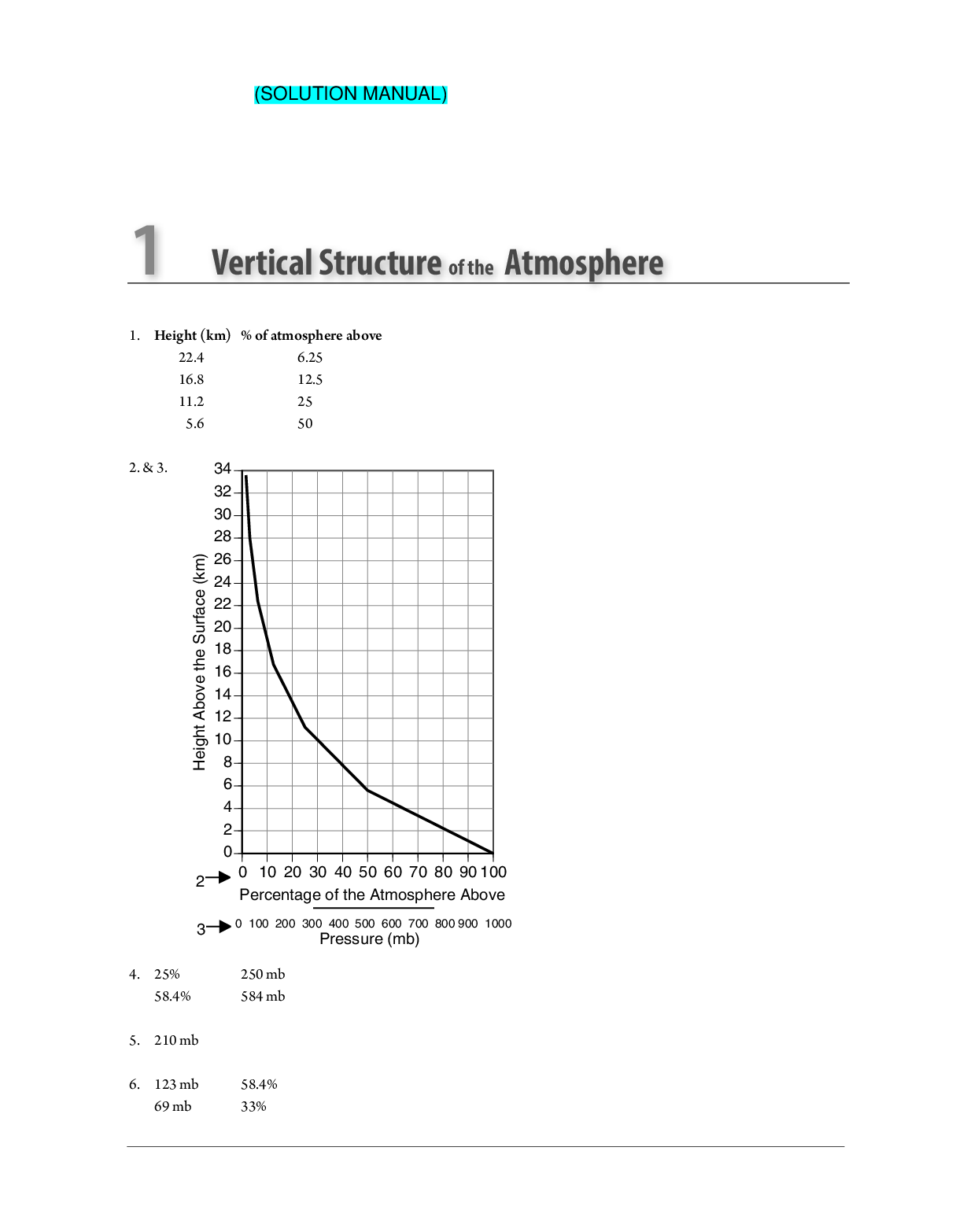
$25
65 Pages
Exercises for Weather & Climate, 9e Greg Carbone (Solution Man...

$25
554 Pages
Human Geography Places and Regions in Global Context, 5th Cana...

$25
465 Pages
Human Geography Places and Regions in Global Context 7e Paul K...

$25
621 Pages
Human Geography Places and Regions in Global Context 6e Paul K...
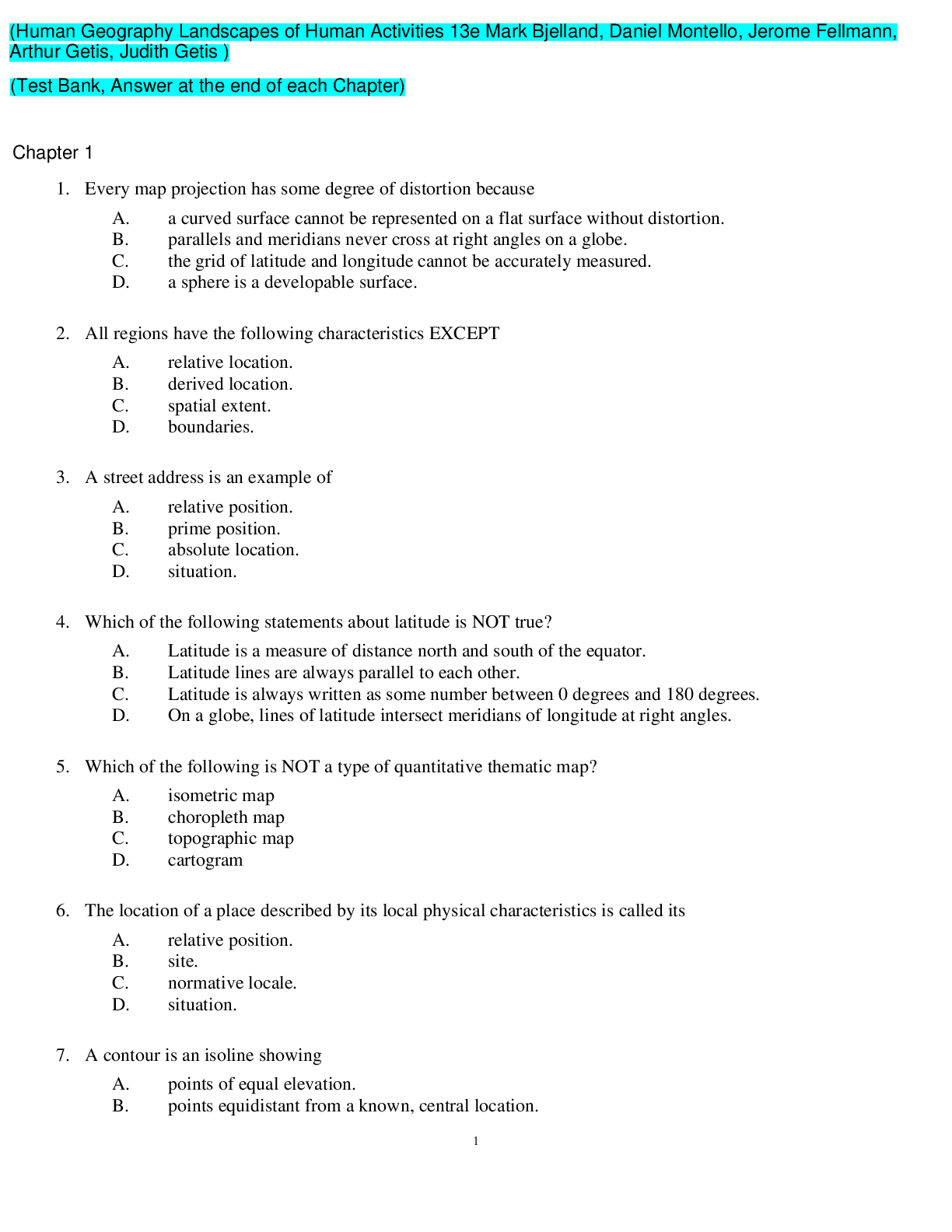
$25
125 Pages
Human Geography Landscapes of Human Activities 13e Mark Bjella...

$25
40 Pages
Human Geography A Concise Introduction 1e Mark Boyle (Test Ba...

$25
62 Pages
Elemental Geosystems 8e Robert W. Christopherson, Ginger Birke...
$11
7 Pages
Earthquakes 1 – Recording Station GIZMO < ALL ANSWERS CORRECT>
$7
7 Pages
Orbital Motion – Kepler’s Laws GIZMO | Student Exploration: Or...


More related documents below