NR 503 Week 1: Discussion - Exercise and
Discussion Questions from Curley Text Book
50 50 unread replies. 75 75 replies.
Go to the end of Chapter 2: Identifying Outcomes, in your Curley course text. Under "Exercises a
...
NR 503 Week 1: Discussion - Exercise and
Discussion Questions from Curley Text Book
50 50 unread replies. 75 75 replies.
Go to the end of Chapter 2: Identifying Outcomes, in your Curley course text. Under "Exercises and
Discussion Questions" select Exercise 2.5 OR 2.6 and respond in a minimum of two (2) paragraphs of 4-5
sentences each. You should address each bullet point in the exercise you select. Your work should have
in-text citations integrating at a minimum one scholarly article from this week's readings and course
textbook. APA format should be utilized to include a reference list. Correct grammar, spelling, and APA
should be adhered to when writing, work should be scholarly without personalization or first person
use.
Exercise 2.5 Diabetes affects a growing number of Americans. You have been invited to join a
collaborative of community agencies interested in tackling diabetes from a community perspective.
What resources will you use to identify different outcomes related to diabetes?
What outcomes related to diabetes are of most interest to community members?
How will you compare the outcomes you select to monitor at the local level with state and national
outcomes?
Exercise 2.6 APRNs should not only recognize but also make it part of their practice to develop strategies
to reduce or eliminate health disparities. Review information from Healthy People 2020 and the CDC
Office of Minority Health and Health Disparities websites.
What health disparities can you find that are relevant to your community?
How can you better advocate for minority groups who have poorer health outcomes?
What specific objectives in Healthy People 2020 can help this effort?
Review the following for integration into your writing/responses:
https://campaignforaction.org/issue/fostering-interprofessional-collaboration/ (Links to an external
site.)Links to an external site.Threaded Discussion Rubric can be found in Course Resources
Search entries or author
Search entries or author
Filter replies by unread
Reply Reply to Week 1: Discussion - Exercise and Discussion Questions from Curley Text Book
Collapse SubdiscussionGeorge Davis
George Davis
Jan 7, 2019 Jan 7 at 3:37pm
Advocacy comes in many forms. As future ARNPs we will be charged with advocating for the health
of our patients at a higher level. The influence which we bring does not stop at the hospital or clinic
door. There are a wide range of health disparities in our community. Examples of relevant health
disparities in the community would be oral health, immunizations, access to care. It is critical to
recognize that these disparities affect real people and it needs to be addressed. According to Healthy
People 2020 (n.d), The National Academies of Sciences, Engineering, and Medicine define access to
health care as the “timely use of personal health services to achieve the best possible health outcomes”
(para, 1). For many within the community such as the elderly and poor families, it can be difficult to
access services. Programs within the community may be set up to address these populations. However,
they are not always aware of programs or may not have the means to travel to public health
departments. Also, their health condition may not allow them to seek available care.
Being an advocate for minority groups who have poorer outcomes it is necessary to become
involved at the community, state and federal level to assist influencing legislation and individual care.
Creating a community outreach program to bring healthcare services to these populations is a small but
important step to bringing both awareness but direct care to those most in need. Doing preventive
screenings such as blood pressure, glucose monitoring, immunizations to name a few. Also, bring in
dentists to volunteer to do a monthly dental clinic could be done for relatively small amounts of money
which can be accessed from with businesses in the community.
Specific objectives in Healthy People 2020 which can help this effort. According to American
Nurse (2014), Healthy People 2020 has specific “objectives for health promotion and disease prevention.
In categories such as access to care, maternal and child health, tobacco use…. These “leading healthindicators” … reduce major influences or threats on the public’s health that cause illness and death”
(para, 2). Health promotion is a great way to influence and prevent disease processes though planned
care to improve health outcomes. By following the objective suggested in Healthy People 2020 ARNPs
can implement population care which extends to the community at large thereby advocating for the
community at large.
Reference
Progress in disease prevention, health promotion. (2014). American Nurse, 46(4), 16. Retrieved from
https://chamberlainuniversity.idm.oclc.org/login?url=https://search.ebscohost.com/login.aspx?direct=t
rue&db=ccm&AN=103909733&site=eds-live&scope=site (Links to an external site.)Links to an external
site.
https://www.healthypeople.gov/2020/topics-objectives/topic/social-determinantshealth/interventions-resources/access-to-health (Links to an external site.)Links to an external site.
Reply Reply to Comment
Collapse SubdiscussionANAHI MUNOZ
ANAHI MUNOZJan 8, 2019 Jan 8 at 7:08am
George,
Great post! As you well mentioned it was ingrained in us that advocacy, particularly patient advocacy, is
one of our most important nursing duties. In that role, the nurse protects the client’s human and legal
rights and provides assistance in asserting those rights if the need arises. Advocacy may include, for
example, providing additional information for a patient who is trying to decide whether or not to accept
a treatment.
Keep up the good work!
Dr. Munoz
Reply Reply to Comment
Collapse SubdiscussionLaura Bernal
Laura Bernal
Jan 11, 2019 Jan 11 at 2:44pm
Hello George and Dr. Munoz,
I really enjoyed reading your post, it was very informative and interesting. Advocacy represents us as
nurses and future ARNP. You also came up with great ideas to reach a population that don’t have easy
access to healthcare. Dental hygiene is a health disparity that definitely needs to be address,
unfortunately most of the people tent to ignored dental hygiene do to the high costs and difficult
access. Just to afford a dental cleaning can cost over two hundred dollars, making it very hard for people
that get paid the minimum wage. What many people are not aware of is that having inadequate dental
hygiene can lead to worsening the chronic illness like cardiovascular diseases. Not being able to see a
dentist can be related to a range of health problems. Periodontal disease (gum infection) is associated
with an increased risk of cancer and cardiovascular diseases. There is also a causal explanation for how
oral health issues can lead to or worsen other illnesses. Bacteria originating in oral infections can
circulate elsewhere, contributing to heart disease and strokes.
Reference
Fried. (2017). Preparing the Future Dental Hygiene Workforce: Knowledge, Skills, and Reform.
doi:10.21815/JDE.017.032
Reply Reply to CommentCollapse SubdiscussionLeo Colon
Leo Colon
Jan 12, 2019 Jan 12 at 2:44pm
Professor,
I agree with the discussion on Georges paper. Advocacy is what we do on a daily basis and we always
try and keep our patient's integrity and respect by advocating for them. I work in a critical care setting
and the collaborating that I have with many MD and the service they provide to the patients at times
patients want us to ask the Doctor for a change in his treatment and most of the time they ask us to
speak with them, some patients ask to speak to the doctors directly but rarely most of the time I find
myself speaking with the specialist or doctor about the patients treatments. We also see this in patients
that are going in hospice care
Many patients that are provided with hospice care 100% of the treatment is what they like for comfort
measures and we advocate so that the patient can be as comfortable as possible such as medications
and other means
Reply Reply to Comment
Collapse SubdiscussionGeorge Davis
George Davis
Jan 12, 2019 Jan 12 at 6:19pm
Dr. Munoz and class, the tools to implement advocacy and develop a plan can be drawn from
established concepts. One such example is to use the Donabedian Model. This concept is a way tounderstand and implement quality care measures. According to Ayanian & Markel (2016), Donabedian
“defined “structure” as the settings, qualifications of providers, and administrative systems through
which care takes place; “process” as the components of care delivered; and “outcome” as recovery,
restoration of function, and survival. These concepts remain the foundation of quality assessment
today” (para, 5). As an important advocacy tool this model is an example of how processes can be
improved with defined parameters for success. Another important concept that Donabedian looked to
enhance was the use of metrics to measure these quality outcomes. “He highlighted the importance of
representative samples and clear measurement standards… valid measures of structure and process
that could be linked to outcomes and for reliable measures of quality that were readily reproducible”
(Ayanian & Markel, (2016, para,6). The field of epidemiology in healthcare, has embraced the
Donabedian model to implement quality improvement to patient care through measured outcomes and
increase standards of care.
Thanks,
George
Reference
Ayanian, J. Z., & Markel, H. (2016). Donabedian’s Lasting Framework for Health Care Quality. The New
England Journal of Medicine, 375(3), 205–207. https://doiorg.chamberlainuniversity.idm.oclc.org/10.1056/NEJMp1605101
Reply Reply to Comment
Collapse SubdiscussionDeniece Dowleyne
Deniece Dowleyne
Jan 9, 2019 Jan 9 at 5:37pm
Hi George,
I am glad to have read that you included immunizations as a health disparity. I work in the emergency
department (ED) and part of our triage assessment includes asking if minors under the age of 18 are upto date on childhood immunizations. There has been an increase in reports by parents with children
seen in the ED that report their children not receiving immunizations. Healthy people 2020 objectives
target high vaccinations coverage among children (Varan et. al., 2017). There are many barriers to why
parents do not get their children immunizations. When reviewing with parents their outlook on
immunizations some are poorly educated, and some lack information on resources. According to Varan
et. al. (2017) other barriers include cultural beliefs and additionally shown lower coverage among
foreign born children. As advance practice nurses it is as you stated imperative to advocate for
vulnerable populations such as minors and to educate individuals and pertinent preventative measures
such as childhood immunizations.
Reference:
Varan, A., Rodriguez-Lainz, A., Hill, H., Elam-Evans, L., Yankey, D., & Li, Q. (2017). Vaccination Coverage
Disparities Between Foreign-Born and U.S.-Born Children Aged 19-35 Months, United States, 2010-2012.
Journal of Immigrant & Minority Health, 19(4), 779–789. https://doiorg.chamberlainuniversity.idm.oclc.org/10.1007/s10903-016-0465-4
Reply Reply to Comment
Collapse SubdiscussionGeorge Davis
George Davis
Jan 10, 2019 Jan 10 at 6:22pm
Hello Deniece, thanks for your comments on my post! Immunizations are an important prevention tool
to fight illness. The health disparities within disadvantaged communities contribute to uncommon
illnesses of days gone by rearing their ugly head back such as measles and even influenza. The
responsibility to head off epidemic lies with policy makers and healthcare providers who can influence
policy to provide the needed services to those lacking. According Sevin, et. al (2016), to some studies
have demonstrated racial disparities in vaccine uptake even when adjusting for traditional confounders
such as insurance coverage, income, access to care, education, and chronic disease burden” (p. 1). It is
an important issue which needs to be addressed to find the inequities which may create these
disparities. To find answers we get into the communities and get involved in the lives of people to bridge
those gaps which can be filled and create outreach at the local level which can make a difference. One
way may beto go into community centers and give immunizations and education toaddress concerns
and to allay fears.Thanks, George
Reference
Sevin, A. M., Romeo, C., Gagne, B., Brown, N. V., & Rodis, J. L. (2016). Factors influencing adults’
immunization practices: a pilot survey study of a diverse, urban community in central Ohio. BMC Public
Health, 16(1), 1–8. https://doi-org.chamberlainuniversity.idm.oclc.org/10.1186/s12889-016-3107-9
Reply Reply to Comment
Collapse SubdiscussionGeorge Davis
George Davis
Jan 10, 2019 Jan 10 at 6:25pm
Hello Deniece, thanks for your comments on my post! Immunizations are an important prevention tool
to fight illness. The health disparities within disadvantaged communities contribute to uncommon
illnesses of days gone by rearing their ugly head back such as measles and even influenza. The
responsibility to head off epidemic lies with policy makers and healthcare providers who can influence
policy to provide the needed services to those lacking. According to Sevin, et. al (2016), “to some studies
have demonstrated racial disparities in vaccine uptake even when adjusting for traditional confounders
such as insurance coverage, income, access to care, education, and chronic disease burden” (p. 1). It is
an important issue which needs to be addressed to find the inequities which may create these
disparities. To find answers we get into the communities and get involved in the lives of people to bridge
those gaps which can be filled and create outreach at the local level which can make a difference. One
way may beto go into community centers and give immunizations and education to address concerns
and to allay fears.Thanks, George
Reference
Sevin, A. M., Romeo, C., Gagne, B., Brown, N. V., & Rodis, J. L. (2016). Factors influencing adults’
immunization practices: a pilot survey study of a diverse, urban community in central Ohio. BMC Public
Health, 16(1), 1–8. https://doi-org.chamberlainuniversity.idm.oclc.org/10.1186/s12889-016-3107-9
Reply Reply to Comment
Collapse SubdiscussionAmanda Eason
Amanda Eason
Jan 11, 2019 Jan 11 at 4:23pm
George,
As I read your post I couldn’t agree more that access to care is a growing crisis facing millions of
Americans. Developing outreach programs to bring health care to patients who would otherwise be
unable to obtain health care services has been well documented as an opportunity to improve the
health of our communities. As promising as this strategy is for attaining a number of the Healthy People
2020 goals, the rapidly declining pool of qualified health care providers may be an obstacle that needs to
addressed before proceeding.
Research suggests that by 2025 the shortage of primary care physicians (PCP) in the United States may
exceed 52,000 (Neff et al., n.d.). Although Advanced Practice Nurses (APN) possess the training,education, and skill level necessary to provide equal level of care as PCPs, the lack of regulation within
our profession presents barriers to APN practice. Often times when nurses are asked about advocacy
they immediately begin to think about what they can do to directly promote improved health for
patients. This is normal since, as Dr. Munoz stated in her response, it has been ingrained into the
nurses’ mentality since the beginning of nursing school. However, as nurses we have just as an
important role in advocating for our profession which, although indirectly, may ultimately improve
patient outcomes better than any direct advocacy efforts ever could.
I am certainly not purporting that we should not be concerned with improving the health of our
communities through very admirable efforts such as community outreach programs, my position is
simply that without the necessary professional workforce to support these endeavors we have little
hope of witnessing their success. Just as the airlines tell us, we have to put on our own oxygen masks
before we can begin helping those around us.
Resources:
Neff, D. F., Yoon, S. H., Steiner, R. L., Bejleri, I., Bumbach, M. D., Everhart, D., & Harman, J. S. (n.d.). The
impact of nurse practitioner regulations on population access to care. NURSING OUTLOOK, 66(4), 379–
385. https://doi-org.chamberlainuniversity.idm.oclc.org/10.1016/j.outlook.2018.03.001
Reply Reply to Comment
Collapse SubdiscussionJonathan Padron
Jonathan Padron
Jan 12, 2019 Jan 12 at 2:35pm
George,
I couldn't agree with you more on the topic of advocate. The role of patient advocates extends
beyond bedside nursing but into the community with the potential for affecting a larger population.
Prevention is paramount with priority towards promoting health to the community in the hopes of
instilling the appropriate knowledge for self-efficiency in dictating health care decisions.The following is
a key component in prevention, inform and educate decision-makers, public health practitioners, health
care providers, and individuals about science-based health prevention approaches that will have the
greatest benefit and impact on public health (CDC, 2015). Education through application of validatedresearch and evidence-based practice credits the information to the appropriate targeted audience and
insures reception of discussed topic leading to retention and ultimately application. Prevention not only
affects the individuals being directly involved but extends into the community by reducing resources and
allocating them to areas requiring immediate attention.
Reference
CDC. (2015). Retrieved from
https://www.cdc.gov/pictureofamerica/pdfs/picture_of_america_preventi (Links to an external
site.)Links to an external site.
Reply Reply to Comment
Collapse SubdiscussionEmily Duani
Emily Duani
Jan 7, 2019 Jan 7 at 5:52pm
Hello Prof Munoz and class:
Healthy People 2020 covers about 42 health related topics that affects public health. Center for Disease
Control and Prevention (CDC) is a website based informational resources for the public on achieving and
promoting health. Both are great website and resources for the general population to obtain
information, data analysis and statistics to recognize current health problems. The websites also assist
to improve quality of care and promote evidenced-based practice in healthier behaviors across the
lifespan.Health care disparities are deplorable, and emerging of public health is needed to eliminate healthcare
disparities (Curley & Vitale, 2016 p. 13). The health disparities I found in my community is cancer. Cancer
is the second leading cause of death in United States of America. According to CDC (2018), fear of
cancer, lack of insurance, perceived cost of care and lack of physician referrals are common barriers to
cancer prevention and screening. It is important to be screened and diagnose at early staging of cancer
to have successful treatment and reduce mortality rate. Modifiable behavior risks such as smoking
cigarettes, excessive consumption of alcohol beverages, obesity and physical inactivity can increase the
risk of cancer. I can advocate for minority groups to promote prevention and screening in the
community. Promote smoke free programs and trying to get state funding for nicotine patches. Get
involved in local 5K fun run to promote physical activity among youth and teens. Promote prevention
screening processes such as annual PAP smear for cervical cancer among Hispanic and African-American
women, annual mammogram for breast cancer in women over age of 40 years old, and colorectal cancer
screening.
The specific objectives in Healthy People 2020 can help with this effort is C-1 reduce the overall cancer
death rate. I believe by promotion screening process and modifiable behavior changes can reduce the
overall cancer death rate. The target of 161.4 death per 100,000 population (ODPHP, 2019). Another
objectives is C-3 to reduce the female breast cancer death rate. The target is to improvement 10 percent
of death rate due to breast cancer (ODPHP, 2019).
Thank you,
Emily Duani
Reference:
Curley, L. A. & Vitale, A. P. (2016). Population-Based Nursing, Concepts and Competencies for
Advanced Practice (2nd ed.). New York; NY, Springer Publishing Company.
Office of Disease Prevention and Health Promotion (ODPHP). (2019), Healthy People 2020.
Retrieved from: https://www.healthypeople.gov/2020/topics- objectives/topic/cancer/objectives.Centers for Disease Control and Prevention (CDC), (2018). Health Disparities in Cancer. Retrieved
from: https://www.cdc.gov/cancer/healthdisparities/basic_info/disparities.htm.
Reply Reply to Comment
Collapse SubdiscussionANAHI MUNOZ
ANAHI MUNOZ
Jan 8, 2019 Jan 8 at 7:33am
Emily,
Inequities are created when barriers prevent individuals and communities from accessing the
opportunity to attain their highest level of health and reaching their full potential. Inequities differ from
health disparities, which are differences in health status between people related to social or
demographic factors such as race, gender, income or geographic region. Health disparities are one way
we can measure our progress toward achieving health equity.
Great work! Keep it up!
Dr. Munoz
Reply Reply to Comment
Collapse SubdiscussionLaura Bernal
Laura Bernal
Jan 9, 2019 Jan 9 at 1:57pm
Hello Emily,
Very interesting post. I completely agree with you about the importance of early screening, yearly
pap smears, and modifiable risk factors to decrease cancer in our society. Education to our patients is
essential to help them understand the importance of yearly examinations and follow up appointments. I
think it’s a great idea to work on health promotion in community events such as the local 5k run. I livein South Florida and work in a Hospital called Baptist, in every marathon and community event, Baptist
has a tent were they have nurses and volunteers working on health promotion. These are great events
where participants and family members have the opportunity to ask questions and be educated on
certain health topics. According to healthy people 2020 (n.d) Increase the quality, availability, and
effectiveness of educational and community-based programs designed to prevent disease and injury,
improve health, and enhance quality of life. Using nontraditional settings can help encourage informal
information sharing within communities through peer social interaction. Reaching out to people in
different settings also allows for greater tailoring of health information and education.
Reference
Healthy People 2020. (n.d.). Disparities. Retrieved from
https://www.healthypeople.gov/2020/about/foundation-health-measures/Disparities (Links to an
external site.)Links to an external site. (Links to an external site.)Links to an external site.
Reply Reply to Comment
Collapse SubdiscussionBrandi Wethington
Brandi Wethington
Jan 11, 2019 Jan 11 at 10:15am
Emily,
Great post! When I was doing my research to answer the original post, I was flabbergasted to find out
that with diabetes cancer rates increase for liver, pancreas, uterus, colon, breast, and bladder (American
Diabetes Association, 2017). According to HealthyPeople.gov website (n.d.), diabetes is the seventh
leading cause of death in the United States. What we do know is that in many cases diabetes can be
controlled with proper nutrition and exercise which will maximize one’s health and improve outcomes
and other acute and chronic illnesses, such as cancer. I worked in hospice care for five years and cancer
was one of our most common admissions. Congestive heart failure, chronic obstructive pulmonary
disease, liver failure, kidney failure and dementia being the other common admission diagnoses. Many
times, the person had just found out they had cancer and it was stage four. It made me think, why?
Why were people being diagnosed so late? I can tell you that most people were receiving regular
preventative and primary care. Many had minimal symptoms that went unrecognized as normal signs of
aging. As future advanced practice nurses, we need to ensure that we do not negate a patient’scomplaints of sudden or gradual change; fatigue, sleepiness, general malaise. It is important that we
delve into the unknown or it may be too late.
It is obvious to me that many of the health disparities are connected in one way or another. I think that
we can all agree that we have the ability and responsibility to make a change. Change within our
personal and professional practices, change within the community and change within policy.
The posts are great and I am looking forward to learning from you all.
Thank you
Brandi
References
American Diabetes Association. (2017). http://diabetes.org/are-you-at-risk/lower-your-risk/diabetesand-cancer.html (Links to an external site.)Links to an external site.HealthyPeople.gov website. (n.d.). https://www.healthypeople.gov/2020/topicsobjectives/topic/diabetes
Reply Reply to Comment (1 like)
Collapse SubdiscussionAmanda Eason
Amanda Eason
Jan 12, 2019 Jan 12 at 10:23am
Emily,
I’m not sure if you are targeting one particular type of cancer but I will specifically address your
comments regarding smoking cessation. As we all know, smoking has been linked to numerous health
diseases, including cancer. Numerous public awareness efforts over the past several decades have
shown to have positive results in reducing the incidence of cigarette smoking. According to the Centers
for Disease Control and Prevention (CDC), the number of adult cigarette smokers has decreased by 67%
since 1965 (CDC, 2018). In the state of Florida, adults seeking assistance with smoking cessation can
utilize a free public service program, “Tobacco Free Free” that offers free nicotine replacement patches,
and several options for receiving emotional support during withdrawal periods. Unfortunately, as a
cardiac ICU nurse many of my patients have modifiable risk factors contributing to their heart disease,
including smoking. When offered information about this program during their hospitalization, I am sad
to see many of my patients refuse the assistance. It becomes very discouraging to care for these
patients when they won’t even take steps to care for themselves; however, as you stated in your post,
we have a professional and ethical responsibility to continue educating our patients about personal
health promotion. Obviously the decision to quit smoking is a personal decision one must make for
themselves, but I believe we can make a difference by identifying new and unique opportunties to
promote smoking cessation and educate our communities about the detrimental effects cigarette
smoking has to their general health.
References:
Centers for Disease Control and Prevention (CDC), (2018). Tobacco use among adults - United States,
2017. Morbidity and Mortality Weekly, 67(44), 1225-1232.
Reply Reply to CommentCollapse SubdiscussionMaria Sequeira
Maria Sequeira
Jan 12, 2019 Jan 12 at 10:25pm
Emily
America benefits when everybody has the chance to carry on a long, solid, and beneficial life, yet
wellbeing incongruities hold on. A wellbeing divergence is a distinction in wellbeing results crosswise
over subgroups of the populace. Wellbeing incongruities are regularly connected to social, financial, or
natural hindrances (e.g., less access to steady employments, hazardous neighborhoods, absence of
reasonable transportation choices). Wellbeing inconsistencies antagonistically influence gatherings of
individuals who have methodicallly experienced more prominent snags to wellbeing based on their
racial or ethnic gathering, religion, financial status, sex, age, psychological well-being, intellectual,
tangible, or physical handicap, sexual introduction or sex personality, geographic area, or different
attributes truly connected to segregation or avoidance. Numerous wellbeing concerns, for example,
coronary illness, asthma, weight, diabetes, HIV/AIDS, viral hepatitis B and C, baby mortality, and
savagery, excessively influence certain populaces. Decreasing variations in wellbeing will allow
everybody to carry on with a solid life and enhance the personal satisfaction for all Americans.
Reference
Office of Disease Prevention and Health Promotion (ODPHP). (2019), Healthy People 2020. Retrieved
from: https://www.healthypeople.gov/2020/topics-objectives/topic/cancer/objectives.
Reply Reply to Comment
Collapse SubdiscussionLeo Colon
Leo Colon
Jan 13, 2019 Jan 13 at 2:40pm
Emily,
Great post yes there are so many barriers for people to achieve a better healthy life. In your case cancer
is one that is everywhere and we can educate our patients to try an avoid these conditions, at the very
least use methods such as drug consumption to health, bring down the percentage that they could beinfected aside from the other factors that can cause cancer. I've seen patients actually recently a young
patient come into my unit in DKA. He is a known diabetic but is not able to afford healthcare he works in
a fast food chain and so does his father and because of there gross income neither one of them apply for
any help and they're not able to pay the cost of living plus insurance so he finds himself very sick
because the insulin he needs is very expensive,
He told me that he used our case managers advice to try and seek help and it has not been able to work,
but they were working on trying to help him. It's unfortunate that we see this happen.
Reply Reply to Comment
Collapse SubdiscussionJonathan Padron
Jonathan Padron
Jan 13, 2019 Jan 13 at 3:57pm
Emily,
I agree with your post discussing the importance of prevention concerning cancer in the
community. Through earlier recognition of the disease, appropriate treatment can be initiated with an
improved success rate of morbidity and cure. Lack of education and resources limit the accessibility of
early detection and screening. The advance nurse practitioner has the responsibility to advocate for the
community and promote health prevention through education. Demonstration of risk factors associated
to cancer as mention in your post is an example of such health promotion and prevention. Development
of specific care plans and strategies are advantageous tactics for the advance nurse practice to utilize in
order to target issues affecting certain populations. In order to act as a reference and foundation for the
nurse's approach, community health nursing theory addresses collective concepts of nursing domains in
an attempt to rectify environmental, resiliency, and community abilities for healthcare issues among
diverse population and avoids simple groupings of aggregates (Fooladi, 2015).
Reference
Fooladi, M. (2015). The Role of Nurses in Community Awareness and Preventive Health. Int J
Community Based Nurs Midwifery, 3(4). Retrieved fromhttps://www.ncbi.nlm.nih.gov/pmc/articles/PMC4591566/
Reply Reply to Comment
Collapse SubdiscussionShari Smith
Shari Smith
Jan 8, 2019 Jan 8 at 4:47pm
Prof Munoz and classmates,
According to this week’s lesson, Healthy People 2020 is one of the most helpful documents for
discerning individual and population risk factors and health indicators that can be impacted through the
three levels of prevention. After reviewing Healthy People 2020, two issues that I have identified that
are relative to my community is Diabetes and Heart disease and stroke. Most hospitals are promoting
Patient and Family centered care and because of this, patients and their families are becoming more
hands on with their care this will help when the ARNP has to educate patients on ways to minimize and
or prevent these diseases. This week’s lesson states that, there is a clear and compelling need for APNs
to foster, promote, and educate individuals and populations through application of epidemiological data
that informs the APN's actions and plans of care with high-risk and vulnerable populations across the life
span.
As it relates to minority groups who have poorer health outcomes, as an ARNP, I would advocate for
them by providing the education they need to maintain their disease. Healthy People 2020 states that
people from minority populations are more likely to be affected by type 2 diabetes. By educating my
patients, they are equipped with the tools they need to manage this disease. Lifestyle changes can also
be used to advocate for patients, for example developing a realistic meal and exercise program. The
objective that can help this effort is D-16 Increase prevention behaviors in persons at high risk for
diabetes with prediabetes.
When it comes to heart disease and stroke, I would advocate for my patients by helping them with diet
modifications, an exercise program and methods on how to control their blood pressure, all these would
help in reducing their chances of developing and dying from heart disease and stroke. The objective that
can help this effort is HDS-1 (Developmental) Increase overall cardiovascular health in the US
population.Shari
References:
Curley, L. A. & Vitale, A. P. (2016). Population-Based Nursing, Concepts and Competencies for Advanced
Practice (2nd ed.). New York; NY, Springer Publishing Company.
U.S. Department of Health and Human Services. (2011). Healthy People 2020. Retrieved from
www.healthypeople.gov
Reply Reply to Comment
Collapse SubdiscussionEmily Duani
Emily Duani
Jan 8, 2019 Jan 8 at 6:11pm
Hello Shari, Dr. Munoz and class:
I enjoyed reading your post! Diabetes and Heart disease and stroke is concerning in my community as
well. At my hospital, there are nutritionist programs that educate patients and their family about eating
healthy and a well-proportioned diet. I agree with you that ARNP must educated patients on diabetes
and cardiovascular disease preventions, especially in the minority groups. Educating on self-care is
essential with diabetic patients. According to Akohoue, Patel, Adkerson, & Rothman (2015), diabetes
patients should learn to self-management, especially the under-served communities and minorities with
lack of access to care. Minority groups such as Hispanic and African-Americans are at higher risk fordiabetes related death than Non-Hispanic or White (p. 433). Health People 2020 and CDC promotes
disease prevention and decrease the morbidity and mortality rates in patient population with diabetes.
APRNs can focus on Self-care associated with effective strategies that can help patient with glycemic
control with type 2 diabetes mellitus. I can advocate for my patients to self-monitor and self-manage
their blood sugar, eating healthy and increase physical activities.
Thank you,
Emily Duani
Reference:
Akohoue, S. A., Patel, K., Adkerson, L. L., Rothman, R. L., (2015). Patients’, caregivers’, and providers’
perceived strategies for diabetes care. AM J Health Behav. 39 (9), 433-440.
Reply Reply to Comment
Collapse SubdiscussionANAHI MUNOZ
ANAHI MUNOZ
Jan 9, 2019 Jan 9 at 1:20pm
Shari,
Great post! As you well mentioned, a population-based approach is essential if we are to fully
understand the frequency of symptoms and illnesses occurring in society, and how people respond to
them. Epidemiological studies that examine the occurrence of, or risk factors associated with, disease in
selected groups, such as hospital-based cohorts, provide useful information about the prevention or
management of disease in the same populations but may provide misleading information about its
management in the general primary care population where the incidence and prevalence is often lower.
Keep up the great work!Dr.Munoz
Reply Reply to Comment
Collapse SubdiscussionShari Smith
Shari Smith
Jan 9, 2019 Jan 9 at 7:37pm
Dr Munoz,
You are correct, the information can be misleading to the general population. The more we educate our
patients the better they will manage their symptoms and hopefully will be able to educate their family
and friends who also make up the general population.
Shari
Reply Reply to Comment
Collapse SubdiscussionLaura Bernal
Laura Bernal
Jan 10, 2019 Jan 10 at 6:25pm
Hello Shari,
Very interesting and informative post. I completely agree with you on the importance of patient
education because is not only to prevent but to manage these chronic diseases. Patients need to
understand that for this three health disparities that you mention (Diabetes, heart disease and stroke)
prevention and treatment is very similar. Patients need to work on a healthier diet, routine exercise,
smoking cessation and medication compliance. Unfortunately minorities have minimal or no access to
health care which makes it very difficult to understand the importance of taking care of their wellbeing
and learn how to live a healthier life. As future APRN we all need to advocate for our patients and focus
in patient education. Improving education in the population is the major component to help reduce
these preventable health disparities.Education is critical to social and economic development and has a profound impact on population
health. The health benefits of education accrue at the individual level (e.g., skill development and access
to resources); the community level (e.g., the health-related characteristics of the environments in which
people live); and the larger social/ cultural context (e.g., social policies, residential segregation, and
unequal access to educational resources)(Hahn, 2015).
Reference
Hahn. (2015). Education Improves Public Health and Promotes Health Equity.
doi:10.1177/0020731415585986
Reply Reply to Comment
Collapse SubdiscussionMikala Barnes
Mikala Barnes
Jan 12, 2019 Jan 12 at 6:07pm
Shari,
I really enjoyed your post. Becoming an advocate for our patients is extremely important and that
includes educating them on new diagnoses. By 2030, type 2 diabetes will affect more than 500 million
people throughout the world (Laursen, Christensen, Christensen & Frolich, 2017). This means it is
especially important for healthcare providers to provide the education necessary for our patients to live
a health life with diabetes in order to decrease the amount of disease-related complications they may
face. Having structured educational programs available to patients is important to their care (Laursen,
Christensen, Christensen & Frolich, 2017). At the hospital where I work there are weekly classes for
diabetic patients and each week is a different topic whether it be foot care, nutrition, exercise or
medication related, it has shown to be very beneficial to our patients and the community.Laursen, D. H., Christensen, K. B., Christensen, U., & Frølich, A. (2017). Assessment of short and longterm outcomes of diabetes patient education using the health education impact questionnaire (HeiQ).
BMC Research Notes, 10(1), 213. https://doi-org.chamberlainuniversity.idm.oclc.org/10.1186/s13104-
017-2536-6
Reply Reply to Comment
Collapse SubdiscussionDeniece Dowleyne
Deniece Dowleyne
Jan 8, 2019 Jan 8 at 5:24pm
Good evening Professor and class,
As advanced practice nurses we will have the duty to protect our communities and its populations. In
order to do so we must explore our personal feelings and reason on entering such a profession that
focuses on the health and well being of others. The health care industry serves a diverse population of
individuals. Advanced practice nurses should possess cultural knowledge on different populations to
provide care. Entering in to this career field, one should have the desire to help others in their
community have access to quality health care. Some populations are categorized under health
disparities. According to Healthy People 2020 (n.d.), they define health disparities as a certain health
difference that is associated with social, economic, and/or environmental disadvantage. Religion,
socioeconomic status; gender; age; mental health; physical disability and sexual orientation to name a
few, are linked with health disparities.
Health disparities I have identified that are relevant in my community is care for individuals in the
lesbian, gay, bisexual and transgender (LGBT) community and mental health community. Health care
providers have the obligation to ensure obtaining a thorough health history including mental health and
sexual orientation to better serve the patient. This is pertinent information that some individuals unless
asked may be reluctant to share. Having an open, nonjudgmental approach towards all populations of
people can build rapport and decrease barriers to trust. To better advocate for minority groups who
have poorer health outcomes it will take as some would say a village. Or in our time, a community. Acommunity-driven approach is vital to address health disparities and accomplish equality in quality of
care among vulnerable populations (Wei-Chen Lee, Hani Serag & Lancaster, 2018).
Healthy People 2020 have identified new topics and objectives for the adolescent health, older adults
and LGBT health. I have identified individuals with mental health disorders as a health disparity due to
the lack of resources for there individuals in my community. We have one mental health facility that
serves all of Brevard county for inpatient treatment and only one hospital that only accepts individuals
with insurance. For the LGBT community, I have identified to be subjected to health disparities due to
the lack of screening and knowledge on the personal health concerns for this population. For the LGBT
community, Healthy People 2020 (n.d.) have objective to identify individuals that identify as LGBT on
health screenings and surveys. For individuals with mental health disorders Healthy People 2020 (n.d.)
have focus objectives to increase the proportion of adults with mental health disorders who receive
treatment and increase depression screening by primary care providers.
According to the campaign for action (n.d.) website, a collaborative effort between healthcare
professionals is essential in promoting improved patient outcomes in the community. Utilizing this site
as a resource can aid advanced practice nursing on finding and joining coalitions that seek to better care
and address health disparities.
References:
Campaign for Action. (n.d.). Fostering interprofessional collaboration. Retrieved from
https://campaignforaction.org/issue/fostering-interprofessional-collaboration/ (Links to an external
site.)Links to an external site.
Healthy People 2020. (n.d.). Disparities. Retrieved from
https://www.healthypeople.gov/2020/about/foundation-health-measures/Disparities (Links to an
external site.)Links to an external site.
Wei-Chen Lee, Hani Serag, & Lancaster, D. (2018). Challenges to Address Health Disparities by Using
Community Health Workers and Promotores (CHW/Ps) in Galveston County. Texas Public Health Journal,
70(4), 13–16. Retrieved from
https://chamberlainuniversity.idm.oclc.org/login?url=https://search.ebscohost.com/login.aspx?direct=true&db=a9h&AN=132771841&site=eds-live&scope=site (Links to an external site.)Links to an external
site.
Reply Reply to Comment
Collapse SubdiscussionANAHI MUNOZ
ANAHI MUNOZ
Jan 9, 2019 Jan 9 at 1:45pm
Denice,
Great post! As you well mentioned in your post, disparities in health and health care not only affect the
groups facing disparities, but also limit overall gains in quality of care and health for the broader
population and result in unnecessary costs. Addressing health disparities is increasingly important as the
population becomes more diverse.
Keep up the great work!
Dr. Munoz
Reply Reply to Comment
Collapse SubdiscussionKimberly Feliciano-Rodriguez
Kimberly Feliciano-Rodriguez
Jan 13, 2019 Jan 13 at 7:28pm
Deniece and Dr. Munoz,I really enjoyed reading your post Deniece! It was really straight to the point. It is really sad that some
people get into the healthcare field and are unable to establish rapport or trusting relationship with
their patients due to their own beliefs and lack of cultural knowledge. As Dr. Munoz mentioned in her
comment, the population is becoming extremely diverse and the need for ARNPs to become culturally
competent is of paramount importance.
Living in a multicultural society the contact with different cultural backgrounds is increasing making it
even more imperative to learn about different cultural beliefs regarding health and illness. Hispanics, for
example, are the largest population in the United States. Hispanics or Latinos refers to a person from
Puerto Rico, Cuba, Mexico, South, or Central America. Obesity and diabetes are higher in Hispanics than
any other culture and with limited access to healthcare they possess a greater risk of complications.
Cultural competence requires knowledge, awareness, belief, and being aware of patient’s and one’s
own social cultural background (CMPA, 2014). Ethnocentrism and lack of cultural competence can
hamper effective cross-cultural care (Juckett, 2005). The Health Policy Institute (2004) state that “racial
and ethnic minorities have higher morbidity and mortality from chronic diseases.” The costliest medical
conditions in America are cancer, diabetes, asthma, heart disease, anxiety/depression, obesity, and high
blood pressure and a higher portion of African Americans and Latinos, compared to Whites, report that
they have at least one of the seven chronic conditions (Healthy Policy Institute, 2004). The largest
minority group is thought to be Latinos. Over the next few years, the population will become more
diverse. “By 2050, racial and ethnic minorities will comprise 35 percent of the over 65 population”
(Healthy Policy Institute, 2004).
References:
CMPA. (2014). When medicine and culture intersect. Retrieved from https://www.cmpa- (Links to an
external site.)Links to an external site.
acpm.ca/en/advice-publications/browse-articles/2014/when-medicine-and-cultureintersect#ReferencesHealth Policy Institute. (2004). Cultural competence in healthcare: is it important for people with
chronic conditions? Health Policy Institute. Georgetown University.
Juckett, G. (2005). Cross-cultural medicine. American Family Physician, 72(11), 2267- 2274
Reply Reply to Comment
Collapse SubdiscussionShamma Chery
Shamma Chery
Jan 13, 2019 Jan 13 at 9:04pm
Great point Dr Munoz ,
First of all, it’s important to remember that nurses have a long history of caring for underserved and
vulnerable populations, and this should continue but with a focus on practices that may help to end
disparities. Cultural competency can go a long way in helping minority patients overcome barriers that
stand in their way of receiving excellent care, particularly for nurse case managers and oncological nurse
navigators.
Reply Reply to Comment
Collapse SubdiscussionLaura Bernal
Laura Bernal
Jan 8, 2019 Jan 8 at 8:31pm
Hello Dr. Munoz and Class,
As future APRN we need to be involved in our community and help the population with strategies to
reduce health disparities as this is an essential factor to improve population’s health. APRN can work in
partnerships with community members to identify what community members see as relevant and
important, build social capital, use outcome data to advocate for changes in policy, and then continue to
work in partnership to identify strategies to intervene, monitor, and improve those outcomes (Curley &
Vitale, 2016 p. 15). I have been working in a hospital called Baptist Hospital that is located in South
Florida. The majority of the patients we see on a daily basis are Hispanics with history of obesity,
diabetes and hypertension. Unfortunately, these three health issues are high disparities in my
community. Most of this patient don’t understand how these disparities can lead to cardiovasculardiseases that can lead to acute ischemic strokes and myocardial infarctions. Lack of education is one of
the many reasons patients don’t even try to improve dietary habits, exercise daily and knowledge of
medication compliance. Many times, I have asked my patients if they have any medical history, most of
the times the answer is “no”. Then I ask about daily medication and they mentioned metformin and
Lisinopril. These scenarios make me very sad and disappointed about the health care that is being
provided to people.
I believe education and advocacy should work hand by hand when it comes to improve overall
community health. In my community the best way to improve health disparities in Hispanic patients is to
provide health education in Spanish. This education should start in PCP office where they obtain
medication prescriptions, also having someone who can translate and explain in detail the reason why
the medication has been prescribed and how important is to follow a healthier diet, daily exercise and
weight loss will definitely help these patients improve their health. A good way to improve health in the
community could be by gathering groups who want to be educated about the importance of taking care
of their health and educate them on risks, benefits and ways to improve their lifestyle. This will be a
motivation for the entire group and they can help each other to with new strategies in their eating and
exercise habits. Also, in the afternoon they can gather to go for a walk or some aerobics can motivate
them to start their daily exercise routine. If people lack knowledge about how their lifestyle habits affect
their health, they have little reason to put themselves through the trouble of changing the detrimental
habits they enjoy. But additional self-influences are needed for most people to overcome the
impediments to adopting new lifestyle habits and maintaining them (Bandura, 2014).
Objectives in Healthy People 2020 include NWS-6.1 Increase the proportion of physician office visits
made by patients with a diagnosis of cardiovascular disease, diabetes, or hyperlipidemia that include
counseling or education related to diet or nutrition, NWS-6.2Increase the proportion of physician office
visits made by adult patients who are obese that include counseling or education related to weight
reduction, nutrition, or physical activity, NWS-9Reduce the proportion of adults who are obese, NWS-
11.5 (Developmental) Prevent inappropriate weight gain in adults aged 20 years and older (ODPHP,
2019).
References
Bandura, A. (2014). Health Promotion by Social Cognitive Means. 31 (7), P143-P164.
doi:10.1177/1090198104263660Curley, L. A. & Vitale, A. P. (2016). Population-Based Nursing, Concepts and Competencies for Advanced
Practice (2nd ed.). New York; NY, Springer Publishing Company.
Office of Disease Prevention and Health Promotion (ODPHP). (2019), Healthy People 2020.
Retrievedfrom:https://www.healthypeople.gov/2020/topics-objectives/topic/cancer/objectives.
Reply Reply to Comment
Collapse SubdiscussionEmily Duani
Emily Duani
Jan 9, 2019 Jan 9 at 12:47pm
Hello Laura, Dr. Munoz and class:
Great post! I agree with you that APRN must be involved in the communities to reduce health
disparately and inequality that exist in population health. We need to promote prevention and educate
on modifiable behaviors to decrease health problems. I can relate to your frustration with lack of
education in Hispanic population. I work in North Florida, and some patients I have encounter are Asian
that does not speak English with lack of knowledge on mammogram screening. There is an
inconsistency of educating patient that does not speak English at the primary care physician office
because of language barrier. Many times, patients leave their office visit without fully understand orcomprehend on what is going on. I think we should signs in different languages at the primary physician
offices and communities center that offers interpreter service. We need to Communicate effectively
without discrimination and be consistence with all patients to decrease health disparity among minority
groups.
Thank you,
Emily Duani
Reply Reply to Comment
Collapse SubdiscussionMichelle Griffin
Michelle Griffin
Jan 11, 2019 Jan 11 at 8:18am
Response to Laura
Laura,
Reading through your post and discovered that you work for Baptist in South Florida. Having been to the
Baptist hospital many times in Kendall because my parents live in the Keys, and yes the Hispanic
population is prevalent with a significant number of them dealing with poorly managed hypertension,
obesity and diabetes. Currently, I work in Palm beach and Broward County where the health disparities
are similar but in Broward it tends to be more Hispanics and African Americans. As you mentioned,
many patients are unaware of exactly why they are on a certain medication to manage their diabetes or
hypertension. Health literacy needs to improve and with that comes more education, reinforcement and
re-educating. This is also done with a family centered approach as many conditions are seen in most
members of the family. This could be related to cultural beliefs, eating habits, and activity levels seen in
the family. Preventative medicine is the primary goal for most healthcare providers, but usually by the
time they are with us, they are already diagnosed and dealing with a chronic condition. The next step is
to continue reinforcing the importance of medication and lifestyle modifications to prevent future
complications associated with their condition and lead to cardiovascular disease complications.
Hypertension drives the global burden of cardiovascular disease and its prevalence is estimated to
increase by 30% by the year 2025 (Diaz, et al., 2017). Hypertension is easily managed if diet and lifestylemodifications are implemented in a timely manner to further prevent the complications associated with
uncontrolled and poorly managed hypertension.
Reference
Diaz, K. M., Booth, J. N., 3rd, Seals, S. R., Abdalla, M., Dubbert, P. M., Sims, M., Simbo, D. (2017). Physical
Activity and Incident Hypertension in African Americans: The Jackson Heart Study. Hypertension (Dallas,
Tex.: 1979), 69(3), 421–427. https://doiorg.chamberlainuniversity.idm.oclc.org/10.1161/HYPERTENSIONAHA.116.08398
Reply Reply to Comment
Collapse SubdiscussionMonique Exume
Monique Exume
Jan 13, 2019 Jan 13 at 4:51pm
Great post, Laura!
The prevalence of obesity, which is a major risk factor for cardiovascular diseases, strokes, type- 2
Diabetes, as well as cancer and renal diseases, has tripled in the US from 1980 to 2000 (Nehus &
Mitsnefes, 2019). This affects people from all walks of life, from the needy to the wealthy and from
children to adults. As graduate students and future healthcare providers, acknowledging the
devastating effect of obesity/overweight on the population is a must.
Obesity remains a major problem for the American as much as the world population. When heart
disease and stroke are at the top of the list of the leading causes of death, obesity is everyone's concern.
And, the objectives of Healthy People 2020 (HP2020) to reduce the proportion of adults who are obese,
prevent inappropriate weight gain in adults 20 years of age and older, and increasing education on
nutrition, physical activity, and weight reduction are essential for better health care outcomes for this
population. Nota bene: Obesity is not only affecting the adult population but is a problem affecting
children and adolescents as well. That makes the problem even more pressing because obesity in
childhood predisposes people to so many chronic diseases as they grow older.Reference
Nehus, E. & Mitsnefes, M. (2019). Childhood obesity and the metabolic syndrome. Pediatric Clinic of
North America, 66(1), 31-43.
Reply Reply to Comment
Collapse SubdiscussionLourdes Rivera
Lourdes Rivera
Jan 8, 2019 Jan 8 at 9:54pm
Hello Professor and class,
As APRNs, it is our ethical duty and responsibility to advocate for our patients and our community. We
absolutely must make it a part of our practice to develop strategies to identify, reduce or eliminate
health disparities in our communities. As APRNs we are in a strategic position to do so.
A health disparity that I can identify, relevant to my community, is that of minority women and lowincome women having higher breast cancer mortality rates than Caucasian women. Early screening and
detection are key for survival. Screening mammography (SM) is the single most effective method of
early identification of BC and can often identify BC several years before physical signs and symptoms
develop (Mennella & Holle, 2018).
One way to advocate for this group is by first, arming myself with a good understanding of the cultures
and their cultural barriers to screening so that I can create a strategy that is culturally sensitive, enabling
greater efficacy of my evidence-based nursing intervention. One such intervention can be educating the
patients about screening mammograms individually or by developing a community education program.
SM program developers should create interventions that target the unique screening barriers of
immigrant and minority women and individualize education to focus on the values and beliefs of a
specific ethnic group (Mennella & Holle, 2018).
Healthy people 2020, developed by the Department of Health and Human Services, outlines objectives
for improving the health of all Americans through disease prevention and health promotion. The specificobjective identified in Healthy People 2020, related to my concern, addresses the need to reduce health
disparities concerning minorities and low- income population. The APRN can utilize several resources to
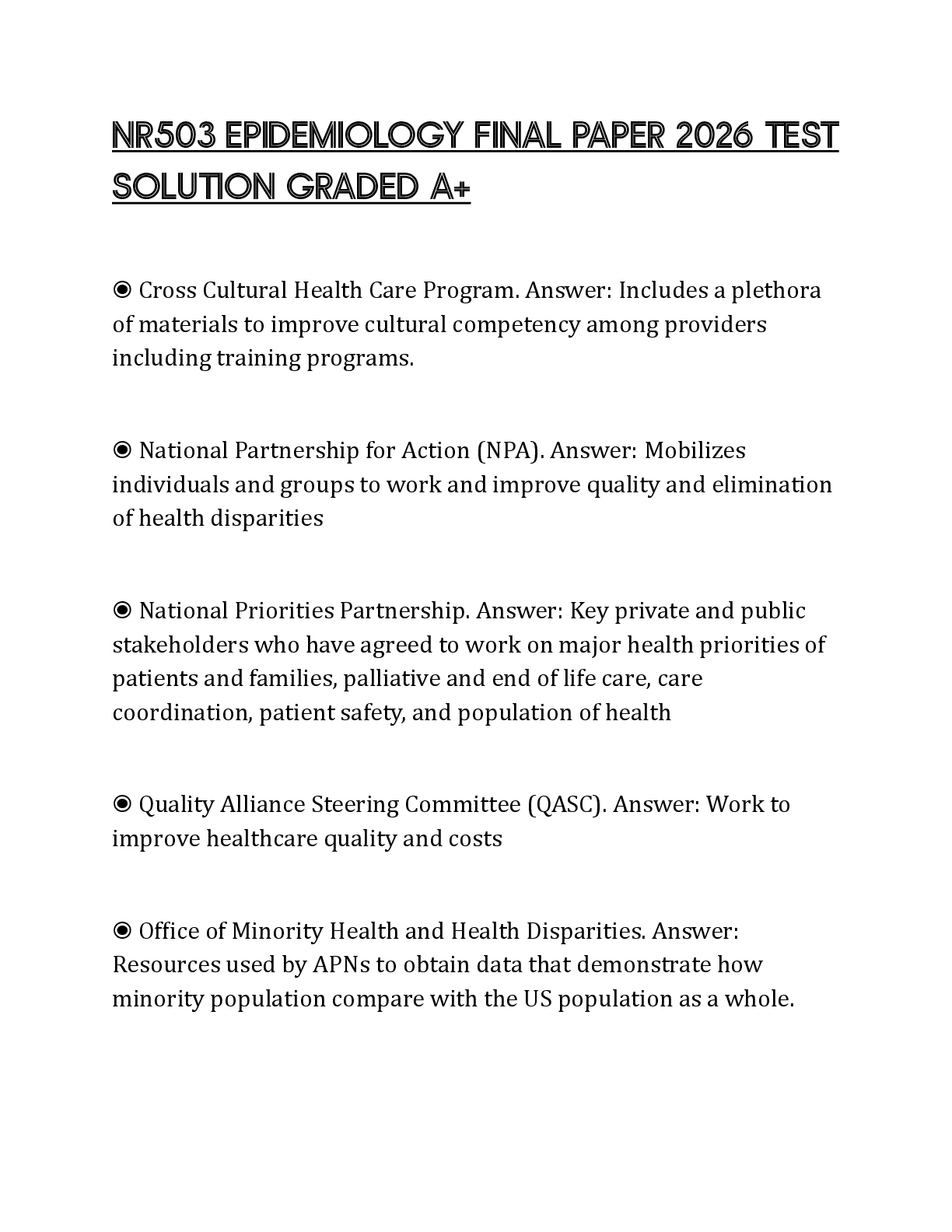
help them in their quest to reduce health disparities. One such resource is the National Partnership for
action to end Health Disparities. There is also The National Priorities Partnership, and yet another is the
Office of Minority Health and Health Disparities. There are many more supportive resources that the
APRN can utilize in their quest to reduce health disparities in their community.
Reference
Mennella, H. D. A.-B., & Holle, M. R. B. O. (2018). Breast Cancer Screening:
Minority, Low- Income, and Inner-City Women. CINAHL Nursing Guide.
Retrieved from
https://chamberlainuniversity.idm.oclc.org/login?url=https: (Links to an external site.)Links to an
external site.
//search.ebscohost.com /login. aspx (Links to an external site.)Links to an external site.?
direct=true&db=nup&AN=T700689&
site=eds-live&scope=siteReply Reply to Comment
Collapse SubdiscussionShamma Chery
Shamma Chery
Jan 11, 2019 Jan 11 at 11:20pm
I agree Lourdes , great post
Access to screening mammography is a fundamental determinant of the stage of breast cancer at
diagnosis and can vary between persons within neighborhoods or across neighborhoods based on
individual-level or area-level socioeconomic factors.Lower-income, uninsured women experience
greater barriers to screening mammography due to the cost of services and a limited number of health
care providers that offer free care or accept Medicaid. Access to mammography can also vary across
areas because primary care providers and mammography facilities are less likely to locate in lowerincome neighborhoods.
The relationship between socioeconomic status and stage of breast cancer is complex.the most effective
interventions to improve use of screening mammography for lower-income women may need to
address barriers at both the individual-level and area-level.
Reply Reply to Comment
Collapse SubdiscussionShamma Chery
Shamma Chery
Jan 9, 2019 Jan 9 at 9:54am
Health disparities are differences in health outcomes and their causes among groups of people.
Reducing health disparities is a major goal of public health. As a future Family Nurse Practitioner I will be
working on improving the health of all population groups, achieving health equity, eliminating
disparities; which are a few goals of Healthy People 2020. Disparities occur across many dimensions,
including race/ethnicity, socioeconomic status, age, location, gender, disability status, and sexual
orientation. Addressing health disparities is increasingly important as the population becomes morediverse. For example, people of color and low-income individuals are more likely to be uninsured, face
barriers to accessing care, and have higher rates of certain conditions compared to other with higher
incomes.
Obesity a major risk factor for chronic disease and can decrease longevity, quality of life, and economic
productivity. Compelling ethical, human rights, and practical reasons exist for addressing social
disparities in obesity. In a country where more than 100 million adults are overweight and obesity in
younger children has been called an epidemic, it is time for the health consequences of obesity to be
emphasized and addressed. Public education about nutrition and the importance of exercise is key to
preventing and controlling problems of excess weight. To be involved in this public health initiative that
has direct impact on their patients' wellbeing, I will need to have adequate knowledge in nutrition.
Along with teachers and other community leaders, health care providers can play a significant role in
helping people develop a balanced diet and integrate exercise into their daily routine.
The Nutrition and Weight Status objectives for Healthy People 2020 reflect strong science supporting
the health benefits of eating a healthful diet and maintaining a healthy body weight. The objectives also
emphasize that efforts to change diet and weight should address individual behaviors, as well as the
policies and environments that support these behaviors in settings such as schools, worksites, health
care organizations, and communities.Diet and body weight are related to health status. Good nutrition is
important to the growth and development of children. A healthful diet also helps Americans reduce
their risks for many health conditions, including: Overweight and obesity, malnutrition, Heart disease,
high blood pressure, dyslipidemia, diabetes, some cancers and many more. The Healthy People 2020
objectives for physical activity are based on the 2008 Physical Activity Guidelines for Americans, and
reflect the strong scientific evidence supporting the benefits of physical activity. More than 80 percent
of the current US population, from youth to adults, is not meeting these guidelines. Healthy People 2020
highlights the way that one’s level of physical activity is affected by environmental factors such as the
availability of safe sidewalks, bike lanes, trails, and parks. It also highlights the legislative policies that
improve access to facilities that promote physical activity. Understanding that personal, social,
economic, and environmental barriers to physical activity all have a part in determining a population’s
physical activity level, is an important part of being able to provide interventions that foster physical
activity. Consistent physical activity is necessary for preventing chronic disease, improving bone health,
decreasing body fat, and preventing an early death.
In conclusion, health and health care disparities persist in the United States, leading to certain groups
being at higher risk of being uninsured, having more limited access to care, experiencing poorer quality
of care, and ultimately experiencing worse health outcomesReferences:
Curley, L. A. & Vitale, A. P. (2016). Population-Based Nursing, Concepts and Competencies for Advanced
Practice (2nd ed.). New York; NY, Springer Publishing Company.
U.S. Department of Health and Human Services. (2011). Healthy People 2020. Retrieved from
www.healthypeople.gov (Links to an external site.)Links to an external site.
Fillon M. Healthy, wealthy, and wise: Higher income, education related to better exercise habits. Lack of
time, unsafe neighborhoods prevent lower-income families from greater activity. WebMD Health. May
15, 2000. Available at: http:// my.webmd.com/content/article/1676.50957. Accessed May 21, 2001.Reply Reply to Comment
Collapse SubdiscussionMikala Barnes
Mikala Barnes
Jan 9, 2019 Jan 9 at 12:16pmSome of the health disparities that are relevant to my community is the prevalence of healthcare
concerns among the homeless population. Working in an emergency department, I see a pattern that is
among the patients that are experiencing homelessness. The prevalence of IV drug abuse and mental
health disorders is hard to ignore. Many patients that frequent the emergency department suffer from
mental health disorders and the majority of these patients experience homelessness and substance
abuse (Lam, Arora & Menchine, 2016). A way to advocate for these patients would be to give them the
proper resources that are available to them. Many patients experiencing homelessness do not know the
extent of the resources available to them. The patients that I discharge are usually shocked at how many
free clinics there are available to them and how many of them specialize in mental health disorders.
I work in an extremely small hospital and our emergency department recently hired a case manager
and a social worker. These two ladies have been the best assets to our team and to our patients. The
homeless population is given an ample amount of resources provided by these women in order to
improve their health. Not only is drug abuse and mental health disorders a major concern for the
homeless population, living with chronic conditions and not receiving preventable care can lead to
major complications. Approximately half of the adults in the United States suffer from a chronic
condition and these conditions are exacerbated through poor diet, poor hygiene, smoking and
sedentary lifestyle (Curley & Vitale, 2016). Unfortunately, for patients experiencing homelessness, they
are exposed to harsh conditions where they cannot eat right, keep up with their hygiene, or improve a
sedentary lifestyle. Resources are available to them and should be brought to their attention in order to
improve their lifestyle.
Reviewing the objectives on the Healthy People 2020 website regarding mental health and mental
disorders, there are many that can help this effort to providing the care the homeless population
deserves. One objective that stands out is MHMD-12, increasing the proportion of homeless adults with
mental health disorders who receive mental health services (Healthy People 2020, n.d.). By including
mental health resources in a patient’s discharge paperwork whether be from the floor or from the
emergency department can help them tremendously. Another objective that would increase the
lifestyle of a person experiencing homelessness is MHMD-8, increase the proportion of persons with
serious illness who are employed (Healthy People 2020, n.d.).Curley, L. A. & Vitale, A. P. (2016). Population-based nursing, concepts and competencies for advanced
practice (2nd ed.). New York; NY, Springer Publishing Company.
Healthy People 2020. (n.d.). Mental health and mental disorders. Washington, DC: U.S. Department of
Health and Human Services, Office of Disease Prevention and Health Promotion. Retrieved from
https://www.healthypeople.gov/2020/topics-objectives/topic/mental-health-and-mentaldisorders/national-snapshot
Lam, C., Arora, S., & Menchine, M. (2016). Increased 30-day emergency department revisits among
homeless patients with mental health donditions. Western Journal of Emergency Medicine: Integrating
Emergency Care with Population Health, 17(5), 607–612. https://doiorg.chamberlainuniversity.idm.oclc.org/10.5811/westjem.2016.6.30690
Reply Reply to Comment
Collapse SubdiscussionShamma Chery
Shamma Chery
Jan 10, 2019 Jan 10 at 1:22pm
Great post Mikala!!
When you are homeless, many people will automatically treat you as a criminal and a drug user. They
are unable to comprehend that a person without a home may just be someone down on his or her luck
without any wrongdoing on his or her part.
While I'm sure they mean well, many organizations and their employees or volunteers take it upon
themselves to cure people of their sometimes non-existent addictions and criminal ways.
Shelters are not a long-term housing strategy. High shelter utilization rates can be a good sign but they
can also be an indication that too many people are getting stuck entering, but not exiting shelter. Many
people just need a temporary place to stay while they find a new place to live, and light-touch services
can help with that. Others will need more help to exit, and shelters should be laser-focused on helpingthem find housing through rapid re-housing, permanent supportive housing, and other housing
resources.
To determine whether shelters are helping people move out of homelessness, communities can look at
the following shelter data:
Average length of stay in shelter.Percent of shelter residents who exit to permanent housing. Percent
that returns to homelessness after being housed. Shelter providers should collect the data needed to
track these outcomes and change program design to improve them
Reply Reply to Comment
Collapse SubdiscussionMikala Barnes
Mikala Barnes
Jan 12, 2019 Jan 12 at 4:38pm
Shamma,
I think it is a great idea for communities to look at data on how well homeless shelters are working for
people. I think it would also be a great idea to look into the statistics for the sober living houses. In
Daytona, many of the sober living houses are in the middle of the major drug areas. These leads to
relapsing and then these people are left on the streets to carry on with they drug habits. Resources need
to be available to patients especially the mentally ill or drug abusers that would like to get clean.
Homeless shelters and sober living facilities should give the best resources to these patients in order to
encourage increasing their life that they need to live to the fullest.
-Mikala
Reply Reply to CommentCollapse SubdiscussionBrandi Wethington
Brandi Wethington
Jan 10, 2019 Jan 10 at 2:52pm
Mikala,
This topic hits very close to home for me!!
During the last six months of nursing school, I lived in a homeless shelter with my 3-year-old son. We
had nowhere to go. There was a five-year wait on housing and if I worked as a registered nurse for even
three days, I made too much money and would be kicked out of housing. I had a case manager, I had
support there and I understood the need to have people advocate for me during this time.
In Martin and Saint Lucie County, there are five local hospitals servicing the community. They have
varying degrees of care. One is a trauma center, one specializes in orthopedics, another is neonatal
intensive care and cardiac care. They services patients from all socioeconomic backgrounds and like any
other hospital, turn no one away. Last year a common thread between the hospitals was how they
discharge patients who were homeless. They were put in a cab and sent to the corner they came from or
in Martin County to the Lahia house. This is not a shelter, does not have beds or means to support these
patients. What they do offer is two nutritious meals a day, hot showers, laundry facilities, clothing
pantry, transportation, haircuts, and even case management. In 2017 the case managers assisted with
applying for birth certificates, obtaining state identification cards, drivers licenses, job applications and
even helped some move into housing or reconnect with family (www.lahia.org).
The problem is that patients are discharged to this facility or to a bench; unable to walk, bedbound,
needing home health services with nowhere to be serviced. Behind the Lahia house is woods, where
many homeless live in tents. The cab or ambulance drops the patient off at the house, they assist the
patient to the tent and then are unable to get the services they need. The home health companies will
sometimes do visits to these tents but when the patients are too weak to move, they call 911 and send
the patient back to the hospital.
We live in an amazing country full of opportunity; no one should ever be discharged to a street corner or
tent. There needs to be a global system in place to assist homeless persons with safe discharge needs.
These patients are 33% more likely to have hospital readmissions with prolonged length of stay and fourtimes more likely to seek medical care in the Emergency Department (Medcalf & Russell, 2014).
Medcalf & Russell (2014), further report that their medical cost is eight times higher than people who
have homes.
Over the last year, the Martin Memorial Health System has instituted a plan where the case managers
and social workers assist patients who are homeless with appropriate an appropriate discharge plan.
Fortunately, the local community is seeing the need for this type of intervention and the health system
understands the impact it has for the patient, hospital and the community as a whole.
References
Medcalf, P., & Russell, G. K. (2014). Homeless healthcare: Raising the standards. Clinical Medicine,
14(4), 349-353.
www.lahia.org
Reply Reply to Comment
Collapse SubdiscussionSneha Sunil
Sneha Sunil
Jan 12, 2019 Jan 12 at 12:14am
Hello Mikala, Shamma, and Brandi,Mikala, Homelessness is a sad situation and I am sure it is very common in almost every community. The
community I live and work, have a high rate of homelessness too, during cold and bad climates the
shelters are overloaded, ED visits and hospitalization increases considerably. The health care cost double
due to mental health, drug abuse and other chronic health problems associated with homelessness. As
you well mentioned a way to advocate for these patients would be to provide proper resources that are
available to them. The facility I work have case managers and social worker and they are doing a great
job in helping these patients finding resources and placing them in rehabs, ALF etc. but still the ED
revisits and hospitalization rate is still high once they run out of the time or temporary help. Most of the
resources available are temporary resources, I think there should be a better way we can advocate to
solve these problems in a long run. I am glad your work organization had hired a case manager and a
social worker to help out the homeless individuals and serving as a real assets to the facility.
Shamma, I agree with you shelters are not a long-term housing strategy. Stuck with lots of people with
different existing ailments and problems can also contributes to community-acquired diseases and
increase medical attention and indirectly increase health care cost and affect the country’s economic
status.
Mikala, I am so sorry to learn about your past situation. You have the real experience what a person
feels when you are at risk or in the real situation. It is really sad and scary that we discharge a homeless
individual to a bush or nowhere one can imagine of. I am glad we have resources like the Lahia house,
the first housing company etc. In 2016, according to the US Department of Housing and Urban
Development,293000 children were living in shelters for some of the year, and ∼118000 children were
living in shelters on any one day. In the United States,90% of homeless families are sheltered, ∼10 % are
living unsheltered in cars, on the streets, and in other places not meant for human habitation
(Dreyer,2018). As health care providers and as Nurses we should advocate for our community, state,
and nation for better health care policy, cost, housing, and resources.
Thank you all for the insightful contribution
SnehaReference
Dreyer,B,P.(2018).A Shelter Is Not a Home: The Crisis of Family Homelessness in the United States.
American Academy of Pediatrics 142(5) doi: 10.1542/peds.2018-2695 (Links to an external site.)Links to
an external site.
Reply Reply to Comment
Collapse SubdiscussionMikala Barnes
Mikala Barnes
Jan 12, 2019 Jan 12 at 4:34pm
Brandi,
Wow, your story is an incredible example of perseverance. Where my hospital is located there is not
much available for patients experiencing homelessness. Unfortunately, the closest homeless shelter and
resources available to these patients are 14 miles away. I hear all the time of police officers picking up
homeless people and driving them the 14 miles to Daytona to "get them out of our town." It is incredibly
sad to see their viewpoint as such. Recently, there has been plans in the making for a homeless shelter
that would house hundreds of homeless people, arrange for transportation to and from doctor's
appointments and help them get back on their feet. This building is going to be in the middle of nowhere
which to me, seems as if the county is trying to solve the "problem" and just shipping the homeless
population out where no one can see them. The social workers and case managers work tirelessly to get
patients the resources that they need. There is even a new option with my hospital on discharge for the
nurses to choose called care navigation. This part of a patient's discharge notifies a call center that a
patient is in need of follow up and a follow up appointment is arranged for them. Homelessness is very
real and creating a building in the middle of nowhere is not going to just make it go away miraculously
and we as nurses can help advocate for these patients.-Mikala
Reply Reply to Comment
Collapse SubdiscussionBrandi Wethington
Brandi Wethington
Jan 13, 2019 Jan 13 at 3:59pm
Mikala,
You couldn't be more accurate; we do have the ability to advocate and intervene when able.
Homelessness is difficult for everyone, I know how it felt for my mother. I was not willing to quit school
to live with a friend or family. I had to stay and complete my education or I would have nothing to offer
my son. I did learn through my policy class and my project that there is a large population of homeless
that have mental illness and addiction issues. These are issues we can help manage that will directly
impact this population of people.
I love that your hospital has come up with a plan to help this population with discharge planning and
setting up follow up care. That is essential as this population is at risk for many health problems.
Brandi
Reply Reply to Comment
Collapse SubdiscussionLourdes Rivera
Lourdes Rivera
Jan 12, 2019 Jan 12 at 8:38pm
Hi Brandi,My heart broke to read your post. I am so impressed with your strength and courage. Look at you now.
Adversity did not stop you from reaching for your dream of pursuing your masters now. You're story is
inspirational. Your experience makes you a better nurse and advocate for the homeless because you’ve
walked in their shoes. I’m sure God has great plans in store for you.
It’s so overwhelmingly sad to think of all of the homeless men, women and children out there. I
especially think about it on cold winter nights. Just last night I saw an entire family; father, mother and
three little children, begging outside a Walmart store. It was a cold night. What kind of resources are
available for them? I felt so helpless.
I don’t know exactly what direction my degree will take me, but the more I learn, the more I am
determined to make a difference for those that are marginalized. We must do our part to reduce health
disparities. Thank you for your transparency. I wish you all the best.
Reply Reply to Comment
Collapse SubdiscussionBrandi Wethington
Brandi Wethington
Jan 13, 2019 Jan 13 at 4:08pm
Lourdes,
Thank you, please do not be heartbroken. I look at every situation as an opportunity for growth and
understanding. I do not regret my time in the shelter. I met some amazing people, was able to offer pro
bono doula care for women in need and completed my ASN degree. I afforded me the opportunity to
complete my degree and support my son. I like many of our classmates have had many challenges
throughout my career and life. We either overcome them or let them destroy us. It is always a choice. I
appreciate your empathy. Thank you.
As far as your family outside of Walmart, I am not sure what is available in your area. You could start
with the Florida Coalition for homelessness and google shelters in your area. We have no family shelters
or shelter for men in Martin County. Which is terrible. Homelessness is truly devastating.Brandi
Reply Reply to Comment
Collapse SubdiscussionMonique Exume
Monique Exume
Jan 12, 2019 Jan 12 at 8:52pm
Hello, Mikala!
I enjoyed reading your post. The statistics on mental health disorder in this country is staggering. Lam,
Arora, and Menchine (2016) reported that one in every four (25%) adults in the United States suffer
from some type of mental health problem at some point in life. Therefore, when the homeless patient
with substance abuse or mental health disorder returns to the ED, it can be a combination of the three
problems that are so closely connected. To help this population, a holistic approach must be taken. All
three of these problems must be addressed appropriately because one will impact the other. A
question, the advanced nurse practitioner (ANP) can ask would be: which condition led to the other.
Was homelessness the cause of substance abuse and mental disorder? Or, was substance abuse and
mental disorder the causes of homelessness. In either case, the goal is to help that population to reach
better health outcomes and the objectives set forth by Healthy People 2020 can assist in eliminating
these health disparities.
Reference
Lam, C. N., Arora, S., & Menchine, M. (2016). Increased 30-day emergency department revisits among
homeless patients with mental health conditions. Western Journal of Emergency Medicine, 17(5), 607-
612. doi: 10.5811/westjem.2016.6.30690.
Reply Reply to Comment
Collapse SubdiscussionBrandi WethingtonBrandi Wethington
Jan 9, 2019 Jan 9 at 12:30pm
Dr. Munoz and class,
Exercise 2.5 Diabetes affects a growing number of Americans. You have been invited to join a
collaborative of community agencies interested in tackling diabetes from a community perspective.
Healthy People 2020, International Diabetes Federation and the Center for Disease Control and
Prevention (CDC) are great resources when delving into the topic of diabetes. Healthy People 2020 has
a vast amount of information on what causes diabetes, the three most common types of diabetes,
important facts, risk factors, objectives on initiatives, an overview of resources for health professionals
and the community as well as statistics (HealthyPeople.gov website, n.d.). The CDC offers basic
information, resources, toolkits for patients at risk or who have diabetes, programs to cope with
diabetes, prevent diabetes, statistics and links for community outreach programs (Centers for Disease
Control and Prevention website, n.d.). The International Diabetes Federation offers “health
professionals, researchers, policymakers, advocates and people living with or affected by diabetes” a
wide selection of resources promoting health for those living with or preventing diabetes (International
Diabetes Federation website, n.d., para. 1). Healthy People 2020 and the CDC both identify desired
outcomes related to diabetes as well as initiatives to improve the success of said outcomes.
Mayega et al. (2018), did a study to find out what people who had diabetes to discover what they felt
was a state of well-being and what was most important to them. One group felt there is no way to feel
a state of well-being because you can become ill at any moment. The other group felt that if you were
compliant with your medications, diet and activity regimen you can live a happy healthy life with
diabetes (Mayega et al., 2018). The greatest interest within this community was receiving medical
follow up care and medications. Without continuity of care, they will likely get ill with other illnesses
while complicating their diabetes.
While these people lived in Uganda, their concerns are the same for those in local communities. Access
to care, affordable medications, proper diet, and activity are all relative to the prevention and success of
people living with diabetes. To monitor the success of any local program for diabetes prevention and
treatment, one would have to monitor the results closely within their practices. Engaging the
community in prevention and treatment will enhance the overall goals of success. Education is key to
the success of any program and it begins with nurses.Fawcett and Ellenbecker (2015), describe a Conceptual Model of Nursing and Population Health
(CMNPH) as a way to guide nursing research and practice to enhance the understanding of population
health. This would result in the best quality care for all persons while nurses prevent disease and
promote health. It is this concept that can guide nursing education and care to enhance patient
outcomes. These outcomes can be measured internally in the physician’s offices and then compared to
local, state and national levels via the CDC and Healthy People 2020 websites. Examples of things
measured on the CDC website include Hospitalizations for Myocardial Infarctions with primary diagnosis
of Diabetes, Hospitalizations for lower extremity amputations in adults with diabetes, prevalence of selfreported diagnosed diabetes, incidence of diagnosed diabetes, annual direct medical costs attributable
to diabetes, annual total indirect cost attributable to diabetes, and number of deaths with diabetes.
References
Centers for Disease Control and Prevention website. (n.d.).
https://www.cdc.gov/diabetes/programs/stateandlocal/index.html
Fawcett, J., & Ellenbecker, C. (2015, January 5th). A proposed conceptual model of nursing and
population health. Nursing Outlook, 63, 288-298. https://doi.org/10.1016/j.outlook.2015.01.009
HealthyPeople.gov website. (n.d.). https://www.healthypeople.gov/2020/topicsobjectives/topic/diabetes
International Diabetes Federation website. (n.d.). https://www.idf.org/e-library/epidemiologyresearch/54-our-activities/455-world-diabetes-day-2018-19.html
Mayega, R. W., Ekirapa, E., Kirunda, B., Nalwadda, C., Aweko, J., Tompson, G., ... Kiguli, J. (2018). ’What
kind of life is this?’ Diabetes related notions of wellbeing among adults in eastern Uganda and
implications for mitigating future chronic disease risk. BMC Public Health, 18(1409).
https://doi.org/10.1186/s12889-018-6249-0Reply Reply to Comment
Collapse SubdiscussionKimberly Feliciano-Rodriguez
Kimberly Feliciano-Rodriguez
Jan 9, 2019 Jan 9 at 5:20pm
Dr. Munoz and class,
Depression is a burdensome prevalent mental disorder that affected an estimated 16.2 million adults
18 or older in the United States in 2016 (NIH, 2017). Sixty-four percent of those adults had severe
impairment from depression (NIH, 2017). Healthy People 2020 estimated 18.1% of U.S. adults ages 18
years or older suffered from any mental illness in any given year. World Health Organization (2001),
states that by 2020, the 2nd leading illness, cause of disability and early death in the world is expected
to be depression. Depression can have a domino effect in the body. It increases your chances of
developing non-communicable diseases such as myocardial infarction, obesity, and stroke (Machado et
al. 2018). Suicide and mortality are also associated with depression. Depression is costly and taxing,
taking away many healthy years from individuals. Unfortunately, significant racial/ethnic health
disparities still exist in the diagnosis and treatment of depression. A study by Akincigil et al., (2012)
resulted that non-Hispanic whites are more likely to receive a diagnosis of depression and be treated for
it than minorities.
Nurses are patient advocates. One of the most important roles we play as nurses is an advocate. Our
proximity and continuity with patients place us in a distinct position to advocate for them. The closeness
and rapport we build with patients makes us the perfect advocate. APRN’s can advocate for their
patients by becoming educated in the symptoms of depression and recognizing them in their patients.
APRN’s focus is preventative screening, therefore, knowing the symptoms and educating patients can
make a huge difference.
Healthy People 2020 talks about prevention strategies, collaborative care, and suicide screening.
Theses are all great methods to aid in the reduction and treatment of depression. There are many
factors that contribute to depression. Environmental factors such as inadequate living conditions, noncommunicable diseases such as diabetes, obesity, and stroke, stress, hormones, personal factors such as
loss of a loved one, unemployment, certain medications such as beta-blockers, proton pump inhibitors,
and histamine H2 antagonists (Qato, Ozenberger, & Olfson, 2018) have all been linked to depression.
The prevalence of depression makes it a massive concern for APRNs. APRNs should be aware of the riskfactors and have an understanding treatments and management available for depression.
Unfortunately, not many individuals suffering from depression seek treatment, making it imperative for
APRNs to understand the signs, screen and educate patients. Mental health care is just as important as
physical health care and it is a APRNs role to address both. The shortage of primary care physicians
intensifies the need for APRNs to screen and provide treatment for depression and other common
mental health disorders (Theophilos, Green, & Cashin, 2015).
References:
Akincigil, A., Olfson, M., Siegel, M., Zurlo, K. A., Walkup, J. T., & Crystal, S. (2012). Racial and ethnic
disparities in depression care in community-dwelling elderly in the United States. American Journal of
Public Health, 102(2), 319-28.
Machado, M.O., Veronese, N., Sanches, M., Stubbs, B., Koyanagi, A., Thompson, T., … Carvalho, A.
F. (2018). The association of depression and all-cause and cause-specific mortality: an umbrella
review of systematic review and meta-analyses. BMC Medicine, 16(1), 112. https://doiorg.chamberlainuniversity.idm.oclc.org/10.1186/s12916-018- (Links to an external site.)Links to an
external site. 1101-z
Major Depression. (2017). NIH. Retrieved from https://www.nimh.nih.gov/health/ (Links to an external
site.)Links to an external site. statistics/major-depression.shtml
Mental health and health disorders. (n.d). Healthy People 2020. Retrieved from
https://www.healthypeople.gov/2020/topics-objectives/topic/mental-health-and-mental- disorders
(Links to an external site.)Links to an external site.
Qato, D. M., Ozenberger K., & Olfoson, M. (2018). Prevalence of prescription medications with
depression as a potential adverse effect among adults in the United States. JAMA, 319(22), 2289-
2298. http://doiorg.chamberlainuniversity.idm.oclc.org/10 (Links to an external site.)Links to an external
site..1001/jama. 2018.6741Theophilos, T., Green, R., & Cashin, A. (2015). Nurse Practitioner Mental Health Care in the Primary
Context: A Californian Case Study. Healthcare (Basel, Switzerland), 3(1), 162- 71.
doi:10.3390/healthcare3010162
World Health Organization. (2001). The World Health Report-Mental Health: New
Understanding, New Hope. Geneva: NMH Communications
Reply Reply to Comment (1 like)
Collapse SubdiscussionLourdes Rivera
Lourdes Rivera
Jan 9, 2019 Jan 9 at 10:03pm
Hello Kimberly. I enjoyed your post. Depression is a great topic to explore. You are so right in pointing
out the domino effect, as you stated, of depression on the body. There is an undeniable link between
the mind and the body. Depression alone can be painful and devastating. Adding to it, the affects of
obesity, heart disease, stroke and so many others, it’s is a major problem that we must be able to
address. I was actually surprised to learn that non-Hispanic whites are more likely to receive a diagnosis
of depression and be treated for it than minorities. I wonder why that is.
Your reference to depression involves adults of 18 years and older. I wonder how many of these
patients suffered from depression in their adolescence. I find that adolescent depression is a major
problem in todays society. If we can catch it in adolescence, we can keep the domino effect from
occurring. According to a study by Wenhua Lu (2019), untreated depression during adolescence can lead
to substantial negative health and social consequences in late adolescence (eg, academic failure,
violence, self-injuries, risky sexual behavior, substance use) and adulthood (eg, migraine headaches,
anxiety disorders, suicidal behavior, higher divorce rates, crime, unemployment). It is so important for
us as health care professionals, to be able to identify any adolescents that may be at risk for depression
and provide care before it becomes a greater problem.Reference
Lu, W. (2019). Adolescent Depression: National Trends, Risk Factors, and
Healthcare Disparities. American Journal of Health Behavior, 43(1),
181–194. https://dot (Links to an external site.)Links to an external site.
org.chamberlainuniversity.idm.oclc.org/10.5993
/AJHB.43.1.15
Reply Reply to Comment
Collapse SubdiscussionMichelle Griffin
Michelle Griffin
Jan 10, 2019 Jan 10 at 9:09am
Response to Kimberly
Kimberly,Thank you so much for providing an informative and well-written post regarding the potential risks and
the devastating statistics regarding depression. Depression, post-traumatic stress disorder, and other
mental illnesses unfortunately still come with a stigma and pre-conceived notion on how these
individuals affected by it look or act in society. Major depressive disorder (MDD) is one of the most
common mental health disorders in the United States, in 2015 it was estimated that 16.1 million adults
had at leas one episode of MDD in their lifetime (National Institute of Mental Health, 2015). It is
believed that MDD rates are highest among adults between the ages of 25 and 44 years old, with rates
seen higher typically in women (Halverson, 2016).
As APRNs building a relationship that establishes trust and rapport can help better assist these
individuals suffering with depression or other forms of depression. Effective techniques that help
promote therapeutic communication may include using open-ended questions to encourage the patient
to share information, show respect, use non-verbal expressions to show you care, such as tone of voice,
body language, and facial expressions (Smith & Schub, 2017). As you mentioned, APRNs play a huge
advocacy role for their clients and this can make the difference between proper treatment or not. The
role of the APRN would also be in assisting the further breakdown of stigmas associated with mental
health and seeking medical treatment for the condition.
By establishing a rapport and positive relationship with your patient and their family members, the
chances of getting to the root cause of their depression may be revealed and perhaps there could be
suggestions to resolve the issue. For instance, if it brought to your attention that your patient has been
dealing with depression and using alcohol to self soothe or treat their symptoms, you can bring to their
attention the effects alcohol has on the body and how it enhances the depressive symptoms, thus
making their condition worse. At this time a potential solution could be detox, outpatient therapy,
Alcoholics Anonymous, or other services that could be affordable and beneficial to the patient,
References
Halverson, J. L., Bhalla, R. N., Andrew, L. B., Moraille-Bhalla, P., & Leonard, R. C. (2016). Depression.
Medscape. Retrieved from http://emedicine.medscape.com/article/286759-overview
National Institute of Mental Health. (2017). Major depression among adults. Retrieved from
https://www.nimh.nih.gov/health/statistics/prevalence/major-depression-among-adults.shtmlSmith, N. R. M. C., & Schub, T. B. (2017). Communication: Communicating with Patients who are
Depressed. CINAHL Nursing Guide. Retrieved from
https://chamberlainuniversity.idm.oclc.org/login?url=https://search.ebscohost.com/login.aspx?direct=t
rue&db=nup&AN=T705250&site=eds-live&scope=site
Reply Reply to Comment
Collapse SubdiscussionKimberly Feliciano-Rodriguez
Kimberly Feliciano-Rodriguez
Jan 12, 2019 Jan 12 at 7:01pm
Lourdes and Michelle,
Thanks for elaborating in the topic. Depression and other mental disorders definitely come with a stigma
and that is a big part of the problem. Many people with depression and other mental health issues hide
their symptoms to protect themselves from the stigma and discrimination. Not only are these people
struggling with their own disease but also challenged by the stereotypes that result from misconception
(Corrigan & Watson, 2002). People in minority groups are challenged doubly. They are not only less
likely to be diagnosed with depression and treated for it but they also experience many health
disparities. The CDC (2004) writes that socioeconomic factors, lifestyle behaviors, social environment,
and access to clinical preventive services contribute to racial/ethnic health disparities.
Like Michelle mentioned, we have to establish rapport. A great way of doing that is also by being
empathetic. Good communication is key in improving patient outcomes. By communicating effectively,
listening, and being empathetic, we can ensure better patient outcomes.
References:
Health disparities experienced by racial/ethnic minority population. (2004). CDC. Retrieved from
https://www.cdc.gov/MMWR/preview/mmwrhtml/mm5333a1.htm
Corrigan, P.W., & Watson, A. C., (2002). Understanding the impact of stigma on people with mental
illness. World Psychiatry, 1(1), 16-20.Reply Reply to Comment
Collapse SubdiscussionAmanda Eason
Amanda Eason
Jan 9, 2019 Jan 9 at 6:31pm
Exercise 2.6 APRNs should not only recognize but also make it part of their practice to develop strategies
to reduce or eliminate health disparities. Review information from Healthy People 2020 and the CDC
Office of Minority Health and Health Disparities websites.
What health disparities can you find that are relevant to your community?
As a cardiac ICU nurse I witness firsthand the numerous issues associated with heart disease within my
community. As the leading cause of death, improving cardiovascular health was identified as an
objective in Healthy People 2020 (Healthy People, 2019). A number of modifiable risk factors are
associated with heart disease and require ongoing support from health care professionals. According to
recent data, approximately half of all Americans have at least one of the three risk factors for heart
disease which include high blood pressure, high cholesterol and smoking (Florida Health, 2017). In 2016,
over 8% of the population within Duval County Florida was been identified as having a heart attack,
angina, heart disease or a stroke (Florida Health, 2017). Chronic heart disease can lead to numerous
other health conditions such as kidney failure and stroke. Unfortunately, many of the patients that I see
in our cardiac unit have very limited understanding of what heart disease is, how it can prevented, and
most importantly, how it can properly managed to improve heath-related quality of life outcomes.
How can you better advocate for minority groups who have poorer health outcomes?
Heart disease disproportionately affects African American, Hispanics, and American Indians than other
races and ethnicities. Additionally, people with lower incomes and/or less education are much more
likely to develop heart disease (Rogers & Zhang, 2017). Working within a safety-net hospital the majority
of our patients fall within one, if not all of these categories. Advocating for improved health of all
patients is an integral component of nursing care (Levy, 2018).I have had the recently had the opportunity to work on a pilot program with our attending cardiologist
to identify opportunities to reduce the readmission rate of our heart failure patients. This qualityimprovement plan is seeks to understand the strategies necessary to implement to systematically and
consistently reduce our current readmission rate from 15% to 10%. This project has involved me calling
all our discharged patients to reinforce heart health education including diet, exercise, and medication
compliance. Although we are still collecting data for this project, preliminary outcome findings indicate
that patients struggle with health maintenance following discharge due to socio-economic challenges.
Although the vast majority of the patients from our unit are discharged with anti-hypertensive
medications, during follow up phone calls patients state that they have not taken their blood pressure
since discharge and are unable to state what their blood pressure has been since leaving the hospital.
Unfortunately many of these patients are unable to afford to purchase a blood pressure monitor for
their home; however, I encourage these patients to take advantage the free monitoring devices at their
local grocery or pharmacy to monitor and manage their blood pressure and reduce their risk of an
exacerbated heart failure. Additionally, I would also like to develop a heart failure clinic in conjunction
with the hospital that would travel into the community to offer free screenings for blood pressure.
What specific objectives in Healthy People 2020 can help this effort?
The specific objective in Healthy People 2020 which can help me in my efforts to improve health
outcomes for minorities with heart disease is HDS-4: Increase the proportion of adults who have had
their blood pressure measured within the preceding 2 years and can state whether their blood pressure
was normal or high (Healthy People, 2019). According to the National Health Interview Survey, in 2008
90.6% of the population met this objective. The goal of Healthy People 2020 is to increase this number
by 2% to reach 92.6% (Healthy People, 2019). Working with the underserved patients within my hospital
to improve their health awareness concerning their blood pressure is not only directly inline with the
objectives of Healthy People 2020, it would also align with the goals and objectives of my unit to reduce
readmissions through improved patient compliance and education.
References:
Curley, A. L., & Vitale, P. A. (2015). Population-based nursing: Concepts and competencies for advanced
practice. Springer Publishing Company.Florida Health [Internet]. Diseases and conditions: Heart Disease [cited January 9, 2019]. Available from:
http://www.floridahealth.gov
Healthy People 2020 [Internet]. Washington, DC: U.S. Department of Health and Human Services, Office
of Disease Prevention and Health Promotion [cited January 9, 2019]. Available from:
http://www.healthypeople.gov.
Levy, N. B. L. (2018). Legal Issues...Patient Advocacy and the Nursing Role. CINAHL Nursing Guide.
Retrieved from
https://chamberlainuniversity.idm.oclc.org/login?url=https://search.ebscohost.com/login.aspx?direct=t
rue&db=nup&AN=T707493&site=eds-live&scope=site
Rogers, C. K., & Zhang, N. J. (2017). An early look at the association between state medicaid expansion
and disparities in cardiovascular diseases: A comprehensive population health management approach.
Population Health Management, 20(5), 348–356. https://doiorg.chamberlainuniversity.idm.oclc.org/10.1089/pop.2016.0113
Reply Reply to Comment
Collapse SubdiscussionJonathan Padron
Jonathan Padron
Jan 9, 2019 Jan 9 at 7:52pm
The core foundation dictating a nurse’s actions that in return influences their care is through
maintenance of advocacy. By insuring a high standard of advocacy, the nurse can reasonably
demonstrate the most appropriate actions of care towards a specific individual or population. Part of
that responsibility undertaken by an advanced nurse practitioner is to advocate for the needs of their
community. Recognition of disparities is required in order to initiate a plan of action to direct a course of
resolution. Local disparities associated to the area of Miami-Dade County consist of limited access tomedical attention, below poverty level affecting health, and increased population straining resources.
The development of the following is appropriate for addressing these concerns; Communitydevelopment and community-building approaches emphasize the development of community capacity
and community connections as the means to producing better outcomes such as economic opportunity,
safety, housing conditions, and health status (Langer, 2012).
The ability of advocacy extends to all populations and at times requires special considerations in
order to facilitate assistance. Prevention is paramount in developing an approach to decrease poorer
health outcomes in minority groups. By fostering an interprofessional collaboration, the appropriate
resources can be made readily available and the appropriate plan developed to combat these challenges
associated to the above-mentioned issues. Reducing disparities requires national leadership to engage a
diverse array of stakeholders; facilitate coordination and alignment among federal departments,
agencies, offices, and nonfederal partners; champion the implementation of effective policies and
programs; and ensure accountability (CDC, 2015).
A specific objective derived from Healthy People 2020 is to increase the quality, availability, and
effectiveness of educational and community-based programs designed to prevent disease and injury,
improve health, and enhance quality of life (HealthyPeople, 2020). The objective demonstrates the
importance community- based programs have towards facilitating local health disparities. By utilizing
the position that a nurse practitioner has in the community, they can assist in targeting their efforts to
eliminating these disparities and promoting health through education and prevention.
References
CDC. (2015, September 10). CDC Health Disparities & Inequalities Report
(CHDIR) - Minority Health - CDC. Retrieved from
https://www.cdc.gov/minorityhealth/CHDIReport.html
HealthyPeople. (2018). Educational and Community-Based Programs | HealthyPeople 2020. Retrieved from
https://www.healthypeople.gov/2020/topics- (Links to an external site.)Links to an external site.
objectives/topic/educational-and-community-based-programs
Langer, L. R. (2012). Addressing health disparities in cancer genetics
services. Community Oncology, 9(12), 363-364.
doi:10.1016/j.cmonc.2012.11.001
Reply Reply to Comment
Collapse SubdiscussionMichelle Griffin
Michelle Griffin
Jan 9, 2019 Jan 9 at 8:29pm
Initial post
Dr. Munoz and classmates,
APRNs should recognize and actively develop strategies to help reduce or eliminate health disparities in
their community. Exercise 2.6 and health disparities that are relevant in south Florida will be further
discussed in this thread. Minority groups in south Florida do have poorer health outcomes as they may
not properly seek medical attention in a timely manner or do not understand the importance of
preventative and early management of their conditions. Health disparities that are relevant in Florida
include hypertension, diabetes, substance abuse, sexually transmitted diseases, and access to health
care. Access to healthcare is a topic for Healthy People 2020 and their goal is to improve access to
comprehensive, quality health services. According to Healthy People By having access to health care,
there are three components that are encompassed, and these include coverage, services, andtimeliness. Factors that affect an individual’s access to healthcare can vary based on their race,
ethnicity, socioeconomic status, age, sex, disability status, sexual orientation, gender identity, and
residential location (Rockville, 2016).
In order to better advocate for minority groups who have poorer health outcomes, APRNs can help this
by taking into consideration that changes can be made not only by financial access to healthcare but to
have the flexible hours to see patients on typical off hours, such as the evenings or weekends, and to
have appointments within a reasonable time (Price, Khubchandani, McKinney, & Braun, 2013). Another
way to advocate for this population could be with cognitive accessibility to healthcare, which refers to a
form of health literacy of knowing when to access health care and what time of care should be pursued
(Price, Khubchandani, McKinney, & Braun, 2013). By getting early treatment and management of their
condition, they can avoid potentially life-threatening complications of poorly managed diseases or
conditions.
References
Price, J. H., Khubchandani, J., McKinney, M., & Braun, R. (2013). Racial/ethnic disparities in chronic
diseases of youths and access to health care in the United States. Biomed Research International, 2013,
787616. https://doi-org.chamberlainuniversity.idm.oclc.org/10.1155/2013/787616
Rockville. (2016). 2015 National Healthcare Quality and Disparities Report and 5th Anniversary Update
on the National Quality Strategy. Retrieved from
http://www.ahrq.gov/research/findings/nhqrdr/nhqdr15/access.html
Reply Reply to Comment
Collapse SubdiscussionSneha Sunil
Sneha Sunil
Jan 11, 2019 Jan 11 at 9:53pm
Hello Michelle,I agree with you APRNs should recognize and actively developed strategies to help reduce or remove
health disparities in their community. Health disparities are a nonstop problem globally. An article by
Muñoz (2010) mentioned, one obstacle to reducing health disparities is due to consumable
interventions, that is, an intervention that once consumed, cannot be used again. With the growing old
age population in our society due to advanced medical sciences, the health care needs are ever growing
with complexity in health problems demanding more medical attention and the supply and demand
chain is growing imbalance. According to the article of Muñoz (2010), using the internet to help reduce
health disparities worldwide. This article presented the argument that automated self-help evidencebased internet interventions meet the requirement to the reduction in health disparities worldwide
without the fear of running out of consumable interventions. The paper presents a framework
systematically filling in a matrix composed of columns representing the common health problems and
rows representing the languages. In this way, the people can access the help anywhere in the world in
their own language where the immediate physical help is not accessible (Muñoz, 2010). I think this is a
good strategy where the health care systems can adapt and help to reduce the health disparities
worldwide.
Michelle, you made a valid point, financial access to health care alone will not be enough in advocating
for the minority groups who have poorer health outcomes, but providing the flexible hours and time to
see the patients will enhance the accessibility to health care.APRNs should impart the community the
importance of health promotion, prevention, and intervention to achieve better health outcomes and to
enjoy life to the fullest it can offer.
Thanks for your great post.
Sneha
ReferenceMuñoz, R. F. (2010). Using evidence-based internet interventions to reduce health disparities
worldwide. Journal Of Medical Internet Research, 12(5), e60. https://doiorg.chamberlainuniversity.idm.oclc.org/10.2196/jmir.1463
Reply Reply to Comment
Collapse SubdiscussionDeniece Dowleyne
Deniece Dowleyne
Jan 12, 2019 Jan 12 at 1:47pm
Good afternoon Michelle,
You mentioned some good solutions to delivering quality care to individuals that are vulnerable and
susceptible to health disparities. Accessible care additionally refers to having community based health
care and resources. Clinics that are placed in rural and urban areas can aid eliminating the barrier of
accessibility in these communities. One solution to making healthcare accessible in the community that I
live in is the mobile clinic. The Brevard Health Alliance is a community based clinic that runs a mobile
service that goes out in to the community twice a week to bring care to areas where the population of
individuals may have a difficult time finding transportation. Community clinics are low cost to no cost
solutions for vulnerable populations that may or may not have health insurance. As an advanced
practice nurse we have the option to work in community based clinics and help support vulnerable
populations to decrease incidents of health disparities among our communities.
-Deniece
Reply Reply to Comment
Collapse SubdiscussionMaria Sequeira
Maria Sequeira
Jan 9, 2019 Jan 9 at 8:46pm
Exercise 2.6What health disparities can you find that are relevant to your community?
Health disparities are the imbalances that happen in the arrangement of healthcares and access to
healthcares crosswise over various racial, ethnic and financial gatherings. Around 2 million
Hispanics/Latinos have asthma and among Puerto Rican Americans, the frequency is around multiple
times higher than in the Hispanic populace (Landsbergis, Grzywacz, & LaMontagne, 2014). Among
African Americans, the occurrence rate of asthma is 28% higher than among whites and the rate of
foundational lupus erythematosus (SLE) is around a few times more noteworthy among African
American females than among white females. SLE is additionally progressively regular among Hispanic,
Asian, and Native American ladies (Landsbergis, Grzywacz, & LaMontagne, 2014). Differences in
wellbeing and social insurance influence the gatherings confronting incongruities, as well as limit by and
large gains in nature of consideration and wellbeing for the more extensive populace and result in
pointless expenses. Tending to wellbeing inconsistencies is progressively critical as the populace turns
out to be increasingly assorted.
How can you better advocate for minority groups who have poorer health outcomes?
As hands-on caregivers, nurses have the essential obligation of guaranteeing quality, moral
consideration for their patients. To this end, tolerant support is a fundamental piece of working on
nursing; actually, one arrangement of the American Nurses Association Code of Ethics says that the
medical nurse advances, advocates for, and ensures the rights, wellbeing, and security of the patient
(Hanks, 2013). Medical nurses manage the healthcares of numerous patients and can be aware of
concerning rehearses. Doctor's facilities are required to take care of their own budgetary prosperity,
legitimate commitments and different elements that can now and then reason quiet consideration to
weaken, and some of the time social insurance specialists commit errors (Hanks, 2013). At the point
when this occurs, somebody who rehearses tolerant backer nursing ventures in and pays special mind to
the patients' prosperity.
What specific objectives in Healthy People 2020 can help this effort?
Increase the extent of people with medical coverage
Increase the extent of people with a typical essential consideration supplier
Increase instructive accomplishment of teenagers and youthful grown-upsIncrease the extent of young people never utilizing substances
Reduce ailment, handicap, and demise identified with tobacco use and used smoke presentation.
Improve the wellbeing and prosperity of ladies, newborn children, kids, and families.
Reference
Landsbergis, P. A., Grzywacz, J. G., & LaMontagne, A. D. (2014). Work organization, job insecurity, and
occupational health disparities. American journal of industrial medicine, 57(5), 495-515.
Hanks, R. G. (2013). Social advocacy: A call for nursing action. Pastoral Psychology, 62(2), 163-173.
Reply Reply to Comment
Collapse SubdiscussionMonique Exume
Monique Exume
Jan 9, 2019 Jan 9 at 9:54pm
The communities and neighborhoods play a major role in the quality of health of a population.
Furthermore, social and economic opportunities and available resources determine health to a greater
extent (Health-First Website, 2016). One of the four goals of Healthy People 2020 (HP2020) is to achieve
health equity, i.e. the attainment of the highest level of health for everyone and the elimination of
disparities (CDC, 2015). It is, therefore, the advanced practice nurse (APN)’s role to understand health
disparities and to become involved in taking the necessary steps towards eliminating them.
After careful review of the data from HP2020 and the CDC Office of Minority Health and Health
Disparities websites, the health disparity that was found to be relevant to the community of Brevard
County was inadequate access to preventive healthcare by low-income families. Social determinants,
such as low income, have a great impact on specific populations, and it is very difficult for someone
without health insurance to schedule a doctor’s appointment. According to a survey conducted by
Health-First in 2016, 14.0% of the residents in Brevard County lived in poverty compared with 16.7%
statewide and approximately 11.7% were receiving Supplemental Nutrition Assistance Program (SNAP)
benefits in 2015. It was also noted that 59.2 percent of low-income individuals experienced difficultiesor delays in receiving needed healthcare services. As a result, low income and lack of health insurance
coverage are considered as health disparities for the community of Brevard.
To advocate for this group of individuals, the APN has to be cognizant of the problem, first hand, and
then find ways to advocate on behalf of these people. The objectives in Healthy People 2020 that can be
applied to assist with this problem would be to increase the proportion of persons with medical
insurance” (AHS-1.1) and “increase the proportion of persons with a usual primary care provider”
(Healthy People 2020, n.d.). Both of these objectives call for the nurse practitioner to be a true advocate
for the population.
References
Center for Disease Control and Prevention (CDC). (2015). National Center for health statistics: Healthy
people 2020. Retrieved from:
https://www.cdc.gov/nchs/healthy_people/hp2020.htm (Links to an external site.)Links to an external
site. (Links to an external site.)Links to an external site.
Healthy People 2020. (n.d.). Access to health services. Retrieved from:
https://www.healthypeople.gov/2020/topics-objectives/topic/Access-to-Health-Services/objectivesHealth-First Website. (2016). Community health needs assessment. Retrieved from:
https://hf.org/about_us/chna/pbh-chna-09-29-16.pdf
Reply Reply to Comment
Collapse SubdiscussionShari Smith
Shari Smith
Jan 10, 2019 Jan 10 at 12:58pm
Hi Monique,
I enjoyed your post and it was sad to see how being from a poverty stricken area can affect your physical
and mental health. You are correct when you stated that it is the ARNP’s. responsibility to know about
these problems so he/ she can better advocate for her patients. Everyone deserves quality healthcare,
regardless of their socioeconomic status.
Shari
Reply Reply to Comment
Collapse SubdiscussionMonique Exume
Monique Exume
Jan 13, 2019 Jan 13 at 4:58pm
Thank you, Shari, for reading and commenting on my post. Definitely, as future healthcare providers,
we must evermore be patients' advocates, and the best way to do that is to be knowledgable about the
status of the population for which we care.Respectfully,
Monique
Reply Reply to Comment
Collapse SubdiscussionJaimie Chamberlin
Jaimie Chamberlin
Jan 13, 2019 Jan 13 at 9:40pm
Monique,
I am sorry to hear that your community is faced with the difficulty of being able to have access to a
primary provider when it is needed. I understand this disparity as my community also faces a similar
one. The lack of being able to see a primary care provider when needed in my community is not related
to lack of income, but instead it is related to the number of people in the community for which I live in. I
live pretty much in a retirement community. It is a growing and aging population with many sick and
elderly patients with multiple comorbidities that require a lot of attention. Unfortunately for the high
amount of patients the doctors have within their practices, they are not easily available to see new
patients and it could be weeks before a patient is able to have an appointment to see a physician.
It is a shame that nurse practitioners do not have full rights to practice within the state of Florida, if the
could, the demand would be so much less on the physicians. Due to the population that I have and the
inability to have an appointment with their primary provider, on emergency departments are becoming
overcrowded to the point where it is not safe for patients and medical staff. Change needs to be
implemented, and it is going to take both nurses and nurse practitioners to continue advocating for
what is best for their patients and fight for their right for excellent health care.
Jaimie
Reply Reply to Comment
Collapse SubdiscussionJaimie ChamberlinJaimie Chamberlin
Jan 9, 2019 Jan 9 at 11:16pm
Professor and class,
According to Healthy People 2020, health disparities are a particular type of health difference that is
closely linked with social, economic, or environmental disadvantage. Disparities affects groups of people
based on race or ethnic group, religion, socioeconomic status, gender, age, mental health, and many
other differences (Healthy People, 2020, n.d.). I currently reside near a huge retirement community
called The Villages. The people in the community joke that it is Disney World for “old” people. A health
disparity that can be found that is relevant to the community is a healthcare access disparity. With a
population of almost 70,000 and a mean age of 70.6, it is difficult for physicians to keep up with the
healthcare demands of this ageing and growing population (Data USA, n.d.). Many people in the
community are faced with delayed or unmet healthcare needs from their primary care providers. These
people then are faced with over flowing emergency departments for people who need treatment that
could have been taken care of at a medical office. There is also the issue of access disparity in that
patients are unable to receive their medication due to lack of transport to fill their prescriptions or pick
them up, as well as financial disparity that they can not afford healthcare or their prescriptions.
As APRNs, we are responsible for advocating for our patients. Despite advances in medicine and public
health, disparities are still an issue for minorities. Racial and ethnic minorities are at an increased risk for
being uninsured and have a lack of access to healthcare (Jackson & Gracia, 2014). Having cultural
competence is one way in assisting minorities. Being able to understand the different cultures and how
to treat can make a big difference. For example, some cultures are very stoic which could be mistaken
that the patient does not need as much help as someone else with the same chief complaint.
Healthy People 2020 do have some specific objectives that can assist with the disparities. An increase
the proportion of people with health insurance is one objective. Another objective includes increasing
the number of practicing primary care providers. Increasing the inclusion of cultural diversity content in
physician assistant training is another objective that could assist with the disparity of cultural
competence (Heathy People 2020, n.d.).
References
Data USA. (n.d.) The Villages. Retrieved from https://datausa.io/profile/geo/the-villages-fl/Healthy People 2020. (n.d.). Disparities. Retrieved from
https://www.healthypeople.gov/2020/about/foundation-health-measures/Disparities
Healthy People 2020. (n.d.) 2020 Topics and Objectives – Objectives A–Z. Retrieved from
https://www.healthypeople.gov/2020/topics-objectives
Jackson, C. S., & Gracia, J. N. (2014). Addressing health and health-care disparities: the role of a diverse
workforce and the social determinants of health. Public health reports (Washington, D.C. : 1974), 129
Suppl 2(Suppl 2), 57-61.
Reply Reply to Comment
Collapse SubdiscussionSneha Sunil
Sneha Sunil
Jan 9, 2019 Jan 9 at 11:50pm
Hello Dr. Munoz and class,
APRNs are leaders, change agents, and an advocate as a nurse. In order to provide the best care to all
the people in the community, an APRN should not only recognized but also make it a ritual of their
practice to develop strategies to decrease and remove health disparities in the community or in any
level. There are many health disparities visible in the community like access to health care systems,
information about health care, vaccinations and immunizations, pregnancy care, health insurance etc. to
be mentioned few. Healthy People 2020 defines a health disparity as “a particular type of health
difference that is closely linked with social, economic, and /or environmental disadvantage” (Walker,
Smith, & Kolasa, 2014, p7).
As a health care provider, an APRN can visit the community in the minority groups and provide health
screening, educates the people about the health care information, accessibility and correlates with
other healthcare personnel and find resources for the poor and vulnerable one. To be a better advocate
for minority groups who have poorer health outcomes, one must first immersed oneself, associates, and
understand the real crisis and situations what lead to poorer health outcomes and find the permanent
solutions to resolve the issues. According to Swedish researchers, the qualities of effective patientadvocacy are ethical awareness, self-confidence, persistence, pride in the profession, and maturity.One
needs to be competent in culture,familiar with the peoples’ customs and habits and be willing to
accommodate them (Levy,2018).
According to Berge, Fertig, Tate, Trofholz, and Neumark-Sztainer (2018) Healthy People 2020 is a
nationwide call for health promotion and prevention with more than 1,200 objectives with 42 main
focus area. The specific objectives of Healthy People 2020 like health education, health screening, and
education about health care accessibility, resources, healthy lifestyles, vaccinations and immunizations
for the young children and the older populations can help in this effort to achieve the goals of healthy
People 2020.APRNs plays an important role in creating a conduit between the community and the
health care reformers and policymakers to eliminate the health disparities, so every individual enjoys
the opportunity of health care, achieve the HP 2020 goals, and quality of life, which is the rights of every
human soul.
References
Berge, J. M., Fertig, A., Tate, A., Trofholz, A., & Neumark-Sztainer, D. (2018). Who is meeting the healthy
people 2020 objectives?: Comparisons between racially/ethnically diverse and immigrant children and
adults. Families, Systems, & Health, 36(4), 451-470.
doi:http://dx.doi.org.chamberlainuniversity.idm.oclc.org/10.1037/fsh0000376
Levy, N. B. L. (2018). Legal Issues...Patient Advocacy and the Nursing Role. CINAHL Nursing Guide.
Retrieved from
https://chamberlainuniversity.idm.oclc.org/login?url=https://search.ebscohost.com/login.aspx?direct=t
rue&db=nup&AN=T707493&site=eds-live&scope=site
Walker, A. T., Smith, P. J., & Kolasa, M. (2014). Reduction of Racial/Ethnic Disparities in Vaccination
Coverage, 1995-2011. MMWR: Morbidity & Mortality Weekly Report, 63, 7–12. Retrieved from
https://chamberlainuniversity.idm.oclc.org/login?url=https://search.ebscohost.com/login.aspx?direct=t
rue&db=c9h&AN=102911708&site=eds-live&scope=siteReply Reply to Comment
Collapse SubdiscussionKrystal Solie
Krystal Solie
Jan 9, 2019 Jan 9 at 11:50pm
Hello Dr. Munoz and class,
Advanced practice registered nurses (APRN’s) play a pivotal role in transforming healthcare practices by
using systems thinking and transformational leadership to shift care from the individual to the
population by understanding the positive impacts of research utilization, interprofessional collaboration,
patient advocacy and education on self-care management for health promotion and disease prevention.
Using an upstream approach in the provision of sustainable healthcare, nurses are charged with the
responsibility to address the social determinants that affect population health by advocating for changes
in policies at the local, state and federal levels. The Conceptual Model of Nursing and Population Health
(CMNPH) highlights responsibility of the multidisciplinary team and it’s aggregates to improve
population health outcomes by facilitating health promotion and disease prevention programs and
interventions to “enhance the quality of life of populations worldwide“. (Fawcett & Ellenbecker, 2015,
para 37).
One chronic disease that is plaguing people worldwide is diabetes. In fact, there are now 23 million
Americans that suffer from this disease (Bullard, et. al., 2018). APRN’s use multiple resources to conduct
evidence-based research and evaluate outcomes related to diseases. According to Curly and Vitale,
(2016) community health assessments (CHA) are one such method that includes various assessments
tools focus groups, surveys, consensus data, vital statistics, disease reports and windshield surveys.
Searching online databases and websites such as Healthy People 2020 and the Centers for Disease and
Prevention (CDC) are other valuables resources for APN’s to obtain evidence-based research about
health outcomes to inform clinical practice. These assessment tools can be customized for
communication needs, services, transportation, recreation, built environment and funding from the
government or barriers related to policies.The experienced APRN will be challenged with identifying the needs within their community to
implement access to fresh fruits and vegetables, provision of healthcare services, education and
resources for increasing physical activity and consumption of a well-balanced diet to prevent diabetes.
The CDC puts out a weekly report called the morbidity and mortality weekly report (MMWR) which can
be used to monitor trends and outcomes related to diabetes prevalence while providing knowledge
about the cost effectiveness of education prevention programs so that policies and funding can be
implemented to standardize national programs aimed at improving diabetes (Bullard, 2018). The
Donabedian Framework is another valuable tool for evaluating the structure, health process and health
outcomes (Curly and Vitale, 2016) related to diabetes management and other diseases.
To compare vital statistics, APN’s can access hospital cohort records in the EMR, CDC and Healthy People
2020 websites to compare local, state and federal information. In 2015 alone, there were 12 million ER
visits in U.S. people aged 45 and older (CDC, 2018). Various websites and government agencies such as
the National Center for Health Statistics (NCHS), National Health and Nutrition Examination Survey
(NHANES), National Health Interview Survey, and the National Healthcare Survey can be used in
conjunction to community health assessments to further stratify health indicators and outcomes (Curly
& Vitale, 2016). Additionally, it is the responsibility of all APN’s to provide equitable and accessible
programs and services to help educate our population using epidemiological data to achieve successful
health outcomes throughout the lifespan (CCN, 2018, Lesson 1). Another great tool to evaluate program
effectiveness of public health interventions is the Guide to Community Preventative Services. Mapping
the health indicators and outcomes can assist APN’s in targeting certain geographical areas that may
affect social determinants of health that lead to chronic diseases such as diabetes. It is our duty to
protect the health of our population by ensuring health education, and wellness through self-care
management. Whilst addressing health inequalities through the collaboration of key stakeholders and
policy makers that are given the evidence-based research reports that inform our clinical practice.
“Recommended interventions include education, coaching, or social support to improve diabetes testing
and monitoring, medication adherence, diet, physical activity, or weight management” (Healthy People,
2020, para 1).
Thank you,
Krystal
ReferencesBullard, K., Cowie, C.,Lessem, S., Saydah, S., Menke, A., Geiss,… L., Orchard, T. (2018). Prevalence of
diagnosed diabetes in adults by diabetes type- United States, 2016. CDCMMWR. 67(12), 359-361.
Retrieved from: https://www.cdc.gov/mmwr/volumes/67/wr/mm6712a2.htm?s_cid=mm6712a2_w
(Links to an external site.)Links to an external site.
Centers for Disease Control and Prevention (CDC), (2018). Emergency Department Visits by Patients
Aged 45 and Over With Diabetes: United States, 2015. Retrieved from:
https://www.cdc.gov/nchs/products/databriefs/db301.htm (Links to an external site.)Links to an
external site.
Chamberlain College of Nursing. (2018). NR 503 Week 1: Exercise and Discussion Questions from Curley
Text Book. [Online Lesson]. Downers Grove, IL. DeVry Education Group. Retrieved from:
https://chamberlain.instructure.com/courses/37010/discussion_topics/934445
Curley, L. A. & Vitale, A. P. (2016). Population-Based Nursing, Concepts and Competencies for Advanced
Practice (2nd ed.). New York; NY, Springer Publishing Company.
Fawcett, J. & Ellenbecker, H. C. (2015). A proposed conceptual model of nursing and population health.
Nursing Outlook, 63(3), 288-298. Link (Links to an external site.)Links to an external site. (Links to an
external site.)Links to an external site.
Healthy People 2020. (n.d.). Diabetes Management: Interventions Engaging Community Health Workers.
Retrieved from https://www.healthypeople.gov/2020/tools-resources/evidence-basedresource/diabetes-management-interventions-engaging-community
Reply Reply to Comment
Collapse SubdiscussionANAHI MUNOZ
ANAHI MUNOZJan 10, 2019 Jan 10 at 7:39am
Krystal,
Great post! I enjoyed reding it. As you well mentioned the Donabedian model is a conceptual model that
provides a framework for examining health services and evaluating quality of health care. Quality care
needs to be founded on the context in which care is delivered, including hospital buildings, staff,
financing, and equipment. The course of the communications between patients and providers
throughout the delivery of healthcare; and finally, the outcomes of the care reflected on the effects of
healthcare on the health status of patients and populations. Although there are other quality of care
frameworks, including the World Health Organization (WHO)-Recommended Quality of Care Framework
and the Bamako Initiative, the Donabedian Model continues to be the dominant paradigm for assessing
the quality of health care.
Keep up the great work!
Dr. Munoz
Reply Reply to Comment
Collapse SubdiscussionSneha Sunil
Sneha Sunil
Jan 10, 2019 Jan 10 at 11:30pm
Hello Krystal and Dr. Munoz,
Krystal, you have nailed the points! I agree with your statements that advanced practice registered
nurses (APRNs) play a vital role in changing healthcare practices by using systems thinking and
transformational leadership to shift care from the individual to the population by having the knowledge
of the research and its positive impacts, interprofessional collaboration, patient advocacy and
competency on self-care management for health promotion and disease prevention. Nurses being the
frontline and largest workforce in the health care systems are positioned with the responsibility ofpublic health and to advocate for the patients while respecting the patients’ rights and values. You are
right, using the conceptual models will help APRNs in the understanding of the phenomenon in a
systematic way, guiding action, and providing a framework, concepts and explains their relations in the
advanced contribution of the nursing discipline to population health (Fawcett, & Ellenbecker, 2015).
Dr. Munoz, you are very much right quality care should be found in any practice settings and levels.
Communication between the patient-provider, nurse-patient, interprofessional, interdepartmental and
teams is the key ingredient in success for providing patient-centered care and best positive outcomes.
As you have well mentioned there are many quality frameworks, including World Health Organization
(WHO), the Donabedian Model out- stands the rest and continue to be the most preferred for assessing
the quality of healthcare paradigm. The 1966 landmark article of Donabedian proposed using the triad
of structure, process, and outcome to evaluate the quality of health care. He called for a broader
approach to quality measurement that covers beyond the technical management of illness to
incorporate assessments of prevention, rehabilitation, coordination, and continuity of care, the patientprovider relationship, cost-effective, and societal values. The 1990 Donabedian's “seven pillars of
quality", which was eleven years later adopted by the Institute of Medicine Report Crossing the Quality
chasm, is the core aims of this 21st- century health care system: to deliver safe care, effective,patientcentered, timely, efficient, and equitable. These benchmarks became the common metrics in all the
health care setting around the globe (Ayanian,&Markel,2016).APRNs as a nurse and a provider, having a
well equipped with knowledge of the conceptual framework models will definitely enhance to be a
better advocate and a provider.
Thank you for the great insightful thoughts and inputs.
Sneha
ReferencesAyanian, J. Z., & Markel, H. (2016). Donabedian’s Lasting Framework for Health Care Quality. The New
England Journal Of Medicine, 375(3), 205–207. https://doiorg.chamberlainuniversity.idm.oclc.org/10.1056/NEJMp1605101
Fawcett, J. & Ellenbecker, H. C. (2015). A proposed conceptual model of nursing and population health.
Nursing Outlook, 63(3), 288-298. Link (Links to an external site.)Links to an external site. (Links to an
external site.)Links to an external site. (Links to an external site.)Links to an external site.
Reply Reply to Comment
Collapse SubdiscussionKrystal Solie
Krystal Solie
Jan 11, 2019 Jan 11 at 11:15pm
Hello Sneha and class,
Thank you for your kind response to my post this week. I agree with you that nurses are uniquely
positioned to really advocate for public health initiatives that support population health and we have
significant statistical power to transform healthcare delivery; being the largest group of healthcare
workers, estimated to be around 3.9 million nurses in the United States alone (Haddad & Toney-Butler,
2018). As future FNP’s it will be our duty to rally community members from all walks of life and
collaborate on effective strategies that can be implemented into action plans to address the current
healthcare debacle and change the paradigm from reactive to proactive strategies/programs for health
promotion and disease prevention that can also be evaluated using qualitative and quantitative data.
According to the Community Health Assessment where I live, both arterial hypertension and diabetes
ranked highest in Hillsborough County as compared with the four other surrounding counties, with a
36.3% and 12.4% respectively (CHNA, 2016).
Engaging and mobilizing community members is fundamental to a successful CHA (Curly & Vitale, 2016).
While employing conceptual frameworks and models such as the Action Model to Achieve Healthy
People 2020, Overarching Goals as illustrated in figure 9.2 of our textbook, APN’s can champion
successful health indicators through a collaborative effort with key stakeholders that will target the
specific community health needs and positively impact the population as a result. Integrated care
engenders an opportunity for paramount healthcare delivery that is beneficent to all key stakeholders
and improves population health and informs healthcare policy. Planning, implementing and evaluating
education programs and healthcare services is essential for APN’s to decrease healthcare costs relatedto morbidity and mortality and achieve health indicators. The annual community needs assessment
done by hospitals annually and mandated by the ACA “has been extremely valuable to members to
address voids in local health services” (Larkin, 2014). This is an excellent starting place to identify what
issues are present within our community and start planning how to solve them as a project manager
that calls upon the support of policymakers and community health workers to benefit the health of our
nation. According to the IOM report, “Primary Care and Public Health: Exploring Integration to Improve
Population Health,” which focuses on integration of primary and public health care services; APN’s are
working in concert to facilitate education programs, projects and integrated care to improve community
and population health outcomes.
Respectfully,
Krystal Solie
References
Haddad LM, Toney-Butler TJ. Nursing, Shortage. [Updated 2018 Oct 27]. In: Stat Pearls [Internet].
Treasure Island (FL): StatPearls Publishing; 2018. Retrieved from:
https://www.ncbi.nlm.nih.gov/books/NBK493175/ (Links to an external site.)Links to an external site.
Larkin, H. (2014). Population health: embracing risk. H&HN: Hospitals & Health Networks, 88(10), 30–45.
Tampa General Hospital. (2016). Community Health Needs Assessment. Tampa, FL: Carnahan Group
20150915). Population-Based Nursing, Second Edition, 2nd Edition. [VitalSource]. Retrieved from
https://online.vitalsource.com/#/books/undefined/ (Links to an external site.)Links to an external site.
Swartwout, K. (2016). Primary care NP’s: Leaders in population health. The Nurse Practitioner. 41(8).
doi: 10.1097/01.NPR.0000471365.94863.4dReply Reply to Comment
Collapse SubdiscussionBrandi Wethington
Brandi Wethington
Jan 12, 2019 Jan 12 at 2:06pm
Dr. Munoz,
In our weekly readings, there was an article by Fawcett and Ellenbecker (2015). It discusses the
Conceptual Model of Nursing and Population Health (CMNPH) as another framework for improving
population health. Although it can be viewed as medically driven, it integrates nursing care
interventions that encourage or reestablish a person’s health. This homeostasis is what improves
population health and enhances overall wellness and outcomes.
References
Fawcett, J., & Ellenbecker, C. (2015, January 5th). A proposed conceptual model of nursing and
population health. Nursing Outlook, 63, 288-298. https://doi.org/10.1016/j.outlook.2015.01.009
Reply Reply to Comment
Collapse SubdiscussionKrystal Solie
Krystal Solie
Jan 12, 2019 Jan 12 at 11:53pmHello Dr. Munoz and class,
Thank you for responding to my post. I’m glad you liked it and I appreciate the valuable input you added
about the various conceptual frameworks; the Donabedian Model. Sneha also did a nice job pointing out
how the model has evolved to hone the quality of healthcare delivery. Nurses utilize conceptual models
and frameworks as a brick and mortar to mold their ideas and guide their practice. The paradigm shift
that we’re seeing in healthcare today demands that APN’s understand how to implement these models
into action in the provision of high-quality, cost-effective and patient-centered care. Whether focusing
on primary, secondary or tertiary care, APRN’s that understand the breadth and depth of models such as
Donabedian’s and the Conceptual Model of Nursing and Population Health (CMNPH) are better
equipped with the knowledge to allocate resources and really advocate for programs, services, funding,
removal of barriers to APRN practice and health care access that affects population health. Since more
people are living longer with chronic diseases and we will want to keep them in the community for as
long as possible, it’s imperative that these models are employed so that APN’s and other key
stakeholders that are gathering “surveillance and analysis of the population’s health and health needs,
are acting as a sentinel system, through the provision of clinical knowledge and epidemiological data”
(Levesque, et. al., 2013, para 17). Interprofessional collaboration and a multidisciplinary team that wants
to promote population health will use these models and other organizational models to deliver quality
care and achieve health indicators. All health care professionals are accountable for improving
population health and it starts with foundational concepts and systems thinking.
Respectfully,
Krystal Solie
Reference
Levesque, J.-F., Breton, M., Senn, N., Levesque, P., Bergeron, P., & Roy, D. A. (2013). The Interaction of
Public Health and Primary Care: Functional Roles and Organizational Models that Bridge Individual and
Population Perspectives. Public Health Reviews (2107-6952), 35(1), 1.
Reply Reply to Comment
Collapse SubdiscussionLeo ColonLeo Colon
Jan 11, 2019 Jan 11 at 2:05am
Professor and Students
For the purposes of this discussion, I have selected exercise 2.5 regarding diabetes. The first question
posed for this exercise focuses on the type of resources that will be used to identify different outcomes
related to diabetes. A review of what has been noted regarding public health assessment does indicate
that there is a myriad of sources from which data regarding health issues in the community can be
drawn. Information provided by Erwin et al. (2013) indicates that community health assessment is
utilized to acquire pertinent data about the community such that priority health issues and intervention
strategies to improve health can be identified. Erwin et al. go on to argue that at the community level
health assessment entails developing partnerships, collecting data, identifying assets, prioritizing issues,
developing intervention plans, and communicating with the public to assess outcomes.
Additionally, researchers note the role and importance of group assessments within the community
(Guzys, Kenny, Dickson-Swift, and Threlkeld, 2015). Group assessment differs from community
assessment in that emphasis for evaluation is placed on the unique needs of the population to better
understand collective health needs (Guzys et al., 2015). In this process, an effort is made to understand
general issues impacting the group to determine what additional resources may be useful for addressing
prominent health needs (Guzys et al., 2015). Group health assessment may not be limited to a specific
geographical area and may provide general insight about the health needs of the group that will be
similar regardless of where the group member lives (Guzys et al., 2015). Finally, individual assessments
from healthcare provider records could be used. Commonly, individual assessment occurs at the
patient-provider level and results in data acquisition that is used to develop a specific care plan for the
patient (Guzys et al., 2015). By identifying individual health concerns, care can be tailored to ensure that
the unique needs of the patient are addressed through treatment (Guzys et al., 2015).
The second question noted involves a consideration of the outcomes related to diabetes that are of
most interest to community members. Information from the literature suggests that morbidity and
mortality data are important factors as efforts are needed to understand how diabetes affects the
health of the community and disability rates for community members (Haas et al., 2013). Also of
importance are critical physiological measures that indicate how good patients with the disorder are
faring within the community: i.e., glycosylated hemoglobin (HbA1c) which indicates glucose control;
body mass index (BMI) as weight contributes to the health issue and the development of complications;
and related measures such as costs to provide care and lost costs as a result of patient disability (Haas et
al., 2013). Munet-Vilaro and Oppewal (2016) further review outcome measures noting that these toolscan focus on the beneficiary (individual, aggregate, community, and/or population), the type of outcome
(care-related, patient-related, and/or performance related), and timeframe (short- or long-term
outcomes).
The final question posed focuses on how data and outcomes selected at the local level will be compared
at the state and national levels. Recommendations provided by Munet-Vilaro and Oppewal (2016)
provide some insight regarding how data collected at the local level can be compared with state and
national data. In particular, these authors note comparisons with vital statistics to evaluate how a
community is performing in conjunction with state and national outcomes. These authors go on to note
additional sources of data and information that can be used in practice including the Behavioral Risk
Factor Surveillance System, social determinants of health including data from Healthy People 2020, the
U.S. National Health Survey, and the Agency for Healthcare Research and Quality (AHRQ) resources.
References
Erwin, P. C., Knight, M., Graham, J., Kalos, A. V., Kent, L. A., Glenn, M.,…Welch, S. (2013). Data synthesis
in community health assessment: Practical examples from the field. Journal of Public Health
Management and Practice, 19(5), 468-474. doi: 10.1097/phh.0b013e31828000f7
Guzys, D., Kenny, A., Dickson-Swift, V., & Threlkeld, G. (2015). A critical review of population health
literacy. BMC Public Health, 15, 215-222. doi: 10.1186/s12889-015-1551-6
Haas, L., Marynuik, M., Beck, J., Cox, C., Dunker, P., Edwards, L.,…Youssef, G. (2013). National standards
for diabetes self-management education and support. Diabetes Care, 36(Suppl 1), 100-108. doi:
10.2337/dc13-S100
Munet-Vilaro, F., & Oppewal, S. M. (2016). Identifying outcomes. In: A. L.C. Curley, & P. A., Vitale (Eds.),
Population-based nursing: Concepts and competencies for advanced practice (2nd ed., pp. 23-50). New
York, NY: Springer.
Reply Reply to Comment
Collapse SubdiscussionTameka TerryTameka Terry
Jan 12, 2019 Jan 12 at 3:39pm
There are many resources suggested for diabetes. Diabetes is now a common topic because it effects so
many people. Healthy people 2020 is a great resource because it speaks of health goals and can direct
individuals near resources to help start interventions for better outcomes. Providers are also updated on
current morbidity and mortality related to diabetes. It is important that the healthcare professionals
stay informed of the trends related to health so that they can direct care in the right direction. The CDC
is probably one of the most popular resources regarding health but there was other great information
that were suggested. I agree concerning the data and information presented from the authors about the
local, state and national levels. All outcomes will be compared, and statistics should be evaluated. Social
determinants of health are important as well. Overall, great post. There were lots of information
presented that added to the discussion.
Reply Reply to Comment
Collapse SubdiscussionJaimie Chamberlin
Jaimie Chamberlin
Jan 13, 2019 Jan 13 at 9:29pm
Leo,
Thank you so much for sharing such a detailed and informative discussion post for this week. Personally,
I feel like so many of the patients that I care for coming through the emergency department have a
history of diabetes. If not managed, Diabetes can lead to a number of healthcare concerns. It is
wonderful that there are so many resources that are available for medical providers to access in order to
stay well informed on any new information related to health issues, that also allow for up to date
information and education to provide for patients. A great thing about Healthy People 2020, is that it is
easy to access and understand, making it a great resource to be able to back up your patient education.
Tameka,
The CDC is an excellent source to consult when looking for a resource for health information. I can
honestly say I was checking the CDC page daily when the lettuce outbreak was occurring. It is so sad to
hear that so many people don't believe what the CDC has to offer. I did not realize how many people
disagree with the information the CDC promotes. For example, I started doing research when it camedown to the time to give my son his vaccinations. I wanted to make sure I was doing what was best for
him. I joined a few "mommy" Facebook groups and I could not believe how many women were saying
the CDC could not be trusted and that it is just working for pharmaceutical companies. This just proves
the point that people need further education and need to be taught that there are reputable sources to
visit in order to stay well educated and informed on their healthcare choices.
Jaimie
Reply Reply to Comment
Collapse SubdiscussionANAHI MUNOZ
ANAHI MUNOZ
Jan 12, 2019 Jan 12 at 4:12pm
Leo,
Great post! As Bullard et al (2018) states, knowledge about national prevalences of type 1 and type 2
diabetes might facilitate assessment of the long-term cost-effectiveness of public health interventions
and policies aimed at improving diabetes management and help to prioritize national plans for future
type-specific health services.
Dr. Munoz
Bullard, K. M., Cowie, C. C., Lessem, S. E., Saydah, S. H., Menke, A., Geiss, L. S., ... & Imperatore, G.
(2018). Prevalence of Diagnosed Diabetes in Adults by Diabetes Type—United States, 2016. Morbidity
and Mortality Weekly Report, 67(12), 359.
Reply Reply to Comment
Collapse SubdiscussionTameka Terry
Tameka Terry
Jan 11, 2019 Jan 11 at 3:16pmExercise 2.5
Diabetes is a growing problem with a number of Americans and it is imperative to join a collaborative
community that is tackling diabetes from a community perspective. The resources used to identify
outcomes related to diabetes include healthy people 2020, US department of health, Human services
and AHRQ (agency for healthcare research and quality). Healthy people 2020 promote mission and goals
related to important health topics. Diabetes happens to be one of those important health topics. The
healthy people 2020 website has valuable information listed for the general population to identify and
monitor all pertinent outcomes. It is available to measure the quality of healthcare. The outcomes
related to diabetes that are of most interest to the community members are: improving glycemic
control, reducing the death rate and increasing preventive behaviors. Healthy people 2020 has a
systemic review on interventions and resources. The outcomes will be compared with the local level,
state and national outcomes through the CDC (centers for disease control and prevention). The CDC
provides data and statistics broken down into which ever level is requested. The CDC also provides a
national diabetes statistics report. The information is there we must navigate and look at the research
that is already available. The AHRQ focuses on healthcare quality improvement and figure out where
most of that improvement is needed. The US department and human services (HHS) all partnered
together to participate in the release of healthy people 2020 with the objective of improving health.
Overall, “Healthy People 2020, developed by the U.S. Department of Health and HHS, provides a
comprehensive set of 10-year, national goals and objectives for improving the health of all Americans”
(Cohen, 2013, Pg. 5).
Reference:
Cohen, R. (2013). A Brief Introduction to the new Healthy People 2020 Initiative. Beginnings, 33(1), 4–7.
Retrieved from
https://chamberlainuniversity.idm.oclc.org/login?url=https://search.ebscohost.com/login.aspx?direct=t
rue&db=ccm&AN=107986629&site=eds-live&scope=site
Reply Reply to Comment
Collapse SubdiscussionANAHI MUNOZ
ANAHI MUNOZ
Jan 12, 2019 Jan 12 at 4:10pm
Tameka,Great post! As Bullard et al (2018) states, knowledge about national prevalences of type 1 and type 2
diabetes might facilitate assessment of the long-term cost-effectiveness of public health interventions
and policies aimed at improving diabetes management and help to prioritize national plans for future
type-specific health services.
Dr. Munoz
Bullard, K. M., Cowie, C. C., Lessem, S. E., Saydah, S. H., Menke, A., Geiss, L. S., ... & Imperatore, G.
(2018). Prevalence of Diagnosed Diabetes in Adults by Diabetes Type—United States, 2016. Morbidity
and Mortality Weekly Report, 67(12), 359.
Reply Reply to Comment
Collapse SubdiscussionTameka Terry
Tameka Terry
Jan 13, 2019 Jan 13 at 7:31pm
Public health interventions are important to the national health of people effected by the disease of
diabetes. Cost always plays a huge role in how successful the initiative of preventing diabetes might be.
It is great that there is long term cost effectiveness of public health interventions. However, there is still
so much more work to consider and do. It is important to prioritize and plan these national plans for
future health services. As healthcare providers, we could participate in the actions for improving
diabetes. Healthy people 2020 is truly a great start because it not only educates us on areas of
improvement, but it is a constant reminder of what we need to focus on regarding health. Resources are
a major concern and it helps to understand the resources that are available and what is needed. The
outcomes related to diabetes include improving glycemic control, reducing the death rate and
increasing preventive behaviors. The hardest ordeal of diabetes is encouraging compliance not only with
medication but diet and exercise as well. Overall, thanks for your response professor. Diabetes is a large
topic to cover but necessary to get involved with.
Reply Reply to Comment
[Show More]


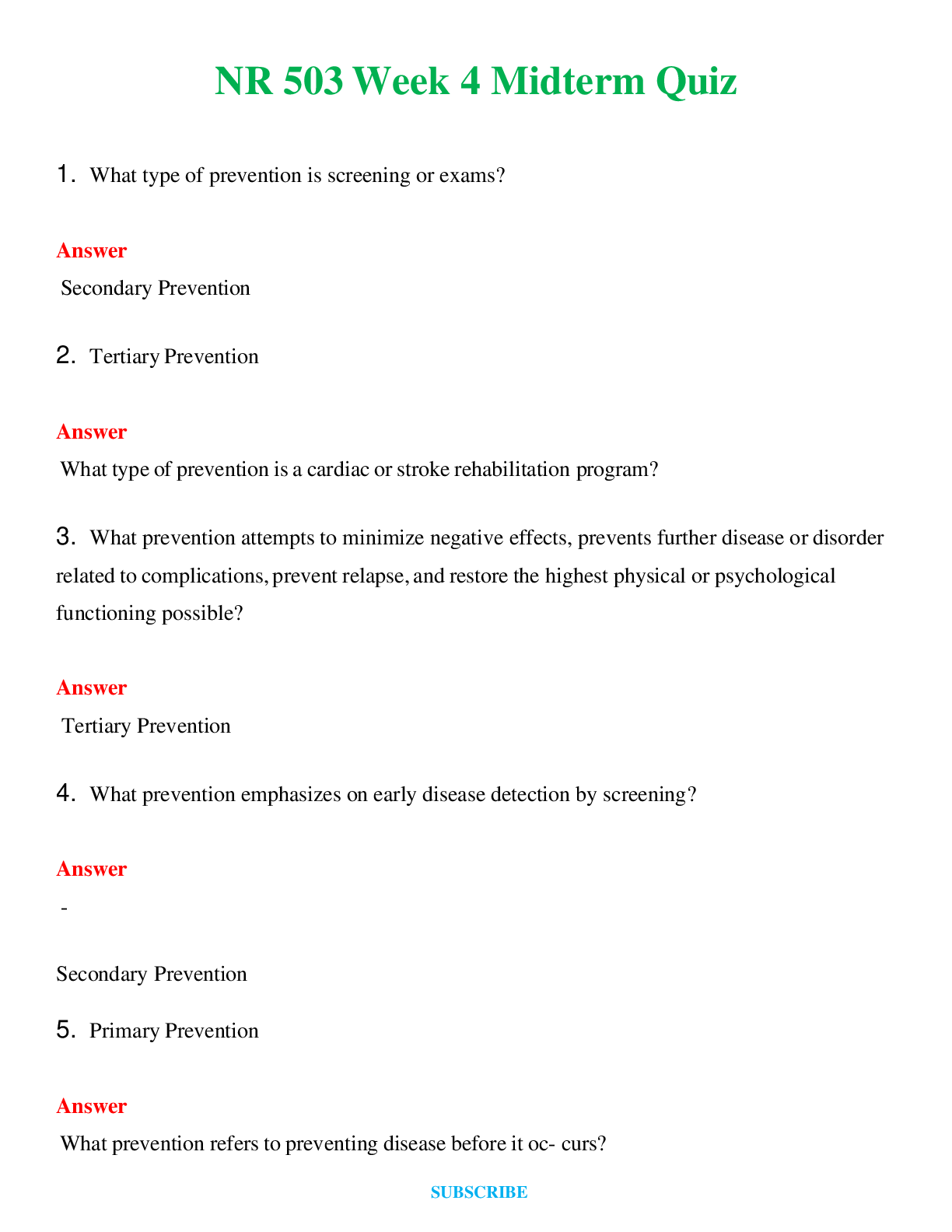
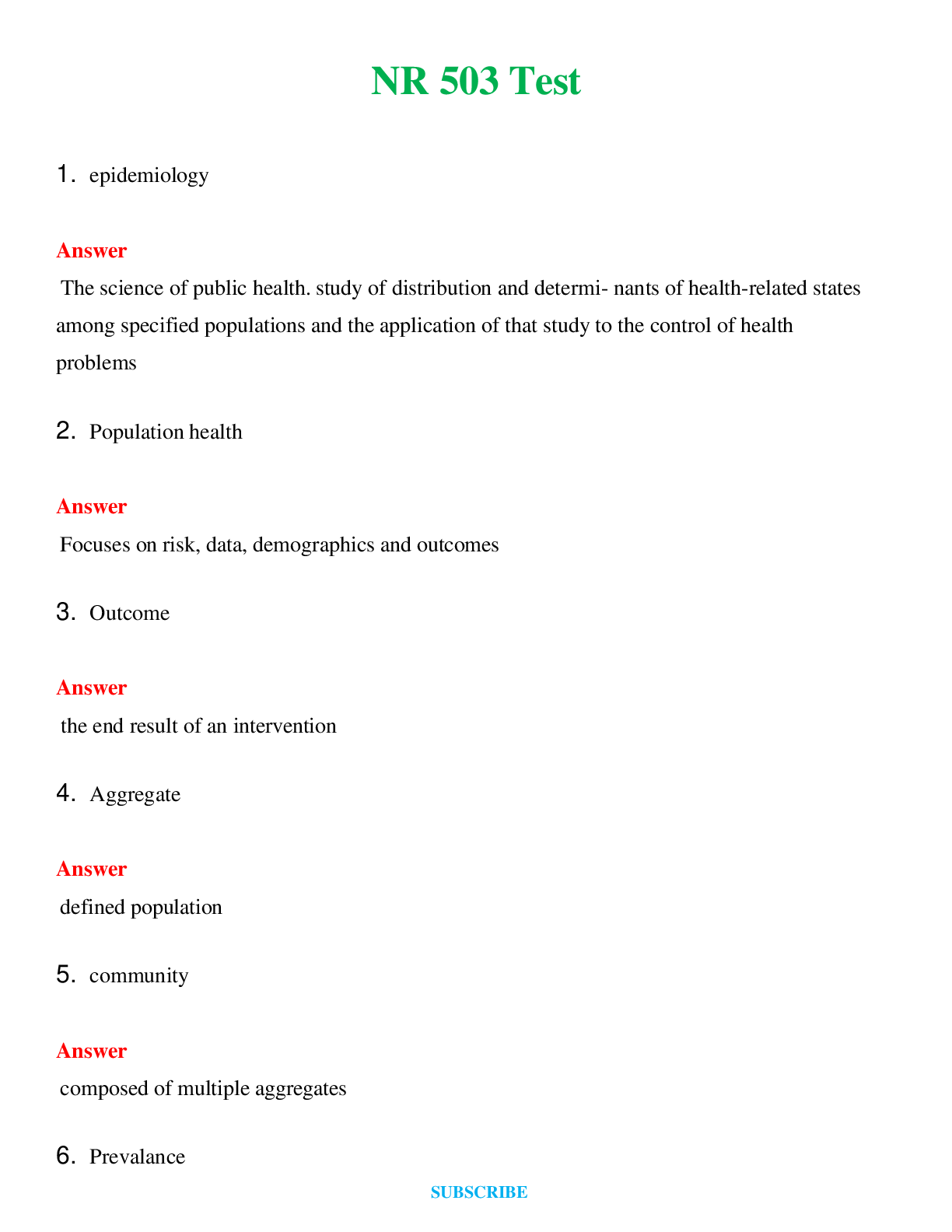
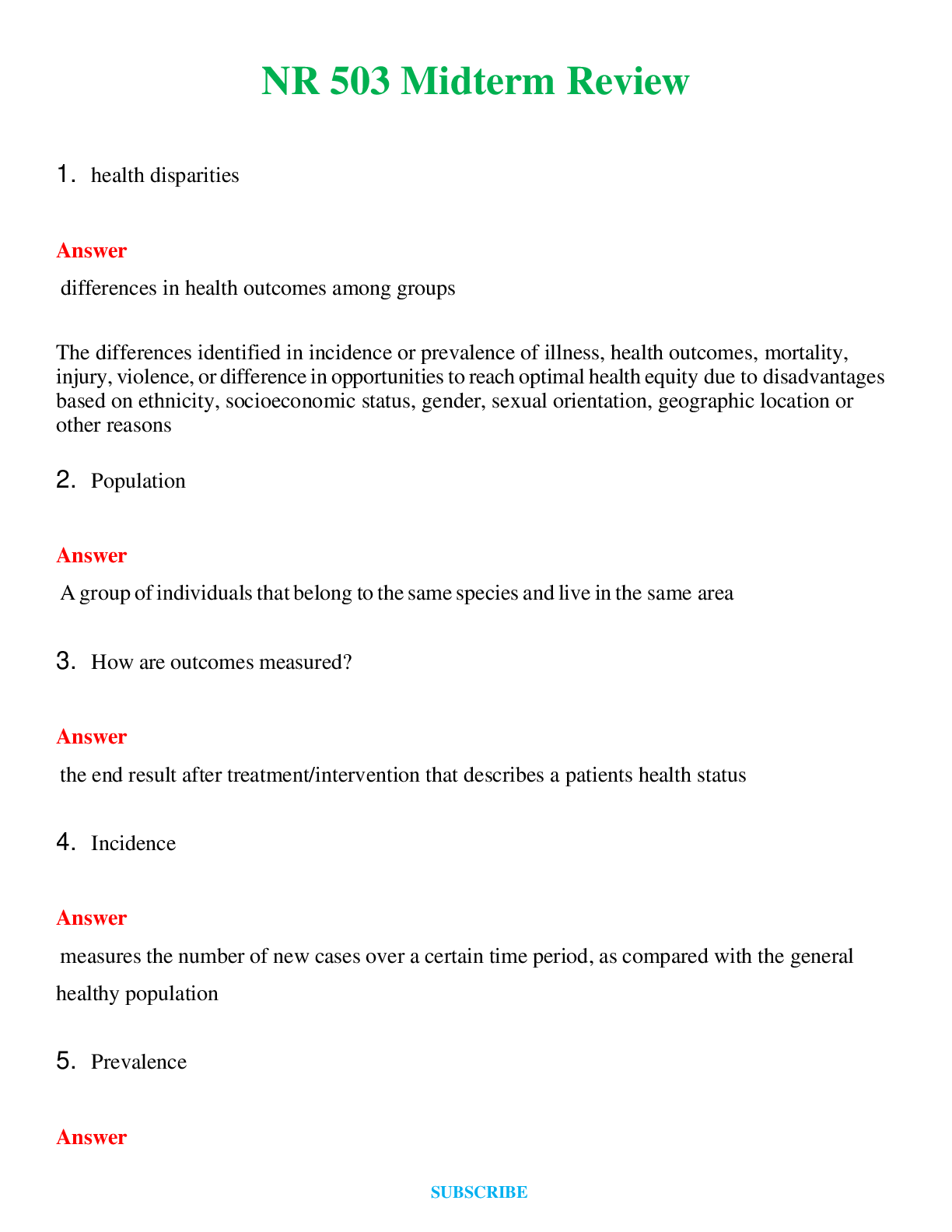


.png)