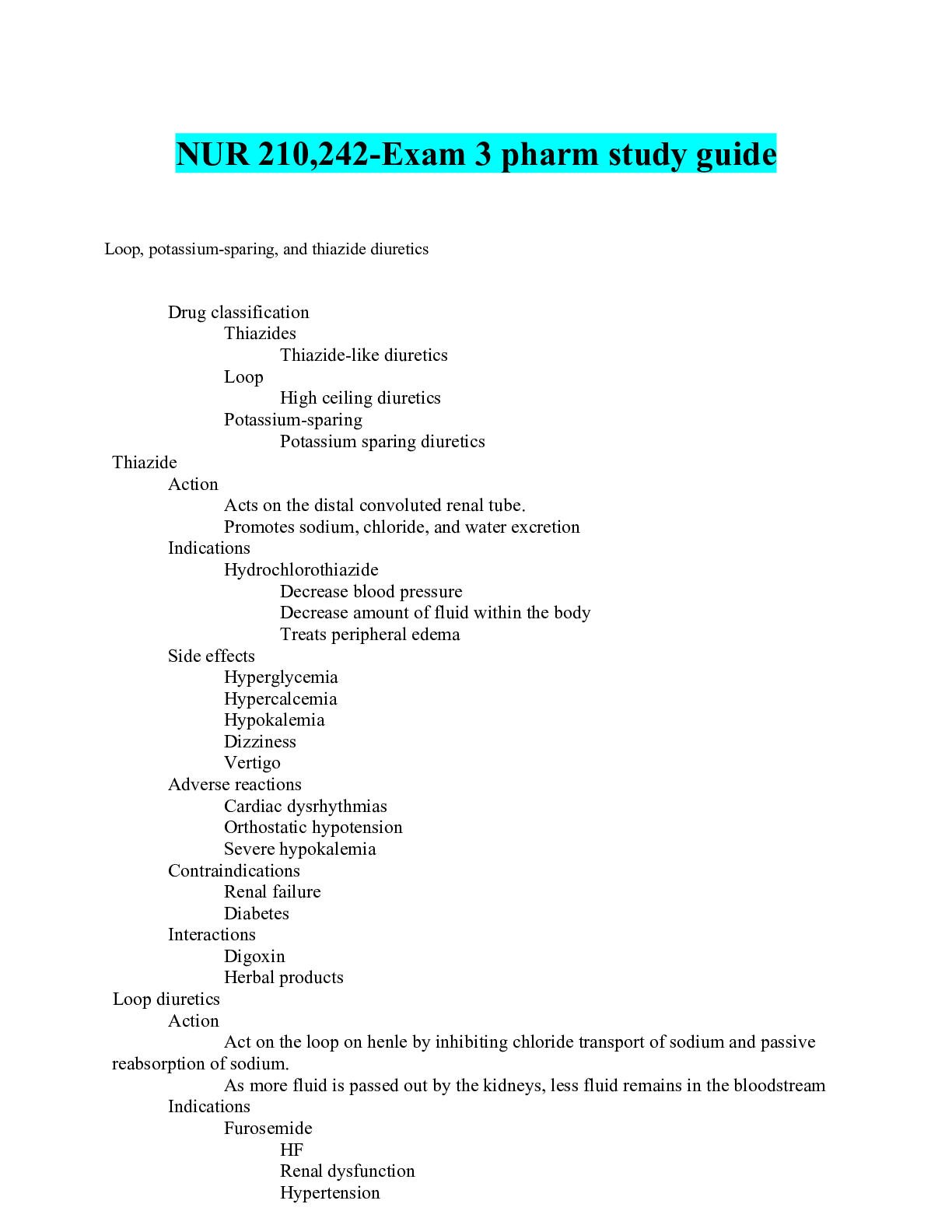
NUR 210, 242 Exam 3 pharm study
guide Loop,potassium-sparing, and thiazide diuretics
Drug classification
Thiazides
Thiazide-like diuretics
Loop
High ceiling diuretics
Thiazide
Action
Potassium-spa
...
NUR 210, 242 Exam 3 pharm study
guide Loop,potassium-sparing, and thiazide diuretics
Drug classification
Thiazides
Thiazide-like diuretics
Loop
High ceiling diuretics
Thiazide
Action
Potassium-sparing
Potassium sparing diuretics
Acts on the distal convoluted renal tube. Promotes sodium, chloride, and water excretion
Indications
Hydrochlorothiazide
Decrease blood pressure
Decrease amount of fluid within the body Treats peripheral edema
Side effects
Hyperglycemia Hypercalcemia Hypokalemia Dizziness Vertigo
Adverse reactions
Cardiac dysrhythmias Orthostatic hypotension Severe hypokalemia
Contraindications
Renal failure Diabetes
Interactions
Digoxin
Herbal products
Loop diuretics
Action
Act on the loop on henle by inhibiting chloride transport of sodium and passive
reabsorption of sodium.
As more fluid is passed out by the kidneys, less fluid remains in the bloodstream Indications
Furosemide
HF
Renal dysfunction Hypertension
Peripheral and pulmonary edema
Side effects
Electrolyte imbalances
Decrease in potassium, magnesium, sodium, calcium Hyperglycemia
Dizziness Headache Adverse reactions
Hypokalemia Hyponatremia Hypomagnesemia Orthostatic hypotension Renal failure
Contraindications
Severe electrolyte imbalance Hypovolemia
Anuria
Diabetes mellitus Hypotension
Interactions
Digoxin-risk for digitalis toxicity Lithium
Potassium-sparing
Action
Blocks the action of aldosterone
Promotes sodium and water excretion and promotes potassium retention Indications
Spironolactone
Edema/fluid retention Hypertension Congestive heart failure Kidney disease
Side effects
Dizziness GI upset Weakness Headache
Adverse reactions
Hyperkalemia Hepatoxicity
Contraindications
Severe kidney and liver disease Interactions
Potassium supplements Ace inhibitors
Diuretics and the nursing process Assessment (for all diuretics)
Baseline vitals
Weight pt
Look for third spacing Medical history Peripheral edema Baseline labs
Electrolytes, potassium, magnesium, and glucose Urine output
Interventions
Monitor urine output Daily weight Monitor vitals
Loop diuretics
IV very slowly to avoid hearing loss Thiazide and loop diuretics
Watch for hypokalemia (low potassium) Potassium sparing diuretics
Watch for hyperkalemia (high potassium) Hypokalemia ( low potassium) s/s
Muscle weakness Cramps
Cardiac dysrhythmias Hyperkalemia (high potassium) s/s
Nausea Diarrhea
Abdominal cramping Tingling In hands and feet
Pt evaluation
Decrease in bp or within normal limits Increase urine output
Decrease in fluid retention Weight goes down
Pt teaching
Diet-either high or low potassium Loop or thiazide: eat more potassium Potassium sparing: eat less potassium s/s of hyper or hypokalemia
teach pt to stand up slowly
pt should take meds in the morning
daily weights: 1 or 2lbs daily shift is normal loop diuretics: stronger and not self-limiting thiazide diuretics: self-limiting
Summary
Thiazide Diuretics
It is important to monitor electrolytes in patients taking thiazide diuretics.
Patients should see decrease in BP and peripheral edema. Teach the patient about signs and symptoms of hypokalemia.
Loop Diuretics
Loop Diuretics are used to treat Heart failure, HTN, and peripheral edema. During the nursing intervention, it is important to monitor electrolytes.
Signs and symptoms of hypokalemia are muscle weakness/cramps and cardiac dysrhythmias.
Potassium-Sparing Diuretics
Potassium sparing diuretics are used to treat hypertension, edema, and heart failure.
During a nursing intervention, it is important to monitor electrolyte levels, at risk for hyperkalemia.
Potassium sparing diuretics may not be given with ACE inhibitors.
Osmotic diuretics
Classifications
Osmotic diuretic
Action more water.
Increases osmolality and sodium reabsorption in the proximal tubule, drawing in Kidneys excrete sodium, chloride, potassium, and water
Indications
Mannitol
Increased cranial pressure Cerebral edema
Increased ocular pressure Prevent renal failure
Side effects
Electrolyte imbalances GI problems
Adverse reactions
Pulmonary edema Tachycardia Acidosis
Contraindications
Heart disease Heart failure Renal failure
Interactions
Hypokalemia; increase risk of digoxin toxicity Nursing process: osmotic diuretics
Overview: mannitol
Normally used to remove large amounts of fluids in emergency situations and
ICU
Also used to prevent kidney failure
Diuresis usually happens 1-3hrs after medication is administered Assessment
v/s dehydration baseline labs
interventions
monitor patient closely strict Is and Os
measure fluids going in, and output of fluid keep checking lab values
monitor for dehydration
monitor for side effects and adverse reactions pulmonary edema
listen to lungs for sounds monitor n/v, tachycardia, acidosis
do not administer if vial contains crystals (usually when exposed to cold
temperature)
not for pts with HF or renal failure
evaluation
dramatic increase in urination summary
osmotic diuretics are used in emergency situations they are very potent diuretics
they may cause pulmonary edema and tachycardia due to extreme fluid shifts Alpha adrenergic blockers
Classifications
Alpha adrenergic blockers Alpha blockers
Action
Block alpha adrenergic receptors
Cause vasodilation resulting in decreased blood pressure
Indications
Prazosin
Used to control hypertension especially those who have Lipid abnormalities
Diabetes
Side effects
Dizziness Headache Drowsiness Nausea Edema/weight gain Dry mouth Tinnitus
Blurred vision Adverse reactions
Orthostatic hypotension Tachycardia Pancreatitis
Elevated liver enzymes Contraindications
Orthostatic hypotension Breastfeeding Pregnancy
Interactions
Alcohol
Nitrates and other antihypertensive medications increase risk for hypotension NSAIDs can cause decreased effects
Nursing process: alpha adrenergic blockers
Depress sympathetic nervous system, resulting in vasodilation and decreased blood pressure
Used for hypertension
Good for pt with lipid abnormalities and diabetes Assessment
v/s
daily weights medication history
interventions
continue to monitor v/s and weight
check for bp decrease, without substantial increase in HR weight should stay the same
check for edema in extremities
be sure pt is taking medication as prescribed help pt change positions slowly
evaluation
blood pressure should be decreasing HR Should be within normal limits
Pt should not have edema or have any side effects or adverse reactions Notify physician of side effects or adverse reactions, especially syncope
Pt education
Teach pt to change positions/stand up slowly Pt should monitor weight daily
Advise pt to continue to take this medication Summary
The effect of vasodilation causes a decrease in blood pressure
During nursing assessment, it is important to obtain baseline vital signs prior to
administration
Monitor for tachycardia and orthostatic hypotension
ACE inhibitors and ARBs Drug classification
Angiotensin converting enzyme (ACE) inhibitors Angiotensin II receptor blockers (ARBs)
Action
ACE inhibitors
Inhibits angiotensin II, blocks aldosterone, promotes potassium retention
and excretion of water and sodium, results in vasodilation and lower blood pressure.
ARBs
Prevent the release of aldosterone by blocking angiotensin II form receptors Indications
ACE inhibitors-end in “pril” Lininopril
Lower blood pressure Treat HF
ARBs-end in “sartan”
Valsartan
Lower blood pressure Treat HF
Side effects
ACE ARBs
Dry cough, fatigue, insomnia, GI upset, hyperkalemia Dizziness, hypotension, headache, hyperkalemia, hyperglycemia
Adverse reactions ACE
ARBs
Hypotension Hyperkalemia Angioedema
Orthostatic hypotension Hyperkalemia
Elevated liver enzymes Renal dysfunction
Contraindications
ACE
ARBs
African Americans do not respond to this drug alone Pregnancy/HF
Pregnancy/breast feeding
HF
Interactions
ACE inhibitors:
Potassium-sparing diuretics
Salt-substitutes (has potassium in them)
Afican americans usually do not respond to this med Nursing process: ACE inhibitors and ARBs
Assessment
v/s
drug history
what they’ve taken when they took it did it work
how di they react to the medication
interventions
monitor v/s and labs ask pt about side effects
education
advise pt about orthostatic hypotension (stand up slowly) evaluation
blood pressure lower
hr will be within normal limits side effects will subside
summary
ace inhibitors and ARBs cause vasodilation’s and decrease peripheral resistance, resulting in decreased blood pressure
during a nursing intervention, it is important to monitor bun/crt., potassium, and
liver enzymes
advise pts to change positions slowly
dry cough common side effect of ace inhibitors
Anti-tubercular drugs
Classification
Anti-tuberculosis agents (isoniazid, rifampin)
Action
Bactericidal
Kills the tuberculosis bacteria Bacteriostatic
Inhibits tubercle cell-all synthesis, preventing bacteria from multiplying
Indications for anti-tubercular Active TB infection
Prophylactic treatment from TB Isoniazid side effects
Rash Photosensitivity GI upset
Isoniazid adverse reaction Peripheral neuropathy Hepatotoxicity
Isoniazid Contraindications Renal/hepatic disease Alcoholism
Isoniazid interactions Alcohol Antacids
Nursing process
Assessment
Pat med hist and allergies PPD test results
Chest x-ray results Last ophthalmic exam
Signs and symptoms of paresthesia
Lab values: liver function, BUN, creatinine, bilirubin Interventions
Take isoniazid 1 hr before or 2hr after meals. Other antitubercular can be taken without regard to meals
Give w/pyridoxine
Monitor serum liver enzymes
Collect sputum specimens early in the morning on 3 consecutive days Encourage regular eye exams
Pt education
Compliance to tx and medical appointments is necessary for effective
treatment
transmission
Take isoniazid 1 hr before or 2 hrs after meals
Do not take antacids or drink alcohol while taking antitubercular Sun precautions to avoid photosensitivity
Rifampin may turn body fluids orange Report signs of peripheral neuropathy
Check w/physician before becoming pregnant
All contacts should be placed on prophylactic treatment Good hygiene for hand tissues and dishes
Summary
TB is one of the worlds leading causes of deaths form infectious disease Prompt treatment for active infection as well as latent TB helps prevent
Adherence to treatment is essential. Noncompliance or intermittent
treatment leads to drug resistance Medications for upper respiratory disorders
Classifications
Antihistamines (H1 blocker) Decongestants (nasal and systemic)
Intranasal Glucocorticoids Antitussives
Expectorants Action of anti-histamines
Blocks the affects of histamine by occupying receptors Diphenhydramine (Benadryl)
Blocks all receptors Loratadine (Claritin)
Neglects to block receptors in the brain, resulting in less drowsiness Indications for anti-histamines
Allergic rhinitis
First generation antihistamines Diphenhydramine
May be given PO, IM, OR IV Second generation antihistamines (non-sedating)
Loratadine
Given PO only Anti-histamines side effects
Drowsiness, hypotension, disturbed coordination, dry mouth, urinary retention,
palpitations
Anti-histamines adverse reactions Thrombocytopenia
Anti-histamines Contraindications Acute asthmatic attack COPD
Severe liver disease Use w/caution
Narrow-angle glaucoma Anti-histamines interactions
Alcohol, CNS depressants, MAOIs Decongestants action (Oxymetazoline HCL)
Stimulants alpha-adrenergic receptors causing vasoconstriction of nasal mucosa Decongestants Indications
Nasal congestions due to infection, inflammation, or allergy Decongestants side effects
Nervousness or restlessness Decongestants adverse reactions
Hypertension Hyperglycemia
Decongestants contraindications HTN
Cardiac disease Diabetes
Decongestants interaction
Increases effect of beta blockers
Use with caffeine increases restlessness and palpitations
Intranasal Glucocorticoid action Fluticasone
Anti-inflammatory action decreases symptoms of rhinorrhea, sneezing and
congestion
Intranasal glucocorticoid indications Allergic rhinitis
Intranasal glucocorticoid side effects Candidiasis
Headache Pharyngitis
Nasal mucosae dryness w/ use of nasal spray Intranasal glucocorticoid adverse reactions
Systemic effects may occur after 30 days Possible immunosuppressant
Intranasal glucocorticoid contraindications Immunocompromised pt
Adrenal gland dysfunction Intranasal glucocorticoid interactions
Pregnancy cat C
Anti-tussive action (Dextromethorphan Hydrobromide)
Acts on cough-control center in brain to suppress cough reflex Anti-tussive indications
Non-productive, irritating cough Anti-tussive side effects
Drowsiness Confusion Nervousness
Anti-tussive adverse reactions Respiratory depression
Anti-tussive contraindications Asthma
Bronchitis Heart failure
Anti-tussive interactions
There are no significant drug interactions w/ Anti-tussive Expectorants action (Guaifenesin)
Loosens bronchial secretions so they can be eliminated by coughing Expectorants indications
Cough associated with common cold Expectorants side effects
Drowsiness Nausea Headache Irritability
Expectorants adverse reactions n/a
Expectorants contraindications N/a
Expectorants interactions Pregnancy cat c
Nursing process upper respiratory drugs Antihistamines URIs include
Common cold Acute rhinitis Allergic rhinitis Sinusitis
Acute pharyngitis Anti histamines Assessment
History of environment exposures (drugs, foods, stress)
Before and during treatment v/s
Monitor UOP
Assess cardiac and respiratory status Interventions
CBC for thrombocytopenia
Oral; give w/food to decrease GI upset
Injections: administer in large muscle, not to be given subq Pt teaching
Don’t drive or operate heavy machinery if drowsiness occurs Avoid alcohol and other CNS depressants
Breast feeding not recommended while taking (children
susceptible to side effects
Evaluation
Pt will have decreased nasal congestion, mucosal secretions, and
cough
All others
Indications
Nasal congestion due to infection, inflammation, or allergy MOA: stimulate alpha-adrenergic receptors and cause
vasoconstriction of nasal mucosa. This shrinks nasal membranes and reduces fluid secretion
Use w/ caution: HTN, cardiac disease, diabetes
Interactions increase effect of beta blockers, caffeine increases restlessness
and palpitations
SE nervousness or restlessness
Decongestants Assessment
v/s (before and during)
blood glucose (if pt is diabetic ) interventions
monitor blood glucose if pt is diabetic pt teaching
frequent use may lead to tolerance and rebound nasal congestion limit use to <3 days (to avoid rebound)
use caution with OTC cold meds if history of hypertension proper use of nasal spray
do not take at bedtime (insomnia) evaluation
pt will have decreased nasal congestion summary
upper respiratory disorders include common cold, acute and allergic rhinitis, sinusitis, and acute pharyngitis
common cold and acute and allergic rhinitis often have many of the same
symptoms
drug commonly used to treat these conditions may include antihistamines,
decongestants, glucocorticoids, antitussives, and expectorants
Medications for lower respiratory disorders Drug classification
Adrenergic agonist/sympathomimetic (albuterol) Anticholinergic (tiotropium)
Leukotriene modifier (montelukast) Mucolytic (acetylcysteine)
Albuterol action
Selective to beta 2 adrenergic receptors
Relaxes smooth muscle which promotes bronchodilation Albuterol indications
Treatment of asthma
Prophylaxis and treatment of bronchospasm Albuterol side effect
Tremors Anxiety Sweating Agitation Nervousness
Albuterol adverse reactions Palpitations Tachycardia Hyperglycemia Hypokalemia Bronchospasm Cardiac dysrhythmia
Albuterol contradictions
Use w/caution
Cardiac disease HTN
DM
MAOI therapy Albuterol interactions
MAOIs and TCAs may increase effect
Beta blockers antagonistic effect Glucose slight increase Potassium decrease
Tiotropium action
Bocks muscarinic cholinergic receptors and antagonizes acetylcholine, relaxing smooth bronchial muscle (bronchodilation)
Tiotropium indications
Maintenance treatment of asthma and COPD Tiotropium side effect
Dry mouth Cough
Oral ulceration Urinary retention Constipation Blurred vision
Tiotropium adverse reactions Dehydration
Chest pain Anaphylaxis
Cardiac dysrhythmias Tiotropium contraindications
Narrow-angle glaucoma Renal impairment Older adults
Tiotropium interactions
Phenothiazines-increased anticholinergic effects Metoclopramide- decreased action
Montelukast action
Binds with leukotriene receptors to inhibit smooth muscle contraction and bronchoconstriction
Montelukast indications
Allergic rhinitis and asthma
Prevention of exercise induced bronchospasm Montelukast side effect
Headache Insomnia Confusion Bruising
Montelukast adverse reactions Angioedema
Elevated liver enzymes Anaphylaxis
Stevens-johnson syndrome Montelukast contraindications
Severe asthmatic attack Status asthmaticus
Acute bronchospasm Montelukast interactions
Aspirin and NSAIDs block drug action Abnormal liver function test
Mucolytics: acetylcysteine action
Liquefies and loosens thick secretions so they can be expectorated Mucolytics: acetylcysteine indications
Liquefies and loosens thick secretions so they can be expectorated Treatment of acetaminophen overdose
Mucolytics: acetylcysteine side effects n/v
stomatitis runny nose
Mucolytics: acetylcysteine adverse reactions Chest tightness
Tachycardia Bronchospasm
Mucolytics: acetylcysteine contraindications History of bronchospasm Respiratory insufficiency
Mucolytics: acetylcysteine interactions
Do not mix with other drugs in nebulizer
If given with bronchodilator, give bronchodilator 5 min before the mucolytic Nursing process lower respiratory drugs
Albuterol
Use with caution Cardiac disease HTN
DM
MAOI therapy Tiotropium
Use w/caution
Narrow angle glaucoma Renal impairment Older adults
Assessment
v/s baseline oxygen sat
repspiratory assessment nursing interventions
monitor v/s monitor BG continued meds monitor hydration
pt education
monitor pulse
correct way to use equipment and med medic alert bracelet
proper oral hygiene
increase awareness of hydration
report unusual behavior or suicidal thoughts evaluation
breathing without wheezing no harmful side effects
Montelukast assessment
Obtain medical and drug history v/s baseline
respiratory assessment liver enzymes baseline
planning
the pt will have significant improvement in wheezing and lung sounds will be clear within 205days
interventions
monitor respirations and lung sounds monitor liver function tests
pt teaching
taking in evening for max effectiveness if chewable tablet, must chew thoroughly (swallowing may alter absorption)
if pt has known aspirin sensitivity avoid aspirin and NSAIDs while taking montelukast to avoid bronchoconstriction
not for use of acute asthmatic attack
no do take st john wort may decrease drug concentration or black or green tea evaluation
the pt should be breathing without wheezing and should experience no harmful
effects
mucolytics assessment
med history respiratory assessment
planning
pt will experience clearing of lung sounds and decreased work of breathing pt will effectively self-administer prescribed medications
interventions
increase fluid 2000-3000ml;day to thin out secretions do not mis with other drugs in nebulizer
if given with bronchodilator, give bronchodilator 5 mins before mucolytic teaching
rinse mouth after use-to prevent stomatitis evaluation
the pt should be breathing without wheezing and should experience no harmful
side effects Summary
COPD is a condition caused by several disorders, all of which have similar s;s
Drugs commonly used to treat COPD include adrenergic antagonist (bronchodilators), anticholinergics, leukotriene modifiers, and mucolytics
Acute asthma can be treated using albuterol Anti-Diabetics
Classification
Insulins
Oral antidiabetics
Sulfonylureas Biguanides
Insulin Action
Promotes the use of glucose by body cells
Promotes uptake of glucose, amino acids, and fatty acids Converts to glycogen in liver and muscle for future glucose needs
Insulin indications
Lower blood glucose levels Control diabetes mellitus
Insulin side effects
Hypoglycemia symptoms Agitation/shaky Cold/clammy skin Confusion
Light headedness Headache Weakness/loss of energy
Weight gain
Lipodystrophy (skin changes at injection site) Insulin adverse reactions
Tachycardia Palpitations Hypoglycemic reaction
Insulin contraindications
Hypoglycemia Caution
Renal impairment Hepatic impairment
Insulin interactions
Increased hypoglycemia effect Oral anticoagulants Beta blockers
Oral hypoglycemic agents Decreased hypoglycemic effect
Thyroid medications
Steroid (raise blood glucose thereby counteract the effect of insulin
Thiazides and loop diuretics (raise blood glucose thereby counteract the effect of insulin) Glipizide action
Directly stimulates beta cells in the pancreas to secrete insulin
Indirectly alters sensitivity of peripheral insulin receptors, allowing increased insulin binding
Glipizide indications
Used to treat ty pe 2 diabetes Glipizide side effects
Hypoglycemia symptoms GI distress
Flatulence, n/v, diarrhea/constipation Drowsiness
Dizziness Headache Weight gain
Glipizide adverse reactions Hypoglycemia
Glipizide contraindications Type 1 diabetes
Caution-liver and kidney impairment Glipizide interactions
Green tea
Alcohol (cause disulfiram-like reaction) Some NSAIDs
Thyroid hormone Oral anticoagulants
Metformin Action
Decrease hepatic production of glucose from store glycogen Decrease glucose absorption from small intestine
Increase insulin receptor sensitivity Metformin indications
Used to treat type 2 diabetes Metformin side effects
GI distress
N/V/D Weight loss
Hypoglycemia not as likely as sulfonylureas Metformin adverse reactions
Renal failure (eliminated unchanged in the urine) Liver dysfunction
Vitamin b12 deficiency ( causes alteration in absorption of b12 Lactic acidosis
Metformin contraindications Type 1 diabetes Radiographic contrast Renal impairment Hepatic impairment
Metformin interactions
Radiographic contrast
Green tea Some NSAIDs Alcohol
Oral anticoagulants Thyroid hormone
Exenatide and glucagon
Exenatide indications
Improves beta cell responsiveness which improves glucose control in pts with
type 2 diabetes
Not a substitute for insulin and not given to pts with type 1 diabetes Administered by injectable, prefilled pens twice a day
Glucagon indications
Hyperglycemic hormone that increases blood glucose by stimulating glycogenolysis (glycogen breakdown) in liver
Emergency medication used to treat hypoglycemia when other methods of providing glucose are not available (unconscious, NPO)
Given subcutaneous, intramuscular, and IV
Works fast-blood glucose levels begin to increase within 10 minutes of
administration
Nursing process antidiabetic/insulin Assessment
Identify drugs that a pt currently takes
Determine the pts knowledge of dm and use of insulins
Check signs and symptoms of hypoglycemia and hyperglycemia Planning
The pt will self-administer insulin correctly Assess blood glucose levels
Planning diet
Nursing interventions and teaching
Determine blood glucose levels and report changes
Monitor the pts HbA1c to provide feedback of diabetic control Teach pt to recognize and report hypoglycemia and hyperglycemia Teach pt how to counter-act w/food or medicine
Teach how to take medication Teach diet and exercise regiment
Insulins
Rapid acting insulin (logs)
Short acting insulin (regular)(lins R) Intermediate acting insulin (NPH)(lins N) Long acting insulin (Lantus, Levemir) Combination insulin
Evaluation
Blood sugar in normal limits HbA1c is <7
No side effects or hypoglycemia
Summary
have
Pts are prescribed different types of anti-diabetic drugs due to the type of diabetes they
During the nursing process, it is important to note pts glucose levels and monitor for
hypoglycemia and hyperglycemia
Pt education is also important when treating a pt with diabetes; this includes educating the pt how to administer their insulin and how eating a proper diet can decrease diabetic symptoms
Medications for thyroid, parathyroid, and adrenal disorders Drug classification
Thyroid replacement hormone (levothyroxine) Vitamin D analogue (calcitriol)
Corticosteroid (prednisone)
Anti-thyroid drug-propylthiouracil (PTU) Levothyroxine sodium action
Increases metabolic rate Increases oxygen consumption
Promotes glycogenesis and body growth Utilizes and mobilizes stored glycogen Stimulates protein synthesis
Levothyroxine indications
Drug of choice of replacement therapy to treat primary hypothyroidism Used in the treatment of myxedema
Used in the treatment of goiter
Used in the treatment of thyroid cancer Levothyroxine side effects
GI upset Weight loss Nervousness Irritability Insomnia h/a
levothyroxine adverse reactions cardiac
palpitations tachycardia hypertension
thyroid crisis levothyroxine contraindications
MI
Caution w/
Cardiovascular disease DM
Adrenal insufficiency Levothyroxine interactions
Decreases effect of insulin and oral antidiabetic agents (causes increased blood
glucose levels)
Food (take on empty stomach)
Anticoagulants (increases effect and increases risk of bleeding Propylthiouracil (PTU)
Conditions treated
Hyperthyroidism
Graves disease (overactive thyroid)
Works by inhibiting thyroid secretion which leads to lower thyroid hormone levels Hyperthyroidism can cause tachycardia, palpitations, excessive perspiration, heat
intolerance, nervousness, bulging eyes, weight loss Propylthiouracil (PTU) action
Inhibits thyroid secretion, which leads to lower thyroid hormone levels Propylthiouracil (PTU) side effects
Rash Drowsiness Weight gain
Alopecia (hair loss) Loss of hair pigment
Propylthiouracil (PTU) adverse reactions Agranulocytosis (low white blood cells)
Bradycardia (medication working too well or too high of dose) Propylthiouracil (PTU) interactions
Increases effects of anticoagulants (increased risk of bleeding)
Decreases effects of insulin and antidiabetic agents (can lead to hyperglycemia) Propylthiouracil (PTU) contraindications
Caution w/
Cardiovascular disease DM
Thyroid disorders nursing process Hypo means low
Metabolism slows down Increase in weight, but not diet Pt feels cold and tired Constipated
Hyper means high
Weight loss Heart palpitations Sweating
Diarrhea and creased motility of GI tract Assessment
Check thyroid levels (T3,T4,TSH) Assess for symptoms of thyroid crisis
Pt evaluation
Hypothyroidism
Energy levels should be restored Hyperthyroidism
Heart rate should return to normal
Diarrhea should subside
They should gain weight back
Pt education
Take medication at same time every day in relation to meals Check labels on OTC medications
Pt should discuss all medications with their doctor Pt should carry medic-alert bracelet or card
Calcitriol Action
Promotes calcium absorption from the GI tract through dietary consumption Promotes secretion of calcium from bone to blood
Enhances calcium deposits into bones Calcitriol indications
Treatment for disorders such as hyperparathyroidism and hypoparathyroidism Used to manage hypocalcemia in chronic renal failure
Calcitriol side effects
Weakness Bone pain Drowsiness Diarrhea
Calcitriol adverse reactions
Late signs of hypercalcemia Bone pain Bradycardia
Calcitriol contraindications Hypercalcemia Pregnancy
Caution w/
Renal disease Cardiovascular disease
Calcitriol interactions Digoxin
Calcium supplements & calcium rich food (increases serum calcium levels) OTC medications that contain calcium
Parathyroid disorders nursing process
Calcium is vital for electrical impulses in the body Assessment
Assess serum calcium levels
Report abnormal results assess for symptoms of tetany in hypocalcemia Diarrhea related to calcitriol
Fluid volume, deficient related to fluid loss from vomiting, diarrhea, and polyuria Pt evaluation
Serum calcium levels should return to normal Pt education
Pregnancy is a contraindication
Teach pt to read labels on OTC medications, especially for calcium content Pt should avoid calcium in their diet
Prednisone action
Suppresses inflammatory response
Affects carbohydrate, protein, and fat metabolism Affect muscle and blood cell activities
Prednisone indications
Inflammation Autoimmune disorders Ulcerative colitis Glomerulonephritis Allergies
Drug reactions Anaphylaxis
Prevent organ rejection
Prednisone side effects (usually from high dose or prolonged use) GI upset
Fluid and sodium retention Edema
Weight gain Appetite changes
Abnormal fat deposits in the face and trunk (moon face) Prednisone adverse reactions
Lab changes
Hypokalemia Hyperglycemia Hypernatremia
Hypertension
Immune function suppression (long term use) Prednisone contraindications
Caution w/
DM
Hypertension Renal disease
Prednisone interactions
NSAIDs and aspirin (increases GI side effects ) Potassium wasting diuretics (increases potassium loss)
Prednisone nursing process Corticosteroids
Work in adrenal system Are anti-inflammatory
Assessment
Baseline vitals
Heart rate, blood pressure, and weight Lab values
Electrolytes and blood sugar Assess for pain and swelling
Interventions
Monitor for fluid retention Check weight daily
Pt can be at risk for infection
Pt should wash hands regularly
They should away from others who are sick Wash vegetables carefully
Monitor for hypokalemia
Monitor for osteoporosis in older pts Pt education
Encourage pts to carry medical alert bracelet Pt should eat food high in potassium
Summary
Three types of medications were discussed in this presentation:
• Levothyroxine Sodium, which is used to treat thyroid cancer.
Life-threatening adverse reactions can occur when using this drug, so patient education is extremely important.
• Calcitriol , which promotes calcium absorption from the GI tract through dietary consumption.
• Prednisone, which is an anti-inflammatory used to treat disorders like ulcerative colitis.
Chapter 38 Diuretics
Purpose
Reduce hypertension Decrease edema
Types
Thiazide and thiazide-like Loop or high ceiling Osmotic
Carbonic anhydrase inhibitor Potassium-sparing
Diuretics produce increased urine output by inhibiting sodium and water reabsorption from the kidney tubules
Thiazide and thiazide like (hydrochlorothiazide) Action
Use
Act on distal convoluted renal tubule
Promote sodium, chloride, and water excretion
Hypertension Peripheral edema
Side effects/adverse reactions
Dizziness, headache, weakness, hypotension Gi distress, constipation, hyperglycemia
Electrolyte imbalances, urticarial, hyperuricemia Blood dyscrasias, renal failure
Contraindications
Renal failure Drug interactions Assessment
Assess v/s, weight, urine output, and serum chemistry values for baseline levels Check peripheral extremities for edema
Planning
Pt blood pressure will be decreased Pt edema will be decreased
Interventions
Monitor v/s and electrolytes Observe for s/s of hypokalemia
Monitor the pt daily weight and urine output
Suggest that the pt take the drug early in the morning to avoid sleep disturbance
from nocturia
may occur
Instruct pt to slowly change positions from lying to standing because dizziness
Loop diuretics (furosemide) Action
Act on ascending loop of henle
Excrete sodium, water, potassium, calcium, magnesium Side effects/adverse effects
Dizziness, headache, weakness, hyperglycemia Blurred vision, photosensitivity, paresthesia Orthostatic hypotension, hyperuricemia Electrolyte imbalances, blood dyscrasias Elevated BUN, creatinine, lipids, renal failure
Assessment
Obtain a drug history
Assess v/s, electrolytes, weight, and urine output for baseline levels Planning
Pts edema and hypertension will be reduced Interventions
Monitor urinary output and weight to determine body fluid gain or loss Monitor v/s and not decrease in BP
Administer IV furosemide slowly, hearing loss may occur if it is rapidly injected Observe for evidence of hypokalemia
Monitor potassium levels, especially when pt is taking digoxin Osmotic diuretics (Mannitol)
Action
Use
Increase sodium reabsorption in the proximal tubule and loop of henle Excrete sodium, chloride, potassium, water
Prevent kidney failure
Decrease ICP and IOP Side effects/ adverse reactions
Fluid and electrolyte imbalances GI distress, acidosis
Pulmonary edema, tachycardia Contraindications
Heart disease, heart failure, renal failure Potassium-sparing diuretics (spironolactone)
Action
Use
Block action of aldosterone
Promote sodium/water excretion and potassium retention
Edema due to heart failure, cirrhosis of the liver
Side effects/adverse reactions
Dizziness, headache, weakness, hyperkalemia GI distress, paresthesia, muscle cramps Hyperuricemia, blood dyscrasias
Assessment
Assess v/s, electrolytes, weight, and urinary output for baseline levels Planning
Pt fluid retention and blood pressure will be decreased Pts electrolytes will be within normal range
Interventions
Monitor urinary output
Record vital signs and report abnormal changes Observe for signs and symptoms of hyperkalemia
Administer spironolactone in the morning to avoid nocturia
Advise pts with high potassium levels to avoid foods high in potassium Chapter 39 antihypertensives
Selected regulators of blood pressure Kidneys via renin-angiotensin system
Regulators of blood pressure
Baroreceptors in the aorta and carotid sinus Vasomotor center in the medulla
Hormone
ADH
Atrial natriuretic peptide ANP Brain natriuretic peptide BNP
Physiologic risk factors
Excess saturated fat and simple carbs Alcohol increases renin secretions
Obesity increases cardiac output, stroke volume, and left ventricular filling Cultural responses to antihypertensive agents
African Americans Asian Americans
Older adults
Nonpharmacologic control of hypertension Stress-reduction techniques Exercise
Salt restriction
Decrease alcohol ingestion Smoking cessation
Guidelines for determining hypertension Normal
Systolic less than 120 Diastolic less than 80
Prehypertension
Systolic 120-139
Diastolic 80-89
Stage 1
Stage 2
Systolic 140-159
Diastolic 90-99
Systolic greater than 160 Diastolic greater than 100
Antihypertensive drugs Diuretics
Thiazides Loop diuretics
Combination of thiazide w/ potassium-sparing Combination of thiazide w/other antihypertensive drugs
ACE, BB, ARBS
Sympatholytic
Beta-adrenergic blockers Alpha-adrenergic blockers
Beta-adrenergic blockers Nonselective
Inhibit beta1 and beta2 receptors Propranolol
Cardio selective
Block beta1 receptors Metoprolol
Side effects
Hypotension, dizziness, fatigue Insomnia, nightmares Depression, sexual dysfunction
Assessment
Obtain a medication and herbal history from the pt Obtain v/s
Planning
The pts blood pressure will be decreased Nursing interventions
Monitor v/s
Monitor laboratory results, especially BUN, creatinine, AST, and LDH.
Do not abruptly stop taking beta blockers are rebound hypertension may result Advise pts to avoid over the counter drugs without first checking w/ a HCP
Alpha adrenergic blockers Prazosin
Action
Block the alpha-adrenergic receptors
Result in vasodilation and decreased blood pressure Side effects
Orthostatic hypotension Headache, drowsiness Nausea, nasal congestion Edema, weight gain
Assessment
Obtain a medication history including current meds Obtain baseline v/s and weight for future comparisons
Planning
The pts BP will decrease Interventions
Monitor v/s
Check daily for fluid retention in extremities and weight gain Advise pts to comply w/ the drug regimen
Inform pts that orthostatic hypotension may occur Teach pt to monitor daily weights
Angiotensin-converting enzyme (ACE) Inhibitors Lisinopril
Action
Inhibits formation of angiotensin 2 Block release of aldosterone
Side effects
Nonproductive cough, fatigue, insomnia n/v/d, hyperkalemia
dizziness, tachycardia, hypotension, angioedema African American adults and older adults
Do not respond w/ ACE monotherapy Contraindications
Pregnancy
Potassium-sparing diuretics
Salt substitutes that contain potassium Angiotensin 2 receptor blockers (ARBS)
Valsartan Action
Prevent release of aldosterone
Act on renin-angiotensin-aldosterone system Block angiotensin 2 from angiotensin 1 receptors
Side effects
Dizziness, hypotension, headache Hyperkalemia, hyperglycemia
GI distress, Diarrhea, pyrosis Calcium channel blockers
Verapamil Action
Slow calcium channels in myocardium and vascular smooth muscle cells promoting vasodilation
Side effects/adverse reactions Flushing, headache, dizziness Peripheral edema, fatigue
GI distress, constipation
Bradycardia, hypotension, palpitations
Antitubercular
Tuberculosis
Etiology
Mycobacterium tuberculosis Acid-fast bacillus
Transmission
Person to person via droplets Coughing, sneezing, talking
Pts at risk
Immunocompromised
Living or working in high risk residential settings Injecting illegal drugs
Health care workers w/ high risk pts Symptoms
Cough, fever, night sweats GI distress, weight loss
Positive acid-fast bacilli in the sputum or bloody sputum Prophylaxis recommended for those with
Close contact with active TB pts HIV positive/immunosuppressed
Conversion from negative to positive TB Injection drug users
Recent immigrant from high prevalence country
Antitubercular drugs
Single drug therapy
Ineffective Duration 2 years
Multidrug therapy
Decreases bacterial resistance to drug Treatment duration decreased
6-9 months Drug selection
First line drugs
Isoniazid, Rifampin
More effective and less toxic than second line Combination therapy
Minimum of 3-5 drugs Initial phase
Lasts 2 months Continuation phase
Next 4-7 months Treatment regimen
Divided into 2 phases Phase 1
2 months
Phase 2
4-7 months
Side effects and adverse reactions Headaches, dizziness, confusion
GI distress, PERIPHERAL NEUROPATHY
OCULAR TOXICITY, OTOTOXICITY, NEPHROTOXICITY, HEPATOXICITY
Thrombocytopenia Respiratory depression
RIFAMPIN: TURNS BODY FLUIDS ORANGE
SOFT CONTACT LENS MAY BE PERANENTLY DISCOLORED
Pyridoxine (vitamin b6): hyperglycemia, hyperkalemia, hypophosphatemia, and
hypocalcemia Isoniazid (INH)
Route: oral, IM
Inhibits bacterial cells wall synthesis Side effects/adverse reactions
Dry mouth, GI distress, constipation Blurred vision, photosensitivity, tinnitus
Drowsiness, dizziness, PERIPHERAL NEUROPATHY PSYCHOTIC BEHAVIOR, TREMORS, SEIZURES HYPERGLYCEMIA, HEPATOTOXICITY THROMBOCYTOPENIA, AGRANULOCYTOSIS
Special populations
Pregnancy HIV
Peds
Antitubular drugs nursing process Assessment
Obtain a general medical history from the pt
Assess for hearing changes if drug regimen includes streptomycin Planning
The pt sputum test for acid-fast bacilli will be negative 2-3 month after prescribed antitubercular therapy
Interventions
Administer INH 1 hr before or 2 hrs after meals
Give pyridoxine (vitamin B6) as prescribed with INH to prevent peripheral
neuropathy
Monitor hepatic function tests
Emphasize importance of complying w/ drug regimen
Chapter 35 Upper respiratory disorders Upper respiratory disorders
Common cold
Rhinovirus
Affects nasopharyngeal tract Acute rhinitis
Inflammation of nasal mucous membranes Sinusitis
Inflammation of mucous membranes of sinuses Acute pharyngitis
Inflammation of throat Contagious period of common cold
1-4 days before onset of symptoms During first 3 days of cold
Transmission
Touching contaminated surfaces and then touching nose or mouth viral droplets
from sneezing
Symptoms of common cold
Nasal congestion, nasal discharge, cough, increased mucosal secretions Antihistamines
Action
Competes with histamine for receptor sites and prevents a histamine response
By blocking the H1 receptor sites, nasopharyngeal secretions and itching decrease Antihistamine groups
First generation
Diphenhydramine
Usually cause drowsiness, dry mouth Dizziness, fatigue, blurred vision Disturbed coordination, urine retention
Second generation
Loratadine
Usually have less drowsiness
Usually have less anticholinergic symptoms Diphenhydramine
Use
Acute and allergic rhinitis, pruritus, urticaria Common cold, sneezing, cough
Prevent motion sickness Contraindications/cautions
Narrow angle glaucoma, urinary retention Severe liver disease
Interactions
Increases CNS depression w/ alcohol and other CNS depressants Assessment
Obtain a history of environmental exposures Assess for evidence of urinary dysfunction Assess cardiac and respiratory status
Planning
Pt will have decreased nasal congestion, mucosal secretions, and cough Interventions
Give oral form of diphenhydramine w/ food to decrease gastric distress Warn the pt to avoid driving a motor vehicle and performing dangerous
activities until stabilized on the drug
Advise the pt to avoid alcohol and other CNS depressants
Suggest use of sugarless candy, gum or ice chips for relief of mouth
dryness
Nasal congestion
Dilation of nasal blood vessels
Due to infection, inflammation, allergy Transudation of fluid into tissue spaces
Leads to swelling nasal cavity
Nasal Decongestants (Oxymetazoline HCL) Stimulate alpha-adrenergic receptors
Produces nasal vascular constriction Shrinks nasal mucous membranes Reduces nasal secretion
Use
Allergic rhinitis, hay fever, acute coryza
Administration
Nasal spray, nasal drops, tablet, capsule, liquid Side effects/ adverse reactions
Nervous, restless
Rebound nasal congestion if use is prolonged Interactions
Caffeine MAOIs
Beta blockers Intranasal glucocorticoids (Fluticasone)
Action
Use
Anti-inflammatory
Decrease rhinorrhea, sneezing, and congestion
Allergic rhinitis
Side effects
Drowsiness, dizziness, nervousness
GI distress
Antitussives (Dextromethorphan Hydrobromide) Action
Types
Act on the cough control center in the medulla to suppress the cough reflex
Non-opioid Opioid
Combination preparations
Expectorants (guaifenesin) Action
Use
Loosens bronchial secretions by reducing surface tension of secretions Allows elimination by coughing
Common cold
Side effects
Drowsiness, dizziness, irritability, nausea Nursing process: common cold
Assessment
Determine whether the pt has a history of hypertension Planning
Pts cough will be eliminated or diminished Interventions
Observe the color of bronchial secretions Teach pt the proper use of nasal sprays
Caution pt not to prolong use of drug to avoid rebound congestion Tell pt to maintain adequate fluid intake
Inform pt that common cold and flu viruses are transmitted frequently by hand-to- hand contact or by touching a contaminated surface
Sinusitis
Inflammation of mucous membranes of sinuses Treatment
Decongestant, acetaminophen, fluids, rest, antibiotics Acute Pharyngitis
Inflammation of throat Treatment
Saline gargles, lozenges, increased fluid intake, acetaminophen Chapter 36 lower respiratory disorders
COPD
Airway obstruction w/ increased airway resistance of airflow to lung tissues Causes
Chronic bronchitis Bronchiectasis Emphysema Asthma
Restrictive lung disease
tissues
Decrease in total lung capacity due to fluid accumulation and loss of elasticity of lung
Etiology
Pulmonary edema Pulmonary fibrosis Pneumonitis
Lung tumors
Thoracic deformities (scoliosis) Myasthenia gravis
Asthma
Inflammatory disorder of the airway walls associated airway obstruction Triggers
Stress Allergens Pollutants
s/s
bronchospasm, dyspnea, mucus secretions wheezing, coughing, tightness in the chest
bronchial asthma
allergens attach to mast cells and basophils causing antigen antibody reaction on mast
cells
mast cells stimulate release of chemical mediators inflammatory process occurs
resistance to airflow from airway obstruction s/s
bronchospasm, wheezing dyspnea, mucus secretions
Chronic bronchitis
Bronchial inflammation and excessive mucus secretions lead to airway obstruction Causes
s/s Bronchiectasis
Smoking
Chronic lung infections
excessive mucous secretion, productive cough rhonchi, hypercapnia, respiratory acidosis
Abnormal dilation of bronchi and bronchioles
Bronchioles become obstructed by the breakdown of epithelium of bronchial mucosa Tissue fibrosis may result
Causes
Emphysema
Frequent infection Inflammation
Proteolytic enzymes released in the lung by bacteria or phagocytic cells
Terminal bronchioles become plugged with mucus leading to a loss in fiber and elastin network in alveoli
Alveolar walls are destroyed
Air trapped in enlarged, over expanded alveoli Resulting in an inadequate gas exchange Causes
Cigarette smoking Atmospheric contaminants
Lack of the alpha 1 antitrypsin protein Bronchodilators: selective beta adrenergic
Albuterol
Causes Bronchodilation Rapid onset of action Longer duration of action Few side effects
Use
Asthma, acute bronchospasm Bronchospasm prophylaxis
Common side effects
Headache, rhinitis, excitability tremors Bronchospasm, palpitations, tachycardia
Bronchodilators: anticholinergics Tiotropium (LAMA drug)
Long acting muscarinic antagonist
Antagonizes acetylcholine receptors, producing bronchodilation Not a rescue drug!!!
Use
inhaler)
Maintenance treatment of bronchospasms associated with COPD Administered by inhalation only with the handihaler device (dry-powder capsule
Common side effects
Dry mouth, constipation, dyspepsia, abdominal pain Depression, insomnia, headache
Pharyngitis, sinusitis, infection Arthralgia, peripheral edema
Nursing process bronchodilators Assessment
Assess for wheezing, decreased breath sounds, cough, and sputum production Determine hydration
Planning
Pts wheezing will be eliminated/diminished Interventions
Monitor v/s
Provide adequate hydration Observe for side effects
Administer medication at regular intervals around the clock to have a sustained therapeutic level
Advise pt having asthmatic attacks to wear an identification bracelet or
medicAlert tag
Leukotriene receptor antagonists: montelukast sodium (singulair) Action
Use
Reduce inflammatory process and decrease bronchoconstriction
Asthma, prophylaxis of exercise-induced bronchospasm
Common side effects
Dizziness, headache, confusion
GI distress, depression, weakness, infection Nursing process: leukotriene receptor antagonists
Assessment
Assess for wheezing, decreased breath sounds, cough, and sputum production Determine hydration
Planning
Pts lung fields will be clear within 2 to 5 days Interventions
Monitor liver function tests periodically Encourage pt to stop smoking
Advise pts who have frequent or severe asthmatic attacks to wear an identification bracelet or medic alert tag
Glucocorticoids (steroids)(fluticasone) Action
Anti-inflammatory effect Administration
MDI inhaler, tablet, intravenous Side effects
Dry mouth, throat irritation, hoarseness Headache, euphoria, confusion, depression Hyperglycemia, GI distress, hypertension Electrolyte imbalance, fluid retention, Osteoporosis, psychosis, superinfection
Mucolytics
Acetylcysteine
Action
Liquefies and loosens thick mucus secretions
Administration
Administer by nebulizer 5 min after bronchodilator Should not be mixed with other drugs
Side effects
Stomatitis, rhinorrhea n/v
Chapter 46: pituitary, thyroid, parathyroid, and adrenal disorders Thyroid Gland
Thyroid gland hormones
Triiodothyronine (T3)
Thyroxine (T4) Calcitonin
Functions
Regulate metabolism and calcium Hypothyroidism
Decreases in thyroid hormone secretion Primary
Decreased T4 and elevated TSH levels
Due to thyroid gland inflammation, radioiodine therapy, excess intake of antithyroid drugs, thyroidectomy
Myxedema (adult), Cretinism (child) Secondary: lack of TSH secretion
Tertiary: lace of TRH Drug therapy
Levothyroxine sodium
Drug of choice for replacement therapy Increases T4 levels
Also treats simple goiter and chronic lymphocytic thyroiditis Action
Hyperthyroidism
Increases metabolism, body growth Side effects
Nervousness, headache, insomnia, weight loss Tremors, GI distress, tachycardia, hypertension Dysrhythmias, palpitations, angina, thyroid crisis
Increase in circulating T4 and T3 levels Graves disease or thyrotoxicosis
Most common type
Caused by hyperfunction of the thyroid gland
Characterized by weight loss, tachycardia, palpitations, heat intolerance, excess perspiration, nervousness, irritability, exophthalmos
Treatment
Subtotal thyroidectomy Radioactive iodine therapy
Antithyroid drugs which inhibit synthesis or release of thyroid hormone Drug therapy
Propylthiouracil (PTU)
Control overactive thyroid due to graves disease, toxic nodular goiter, or
multinodular goiter
Also used prior to radioiodine treatment or thyroid surgery Interactions
Increase the effect of anticoagulants Decrease the effect of anti diabetics
Digoxin and lithium increase the action of thyroid drugs Phenytoin increases T3 levels
Nursing process: thyroid hormone
Assessment
Check T3, T4, or TSH levels
Assess for the evidence of thyroid crisis Planning
Pts activity level will be improved within 1-4 wks Interventions
Encourage pt to take drug at the same time each day in relation to meals Teach pt to check warming on OTC drug labels
Suggest pt carry medical alert identification Parathyroid Gland
Enhances calcium release from bones Enhances calcium reabsorption in renal tubules
Enhances calcium absorption in intestines by increasing production of vitamin D Hypoparathyroidism
Parathyroid hormone deficiency
Due to hypomagnesemia, hypocalcemia, vitamin D deficiency, renal impairment, diuretics
Parathyroid hormone replacement Calcitriol
Action
Hyperparathyroidism
Promote calcium absorption from the GI tract Promote secretion of calcium from bone to blood
Excess parathyroid hormone secretion
Due to malignancies of parathyroid glands, ectopic PTH hormone secretion from lung cancer, hyperthyroidism, prolonged immobility
Treatment
Partial or full parathyroidectomy
Calcitonin-salmon, calcimimetic, biphosphates Nursing process
Assessment
Note serum calcium level and report abnormal results Assess for symptoms of tetany in hypocalcemia
Planning
The pts serum calcium level will be within normal limits Interventions
Monitor serum calcium level
Direct pt to report symptoms of hypocalcemia and hypercalcemia
Advise females to inform health care prodder about pregnancy status before takng
calcitonin
Encourage pt to check OTC drugs for possible calcium content, especially if pt
has an elevated calcium levels Adrenal glands
Adrenal medulla
Produces epinephrine and norepinephrine Adrenal cortex
Produces glucocorticoids (cortisol) Mineralocorticoids (aldosterone)
Glucocorticoid hyposecretion Addison disease
Glucocorticoid hypersecretion Cushing syndrome
Drug therapy: glucocorticoids Prednisone
Action
Use
Affect inflammatory response
Affect carbohydrate, protein, and fat metabolism Affect muscle and blood cell activities
Inflammation, autoimmune disorders, ulcerative colitis,
glomerulonephritis, allergies, drug reactions, anaphylaxis, prevent organ rejection Side effects/adverse reactions
Headache, flushing, euphoria, depression, psychosis Increased appetite, sweating, thin skin w/purpura Tachycardia, hypertension, hyperglycemia
Edema, sodium and water retention, adrenal atrophy Abnormal fat deposits, muscle wasting
Glaucoma, peptic ulcers, growth retardation Caution
Taper off gradually upon discontinuation Fludrocortisone (oral mineralocorticoid)
Action
Use
Facilitate sodium resorption
Promote hydrogen ion and potassium excretion
Adrenocortical insufficiency
Side effects
Negative nitrogen balance, fluid imbalance, fluid overload, hypertension, hypokalemia, GI distress
Nursing process
Assessment
Note baseline v/s for future comparisons
Assess lab results especially electrolytes and blood glucose Planning
the pts inflammatory process will decrease interventions
determine v/s monitor lab value
watch for evidence of hypokalemia assess for side effects of corticosteroids
monitor older adults for the evidence of increased osteoporosis encourage pt to carry a medical alert identification
advise pt to eat food high in potassium Chapter 47 antidiabetics
Insulin
Released from beta cells of islets of Langerhans in pancreas Responds to increase in blood glucose
Function
Promotes uptake of glucose, amino acids, and fatty acids
Converts to glycogen in liver and muscle for future glucose for future needs Normal range blood glucose
Hemoglobin A1c
Currently manufactured by using deoxyribonucleic acid Human insulin
Humulin R, Novolin N
Low incidence allergies, insulin resistance Human insulin analogs
Insulin lispro Insulin aspart Storage
Types of insulin
Rapid-acting Short-acting
Intermediate-acting Long-acting Combination
Insulin types
Rapid acting insulin
Insulin lispro, insulin aspart, insulin glulisin, oral inhalation insulin Onset of action
Peak Duration
Short acting insulin
Regular Onset Peak Duration
Intermediate acting (cloudy) Insulin isophane NPH Onset
Peak Duration
Long acting
Glargine
Onset of action Duration Administered
Combinations
Composed of short and intermediate or rapid and intermediate NPH 70/regular 30
NPH 50/regular 50 Insulin storage
Storage of insulin
Keep in refrigerator until opened
Avoid storing insulin in direct sunlight or at high temperatures
Insulins
Action Use
Promote use of glucose by body cells, store glucose as glycogen in muscles Reduce blood glucose, control diabetes mellitus
Interactions
Increase glucose w/ thiazides, glucocorticoids, estrogen, thyroid drugs Decrease glucose w/TCAs, MAOIs, aspirin, oral anticoagulants
Sliding scale insulin
Sliding scale insulin coverage
Adjusted doses dependent on individual blood glucose Monitor blood glucose
Before meals and at bedtime Involves rapid or short acting insulin
Insulin side effects
Hypoglycemia, insulin shock Nervousness, tremors Lack of coordination Cold, clammy skin Headache, confusion
Somogyi effect
Occurs in predawn hrs
Rapid decrease in blood glucose during night stimulates hormonal release to increase blood glucose
Lipodystrophy
Lipoatrophy Lipohypertrophy
Dawn phenomenon
Hyperglycemia upon awakening Symptoms
Headache, night sweats, nightmares Diabetic ketoacidosis
Hyperglycemia Insulin administration
Methods of insulin administration Insulin pen injectors Inulin pumps
Insulin jet injectors Nursing process inulin
time
Assessment
Identify drugs that a pt currently takes
Determine the pts knowledge of diabetes mellitus and use of insulins Check for s//s of hypoglycemia and hyperglycemia
Planning
The pt will self administer insulin correctly Interventions
Determine blood glucose levels and report changes
Monitor the pts HbA1c to provide feedback of diabetic control Teach pt to recognize and report hypoglycemia and hyperglycemia Teach pt how to administer insulin
Advise pt that hypoglycemia reactions are more likely to occur during peak action
Oral antidiabetic drugs
First and second generation sulfonylureas Used to treat type 2 diabetes
Stimulate pancreatic beta cells to secrete more insulin Increase tissue response to insulin
Decrease glucose production Side effects/adverse reactions Hypoglycemia
Gi distress, weight gain Nervousness, tremors, confusion Blood dyscrasias, seizure, coma
Non sulfonylureas
Biguanide: metformin Action
Decrease hepatic production of glucose from stored glycogen Diminish increase in serum glucose after meals
Blunt postprandial hyperglycemia
Decrease glucose absorption from small intestine Increase insulin receptor sensitivity
Increase peripheral glucose uptake at the cellular levels Guidelines for oral antidiabetic therapy for type 2 diabetes
Criteria for use of oral antidiabetic drugs
Onset of diabetes mellitus at age 40 years or older Diagnosis of diabetes for less than 5 years Normal weight or overweight
Fasting blood glucose 200 mg/dL or less Less than 40 units of insulin required per day Normal renal and hepatic function
Other antidiabetic agents
Action of exenatide
Enhance insulin secretin Increase beta cell responsiveness Suppress glucagon secretion
Slow gastric emptying Reduce food intake
Common side effects/adverse effects Headache, dizziness, jitteriness, GI distress
Nursing process: oral antidiabetics Assessment
Determine pts knowledge of diabetes mellitus and use of oral antidiabetics Identify pts current drugs
Note v/s and blood glucose levels Planning
The pts blood glucose will be within normal serum levels Interventions
Administer oral antidiabetics w/ food to minimize gastric upset Monitor blood glucose levels and report changes
Teach pt to recognize symptoms of hypoglycemia and hyperglycemia Teach pt necessity of adherence to diet and drug regimen
Hyperglycemia drugs
Glucagon
Hyperglycemia hormone secreted by the alpha cells of the islets of Langerhans in
the pancreas
Action Use
Increase blood glucose by stimulating glycogenolysis
Insulin induced hypoglycemia when other methods are not available
[Show More]