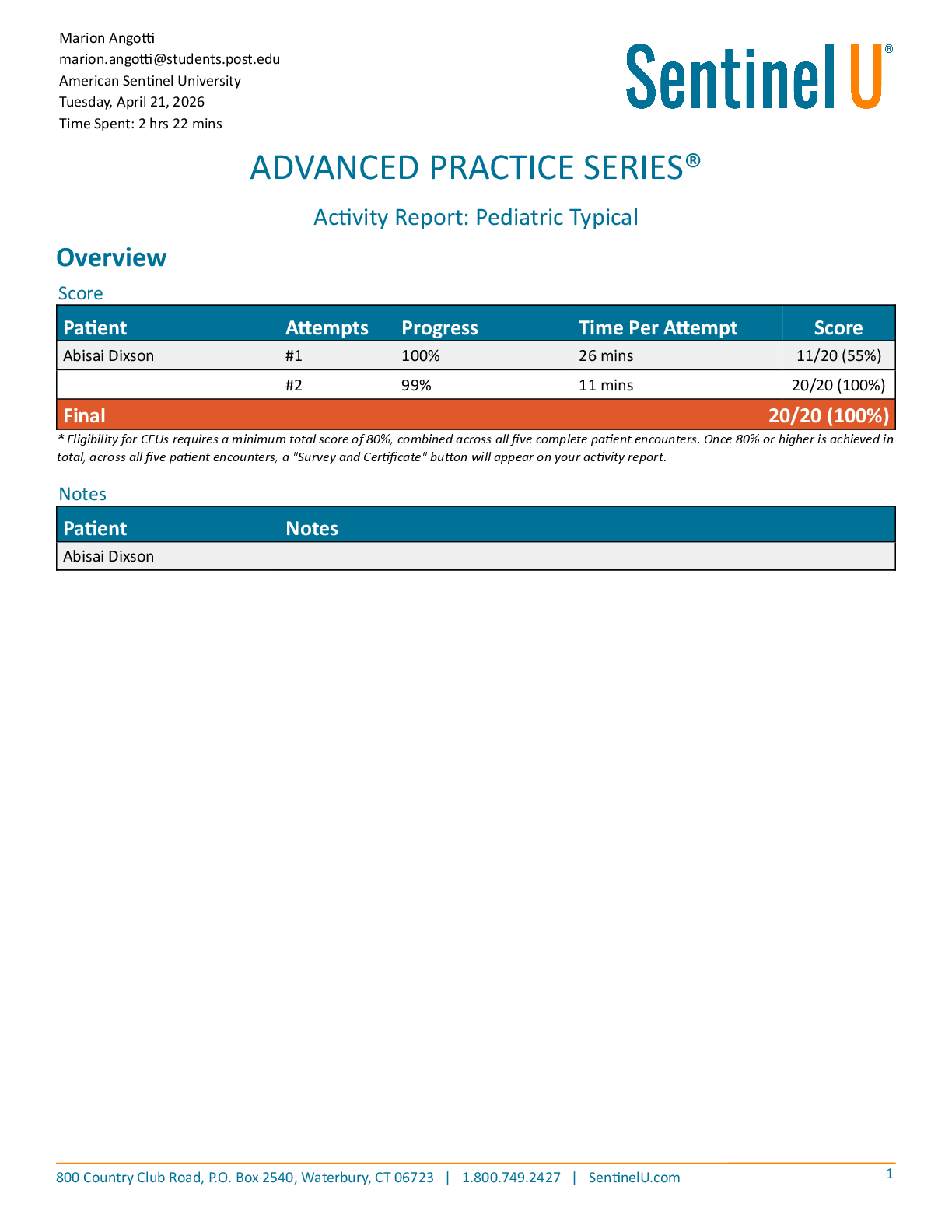
NURSING > QUESTIONS & ANSWERS > Chamberlain College of Nursing - PATHOPHYSI NR 507WK4TD2: Week 4: Alterations in Renal Function - Di (All)
Chamberlain College of Nursing - PATHOPHYSI NR 507WK4TD2: Week 4: Alterations in Renal Function - Discussion Part Two (THREAD DISCUSSION AND RESPONSES)
Document Content and Description Below
Last updated: 4 years ago
Preview 1 out of 19 pages
Instant download

Buy this Document to get the Full Access Instantly
Provided by Students Who Aced it
We Verify Document Content to Gurantee Accuracy
Reviews( 0 )
Document information
Connected school, study & course
About the document
Uploaded On
Jul 06, 2020
Number of pages
19
Written in
All

Additional information
This document has been written for:
Uploaded
Jul 06, 2020
Downloads
0
Views
68
Topic Tags
Recommended For You
Get more on QUESTIONS & ANSWERS »
FROM ANCIENT WORLD TO THE MIDDLE AGES COMPLETED QUIZ 2024 | EN...
NI-BC Mometrix Study Guide / Nursing Informatics Part 1.1 / Sc...
ANCC Informatics Nursing Study Guide / NI-BC Certification Exa...

TEST BANK for Fundamentals of Nursing Active Learning for Coll...

Test Bank for Nursing for Wellness in Older Adults Miller 8th...

Nursing for Wellness in Older Adults Miller 8th Edition Test B...

Nursing for Wellness in Older Adults Miller 8th Edition Test B...
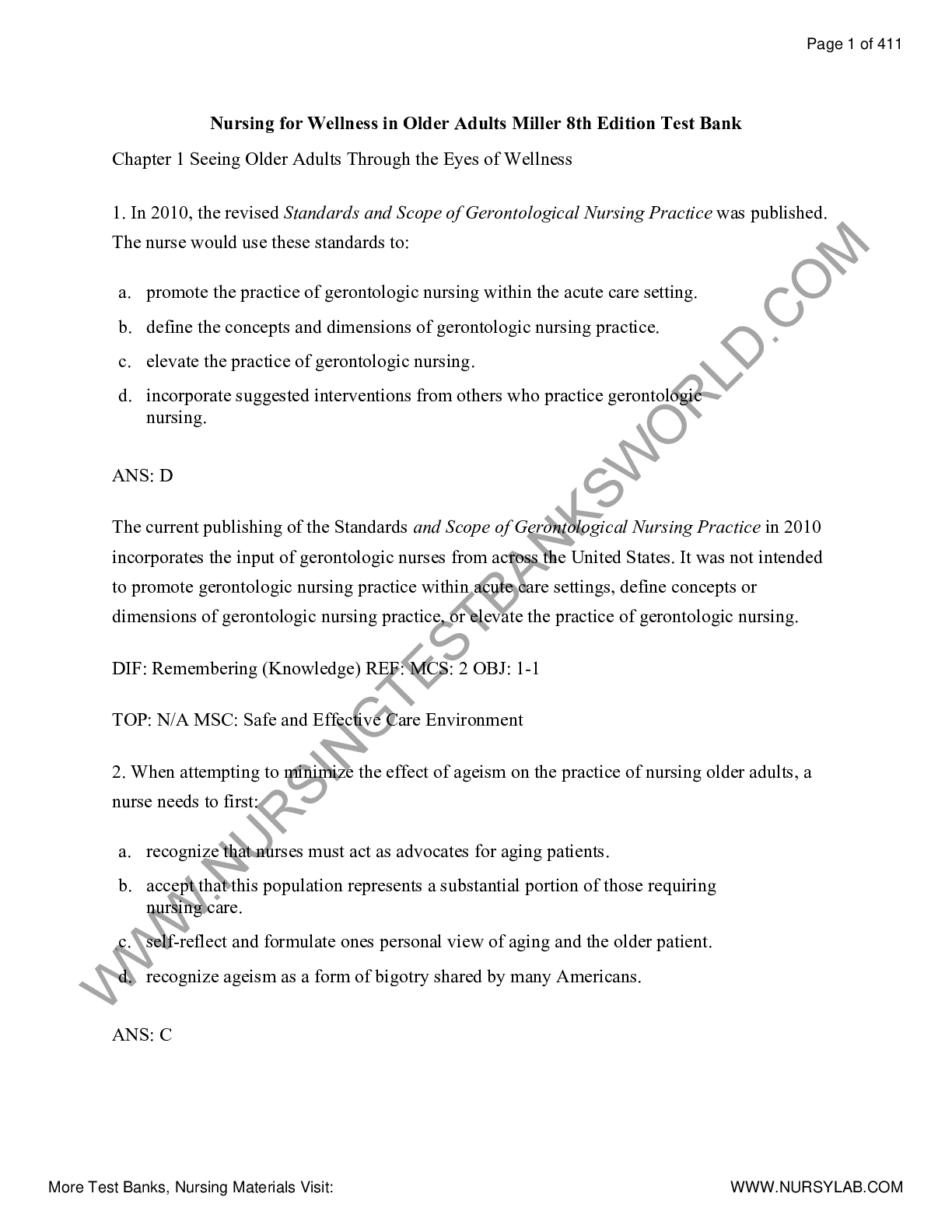
Nursing for Wellness in Older Adults Miller 8th Edition By Car...

TEST BANK for Fundamentals of Nursing: Active Learning for Col...
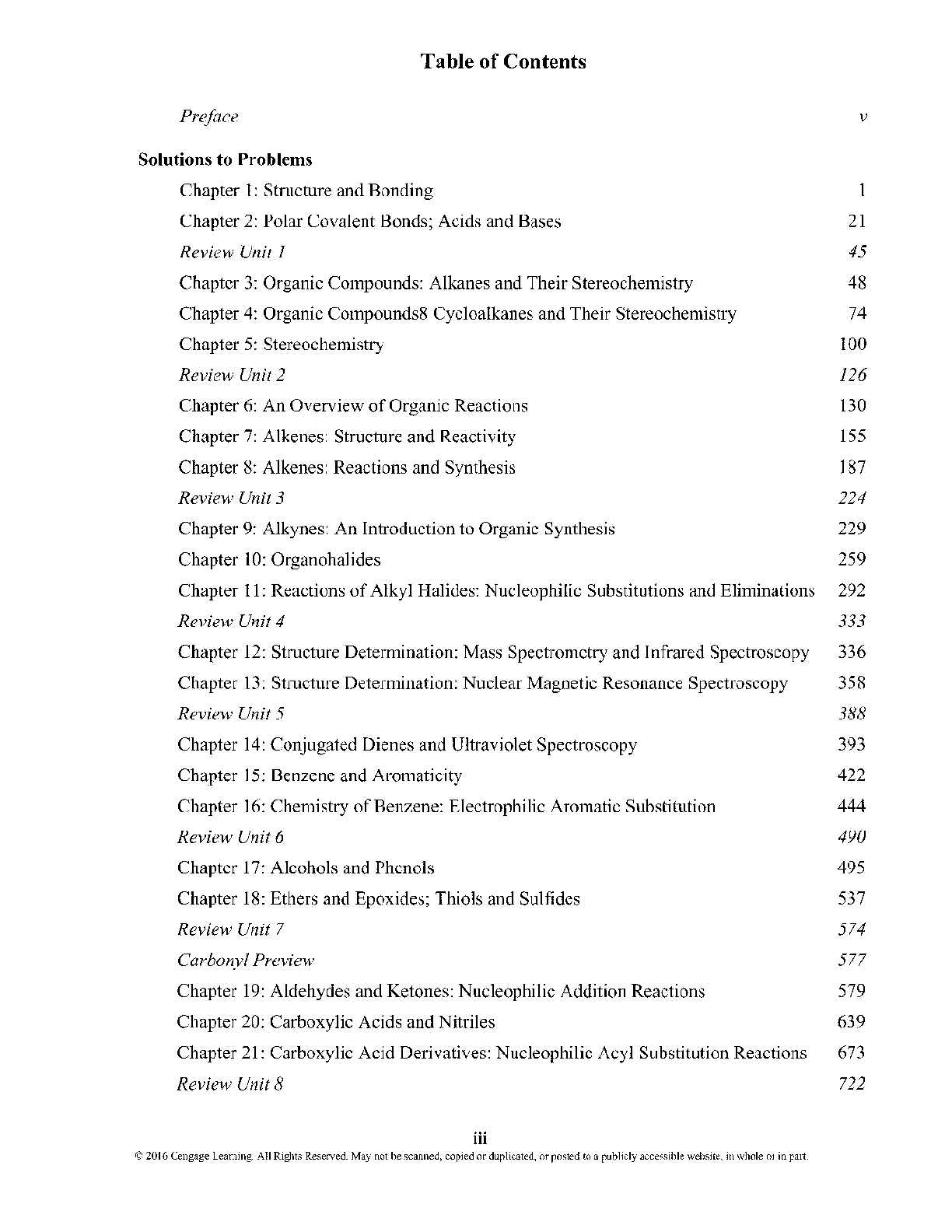
Solutions Manual for Organic Chemistry 9th Edition by John McM...
Exercises Answer Key Statistics for Nursing Research A Workboo...
.png)