BioChemistry > STUDY GUIDE > Biochemistry Readiness Check IV. (All)
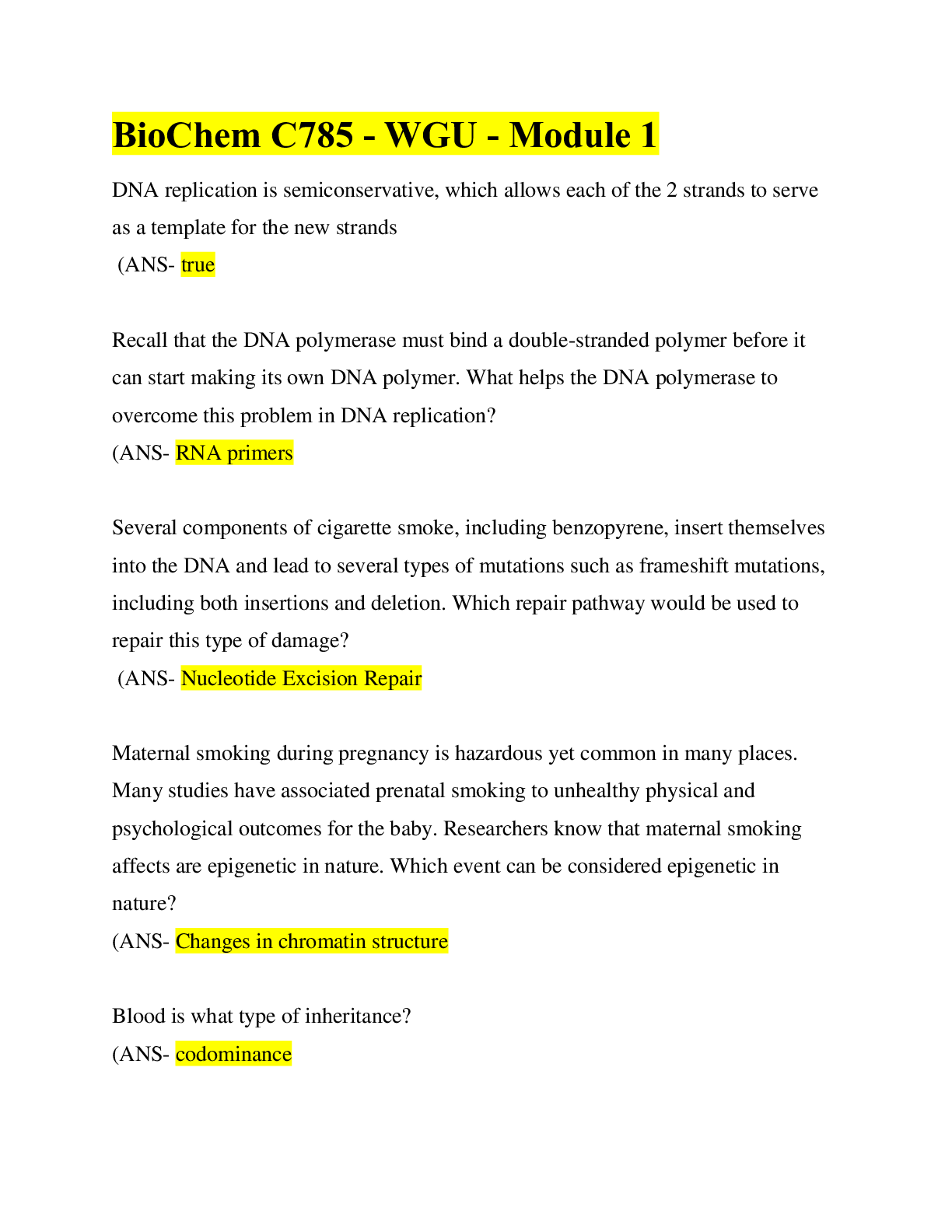
Biochemistry Readiness Check IV.
Document Content and Description Below
Last updated: 3 years ago
Preview 1 out of 18 pages
Instant download

Buy this Document to get the Full Access Instantly
Provided by Students Who Aced it
We Verify Document Content to Gurantee Accuracy
Reviews( 0 )
Document information
Connected school, study & course
About the document
Uploaded On
Jun 08, 2021
Number of pages
18
Written in
All

Additional information
This document has been written for:
Uploaded
Jun 08, 2021
Downloads
0
Views
115
Topic Tags
Related Subjects & Courses
Explore similar study resources and related concepts.
Recommended For You
Get more on STUDY GUIDE »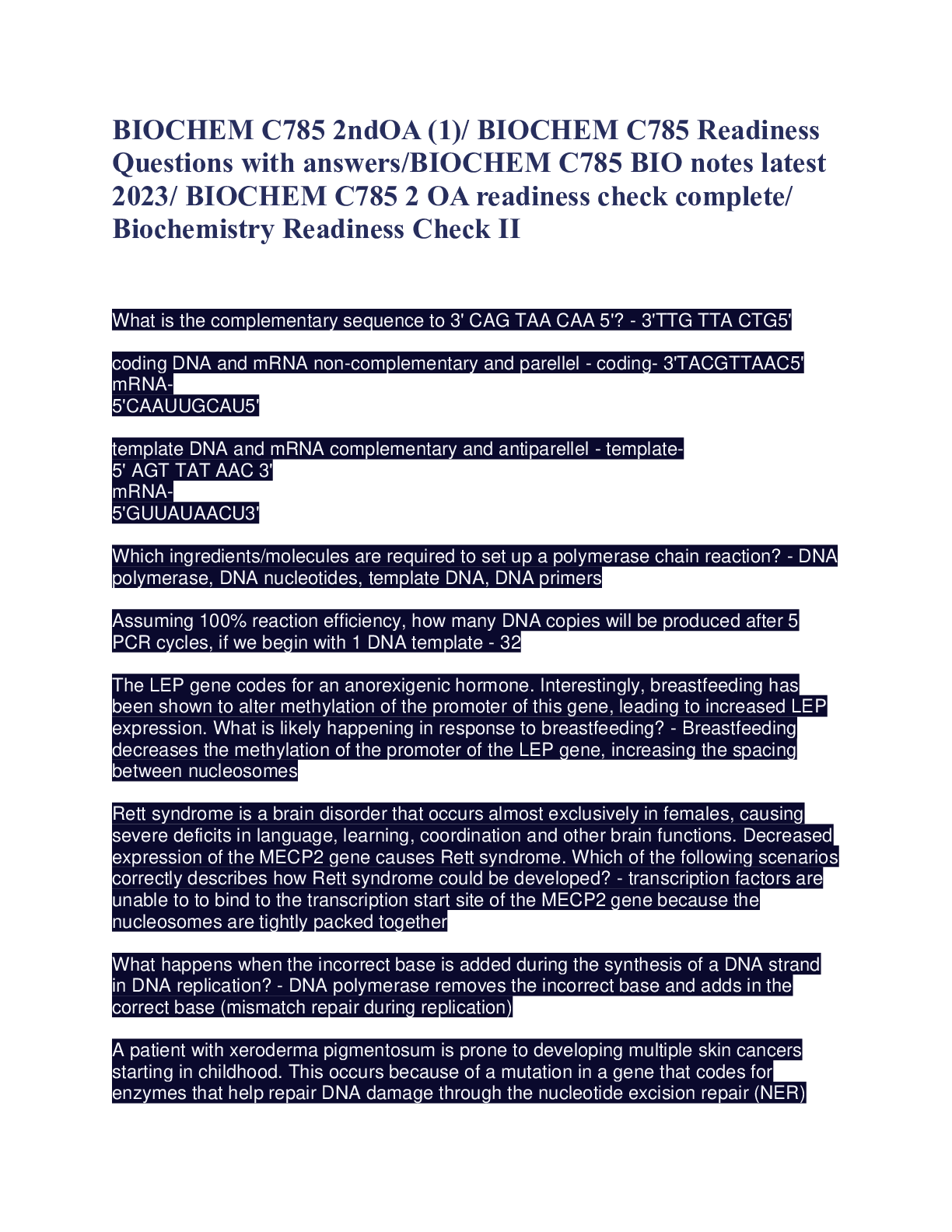
BIOCHEM C785 2ndOA (1)/ BIOCHEM C785 Readiness Questions with...
BIOCHEM C785 2ndOA (1)/ BIOCHEM C785 Readiness Questions with...

Lehninger Principles of Biochemistry 8th Edition by David Nels...
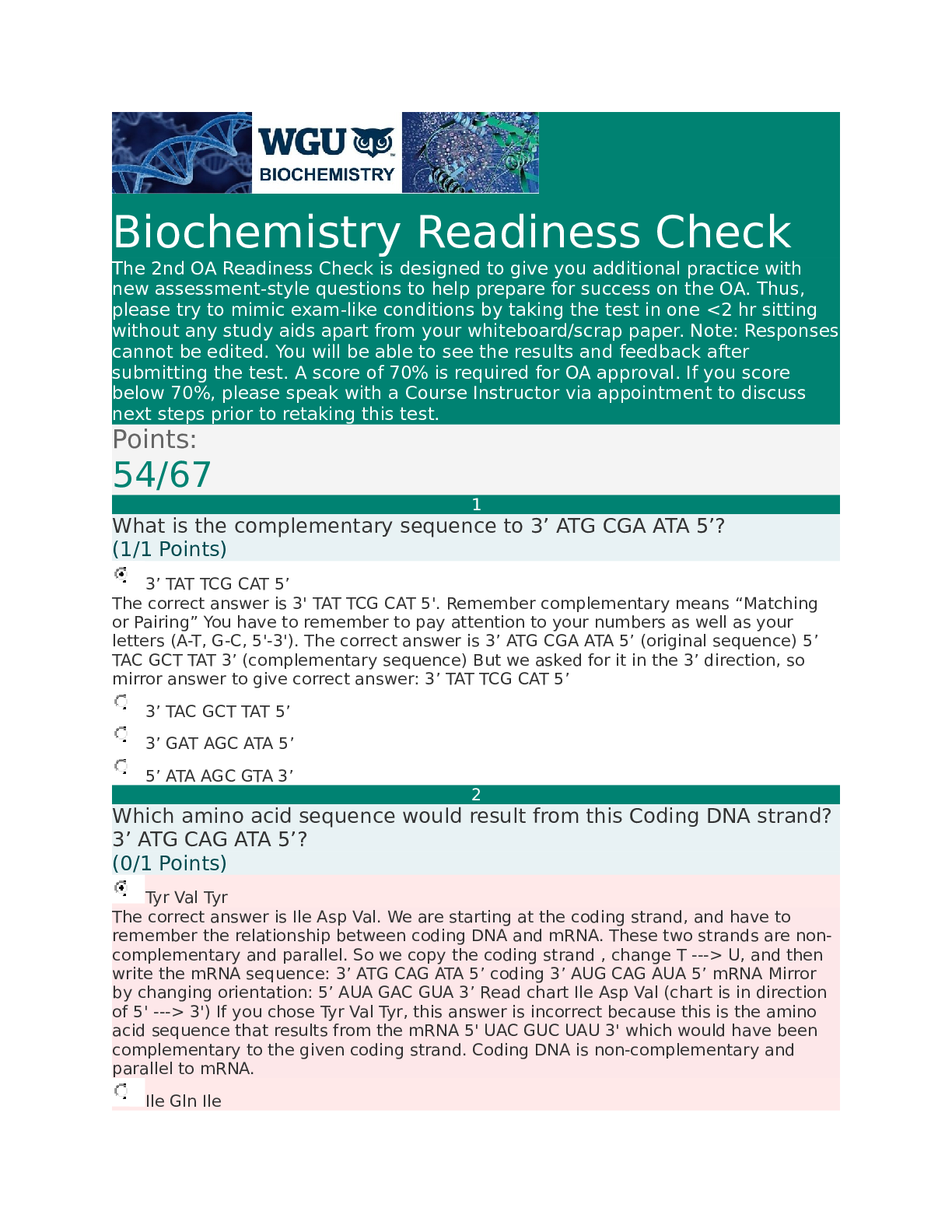
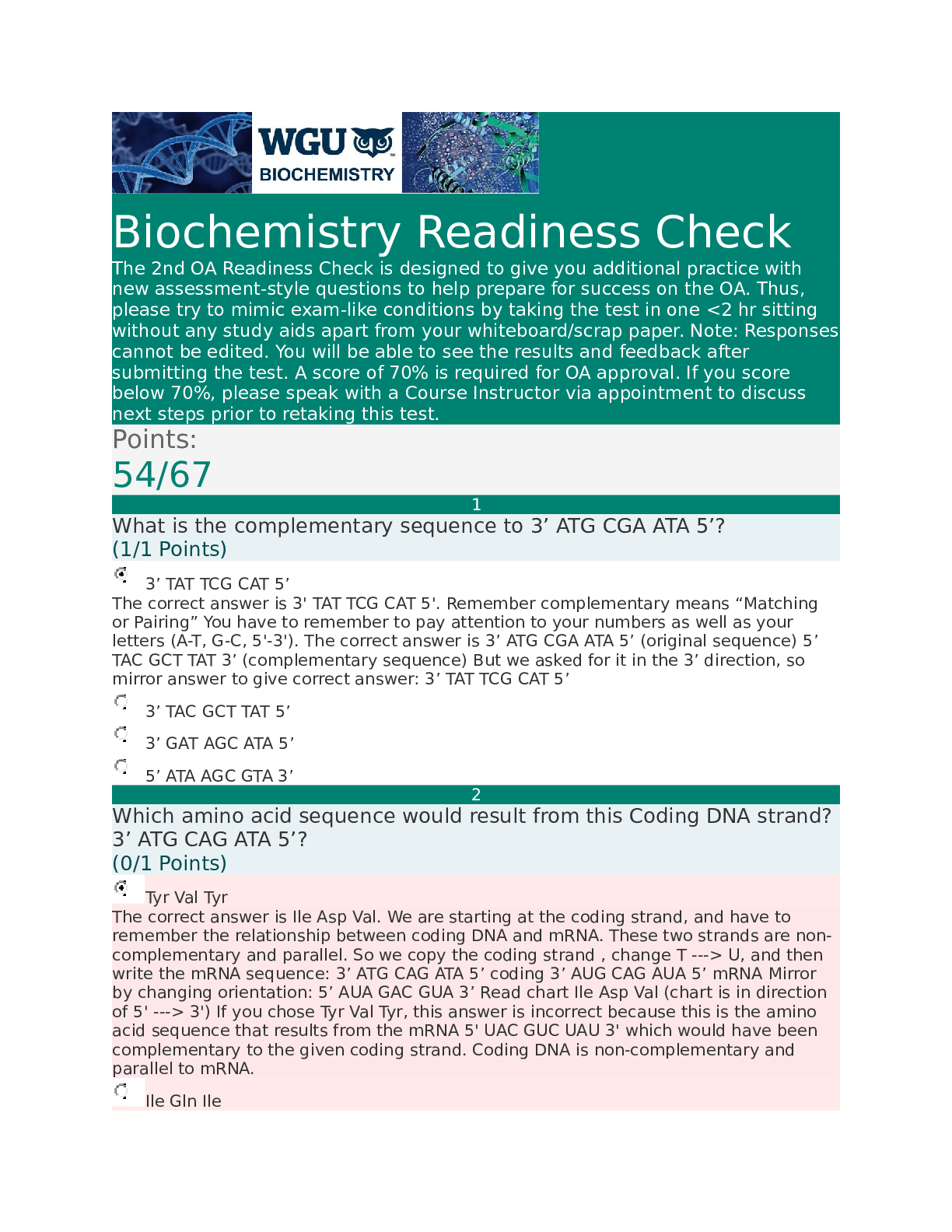
Western Governors University - BIOCHEM C785 Biochemistry Readi...

BIOCHEMISTRY READINESS CHECK II WESTERN GOVERNORS UNIVERSITY L...

TEST BANK for Biochemistry 10th Edition by Berg,Gregory Gatto...

Exam #3 PN 2 Know what the left temporal lobe of brain affects...

Harper's Illustrated Biochemistry 32nd Edition, By Peter Kenne...
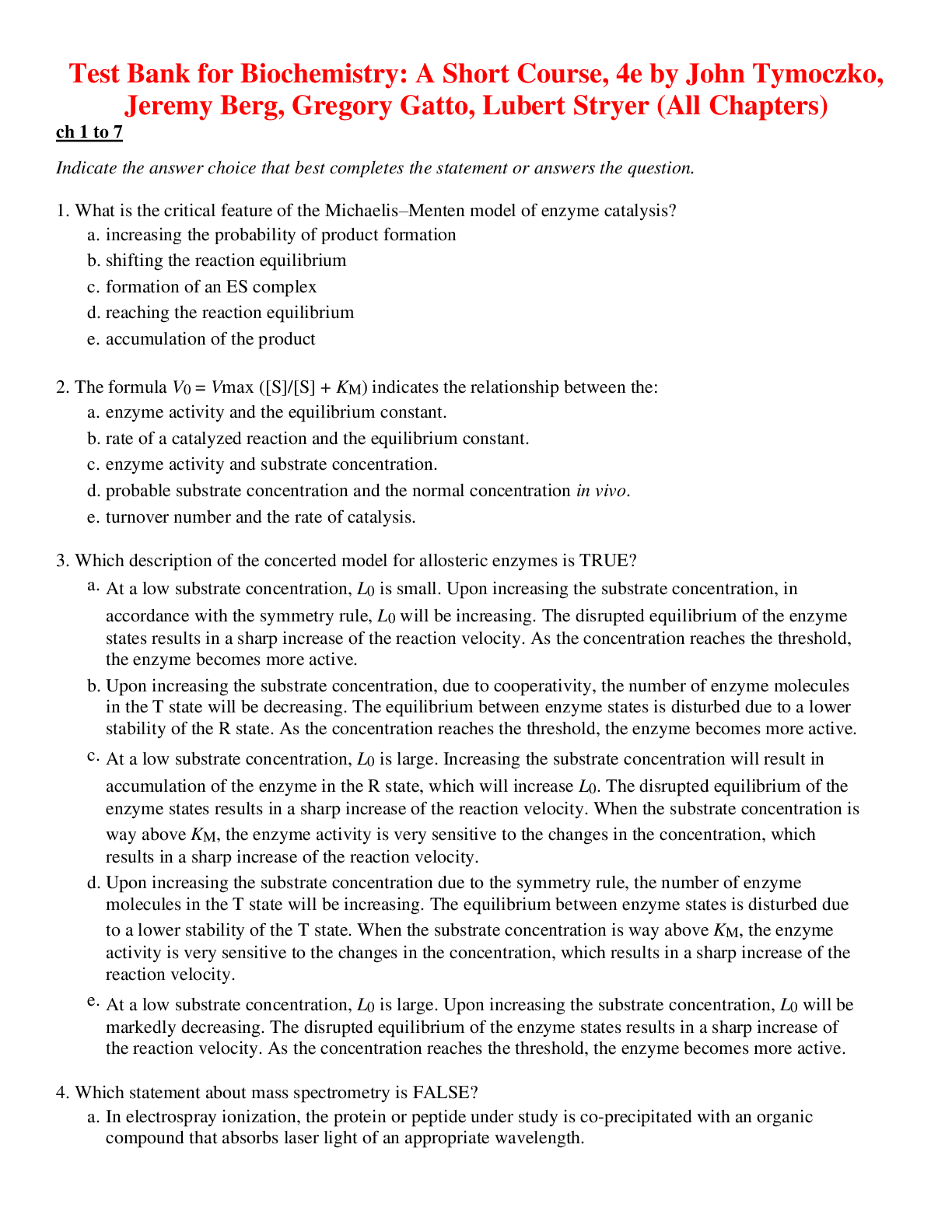
TEST BANK for Biochemistry A Short Course, 4e by John Tymoczko...
![Preview of eBook [PDF] Metal Oxide-Based Carbon Nanocomposites for Environmental Remediation and Safe](https://browseimages.nyc3.digitaloceanspaces.com/paper-images/2024/Aug/30/wQlU0jAO2024-08-30-01-5866d1a5bca277d.png)
eBook [PDF] Metal Oxide-Based Carbon Nanocomposites for Enviro...
![Preview of eBook [PDF] Harper's Illustrated Biochemistry 32nd Edition By Peter J. Kennelly, Kathleen](https://browseimages.nyc3.digitaloceanspaces.com/paper-images/2024/Aug/29/eHwhDJKI2024-08-29-12-5066d04473eeffd.png)
eBook [PDF] Harper's Illustrated Biochemistry 32nd Edition By...
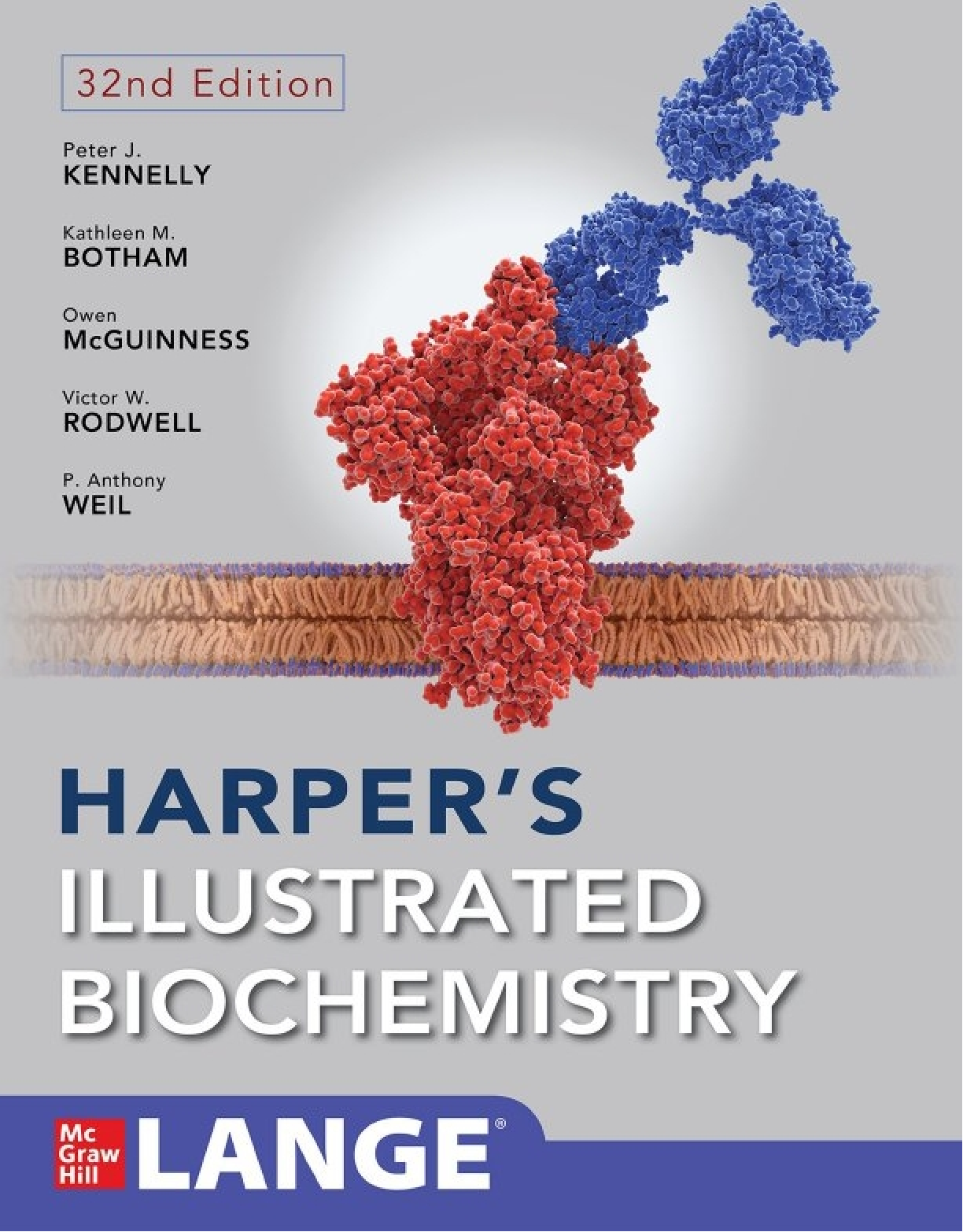

Harper's Illustrated Biochemistry 32nd edition By Peter J. K...


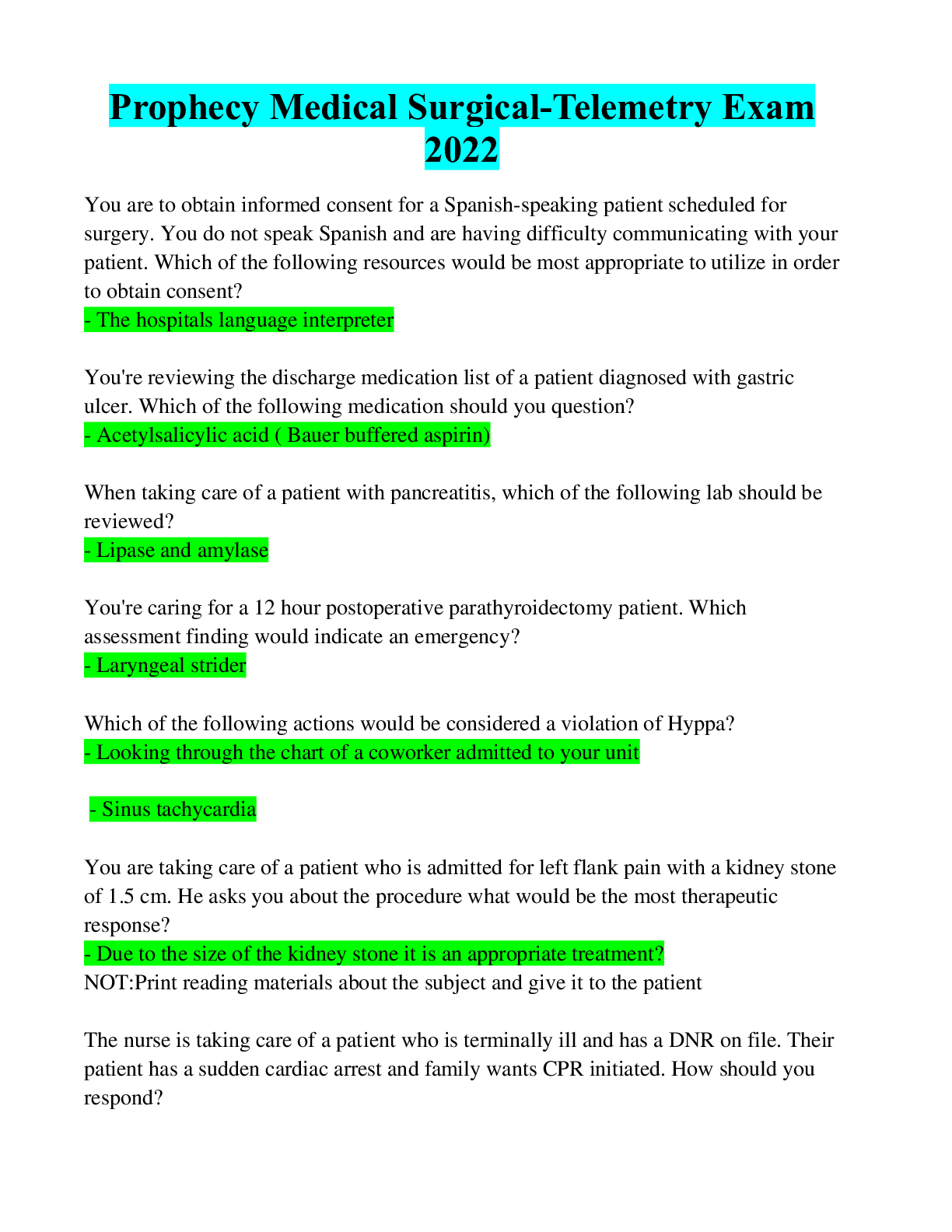


.png)
.png)

