Programming > STUDY GUIDE > Simple logical inference system: resolution and model checking for first-order logic. CODE (All)
Simple logical inference system: resolution and model checking for first-order logic. CODE
Document Content and Description Below
Last updated: 7 months ago
Preview 1 out of 17 pages
Instant download

Buy this Document to get the Full Access Instantly
Provided by Students Who Aced it
We Verify Document Content to Gurantee Accuracy
Reviews( 0 )
Document information
Connected school, study & course
About the document
Uploaded On
Jun 11, 2021
Number of pages
17
Written in
All

Additional information
This document has been written for:
Uploaded
Jun 11, 2021
Downloads
0
Views
129
Topic Tags
Recommended For You
Get more on STUDY GUIDE »
PYTHON PROGRAMMMING STUDY GUIDE Singapore University of Socia...
Solutions Manual For Clearly Visual Basic Programming with Mic...
Solutions Manual For Clearly Visual Basic Programming with Mic...
Test Bank For Clearly Visual Basic Programming with Microsoft...
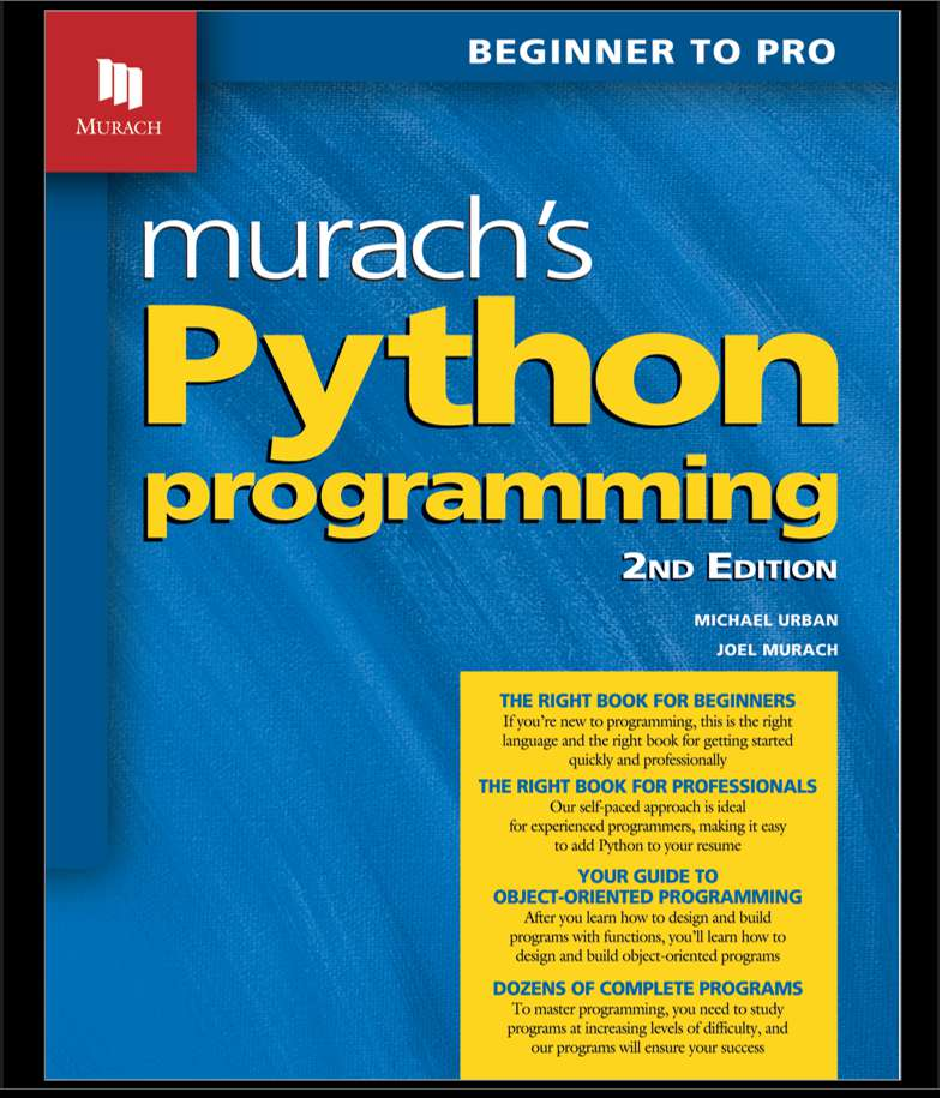

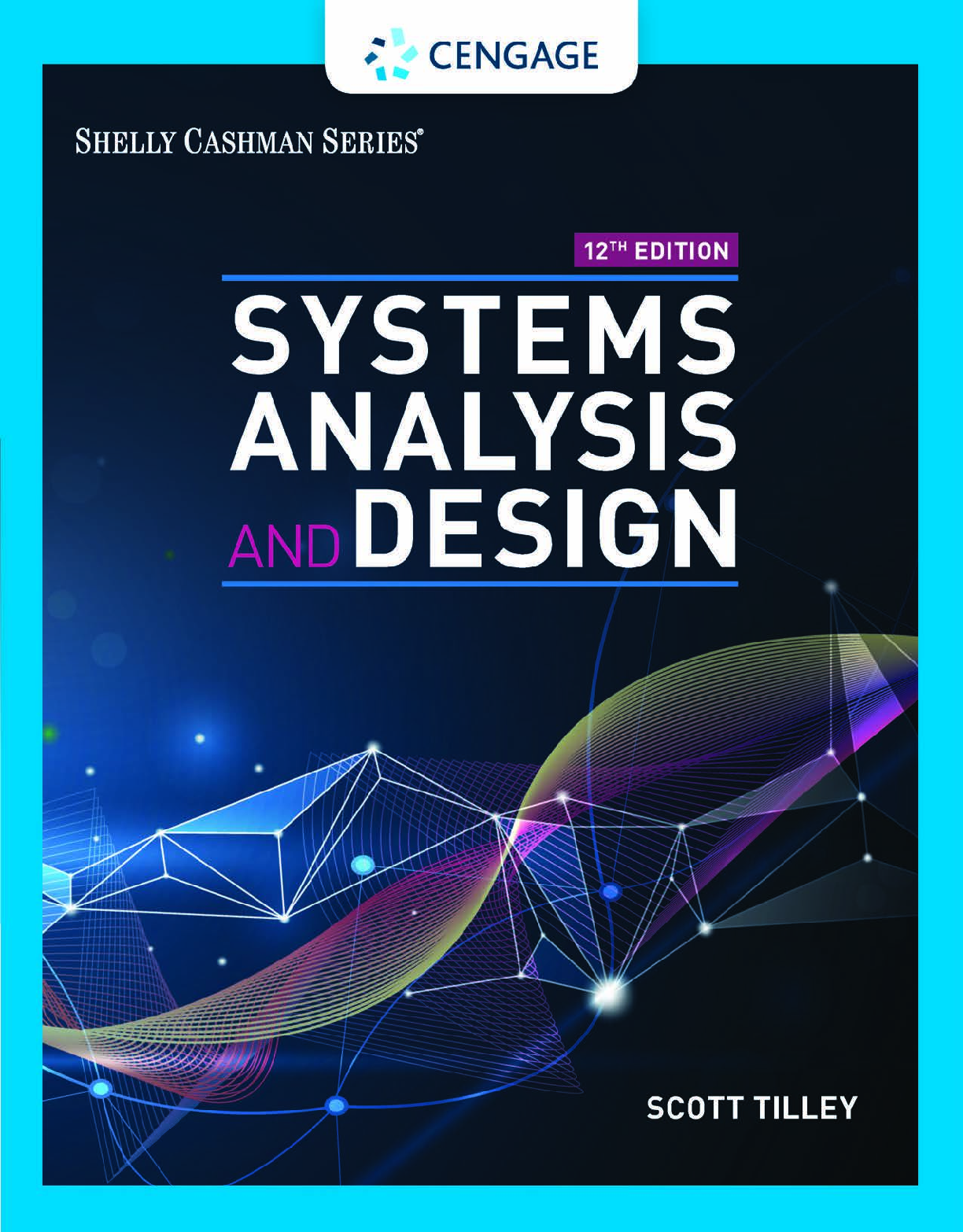
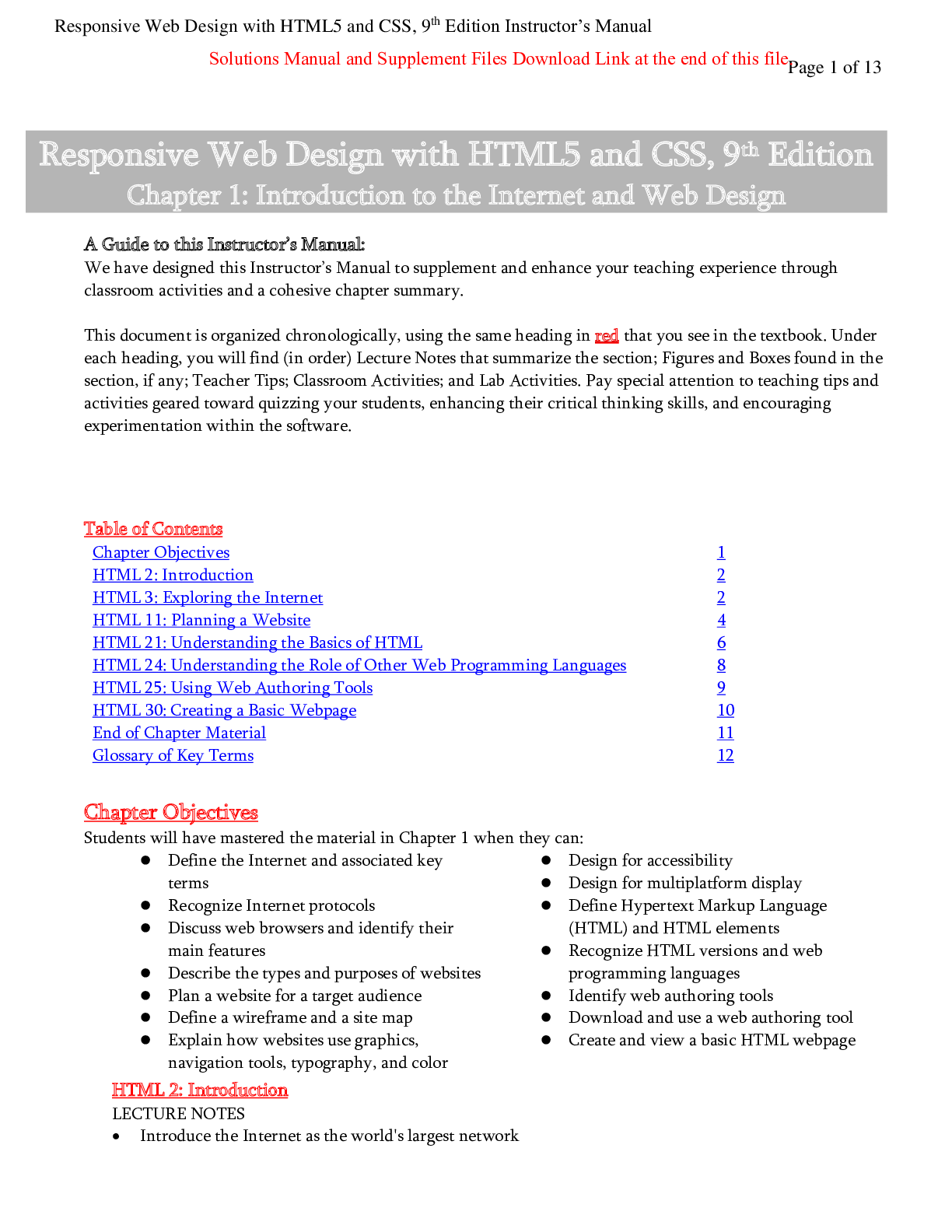
Responsive Web Design with HTML 5 & CSS 9th Edition By Jessica...

eBook Advancing Your Career Concepts of Professional Nursing,...

MKTG12: Principles of Marketing 12th Edition by Charles Lamb,...


Python 3 Programming New Jersey Institute Of TechnologyCS 111a...