Biology > STUDY GUIDE > Biology (BIOL 235) Chapter 11-18 typed notes (All)
Biology (BIOL 235) Chapter 11-18 typed notes
Document Content and Description Below
Last updated: 4 years ago
Preview 1 out of 187 pages
Instant download
 (1).png)
Buy this Document to get the Full Access Instantly
Provided by Students Who Aced it
We Verify Document Content to Gurantee Accuracy
Reviews( 0 )
Document information
Connected school, study & course
About the document
Uploaded On
Jun 18, 2021
Number of pages
187
Written in
All

Additional information
This document has been written for:
Uploaded
Jun 18, 2021
Downloads
0
Views
89
Topic Tags
Recommended For You
Get more on STUDY GUIDE »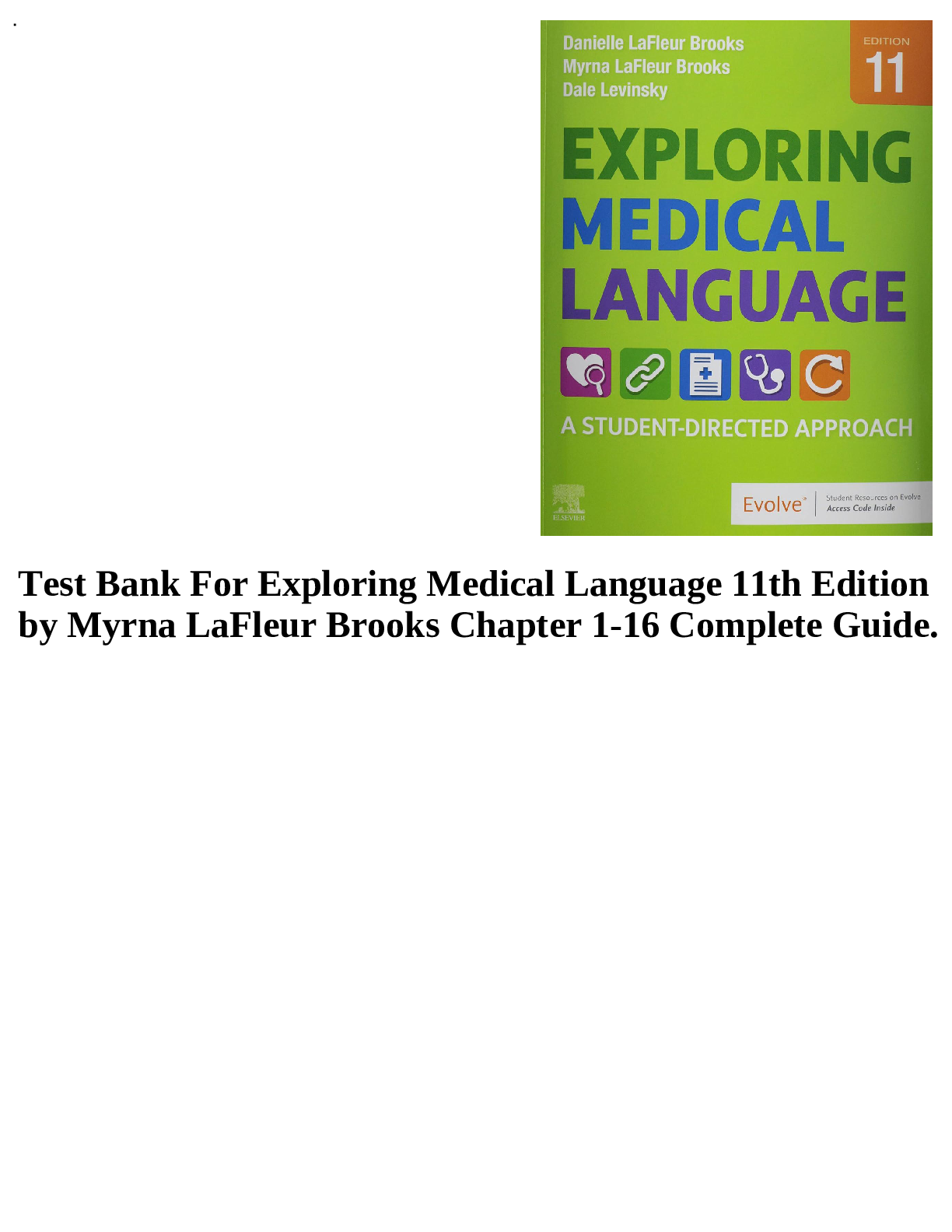
Test Bank For Exploring Medical Language 11th Edition by Myrna...

Test Bank For Business Marketing Management B2B, 13th Edition...
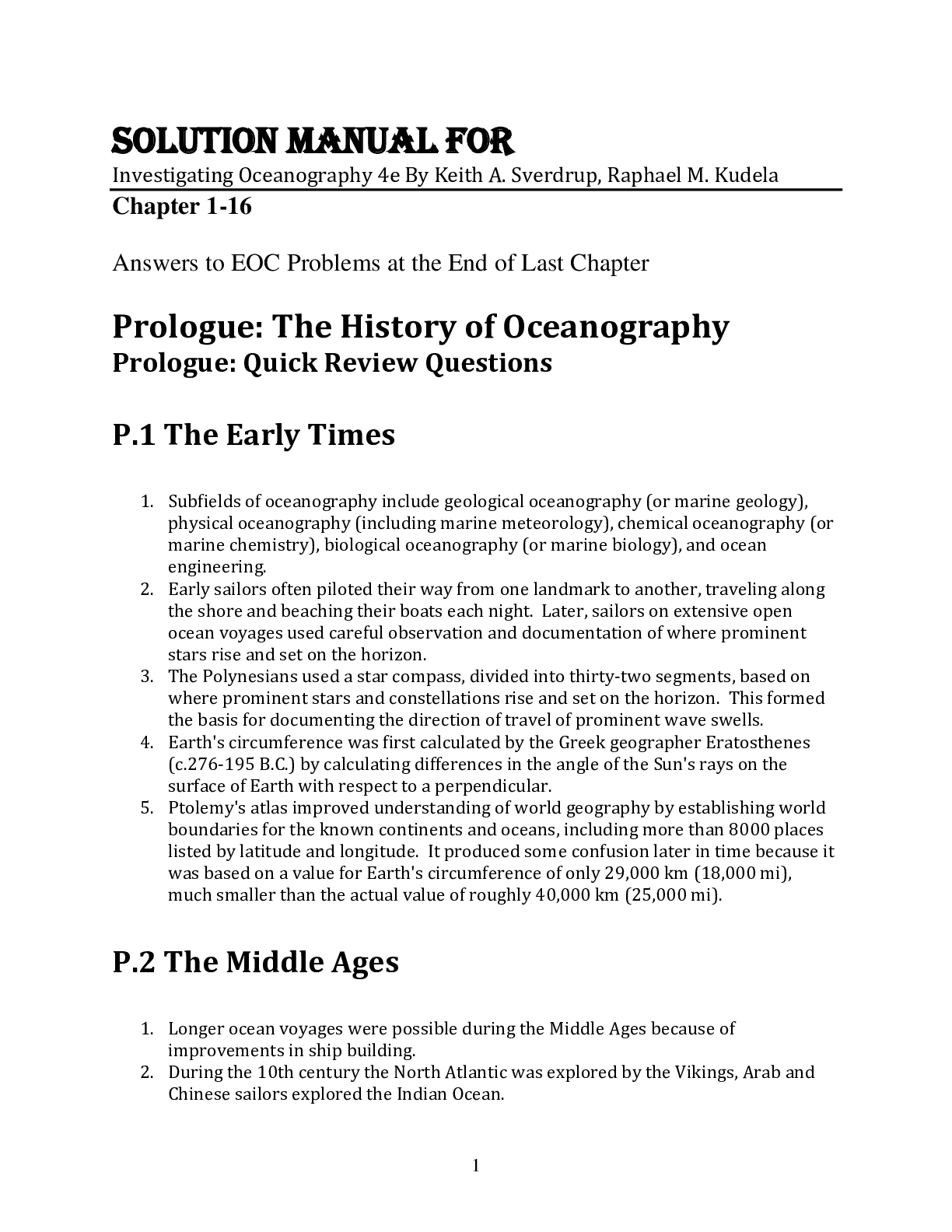
Solution Manual For Investigating Oceanography 4th Edition By...
Instructor Manual The Leadership Experience 8th Edition Daft C...
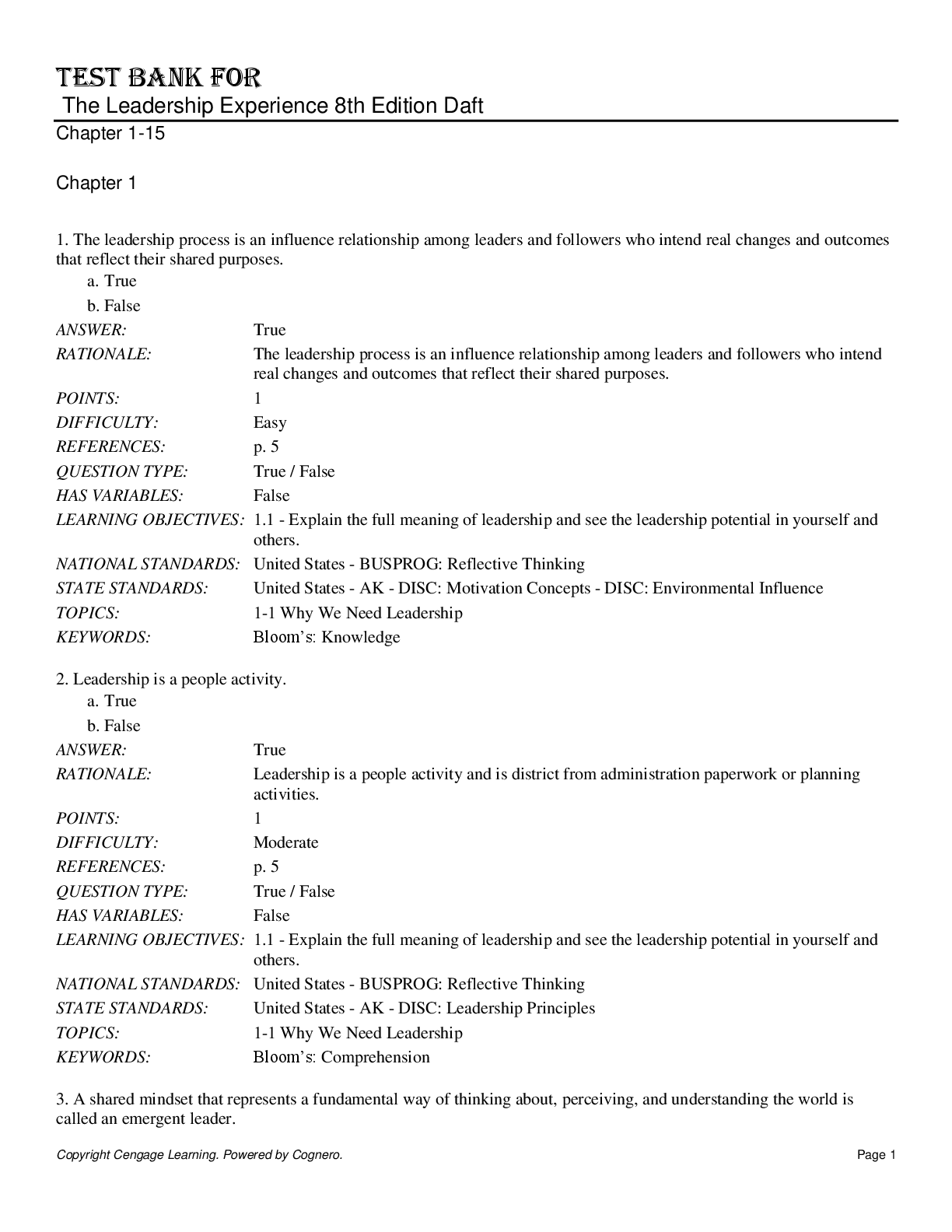
Test Bank for The Leadership Experience 8th Edition Daft Chapt...
Test Bank For Exploring Medical Language 11th Edition by Myrna...
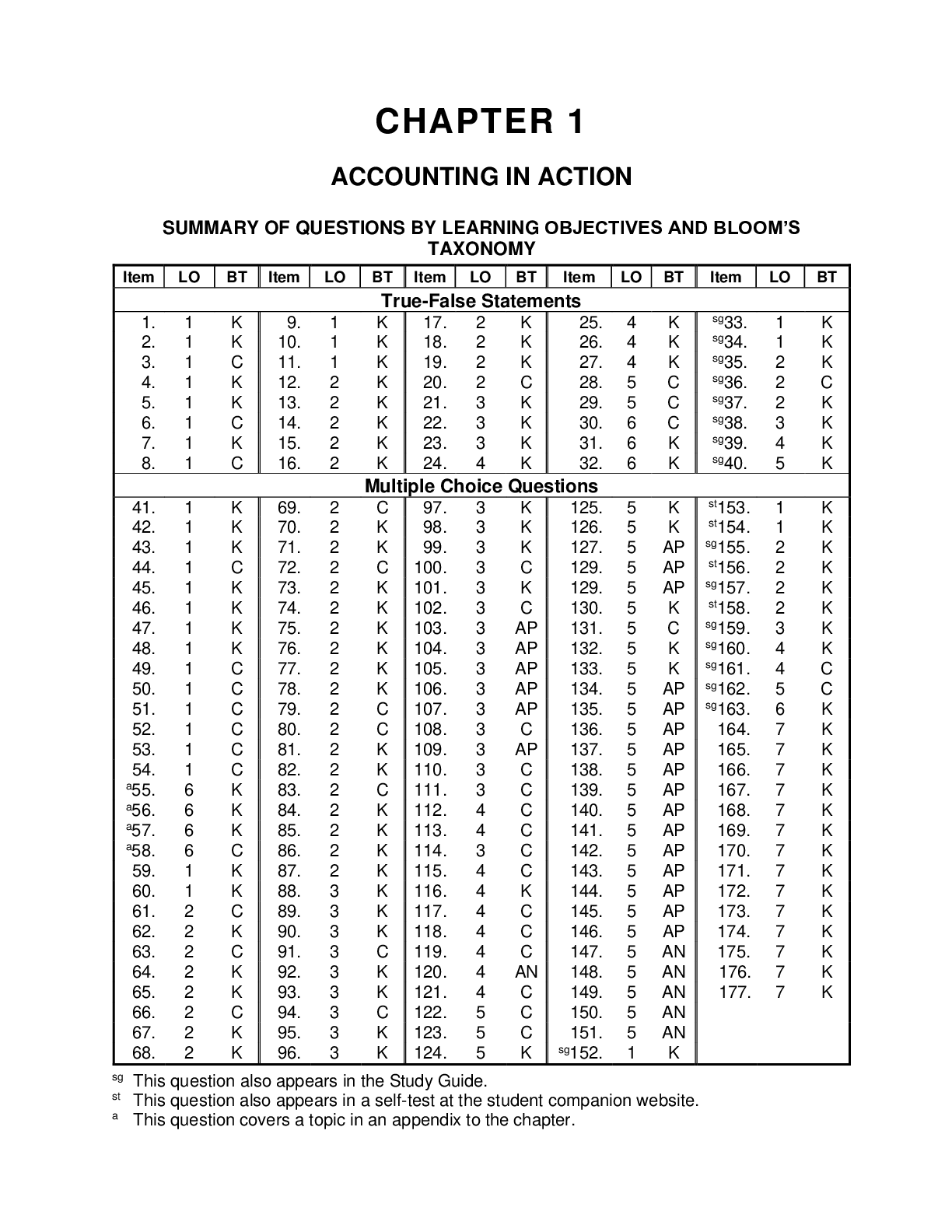
Principles of Financial Accounting (chapter 1-18) 12e Jerry We...
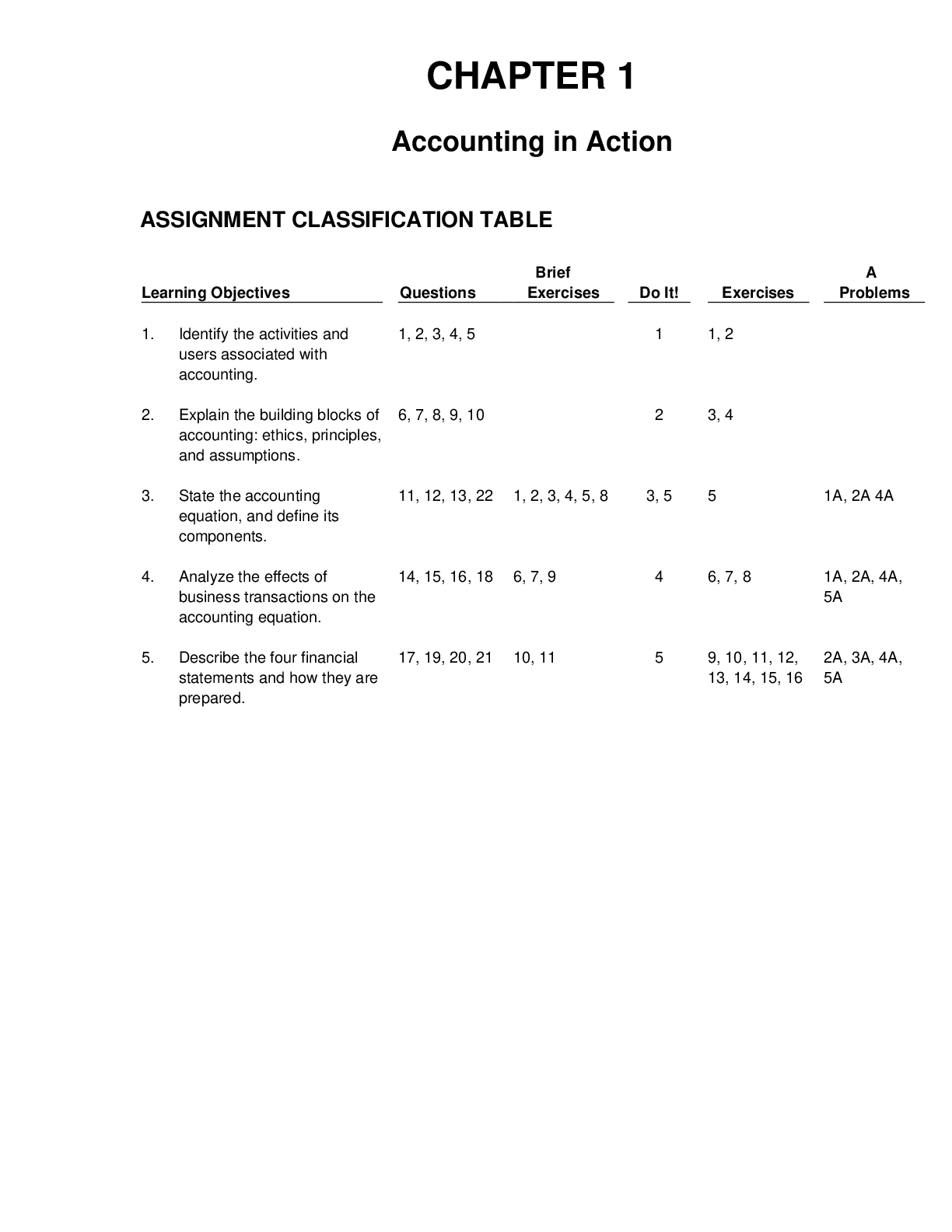
Principles of Financial Accounting (chapter 1-18) 12e Jerry We...
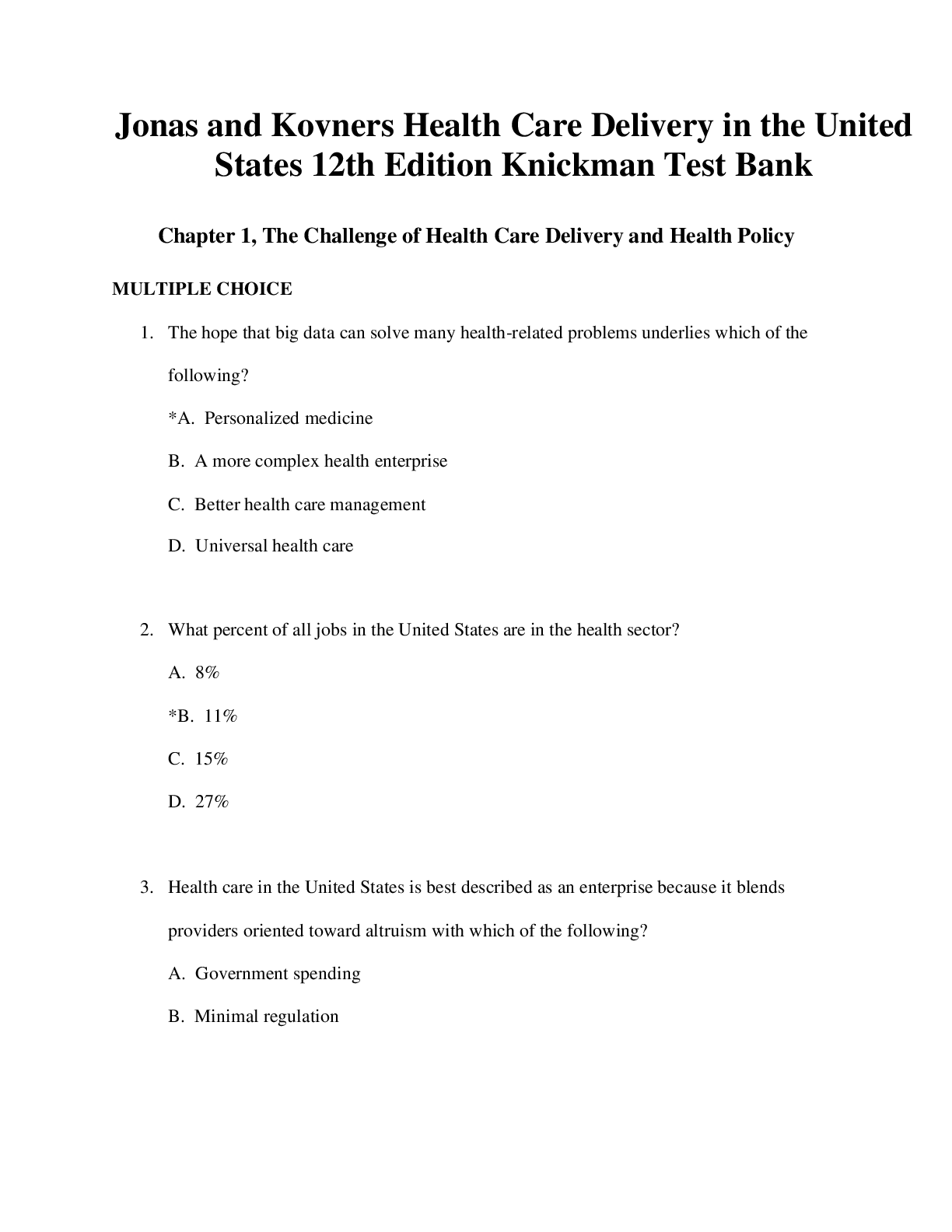
Test Bank for Jonas and Kovners Health Care Delivery in the Un...
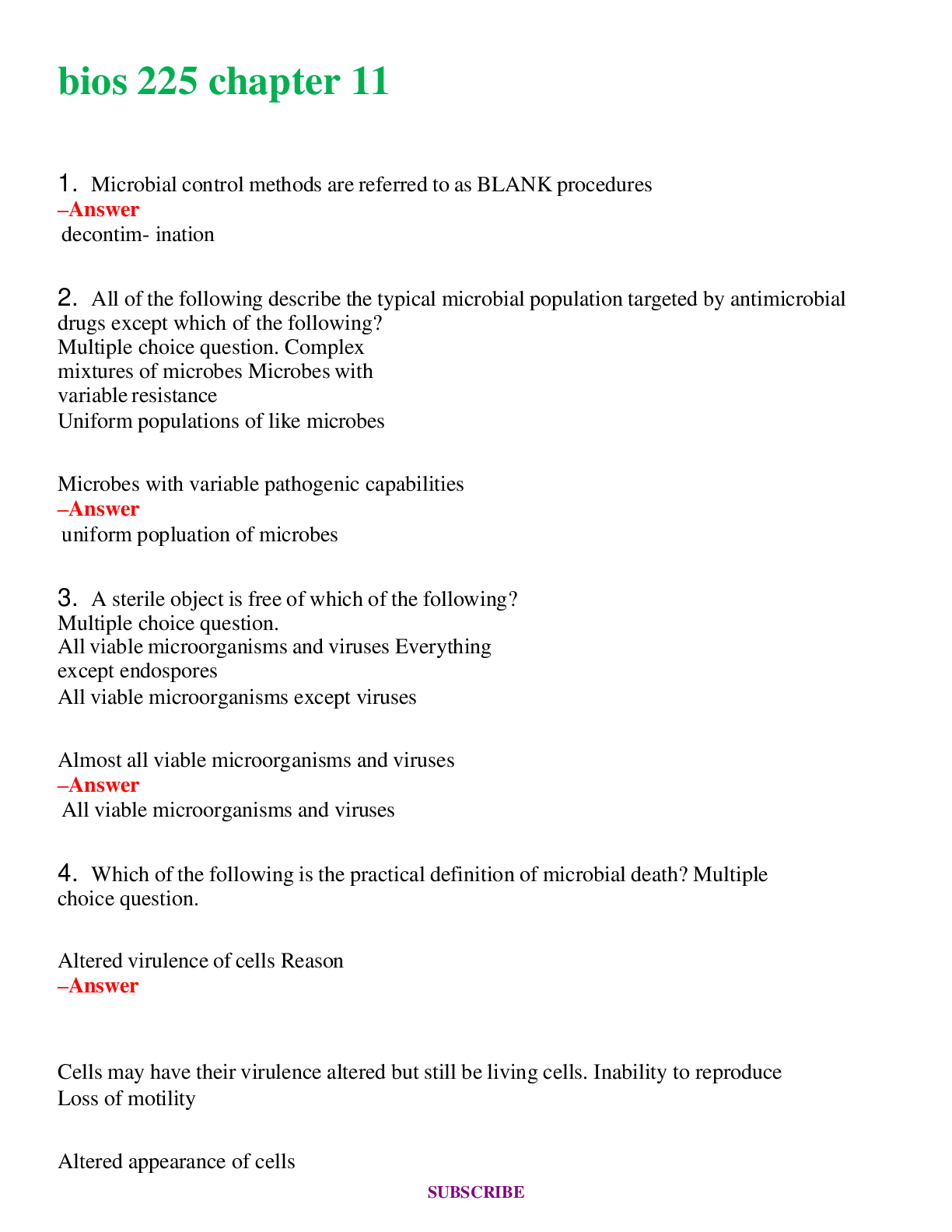
BIOS 225 Chapter 11 Questions and Answers (Verified Answers...
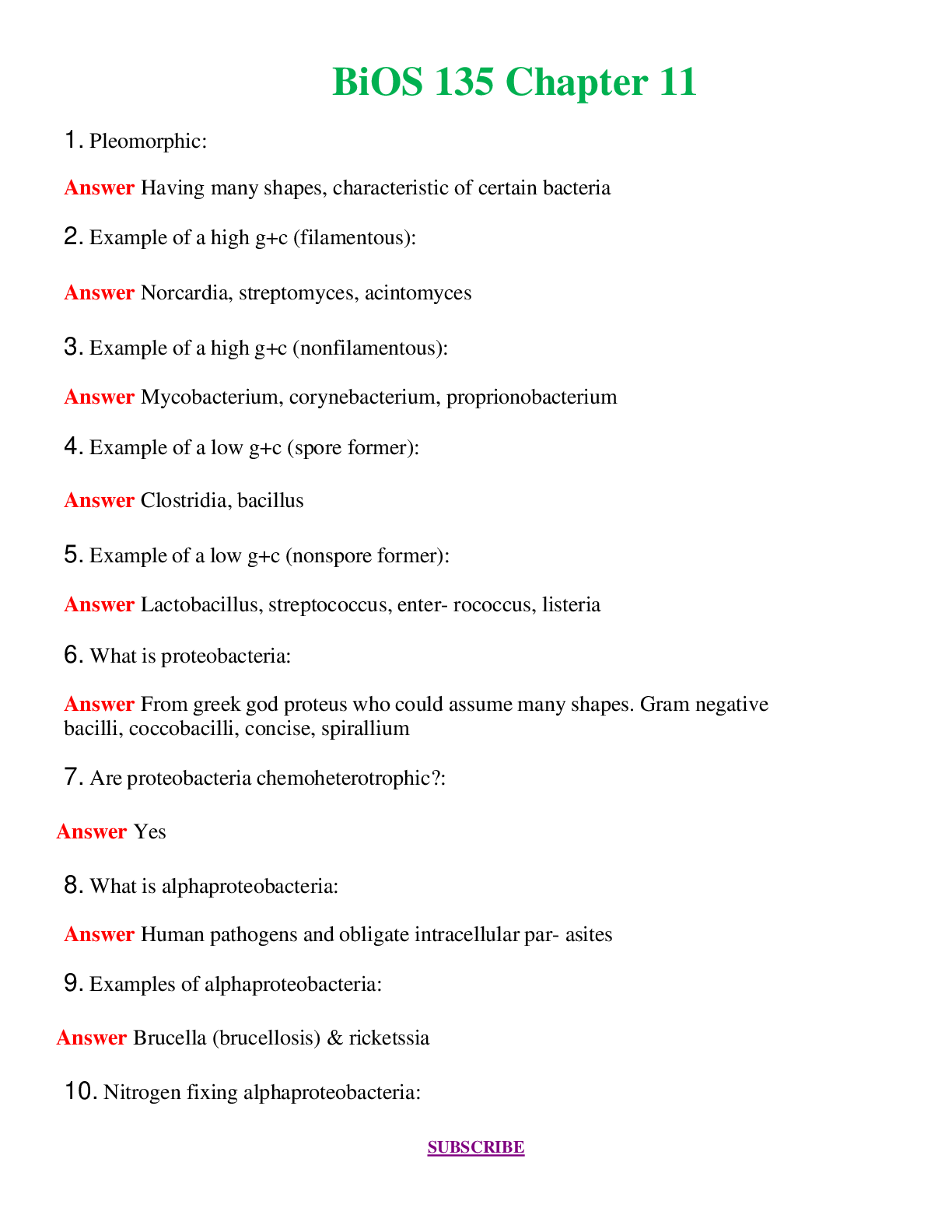
BIOS 135 Chapter 11 Questions and Answers (Verified Answers)
Chapter 11 Human Resource Management Finding and Keeping the B...

Chapter 11 Motivation and Emotion, Chapter 12 Stress and Healt...




.png)
.png)

