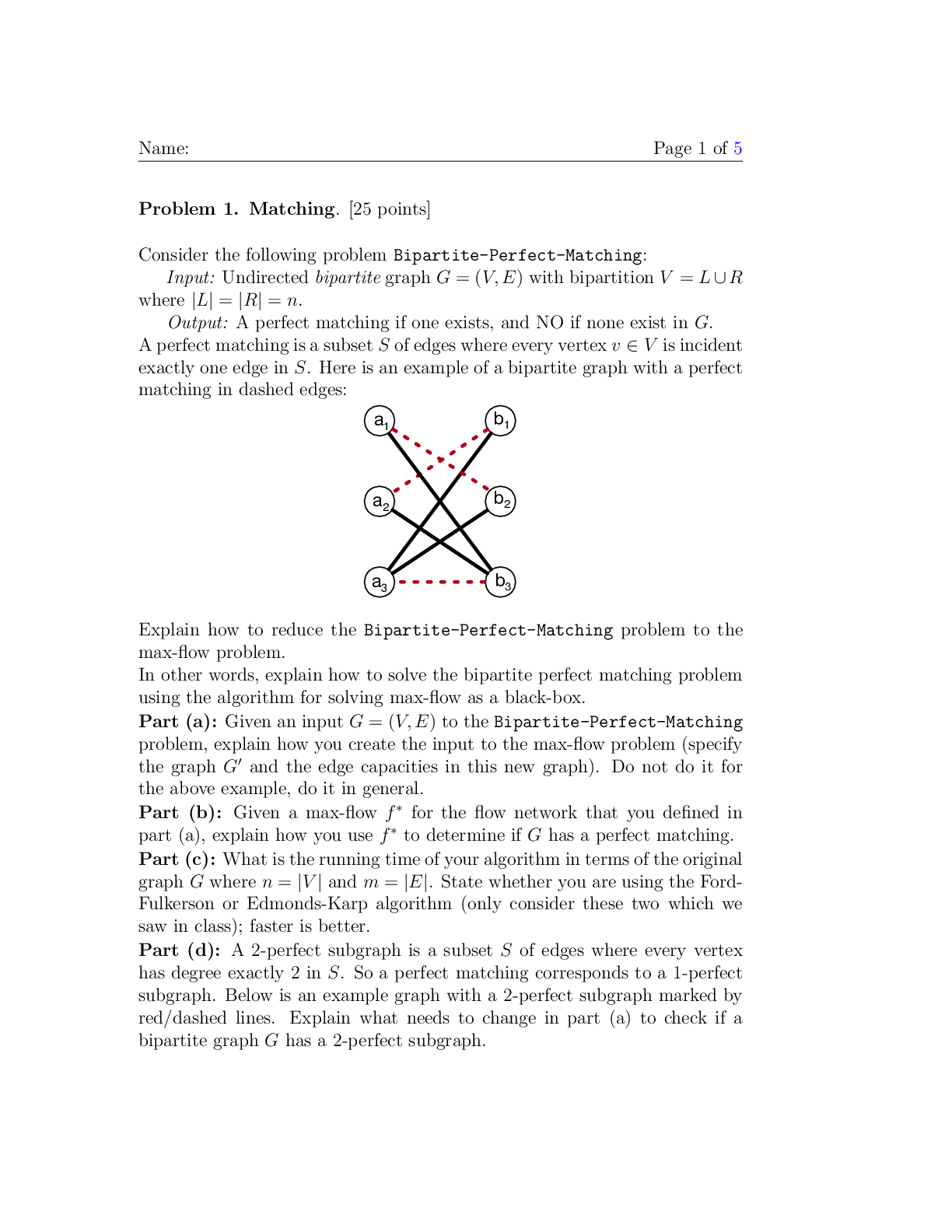
Computer Science > QUESTIONS & ANSWERS > Georgia Institute Of TechnologyCS 8803-Exam2-Fall-final-ALL ANSWERS CORRECT (All)
Georgia Institute Of TechnologyCS 8803-Exam2-Fall-final-ALL ANSWERS CORRECT
Document Content and Description Below
Last updated: 4 years ago
Preview 1 out of 5 pages
Instant download
Buy this Document to get the Full Access Instantly
Provided by Students Who Aced it
We Verify Document Content to Gurantee Accuracy
Reviews( 0 )
Document information
Connected school, study & course
About the document
Uploaded On
Jul 01, 2021
Number of pages
5
Written in
All

Additional information
This document has been written for:
Uploaded
Jul 01, 2021
Downloads
0
Views
119
Topic Tags
Recommended For You
Get more on QUESTIONS & ANSWERS »
Concepts of Programming Languages 12th Edition By Robert W. Se...
eBook 3D Printed Conducting Polymers Fundamentals, Advances, a...
eBook [PDF] Computer Vision Challenges, Trends, and Opportunit...
eBook Computer Vision, Challenges, Trends, and Opportunities,1...
Introduction to Programming with Java A Problem Solving Approa...
Introduction to JavaScript Programming with XML and PHP 1st Ed...
FEMA Final Exam ICS 100 (IS-100.C) Introduction to the Inciden...
[eTextbook] [PDF] CompTIA Network+ Guide to Networks 9th editi...
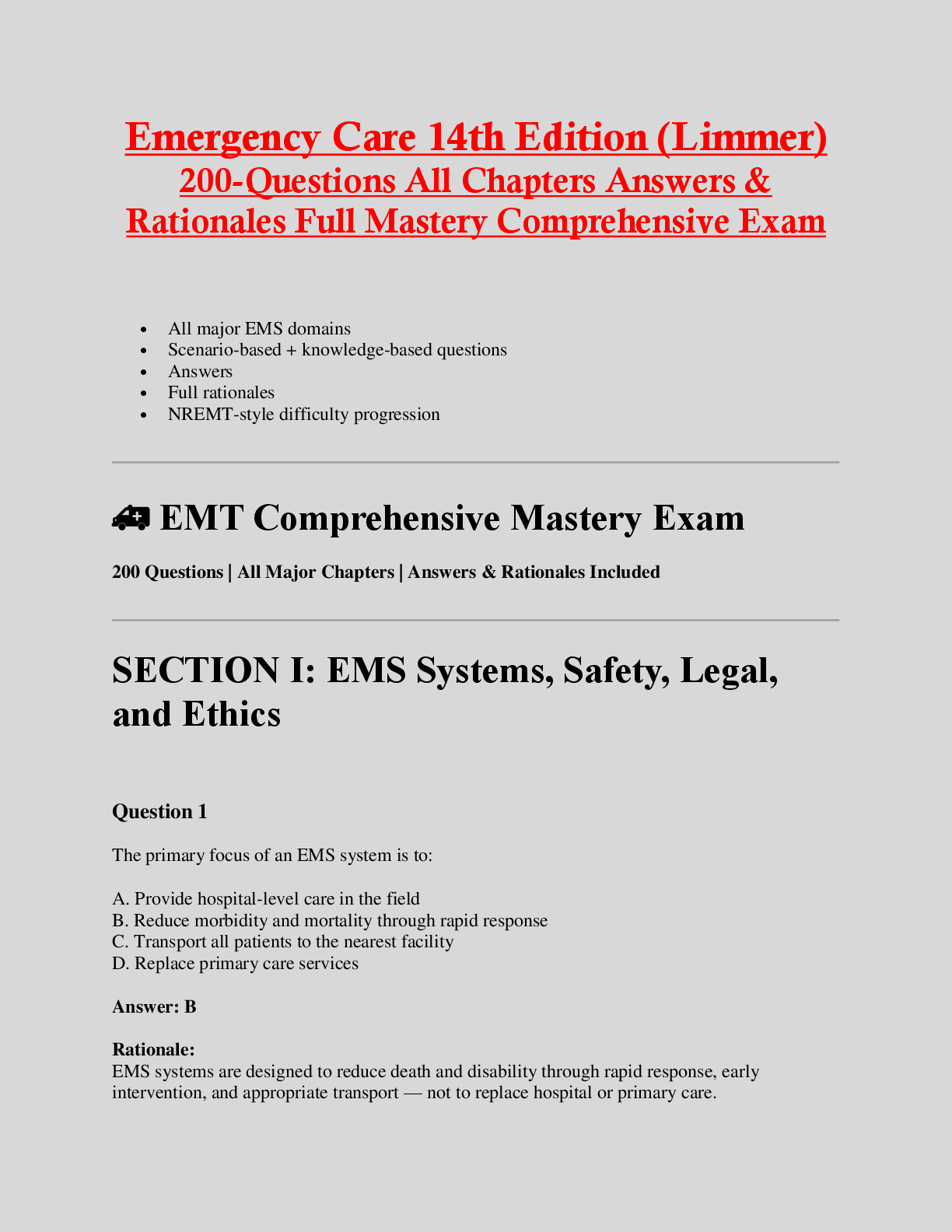
Emergency Care 14th Edition (Limmer) 200-Questions All Chapte...
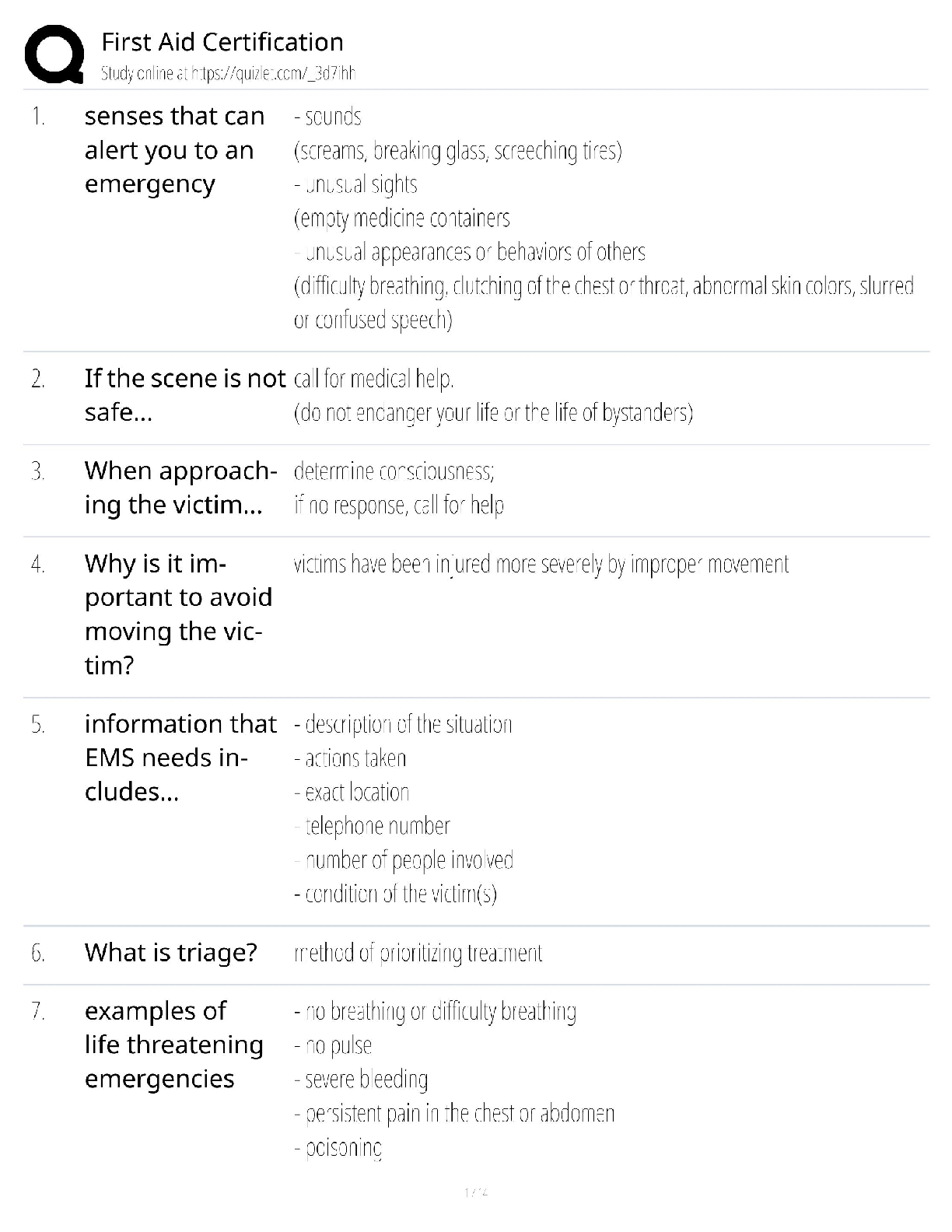
First Aid Certification CPR AED & BLS Study Guide & Practice E...