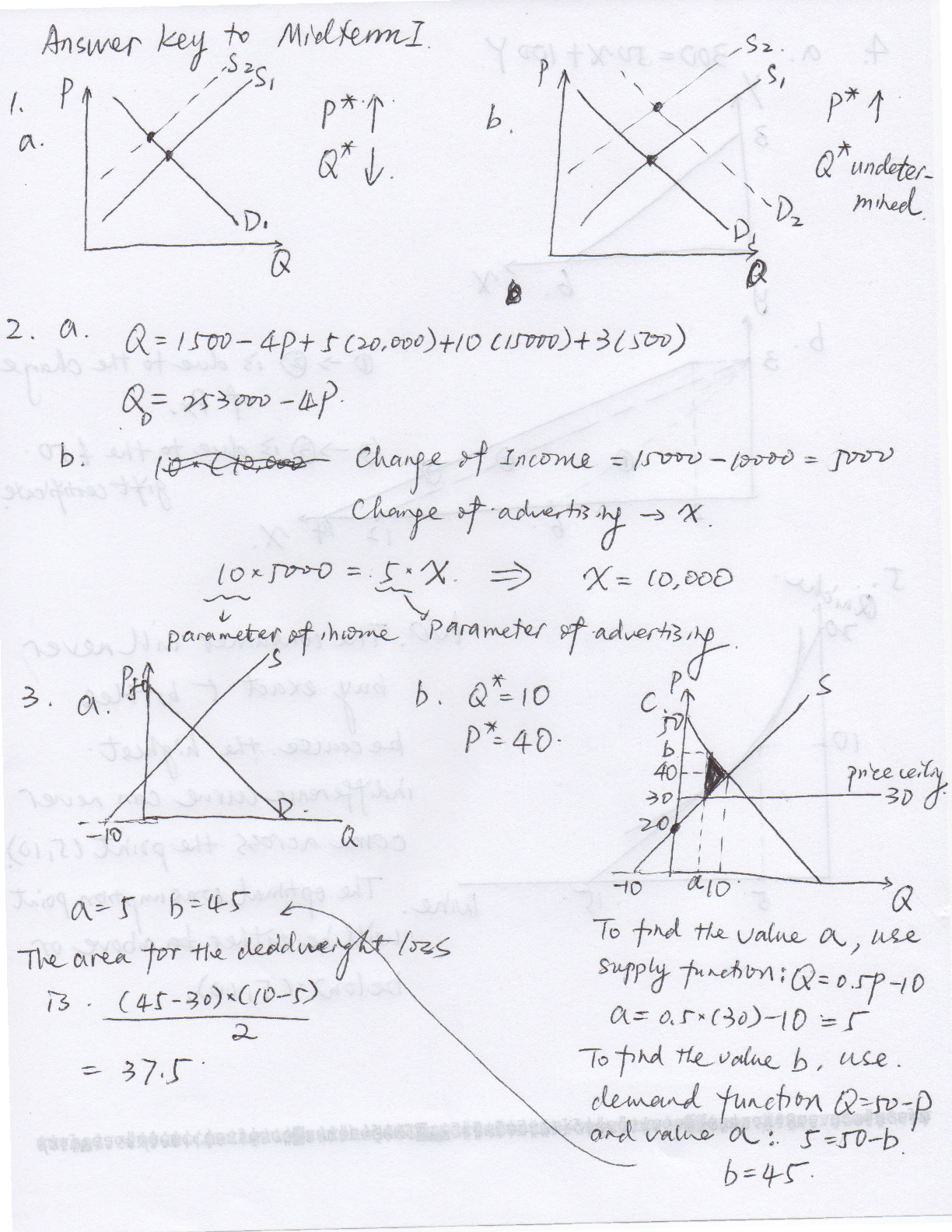
Economics > SOLUTIONS MANUAL > University of California, Berkeley Problem Set-4-Summer2020-Solutions Econ 100B: Economic Analysis { (All)
University of California, Berkeley Problem Set-4-Summer2020-Solutions Econ 100B: Economic Analysis { Macroeconomics
Document Content and Description Below
Last updated: 7 months ago
Preview 1 out of 11 pages
Instant download

Buy this Document to get the Full Access Instantly
Provided by Students Who Aced it
We Verify Document Content to Gurantee Accuracy
Reviews( 0 )
Document information
Connected school, study & course
About the document
Uploaded On
Jul 29, 2021
Number of pages
11
Written in
All

Additional information
This document has been written for:
Uploaded
Jul 29, 2021
Downloads
0
Views
340
Topic Tags
Recommended For You
Get more on SOLUTIONS MANUAL ».png)
University of California, Berkeley ECON 100B Problem Set 2 Sum...

University of California, BerkeleyECON 100BProblemSet-6-Summer...

University of California, Irvine - ECON 100CHomework 1: Answer...
Pathophysiology Final Exam Test Bank, full questions and answe...
.png)
Microeconomics Theory and Applications, 13e Edgar Browning, Ma...
.png)
Economics Principles and Policy, 14e William Baumol, Alan Blin...
Principles of Economics, 10e Gregory Mankiw (Solution Manual)

University of Southern California CSci 402 - Operating Syste...
MAAC 506 EXAM 1, all Answers 100% correct (verified Summer 202...

HESI A2 Critical Thinking Questions and Answers (Summer 2020)...
Walden University - NURS 6521 Advanced Pharmacology-Exam - SUM...


NR 509 Week 7 Immersion; Physical Assessment Questions-Answers...






.png)