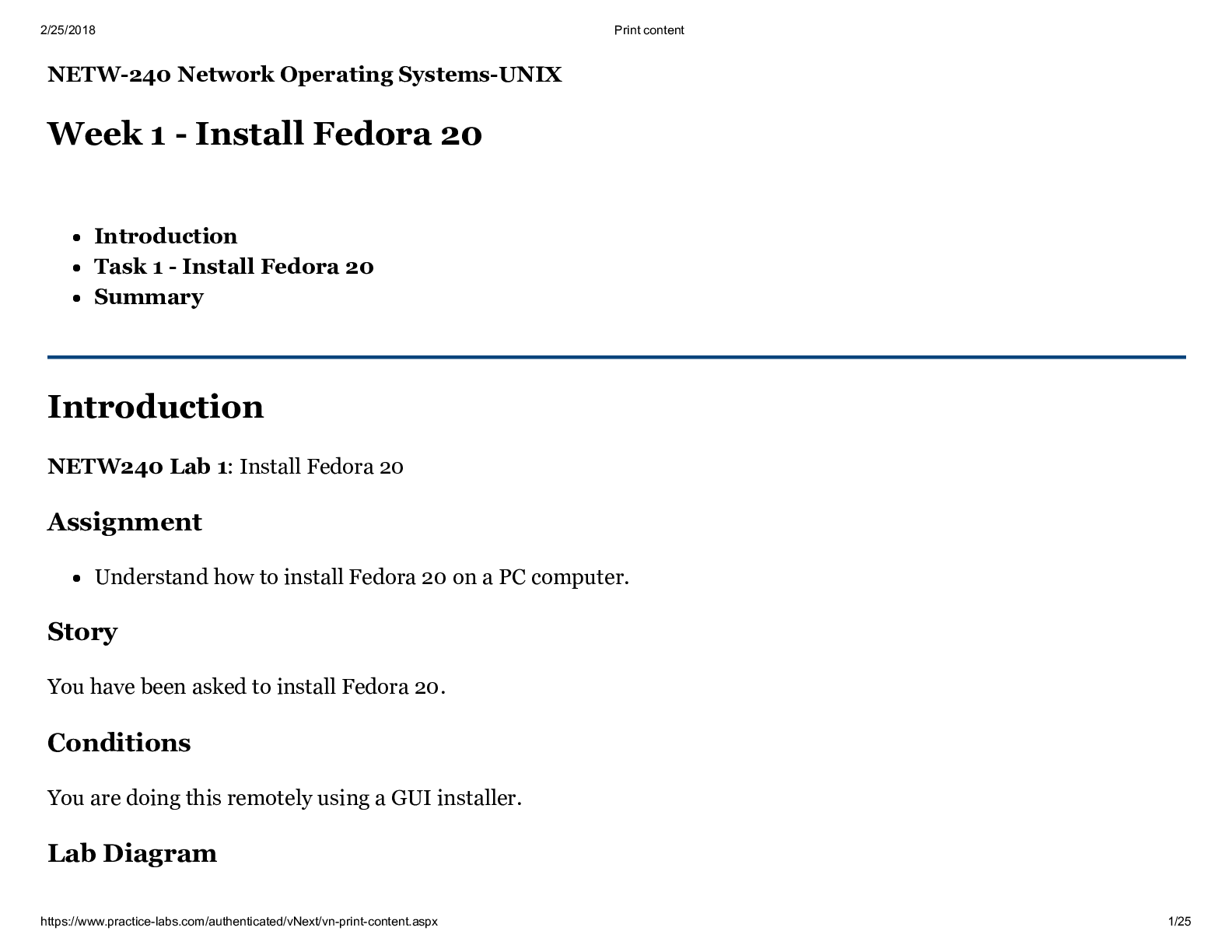
Mechanical Engineering > Report > CEE 554 field Shear Strength Tests- full report (All)
CEE 554 field Shear Strength Tests- full report
Document Content and Description Below
Last updated: 3 years ago
Preview 1 out of 37 pages
Instant download

Buy this Document to get the Full Access Instantly
Provided by Students Who Aced it
We Verify Document Content to Gurantee Accuracy
Reviews( 0 )
Document information
Connected school, study & course
About the document
Uploaded On
Jul 31, 2021
Number of pages
37
Written in
All

Additional information
This document has been written for:
Uploaded
Jul 31, 2021
Downloads
0
Views
210
Topic Tags
Recommended For You
Get more on Report »
Solution Manual for Quantum Mechanics A Graduate Course 1st Ed...

Solution Manual for Introduction to Quantum Field Theory Class...
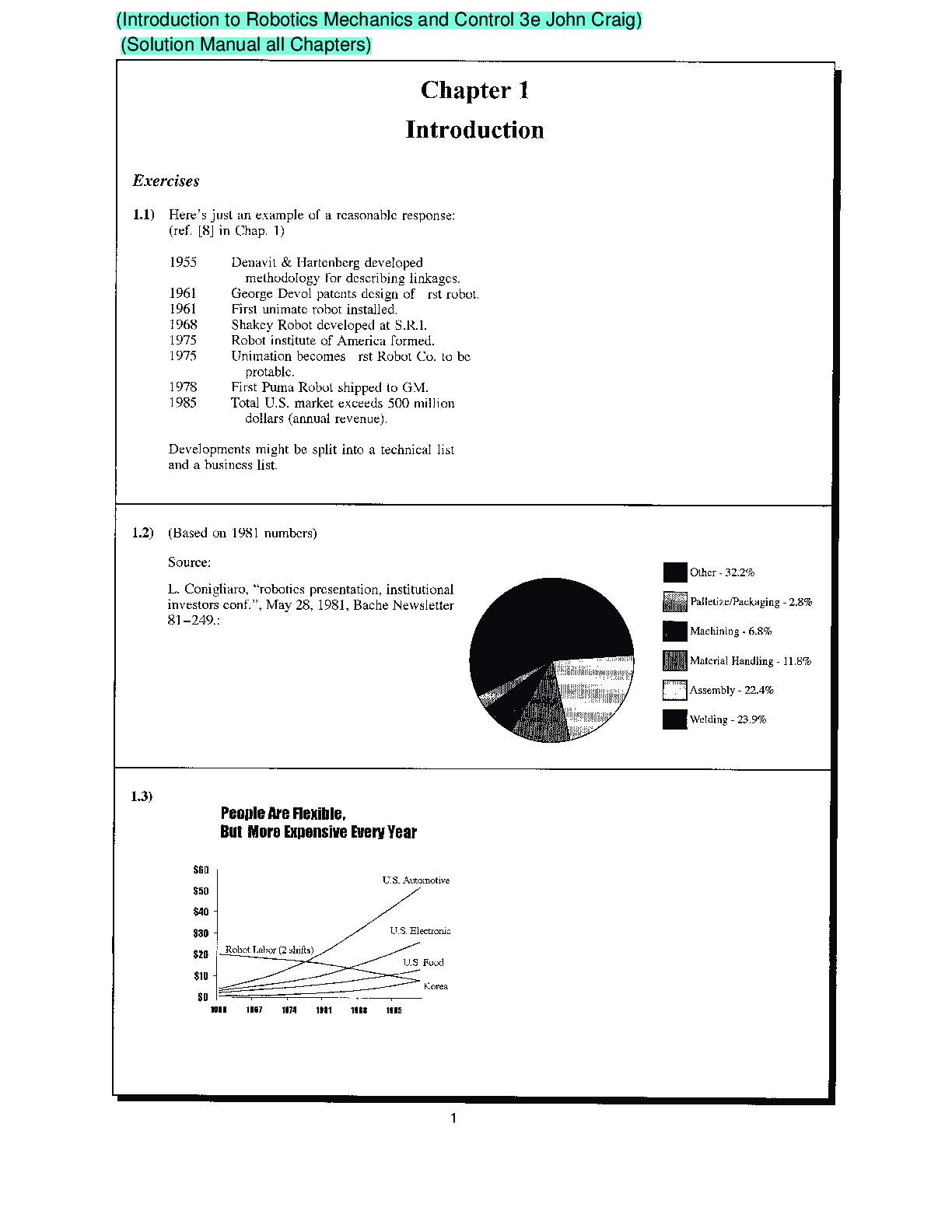
Introduction to Robotics Mechanics and Control 3rd Edition By...


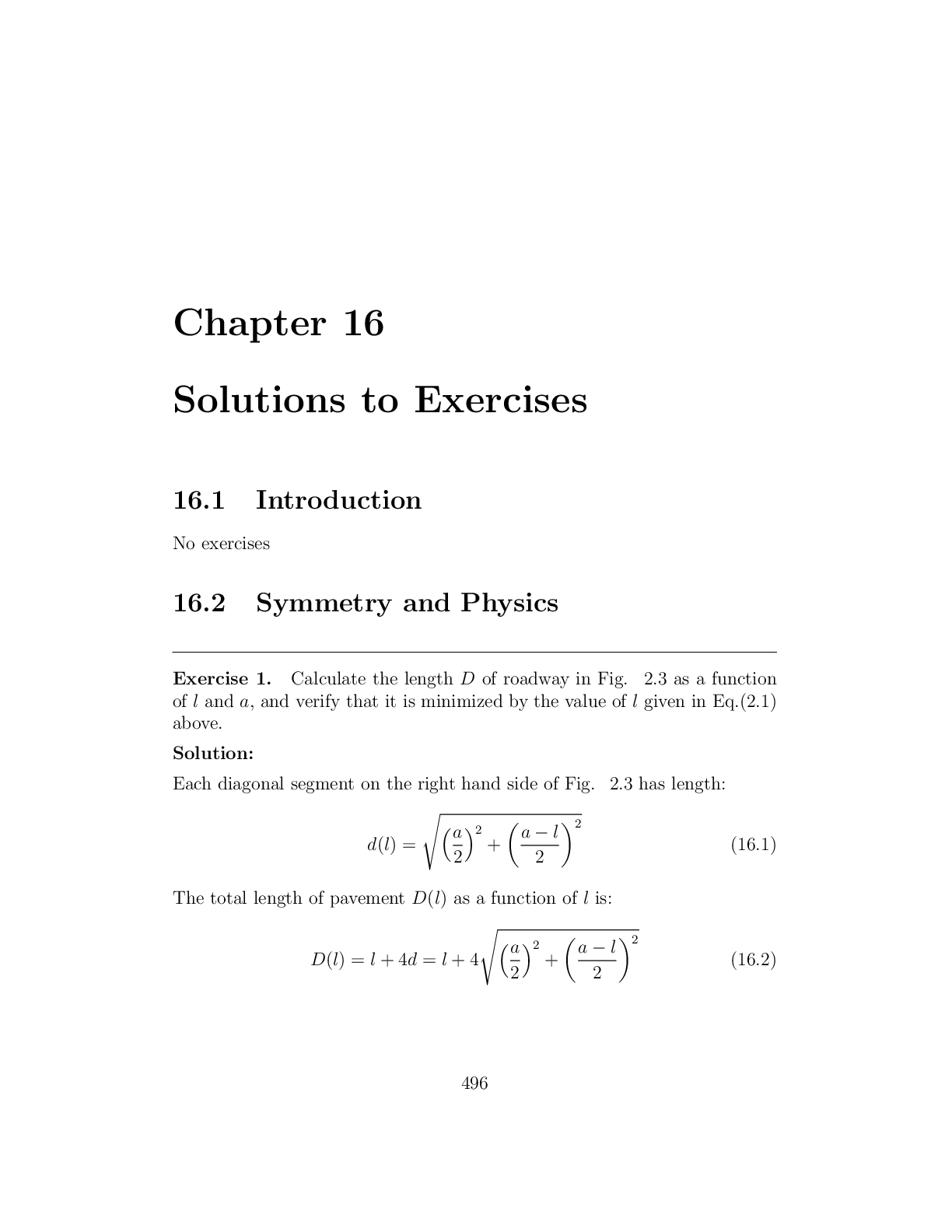
A First Course on Symmetry, Special Relativity and Quantum Mec...

Concordia UniversityMECH 412412_Assignment_3_2008F_solution Co...