English > DISCUSSION POST > MSN-FP6011- Evidence-Based Population Health Improvement Plan-LAPTOP-D3166JOJ. 2021 (All)
MSN-FP6011- Evidence-Based Population Health Improvement Plan-LAPTOP-D3166JOJ. 2021
Document Content and Description Below
Last updated: 4 years ago
Preview 1 out of 9 pages
Instant download

Buy this Document to get the Full Access Instantly
Provided by Students Who Aced it
We Verify Document Content to Gurantee Accuracy
Reviews( 0 )
Document information
Connected school, study & course
About the document
Uploaded On
Sep 12, 2021
Number of pages
9
Written in
All

Additional information
This document has been written for:
Uploaded
Sep 12, 2021
Downloads
0
Views
196
Topic Tags
Recommended For You
Get more on DISCUSSION POST »
MSN FP6011 Assessment2 1.docx MSN_FP_6011 Evidence-Based P...

FP6011__Assessment2_1.docx FP6011 Evidence-Based Population...

MSN_FP6011__Assessment2_2.docx MSN-FP6011 Evidenced Based Po...

MSN FP6011 Assessment1 1.docx MSN_FP_6011 Evidence-Based...

FP6011_Assessment1_1.docx FP6011 Evidence-Based Patient-Cent...


MSN_FP6011__Assessment3_1.docx MSN_FP6011 Patient Centered...

MSN_FP6011__Assessment1_1.docx MSN – FP6011 Concept Map...
 Block 1 to 7.png)
PPME Block 1-7 - Primary Professional Military Education (Enli...
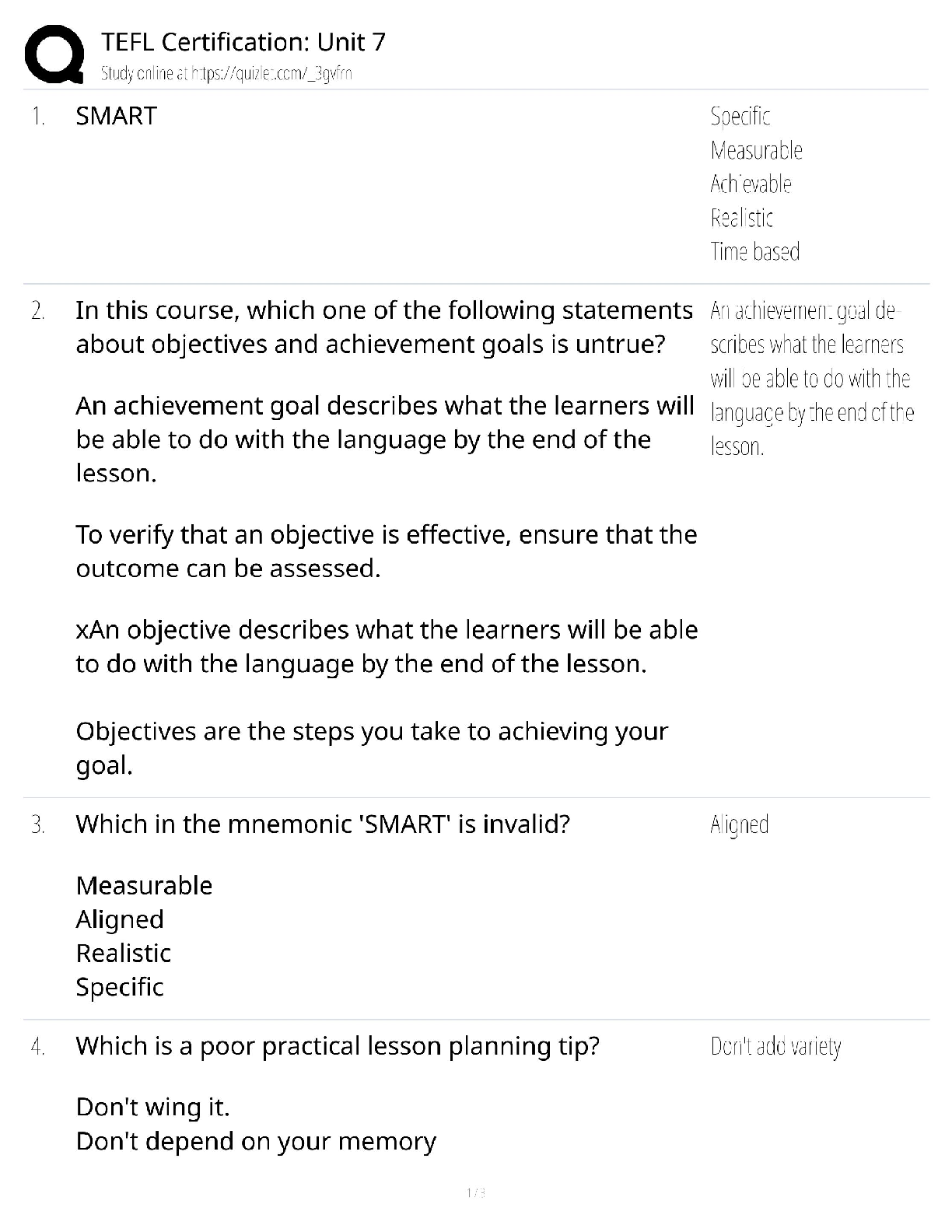

FP6011__Assessment3_1.docx FP6011 Patient-Centered Care Repo...

FP6011__assessment3.docx FP6011 Patient Centered Care Report...
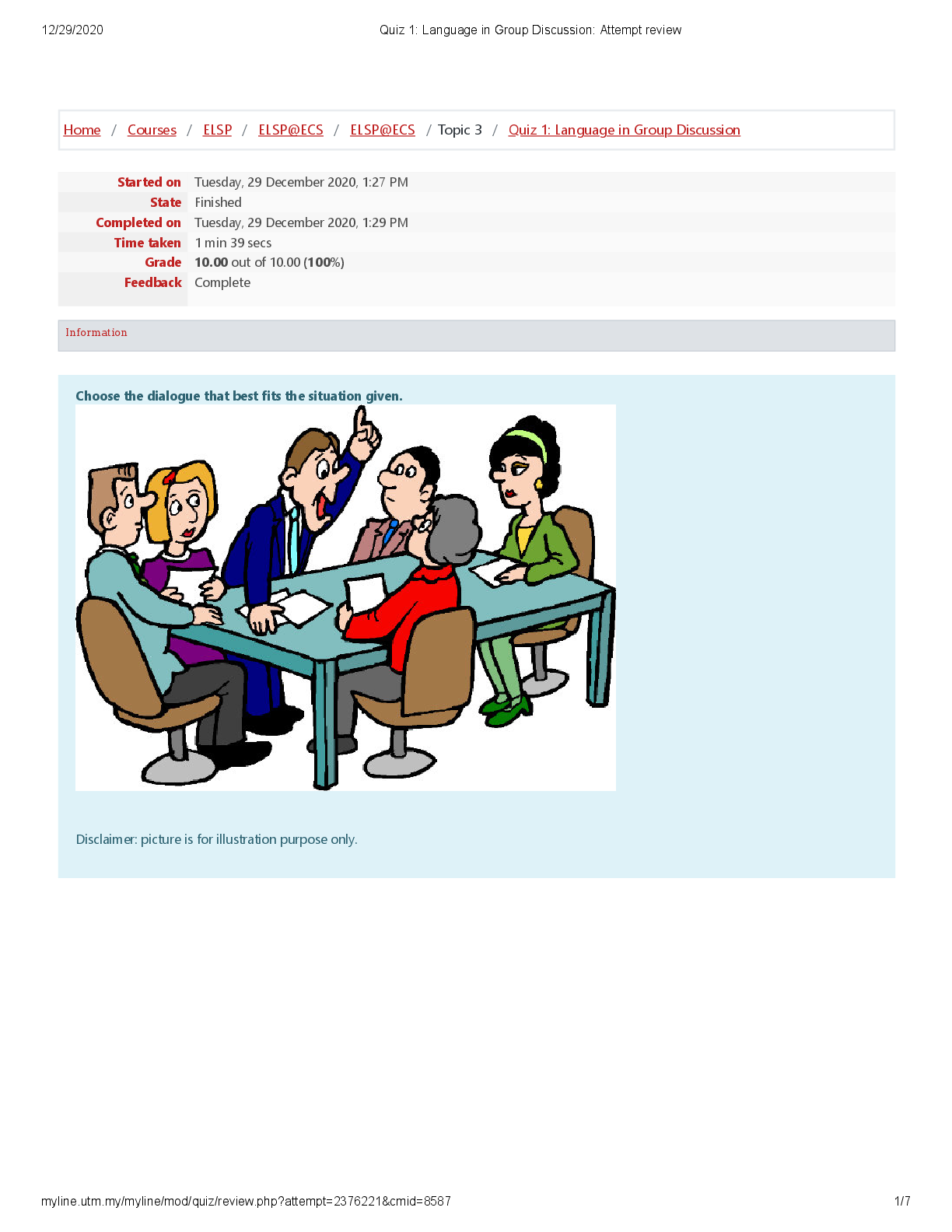
ENGLISH 3000 Quiz 1 Language in Group Discussion Attempt revie...
ENG 101 Graded Quiz 1.2- Frankenstein - Straighterline: Grade...