Economics > QUESTIONS & ANSWERS > University of California, Berkeley ECON 119 Econ119+f14+PS1+solutions (All)
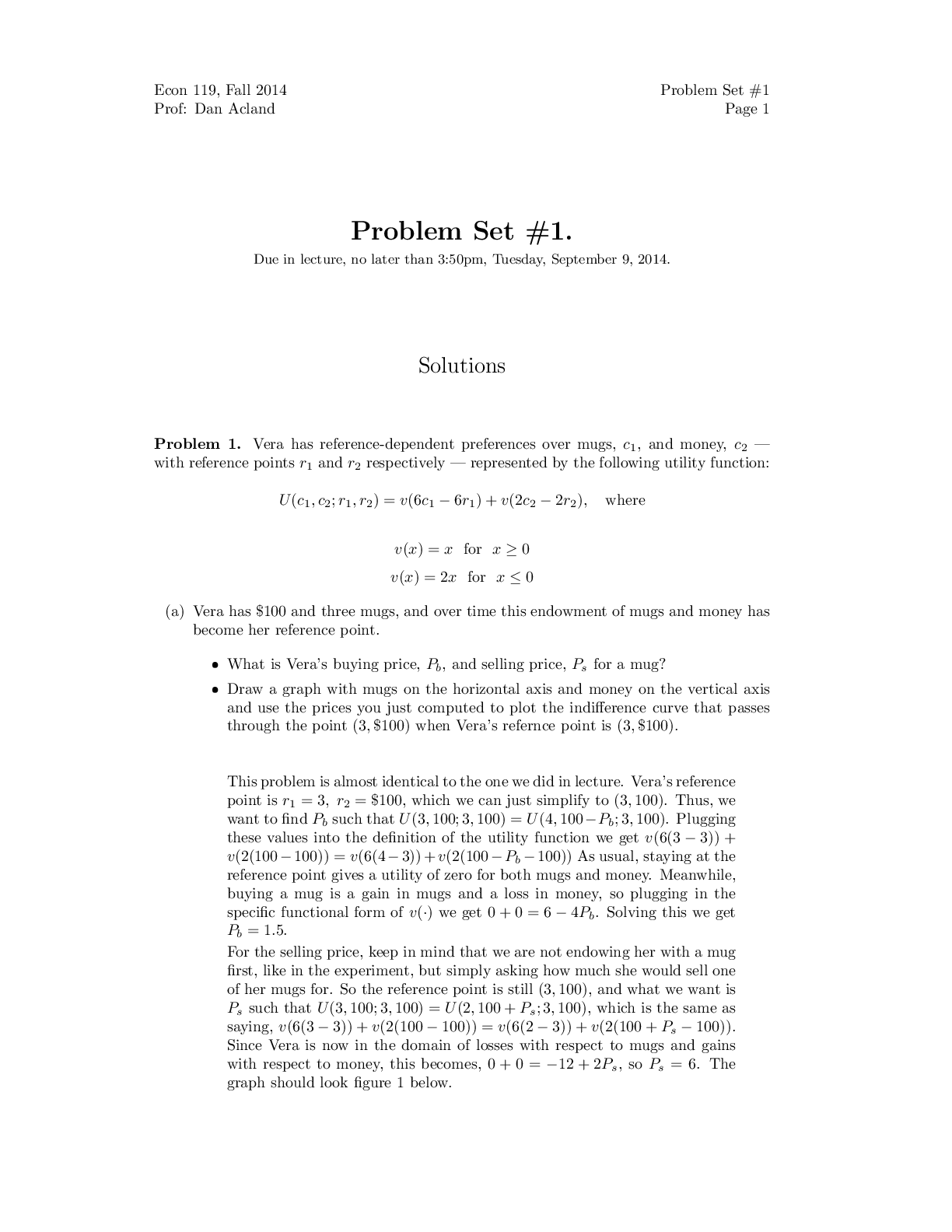
University of California, Berkeley ECON 119 Econ119+f14+PS1+solutions
Document Content and Description Below
Last updated: 4 years ago
Preview 1 out of 6 pages
Instant download
Buy this Document to get the Full Access Instantly
Provided by Students Who Aced it
We Verify Document Content to Gurantee Accuracy
Reviews( 0 )
Document information
Connected school, study & course
About the document
Uploaded On
Sep 19, 2021
Number of pages
6
Written in
All

Additional information
This document has been written for:
Uploaded
Sep 19, 2021
Downloads
0
Views
344
Topic Tags
Recommended For You
Get more on QUESTIONS & ANSWERS »
ASSESSMENT TASK 1: Individual Case Study on Descriptive Statis...

ANTH 11 - Pennsylvania State University-Midterm Exam 02 _Score...

ANTH 11 - Pennsylvania State University-Midterm Exam 02 _Score...
A Complete ABA Curriculum for Individuals on the Autism Spec...
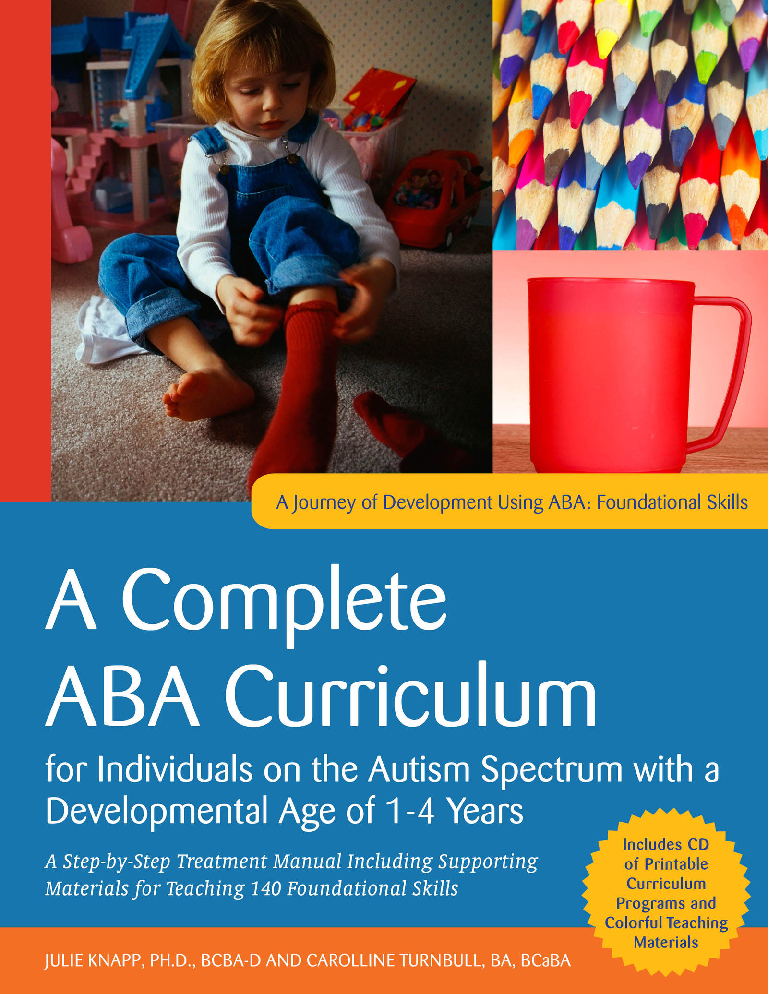
A Complete ABA Curriculum for Individuals on the Autism Spec...
ESS 101 INTRODUCTION TO GEOLOGY Laboratory 7: Geologic Time. Q...
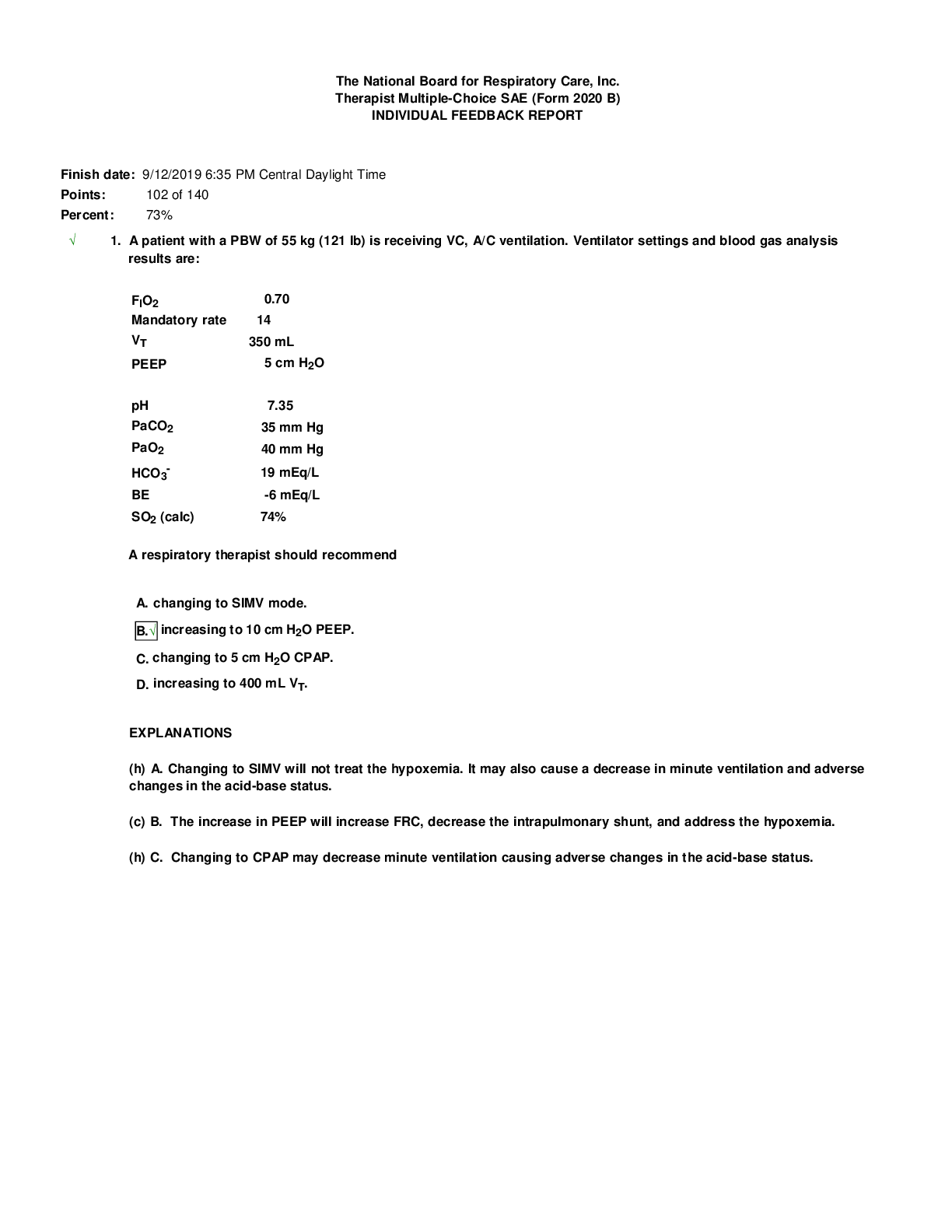
National Board for Respiratory Care, Therapist Multiple Choice...

Carleton University BUSI 3512 F14 Midterm verified Answers,100...

Unit 2 Quiz Assessment.docx Unit 2 Unit 2 Quiz Assessment Q...

Unit 2 Quiz Assessment.docx Unit 2 Unit 2 Quiz Assessment Q...
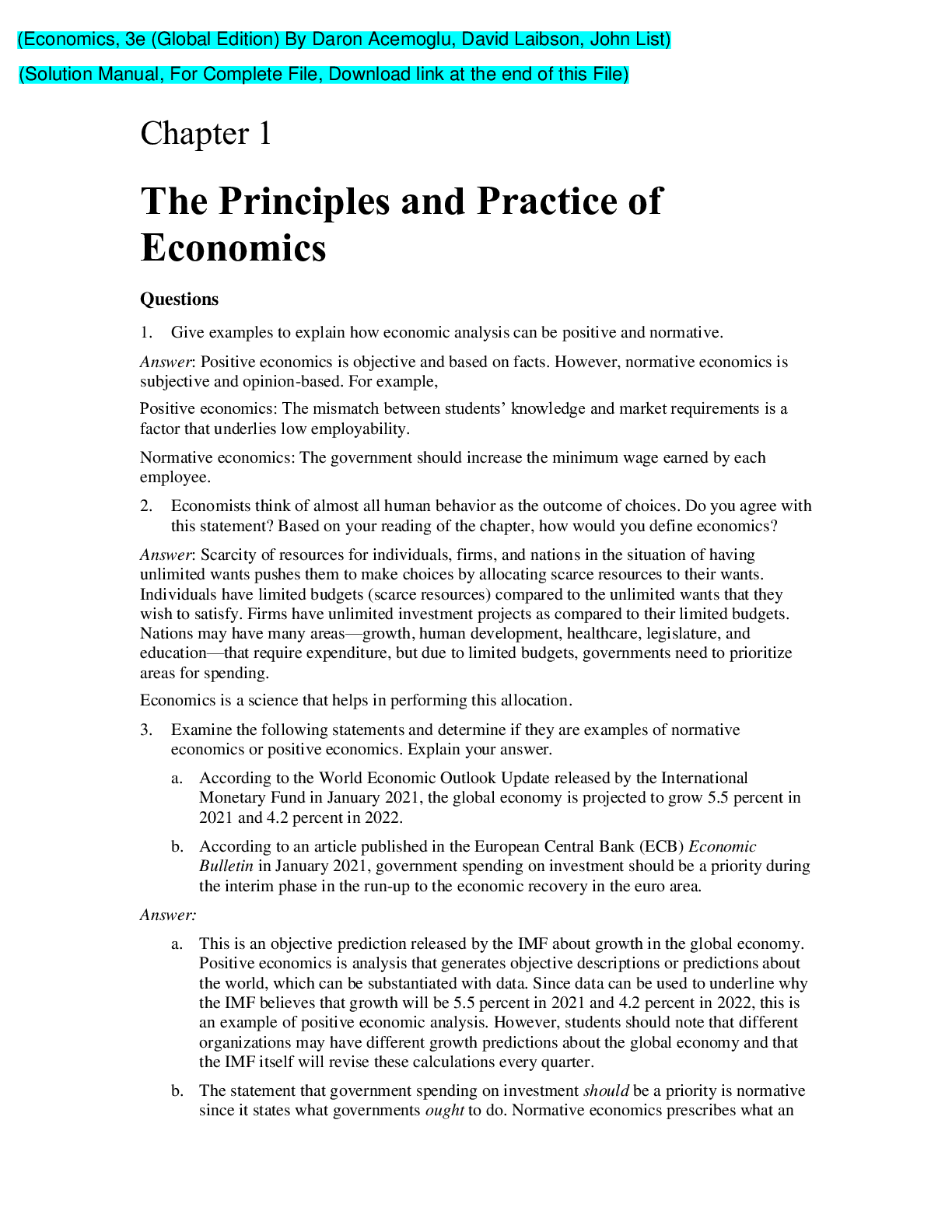
Economics 3rd Edition (Global Edition) By Daron Acemoglu, Davi...
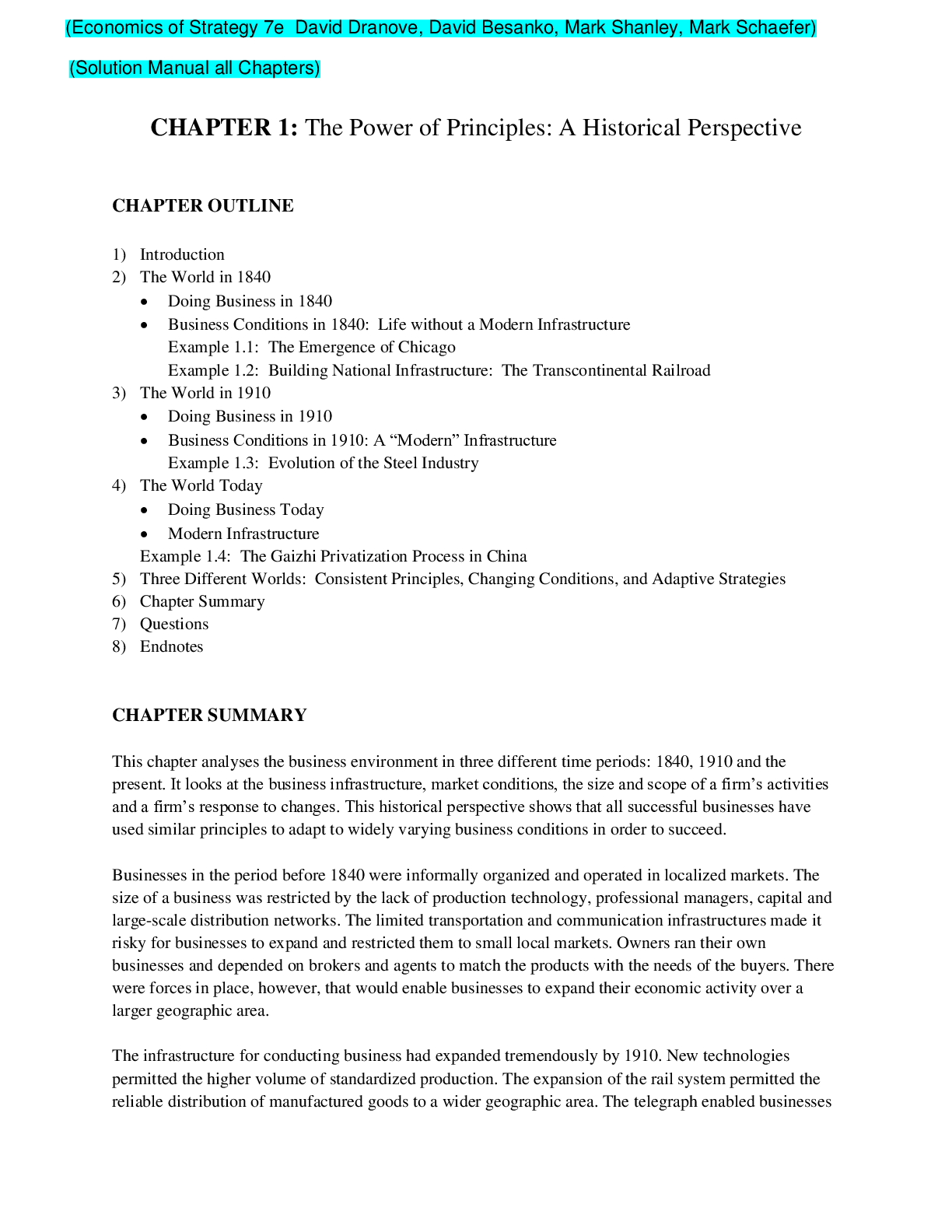
Economics of Strategy 7e David Dranove, David Besanko, Mark S...
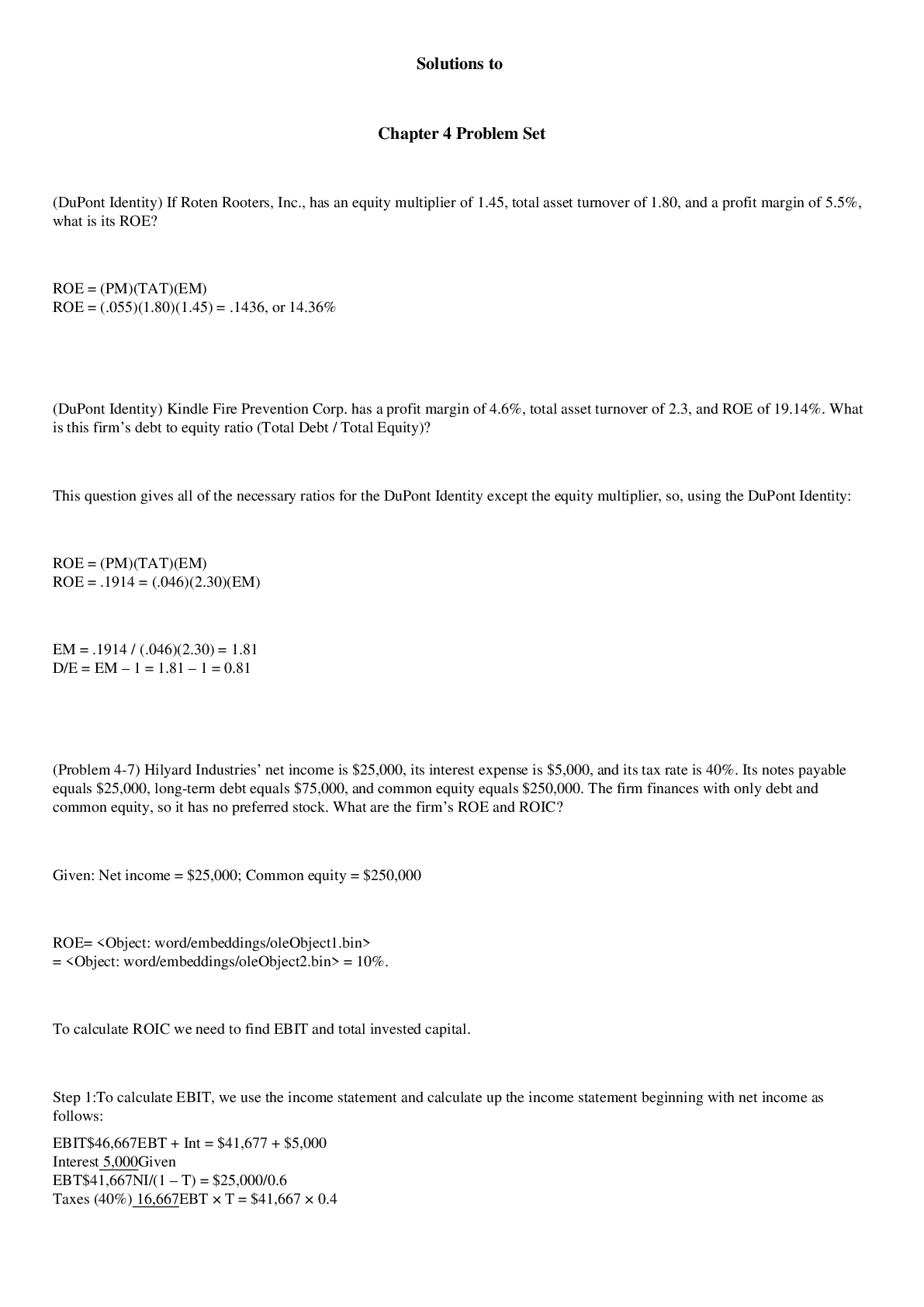
1. (DuPont Identity) If Roten Rooters, Inc., has an equity mul...

Answered step-by-step Sim's Lab Activity:Sheila, a gravid woma...