CHAPTER 1
Common cellular adaptations
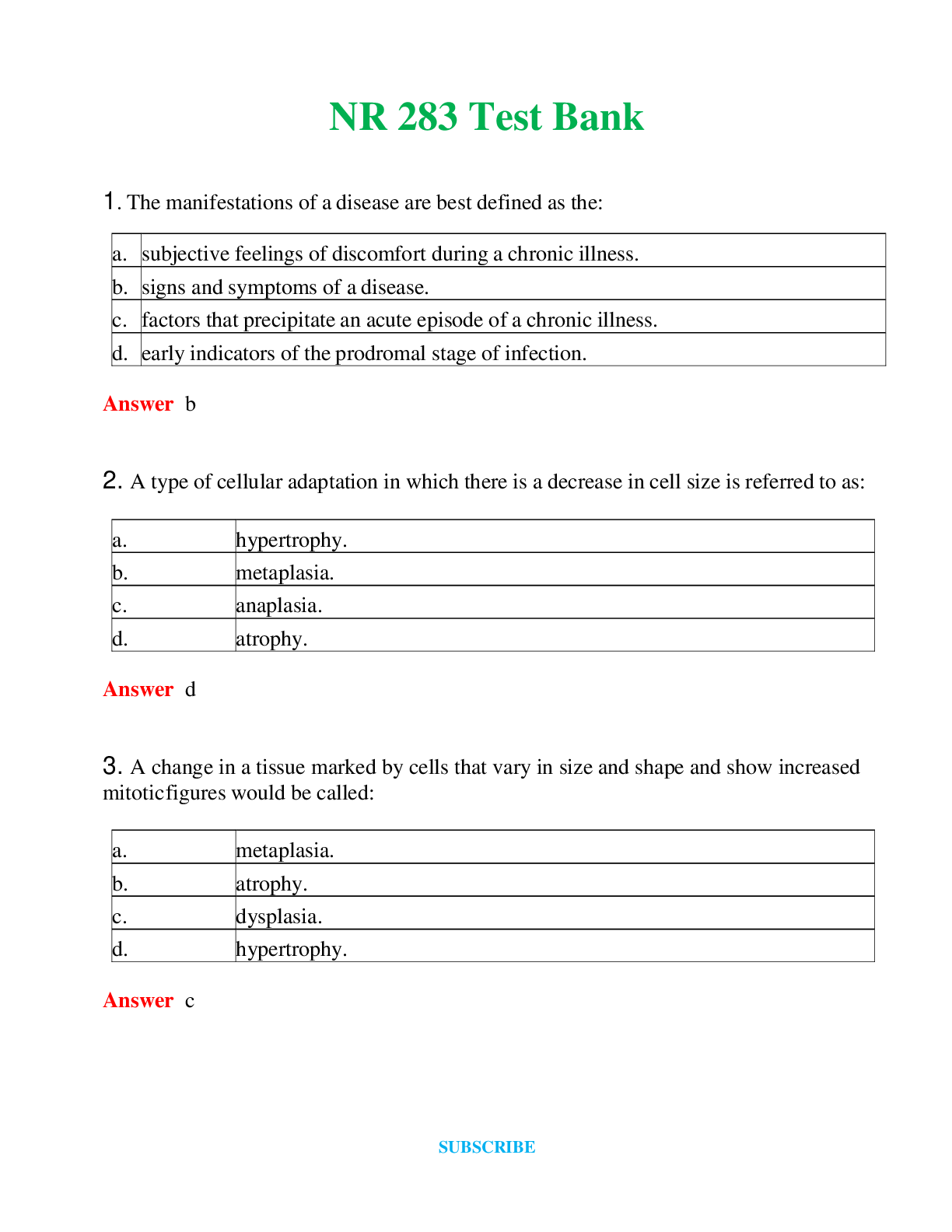
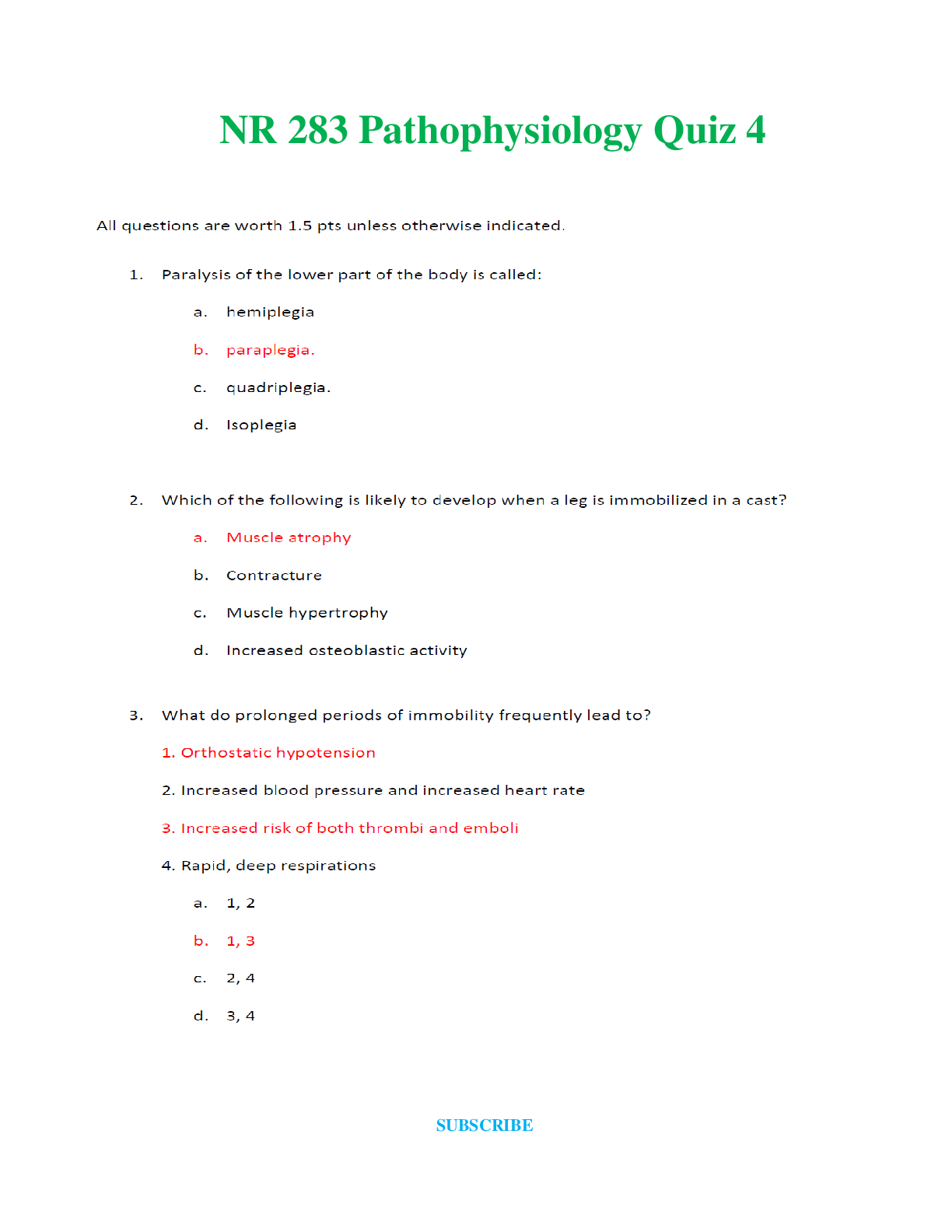
Atrophy refers to a decrease in the size of cells, resulting in a reduced tissue
mass. Common causes include reduced use of the tissue, insufficient nutrition, decreased
neurolog
...
CHAPTER 1
Common cellular adaptations
Atrophy refers to a decrease in the size of cells, resulting in a reduced tissue
mass. Common causes include reduced use of the tissue, insufficient nutrition, decreased
neurologic or hormonal stimulation, and aging. An example is the shrinkage of skeletal muscle
that occurs when a limb is immobilized in a cast for several weeks.
• Hypertrophy refers to an increase in the size of individual cells, resulting in an enlarged tissue
mass. This increase may be caused by additional work by the tissue, as demonstrated by an
enlarged heart muscle resulting from increased demands. A common example of hypertrophy is
the effect of consistent exercise on skeletal muscle, leading to an enlarged muscle mass.
Excessive hormonal stimulation may also stimulate cell growth.
• Hyperplasia is defined as an increased number of cells resulting in an enlarged tissue mass. In
some cases, hypertrophy and hyperplasia occur simultaneously, as in the uterine enlargement that
occurs during pregnancy. Hyperplasia may be a compensatory mechanism to meet increased
demands, or it may be pathologic when there is a hormonal imbalance. In certain instances there
may be an increased risk of cancer when hyperplasia occurs.
• Metaplasia occurs when one mature cell type is replaced by a different mature cell type. This
change may result from a deficit of vitamin A. Sometimes, metaplasia may be an adaptive
mechanism that provides a more resistant tissue; for instance, when stratified squamous
epithelium replaces ciliated columnar epithelium in the respiratory tracts of cigarette smokers.
Although the new cells present a stronger barrier, they result in decreased defenses for the lungs
because cilia are no longer present as a defense mechanism for the simpler squamous cells in the
mucosa.
• Dysplasia is the term applied to tissue in which the cells vary in size and shape, large nuclei are
frequently present, and the rate of mitosis is increased. This situation may result from chronic
irritation infection, or it may be a precancerous change. Detection of dysplasia is the basis of
routine screening tests for atypical cells such as the Pap smear (Papanicolaou test on cervical
cells).
• Anaplasia refers to cells that are undifferentiated with variable nuclear and cell structures and
numerous mitotic figures. Anaplasia is characteristic of cancer and is the basis for grading the
aggressiveness of a tumor.
• Neoplasia means “new growth,” and a neoplasm is commonly called a tumor. Tumors are of
two types, benign and malignant. Malignant neoplasms are referred to as cancer. Benign tumors
do not necessarily become malignant. Benign tumors are usually considered less serious because
they do not spread and are not life threatening unless they are found in certain locations, such as
the brain, where they can cause pressure problems. The characteristics of each tumor depend on
the specific type of cell from which the tumor arises, resulting in a unique appearance and
growth pattern. Neoplasms are discussed further in
[Show More]