NURSING > Study Notes > Chamberlain College of Nursing BIOS 242 biology midterm . (All)
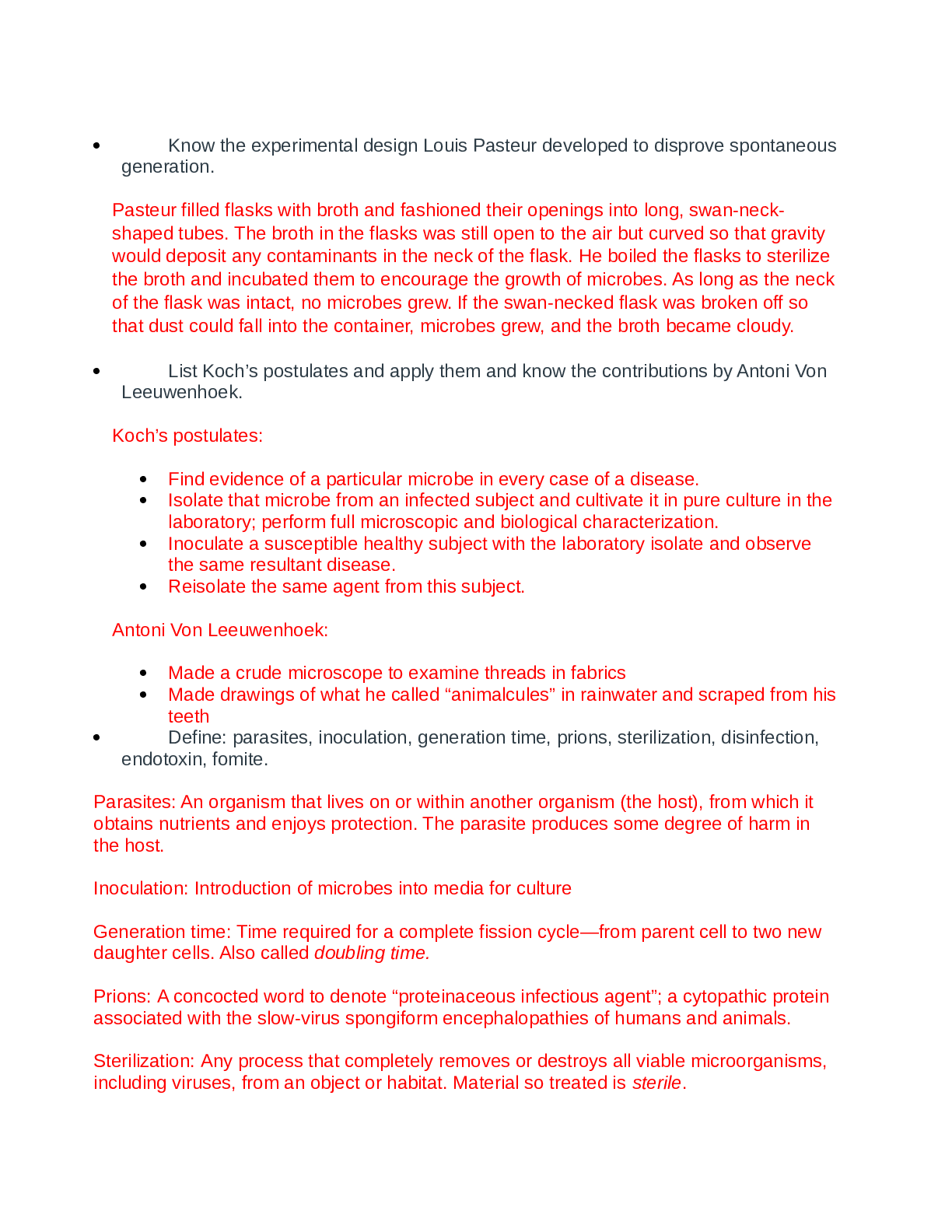
Chamberlain College of Nursing BIOS 242 biology midterm .
Document Content and Description Below
Last updated: 4 years ago
Preview 1 out of 13 pages
Instant download
Buy this Document to get the Full Access Instantly
Provided by Students Who Aced it
We Verify Document Content to Gurantee Accuracy
Reviews( 0 )
Document information
Connected school, study & course
About the document
Uploaded On
Oct 08, 2021
Number of pages
13
Written in
All

Additional information
This document has been written for:
Uploaded
Oct 08, 2021
Downloads
0
Views
318
Topic Tags
Recommended For You
Get more on Study Notes »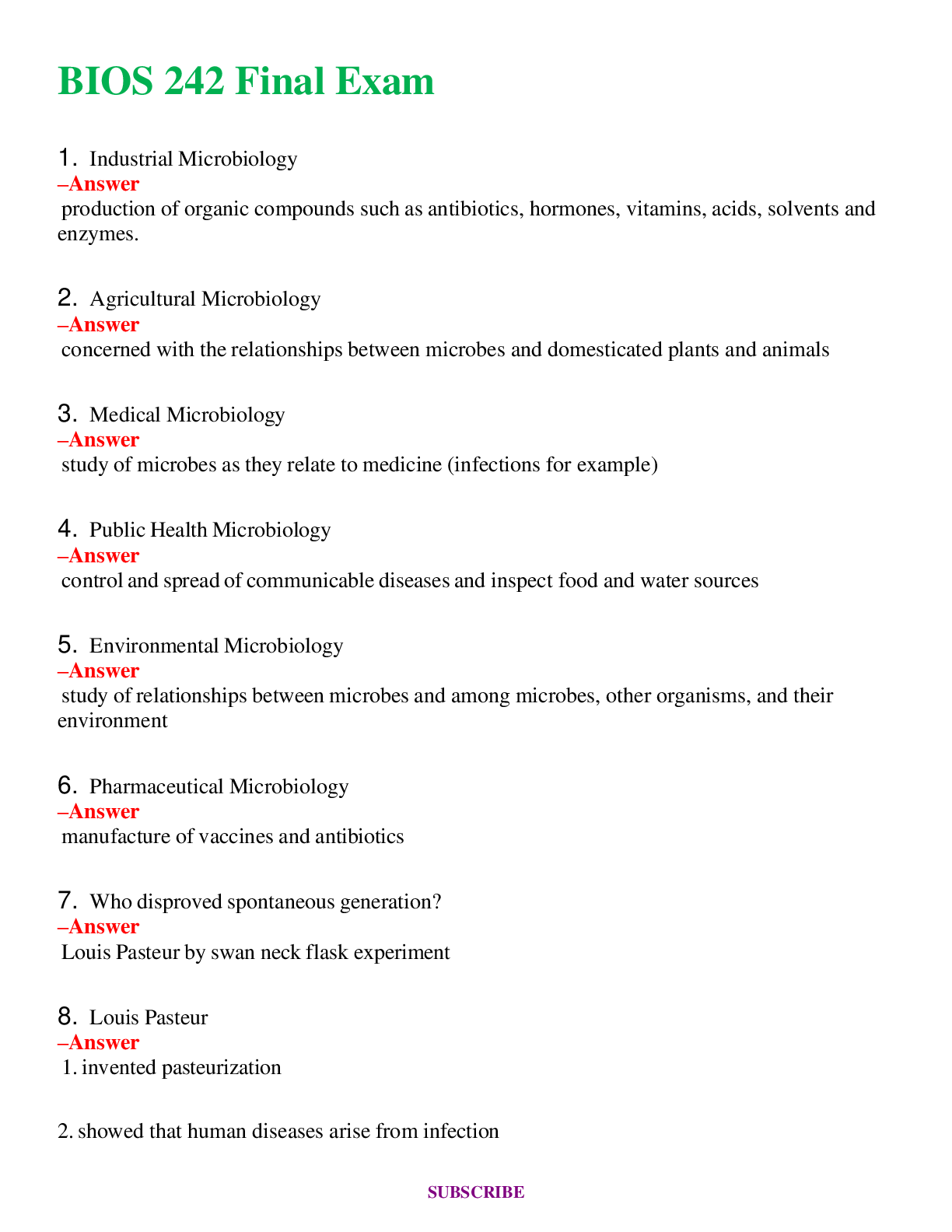
BIOS 242 Final Chamberlain Questions and Answers (Verified A...
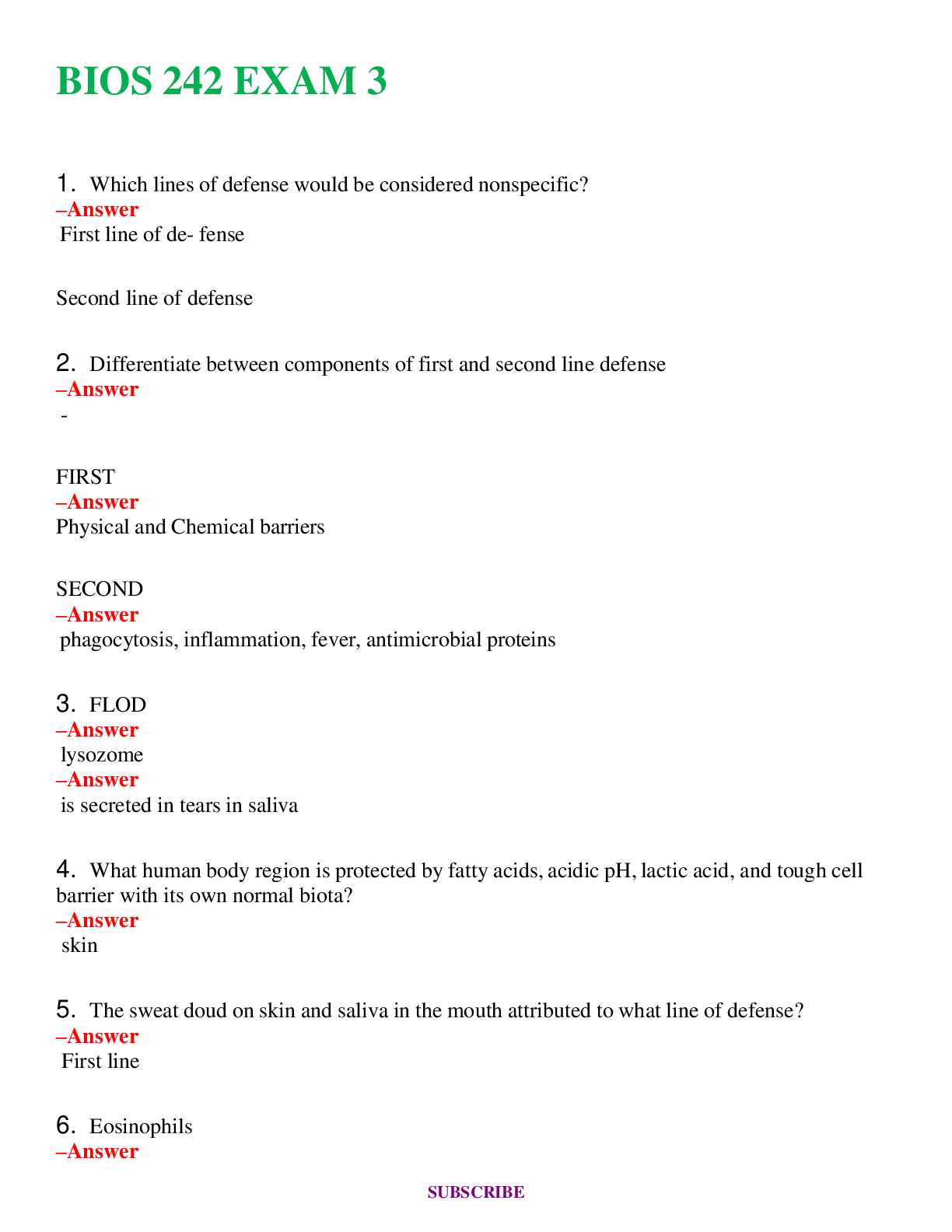
BIOS 242 EXAM 3 Questions and Answers (Verified Answers)
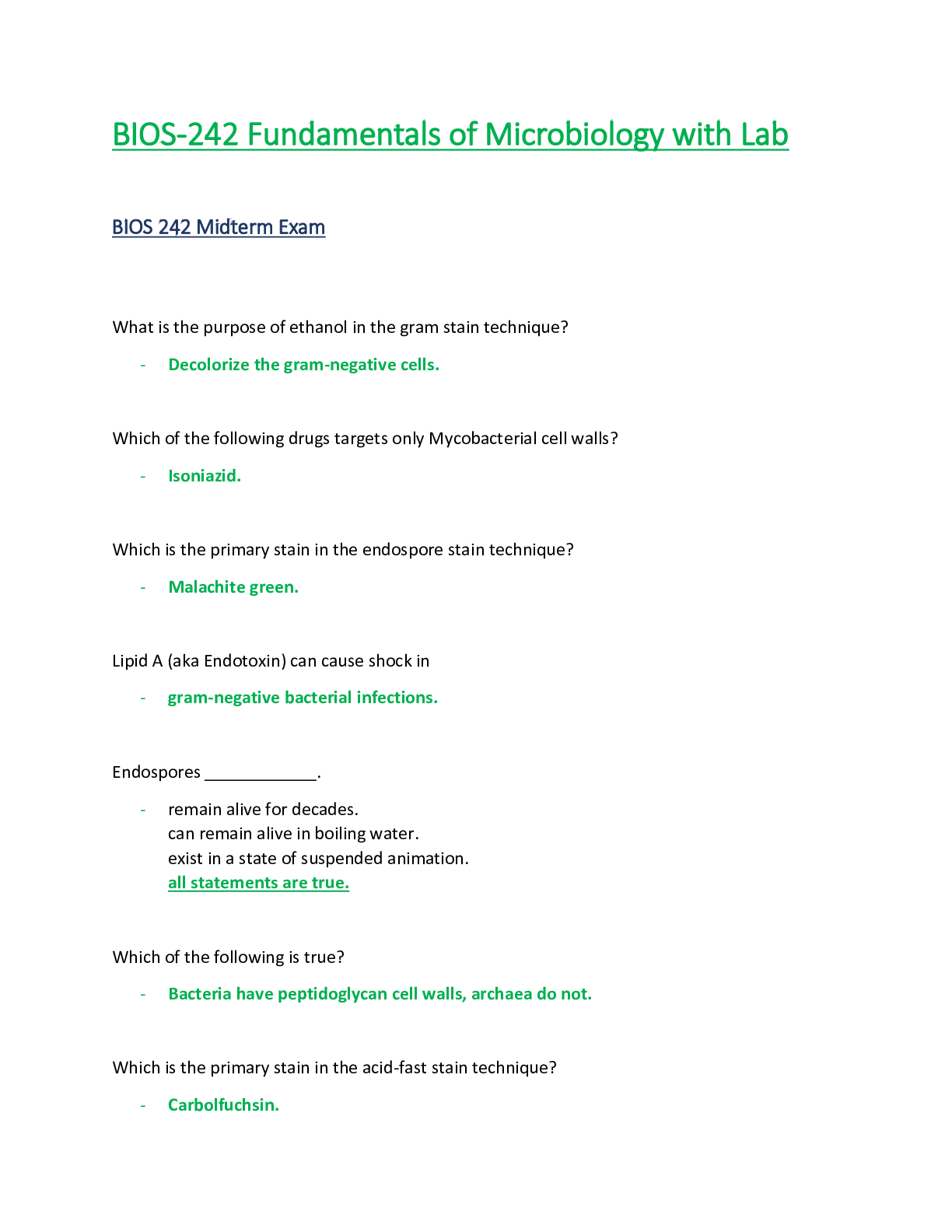
BIOS242 / BIOS 242 Midterm Exam (Latest Update): Fundamentals...
BIOS242 / BIOS 242 Midterm Exam : Fundamentals of Microbiolog...
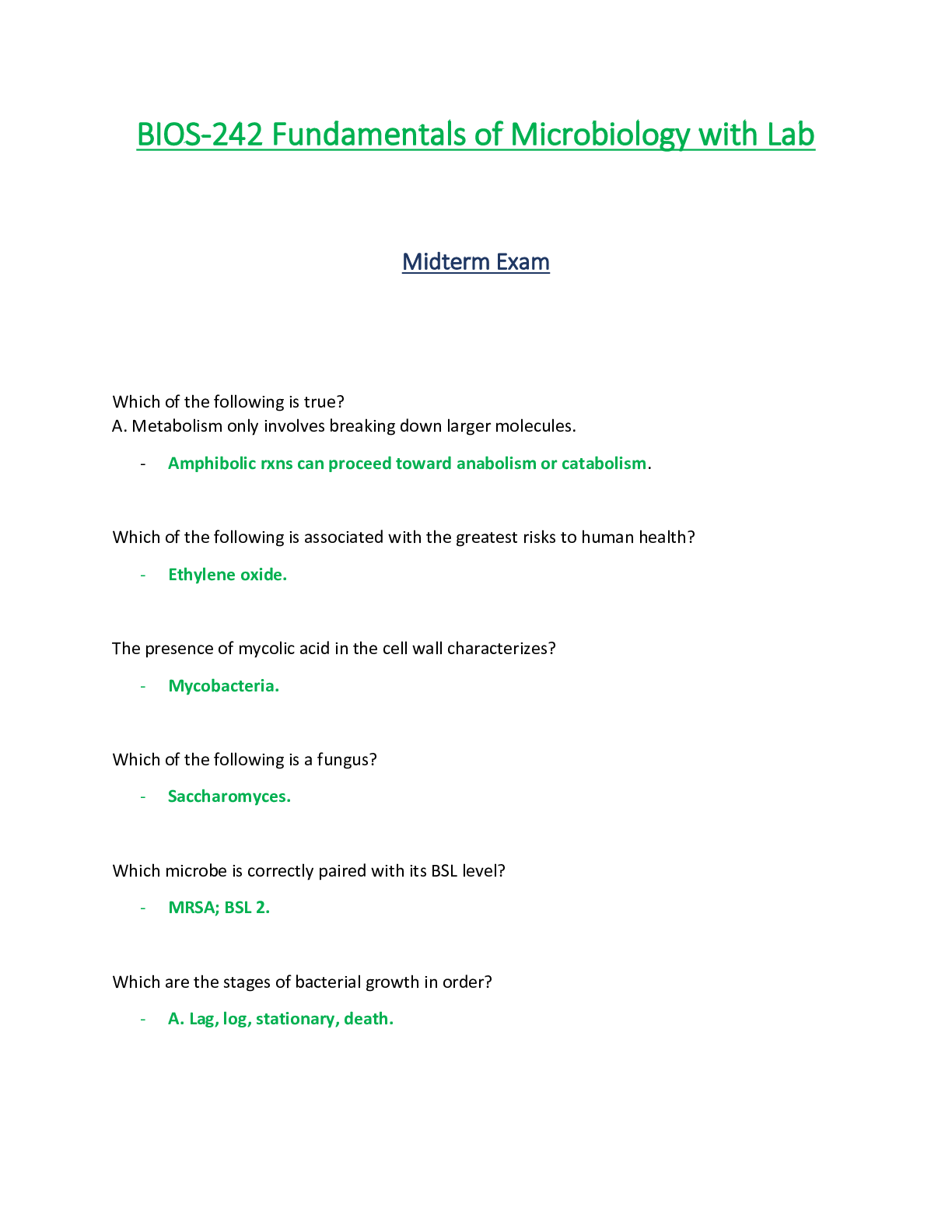
BIOS242 / BIOS 242 Midterm Exam : Fundamentals of Microbiolog...
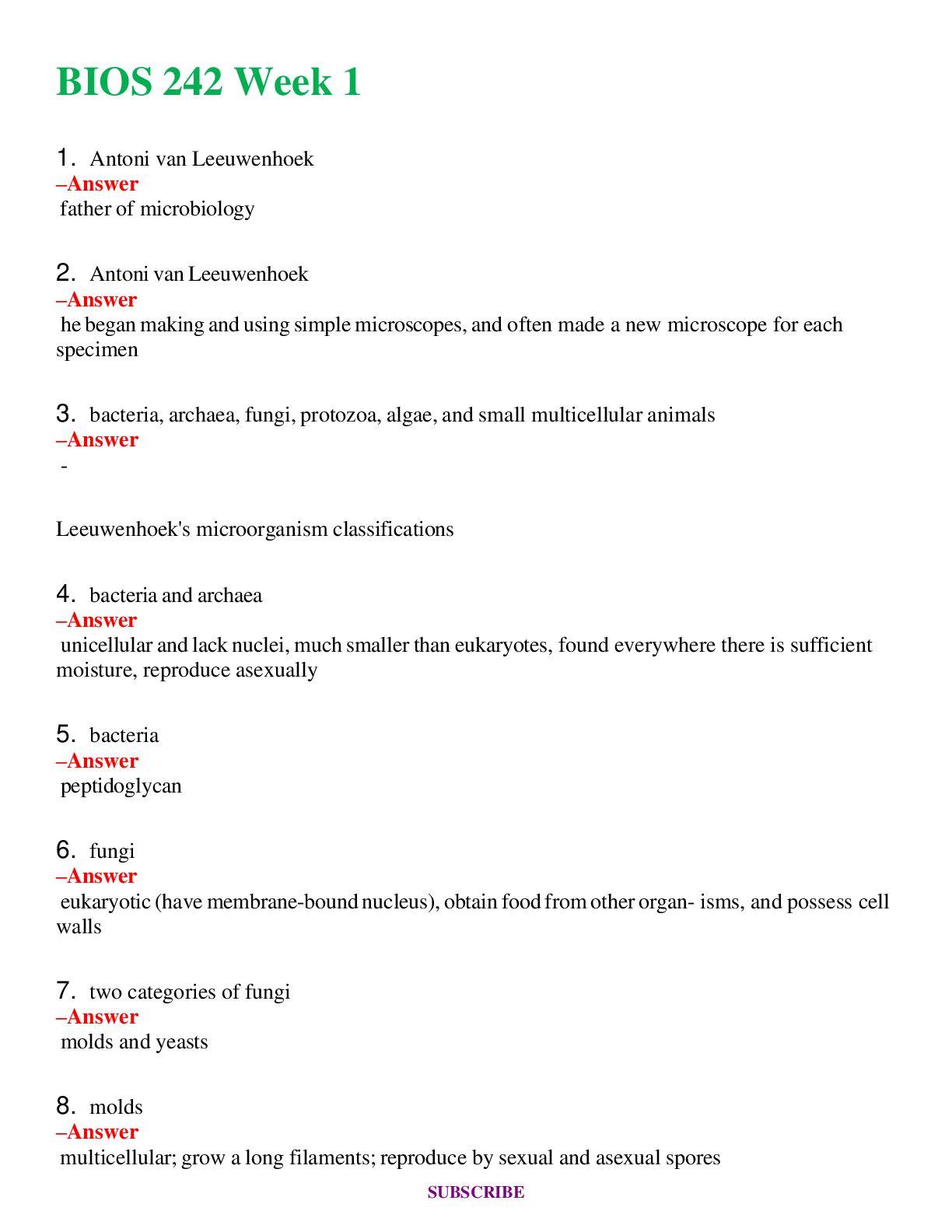
BIOS 242 Week 1 Questions and Answers (Verified Answers)
TEST BANK for Davis Advantage for Psychiatric Mental Health Nu...
Test Bank For Fundamentals of Nursing 11th Edition Potter Perr...
TEST BANK for Essentials of Psychiatric Mental Health Nursing:...
Essentials of Psychiatric Nursing 2nd Edition Boyd TEST BANK
TEST BANK for Essentials of Psychiatric Nursing 2nd Edition by...
Test Bank for Essentials of Psychiatric Nursing 2nd Edition by...

NR 566 / NR566 Advanced Pharmacology Care of the Family Week 3...


Tina Jones Shadow Health Experience Overview Health History N...
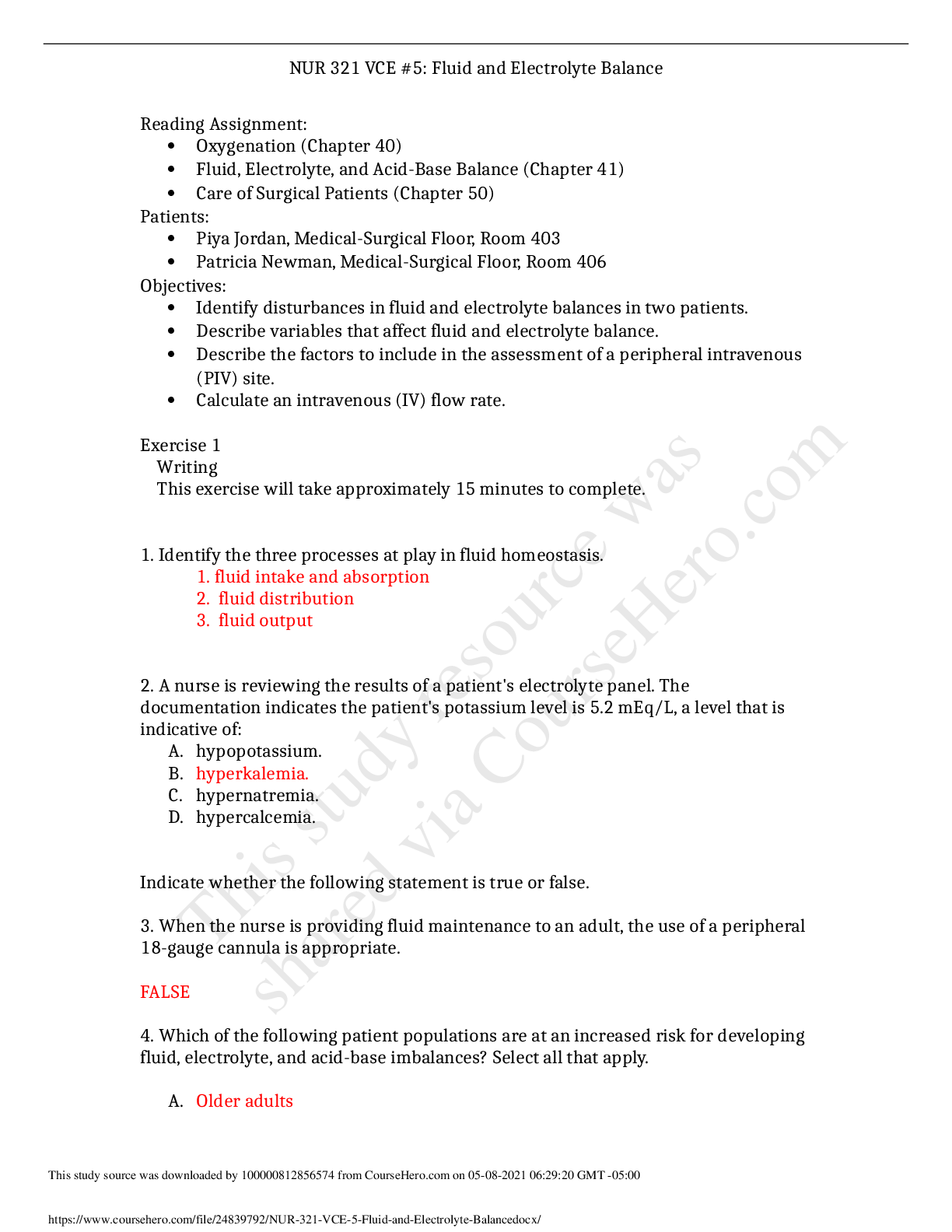
.png)






.png)