Date of Completion
Jul 18, 2020 09:22 AM
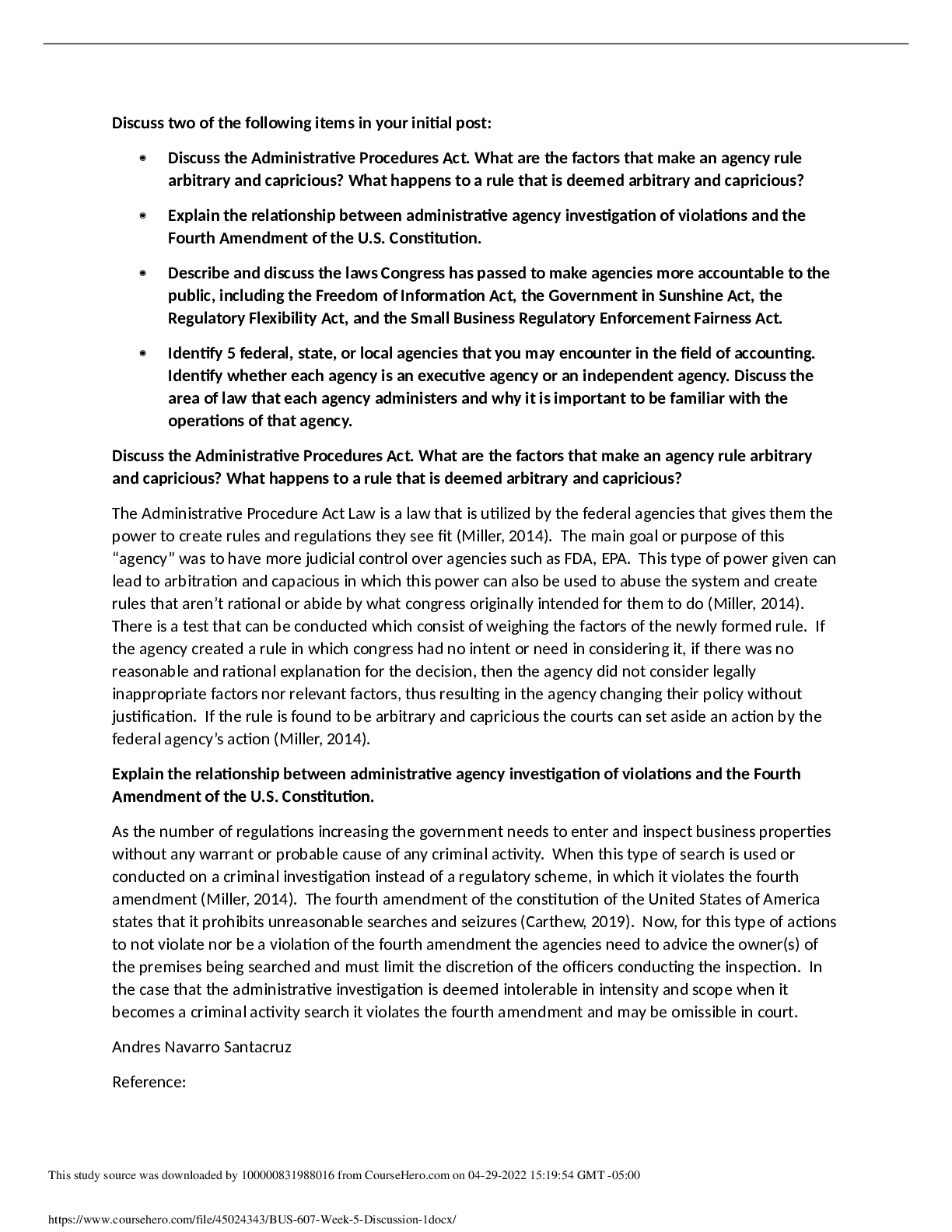
Rashid Ahmed
Age: 50 years
Diagnosis: Dehydration and Hypokalemia
Score
0
0
0
100%
Feedback Log
0:00 You arrived at the patient's side.
0:00
...
Date of Completion
Jul 18, 2020 09:22 AM
Rashid Ahmed
Age: 50 years
Diagnosis: Dehydration and Hypokalemia
Score
0
0
0
100%
Feedback Log
0:00 You arrived at the patient's side.
0:00 You reviewed the patient information.
0:00 You reviewed the patient log.
0:00 You reviewed the diagnostics.
0:00 You reviewed the clinical observations.
This study source was downloaded by 100000831988016 from CourseHero.com on 01-07-2022 02:58:23 GMT -06:00
https://www.coursehero.com/file/65527680/Feedback-Log-Score-Rashid-Ahmedpdf/
7/22/2020 Feedback Log & Score — Rashid Ahmed Jul 18, 2020 09:22 AM
https://simserver.wkhpe.com/debriefing/debrief.aspx?dss=https%3A%2F%2Fsso.wkhpe.com%2FDebriefingLog%2FSingle%2F1f54f362-a8ba-4009-9… 2/7
0:00 You reviewed the MAR.
0:00 You reviewed the orders.
0:00 You reviewed the intake and output.
0:05 You washed your hands. To maintain patient safety, it is important to wash your
hands as soon as you enter the room.
0:10 Patient status - ECG: Sinus tachycardia. There are supraventricular ectopic beats. Heart
rate: 120. Pulse: Present. Blood pressure: 98/70 mm Hg. Respiration: 29. Conscious state:
Appropriate. SpO2: 97%. Temp: 101 F (38.5 C)
1:10 Patient status - ECG: Sinus tachycardia. There are supraventricular ectopic beats. Heart
rate: 120. Pulse: Present. Blood pressure: 97/71 mm Hg. Respiration: 29. Conscious state:
Appropriate. SpO2: 97%. Temp: 101 F (38.5 C)
1:30 You introduced yourself. This was reasonable.
1:45 You identified the patient. To maintain patient safety, it is important that you
quickly identify the patient.
1:55 You asked if the patient was <Allergy>allergic<> to anything. He replied:
'No, I am not allergic to anything.'
2:05 You asked the patient how he felt. He replied: 'I am so sick. I feel really
weak and dizzy.'
2:10 Patient status - ECG: Sinus tachycardia. There are supraventricular ectopic beats. Heart
rate: 120. Pulse: Present. Blood pressure: 98/71 mm Hg. Respiration: 29. Conscious state:
Appropriate. SpO2: 96%. Temp: 101 F (38.4 C)
2:11 You asked what happened. He replied: 'I have had diarrhea for 2 to 3 days;
it has been very severe, liquidy, and brown.'
2:25 You asked the patient what other symptoms he had. He replied: 'Tired and
weak.'
2:29 You asked the patient if he had had anything to eat or drink today. He replied:
'I am so thirsty, but I haven't been able to keep down water or food. I
had some ice chips earlier.'
2:41 You asked the patient if he felt nauseated. He replied: 'I was very
nauseated but I feel better now.'
3:10 Patient status - ECG: Sinus tachycardia. There are supraventricular ectopic beats. Heart
rate: 121. Pulse: Present. Blood pressure: 98/71 mm Hg. Respiration: 29. Conscious state:
Appropriate. SpO2: 96%. Temp: 101 F (38.4 C)
3:19 You educated the patient about activities, safety, and fall risk.
3:40 You checked the <Temperature>temperature<> at the ear. The
temperature was 101 F (38.4 C).
4:03 You attached the <Pulseoximeter>pulse oximeter.<> It is a good idea to
monitor the saturation and pulse here. This will allow you to reassess the patient
This study source was downloaded by 100000831988016 from CourseHero.com on 01-07-2022 02:58:23 GMT -06:00
https://www.coursehero.com/file/65527680/Feedback-Log-Score-Rashid-Ahmedpdf/
7/22/2020 Feedback Log & Score — Rashid Ahmed Jul 18, 2020 09:22 AM
https://simserver.wkhpe.com/debriefing/debrief.aspx?dss=https%3A%2F%2Fsso.wkhpe.com%2FDebriefingLog%2FSingle%2F1f54f362-a8ba-4009-9… 3/7
continuously.
4:05 You looked for normal breathing. He is breathing at 29 breaths per minute. The
chest is moving equally.
4:10 Patient status - ECG: Sinus tachycardia. There are supraventricular ectopic beats. Heart
rate: 121. Pulse: Present. Blood pressure: 100/72 mm Hg. Respiration: 29. Conscious
state: Appropriate. SpO2: 96%. Temp: 101 F (38.4 C)
4:28 You checked the radial pulse. The pulse is strong, 120 per minute, and irregular.
It is correct to assess the patient's vital signs.
4:55 You measured the <Bloodpressure>blood pressure<> at 98/70 mm Hg.
It is appropriate to monitor the patient by measuring the blood pressure.
5:10 Patient status - ECG: Sinus tachycardia. There are supraventricular ectopic beats. Heart
rate: 121. Pulse: Present. Blood pressure: 99/71 mm Hg. Respiration: 29. Conscious state:
Appropriate. SpO2: 96%. Temp: 101 F (38.4 C)
5:25 You examined the patient's skin. There is tenting sign of the skin. His skin
is warm and dry.
5:41 You checked the pedal pulse. The pulse is strong, 120 per minute, and irregular.
5:58 You asked the patient if he had any pain. He replied: 'Yes, I have some
pain.'
6:05 You asked the patient if he could describe his pain. He replied: 'Yes, I have
had a headache and stomach cramps.'
6:10 Patient status - ECG: Sinus tachycardia. There are supraventricular ectopic beats. Heart
rate: 121. Pulse: Present. Blood pressure: 100/72 mm Hg. Respiration: 29. Conscious
state: Appropriate. SpO2: 95%. Temp: 101 F (38.4 C)
6:11 You asked the patient if anything made the pain better. He replied: 'No, not
really.'
6:15 You asked the patient if anything made the pain worse. He replied: 'No, not
really.'
6:19 You asked: How would you rate your pain? He replied: 'Not too bad;
it's about a 4. '
6:26 You asked the patient if he needed anything for the pain. He replied:
'No.'
6:46 You assessed the patient's neurological status.
7:10 Patient status - ECG: Sinus tachycardia. There are supraventricular ectopic beats. Heart
rate: 121. Pulse: Present. Blood pressure: 101/72 mm Hg. Respiration: 29. Conscious
state: Appropriate. SpO2: 95%. Temp: 101 F (38.4 C)
7:57 You put on gloves.
8:10 Patient status - ECG: Sinus tachycardia. There are supraventricular ectopic beats. Heart
rate: 122. Pulse: Present. Blood pressure: 99/71 mm Hg. Respiration: 29. Conscious state:
Appropriate. SpO2: 95%. Temp: 101 F (38.4 C)
This study source was downloaded by 100000831988016 from CourseHero.com on 01-07-2022 02:58:23 GMT -06:00
https://www.coursehero.com/file/65527680/Feedback-Log-Score-Rashid-Ahmedpdf/
7/22/2020 Feedback Log & Score — Rashid Ahmed Jul 18, 2020 09:22 AM
https://simserver.wkhpe.com/debriefing/debrief.aspx?dss=https%3A%2F%2Fsso.wkhpe.com%2FDebriefingLog%2FSingle%2F1f54f362-a8ba-4009-9… 4/7
8:11 You assessed the mucous membranes. This was reasonable.
8:20 You removed the gloves.
8:23 You put on gloves.
8:47 You assessed the patient's IV. The site had no redness, swelling,
infiltration, bleeding, or drainage. The dressing was dry and intact. This is correct.
Assessing any IVs the patient has is always important.
9:05 You removed the gloves.
9:10 Patient status - ECG: Sinus tachycardia. There are supraventricular ectopic beats. Heart
rate: 122. Pulse: Present. Blood pressure: 101/73 mm Hg. Respiration: 29. Conscious
state: Appropriate. SpO2: 95%. Temp: 101 F (38.4 C)
9:21 You asked the patient if he had had anything to eat or drink today. He replied:
'I am so thirsty, but I haven't been able to keep down water or food. I
had some ice chips earlier.'
9:31 You asked the patient if he felt nauseated. He replied: 'I was very
nauseated but I feel better now.'
9:45 You put on gloves.
10:10 Patient status - ECG: Sinus tachycardia. There are supraventricular ectopic beats. Heart
rate: 122. Pulse: Present. Blood pressure: 100/72 mm Hg. Respiration: 29. Conscious
state: Appropriate. SpO2: 95%. Temp: 101 F (38.4 C)
10:19 You compared the medication label with MAR. This was reasonable.
10:27 You started a 1000 mL infusion of dextrose 5% in normal saline with 20 mEq KCL
at 125 mL/hr. It is important to use the basic rights of medication administration to
ensure proper drug therapy. This was indicated by order.
10:28 Depending on your level of ability giving IV drugs might not be within the scope of
your practice. Please consult with your instructor if in doubt.
10:37 You removed the gloves.
10:45 You washed your hands.
11:10 Patient status - ECG: Sinus tachycardia. There are supraventricular ectopic beats. Heart
rate: 122. Pulse: Present. Blood pressure: 99/71 mm Hg. Respiration: 29. Conscious state:
Appropriate. SpO2: 95%. Temp: 101 F (38.4 C)
12:04 You compared the medication label with MAR. This was reasonable.
12:10 Patient status - ECG: Sinus tachycardia. There are supraventricular ectopic beats. Heart
rate: 122. Pulse: Present. Blood pressure: 101/72 mm Hg. Respiration: 29. Conscious
state: Appropriate. SpO2: 94%. Temp: 101 F (38.4 C)
12:13 A 1-tablet dose of trimethoprim/Sulfamethoxazole 160/800 mg was given orally.
This was indicated by order.
This study source was downloaded by 100000831988016 from CourseHero.com on 01-07-2022 02:58:23 GMT -06:00
https://www.coursehero.com/file/65527680/Feedback-Log-Score-Rashid-Ahmedpdf/
7/22/2020 Feedback Log & Score — Rashid Ahmed Jul 18, 2020 09:22 AM
https://simserver.wkhpe.com/debriefing/debrief.aspx?dss=https%3A%2F%2Fsso.wkhpe.com%2FDebriefingLog%2FSingle%2F1f54f362-a8ba-4009-9… 5/7
12:31 You gave the patient a sip of water.
12:50 You compared the medication label with MAR. This was reasonable.
13:00 A 2-tablet dose of potassium chloride 20 mEq was given orally. This was
indicated by order.
13:10 Patient status - ECG: Sinus tachycardia. There are supraventricular ectopic beats. Heart
rate: 122. Pulse: Present. Blood pressure: 102/73 mm Hg. Respiration: 29. Conscious
state: Appropriate. SpO2: 94%. Temp: 101 F (38.4 C)
13:17 You gave the patient a sip of water.
13:26 You put on gloves.
13:36 You assessed the patient's urinary output.
13:47 You removed the gloves.
13:53 You washed your hands.
14:10 Patient status - ECG: Sinus tachycardia. There are supraventricular ectopic beats. Heart
rate: 122. Pulse: Present. Blood pressure: 102/73 mm Hg. Respiration: 29. Conscious
state: Appropriate. SpO2: 94%. Temp: 101 F (38.4 C)
15:03 You put an emesis basin at the bedside. This was a good idea.
15:10 Patient status - ECG: Sinus tachycardia. There are supraventricular ectopic beats. Heart
rate: 122. Pulse: Present. Blood pressure: 99/71 mm Hg. Respiration: 29. Conscious state:
Appropriate. SpO2: 94%. Temp: 101 F (38.4 C)
15:27 You put on gloves.
15:45 You examined the patient's skin. There is tenting sign of the skin. His skin
is warm and dry.
15:54 You removed the gloves.
16:00 You washed your hands.
16:10 Patient status - ECG: Sinus tachycardia. There are supraventricular ectopic beats. Heart
rate: 122. Pulse: Present. Blood pressure: 101/73 mm Hg. Respiration: 29. Conscious
state: Appropriate. SpO2: 94%. Temp: 101 F (38.4 C)
17:10 Patient status - ECG: Sinus tachycardia. There are supraventricular ectopic beats. Heart
rate: 122. Pulse: Present. Blood pressure: 103/73 mm Hg. Respiration: 29. Conscious
state: Appropriate. SpO2: 94%. Temp: 101 F (38.4 C)
17:22 You listened to the lungs of the patient. The breath sounds are clear and equal
bilaterally.
17:44 You listened to the heart of the patient. This is reasonable. The pulse was
irregular, but there were no abnormal heart sounds.
18:10 Patient status - ECG: Sinus tachycardia. There are supraventricular ectopic beats. Heart
rate: 122. Pulse: Present. Blood pressure: 103/73 mm Hg. Respiration: 29. Conscious
state: Appropriate. SpO2: 94%. Temp: 101 F (38.4 C)
This study source was downloaded by 100000831988016 from CourseHero.com on 01-07-2022 02:58:23 GMT -06:00
https://www.coursehero.com/file/65527680/Feedback-Log-Score-Rashid-Ahmedpdf/
7/22/2020 Feedback Log & Score — Rashid Ahmed Jul 18, 2020 09:22 AM
https://simserver.wkhpe.com/debriefing/debrief.aspx?dss=https%3A%2F%2Fsso.wkhpe.com%2FDebriefingLog%2FSingle%2F1f54f362-a8ba-4009-9… 6/7
18:44 You educated the patient about activities, safety, and fall risk.
19:10 You educated the patient about dehydration.
19:10 Patient status - ECG: Sinus tachycardia. There are supraventricular ectopic beats. Heart
rate: 122. Pulse: Present. Blood pressure: 101/73 mm Hg. Respiration: 29. Conscious
state: Appropriate. SpO2: 94%. Temp: 101 F (38.4 C)
19:46 You educated the patient about diagnostics.
20:04 You educated the patient about improving venous return. This was reasonable.
20:10 Patient status - ECG: Sinus tachycardia. There are supraventricular ectopic beats. Heart
rate: 122. Pulse: Present. Blood pressure: 100/72 mm Hg. Respiration: 29. Conscious
state: Appropriate. SpO2: 94%. Temp: 101 F (38.4 C)
20:33 You educated the patient about intake and output.
21:03 You educated the patient about intake and output.
21:10 Patient status - ECG: Sinus tachycardia. There are supraventricular ectopic beats. Heart
rate: 121. Pulse: Present. Blood pressure: 100/72 mm Hg. Respiration: 29. Conscious
state: Appropriate. SpO2: 94%. Temp: 101 F (38.4 C)
21:24 You educated the patient about medication.
21:51 You educated the patient about use of incentive spirometer.
22:10 Patient status - ECG: Sinus tachycardia. There are supraventricular ectopic beats. Heart
rate: 121. Pulse: Present. Blood pressure: 101/72 mm Hg. Respiration: 29. Conscious
state: Appropriate. SpO2: 94%. Temp: 101 F (38.4 C)
22:29 You educated the patient about positioning.
22:46 You asked the patient if he felt better. He replied: 'No, it's the
same.'
22:53 A patient handoff was performed.
This case presents a male who was admitted this morning to the medical unit with
a diagnosis of dehydration and hypokalemia. He has been experiencing nausea,
vomiting, and diarrhea for the past 48 hours after eating at a local restaurant 3
days ago. Students will be expected to perform an assessment of fluid status and
recognize clinical manifestations of hypokalemia and hyponatremia. They will
need to change IV solution, adjust the rate, and administer antibiotics. Areas of
patient education for this scenario include intake and output measurement,
safety, and medications. Most of the body's potassium is stored in the
intracellular compartment; serum potassium levels are very low, and variations
outside of the normal narrow range of 3.5-5.0 mEq/L can lead to significant and
life-threatening complications. Hypokalemia typically results from excessive
potassium loss, inadequate intake, or increased potassium uptake by the cells.
Excessive losses are seen with vomiting and diarrhea. Assess pulse for
increasing tachycardia and irregularity. The patient may be placed on a cardiac
This study source was downloaded by 100000831988016 from CourseHero.com on 01-07-2022 02:58:23 GMT -06:00
https://www.coursehero.com/file/65527680/Feedback-Log-Score-Rashid-Ahmedpdf/
7/22/2020 Feedback Log & Score — Rashid Ahmed Jul 18, 2020 09:22 AM
https://simserver.wkhpe.com/debriefing/debrief.aspx?dss=https%3A%2F%2Fsso.wkhpe.com%2FDebriefingLog%2FSingle%2F1f54f362-a8ba-4009-9… 7/7
monitor if indicated. Assess for neurological decline, changes in LOC, and
seizures. Hypokalemia can lead to paralysis and loss of respiratory function, so
continue to monitor SpO2 levels, respiratory rate and effort, and overall muscle
strength. When monitoring a patient's intake and output, the patient, family,
and all caregivers must be alert to the need to measure all fluids entering and
[Show More]








.png)

.png)

