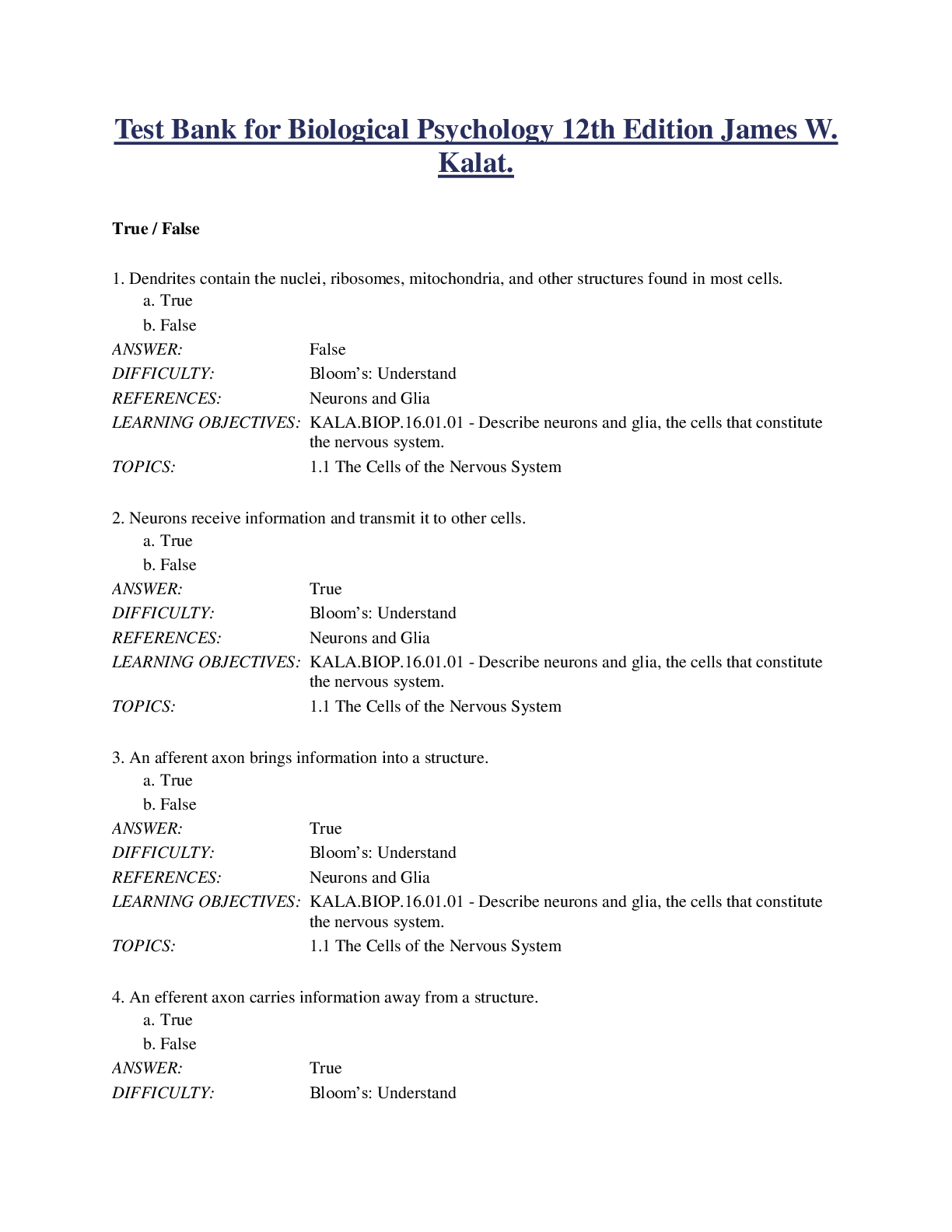
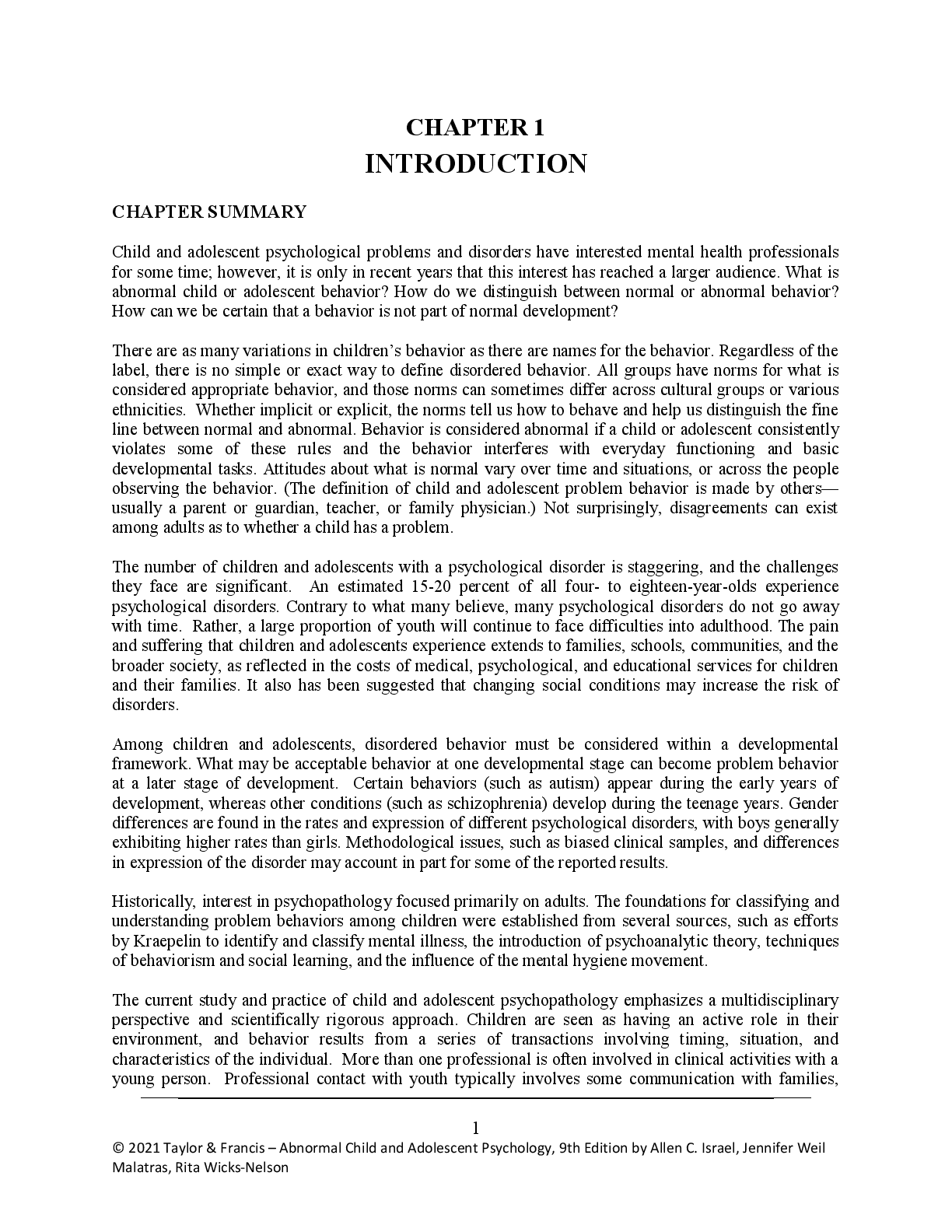
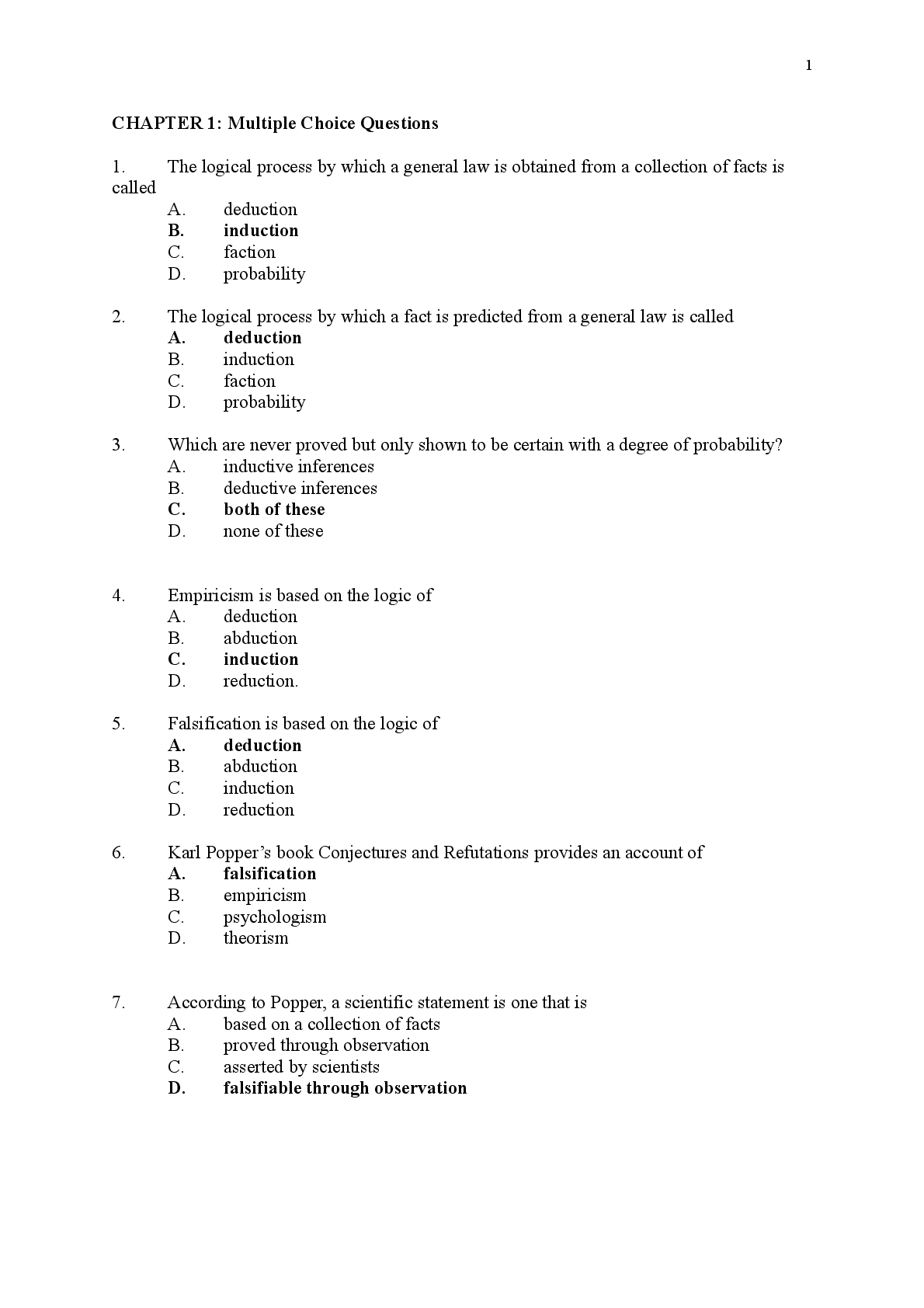
Psychology > QUESTIONS & ANSWERS > Grand Canyon University PSY 550 Midterm Exam 3 Q&A (100% CORRECT) *ACE IT (All)
Grand Canyon University PSY 550 Midterm Exam 3 Q&A (100% CORRECT) *ACE IT
Document Content and Description Below
Last updated: 3 years ago
Preview 1 out of 4 pages
Instant download

Buy this Document to get the Full Access Instantly
Provided by Students Who Aced it
We Verify Document Content to Gurantee Accuracy
Also available in bundle (1)
Click Below to Access Bundle(s)

Grand Canyon University - PSY 550 EXAM ALL GRADED A (2020/2021) *ACE IT
PSY 550 Final Exam Short Answers The 20 questions below are worth 4 points each. 1. A school psychologist strongly believes a particular child is in need of special services. What is the psycholog...
By Nutmegs 4 years ago
$30
5
Reviews( 0 )
Document information
Connected school, study & course
About the document
Uploaded On
Mar 02, 2022
Number of pages
4
Written in
All

Additional information
This document has been written for:
Uploaded
Mar 02, 2022
Downloads
0
Views
244
Topic Tags
Recommended For You
Get more on QUESTIONS & ANSWERS »
Grand Canyon University PSY 550 Midterm Exam 1 Q&A (100% CORRE...
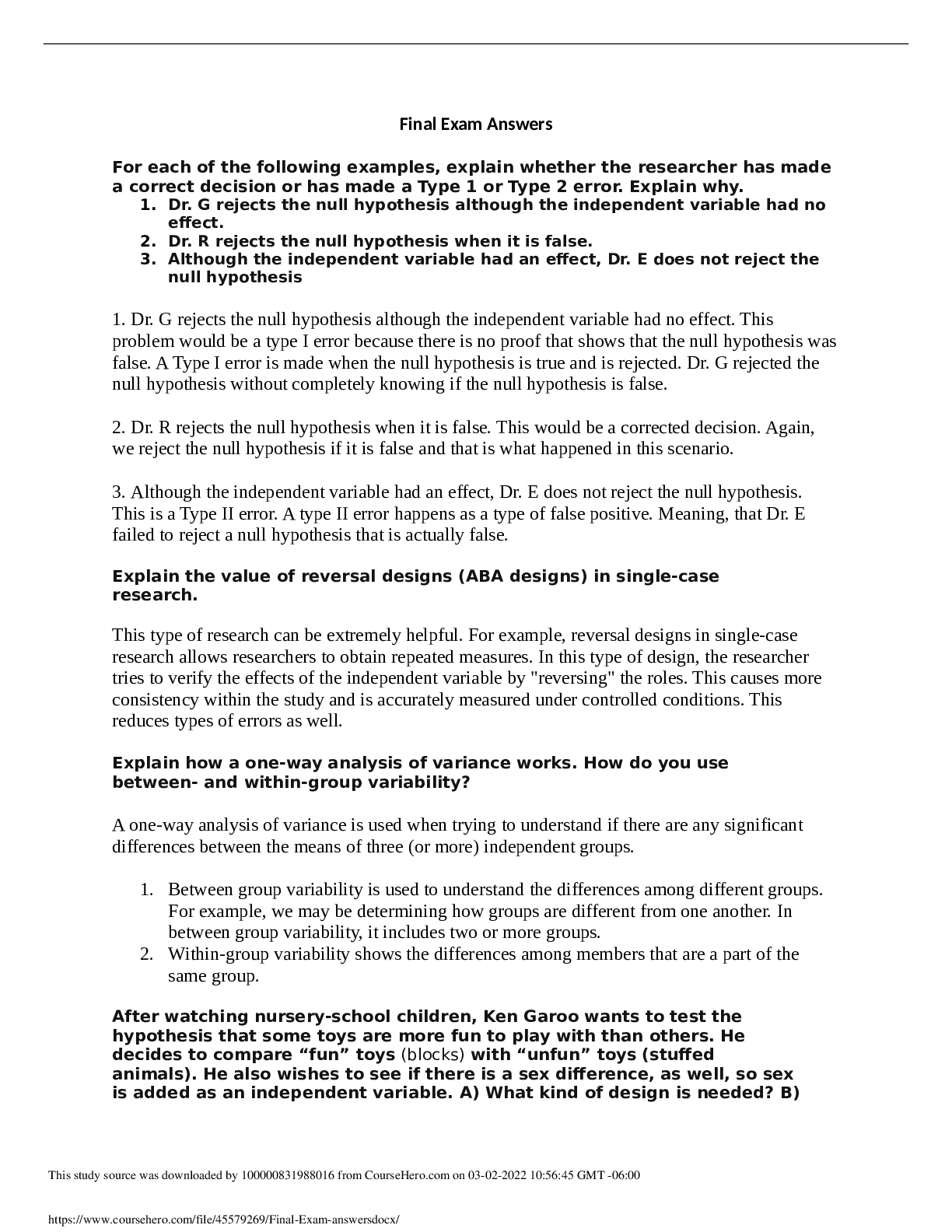
Grand Canyon University - PSY 550 Final Exam 2 Q&A 2020 VERSIO...
Grand Canyon University - PSY 550 Midterm exam Q&A 2020 VERSIO...
PSY 550 Midterm Exam: TEN QUESTIONS WITH CORRECT ANSWERS. GRAD...
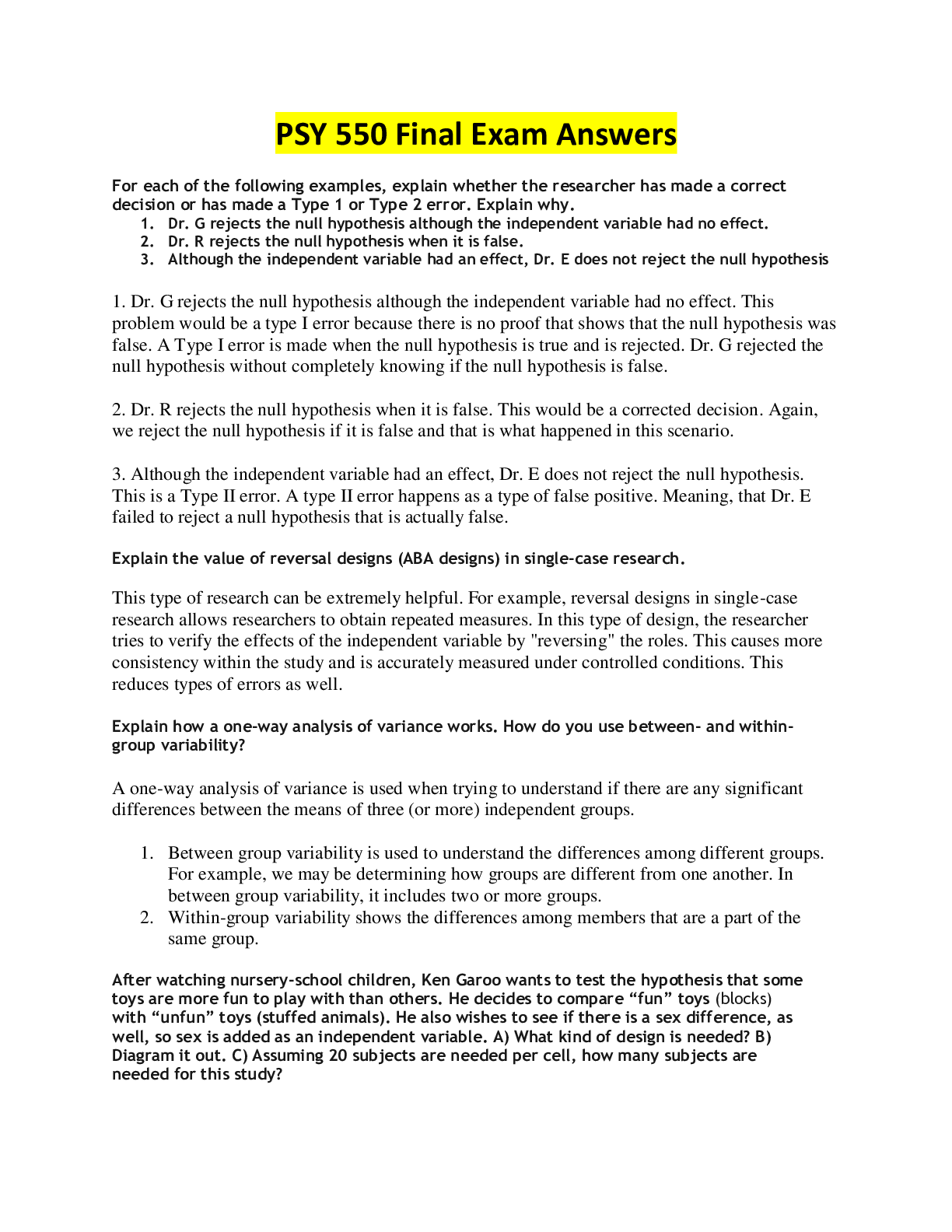
PSY 550 Final Exam Answers | latest 2025/2026 complete solutio...

PSY 550 Final Exam Answers : latest complete solution guide, G...

PSY 550 Week 3 Assignment, Informed Consent and Debriefing
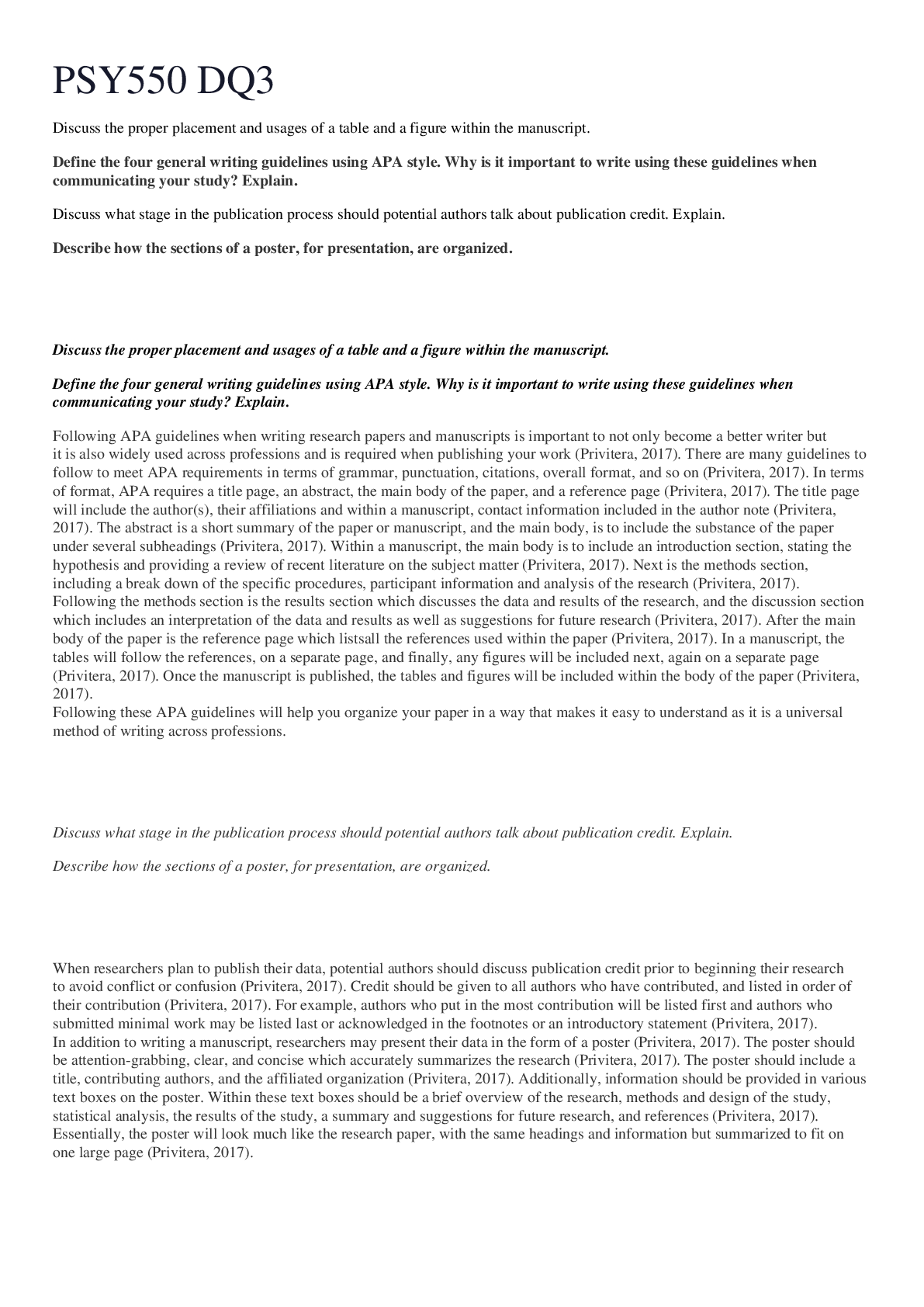
PSY 550 DQ3 Discuss the proper placement and usages of a table...
PSY 550-Research Methods-FINAL EXAMINATION 2020 - Grand Canyon...
PSY 550 Week 3 Assignment, Informed Consent and Debriefing

WK_3_Informed_Consent_and_Debriefing.docx PSY-550 INFORMED C...