NURSING > ESSAY > NR 503 Week 6 Assignment; Epidemiological Analysis; Chronic Health Problem - Evaluation of Rheumatoi (All)
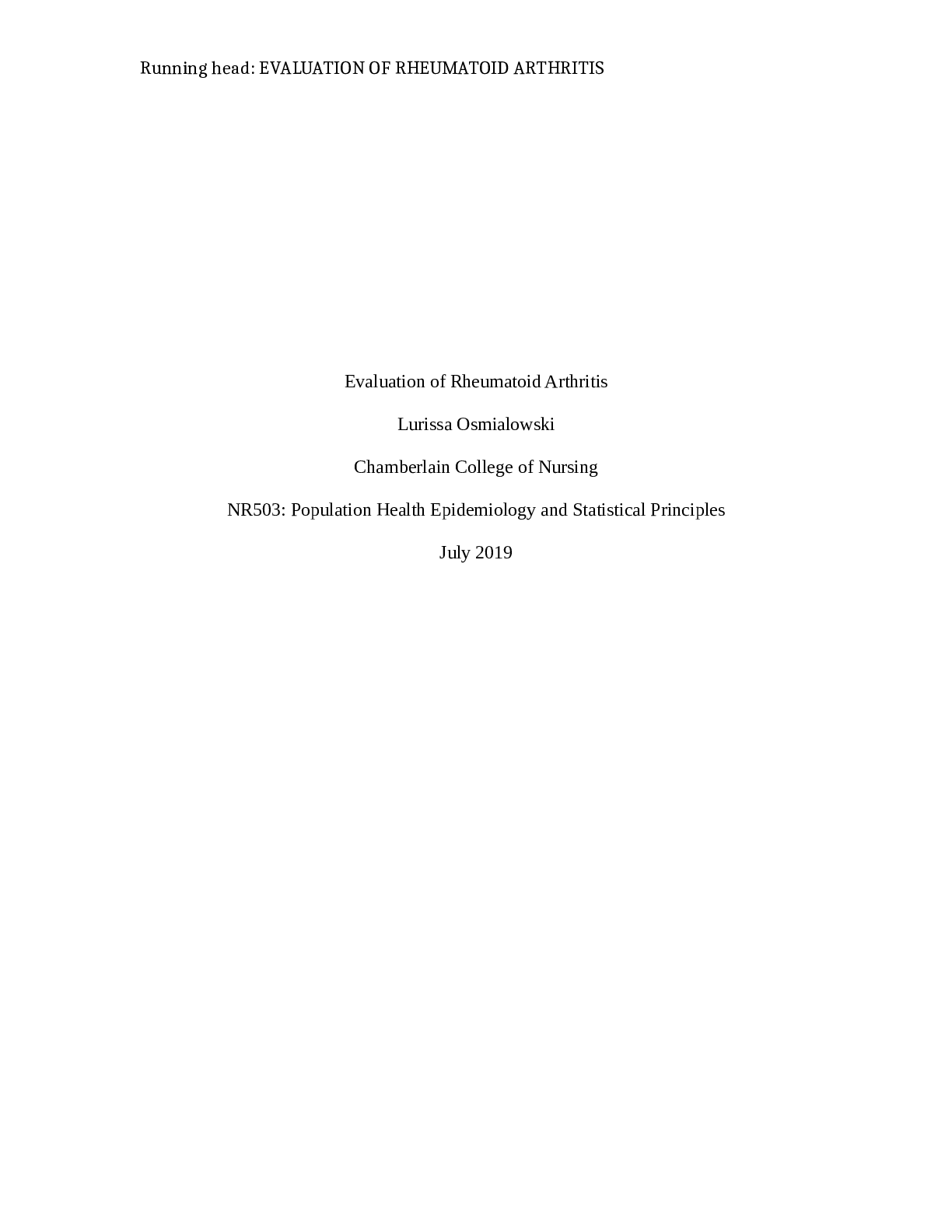
NR 503 Week 6 Assignment; Epidemiological Analysis; Chronic Health Problem - Evaluation of Rheumatoid Arthritis: Spring 2022 ,Chamberlain College Of Nursing
Document Content and Description Below
Last updated: 4 years ago
Preview 1 out of 11 pages
Instant download
Buy this Document to get the Full Access Instantly
Provided by Students Who Aced it
We Verify Document Content to Gurantee Accuracy
Reviews( 0 )
Document information
Connected school, study & course
About the document
Uploaded On
May 09, 2022
Number of pages
11
Written in
All

Additional information
This document has been written for:
Uploaded
May 09, 2022
Downloads
0
Views
273
Topic Tags
Recommended For You
Get more on ESSAY »
NR 503 Chamberlain Mid Term Questions and Answers (Verified...

NR503 / NR 503: Population Health, Epidemiology & Statistical...

NR503 / NR 503: Final Quiz Concepts to Review (Latest 2021: Po...

NR 503 / NUR503 Population Health, Epidemiology and Statistica...
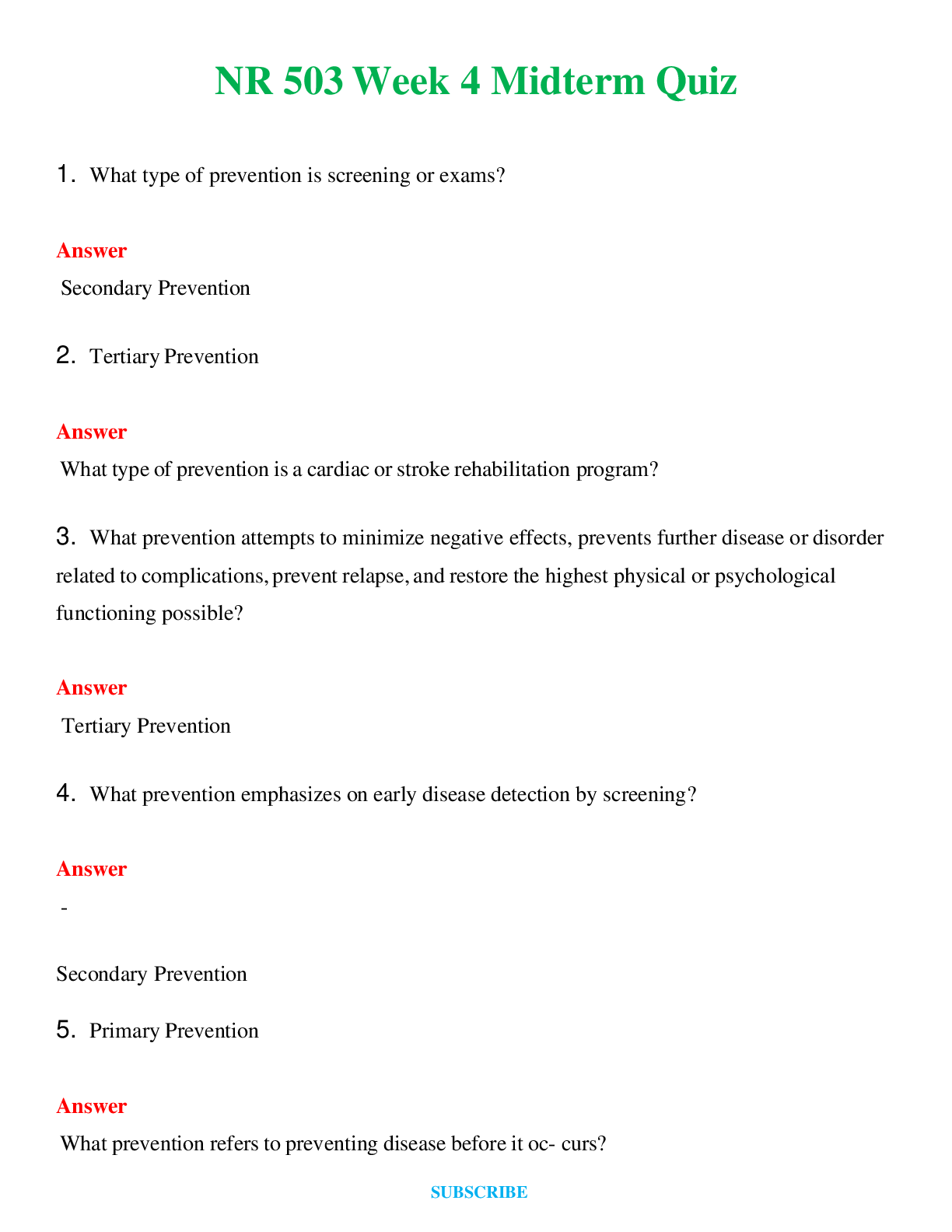
NR 503 Week 4 Midterm Quiz Questions and Answers (Verified...
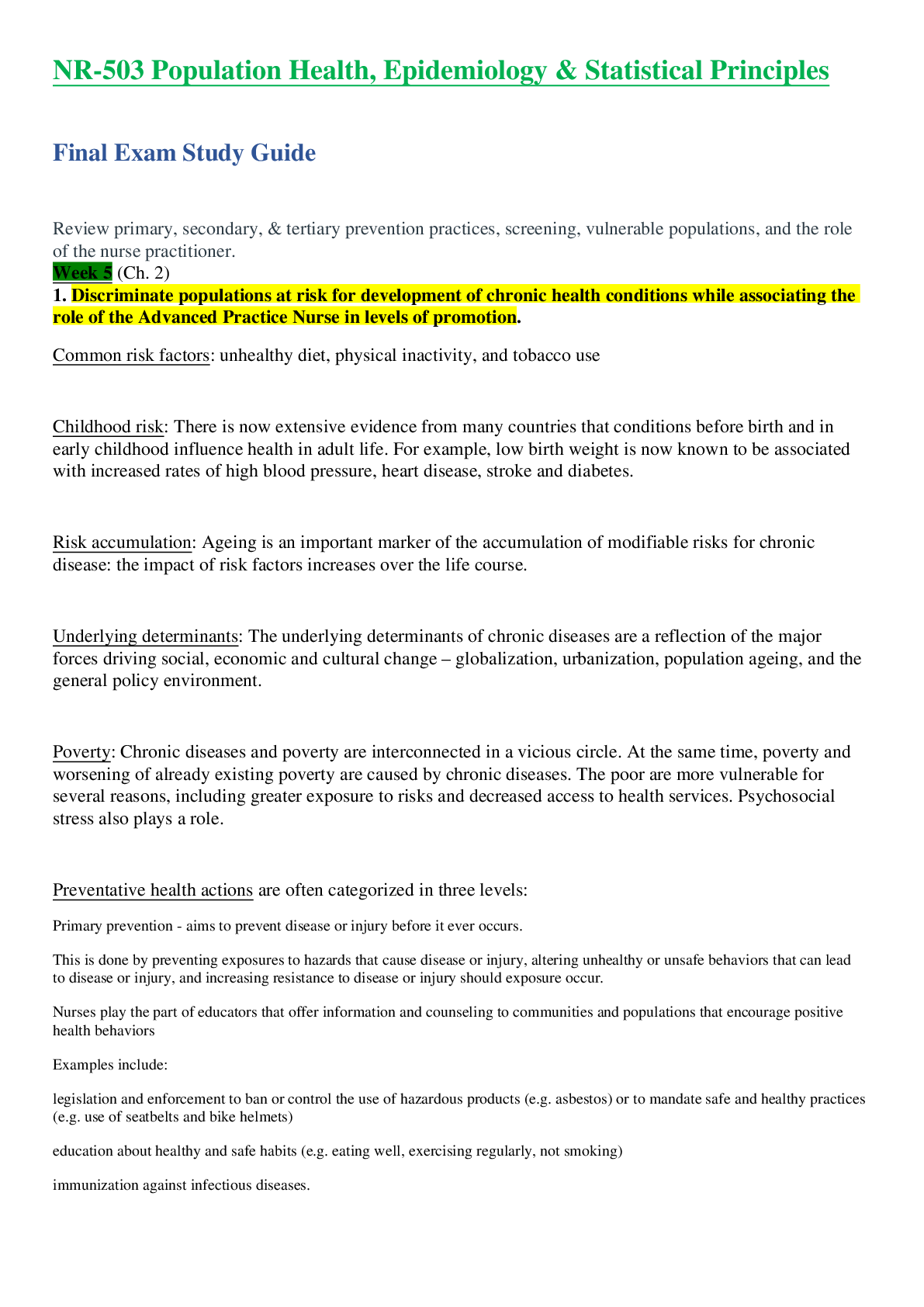
NR503 / NR 503: Population Health, Epidemiology & Statistical...

NR 503 / NR503 Population Health, Epidemiology and Statistical...
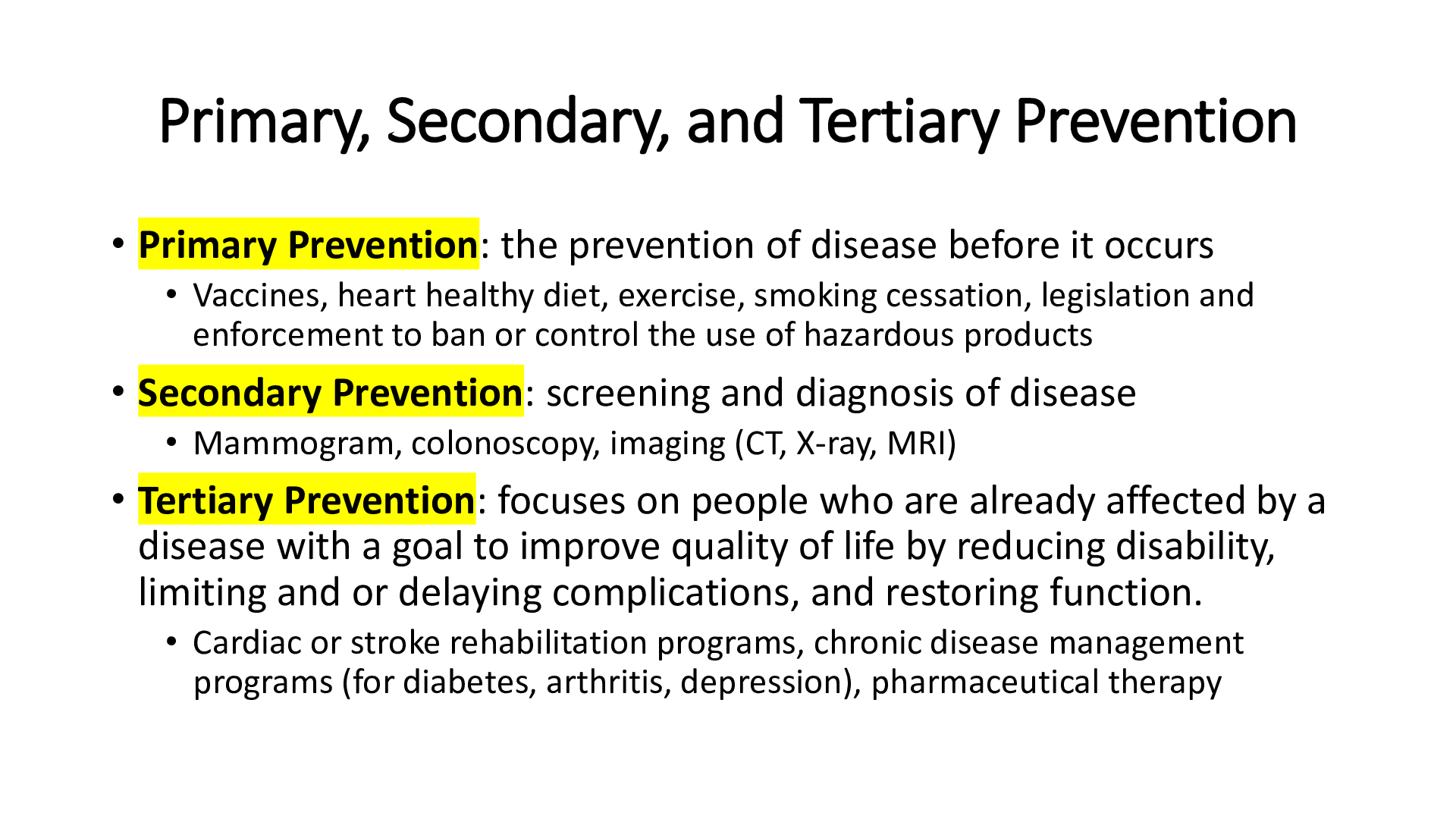
NR 503 / NR503 Population Health, Epidemiology & Statistical P...

NR 503 Population Health, Epidemiology & Statistical Principle...
Test Bank for Davis Advantage for Maternal-Newborn Nursing: Th...




.png)
.png)