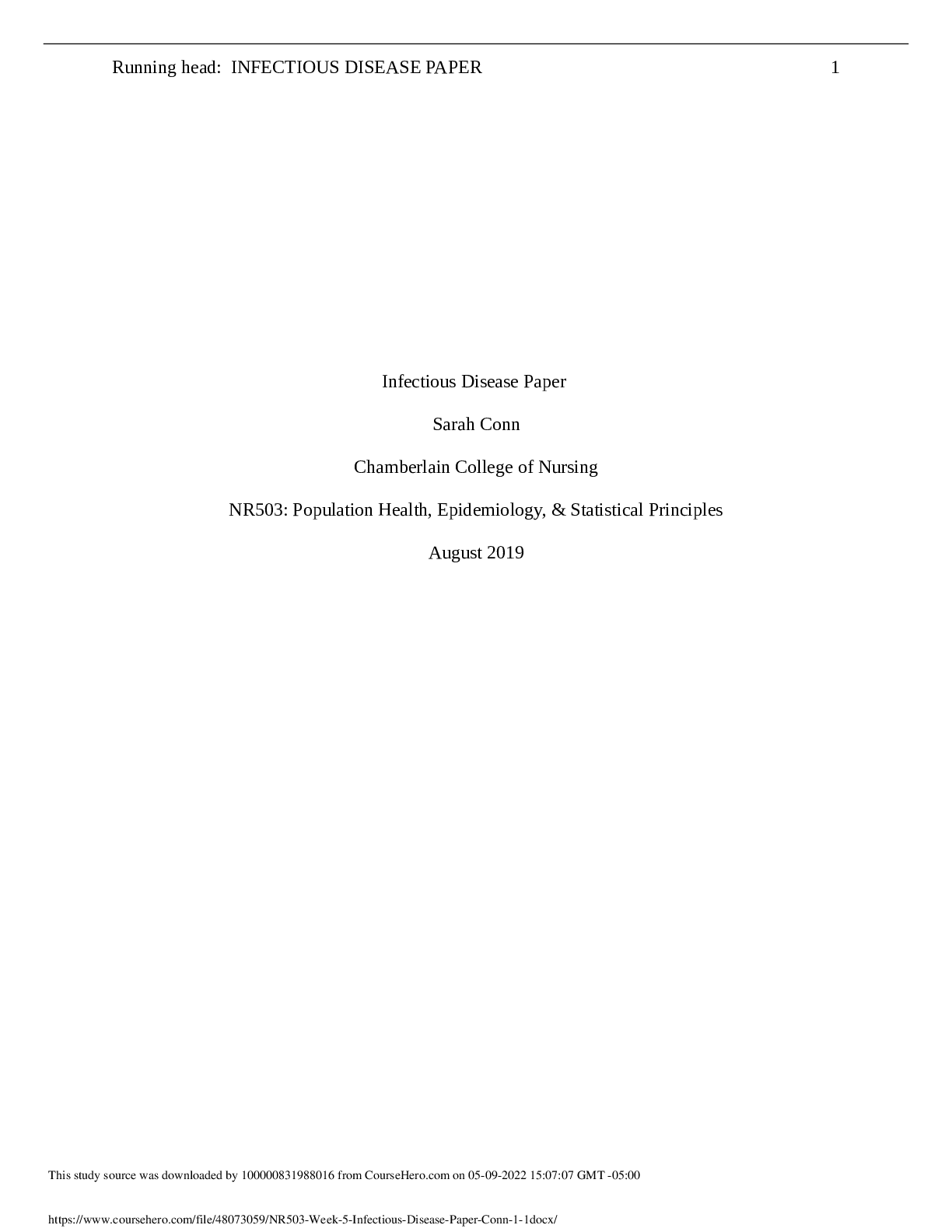
Criminology > ESSAY > Strayer University, Washington Digital Crime Theory CIS170 Week 6 Assignment 2 *ACE IT (All)
Strayer University, Washington Digital Crime Theory CIS170 Week 6 Assignment 2 *ACE IT
Document Content and Description Below
Last updated: 7 months ago
Preview 1 out of 6 pages
Instant download

Buy this Document to get the Full Access Instantly
Provided by Students Who Aced it
We Verify Document Content to Gurantee Accuracy
Reviews( 0 )
Document information
Connected school, study & course
About the document
Uploaded On
Mar 19, 2022
Number of pages
6
Written in
All

Additional information
This document has been written for:
Uploaded
Mar 19, 2022
Downloads
0
Views
251
Topic Tags
Recommended For You
Get more on ESSAY »
STRAYER UNIVERSITY Digital Computer Crimes CIS 170-Week 3 - As...


DeVry University, ChicagoCIS 170CCEIS170 Week 7 Course Project
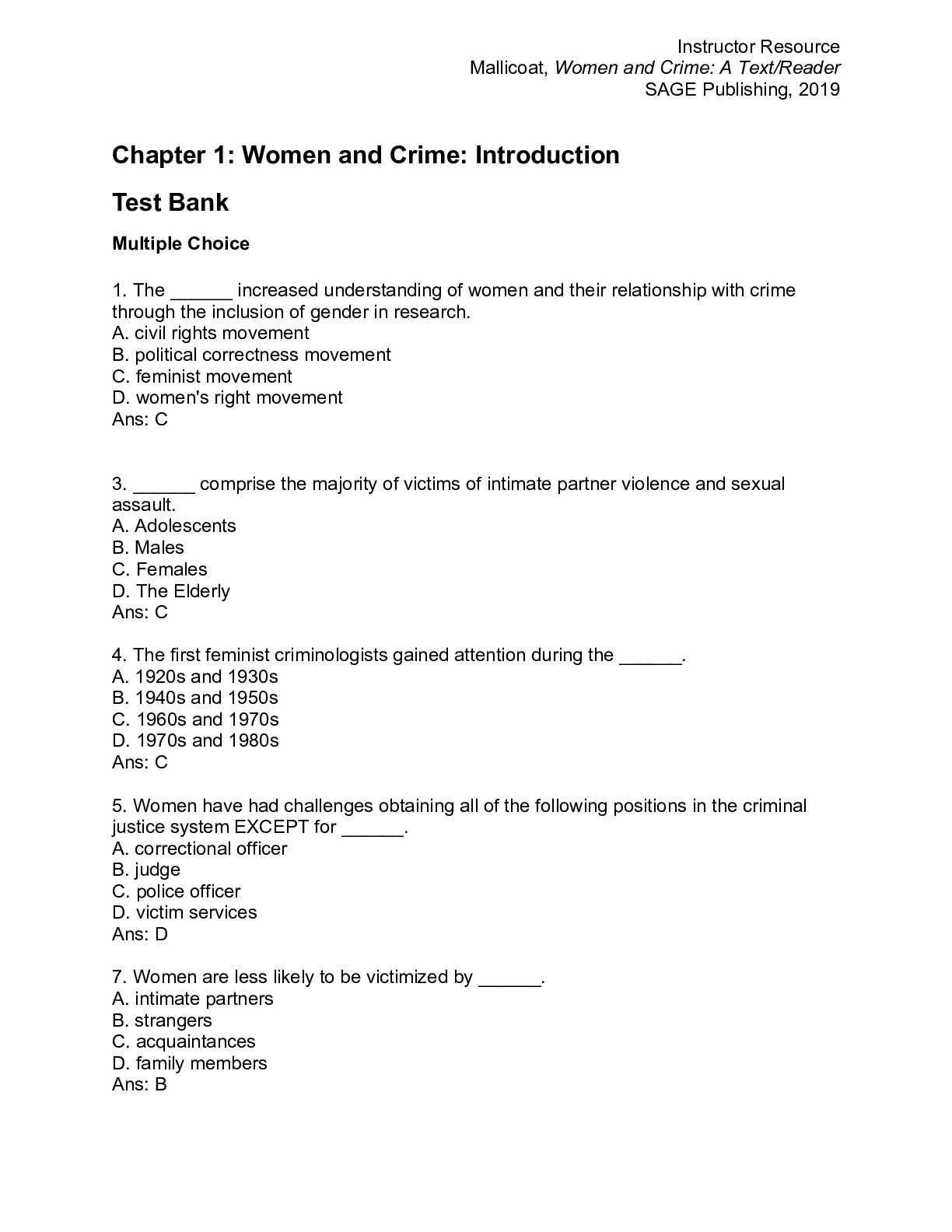
Women, Gender, and Crime, Core Concepts, 1st Edition by Stacy...
.png)
Test Bank for Introduction to Criminology, Theories, Methods,...
.png)
Introduction to Criminology: Why Do They Do It 2nd Edition By...
Profit Without Honor White Collar Crime and the Looting of Ame...
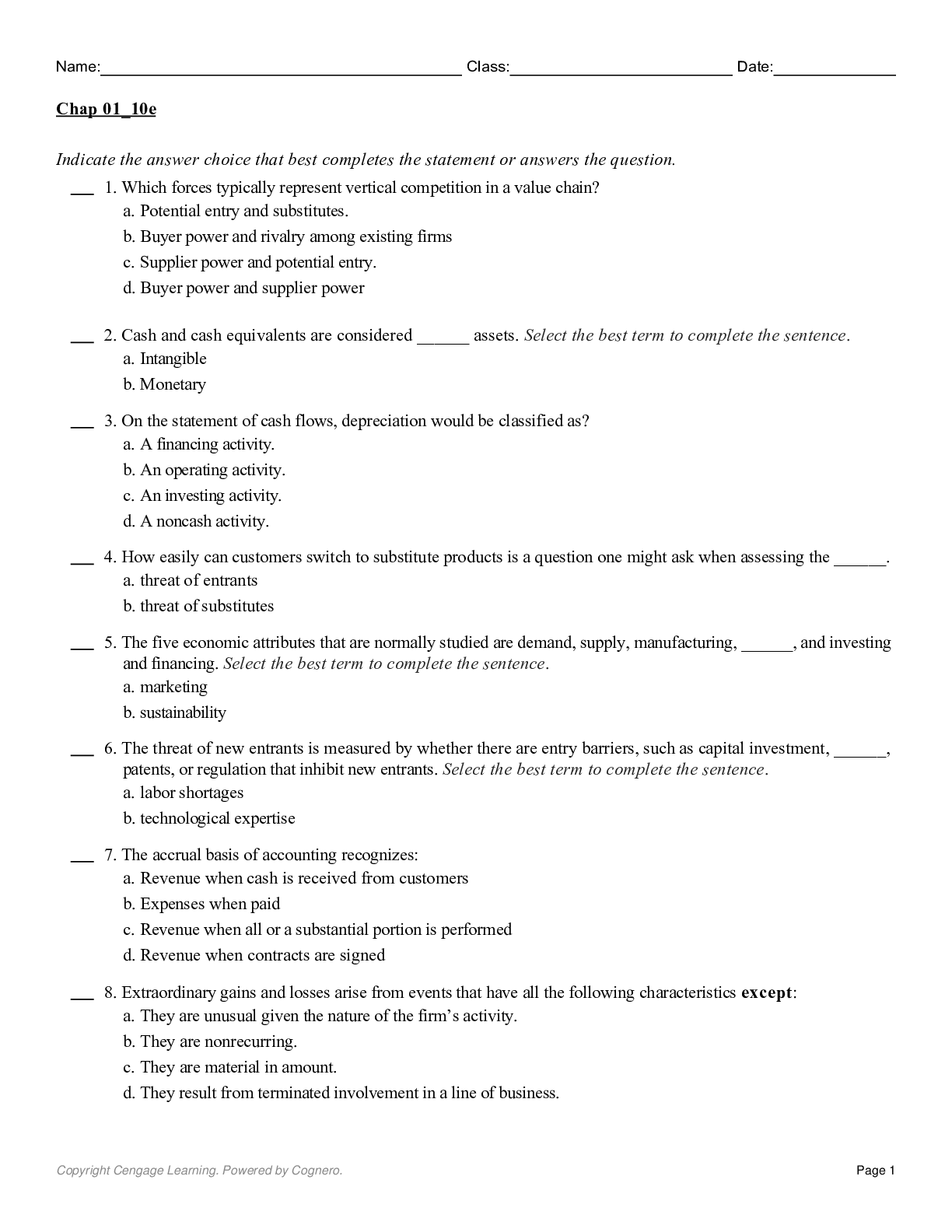
Test Bank for Financial Reporting, Financial Statement Analysi...
Techniques of Crime Scene Investigation, 9e by Barry Fisher, D...

wk4 Project.docx CIS170 CIS170c Course Project My Chosen P...

wk2 Project.docx CIS170 CIS170c Course Project My Chosen...

J10 Criminal Investigation Lesson 4&5 Exam (2021) > all answer...
Ashworth J10 Criminal Investigation Lesson 6&7 Exam (2021) upd...
Criminology WJEC Unit 2 / Score A* 2025 Update / Complete Stud...
.png)
.png)