Finance > Study Notes > AF 4207 – L6 FINANCIAL REPORTING II (All)
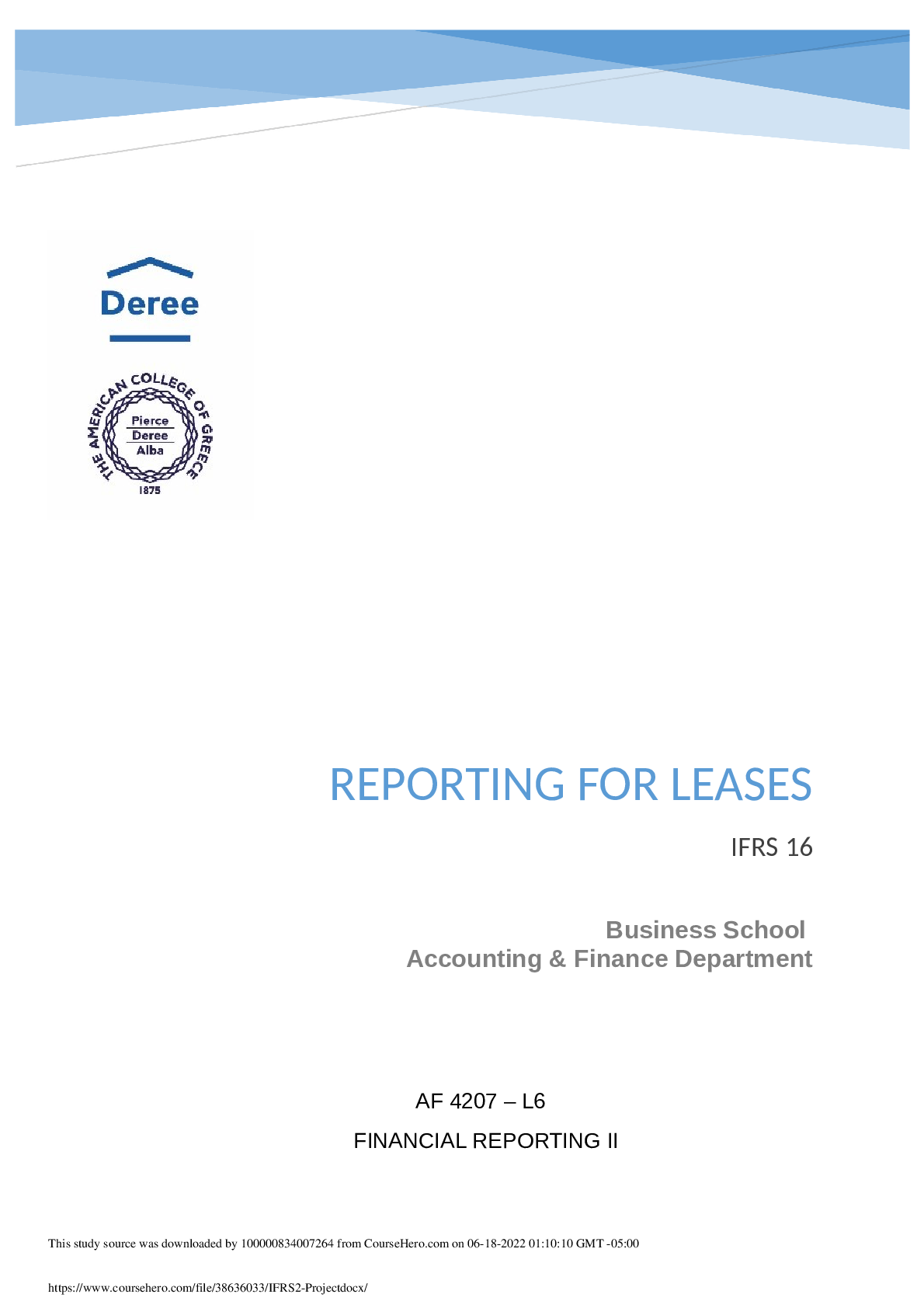
AF 4207 – L6 FINANCIAL REPORTING II
Document Content and Description Below
Last updated: 3 years ago
Preview 1 out of 6 pages
Instant download
Buy this Document to get the Full Access Instantly
Provided by Students Who Aced it
We Verify Document Content to Gurantee Accuracy
Reviews( 0 )
Document information
Connected school, study & course
About the document
Uploaded On
Jun 18, 2022
Number of pages
6
Written in
All

Additional information
This document has been written for:
Uploaded
Jun 18, 2022
Downloads
0
Views
284
Topic Tags
Related Subjects & Courses
Explore similar study resources and related concepts.
Recommended For You
Get more on Study Notes »
REPORTING FOR LEASES IFRS 16 AF 4207 – L6 FINANCIAL REPORTING...

Test Bank for Financial Reporting and Analysis, 8th Edition Re...

Financial Reporting and Analysis, 8e Lawrence Revsine, Daniel...
 Janice Loftus, Ken Leo, Sorin Daniliuc, Noel Boys, Belinda Luke, Hong Ang, Karyn Byrnes (Test Bank).png)
Financial Reporting, 2e (Australia) Janice Loftus, Ken Leo, So...


 Quiz 2 Concept Notes MY21.png)
NR304 / NR-304 Quiz 2 Concept Notes : Health Assessment II -...

NR228 / NR-228 Study Notes {Exam 1 / Exam 2 / Final Exam} : N...

NUR2407 / NUR 2407 Midterm / Final Exam Study Guide (Latest):...
.png)
MG6851 PRINCIPLES OF MANAGEMENT study notes ( BEST STUDY GUIDE...
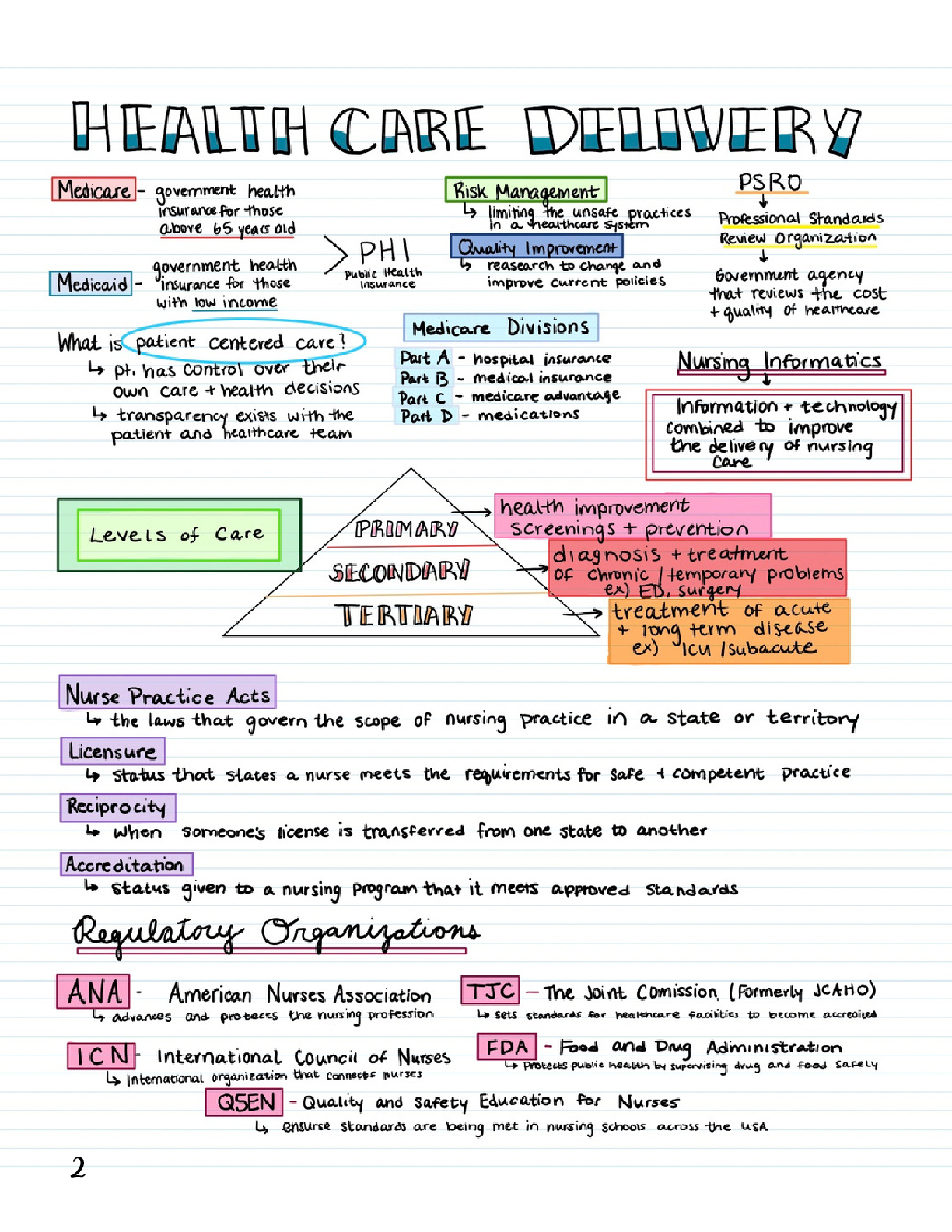
Fundamentals of Nursing 21 Page Bundle - Nursing School Notes


.png)