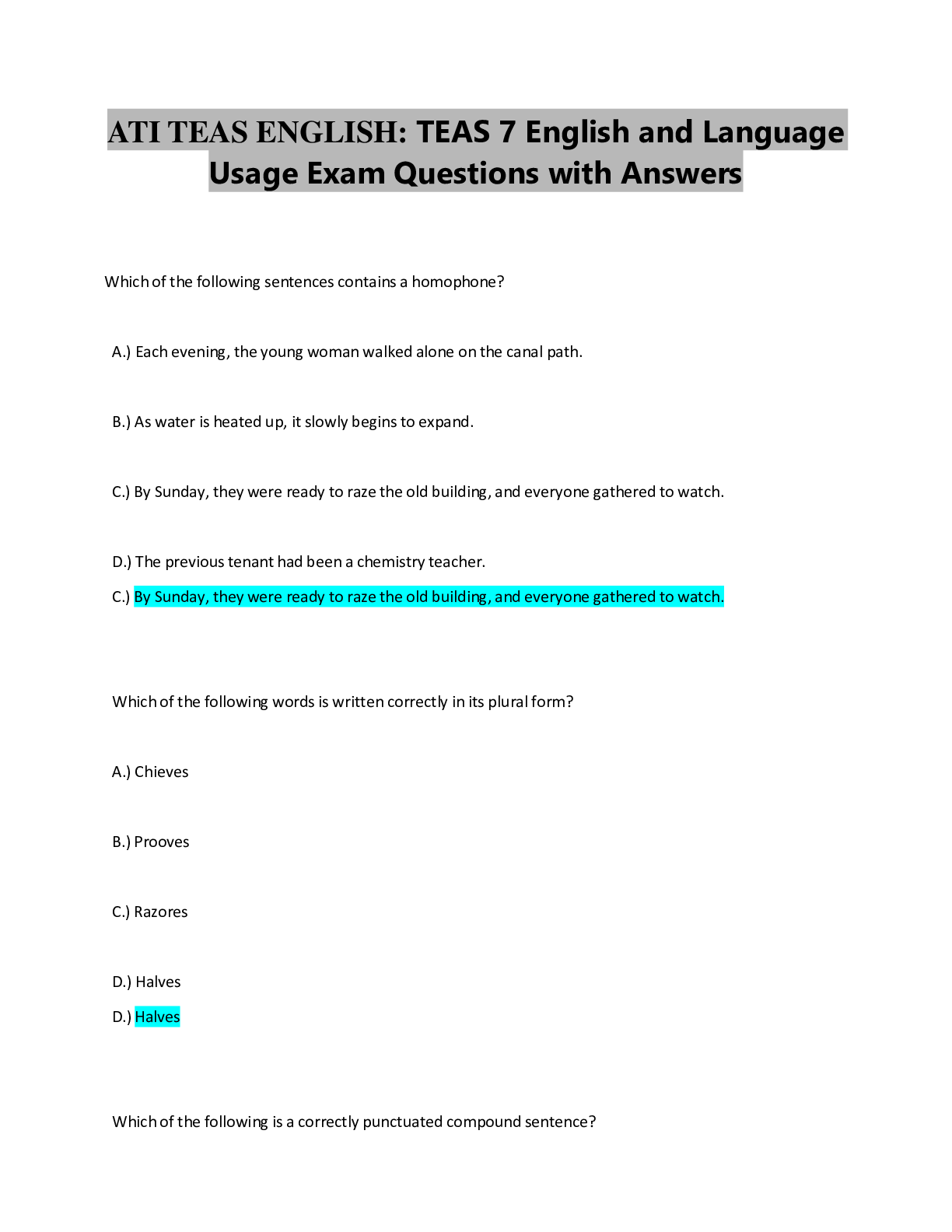
BIOD210 Module 6 Exam Genetics/ Questions & Answers
Document Content and Description Below
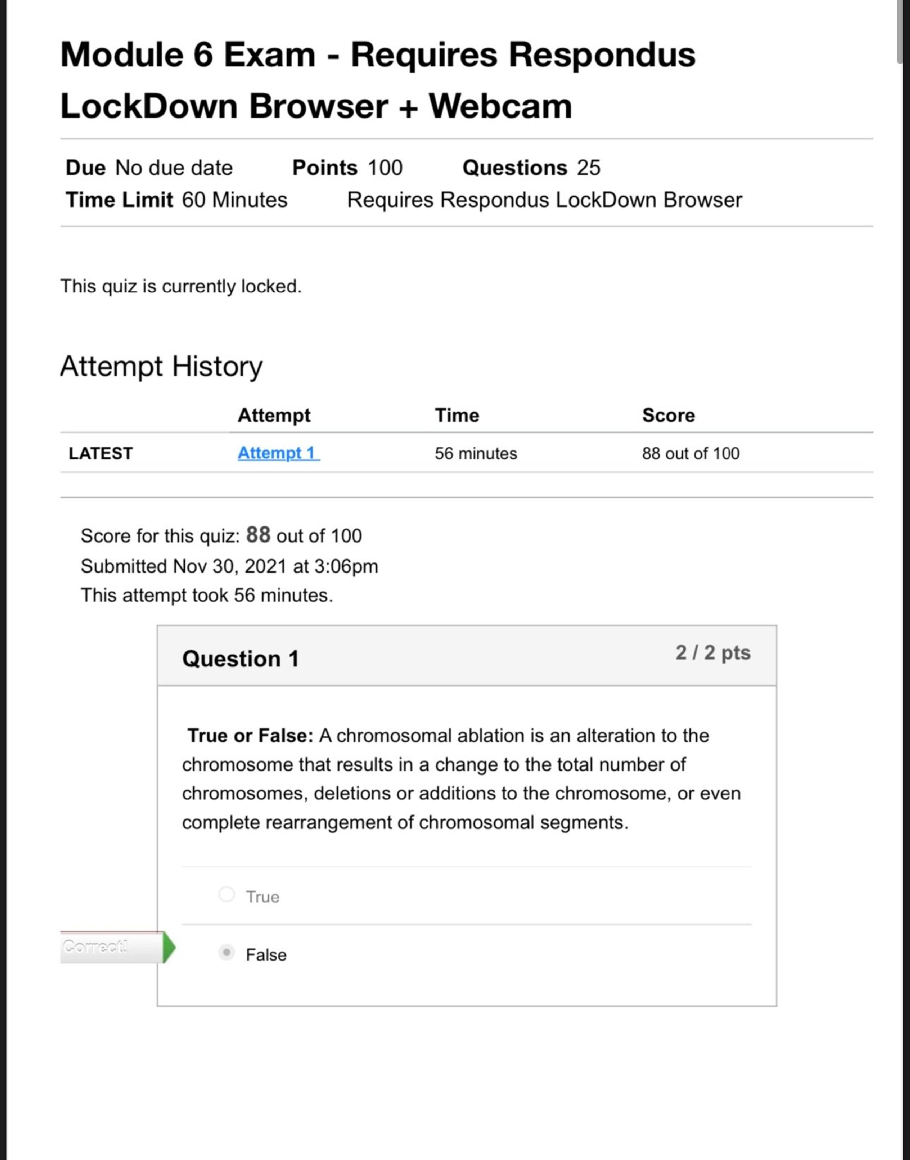
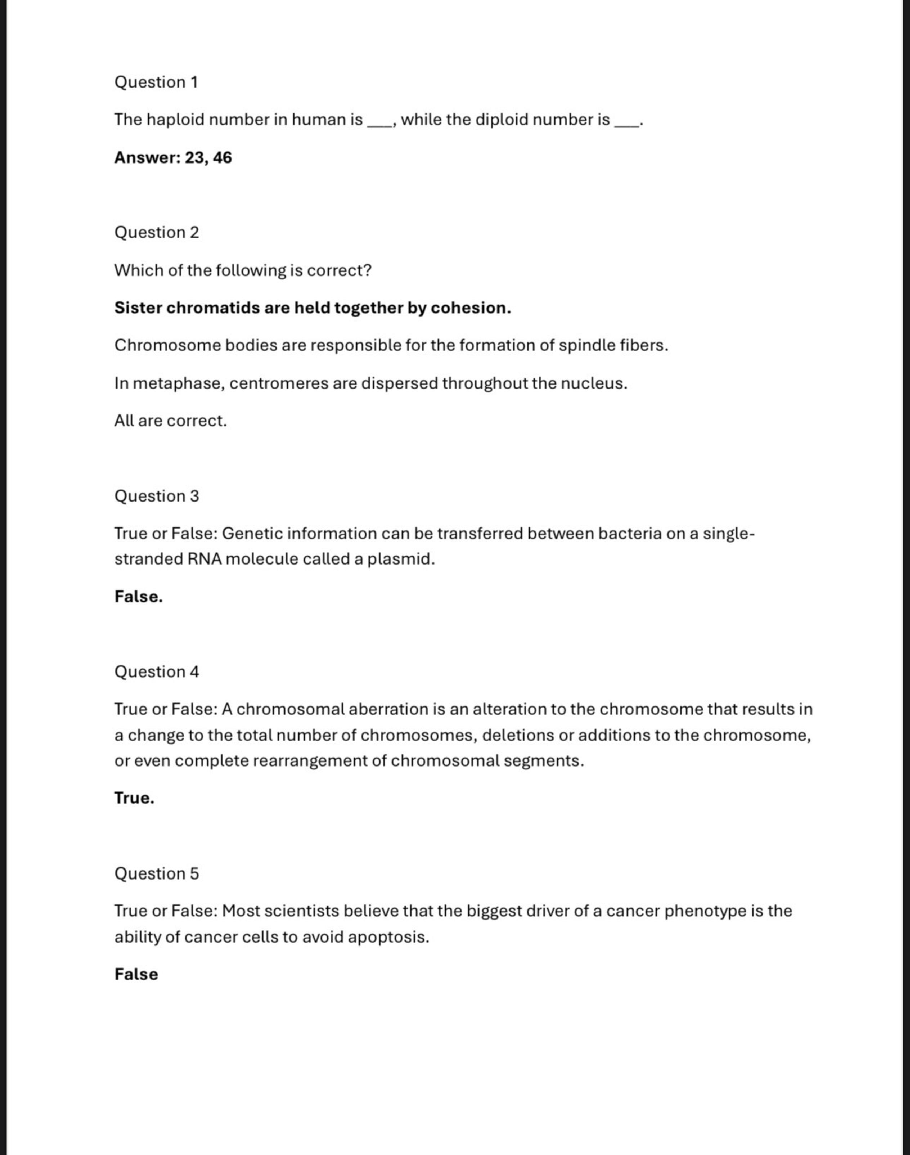
True or False: A chromosomal ablation is an alteration to the
chromosome that results in a change to the total number of
chromosomes, deletions or additions to the chromosome, or even
complete rearrangement of chromos
...
[Show More]
Last updated: 3 years ago
Preview 1 out of 16 pages
Instant download
Buy this Document to get the Full Access Instantly
Provided by Students Who Aced it
We Verify Document Content to Gurantee Accuracy
Reviews( 0 )
Document information
Connected school, study & course
About the document
Uploaded On
Jul 26, 2022
Number of pages
16
Written in
All

Additional information
This document has been written for:
Uploaded
Jul 26, 2022
Downloads
0
Views
135
Topic Tags
Related Subjects & Courses
Explore similar study resources and related concepts.
Recommended For You
Get more on EXAM »
$9.5
2 Pages
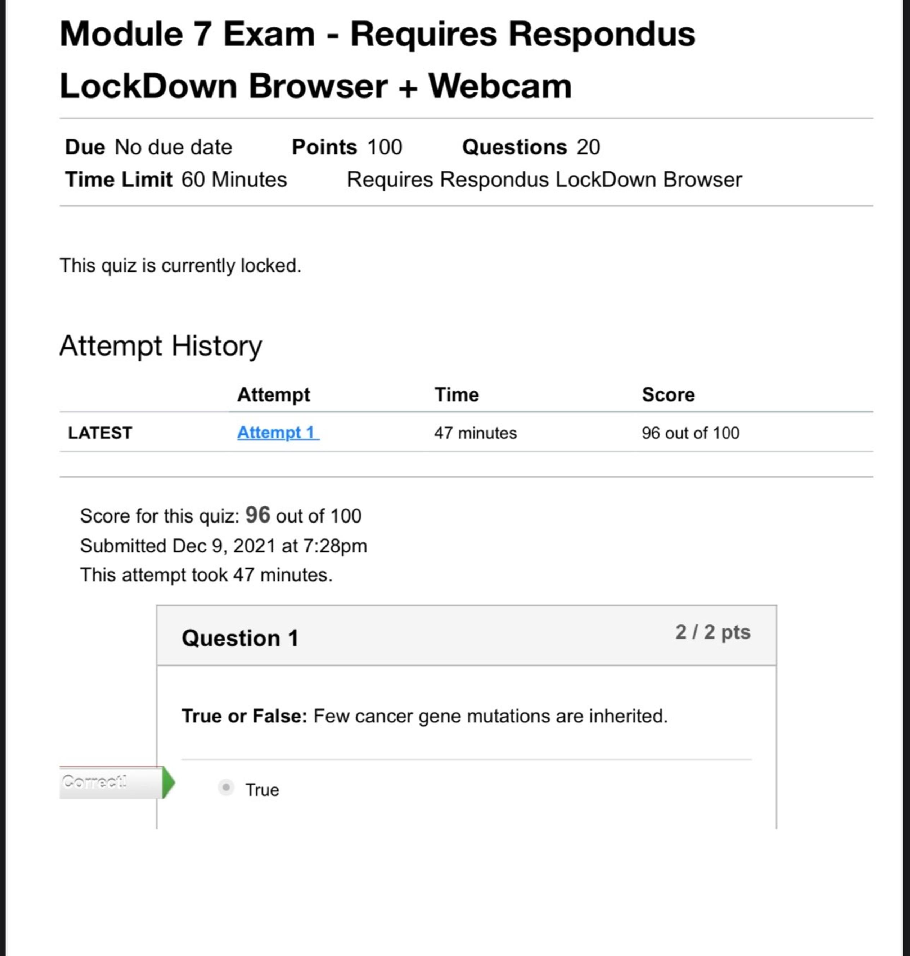
BIOD 210 Module 7 Exam Genetics – Portage Learning! 100% CORRE...
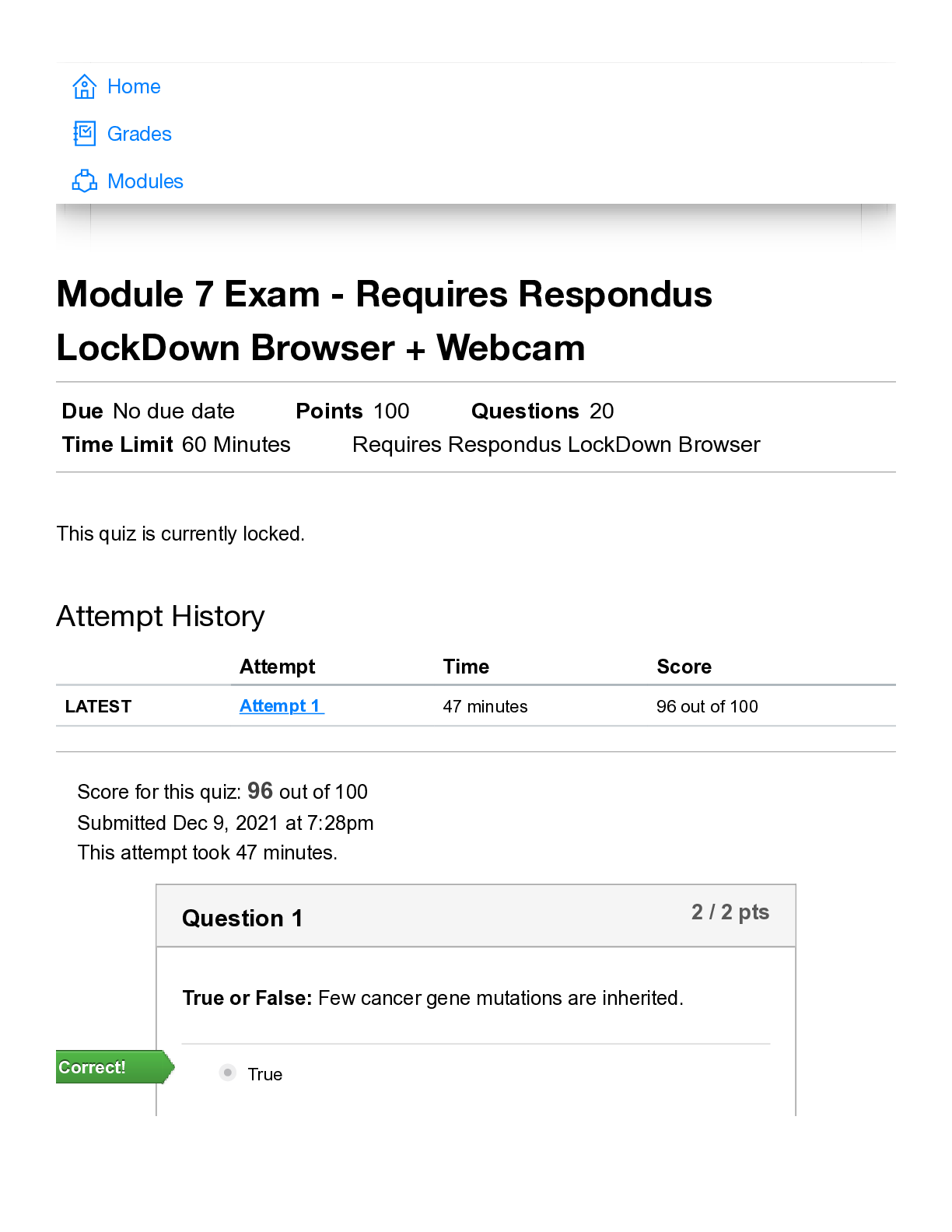
$12
15 Pages
BIOD210 Module 7 Exam Genetics/ Questions & Answers/ Latest
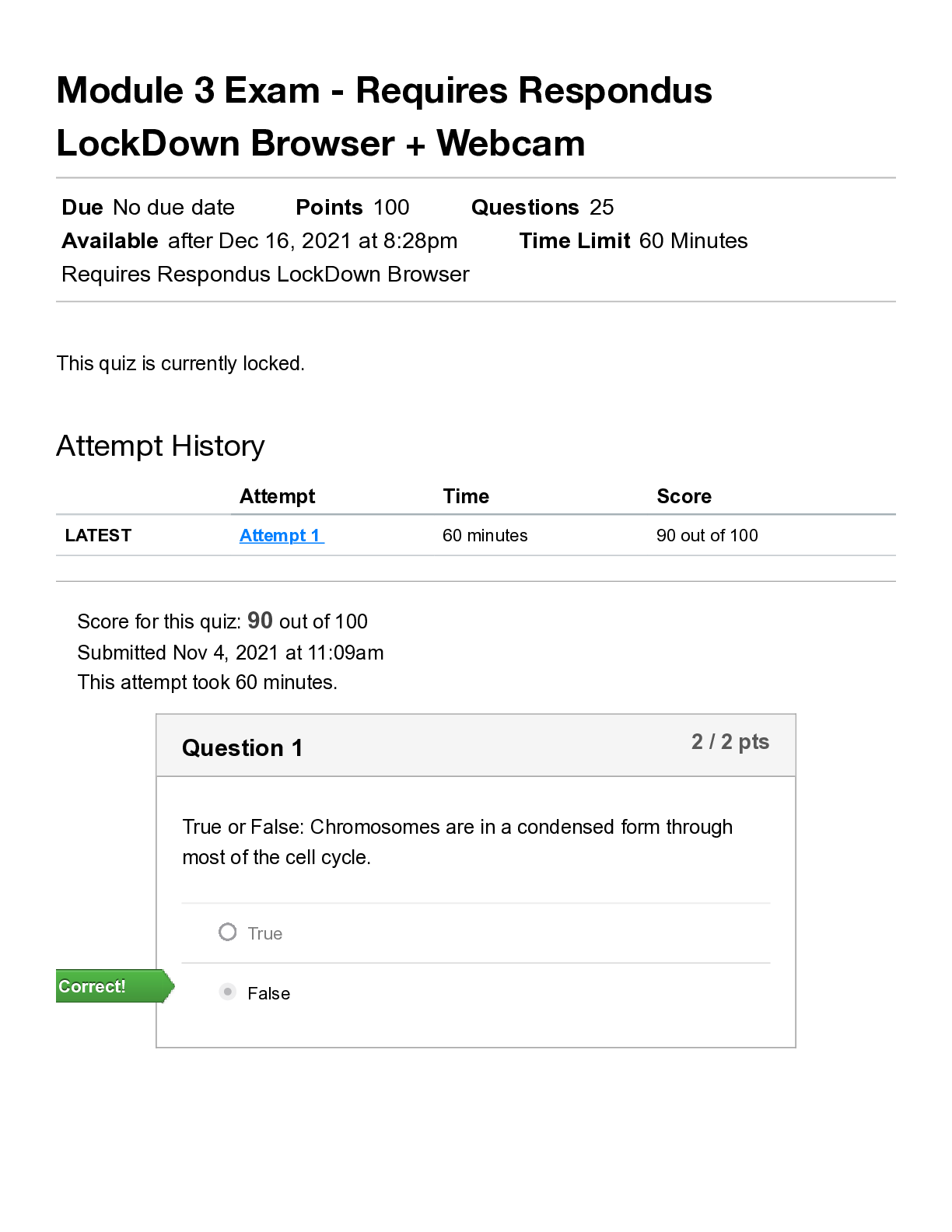
$19
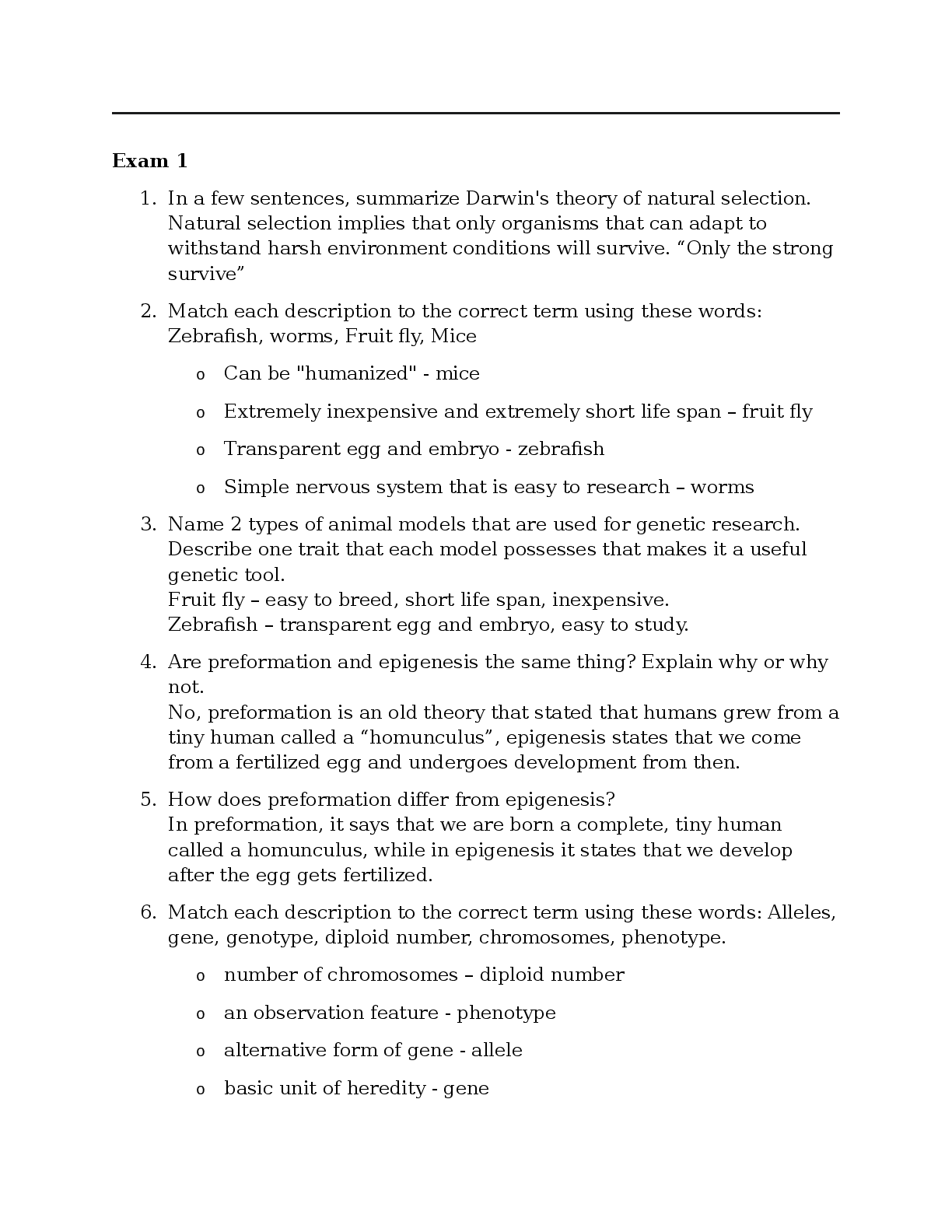
39 Pages
Portage Learning BIOD 210 Genetics Exam Bank (Exams 1-7) Answe...
$15
18 Pages
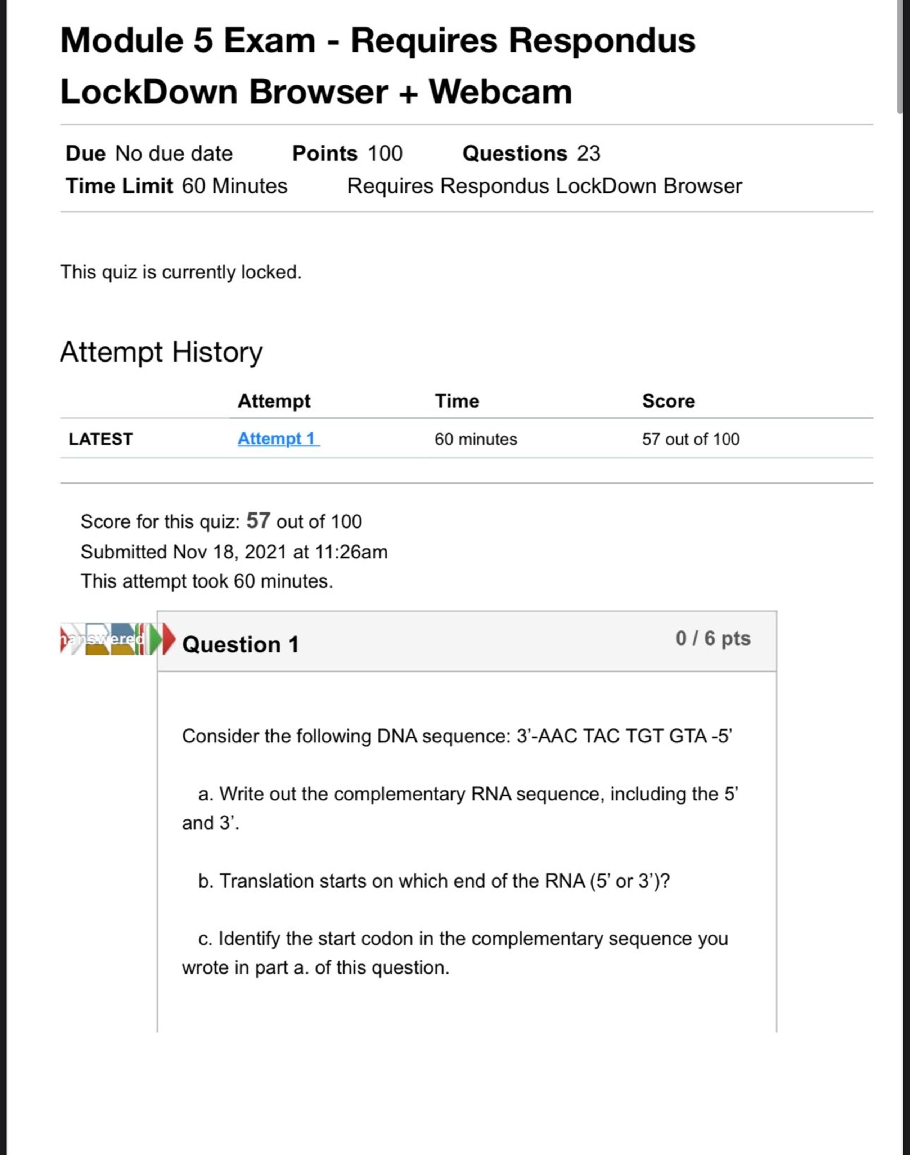
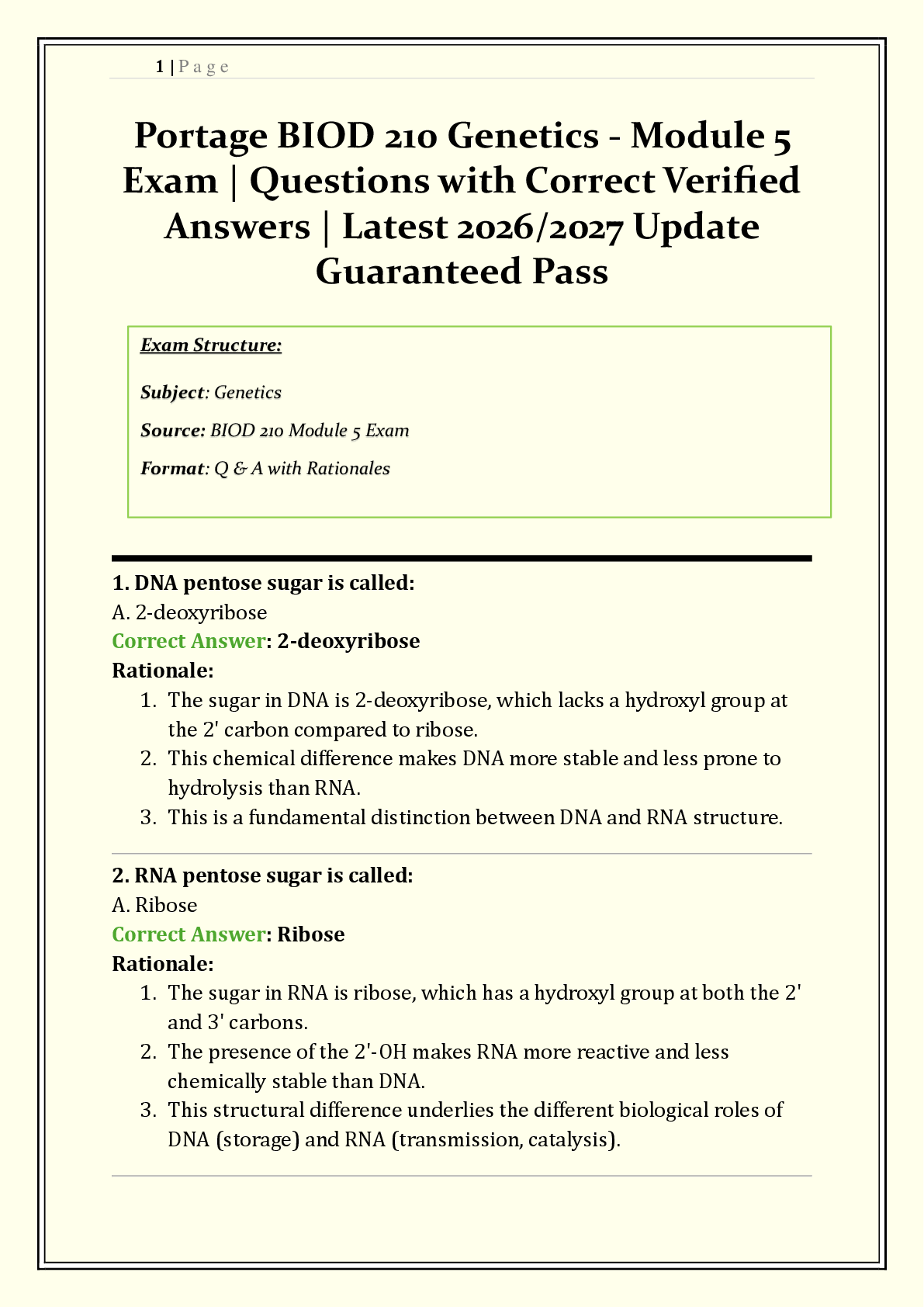
Portage BIOD 210 Genetics - Module 5 Exam | Questions with Co...

$10
15 Pages
BIOD210 Module 7 Exam Genetics/ Questions & Answers/ Latest 2...



$9.5
31 Pages
BIOD 210 Final Exam - Requires Respondus LockDown Browser + We...
$9.5
31 Pages
BIOD 210 Final Exam - Requires Respondus LockDown Browser + We...
More related documents below