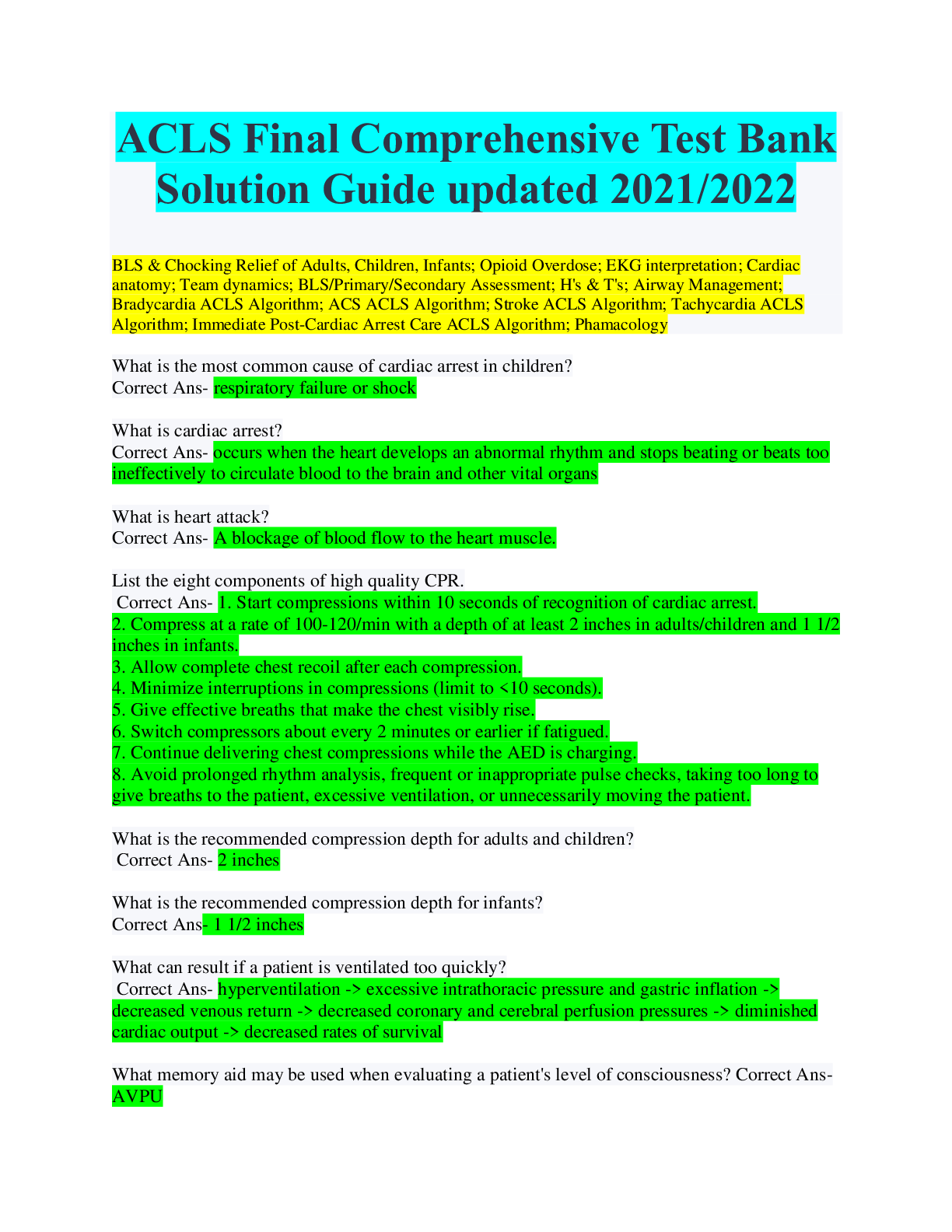
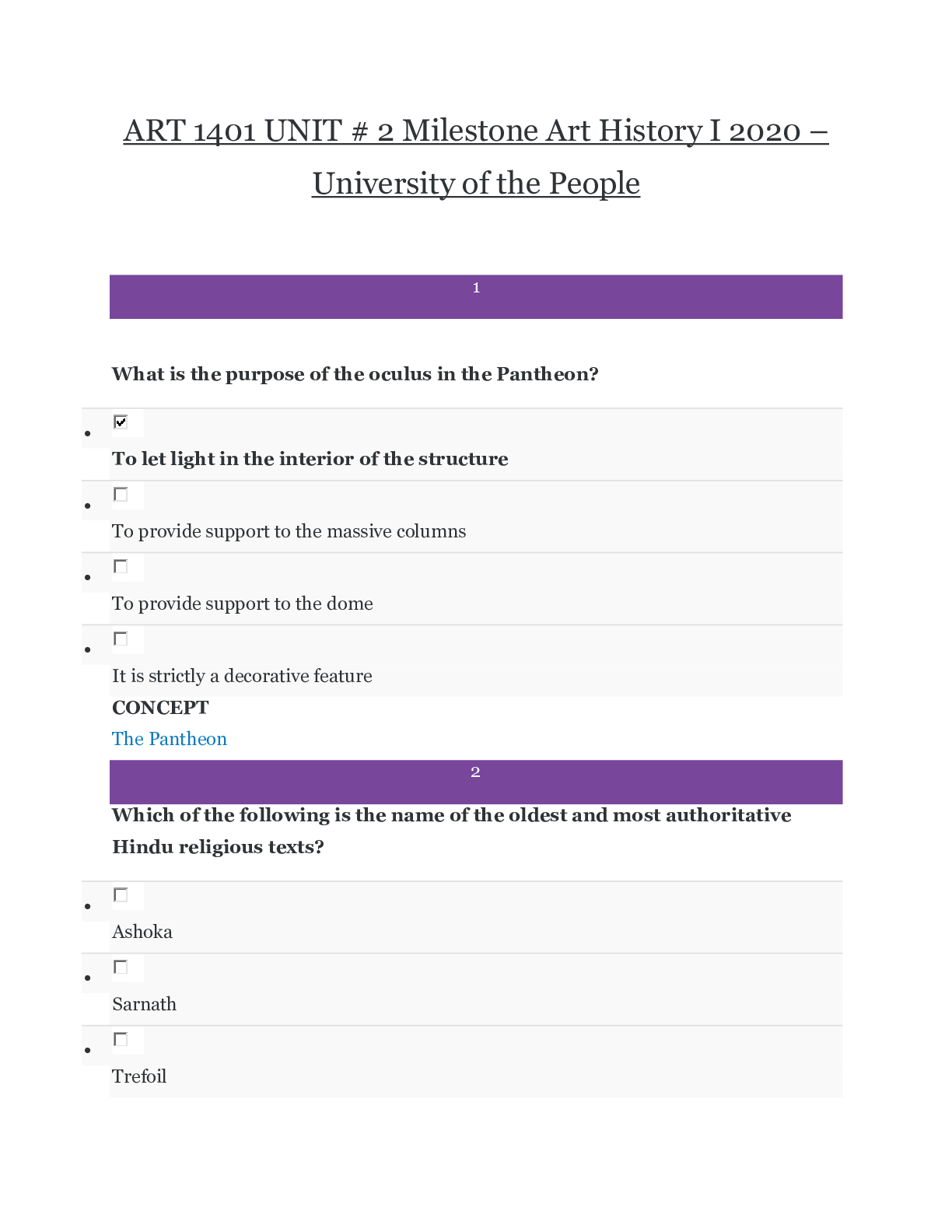
CISSP CBK Review Final Exam; Test bank (all answered correctly)
Document Content and Description Below
view Final Exam
CISSP CBK Review Page 1
CISSP CBK Review Final Exam
1. A risk is the likelihood of a threat source taking advantage of a vulnerability to an
information system. Risks left over after implementing safe
...
[Show More]
Last updated: 4 years ago
Preview 1 out of 53 pages
Instant download
.png)
Buy this Document to get the Full Access Instantly
Provided by Students Who Aced it
We Verify Document Content to Gurantee Accuracy
Reviews( 0 )
Document information
Connected school, study & course
About the document
Uploaded On
Sep 05, 2022
Number of pages
53
Written in
All

Additional information
This document has been written for:
Uploaded
Sep 05, 2022
Downloads
0
Views
63
Topic Tags
Recommended For You
Get more on EXAM »




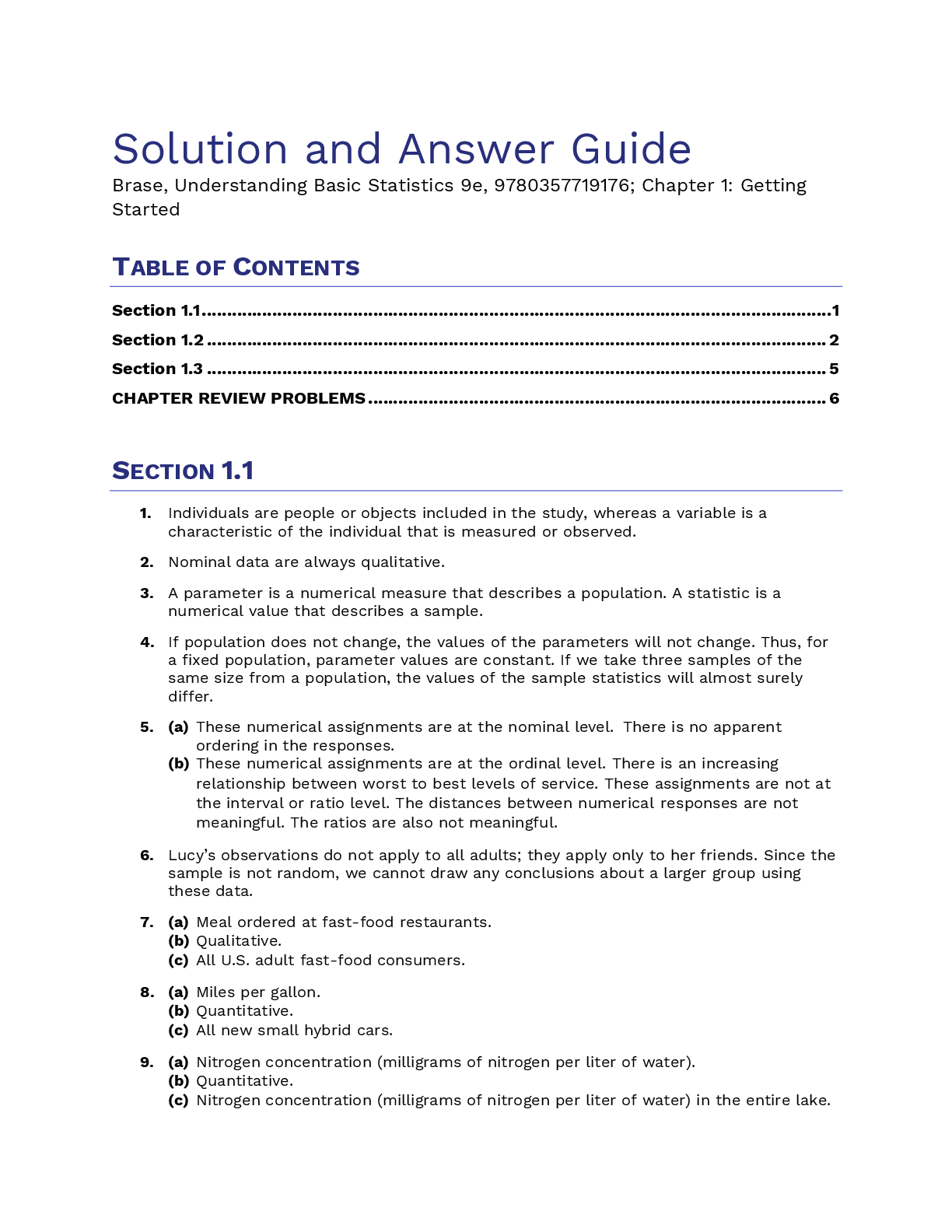
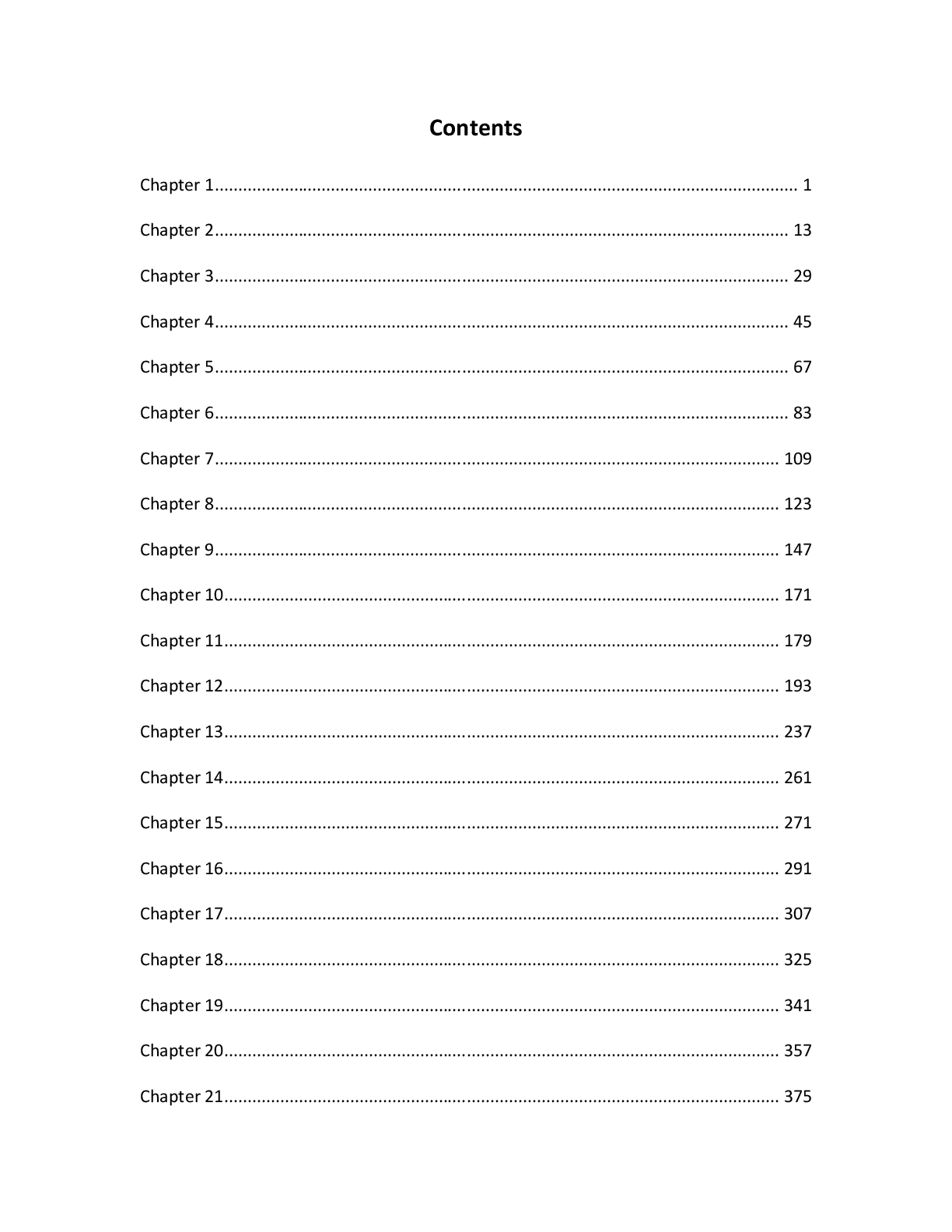


$29
351 Pages
Flawless Consulting A Guide to Getting Your Expertise Used 3...

$12.5
47 Pages
NRNP 6635 FINAL EXAM QUESTIONS AND ANSWERS 2023! Rated A + Ans...
More related documents below

.png)
.png)
.png)