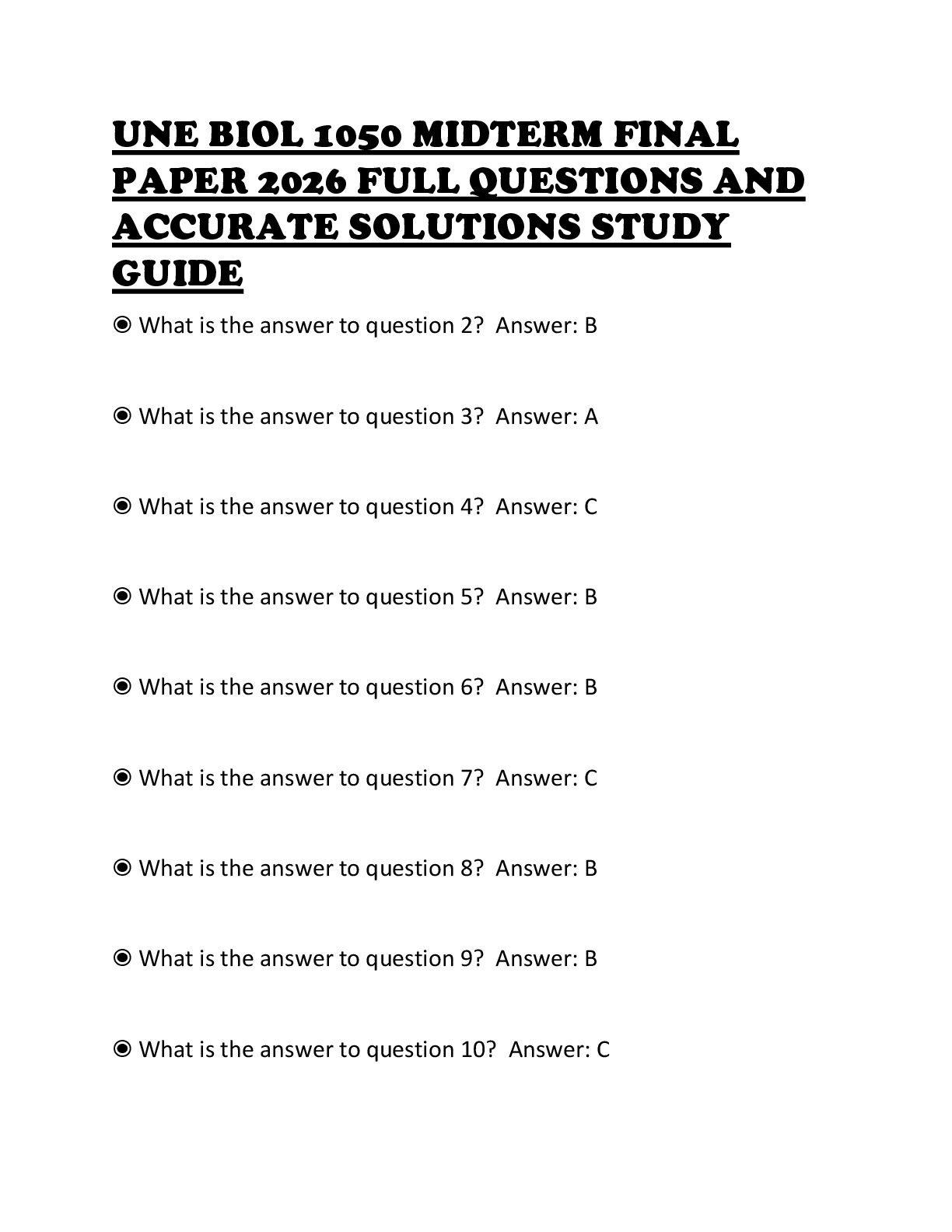
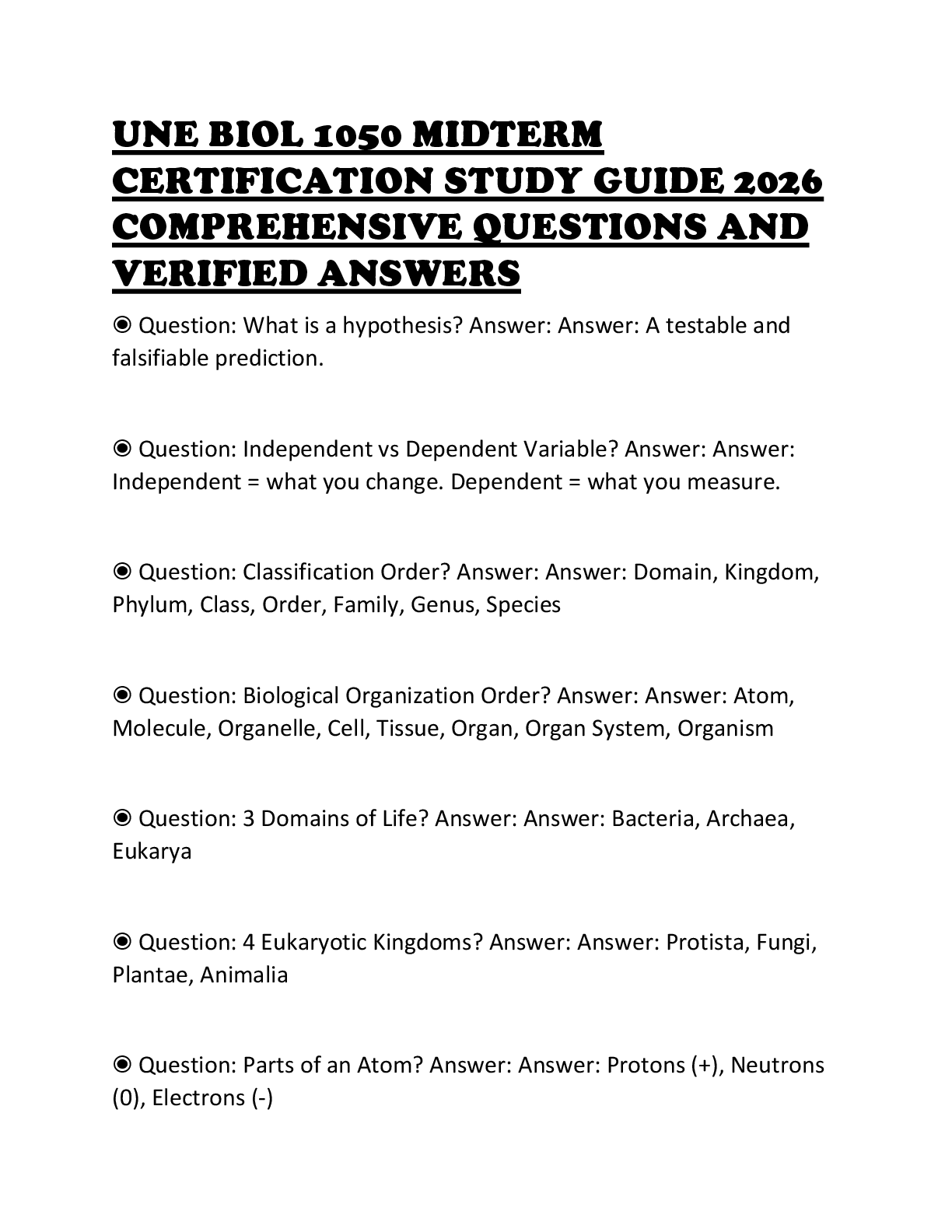
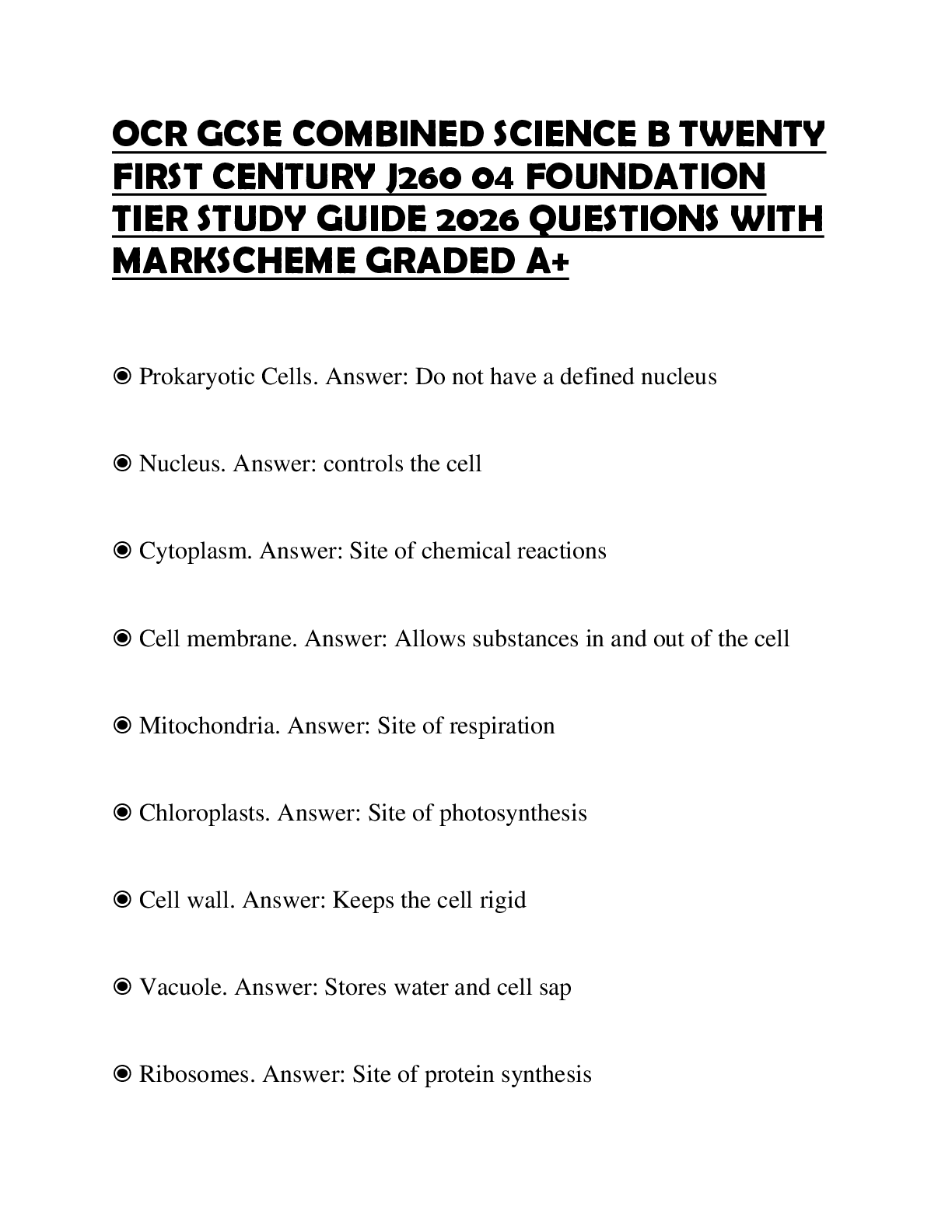
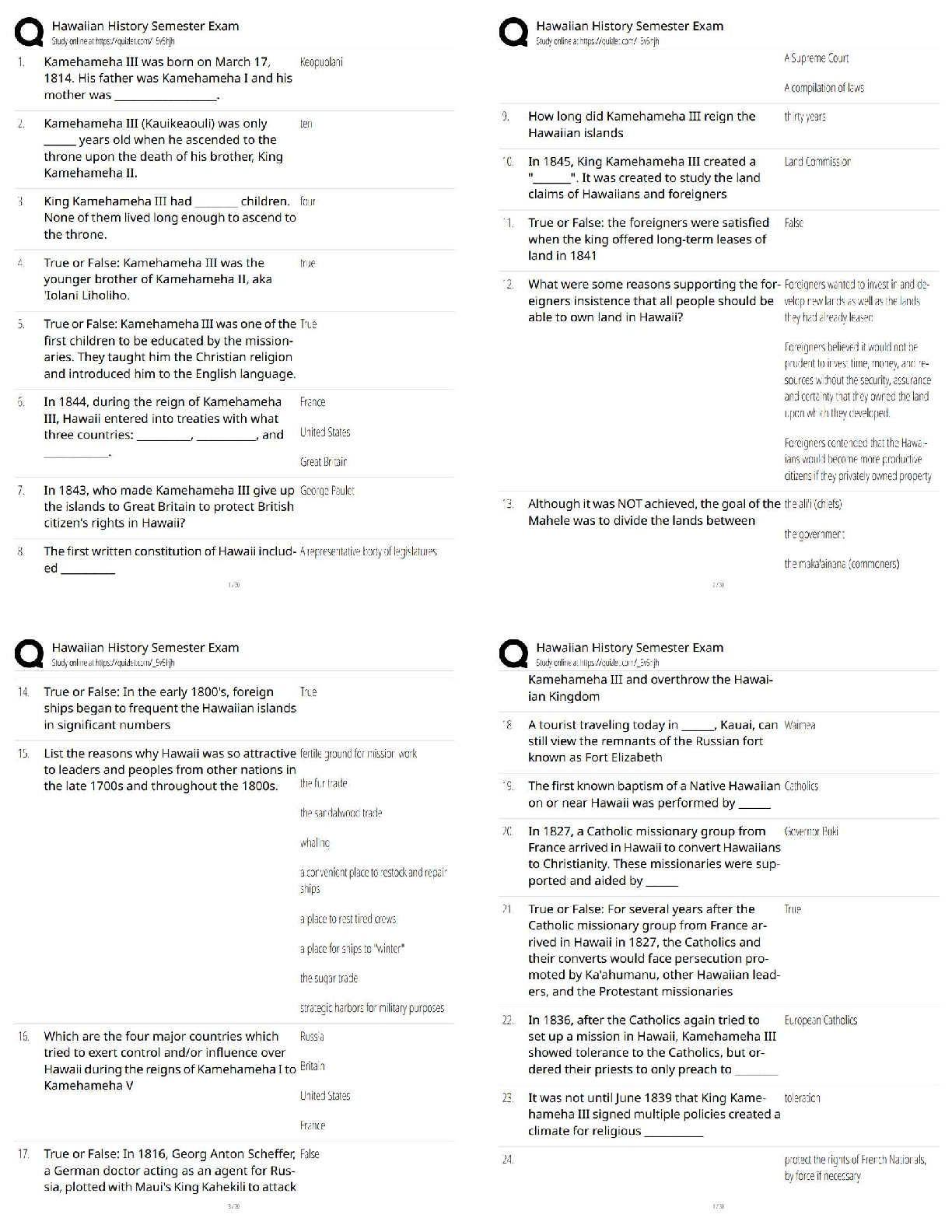
Biology > QUESTIONS & ANSWERS > Bio 101 Final- Straighterline Latest 2022 Already Graded A (All)
Bio 101 Final- Straighterline Latest 2022 Already Graded A
Document Content and Description Below
Last updated: 5 months ago
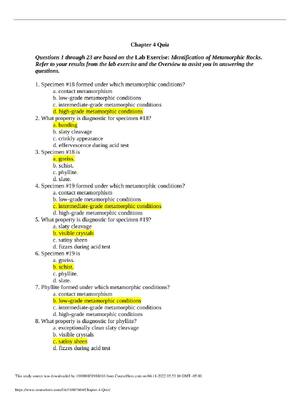
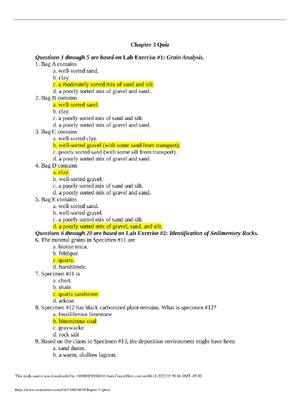
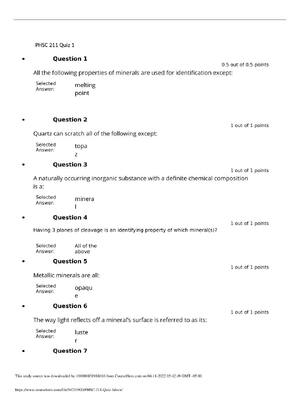
Preview 1 out of 34 pages
Instant download
.png)
Buy this Document to get the Full Access Instantly
Provided by Students Who Aced it
We Verify Document Content to Gurantee Accuracy
Also available in bundle (1)
Click Below to Access Bundle(s)
.png)
Straighterline Nutrition Bundled Exam Questions and Answers with Complete Solutions
Straighterline Nutrition Bundled Exam Questions and Answers with Complete Solutions
By Nutmegs 3 years ago
$17
13
Reviews( 0 )
Document information
Connected school, study & course
About the document
Uploaded On
Sep 17, 2022
Number of pages
34
Written in
All

Additional information
This document has been written for:
Uploaded
Sep 17, 2022
Downloads
1
Views
251
Topic Tags
Related Subjects & Courses
Explore similar study resources and related concepts.
Recommended For You
Get more on QUESTIONS & ANSWERS »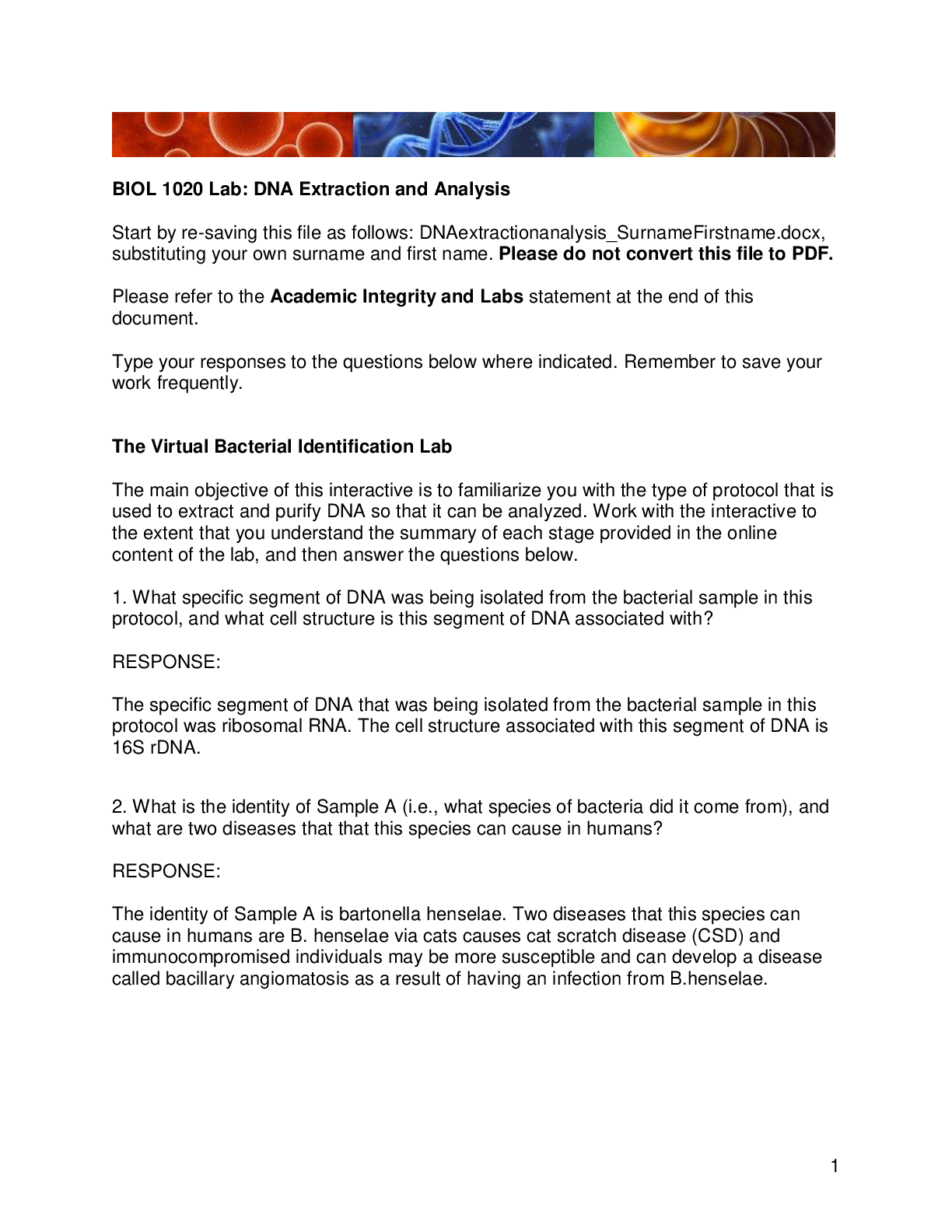
Dalhousie University - BIO 1010DNAextractionanalysis_WalkerTay...
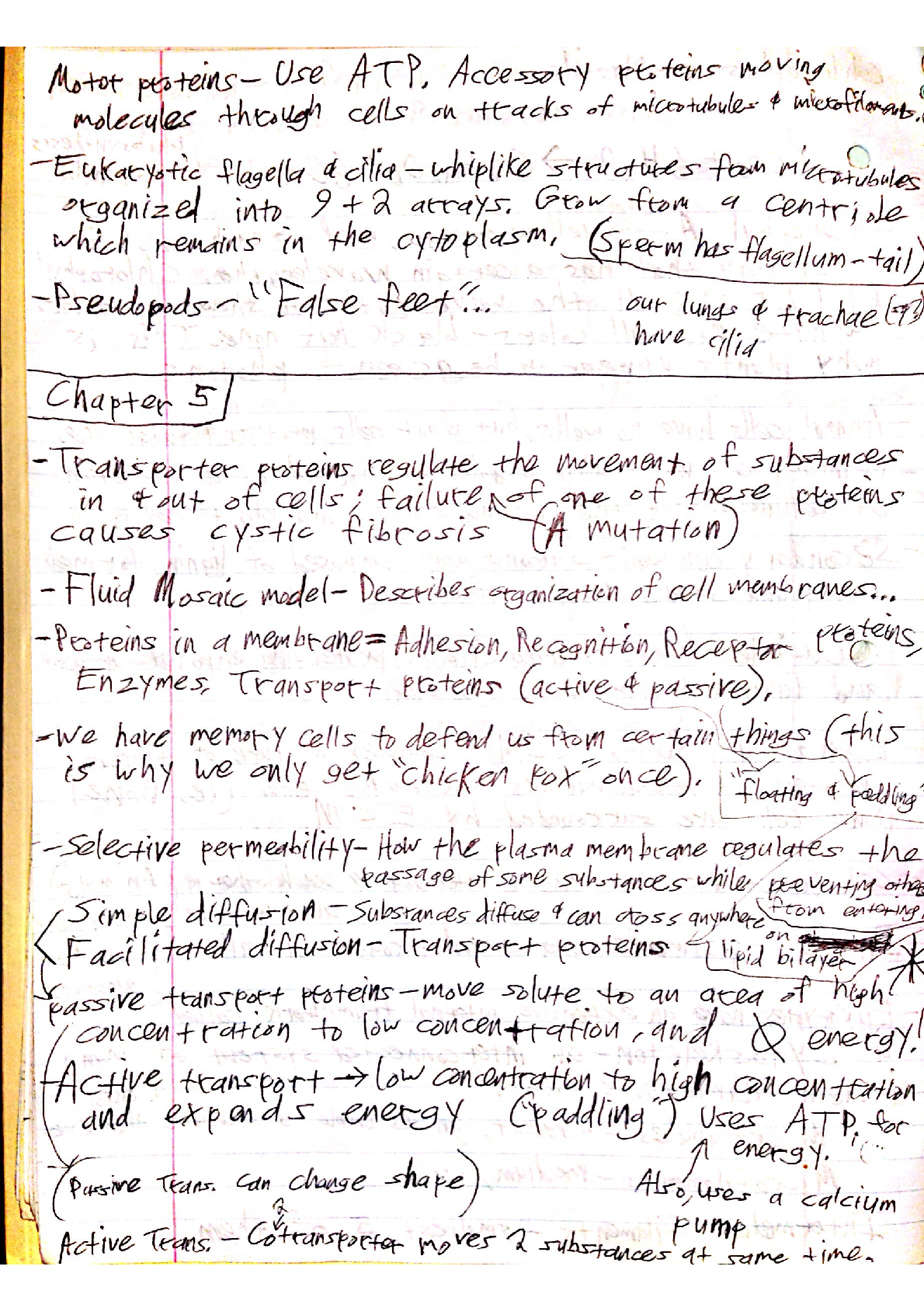
University of Missouri, Kansas CityBIO 101Bio 101 Class Notes-...

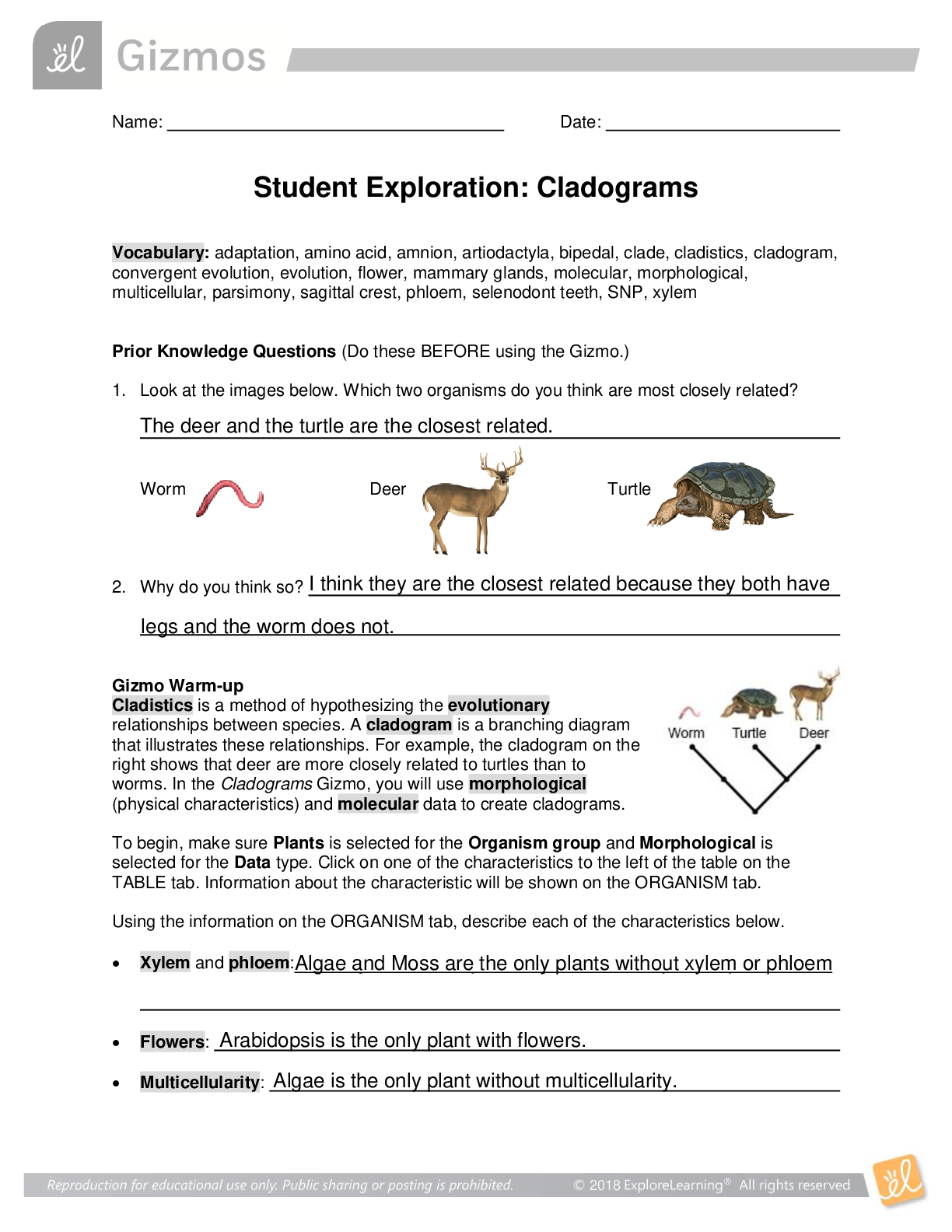
The Effect of Alcohol & Caffeine on Daphnia Heart Rate Washten...

Chamberlain College of Nursing Week 5 Math 225N Statistics Qui...
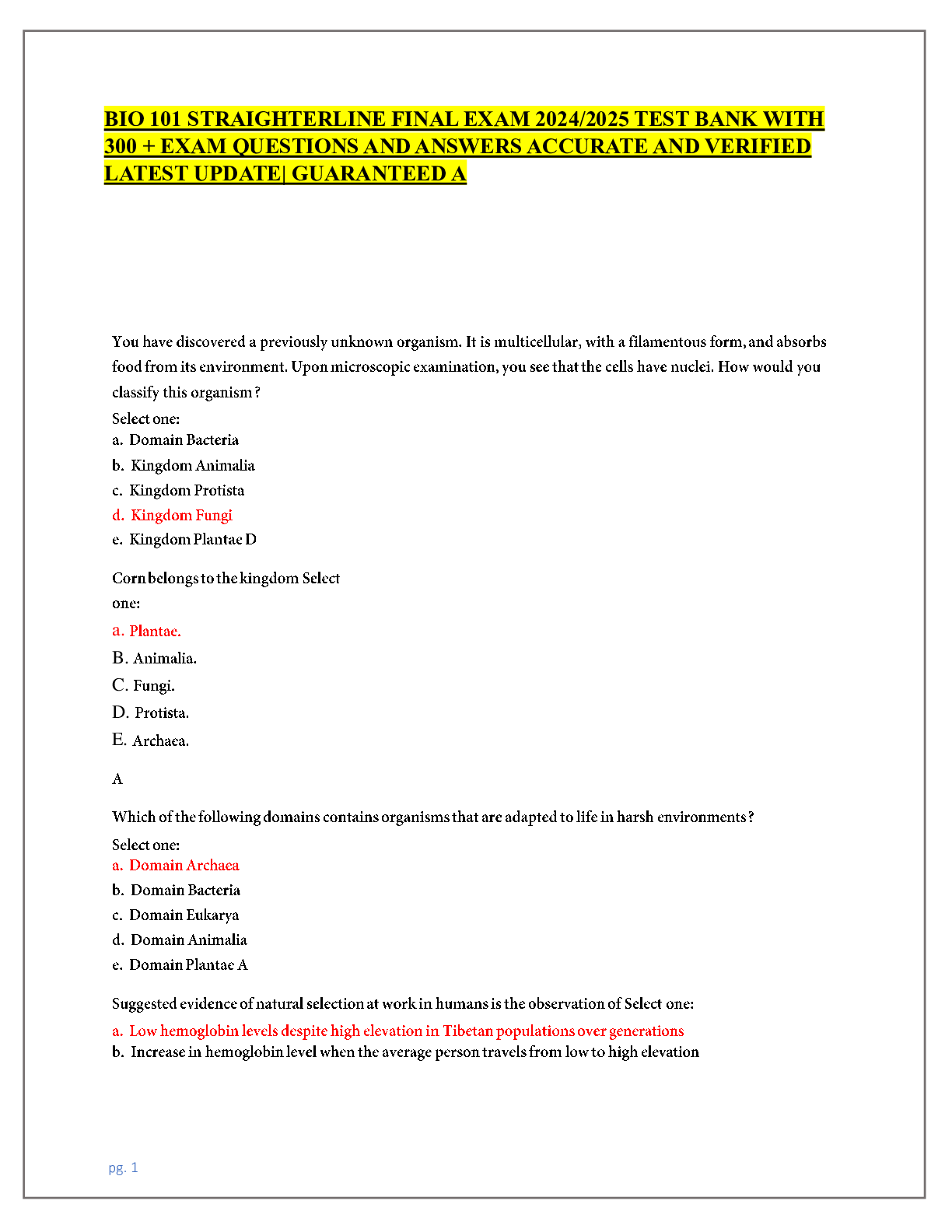
BIO 101 STRAIGHTERLINE FINAL EXAM 2024/2025 TEST BANK WITH 300...

Delaware Technical Community College - SEC 355 / SEC355 FINAL...

AGNP BOARD EXAM QUESTIONS PRESCRIPTION GASTROENTEROLOGY (85 QU...

University of Pennsylvania BIO 101 Final Exam Bio101 Final Exa...
MED SURG HESI EXIT EXAM QUESTIONS AND ANSWERS CORRECT/VERIFIED...